


What is fried tofu in Thai dishes? A 2026 guide
- nwflguy
- 3 hours ago
- 9 min read
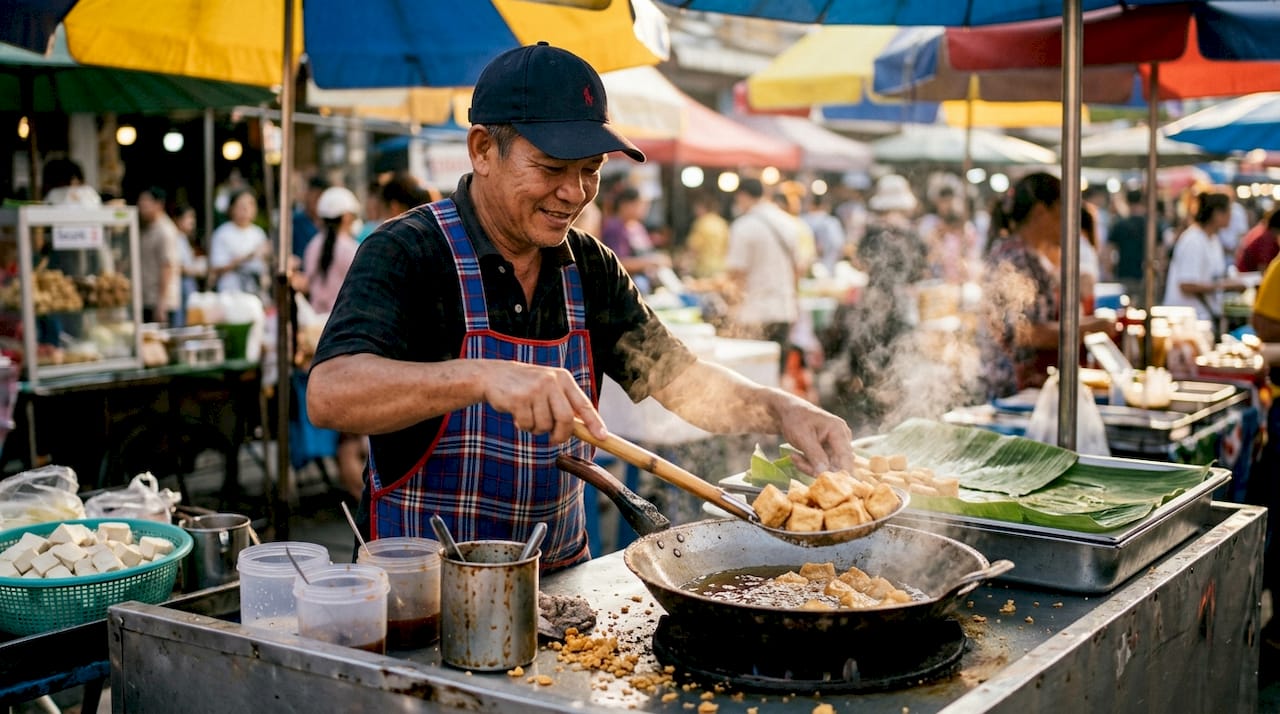
Most people assume fried tofu is just a bland protein substitute, but in Thai cuisine, it’s a centuries-old street food treasure called Tao Hoo Tod. Introduced by Chinese immigrants between the 14th and 18th centuries, this crispy delicacy has evolved into a beloved vegetarian staple across Thailand and now thrives in Las Vegas dining scenes. This guide reveals the authentic preparation techniques, traditional sauces, nutritional benefits, and where local residents and visitors can experience genuine Thai fried tofu in the northwest valley, far from the tourist crowds on the Strip.
Table of Contents
Key takeaways
Point | Details |
Cultural origins | Fried tofu (Tao Hoo Tod) arrived in Thailand through Chinese immigration and became a staple street food between the 14th and 18th centuries. |
Preparation essentials | Authentic preparation involves pressing firm tofu, coating with cornstarch, and deep-frying at medium-high heat for 3 to 5 minutes until golden. |
Sauce pairings | Traditional accompaniments include sweet-spicy peanut sauce, Thai sweet chili sauce, or simple salt and chili combinations. |
Nutritional profile | Each serving delivers 200 to 300 calories and 8 to 20 grams of protein, making it ideal for vegetarians and vegans. |
Local availability | Las Vegas restaurants like Thai Spoon offer authentic versions in appetizers and dishes such as Pad Thai, catering to locals seeking genuine Thai flavors. |
The origins and cultural role of fried tofu in Thai cuisine
Fried tofu’s journey to Thai tables began when Chinese immigrants brought tofu-making traditions to Southeast Asia centuries ago. Unlike the soft, steamed tofu common in Chinese cuisine, Thai cooks adapted the ingredient by deep-frying it to create a crispy exterior that contrasts beautifully with a tender interior. This transformation made tofu accessible to street vendors who needed portable, affordable protein options for working-class customers and Buddhist vegetarians observing religious dietary restrictions.
Tao Hoo Tod quickly became a fixture at Thai markets and roadside stalls, where vendors would fry fresh tofu cubes throughout the day and serve them with homemade sauces. The dish’s popularity stemmed from its versatility, tofu absorbs flavors from marinades and sauces while maintaining structural integrity during frying. For vegetarians in a cuisine traditionally centered on fish sauce and seafood, fried tofu provided a satisfying protein that could anchor a meal or serve as a substantial snack between rice-based dishes.
The cultural significance extends beyond nutrition. Street food culture in Thailand revolves around communal eating and shared flavors, and fried tofu exemplifies this philosophy. Vendors typically prepare it fresh to order, ensuring each batch achieves the ideal golden-brown color and audible crunch. This attention to texture and timing reflects broader Thai culinary values where balance, freshness, and sensory experience take priority over convenience.
Common serving contexts for Tao Hoo Tod:
Appetizer platters with cucumber slices and pickled vegetables
Street snacks sold by weight with portable sauce containers
Protein additions to Thai street food noodle dishes
Component in mixed vegetable stir-fries
“Fried tofu represents Thailand’s genius for transforming simple ingredients into craveable textures through precise cooking techniques and bold flavor pairings.”
For Las Vegas diners exploring vegetarian Thai options, understanding this cultural context helps appreciate why authentic restaurants prioritize proper frying methods and traditional sauce recipes. The dish isn’t merely a meat substitute but a celebrated ingredient with its own identity and preparation standards.
How fried tofu is prepared in authentic Thai dishes
Achieving restaurant-quality fried tofu requires understanding moisture management, coating techniques, and precise temperature control. Thai cooks prioritize pressing tofu under weight for at least 30 minutes before frying, a step that removes excess water and prevents oil splatter while ensuring the exterior crisps properly. Without this crucial preparation, tofu retains moisture that creates steam during frying, resulting in a soggy, pale exterior that lacks the signature crunch.
The pressing process involves wrapping tofu blocks in clean kitchen towels and placing a heavy object, such as a cast iron skillet or stack of plates, on top. This gentle pressure expels water without crushing the delicate protein structure. Once pressed, the tofu is cut into uniform cubes, typically one to one and a half inches, to ensure even cooking. Size consistency matters because smaller pieces overcook while larger chunks remain undercooked in the center.
Step-by-step preparation sequence:
Press extra-firm or super-firm tofu for 30 minutes minimum
Cut into uniform cubes and pat completely dry with paper towels
Toss cubes lightly in cornstarch to create a thin, even coating
Heat neutral oil (vegetable or peanut) in a wok or deep pan to 350°F
Fry in small batches for 3 to 5 minutes until golden brown
Remove with a slotted spoon and drain on paper towels
Pro Tip: Expert techniques include avoiding overcrowding the pan, which drops oil temperature and causes uneven browning. Fry no more than 8 to 10 cubes at once, maintaining space between pieces for proper heat circulation.
Cornstarch coating serves multiple purposes beyond creating crispiness. The fine powder absorbs residual surface moisture and forms a protective barrier that seals the tofu’s interior while developing a delicate, shattering crust. Some cooks add a pinch of salt or white pepper to the cornstarch for subtle seasoning, though traditional preparations keep the coating neutral to let dipping sauces provide flavor complexity.
Temperature control separates amateur from professional results. Oil that’s too cool produces greasy, limp tofu that absorbs excess fat. Oil that’s too hot burns the exterior before the interior warms through. Medium-high heat, verified with a cooking thermometer or by testing with a small tofu piece, ensures the Maillard reaction occurs at the surface while gentle heat penetrates the center.
Preparation Method | Texture Result | Best Use Case | Cooking Time |
Deep-frying | Maximum crispiness, golden exterior | Appetizers, snacks | 3 to 5 minutes |
Pan-frying | Moderate crunch, less oil absorption | Essential Thai ingredients in stir-fries | 4 to 6 minutes per side |
Baking | Firm texture, minimal oil | Health-conscious preparations | 25 to 30 minutes at 400°F |
Double-frying | Extra-crispy coating, restaurant-style | Special occasions, vegetarian Thai food dishes | 3 minutes, rest, then 2 minutes |
Alternative cooking methods accommodate different dietary preferences and equipment limitations. Pan-frying uses less oil and works well when incorporating tofu into dishes like Pad Thai, where the cubes will absorb sauce and don’t require standalone crispiness. Baking offers a hands-off approach that produces firm, slightly chewy tofu suitable for meal prep. Double-frying, a technique borrowed from Korean and Japanese cuisines, involves an initial fry at lower temperature followed by a second fry at higher heat, creating an exceptionally crunchy exterior that stays crispy longer.
Serving styles, sauces, and nutritional benefits of fried tofu in Thai dishes
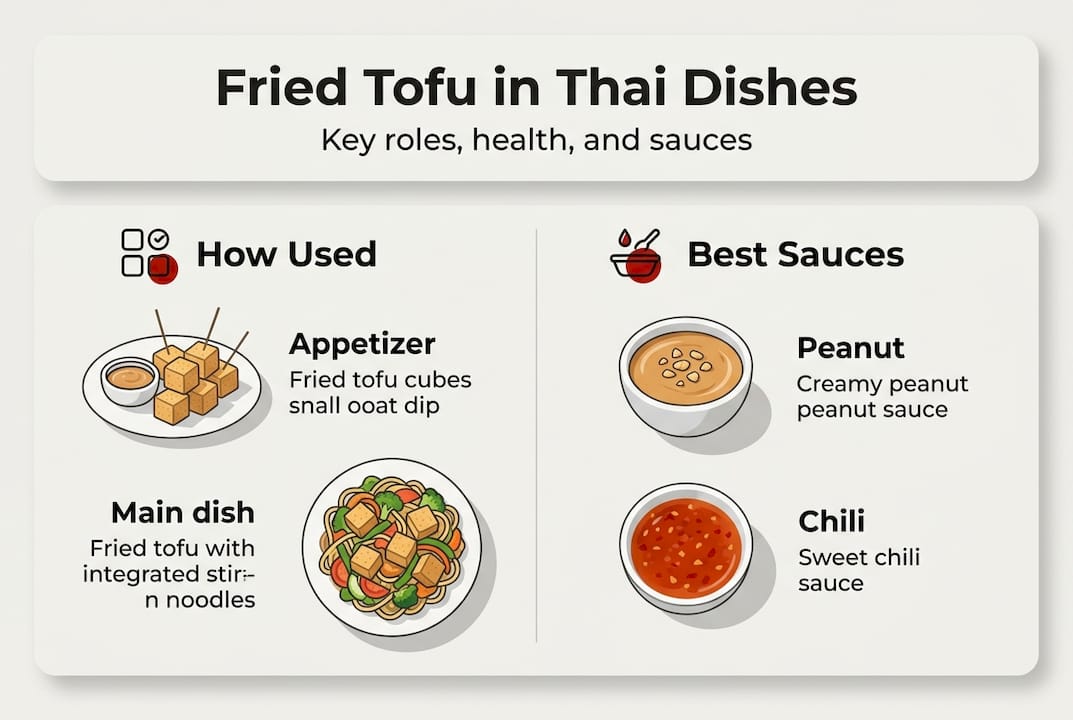
Authentic Thai fried tofu shines through its sauce pairings, which transform the neutral protein into a flavor experience that balances sweet, spicy, salty, and tangy notes. The sweet-spicy peanut sauce remains the street food benchmark, combining roasted peanuts, palm sugar, tamarind, chili, and lime juice into a thick, complex condiment. This sauce’s richness complements the tofu’s mild flavor while its texture contrast, smooth and creamy against crispy and firm, creates the sensory satisfaction Thai cuisine prizes.
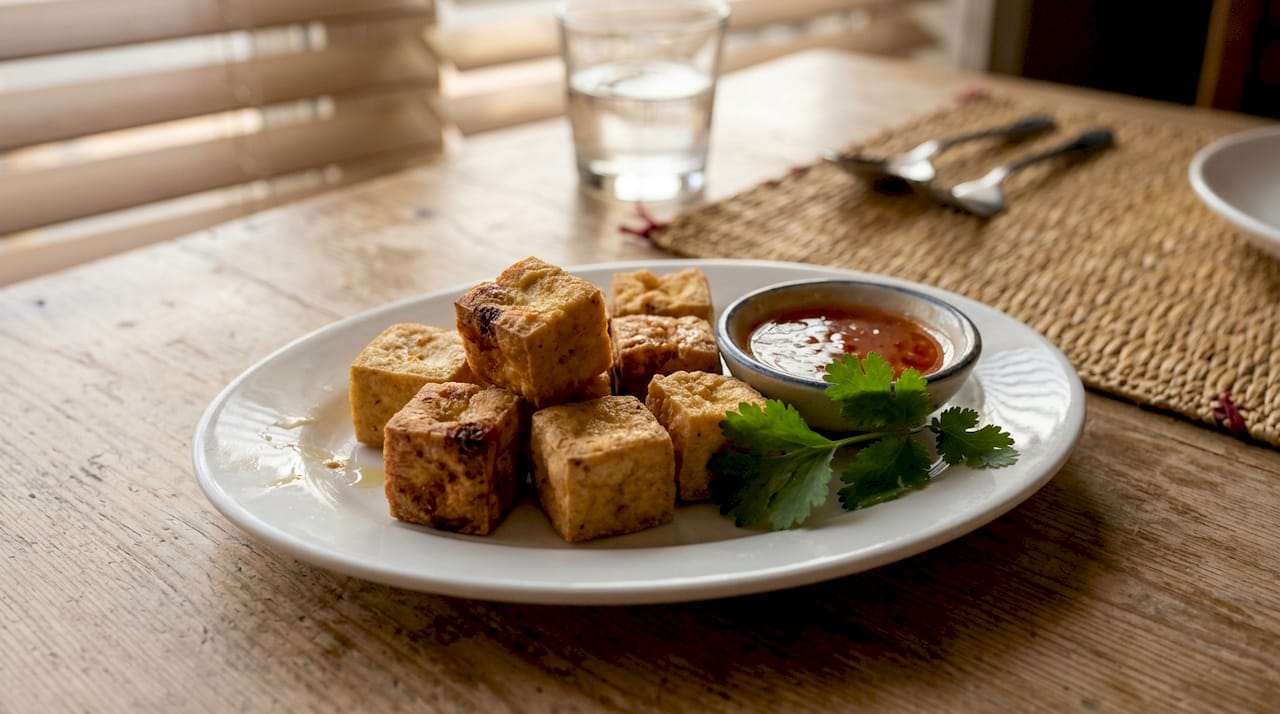
Street vendors and home cooks also offer Thai sweet chili sauce, a translucent red condiment with visible chili flakes that provides sweetness upfront followed by a gentle heat. This sauce appeals to diners who prefer less intensity than peanut sauce but still want flavor complexity beyond plain soy sauce. Purists favor simple salt and chili, a minimalist approach that lets the tofu’s natural soy flavor and fried texture take center stage with just enough seasoning to enhance rather than mask.
Popular sauce variations and flavor profiles:
Peanut sauce: Rich, creamy, moderately spicy, slight tang from tamarind
Sweet chili sauce: Bright, sweet, mild heat, garlic undertones
Salt and chili: Clean, direct heat, no sweetness, purist choice
Soy-ginger dipping sauce: Savory, aromatic, lighter alternative
Serving presentations vary by context. As an appetizer at popular Thai appetizers restaurants, fried tofu arrives on a platter with cucumber slices, fresh cilantro, and crushed peanuts scattered on top. The vegetables provide cooling relief between bites while adding textural variety. Street vendors package it in paper cones or plastic bags with sauce in separate containers, making it portable for customers eating while walking through markets.
Incorporated into main dishes, fried tofu becomes a protein component rather than a standalone item. Pad Thai traditionally offers a choice between chicken, shrimp, or tofu, with the fried version providing more textural interest than soft tofu alternatives. The cubes absorb the tamarind-based sauce while maintaining their crispy edges, creating pockets of intense flavor throughout the noodle dish. Similarly, stir-fries and curries benefit from fried tofu’s ability to hold its shape and provide satisfying chew.
Pro Tip: When dining out, request sauce on the side to control intensity and prevent the crispy coating from becoming soggy. This approach lets you taste the tofu’s texture first, then add sauce gradually to find your preferred balance.
Nutritional benefits make fried tofu particularly appealing to health-conscious diners and those following plant-based diets. Each serving delivers approximately 200 to 300 calories depending on frying method and oil absorption, with 8 to 20 grams of complete protein containing all essential amino acids. Unlike many vegetarian proteins, tofu provides iron, calcium, and magnesium in meaningful quantities, supporting bone health and energy metabolism.
Nutritional Aspect | Fried Tofu (per 100g) | Comparison to Chicken Breast | Key Benefit |
Calories | 200 to 270 | 165 | Moderate energy density |
Protein | 8 to 15g | 31g | Complete amino acid profile |
Fat | 12 to 18g | 3.6g | Heart-healthy unsaturated fats |
Carbohydrates | 8 to 12g | 0g | Minimal impact on blood sugar |
Iron | 2 to 3mg | 0.7mg | Supports oxygen transport |
For vegetarians and vegans navigating Thai menus, fried tofu offers versatility that extends beyond protein replacement. Its neutral flavor absorbs marinades and sauces effectively, making it adaptable to various vegetables in Thai cuisine preparations from mild coconut curries to fiery basil stir-fries. The texture holds up to high-heat cooking methods that would cause softer proteins to disintegrate, ensuring it remains a substantial presence rather than disappearing into the dish.
Experience authentic fried tofu and Thai flavors in Las Vegas
Las Vegas residents and visitors seeking genuine Thai fried tofu don’t need to compromise on authenticity or travel to the Strip’s tourist-focused restaurants. Thai Spoon Las Vegas brings traditional preparation methods and classic sauce pairings to the northwest valley, offering menu options that showcase fried tofu as both appetizer and protein choice in signature dishes. The kitchen prioritizes proper pressing, coating, and frying techniques that deliver the crispy exterior and tender interior characteristic of Bangkok street food.
Beyond dine-in and takeout, Thai Spoon’s catering services bring authentic Thai flavors to local events, from office lunches to family gatherings. The catering menu includes vegetarian-friendly options featuring fried tofu alongside traditional favorites, ensuring guests with dietary preferences enjoy the same flavor complexity and satisfying textures as meat-based dishes. For detailed information about appetizer selections, main courses, and customization options, explore the complete menu details that highlight the restaurant’s commitment to authentic Thai cuisine accessible to the local community.
Frequently asked questions
What is fried tofu in Thai dishes?
Fried tofu in Thai cuisine refers to Tao Hoo Tod, firm tofu cubes that are pressed to remove moisture, coated lightly with cornstarch, and deep-fried until golden and crispy. The dish originated from Chinese culinary traditions adapted by Thai street vendors and typically serves as an appetizer or protein component in main dishes like Pad Thai. It’s distinguished by its contrasting textures, a crunchy exterior surrounding a soft, warm interior, and is almost always accompanied by flavorful dipping sauces.
Is fried tofu in Thai dishes vegetarian and vegan-friendly?
Fried tofu is inherently vegetarian and vegan-friendly since it’s made entirely from soybeans, water, and a coagulant. However, diners should verify that accompanying sauces don’t contain fish sauce, shrimp paste, or other animal products commonly used in Thai cooking. Most restaurants offering vegetarian Thai options can modify sauces to be fully plant-based, substituting soy sauce for fish sauce and omitting any dairy or egg components in peanut sauce preparations.
What sauces are commonly served with Thai fried tofu?
Traditional accompaniments include sweet-spicy peanut sauce, Thai sweet chili sauce, and simple salt with crushed chili combinations. Peanut sauce, made from roasted peanuts, palm sugar, tamarind, and chili, remains the street food classic with its rich, complex flavor profile. Purists prefer salt and chili for a cleaner taste that highlights the tofu’s natural flavor and fried texture. Some restaurants also offer soy-ginger or tamarind-based dipping sauces as alternatives, allowing diners to customize heat and sweetness levels to personal preference. Check out Thai appetizers for more sauce pairing ideas.
How should I store and reheat leftover fried tofu?
Leftover fried tofu keeps refrigerated for three days when stored in an airtight container with paper towels to absorb excess moisture. Reheating in an oven at 375°F for 8 to 10 minutes restores crispiness far better than microwaving, which creates steam that softens the coating. For best results, place tofu pieces on a wire rack over a baking sheet to allow air circulation around all surfaces. Avoid storing tofu with sauce, as the coating will become soggy overnight.
In which popular Thai dishes is fried tofu commonly used?
Fried tofu frequently appears in Pad Thai as a vegetarian protein option, where it absorbs the tamarind-based sauce while maintaining textural contrast. It’s also served as a standalone appetizer with dipping sauces, incorporated into stir-fries like Pad Krapow (basil stir-fry), and added to certain curry preparations where its firm texture withstands prolonged simmering. Street vendors often include it in mixed vegetable dishes and noodle soups, providing protein and substance for vegetarian customers. Explore Thai appetizers in Las Vegas and vegetarian Thai dishes to discover more applications.
Recommended
Comments