


Authentic Thai cuisine in NW Las Vegas: what to know
TL;DR:
Northwest Las Vegas offers authentic Thai cuisine with fresher ingredients and regional dishes.
Smaller neighborhood restaurants prioritize community and genuine flavors over tourist-oriented watered-down options.
Proper menu decoding and understanding dish types enhance the authentic Thai dining experience.
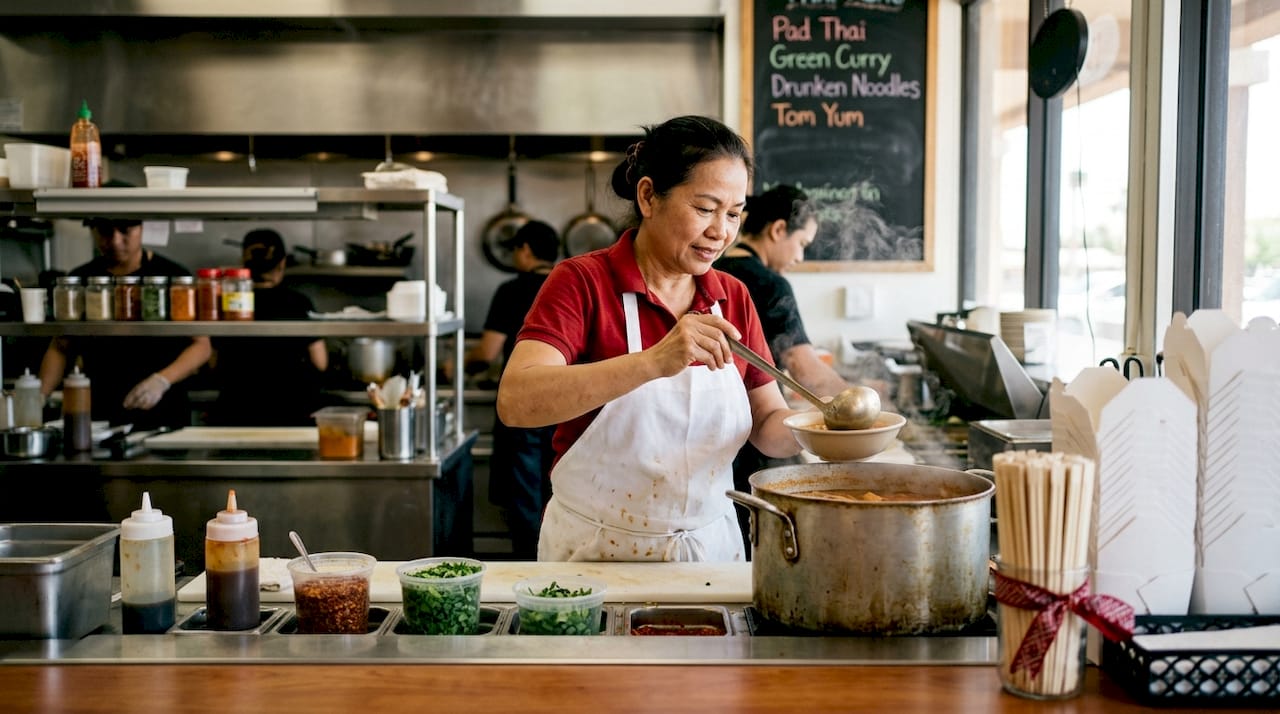
Most people assume the best Thai food in Las Vegas lives somewhere between a casino buffet and a Strip-side restaurant with neon lighting. That assumption misses a quieter, more flavorful story happening about 20 minutes northwest of the tourist corridor. Northwest Las Vegas has quietly built a reputation for Thai cuisine that locals genuinely trust, with authentic recipes and fresher ingredients that Strip restaurants rarely match. If you live here or you’re visiting and want something real, this guide will help you find it, order it right, and enjoy every bite.
Table of Contents
Key Takeaways
Point | Details |
Authenticity lives in NW Las Vegas | Local Thai restaurants offer fresher ingredients and genuine recipes that rival tourist spots. |
Menu mastery enhances your meal | Knowing menu terms and ordering strategies lets you enjoy traditional Thai cuisine at its best. |
Takeout and dine-in both excel | Lunch specials and top dishes are crafted for freshness and convenience, whether you stay or go. |
Personalized experience and community | Smaller venues foster intimacy and cultural authenticity, enriching local dining beyond just food. |
Menu and catering at your fingertips | Access full menus and expert event catering for all occasions via trusted northwest Las Vegas providers. |
What makes northwest Las Vegas Thai cuisine special?
With the introduction clarifying common misconceptions, we now explore what sets northwest Las Vegas Thai cuisine apart from tourist-heavy alternatives.
The short answer is that northwest Las Vegas Thai restaurants are built for people who actually eat Thai food regularly, not for tourists who need a safe, watered-down version. Chefs here tend to use fresher produce, more traditional seasoning blends, and recipes that haven’t been adjusted to chase Yelp ratings from visitors who’ve never tasted real pad kra pao. The result is a noticeably different experience.
Here’s what consistently sets these spots apart:
Ingredient quality: Locals praise superior ingredients sourced with more care than what you’ll typically find in high-volume Strip kitchens.
Intimate settings: Smaller dining rooms mean the kitchen isn’t overwhelmed. Your food gets proper attention.
Community familiarity: Staff know their regulars. That means better recommendations and more honest spice-level guidance.
Menu depth: You’ll find regional Thai dishes that don’t make it onto tourist menus, like larb, khao soi, or nam tok.
Pro Tip: Ask your server what the kitchen is proudest of that day. In smaller northwest Las Vegas restaurants, chefs often rotate specials based on what’s freshest. You’ll get something memorable that isn’t even on the printed menu.
“The difference between a Strip Thai restaurant and a northwest Las Vegas one often comes down to who the chef is cooking for. Here, they’re cooking for neighbors.”
That community-first approach is exactly why locals love Thai Spoon and similar neighborhood spots. It’s not just about the food. It’s about feeling like the restaurant actually wants you to come back. If you want to go deeper on what makes Thai cuisine tick from a culinary standpoint, the Thai cuisine guide breaks down techniques and flavor principles worth understanding.
Decoding Thai menu terminology
Now that you understand the regional advantages, let’s break down how to decode and order from a Thai menu so you can enjoy authentic dishes.
Thai menus can feel like a puzzle if you’re not familiar with the vocabulary. A few key terms go a long way toward helping you order confidently and avoid accidentally choosing an Americanized version of a dish when the real thing is right there on the same page. Authentic menu terminology is genuinely your best tool for finding real Thai food.
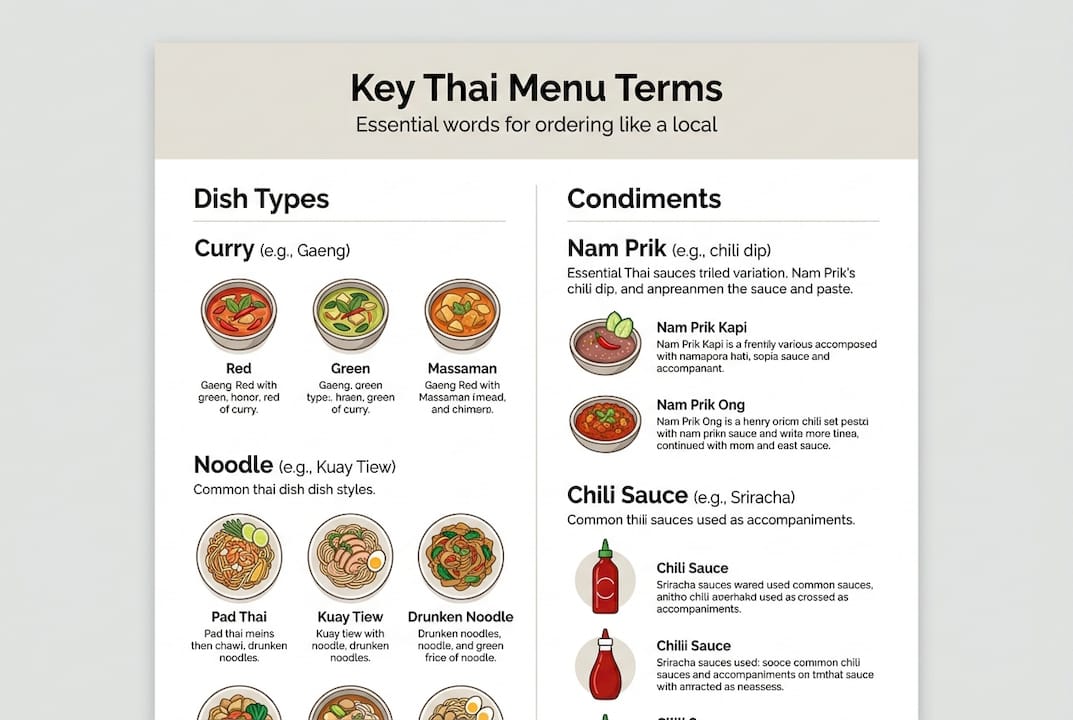
Term | Meaning | What to expect |
Pad | Stir-fried | Quick, high-heat cooking with bold flavors |
Gaeng (Curry) | Coconut-based sauce | Rich, layered heat with herbs |
Som Tum | Green papaya salad | Bright, tangy, often very spicy |
Nam Prik | Chili dipping sauce | Served alongside proteins or vegetables |
Khao | Rice | Base for most dishes |
Here’s a numbered approach to ordering like a local:
Start with a clear base. Decide between rice-based, noodle-based, or salad-style dishes before scanning the full menu.
Check the protein options. Authentic Thai menus often list tofu, shrimp, chicken, and beef separately within the same dish category.
Ask about spice scale. A real Thai restaurant will have a genuine spice scale, not just “mild, medium, hot.” Ask what level locals usually order.
Look for regional markers. Words like “Isaan” (northeastern Thai) or “Southern style” signal dishes with distinct regional character.
Avoid dishes with no Thai name. If a dish only has an English description and no Thai term, it’s likely been heavily adapted.
Pro Tip: If you see “Nam Prik” on the menu, order it. It’s one of the most traditional Thai condiments and a reliable signal that the kitchen respects authentic preparation.
Want to go further? The full breakdown of select authentic Thai dishes gives you a practical framework for choosing well every time you sit down at a Thai restaurant.
Choosing the best Thai dishes for takeout and dine-in
Understanding menu terminology sets the foundation. Next, discover which Thai dishes deliver the best experience for both takeout and dining at local spots.
Not every Thai dish travels equally well. Some dishes are built for the table: they need to be eaten immediately, with the sauce still glossy and the herbs still fragrant. Others hold up beautifully in a takeout container and might even taste better after a short rest. Knowing the difference saves you from a disappointing meal at home.
Best dishes for takeout:
Pad Thai: Noodles hold their texture well and reheat cleanly.
Yellow or Massaman Curry: The sauce only deepens in flavor after sitting.
Steak Fried Rice: Holds temperature well and doesn’t get soggy.
Panang Curry: Thick sauce means it won’t leak or separate during transport.
Best dishes for dine-in:
Som Tum (papaya salad): Best eaten immediately while crisp and cold.
Tom Yum Soup: Aromatic broth loses its punch quickly once it cools.
Whole fish dishes: Presentation and texture matter most here.
NW Las Vegas offers convenient takeout alongside a dine-in experience that’s genuinely relaxed, not rushed. That’s a meaningful advantage when you’re deciding how to enjoy your meal.
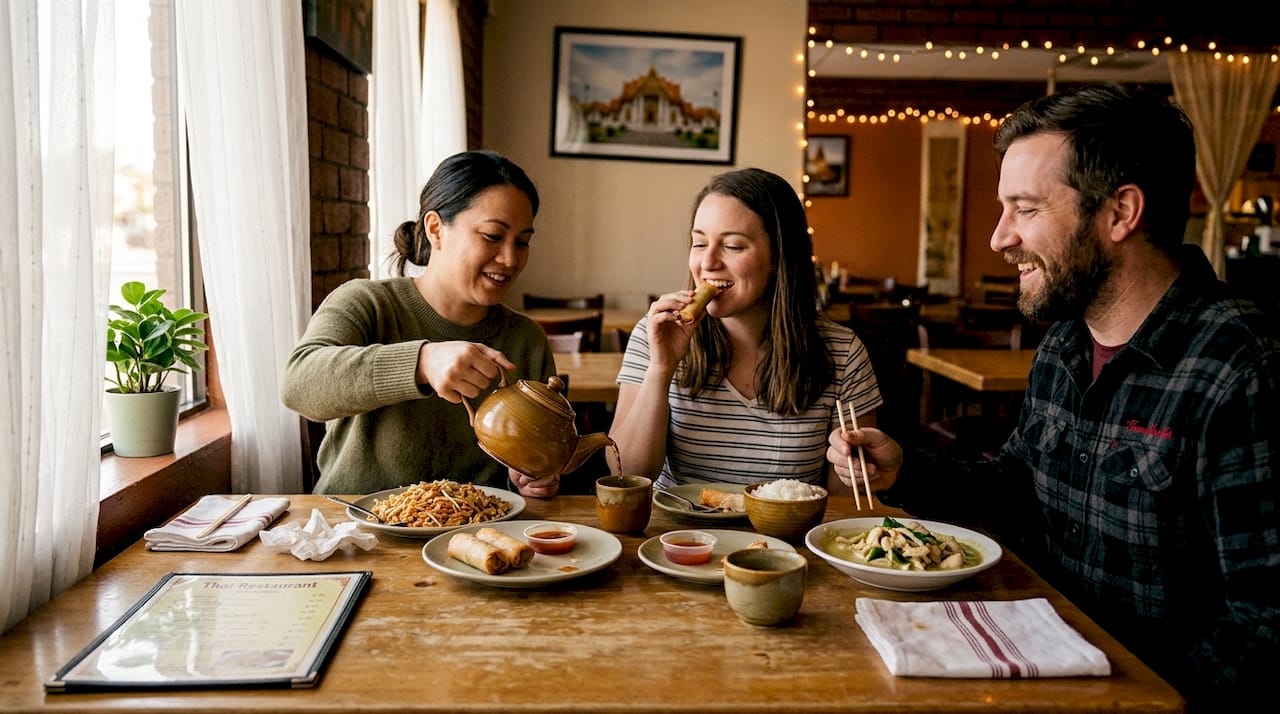
Lunch specials are worth paying attention to. They often bundle a main dish with soup and a spring roll at a price that makes the Strip look overpriced by comparison. Check out Thai lunch specials to see what’s typically available and how to get the most value. For a deeper look at why lunch timing matters, complete Thai lunch benefits covers the full picture.
Stat to know: Lunch specials at northwest Las Vegas Thai restaurants typically offer 20 to 30 percent more value per dish compared to ordering the same items individually at dinner pricing.
Tips for enjoying your Thai meal like a local
Once you’ve chosen your dishes, use these local-approved tips to enhance your meal and enjoy a truly flavorful experience.
Ordering the right dish is only half the experience. How you eat it, how you interact with the restaurant, and how you handle takeout all shape whether you walk away satisfied or just full. Here’s what regulars actually do.
Share dishes at the table. Thai food is designed for communal eating. Order three or four dishes for two people and share everything. You’ll taste more and waste less.
Use a spoon as your primary utensil. In Thailand, forks are used to push food onto the spoon, not to eat directly. It’s a small habit that actually changes how you taste each bite.
Respect the chef’s spice recommendation. If staff suggest a lower spice level for a particular dish, take it seriously. Some dishes are built around a specific heat level that changes the flavor balance when pushed too high.
For takeout, keep sauces separate when possible. Ask for curry or dressing on the side if you’re not eating immediately. This keeps textures intact.
Arrive during off-peak hours for dine-in. Small seating at northwest Thai restaurants creates a relaxed, community atmosphere, but it also means tables fill up fast during peak lunch and dinner rushes.
Pro Tip: If you’re doing takeout, eat within 30 minutes for best results. Thai stir-fry dishes in particular lose their wok-char flavor quickly once they cool.
“The best Thai meal you’ll have in northwest Las Vegas probably won’t happen on a Friday night at 7 PM. It’ll happen on a Tuesday at noon when the kitchen has time to breathe.”
For a fuller picture of what makes a great experience at a local spot, best Thai restaurant experience covers the details worth knowing. And if you’re curious about the flavor principles that make Thai cuisine so distinct, what sets Thai food apart is a genuinely interesting read.
Why northwest Las Vegas is redefining Thai cuisine experiences
Having shared practical tips, let’s step back and look at why northwest Las Vegas is quietly changing perceptions of Thai cuisine.
Here’s something the food media rarely acknowledges: smaller venues often produce better food. Not because small equals artisan, but because a 40-seat restaurant cannot afford to be mediocre. Every table matters. Every plate is a direct conversation between the kitchen and the guest.
Northwest Las Vegas Thai restaurants operate in that reality daily. Chefs here adapt recipes based on what’s available, what regulars love, and what reflects genuine Thai cooking tradition rather than what photographs well for a hotel marketing campaign. The community atmosphere isn’t a marketing angle. It’s a structural outcome of how these places operate.
Contrasting northwest Las Vegas dining with Strip options reveals something important: the hidden value isn’t just in the price or the parking. It’s in the relationship between the restaurant and the neighborhood it serves. That relationship produces food with actual intention behind it. If you’ve been eating Thai food only on the Strip, you’ve been missing the real conversation.
Explore authentic Thai menus and catering options
If this guide has you ready to explore northwest Las Vegas Thai food in person, Thai Spoon Las Vegas makes it straightforward to get started. Whether you’re planning a casual weeknight dinner, a takeout order for the family, or a catered event, everything is accessible in one place.
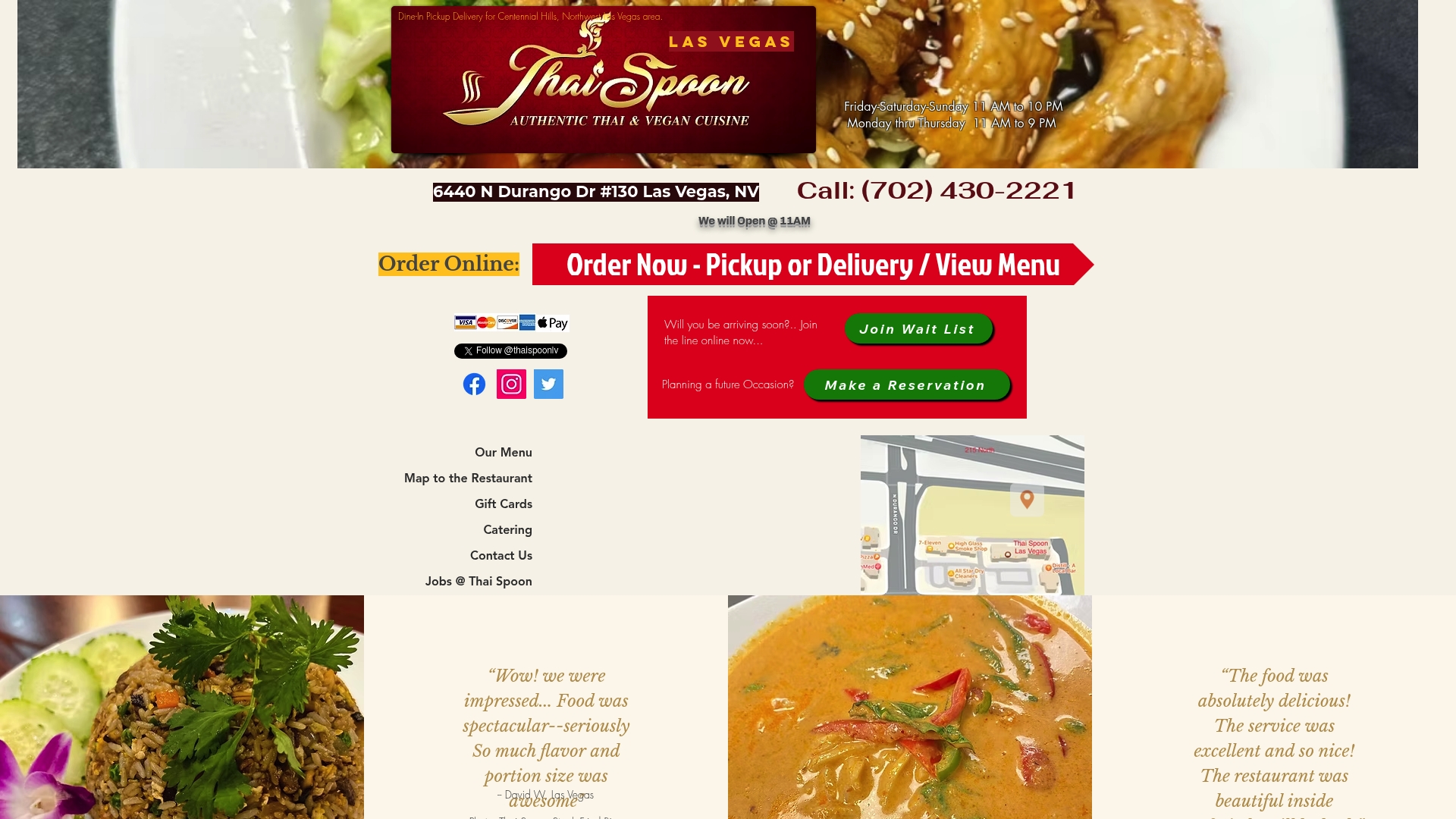
Browse the Thai Spoon full menu to see the complete range of dishes available for dine-in and pickup. You can also explore menu features including lunch specials, happy hour options, and dietary accommodations for vegan and gluten-free diets. For larger gatherings, Thai catering services from Thai Spoon cover everything from office lunches to private events, bringing authentic northwest Las Vegas flavors to your table wherever that happens to be.
Frequently asked questions
What are the most authentic Thai dishes to try in northwest Las Vegas?
Dishes like Pad Thai, Som Tum (papaya salad), and Curry are highly recommended. Locals praise the authenticity of these classics at northwest Las Vegas Thai restaurants above what’s typically found closer to the Strip.
How do lunch specials at Thai restaurants in NW Las Vegas compare to those on the Strip?
Lunch specials in NW Las Vegas are often fresher, more varied, and tailored to local tastes. Northwest Las Vegas offers more personalized and value-driven lunch options compared to the higher-volume Strip alternatives.
Can I order Thai food for large groups or events in NW Las Vegas?
Yes. Thai Spoon Las Vegas provides full Thai catering options for events and large groups, making it practical to bring authentic Thai food to any occasion in the northwest Las Vegas area.
Is takeout as fresh as dine-in at northwest Thai restaurants?
Takeout quality is excellent, but dishes like stir-fry and Tom Yum soup are best enjoyed dine-in. Small venues in NW Las Vegas optimize freshness for both formats, though some dishes simply shine brightest at the table.
How can I decode Thai menu items to find authentic flavors?
Look for traditional Thai terms like Pad, Gaeng, and Som Tum, then ask staff for honest recommendations. Understanding menu terminology is the most reliable way to identify dishes that reflect genuine Thai culinary tradition rather than adapted versions.
Recommended

Comments