


Discover Every Type of Pad Thai Noodle for Authentic Flavor
TL;DR:
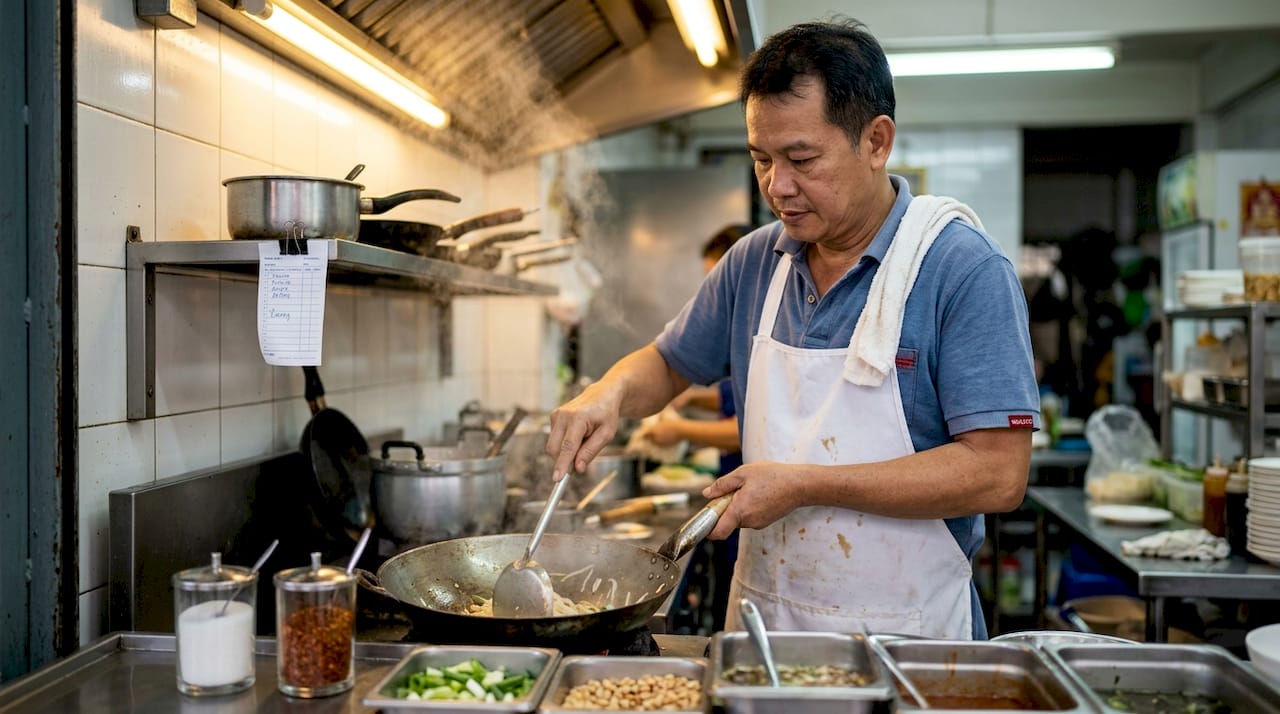
Authentic Pad Thai uses medium-width flat rice noodles called sen lek.
Proper preparation involves soaking dried noodles in room temperature water, not boiling.
Northwest Las Vegas restaurants like Thai Spoon serve genuine Pad Thai with quality noodles.
Most people order Pad Thai assuming the noodles are always the same. They’re not. The noodle choice is actually the most critical decision a cook makes before the wok even heats up, and it shapes everything from texture to how the sauce clings to each strand. Here in northwest Las Vegas, a handful of local Thai restaurants are doing this right, using proper noodle varieties that most chain spots ignore entirely. This guide breaks down every major Pad Thai noodle type, how they’re prepped, what regional twists exist, and where you can find the real thing without driving to the Strip.
Table of Contents
Key Takeaways
Point | Details |
Sen lek is authentic | Medium-width flat rice noodles called sen lek are the real deal for traditional Pad Thai. |
Prep matters most | Proper soaking and quick stir-fry make all the difference in noodle texture and taste. |
Explore alternatives | Glass and wide noodles offer variety, and regional Pad Thai brings even more flavors to the table. |
Local options abound | You can find authentic, expertly prepared Pad Thai noodles at top northwest Las Vegas spots. |
What makes a Pad Thai noodle: Authenticity and types explained
Not all noodles qualify as Pad Thai noodles. The distinction matters, and if you’ve ever wondered why your favorite dish tasted “off” at one restaurant but perfect at another, the noodle is likely the reason.
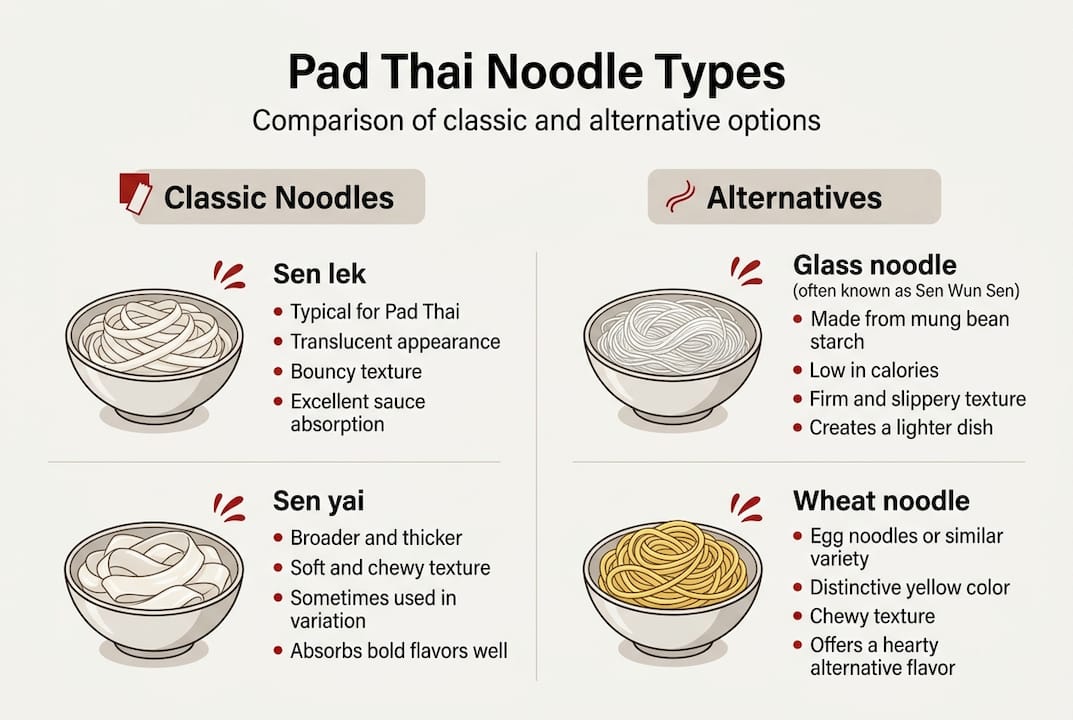
The gold standard is sen lek, a flat rice noodle made from rice flour and water. These noodles are 3-5mm wide and naturally gluten-free, which makes them the go-to for authentic Pad Thai across Thailand and in quality Thai kitchens worldwide. Their medium width is intentional. Wide enough to hold sauce, narrow enough to cook quickly at high heat without turning to mush.
What separates sen lek from noodles used in other Thai dishes? Mostly width and starch composition. Rice noodles used in dishes like boat noodle soup are thinner and more delicate. Wide noodles (sen yai) work better for pad see ew because they need a charred surface that’s harder to achieve with smaller strands. Sen lek sits in the middle, balanced enough for wok-frying and absorbent enough to carry that classic tangy, savory, slightly sweet Pad Thai flavor profile.
Here’s a quick comparison of the most common Pad Thai noodle types:
Noodle type | Width | Gluten-free | Best use case |
Sen lek (flat rice) | 3-5mm | Yes | Classic Pad Thai |
Sen yai (wide rice) | 10-15mm | Yes | Pad see ew, wider dishes |
Woonsen (glass) | 1-2mm | Yes | Lighter, regional variants |
Wheat noodles | Varies | No | Substitute only |
For diners watching their gluten intake, the good news is that authentic Pad Thai is naturally free of gluten when made with sen lek. The problem comes from sauces like soy sauce or oyster sauce, which sometimes sneak in gluten. Always ask your server.
Key qualities of proper sen lek:
Pale white or slightly translucent when dried
Soft and pliable after soaking, not brittle
Slightly chewy bite when cooked correctly
Clings to sauce without falling apart
Pro Tip: At your local Thai spot, ask if they use dried or fresh sen lek. Fresh noodles skip the soaking step and tend to have a more silky, tender bite right out of the wok.
Beyond sen lek: Alternative noodles and regional Pad Thai twists
Once you understand the classic, it’s worth knowing what else is out there. Thai cuisine has regional personalities, and those personalities sometimes show up in how Pad Thai is made and which noodles land in the bowl.
Pad Thai variations include glass noodles, region-specific adjustments, and occasional wheat noodle substitutions. Glass noodles, known as woonsen, are made from mung bean starch. They’re nearly clear when cooked, lighter in texture, and absorb sauce differently than rice noodles. Some cooks in central Thailand prefer them for a dish sometimes called “Pad Woonsen,” which shares Pad Thai’s flavor base but delivers a completely different mouthfeel.
Wide rice noodles (sen yai) occasionally appear in Pad Thai at certain restaurants. They give a meatier chew and work well for those who like more surface area per bite. They’re less traditional but not uncommon in regional Thai cooking. Explore Pad Thai types by region if you want to dig deeper into how geography shapes this dish.
Noodle alternative | Texture | Flavor absorption | Gluten-free |
Glass noodles (woonsen) | Light, slippery | Moderate | Yes |
Wide rice (sen yai) | Meaty, chewy | High | Yes |
Wheat noodles | Dense, firm | Low | No |
Regional Pad Thai variations worth knowing:
Korat-style Pad Thai: Uses more dried shrimp and a spicier sauce; sometimes features wider noodles
Southern coconut Pad Thai: Coconut milk added to the sauce base, softer noodle texture
Bangkok street-style: Classic sen lek, fast wok-fry, heavy on the bean sprouts and lime
If you need gluten-free Thai Pad Thai options in Las Vegas, glass noodles and rice noodle versions are your best bets. Just confirm the sauce ingredients with the restaurant.
Pro Tip: If you spot woonsen on a Las Vegas Thai menu, try it once. It’s a genuinely different Pad Thai experience and a good way to test a kitchen’s range.
How to prep Pad Thai noodles for optimal texture and flavor
Great Pad Thai starts long before the wok fires up. The prep stage is where most home cooks go wrong, and where you can spot whether a restaurant is cutting corners.
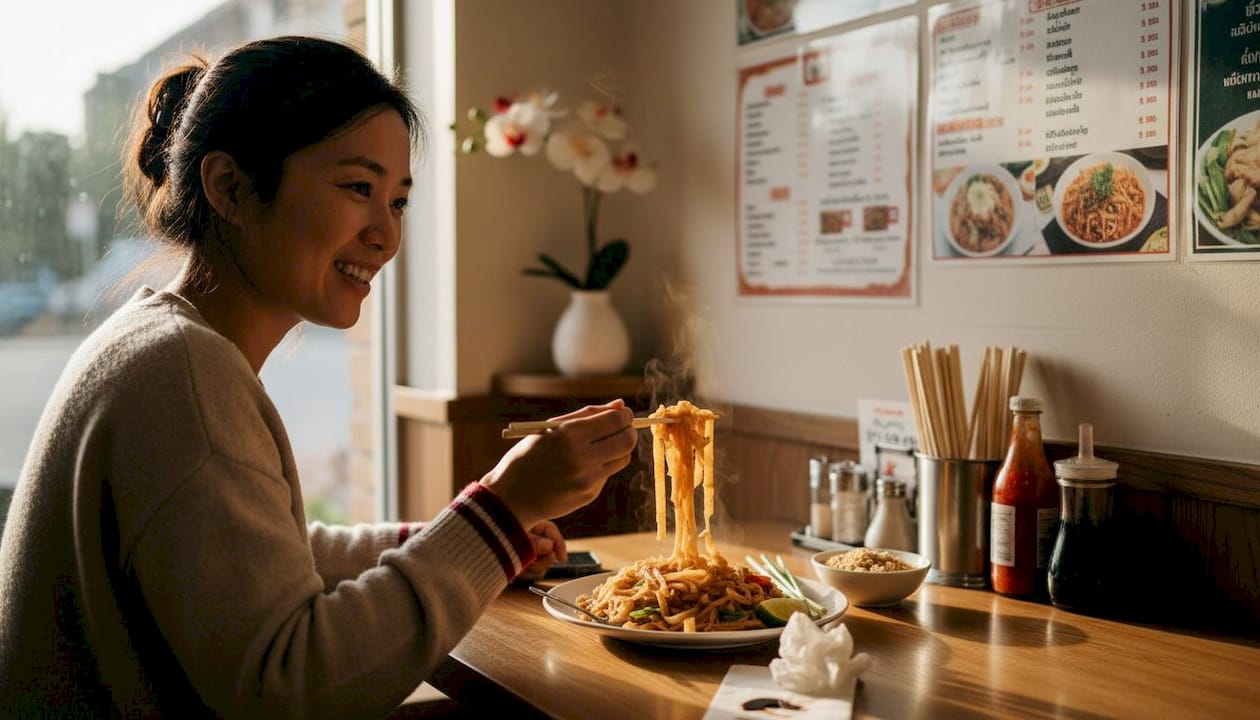
Dried sen lek should be soaked in room temperature water for 20 to 60 minutes, never boiled. Boiling rice noodles causes them to over-hydrate and lose their structural integrity before they even hit the wok. You want them pliable but still firm when they go in, so the high heat finishes the job.
Step-by-step noodle prep for Pad Thai:
Measure dried noodles into a bowl (about 2 oz per person)
Submerge in room temperature water completely
Soak for 20 to 60 minutes until pliable but not fully soft
Drain thoroughly before adding to the wok
Add noodles to the wok after proteins are cooked through
Toss quickly on high heat, adding sauce in small amounts
Finish with bean sprouts and chives off the heat to preserve crunch
Fresh noodles create a chewier texture, and boiling leads to mush. If a restaurant uses fresh noodles, they’ll skip soaking and add them straight to the wok. This is actually a mark of quality because fresh noodles require more precise timing and better ingredient sourcing.
The wok matters too. Learn how to choose Thai rice noodles based on whether you’re cooking at home or evaluating a restaurant. A carbon steel wok on high heat creates what Thai cooks call “wok hei,” a subtle smokiness that no pan substitute can replicate.
A well-prepared plate of Pad Thai noodles should have separation between strands, a slight chew on every bite, and no clumping. If the noodles are stuck together, the heat was too low or the wok was overcrowded.
Check out these Pad Thai eating tips for a breakdown of how to enjoy the dish properly from first bite to last squeeze of lime.
Pro Tip: At home, spread soaked noodles on a dry towel for 5 minutes before wok-frying. Excess moisture causes steaming instead of frying, which kills texture.
Las Vegas Pad Thai: Where to enjoy authentic noodle dishes locally
Knowing the theory is one thing. Finding a restaurant that executes it is another. Fortunately, northwest Las Vegas has options worth knowing about.
Thai Spoon on N Durango Dr and Weera Thai Rainbow both serve Pad Thai using traditional rice noodles and regional variations. These aren’t tourist-facing operations. They’re neighborhood restaurants cooking for repeat locals who notice the difference between real sen lek and a generic rice noodle substitute.
What signals quality Pad Thai at any restaurant:
Noodles have visible separation, not a clumped mass
Flavor balance hits sour, sweet, salty, and umami simultaneously
Bean sprouts add crunch rather than wilting into the noodles
Protein is distributed throughout, not piled on top
The dish arrives with lime wedge, crushed peanuts, and chili flakes on the side
Takeout Pad Thai is often clumpier and sweeter, but authentic versions balance flavors with bean sprouts, chives, and protein throughout. Takeout cooling causes some noodle clumping no matter what, but a kitchen using proper prep minimizes this effect significantly.
For top Thai takeout picks near you, look for restaurants that list noodle type on the menu. It’s a small detail that signals the kitchen cares about authenticity.
Ordering tip: Ask for extra bean sprouts on the side when ordering Pad Thai for takeout. Adding them after reheating restores some of the textural contrast the dish loses during transit.
If you want to know what true Pad Thai flavors should taste like before your next visit, that guide is a solid benchmark.
Quick checklist for evaluating takeout Pad Thai:
Noodles separate easily with chopsticks or fork
Sauce coats noodles evenly without pooling at the bottom
Protein is cooked through but not rubbery
Flavor is layered, not one-dimensional sweetness
What most foodies miss about Pad Thai noodles
Here’s something that rarely gets said directly: most Pad Thai served across America is a watered-down version of the dish, and the noodle is almost always the first casualty.
Restaurants under pressure to move orders fast boil the noodles, skip the soak, use whatever flat noodle is cheapest in bulk, and compensate with extra sugar in the sauce. The result tastes familiar but lacks depth. Regular diners accept it because they have no baseline for comparison.
Proper sen lek absorbs sauce without breaking, and high-heat wok cooking ensures strand separation. These aren’t chef secrets. They’re basics that any authentic Thai kitchen follows without thinking twice. The gap between mediocre and excellent Pad Thai is mostly about discipline in prep, not exotic ingredients.
If you care about the real taste of Pad Thai, start asking better questions when you order. What noodle does the kitchen use? Are they fresh or dried? Does the menu mention sen lek specifically? Restaurants that answer these questions confidently are the ones worth returning to. Northwest Las Vegas has a few of them, and they deserve your business.
Taste authentic Pad Thai noodles in northwest Las Vegas
You’ve done the research. Now comes the best part: actually eating great Pad Thai. At Thai Spoon, we use proper sen lek rice noodles prepared the way they should be, soaked correctly, wok-fired on high heat, and balanced with the full range of Pad Thai flavors you’ve been reading about.
Whether you’re coming in for a sit-down meal or grabbing takeout after work, our full Thai Spoon menu gives you everything from classic Pad Thai to regional variations, vegan options, and gluten-free selections. Planning something bigger? Our Thai catering options bring authentic noodle dishes to your event. Come see what Pad Thai is supposed to taste like, just 20 minutes from the Strip.
Frequently asked questions
What kind of noodles are traditionally used in Pad Thai?
Medium-width flat rice noodles called sen lek, made from rice flour and water, are the authentic choice for Pad Thai. They’re naturally gluten-free and absorb sauce without losing their texture when cooked correctly.
Can Pad Thai be made gluten-free?
Yes, Pad Thai noodles are gluten-free by nature, but you should always check sauces and toppings since ingredients like soy sauce or oyster sauce can introduce gluten into the dish.
Why do some Pad Thai takeout noodles taste mushy?
Boiling rice noodles instead of soaking them causes over-hydration and a mushy result. The correct method is a room temperature soak followed by quick wok-frying on high heat.
What’s the difference between sen lek and other Pad Thai noodle choices?
Sen lek are medium-width at 3-5mm, while glass noodles are thinner and lighter, and wide rice noodles like sen yai are better suited for dishes like pad see ew that need a heavier chew.
Where can I find real Pad Thai noodle dishes in northwest Las Vegas?
Thai Spoon and Weera Thai Rainbow both offer Pad Thai made with authentic rice noodles for dine-in or takeout in the northwest Las Vegas area, without the tourist markup of Strip restaurants.
Recommended
Comments