


Best Thai foods to try: authentic flavors and local favorites
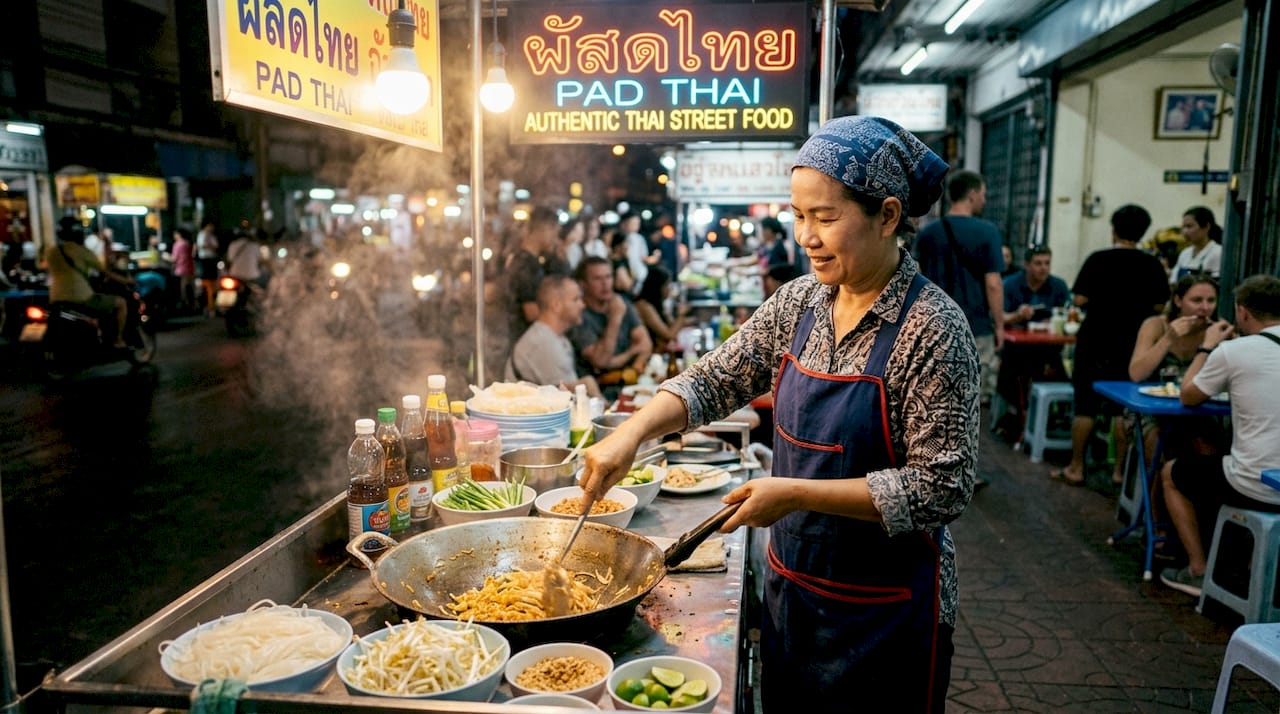
Las Vegas has no shortage of Thai restaurants, but finding one that delivers genuinely authentic flavors is a different challenge altogether. Walk into the wrong place and you get overly sweet sauces, mushy noodles, and zero regional character. Walk into the right one and every bite tells a story rooted in centuries of Thai culinary tradition. Whether you are craving a bold, spicy bowl of Tom Yum, a fragrant curry, or a vegan-friendly plate of papaya salad, knowing what to look for changes everything. This guide breaks down the must-try dishes, regional gems, and smart ordering tips to help you eat like a true Thai food enthusiast right here in Las Vegas.
Table of Contents
Key Takeaways
Point | Details |
Flavor balance matters | Authentic Thai food always balances sweet, salty, sour, and spicy flavors. |
Diversity of dishes | Beyond Pad Thai, regional dishes offer new flavors for adventurous eaters. |
Menu customization | Most Thai dishes can be adapted for vegan or gluten-free diets—just ask. |
Local favorites | Las Vegas offers both classic and unique Thai options for dine-in or takeout. |
How to recognize authentic Thai food
Authentic Thai cooking is not just about heat. It is about balance. Every dish aims to hit four flavor notes at once: sweet, salty, sour, and spicy. When one of those is missing or overdone, the dish loses its identity. A balance of flavors and textural elements like bean sprouts and peanuts are the hallmarks of genuine Thai cooking, not an afterthought.
Texture plays a bigger role than most people realize. Crunchy peanuts, crisp bean sprouts, and fresh herbs are not garnishes. They are structural elements that complete the dish. If a restaurant skips them or substitutes with dried flakes from a bag, that is a red flag.
Here is what to look for on any Thai menu:
Regional variety: A strong menu includes dishes from Northern, Central, and Northeastern (Isaan) Thailand, not just the same five tourist staples.
Fresh herbs and aromatics: Lemongrass, galangal, kaffir lime leaves, and Thai basil should appear frequently.
Customization options: Authentic kitchens can adjust spice levels and swap proteins, including tofu for vegan diners.
Fish sauce and tamarind: These are foundational. If a menu avoids mentioning them, ask.
Pro Tip: When you visit a Thai restaurant, ask your server which dishes are made from scratch versus using pre-made sauce packets. A confident, detailed answer usually signals a kitchen that takes authenticity seriously.
“Real Thai food is not just spicy food. It is a carefully layered experience where every ingredient has a purpose and every flavor has a counterpart.”
For a deeper look at what goes into each dish, explore these essential Thai ingredients and learn how they shape authentic Thai flavors from region to region.
Now that you know what to look for, let’s spotlight the essential Thai foods everyone should taste at least once.
Must-try Thai dishes for every palate
Some dishes have earned their global reputation for good reason. Others are underrated gems that deserve far more attention. Either way, these are the plates that define Thai cuisine and give you the clearest picture of what authentic cooking looks like.
Pad Thai is the obvious starting point, but do not let familiarity make you complacent. A well-made Pad Thai features wok-fried rice noodles, tofu or shrimp, dried shrimp, peanuts, and a balanced tamarind-based sauce. If it tastes like ketchup and sugar, it is not the real thing. Order it with tofu for a vegan version, and confirm there is no fish sauce if you need it gluten-free.
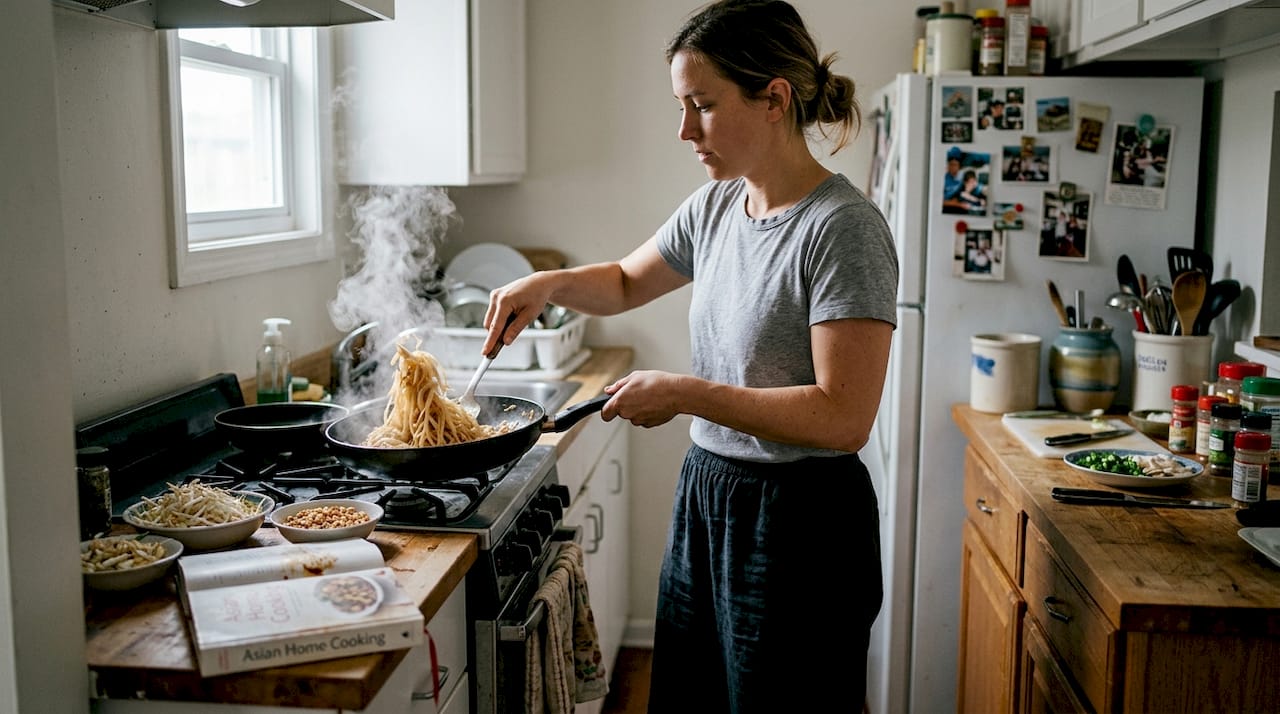
Tom Yum Goong is a spicy, sour shrimp soup built on lemongrass, galangal, kaffir lime leaves, and chili. It is bold, warming, and almost always naturally gluten-free. This soup is one of the clearest expressions of Thai flavor balance in a single bowl.
Here are more dishes worth ordering:
Green Curry: Coconut milk-based with vegetables, tofu, or meat. Rich and aromatic. Ask about the curry paste to confirm gluten-free status.
Som Tum (Green Papaya Salad): Shredded papaya, lime, chili, and fish sauce. Often vegan-friendly when ordered without dried shrimp.
Massaman Curry: A mild, peanut-forward curry with Persian and Indian influences. Warming and deeply savory.
Mango Sticky Rice: A classic Thai dessert. Sweet glutinous rice, fresh mango, and coconut cream. Naturally vegan and a perfect finish.
Pro Tip: Always ask your server to confirm which dishes use fish sauce or oyster sauce if you are vegan or avoiding gluten. Most authentic Thai kitchens are happy to substitute or omit these ingredients.
For a broader look at what to order, check out these classic Thai dishes and the most popular Thai takeout favorites among Las Vegas locals.
With these mouthwatering staples covered, let’s explore the unique regional specialties that often go unnoticed.
Regional Thai flavors beyond the basics
Most Thai menus in the United States lean heavily on Central Thai dishes. That makes sense from a business standpoint, but it leaves out some of the most exciting cooking in all of Thailand. Northern and Northeastern Thai food offer completely different flavor profiles, and they are worth seeking out.
Khao Soi is perhaps the most beloved Northern Thai dish. It is a coconut curry noodle soup topped with crispy fried noodles, pickled mustard greens, shallots, and lime. The broth is richer and less sweet than a standard green or red curry. It is available with chicken, beef, or tofu, making it accessible for most diets.
Gaeng Hunglae is a slow-cooked pork curry from Chiang Mai, deeply aromatic with ginger, turmeric, and tamarind. Unlike Southern curries, it uses very little coconut milk, giving it a drier, more concentrated flavor. Northern Thai specialties like Gaeng Hunglae and Khao Soi highlight regional nuances that go far beyond standard Bangkok-style Thai cooking.
Northeastern (Isaan) Thai food is another world entirely:
Larb: A minced meat salad seasoned with toasted rice powder, lime, fish sauce, and fresh herbs. Punchy and bright.
Sticky Rice: The staple starch of Isaan, eaten by hand and used to scoop up other dishes.
Som Tum Isaan: A spicier, funkier version of papaya salad made with fermented crab or fish sauce.
“Northern Thai cooking is defined by its use of herbs and spice blends rather than coconut milk. It is lighter, more aromatic, and often more complex than what most diners expect from Thai food.”
When you visit a local Thai restaurant, look for a chef’s specials section or ask directly about regional dishes. These are often where the kitchen’s real passion lives. Explore the full range of Las Vegas Thai specialties to find what is available near you.
Having seen the regional side, let’s see how these classic and lesser-known options compare for different preferences and needs.
Thai dish comparison: Making the perfect choice
Choosing what to order gets easier when you can see the options side by side. Knowing core flavors and real ingredients helps guide your selection, especially when you have dietary restrictions or are ordering for a group.
Dish | Main ingredients | Flavor profile | Vegan-friendly | Gluten-free |
Pad Thai | Rice noodles, egg, peanuts, tamarind | Savory, tangy, slightly sweet | With tofu, no fish sauce | Confirm sauce |
Tom Yum Goong | Shrimp, lemongrass, lime, chili | Spicy, sour, aromatic | No (shrimp-based) | Usually yes |
Green Curry | Coconut milk, vegetables, curry paste | Rich, spicy, herbal | With tofu | Confirm paste |
Som Tum | Green papaya, lime, chili, fish sauce | Fresh, spicy, tangy | Without dried shrimp | Usually yes |
Massaman Curry | Peanuts, potato, coconut, spices | Mild, nutty, warming | With tofu | Confirm paste |
Khao Soi | Egg noodles, coconut curry, crispy noodles | Rich, savory, slightly spicy | With tofu | No (egg noodles) |
Mango Sticky Rice | Glutinous rice, mango, coconut cream | Sweet, creamy, tropical | Yes | Yes |
A few tips for customizing your order:
Spice level: Most Thai kitchens offer a scale from mild to Thai hot. Start at medium if you are unsure.
Protein swaps: Tofu, chicken, beef, shrimp, and sometimes duck are interchangeable in most curries and stir-fries.
Noodle options: Understanding Thai noodle types helps you pick the right texture for each dish.
Do not be afraid to mix and match. Order a spicy soup, a mild curry, and a fresh salad to cover all the flavor bases at once. That is actually how Thai meals are traditionally served.
Understanding your options is just the start; making your dining experience memorable goes beyond following lists.
Our perspective: The real secret to unforgettable Thai meals
Here is something most food guides will not tell you: the menu is not the whole story. The best Thai meals we have seen people have in Las Vegas did not come from ordering the most popular dish. They came from a conversation with the server or chef.
Thai cooks, especially those who grew up cooking at home in Thailand, often have dishes they make for themselves that never appear on the printed menu. A quick question like “what do you personally love to eat here?” can open doors to something extraordinary. These unique Thai dinner ideas are often the most memorable.
We also believe that flexibility is underrated. Diners who say “surprise me with the spice level” or “what herb would you add to this?” tend to walk away with a far richer experience than those who order rigidly. Thai cuisine is designed to be personal. The same dish can taste completely different depending on the lime you squeeze, the chili flakes you add, or the fresh basil you fold in at the table.
Regional and chef’s specials are where authenticity lives. Do not skip them because they sound unfamiliar. That unfamiliarity is exactly the point.
Discover authentic Thai flavors at Thai Spoon Las Vegas
If you are ready to put this knowledge to use, Thai Spoon Las Vegas is a great place to start. Located in the northwest Las Vegas area, about 20 minutes from the Strip, it is built for locals who want real Thai food without the tourist markup.
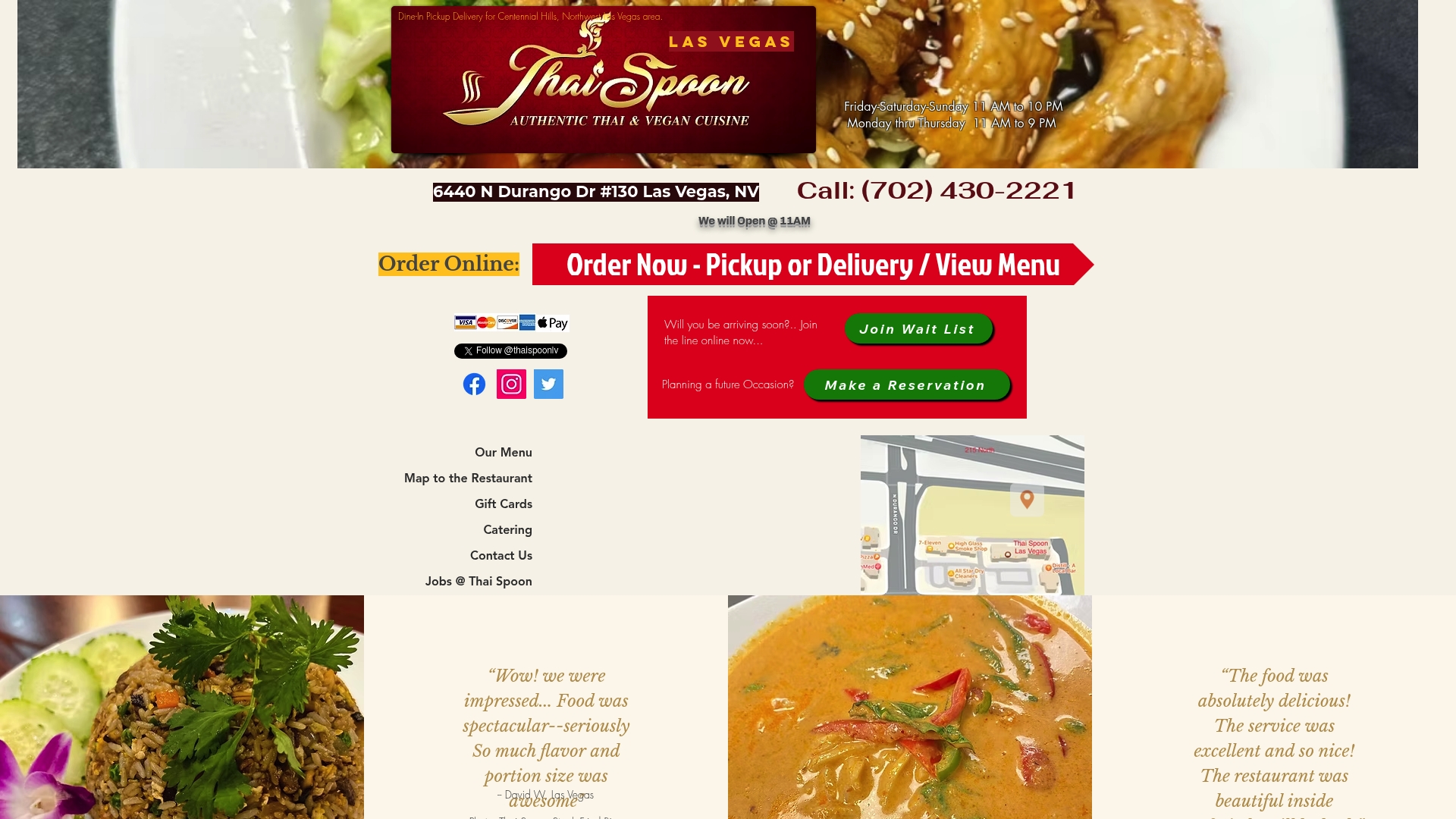
The local Thai menu includes clearly labeled vegan and gluten-free options, so you can order with confidence. From Pad Thai and Yellow Curry to regional specials, the kitchen is set up to customize dishes to your taste and dietary needs. Planning a group event or office lunch? The Thai catering services bring the same authentic flavors to your location, with flexible menu options for large parties. Online ordering is available for pickup and delivery, making it easy to enjoy a great Thai meal on your schedule.
Frequently asked questions
What makes a Thai dish truly authentic?
Authentic Thai food balances sweet, salty, sour, and spicy flavors with fresh herbs and distinct textures like peanuts and bean sprouts. If any of those elements is missing, the dish is likely adapted for a non-Thai audience.
Are there authentic Thai dishes suitable for vegans or gluten-free diets?
Yes, dishes like Som Tum, curries with tofu, and Pad Thai can be made vegan and gluten-free when ordered carefully. Always confirm which sauces and pastes are used, since fish sauce and oyster sauce are common in Thai cooking.
What regional Thai food should I try beyond Pad Thai?
Try specialties like Khao Soi and Gaeng Hunglae from Northern Thailand for unique herbs and flavors that go well beyond the standard Thai restaurant menu.
How do I know if a Thai restaurant is authentic in Las Vegas?
Look for varied regional dishes, customizable heat levels, and use of authentic ingredients like fresh lemongrass, jackfruit, galangal, and sticky rice. A kitchen that welcomes questions about ingredients is usually one that takes authenticity seriously.
Recommended
Comments