





7 Essential Thai Ingredients List for Authentic Home Cooking
- mail469793
- Jan 28
- 9 min read
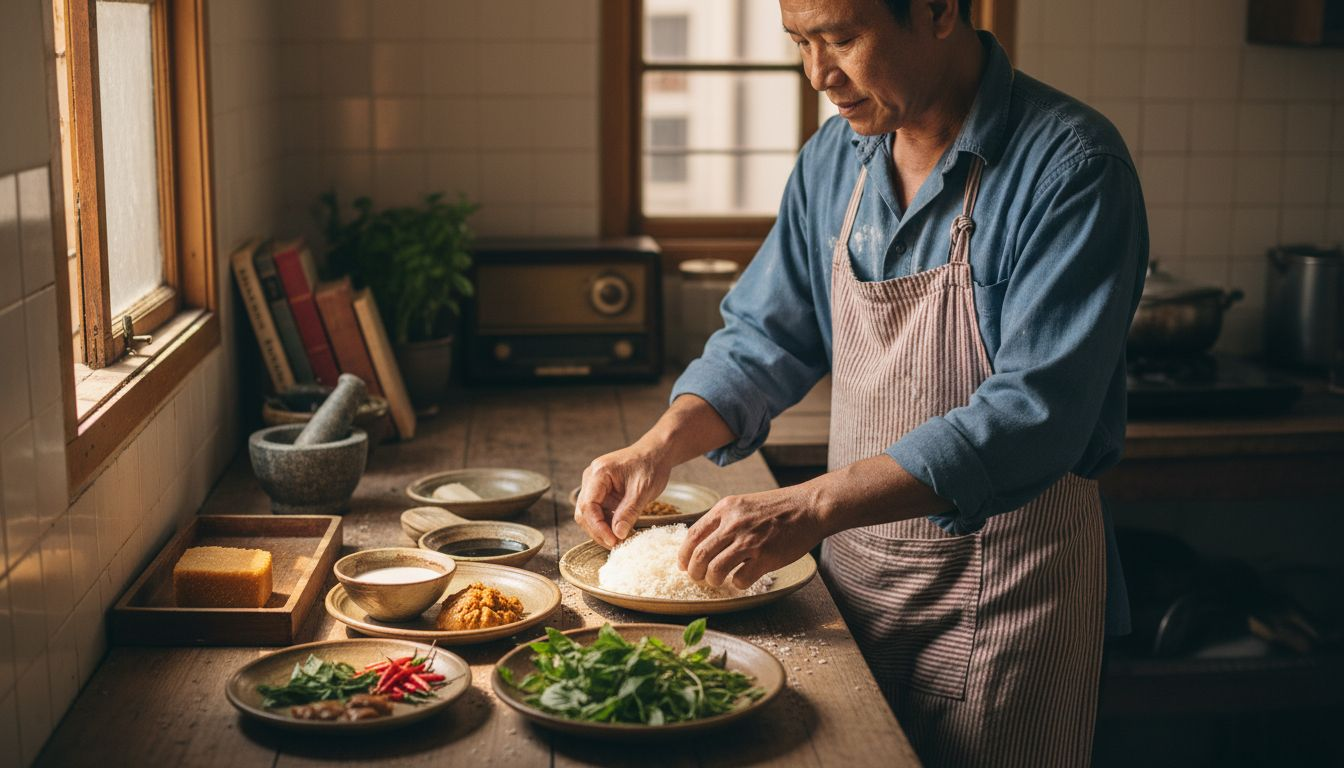
Trying to recreate authentic Thai dishes can leave you frustrated when the flavors just do not taste right. Even with the best recipes, missing a key ingredient can turn a vibrant meal into something ordinary. If you want to cook Thai food that captures the true essence of Thailand, you need to know which ingredients matter most.
This list will walk you through the foundational elements that define real Thai flavor. Discover which grains, sauces, herbs, and seasonings bring every dish to life and why each is so important to classic Thai cooking. Get ready to unlock the secrets that make Thai cuisine unforgettable.
Table of Contents
Quick Summary
Key Message | Explanation |
1. Perfect rice requires precise preparation | Rinse jasmine rice thoroughly and use a 1.5:1 water-to-rice ratio to achieve optimal texture. |
2. Fish sauce adds depth to flavors | Use high-quality fish sauce to enhance umami in dishes; add small amounts to adjust seasoning to taste. |
3. Add Thai basil late in cooking | Incorporate Thai basil towards the end of cooking to preserve its delicate flavors and vibrant color. |
4. Store ingredients properly for longevity | Use airtight containers for tamarind paste and palm sugar, and refrigerate unused coconut milk for freshness. |
5. Handle bird’s eye chilies with care | Use gloves when handling bird’s eye chilies to avoid skin irritation from their intense heat. |
1. Jasmine Rice: The Foundation of Thai Meals
Jasmine rice is far more than just a side dish in Thai cuisine - it’s the heart and soul of every meal. This fragrant, soft-textured grain serves as a fundamental component that transforms simple ingredients into an authentic Thai dining experience.
Originally cultivated in Thailand, jasmine rice represents a nutritional powerhouse that goes beyond basic sustenance. Its distinctive characteristics make it uniquely suited for Thai cooking:
Soft and slightly sticky texture perfect for absorbing complex flavors
Subtle floral aroma that enhances overall meal experience
Rich in complex carbohydrates for sustained energy
Naturally gluten-free and easily digestible
When preparing jasmine rice, understanding its role in Thai dietary patterns is crucial. According to U.S. dietary guidelines, grains like jasmine rice contribute essential nutrients including B vitamins and fiber, making them an integral part of a balanced diet.
Jasmine rice isn’t just food - it’s a cultural expression of Thai culinary traditions.
To achieve perfect jasmine rice, rinse the grains thoroughly to remove excess starch, then use a precise water-to-rice ratio. Most Thai home cooks recommend a 1.5:1 water-to-rice proportion for optimal texture.
Pro tip: Let your cooked jasmine rice rest for 5-10 minutes after cooking to allow moisture to distribute evenly, creating that signature fluffy and slightly clingy texture.
2. Fish Sauce: Key to Savory Thai Flavor
Fish sauce is the secret weapon of Thai cuisine, transforming ordinary dishes into extraordinary culinary experiences with its complex flavor profile. This magical ingredient brings an unparalleled depth of umami that defines authentic Thai cooking.
Derived from fermented fish, fish sauce represents a fundamental flavor enhancer in Thai kitchens. Its unique characteristics make it irreplaceable in traditional recipes:
Provides intense savory depth
Offers natural saltiness without excessive sodium
Contributes complex flavor layers
Delivers quick umami boost to dishes
Understanding the chemistry of Thai flavor essentials reveals why fish sauce is so critical. The fermentation process creates a nuanced taste that combines saltiness, sweetness, and rich umami notes.
Fish sauce isn’t just an ingredient - it’s liquid flavor embodying generations of Thai culinary tradition.
When purchasing fish sauce, look for clear amber-colored varieties without sediment. Higher quality brands will have a balanced flavor without overwhelming fishiness. Start with small amounts and adjust to taste.
Pro tip: Store your fish sauce in a cool dark pantry and always use a clean spoon to prevent contamination, which can extend its shelf life to up to two years.
3. Thai Basil: Fresh Herb for Classic Dishes
Thai basil is the vibrant green herb that transforms ordinary Thai dishes into extraordinary culinary experiences. Unlike its sweet counterpart, this aromatic herb brings a distinctive peppery punch that defines authentic Thai cuisine.
As a member of the mint family, Thai basil offers unique flavor characteristics that set it apart from other herbs:
Provides bright peppery notes
Maintains flavor integrity when cooked
Adds visual appeal to dishes
Contains natural antioxidants
Understanding signature Thai spices and herbs reveals the complexity of Thai culinary traditions. Commercially cultivated in Hawaii, Thai basil ensures year-round availability for home cooks seeking authentic flavors.
Thai basil isn’t just an ingredient - it’s a culinary bridge connecting traditional and modern Thai cooking.
When cooking, add Thai basil towards the end of preparation to preserve its delicate flavor and vibrant green color. Stir it into stir-fries, curries, and soups for an instant flavor enhancement.
Pro tip: Store fresh Thai basil wrapped in slightly damp paper towels inside a sealed container in your refrigerator to maintain maximum freshness for up to one week.
4. Coconut Milk: Creaminess in Curries and Soups
Coconut milk is the silky secret ingredient that transforms ordinary Thai dishes into creamy culinary masterpieces. This plant-based liquid brings extraordinary depth and richness to traditional Thai cooking, creating luxurious textures in curries and soups.
Derived from mature coconut meat, this ingredient offers remarkable culinary versatility with multiple benefits:
Provides creamy texture without dairy
Balances spicy and tangy flavors
Contains healthy plant-based fats
Adds subtle natural sweetness
Exploring Thai soup base variations reveals how coconut milk serves as a fundamental component in creating authentic flavor profiles. Its unique composition allows it to absorb and enhance surrounding spices.
Coconut milk isn’t just an ingredient - it’s a cultural bridge connecting traditional Thai cooking techniques.
When cooking, choose full-fat coconut milk for maximum creaminess and richer flavor. Shake the can thoroughly before opening to blend the cream and liquid evenly.
Pro tip: Store unopened coconut milk cans in a cool pantry and refrigerate any unused portion in a sealed container for up to five days to maintain optimal flavor and quality.
5. Tamarind Paste: Tangy Depth for Sauces
Tamarind paste is the secret ingredient that transforms ordinary Thai sauces into extraordinary culinary experiences. Extracted from the pulp of tamarind pods, this unique condiment brings a complex balance of tangy and sweet flavors that define authentic Thai cuisine.
As a fundamental component in Thai cooking, tamarind paste offers remarkable flavor complexity with multiple culinary applications:
Provides signature sour-sweet profile
Balances spicy and rich flavors
Enhances depth in sauces and curries
Adds natural complexity to dishes
Understanding Thai taste profile nuances reveals how tamarind paste contributes to the intricate flavor harmony of Thai cooking. Its unique acidic qualities help elevate dishes from simple to spectacular.
Tamarind paste isn’t just an ingredient - it’s a cultural flavor ambassador representing generations of Thai culinary expertise.
When using tamarind paste, start with small amounts and adjust to taste. Its concentrated flavor means a little goes a long way in creating authentic Thai sauces.
Pro tip: Store your tamarind paste in an airtight container in the refrigerator and use a clean spoon each time to prevent contamination and extend its shelf life.
6. Bird’s Eye Chili: Spicy Heat in Thai Cooking
Bird’s eye chili is the fiery heartbeat of Thai cuisine, transforming ordinary dishes into electrifying culinary experiences. These tiny peppers pack an intense punch that defines the bold flavors characteristic of authentic Thai cooking.
Measured on the Scoville scale, these chilies represent extreme heat and flavor intensity. Their unique qualities include:
Extremely high capsaicin content
Compact size with concentrated heat
Versatile usage in fresh or dried form
Quick flavor enhancement
Exploring spice levels in Thai cuisine reveals how bird’s eye chilies contribute critical heat and complexity to traditional dishes. Proper handling ensures both safety and maximum flavor potential.
Bird’s eye chili isn’t just a pepper - it’s a cultural expression of Thai culinary boldness.
When cooking, use bird’s eye chilies sparingly. Their intense heat means even a small amount can dramatically transform a dish’s flavor profile.
Pro tip: Always wear kitchen gloves when handling bird’s eye chilies and avoid touching your face or eyes to prevent potential skin irritation.
7. Palm Sugar: Sweet Balance in Thai Cuisine
Palm sugar is the secret ingredient that transforms Thai dishes from ordinary to extraordinary, offering a nuanced sweetness that goes far beyond simple sugar. This traditional sweetener brings depth and complexity to both savory and sweet culinary creations.
Derived from coconut palm tree sap, palm sugar represents a natural and minimally processed sweetener with remarkable characteristics:
Contains trace minerals
Provides caramel-like flavor profile
Less refined than white sugar
Balances spicy and savory elements
Exploring the art of flavor harmony reveals how palm sugar contributes to the intricate taste balance in Thai cuisine. Its unique properties allow chefs to create multi-dimensional flavor experiences.
Palm sugar isn’t just a sweetener - it’s a culinary storyteller representing generations of Thai cooking tradition.
When cooking, use palm sugar sparingly. Its rich flavor means a little goes a long way in creating authentic Thai dishes.
Pro tip: Store palm sugar in an airtight container away from direct sunlight and moisture to maintain its soft texture and prevent hardening.
Below is a comprehensive table summarizing the key ingredients, characteristics, and preparation tips for authentic Thai cuisine as discussed in the provided article.
Ingredient | Characteristics | Preparation Tip | Culinary Importance |
Jasmine Rice | Soft, slightly sticky texture; floral aroma; rich in complex carbohydrates | Rinse thoroughly; use 1.5:1 water-to-rice ratio; let rest post-cooking | Central element in Thai meals; absorbs flavors |
Fish Sauce | Intense savory flavor; umami richness; natural saltiness | Store in a cool, dark pantry; use clean utensils | Adds depth to dishes; fundamental Thai flavor enhancer |
Thai Basil | Peppery flavor; resilient structure; contains antioxidants | Add near the end of cooking; refrigerate wrapped in damp paper towels | Enhances dish complexity; contrasts well with spices |
Coconut Milk | Creamy texture; subtle sweetness; healthy fats | Shake can prior to use; refrigerate unused portion | Creates richness in curries and soups |
Tamarind Paste | Tangy-sweet flavor; balances strong spices | Start with small amounts; store in an airtight container | Key component in authentic sauces and curries |
Bird’s Eye Chili | High heat intensity; compact size | Handle with gloves; incorporate sparingly | Adds spicy heat and flavor boldness to dishes |
Palm Sugar | Caramel-like flavor; minimally refined; trace minerals | Store away from sunlight; use sparingly | Balances spicy or savory elements; adds depth |
Experience Authentic Thai Flavors Without the Guesswork
Mastering the 7 essential Thai ingredients like jasmine rice, fish sauce, and bird’s eye chili can be a challenge when cooking at home. The subtle art of balancing these unique flavors to recreate authentic Thai dishes demands time and expertise. If you want to enjoy the rich taste of traditional Thai cooking without the hassle of sourcing and perfecting these key ingredients yourself, we have the perfect solution.
Discover the true essence of Thai cuisine at Thai Spoon Las Vegas, where every dish embodies the perfect harmony of these authentic ingredients. Whether craving Pad Thai, Yellow Curry, or hearty Steak Fried Rice, you can savor expertly crafted meals that highlight jasmine rice’s fragrant softness and the bold umami of fish sauce. Ready for an effortless and genuine Thai food experience today? Visit our menu and place your order online for pickup or delivery. Don’t wait to bring the balanced tastes of Thailand to your table now.
Frequently Asked Questions
What are the key characteristics of Jasmine Rice in Thai cooking?
Jasmine Rice is soft, slightly sticky, and has a subtle floral aroma. To prepare it perfectly, rinse the grains thoroughly and use a 1.5:1 water-to-rice ratio before cooking.
How does Fish Sauce enhance flavors in Thai dishes?
Fish Sauce adds immense depth of umami and a natural saltiness without being overly salty. Start with small amounts while cooking, and adjust to taste for the best flavor balance.
Why is Thai Basil preferred over other types of basil in Thai cuisine?
Thai Basil has a distinctive peppery flavor that holds up well in cooking, unlike sweet basil. Add it towards the end of your preparation to maintain its bright color and flavor profile.
What role does Coconut Milk play in Thai curries and soups?
Coconut Milk provides a creamy texture and helps to balance spicy and tangy flavors in dishes. Use full-fat coconut milk for the richest flavor, shaking the can before opening to combine the cream and liquid evenly.
How can Tamarind Paste transform the flavor of sauces?
Tamarind Paste adds a unique tangy-sweet profile that enhances the complexity of sauces and curries. Start with a small amount, as its concentrated flavor can significantly elevate your dish.
What precautions should I take when using Bird’s Eye Chili in my recipes?
Bird’s Eye Chili is extremely spicy, so use it sparingly to avoid overwhelming your dish. Always wear kitchen gloves when handling them and avoid touching your face to prevent irritation.
Recommended
Comments