


Why Try Street-Style Thai – Flavor, Health, Community
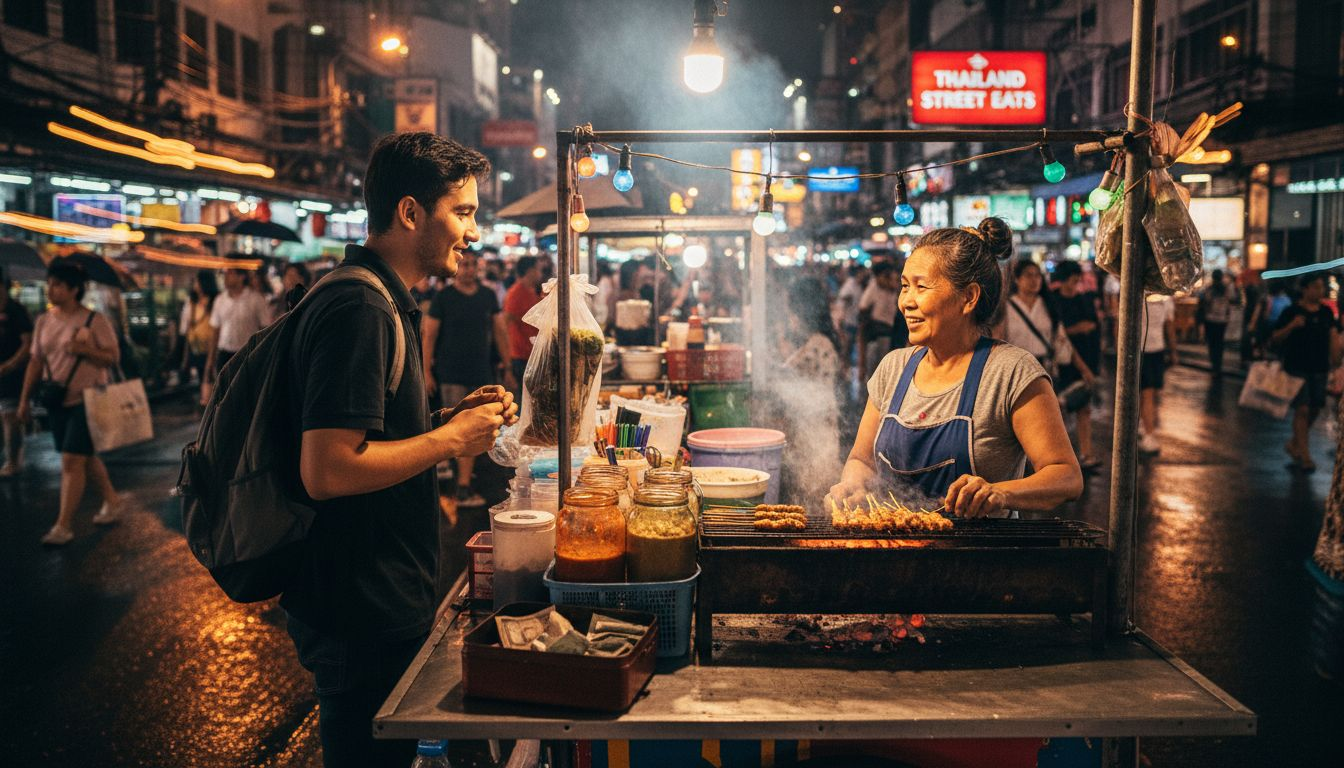
Craving bold flavors that go far beyond the ordinary takeout experience, many northwest Las Vegas locals are searching for meals that are both authentic and health-conscious. Thai cuisine is celebrated for its signature balance of sweet, sour, salty, and spicy tastes, using fresh herbs and quick-cooking techniques for maximum flavor and nutrition. Whether you are a seasoned foodie or vegan diner, street-style Thai dishes bring the ultimate taste adventure right to your neighborhood with options made for convenience and wellness.
Table of Contents
Key Takeaways
Point | Details |
Vibrant Cooking Tradition | Street-style Thai cuisine combines eastern and western influences, exemplifying creativity and spontaneity in culinary practices. |
Health and Nutrition | Thai street food offers numerous plant-based options that are both nutritious and flavorful, catering to health-conscious diners. |
Local Economic Impact | Supporting street vendors fosters community entrepreneurship and strengthens local agricultural networks. |
Ordering with Confidence | Understanding spice customization and communicating preferences can enhance the street food experience significantly. |
Street-style Thai cuisine explained
Street-style Thai cuisine represents a vibrant culinary tradition that captures the essence of Thailand’s dynamic food culture. Thai cuisine blends Eastern and Western influences to create an extraordinary gastronomic experience characterized by complex flavor profiles and resourceful cooking techniques. Unlike formal restaurant dining, street food embodies the spontaneity and creativity of local cooks who transform simple ingredients into extraordinary meals.
Traditionally, Thai street food emerges from a deep understanding of flavor balance, combining sweet, sour, salty, and spicy elements in harmonious combinations. Cooking methods like rapid stir-frying, steaming, and quick deep-frying allow vendors to prepare dishes rapidly while preserving nutritional value and intense taste. These techniques, heavily influenced by Chinese culinary practices, enable street food chefs to create fresh, dynamic meals that reflect regional diversity and local ingredient availability.
The cultural significance of street-style Thai cuisine extends beyond mere nutrition. These culinary traditions represent community connection, economic opportunity, and a living culinary heritage passed through generations. Street vendors often specialize in specific dishes perfected over decades, creating unique flavor experiences that cannot be replicated in standard restaurant settings. From bustling Bangkok markets to smaller regional towns, street food serves as a critical social and economic platform where cooking becomes an art form and community ritual.
Pro tip: When exploring Thai street-style cuisine, look for vendors with high turnover and busy stalls as these typically indicate the freshest, most authentic culinary experiences.
Types of street-style Thai dishes available
Street-style Thai cuisine offers an incredible array of dishes that showcase the country’s culinary diversity and regional influences. Classic street food includes diverse rice and noodle dishes, ranging from hearty rice plates to portable noodle meals that capture the essence of quick, flavorful urban eating. Each dish represents a unique culinary story, blending traditional cooking techniques with local ingredient availability.
Traditional Thai street dishes typically fall into several key categories that reflect the nation’s rich gastronomic heritage. Rice-based dishes dominate the street food landscape, with favorites like khao pad (fried rice), crispy pork on rice, and braised pork leg served over steamed rice. Noodle specialties such as pad thai offer quick, satisfying meals that can be prepared rapidly by skilled vendors. These dishes often incorporate protein sources like chicken, shrimp, or tofu, combined with complex sauces that balance sweet, sour, and spicy flavor profiles.
Regional variations play a significant role in street food diversity, with each area of Thailand contributing unique culinary traditions. Northern regions might feature sticky rice and meat skewers, while southern coastal areas emphasize seafood-based street meals. Central Thailand, particularly Bangkok, represents a melting pot of street food styles, blending influences from Chinese, Malay, and traditional Thai cooking techniques. The adaptability and creativity of street food chefs ensure that these dishes remain dynamic, continuously evolving to meet changing tastes and ingredient availability.
Here’s a helpful summary of common Thai street food categories and their signature ingredients:
Dish Category | Signature Ingredients | Typical Cooking Method |
Rice-based | Jasmine rice, pork, egg | Stir-frying, braising |
Noodle specialties | Rice noodles, shrimp, tofu | Stir-frying, quick boiling |
Regional specialties | Sticky rice, seafood, coconut | Grilling, steaming |
Pro tip: When exploring street-style Thai dishes, start with popular options like pad thai and gradually expand your palate to more complex regional specialties.
Signature flavors and cooking techniques
Thai street cuisine is renowned for its remarkable complexity of flavor balance, masterfully combining sweet, sour, salty, and spicy elements into a harmonious culinary experience. Flavor complexity represents the heart of Thai cooking, where each dish becomes a carefully choreographed dance of taste sensations. Fresh herbs like lemongrass, kaffir lime leaves, and galangal provide aromatic foundations, while ingredients such as fish sauce, chili peppers, and tamarind create depth and intrigue.

Cooking techniques in Thai street food are as diverse as the flavors themselves, emphasizing rapid preparation and maximum flavor extraction. Stir-frying remains the quintessential method, allowing chefs to quickly seal in nutrients and develop intense taste profiles. Other critical techniques include steaming, which preserves delicate ingredient textures, and grilling, which introduces smoky undertones that complement the bright, fresh herbs. These methods reflect a culinary philosophy that prioritizes ingredient quality and minimal processing, ensuring each bite delivers maximum sensory impact.
The regional diversity of Thai cuisine means that flavor profiles and cooking techniques vary dramatically across different areas. Northern regions might feature more subtle, less spicy preparations, while southern coastal areas incorporate more seafood and intense chili elements. Central Thailand, particularly Bangkok, represents a culinary melting pot where traditional techniques blend with innovative street food approaches. This adaptability ensures that Thai street cuisine remains dynamic, continuously evolving while maintaining its core principles of balance, freshness, and bold flavor expression.
Use this reference to quickly understand regional flavor and technique differences in Thai street cuisine:
Region | Flavor Profile | Cooking Techniques |
Northern | Earthy, mild spices | Grilling, steaming |
Central | Balanced, aromatic | Stir-frying, blending |
Southern | Bold, spicy, seafood | Steaming, grilling |
Pro tip: When exploring Thai street food, pay attention to the intricate balance of flavors and try to identify the individual ingredients that create the overall taste experience.
Health benefits and vegan-friendly options
Thai street cuisine offers remarkable opportunities for health-conscious and vegan diners, with numerous plant-based adaptations of traditional dishes that maintain authentic flavors and nutritional value. Plant-based proteins like tofu, tempeh, and seitan serve as excellent substitutes in classic street food recipes, allowing vegans to enjoy the rich, complex tastes of Thai cooking without compromising dietary preferences. The inherent use of fresh vegetables, herbs, and whole grains in Thai cuisine naturally supports nutrient-dense, wholesome meal options.
Nutritional diversity stands at the core of Thai street food’s health benefits. Most dishes incorporate a balanced mix of proteins, complex carbohydrates, and micronutrients from vegetables and herbs. Ingredients like lemongrass, turmeric, ginger, and chili peppers offer additional health advantages, providing anti-inflammatory properties, boosting metabolism, and supporting immune function. Cooking techniques such as stir-frying and steaming preserve nutritional integrity, ensuring that vegan adaptations retain maximum health benefits while delivering intense, satisfying flavors.
Vegan Thai street food options extend far beyond simple substitutions, representing a holistic approach to plant-based nutrition. Dishes like green papaya salad, vegetable spring rolls, and tofu-based curries showcase the cuisine’s remarkable ability to create complex, nutritionally complete meals without animal products. Regional variations offer even more diversity, with northern Thai cuisine featuring mushroom-based dishes and southern preparations emphasizing coconut and vegetable combinations. This adaptability ensures that vegan diners can explore a wide range of taste experiences while maintaining their dietary principles.
Pro tip: Request additional vegetable additions or tofu substitutions when ordering to maximize the nutritional profile of your Thai street-style meal.
Cost, convenience, and local appeal
Thai street food epitomizes urban culinary convenience and affordability, offering budget-conscious diners exceptional value without compromising flavor or quality. Quick-service meals have become essential for busy professionals seeking nutritious, delicious options that fit tight schedules and limited budgets. These street-style dishes typically range from $6 to $12, providing a cost-effective alternative to traditional restaurant dining while delivering authentic, freshly prepared cuisine.
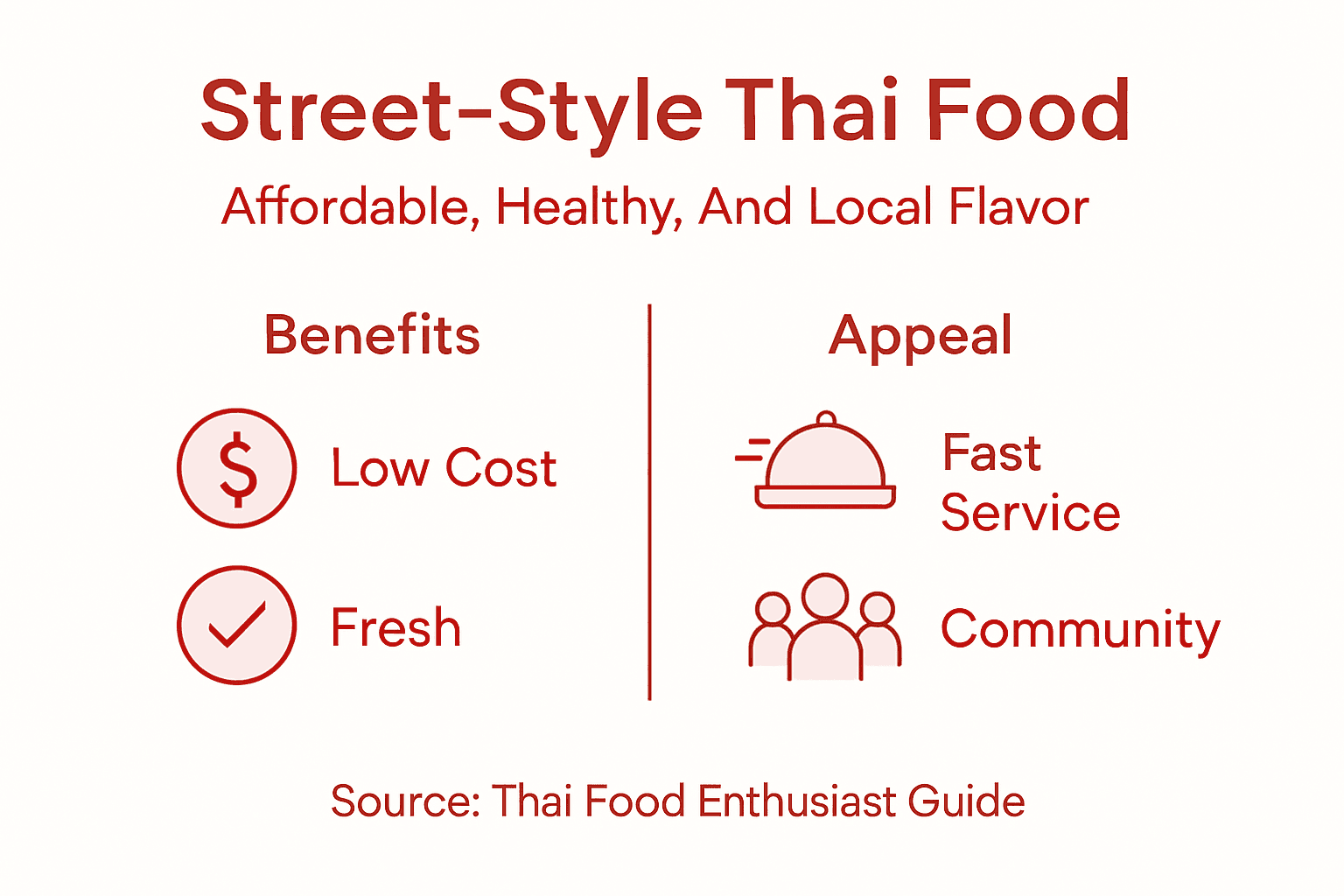
The local economic impact of street-style Thai food extends far beyond individual meal transactions. By supporting small-scale vendors and local ingredient suppliers, these culinary traditions create a vibrant ecosystem that sustains community entrepreneurship. Regional ingredients are prioritized, ensuring that each dish not only tastes fresh but also directly contributes to local agricultural networks. Street food vendors become cultural ambassadors, sharing generations of culinary knowledge through every plate they prepare, transforming simple meals into meaningful cultural experiences.
Convenience remains a paramount factor in street food’s enduring popularity. Strategically located food stalls and quick preparation techniques allow diners to enjoy complex, flavorful meals without significant time investment. For northwest Las Vegas residents, this means access to authentic Thai cuisine that fits seamlessly into busy lifestyles. Whether grabbing a quick lunch, enjoying a late-night snack, or seeking a fast takeout option, street-style Thai food provides a flexible, accessible dining solution that meets diverse lifestyle needs while maintaining exceptional taste standards.
Pro tip: Look for vendors with consistent high customer traffic, as busy stalls typically indicate both quality and fair pricing.
Common misconceptions and how to order
Thai street cuisine is often misunderstood, with many widespread culinary myths creating unnecessary barriers for potential diners. Spice level misconceptions top the list, with many believing all Thai dishes are overwhelmingly hot. In reality, most street vendors offer customizable spice levels, allowing diners to adjust heat according to their personal tolerance. Authentic Thai cuisine focuses on balanced flavors, not simply overwhelming heat, and skilled chefs can create dishes ranging from mild to intensely spicy.
Ordering Thai street food requires confidence and clear communication. Start by asking about specific ingredients and potential modifications. Many dishes can be easily adapted for vegetarian, vegan, or gluten-free diets. When ordering, use simple phrases like “mai pet” (not spicy) or specify your preferred spice level. Some recommended strategies include watching other customers’ orders, observing vendor specialties, and being open to trying smaller portions to explore different flavor profiles. Understanding that each street vendor might have a unique preparation style helps set realistic expectations.
Cultural nuances play a significant role in Thai street food ordering. Unlike Western restaurant experiences, street food vendors appreciate direct, respectful communication about dietary preferences and spice tolerances. Regional variations mean that dishes can differ dramatically between vendors, so approaching each interaction as a unique culinary experience is key. Some vendors might offer sample tastes or recommend dishes based on your preferences, turning the ordering process into an interactive cultural exchange that goes beyond simple food transaction.
Pro tip: Learn three basic Thai phrases for ordering: “mai pet” (not spicy), “pet nit noi” (slightly spicy), and “khob khun” (thank you) to enhance your street food experience.
Discover Authentic Street-Style Thai Flavors Near You
If you crave the bold, balanced flavors of street-style Thai cuisine that combines sweet, sour, salty, and spicy elements you are in the right place. The article highlights how authentic Thai street food offers not only incredible taste but also health benefits and community connection. At Thai Spoon Las Vegas, you can enjoy expertly prepared dishes like Pad Thai, Yellow Curry, and Steak Fried Rice crafted with fresh ingredients and vegan options that bring those vibrant flavor combinations straight to you.
Why wait to explore the essence of Thai culinary art while supporting a local community dining spot? Experience fast, affordable, and healthy Thai meals designed for your busy lifestyle. Visit Thai Spoon Las Vegas today for convenient online ordering and discover why so many locals trust us for authentic taste away from tourist crowds. Make your next meal a flavorful journey that nourishes both body and soul.
Frequently Asked Questions
What makes street-style Thai cuisine unique?
Street-style Thai cuisine is unique due to its vibrant combination of flavors, quick preparation methods, and the creativity of local vendors. It emphasizes a balance of sweet, sour, salty, and spicy tastes, making each dish a complex culinary experience.
Are there healthy options in Thai street food?
Yes, Thai street food offers many healthy options, especially with the use of fresh vegetables, herbs, and plant-based proteins like tofu. Many dishes retain their nutritional integrity while delivering intense flavors through cooking techniques such as stir-frying and steaming.
How can I customize spice levels when ordering Thai street food?
When ordering Thai street food, you can customize spice levels by directly communicating with the vendor. Use phrases like “mai pet” (not spicy) or “pet nit noi” (slightly spicy) to indicate your preferred heat level.
What are the key cooking techniques used in Thai street food?
Key cooking techniques in Thai street food include stir-frying, steaming, and grilling. These methods are designed to quickly prepare meals while preserving flavor and nutritional value, leading to dynamic and tasty dishes.
Recommended
Comments