





Essential Thai Sauces: Unlocking Bold, Authentic Flavor
- mail469793
- Jan 14
- 8 min read
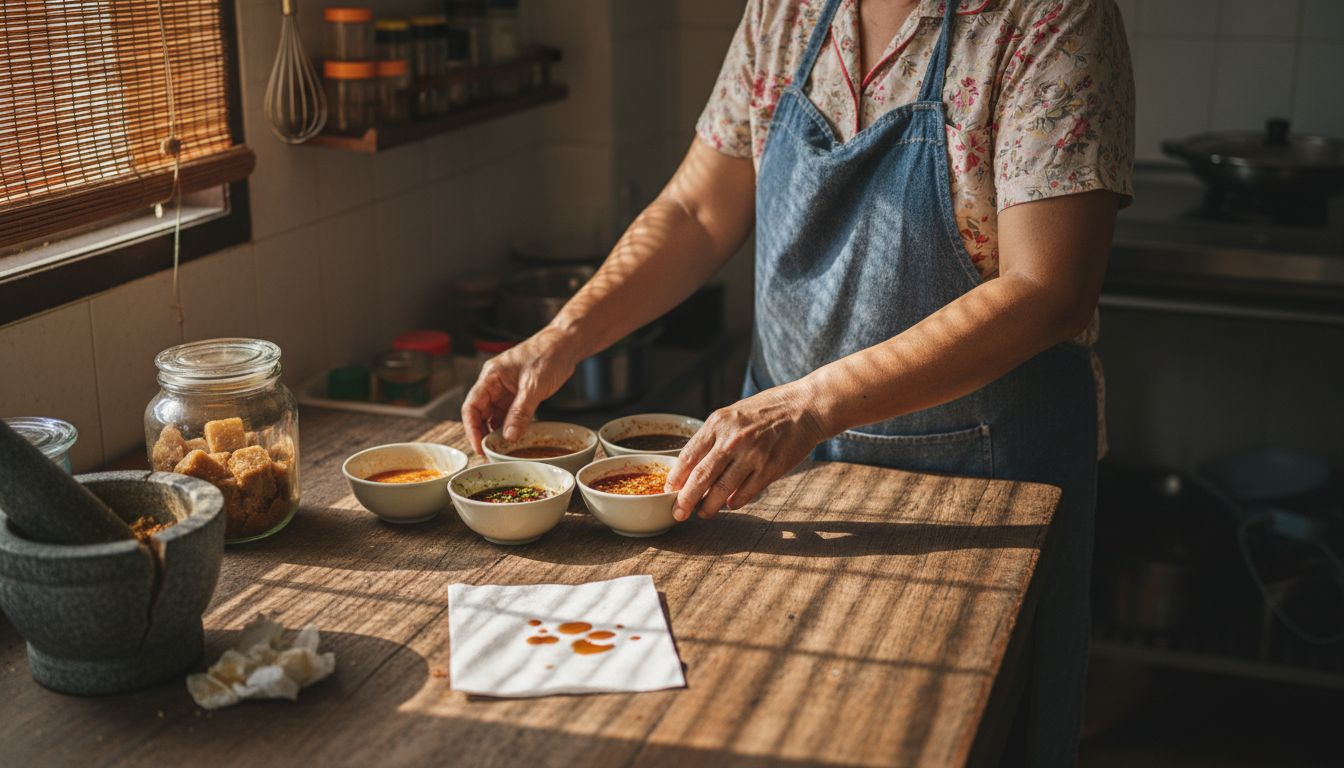
Many American home cooks in Northwest Las Vegas still think peanut sauce is the only Thai condiment worth reaching for, yet the world of Thai sauces is far richer and more diverse. With over 10 unique varieties crafted for specific dishes, these flavor-packed sauces can instantly transform your kitchen routine. Discover how authentic Thai sauces outperform store-bought versions and learn the key secrets behind creating true restaurant-style meals right at home.
Table of Contents
Key Takeaways
Point | Details |
Importance of Thai Sauces | Thai sauces are essential flavor enhancers that elevate dishes, representing a complex blend of cultural heritage and culinary techniques. |
Regional Flavor Variations | Thai sauces vary significantly by region, shaped by local ingredients and culinary traditions, adding depth to the cuisine. |
Balancing Flavors | Authentic Thai cooking relies on balancing five fundamental tastes: sweet, sour, salty, spicy, and umami, achieved through meticulous ingredient selection. |
Common Mistakes in Substitution | Using generic substitutes often compromises the integrity of Thai flavors; authentic ingredients should be prioritized for genuine taste experiences. |
Defining Essential Thai Sauces and Debunking Myths
Thai cuisine is renowned for its complex flavor profiles, with nam jim (dipping sauces) serving as crucial components that transform ordinary dishes into extraordinary culinary experiences. These sauces are not merely condiments but sophisticated flavor enhancers that reflect the intricate balance of Thai cooking. Essential dipping sauce techniques demonstrate how each sauce is carefully crafted to complement specific dishes, creating a harmonious taste sensation.
Contrary to popular misconceptions, Thai sauces extend far beyond the stereotypical peanut sauce many Americans imagine. The reality is a nuanced world of condiments that include fish sauce, tamarind concentrate, oyster sauce, and multiple varieties of soy sauce. Each sauce carries a distinct purpose: some provide saltiness, others add sweetness, and some contribute a tangy or umami dimension to the overall flavor profile. These sauces are fundamental to creating authentic Thai taste profiles, representing centuries of culinary refinement.
Understanding these sauces requires recognizing their cultural significance. Fish sauce, for instance, is not just a seasoning but a fundamental ingredient that provides depth and saltiness to countless Thai recipes. Similarly, tamarind concentrate offers a unique tartness that cannot be replicated by Western substitutes. The diversity of Thai sauces reflects the complexity of Thai cuisine - each sauce tells a story of regional ingredients, cooking techniques, and generational culinary knowledge.
Pro tip: When exploring Thai sauces, start by purchasing small quantities of authentic sauces from specialty Asian markets to experience genuine flavors without overwhelming your pantry.
Key Sauce Types and Regional Variations
Thailand’s culinary landscape is a vibrant tapestry of flavors, with sauces playing a pivotal role in defining regional taste profiles. Top rated Thai sauces reveal a stunning diversity that goes far beyond simple condiments, showcasing the nuanced approach to flavor development across different provinces. The country’s sauce repertoire includes everything from fiery nam phrik (chili-based sauces) to complex curry pastes that vary dramatically between northern, central, and southern regions.
Regional variations in sauce composition reflect local agricultural traditions and ingredient availability. In the north, sauces tend to incorporate more fermented components and have a deeper, earthier profile. Central Thai sauces often balance sweetness and heat more precisely, while southern regions lean into more intense, spicier preparations that incorporate abundant seafood and tropical ingredients. Exploring regional Thai flavor variations demonstrates how geographical differences profoundly impact sauce characteristics, with each area developing unique flavor signatures that tell a story of local culinary heritage.
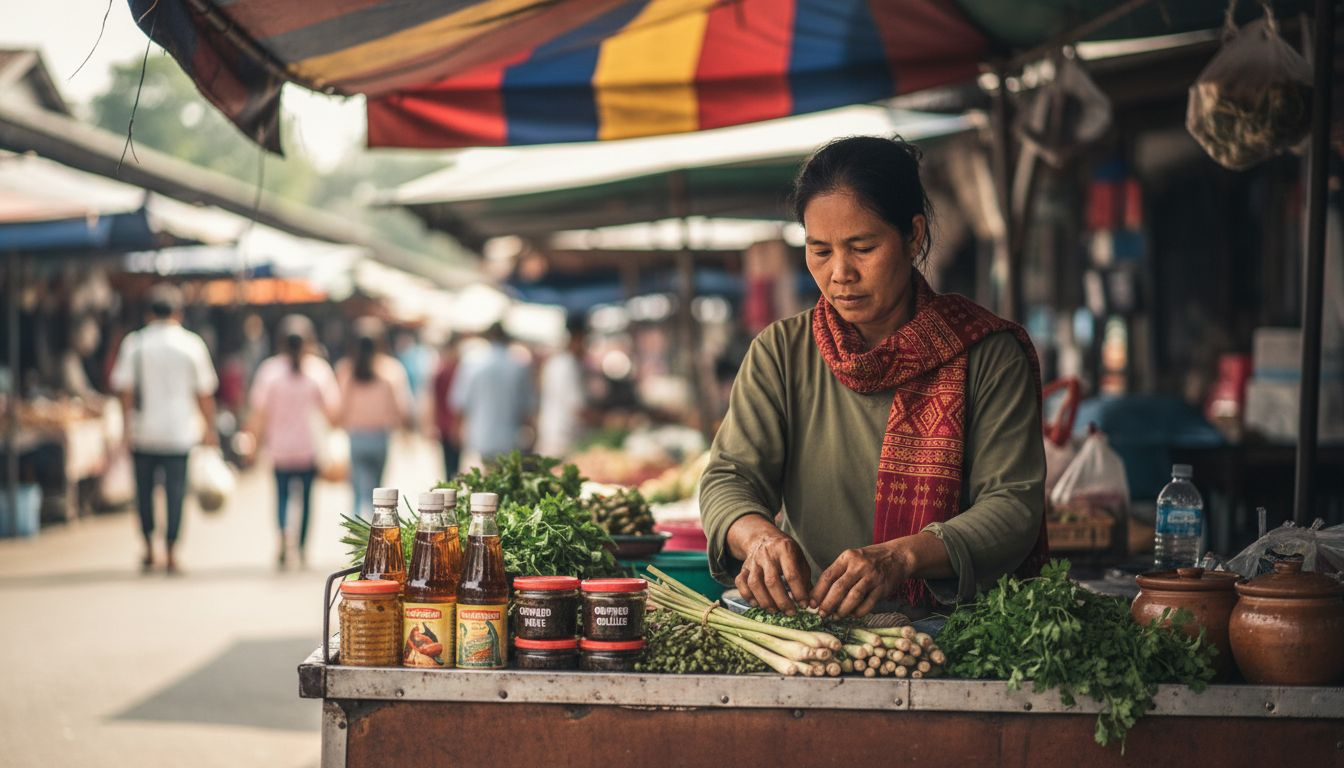
Understanding these regional sauce variations requires appreciating the intricate balance of ingredients. Fermented fish sauce, shrimp paste, tamarind, and an array of fresh and dried chilies form the foundational elements that create distinctive regional flavor profiles. Northern Thai sauces might incorporate more herbs like lemongrass and kaffir lime leaves, while southern preparations often feature more aggressive heat and deeper umami notes from extended fermentation processes. This remarkable diversity means that a single sauce can taste dramatically different depending on its geographical origin.
Here’s a quick overview of hallmark Thai sauce types and their main characteristics:
Sauce Name | Main Flavor Profile | Common Regional Variation | Typical Use |
Nam Jim | Tangy and spicy | Central and Southern regions | Seafood and grilled meats |
Nam Phrik | Fiery and robust | North (earthier, herbal) | Raw vegetables or rice |
Curry Paste | Spicy, aromatic, umami | South (fiery), Central (balanced) | Soups and stir-fries |
Fish Sauce | Salty and umami-rich | Nationwide | Seasoning in all dishes |
Tamarind Sauce | Tart and sweet | Central and Northeast | Stir-fries and dipping |
Pro tip: When exploring Thai regional sauces, collect small samples from different regions to create a personal flavor map that illuminates the incredible diversity of Thai culinary traditions.
Core Ingredients and Signature Flavor Balance
Thai cuisine represents an extraordinary culinary art form where core flavor ingredients create a symphonic taste experience. The hallmark of authentic Thai cooking lies in its remarkable ability to balance five fundamental taste profiles: sweet, sour, salty, spicy, and umami. This delicate equilibrium is achieved through a carefully curated selection of ingredients that work in harmonious concert, transforming simple components into complex, memorable dishes.
At the heart of Thai sauce composition are several key ingredients that serve as flavor pillars. Fish sauce provides a deep saltiness, while tamarind contributes a sharp sourness. Palm sugar introduces sweetness, fresh chilies deliver heat, and lime juice adds a bright, acidic dimension. These ingredients are not merely added arbitrarily but are meticulously balanced to create a flavor profile that dances across the palate. The interplay between these components ensures that no single taste overpowers another, instead creating a nuanced and sophisticated culinary experience.
The philosophy of Thai flavor balance extends beyond mere ingredient selection to a holistic approach of flavor interaction. Fresh herbs like lemongrass, kaffir lime leaves, and Thai basil play crucial roles in adding aromatic complexity. Garlic and shallots provide depth, while fermented components like shrimp paste contribute an intense umami undertone. This intricate layering of flavors reflects a deep cultural understanding of taste, where each ingredient is carefully chosen to complement and enhance the others, creating sauces that are far more than simple condiments.
Pro tip: Invest in high-quality, authentic Thai ingredients from specialty markets to ensure you can recreate the genuine flavor balance at home.
Typical Uses in Thai Home Cooking
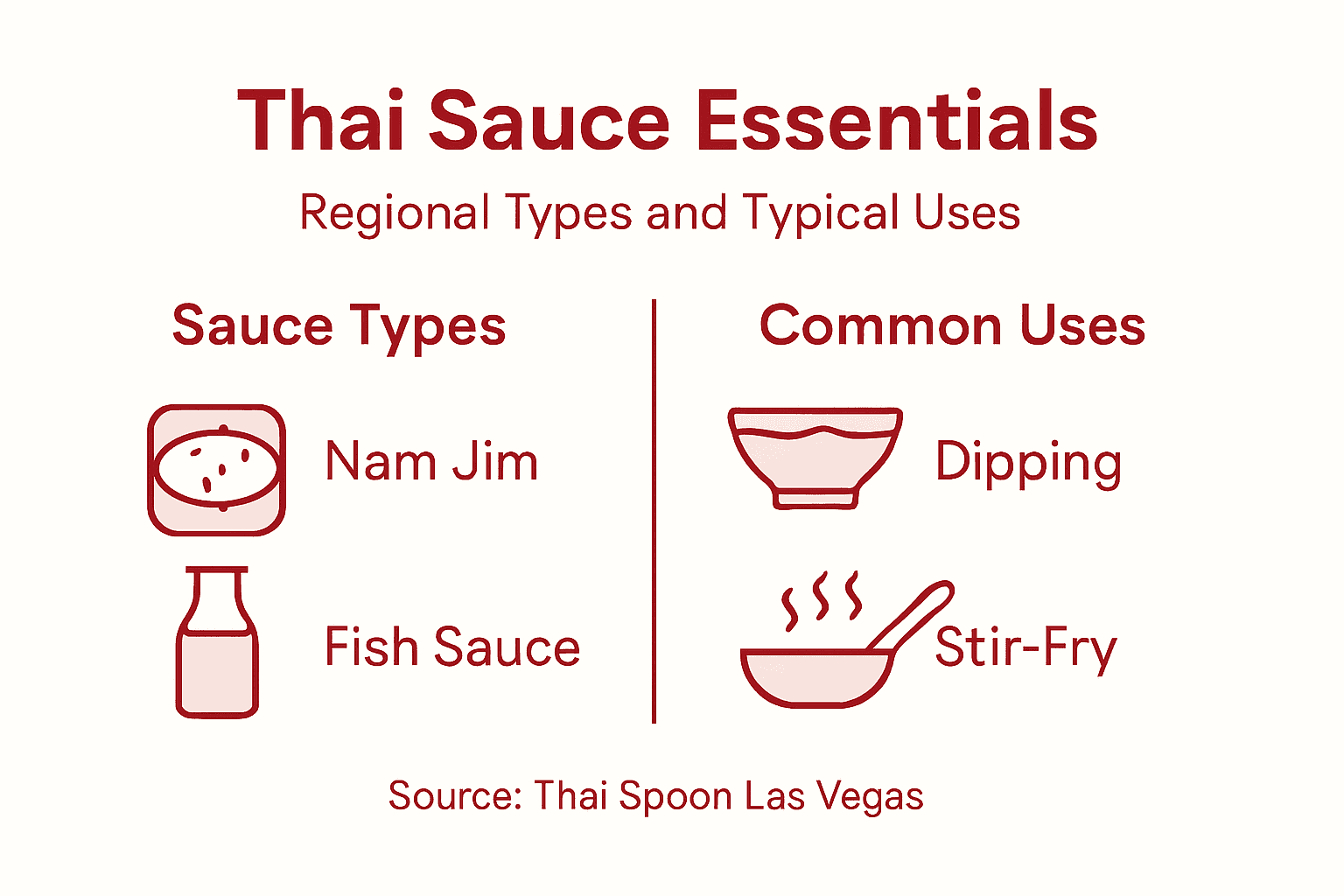
In Thai households, sauces are far more than mere condiments. Dipping sauce traditions reveal a rich culinary practice where each sauce serves a specific purpose, transforming simple ingredients into memorable meals. Nam jim varieties play a crucial role in daily cooking, acting as flavor enhancers that bring complexity and depth to everything from grilled meats to steamed vegetables. These versatile sauces are not just added as an afterthought but are integral to the cooking process, carefully crafted to complement and elevate each dish.
The practical applications of Thai sauces span multiple cooking techniques. Stir-frying becomes an art form with oyster sauce and fish sauce providing layers of umami, while marinades transform proteins by infusing them with complex flavor profiles. Seafood dishes especially benefit from specialized sauces like Nam Jim Seafood, which introduces a perfect balance of heat, sourness, and saltiness. Home cooks rely on these sauces to quickly transform simple ingredients into restaurant-quality meals, demonstrating the efficiency and sophistication of Thai home cooking.
Regional variations further highlight the versatility of Thai sauces. Northern Thai kitchens might use more herb-forward sauces with lemongrass and kaffir lime, while southern regions lean into spicier, more intense preparations. Sauces serve multiple functions - as marinades, dipping sauces, stir-fry enhancers, and even as standalone condiments that can dramatically alter a dish’s character. The ability to layer and combine these sauces represents the true artistry of Thai home cooking, where every meal is an opportunity to create something extraordinary.
Pro tip: Keep a small selection of essential Thai sauces in your refrigerator to instantly elevate weeknight meals with authentic flavors.
Alternatives and Common Mistakes to Avoid
Common sauce substitution strategies reveal the complexities of maintaining authentic Thai flavor when traditional ingredients are unavailable. Home cooks often make critical errors by assuming all soy sauces are interchangeable or believing that Western condiments can seamlessly replace specialized Thai sauces. The truth is more nuanced - each sauce carries a unique flavor profile that cannot be easily replicated with generic alternatives. Understanding these subtle differences is key to preserving the integrity of Thai cuisine.
Some substitutions are more successful than others. Fish sauce, for example, has few true equivalents - while Worcestershire sauce might seem similar, it lacks the precise umami depth that defines authentic Thai cooking. Light soy sauce cannot be replaced with dark soy sauce without fundamentally altering a dish’s flavor and color. Homemade alternatives can help bridge these gaps, such as creating a quick nam jim using lime juice, fish sauce, and fresh chilies when traditional prepared sauces are unavailable.
Compare the effectiveness of common alternatives and recommended authentic choices:
Ingredient | Authentic Thai Option | Common Substitute | Impact on Flavor |
Fish Sauce | High-quality fish sauce | Worcestershire sauce | Less umami, milder taste |
Tamarind | Tamarind concentrate | Lime or vinegar mix | Less complex, less tangy |
Soy Sauce | Thai soy sauce | Japanese or Chinese soy | Different saltiness level |
Palm Sugar | Thai palm sugar | Brown sugar or cane sugar | Sweeter, less caramel note |
The most significant mistakes often stem from overreliance on commercial, pre-made sauces that lack depth and complexity. Mass-produced Thai sauce brands frequently compromise traditional flavor profiles, removing the subtle nuances that make Thai cuisine extraordinary. Authentic cooking requires patience and a willingness to source quality ingredients, even if it means visiting specialty markets or ordering online. Fresh herbs, high-quality fish sauce, and carefully selected chili pastes are worth the extra effort in creating truly remarkable Thai dishes.
Pro tip: Build a small pantry of core Thai sauce ingredients and learn to make simple substitutes using fresh, high-quality components when authentic versions are hard to find.
Experience Authentic Thai Sauces Without the Guesswork
Unlocking bold and authentic Thai flavors can be challenging when sourcing and balancing key ingredients like fish sauce, tamarind, and chili pastes. If you have felt overwhelmed trying to replicate the rich complexity of Thai sauces at home, you are not alone. The effort to find genuine components and create that perfect harmony of sweet, sour, salty, spicy, and umami often leads to frustration. Thai Spoon Las Vegas understands these challenges and brings the true taste of Thai sauces straight to your table with expertly crafted dishes that highlight these essential flavors.
Discover the art of Thai cuisine firsthand by visiting Thai Spoon Las Vegas. Whether you crave the tangy heat of traditional nam jim or the robust aroma of curry pastes, our menu offers authentic options including vegan and gluten-free choices made from quality ingredients. Take the guesswork out of cooking and enjoy genuine Thai flavors today. Order online for pickup or delivery, or join us for lunch or dinner and savor the expertise behind every sauce and bite. Start exploring authentic Thai sauces now by visiting our menu and ordering page.
Frequently Asked Questions
What are the main types of Thai sauces?
Thai sauces include fish sauce, tamarind sauce, oyster sauce, nam jim, and various curry pastes. Each type serves a unique purpose, contributing different flavors such as umami, sweetness, tanginess, and heat.
How do I balance flavors when using Thai sauces in cooking?
To achieve a well-rounded flavor in Thai dishes, combine salty (fish sauce), sweet (palm sugar), sour (tamarind), spicy (chili), and umami (fermented components) ingredients to create harmony in your dish without overpowering any single taste.
Can I substitute Thai fish sauce with another ingredient?
While it’s challenging to find an exact substitute for fish sauce, alternatives like Worcestershire sauce can provide some similar flavors, but they will lack the depth and complexity of authentic fish sauce, which is essential in many Thai recipes.
What common mistakes should I avoid when using Thai sauces?
One common mistake is assuming all soy sauces are interchangeable; using dark soy sauce when a recipe calls for light soy sauce can dramatically alter the dish’s flavor. Additionally, relying on commercial pre-made sauces can compromise the authentic taste and nuances of your Thai dishes.
Recommended
Comments