




The Essential Guide to Food Presentation Importance
- mail469793
- Nov 15, 2025
- 7 min read
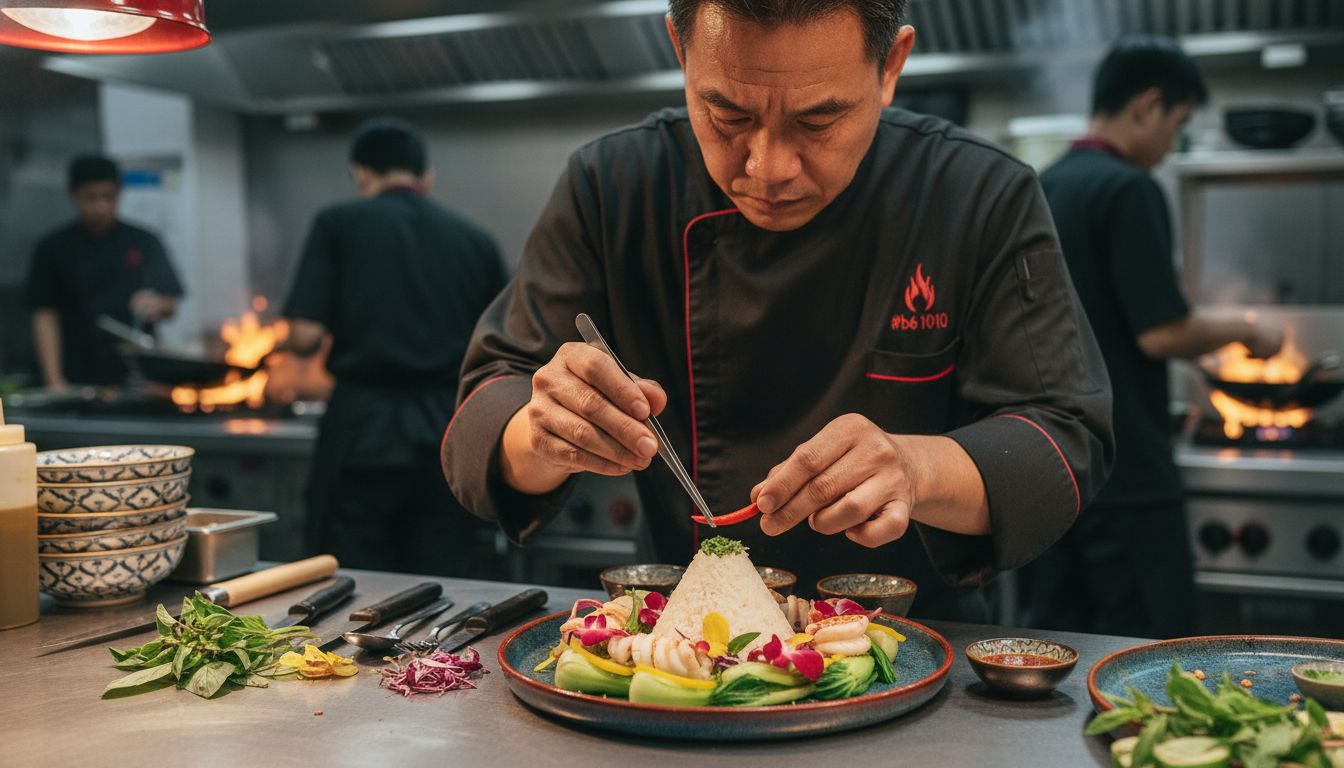
A beautifully plated dish can influence how much we enjoy a meal before we even take a bite. Research shows that nearly 75 percent of our perception of flavor starts with what we see on the plate. Food presentation transforms eating into an engaging experience, stimulating our senses and setting the tone for every meal. Understanding the art behind how food looks can help anyone—from home cooks to seasoned chefs—create moments that linger long after the last bite.
Table of Contents
Key Takeaways
Point | Details |
Significance of Food Presentation | Food presentation is an art that enhances the dining experience, engaging multiple senses and transforming a meal into a sensory event. |
Cultural Expression | Presentation styles reflect cultural traditions, using specific colors and arrangements that signify societal meanings. |
Impact on Perception | Attractive presentation enhances perceived flavor, builds anticipation, and creates emotional connections with the dish. |
Common Mistakes | Avoid overcrowding plates, failing to balance colors, and neglecting the use of negative space in presentation to maintain visual appeal. |
Defining Food Presentation and Its Importance
Food presentation is far more than simply arranging ingredients on a plate. According to Wikipedia, it represents the “art of modifying, processing, arranging, or decorating food to enhance its aesthetic appeal.” This culinary practice goes beyond mere functionality - it transforms eating from a basic necessity into a sensory experience that engages multiple perceptions simultaneously.
Historically, food presentation was a powerful social symbol. Wealthy families and royal courts used elaborate dish arrangements to demonstrate their status and sophistication. In contemporary cuisine, chefs view presentation as a critical component of the dining experience. Culinary Arts research confirms that expert chefs aim to create meals that are both visually stunning and delicious, requiring deep knowledge of food science, nutrition, and aesthetic design.
The importance of food presentation extends across multiple dimensions. Consider these key aspects:
Visual Appeal: First impressions matter. A beautifully arranged dish stimulates appetite and creates anticipation.
Sensory Engagement: Presentation activates multiple senses beyond taste, including sight and smell.
Cultural Expression: Different cuisines use unique presentation techniques that reflect their culinary traditions.
Psychological Impact: Attractive food can enhance perceived flavor and overall dining satisfaction.
When done thoughtfully, food presentation transforms a simple meal into a memorable culinary journey. It’s an art form that speaks volumes about creativity, skill, and respect for ingredients.
Visual Techniques That Enhance Thai Cuisine
Visual presentation in Thai cuisine represents a delicate balance of color, texture, and artistic arrangement that transforms dining into a multisensory experience. Fascinating research from tci-thaijo.org reveals how graphic design principles can be strategically applied to blend traditional cultural elements with contemporary presentation techniques, maintaining authenticity while creating visually compelling dishes.
Traditional Thai culinary presentation emphasizes several key visual techniques that distinguish it from other cuisines. Chefs carefully consider color contrasts, geometric plating arrangements, and the strategic use of garnishes to create dishes that are as beautiful as they are delicious. The goal is to create a harmonious visual narrative that reflects the complex flavor profiles of Thai cooking.
Technology is also transforming how we perceive and appreciate Thai cuisine visually. Innovative research from iieta.org demonstrates how advanced machine learning techniques can enhance food image classification, providing more engaging and sophisticated visual representations of traditional dishes.
Key visual techniques in Thai cuisine include:
Color Layering: Vibrant ingredients strategically arranged to create visual depth
Geometric Plating: Precise, intentional placement of components
Garnish Artistry: Intricate vegetable carvings and decorative elements
Textural Contrast: Combining smooth, crisp, and varied surface appearances
For those seeking to elevate their Thai culinary presentation, understanding these techniques transforms a simple meal into a visual celebration of flavor and culture. Understanding Thai Cuisine Cooking Guide for Food Lovers offers additional insights into mastering these sophisticated presentation techniques.
Cultural Influence on Food Presentation Styles
Food presentation is far more than a culinary technique - it’s a powerful form of cultural expression that communicates deep societal meanings and traditions. According to Wikipedia, presentation styles historically served as visual markers of wealth and social status, reflecting personal and societal aesthetic beliefs across different civilizations.
Cultural context dramatically transforms how food is prepared, arranged, and appreciated. Each cuisine tells a unique story through its presentation techniques, with some cultures emphasizing geometric precision, while others prioritize organic, asymmetrical arrangements. The intricate relationship between food and cultural identity becomes evident in how different societies approach plate design, garnishing, and visual storytelling.
Research in gastrophysics from Wikipedia reveals fascinating insights into how cultural factors fundamentally shape our perception and appreciation of food. The physical preparation, arrangement, and visual design of dishes are not just aesthetic choices but complex interactions between sensory experiences, psychological expectations, and deeply rooted cultural practices.
Key cultural influences on food presentation include:
Symbolic Representation: Using specific colors, shapes, and arrangements that carry cultural significance
Regional Ingredients: Highlighting local produce and traditional cooking methods
Historical Traditions: Preserving culinary techniques passed through generations
Social Rituals: Reflecting communal dining practices and cultural celebrations
Complete Guide to What Makes Thai Cuisine Unique offers deeper exploration of how cultural nuances transform culinary experiences, inviting readers to understand the rich tapestry of food presentation beyond mere visual appeal.
Impact of Presentation on Dining Experience
The art of food presentation transcends mere visual aesthetics, profoundly influencing our entire dining experience. According to Wikipedia, chefs carefully consider visual presentation at multiple stages of food preparation, understanding that the way a dish looks can dramatically enhance its perceived taste and overall enjoyment.
Sensory expectations play a crucial role in how we experience food. When a dish is beautifully arranged, our anticipation and excitement increase, priming our palate for a potentially more satisfying meal. The strategic use of garnishes becomes particularly important in this sensory journey. As Wikipedia explains, garnishes are not just decorative elements but can add contrasting flavors and visual intrigue that elevate the entire dining experience.
Psychological research suggests that our perception of flavor is intimately connected with visual presentation. A meticulously plated dish can trigger positive emotional responses, making the meal feel more valuable, thoughtful, and enjoyable. This phenomenon goes beyond simple aesthetics - it’s about creating a holistic sensory narrative that engages multiple levels of perception.
Key impacts of presentation on dining experience include:
Anticipation Building: Visual appeal creates excitement before the first bite
Flavor Perception: Attractive plating can enhance perceived taste
Emotional Connection: Beautiful dishes evoke positive feelings
Storytelling: Presentation communicates cultural and culinary narratives
What is a Thai Taste Profile? Understanding Its Flavorful Depth provides deeper insights into how presentation transforms the culinary experience, inviting diners to explore beyond traditional eating expectations.
Avoiding Common Food Presentation Mistakes
Food presentation is an art that requires precision and thoughtful technique. According to Wikipedia, effective presentation involves careful consideration of arrangement and decoration to avoid mistakes that can significantly detract from a dish’s aesthetic appeal. Understanding these potential pitfalls is crucial for anyone seeking to elevate their culinary presentation skills.
Culinary professionals recognize that presentation mistakes can undermine even the most delicious dishes. Culinary Arts research emphasizes the importance of educational techniques that help chefs and home cooks alike avoid common visual presentation errors. These mistakes often stem from overcrowding plates, ignoring color balance, or failing to create visual hierarchy that guides the diner’s eye.
Mastering food presentation requires a nuanced approach that balances technical skill with creative intuition.
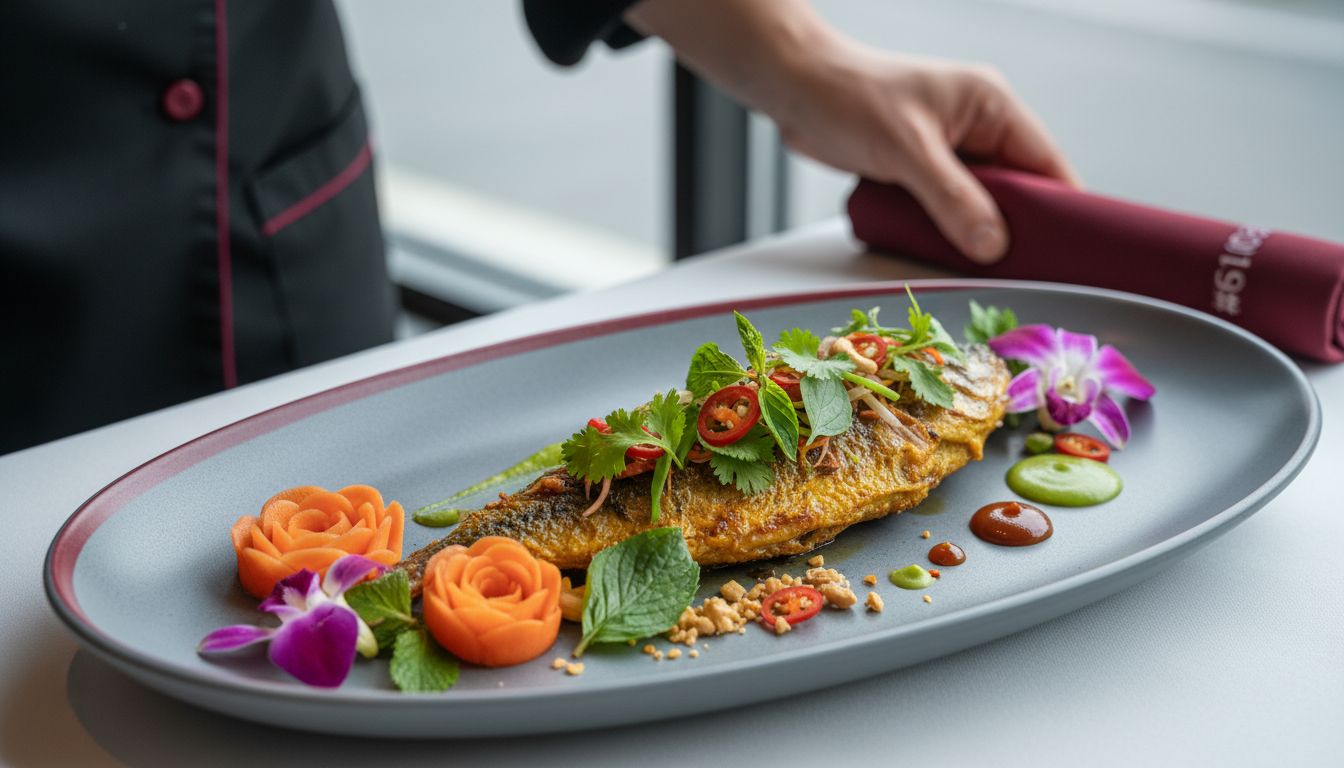
The most common mistakes often result from overthinking or overcomplicating the plate design, which can overwhelm the natural beauty of the ingredients. Professional chefs understand that simplicity and intentionality are key to creating visually stunning dishes that truly showcase the food’s inherent qualities.
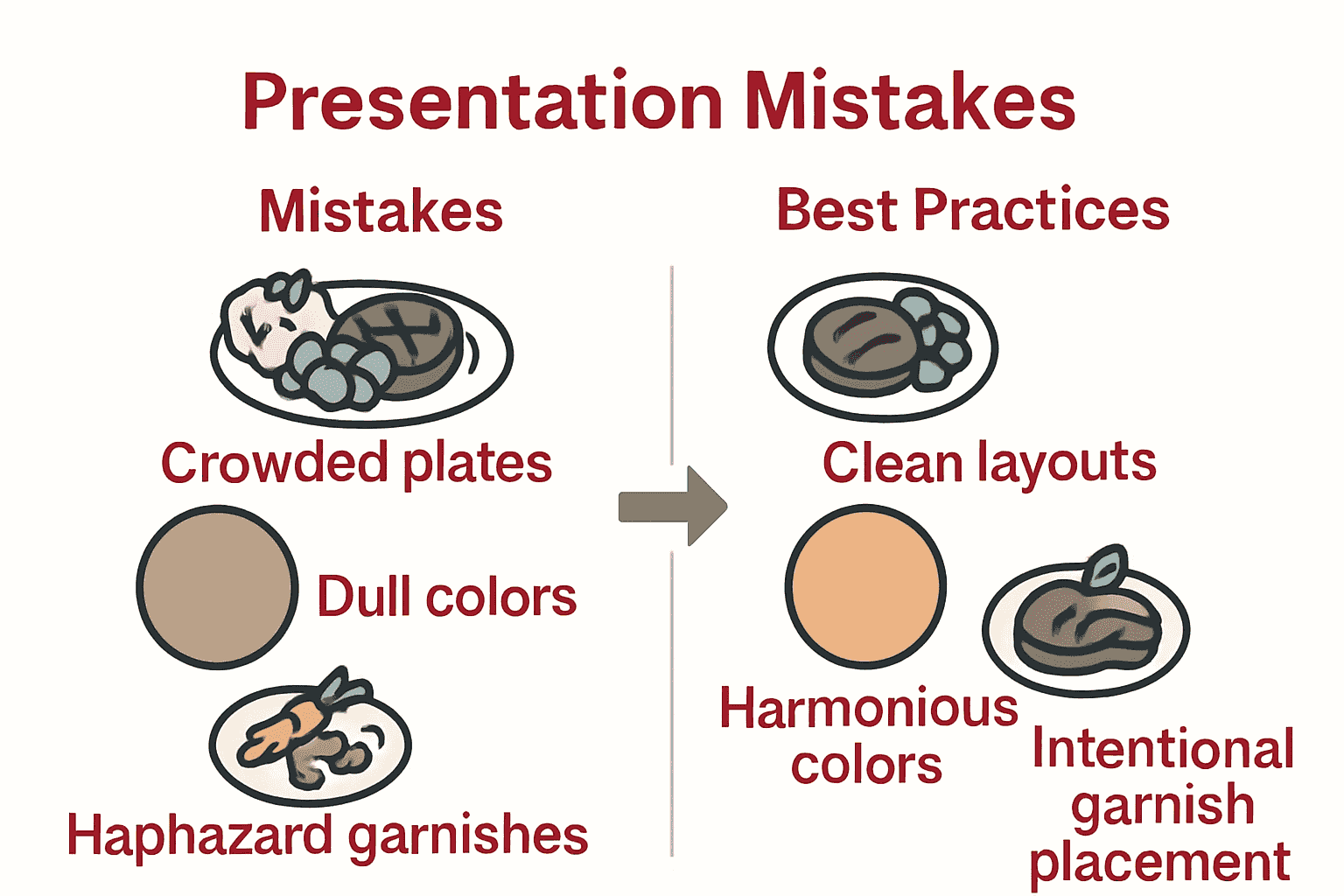
Key mistakes to avoid in food presentation include:
Plate Overcrowding: Filling every inch of the plate, which creates visual chaos
Color Imbalance: Failing to create harmonious color combinations
Inconsistent Portions: Uneven or disproportionate food placement
Neglecting Negative Space: Not utilizing empty space to highlight key ingredients
Inappropriate Garnishing: Adding garnishes that don’t complement the dish
Understanding Thai Cuisine Cooking Guide for Food Lovers provides additional insights into creating visually appealing dishes that balance flavor and presentation with authentic culinary techniques.
Elevate Your Dining Experience with Expert Thai Food Presentation
Struggling to bring the art of food presentation from theory to the table? This guide highlights the vital role of visual appeal, garnish artistry, and color balance that can completely transform how you experience a meal. At Thai Spoon Las Vegas, we understand how presentation shapes your expectations and enhances every bite of authentic Thai cuisine. Whether you crave the vibrant hues of Pad Thai or the intricate garnish of Yellow Curry, we bring these principles to life with every dish crafted for your enjoyment.
Discover the perfect blend of traditional flavor and artistic plating at Thai Spoon Las Vegas. Don’t wait to awaken your senses and savor a beautifully presented meal designed to delight your eyes and palate. Visit us or order online today and experience firsthand how proper food presentation elevates your dining journey. Explore more about mastering the art of presentation with our Understanding Thai Cuisine Cooking Guide for Food Lovers and dive into the exciting flavors with What is a Thai Taste Profile? Understanding Its Flavorful Depth. Take the next step toward an unforgettable Thai dining experience now.
Frequently Asked Questions
What is food presentation and why is it important?
Food presentation is the art of arranging, decorating, and modifying food to enhance its aesthetic appeal, transforming dining from a necessity into a sensory experience. It is important because it stimulates appetite, engages multiple senses, and reflects cultural traditions.
How does food presentation affect the dining experience?
Food presentation significantly impacts the dining experience by creating anticipation and excitement, enhancing flavor perception, and evoking positive emotional responses. A well-presented dish can make the meal feel more enjoyable and valuable.
What are some common mistakes to avoid in food presentation?
Common mistakes in food presentation include overcrowding the plate, ignoring color balance, using inconsistent portions, neglecting negative space, and inappropriate garnishing. Simplifying the design can help highlight the natural beauty of the ingredients.
How can I improve the visual appeal of my dishes?
To improve the visual appeal of your dishes, focus on color layering, geometric plating, and textural contrast. Emphasize harmony in color combinations and use garnishes thoughtfully to enhance the dish’s overall aesthetic without overwhelming it.
Recommended
Comments