


Seasonal catering menus for authentic Thai events 2026
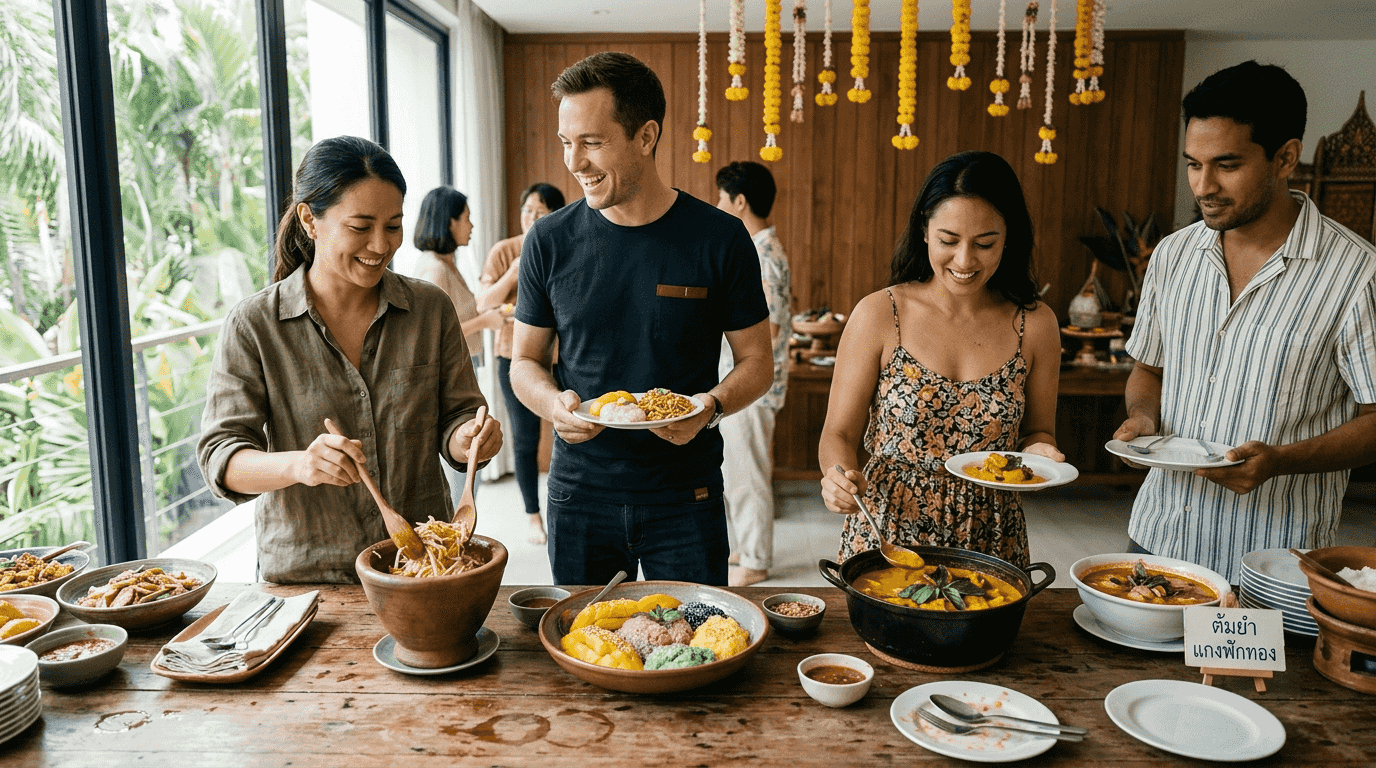
Planning an event in northwest Las Vegas and searching for Thai catering that feels genuinely authentic while matching the season? You’re not alone. Many local event planners struggle to find caterers offering fresh, seasonally appropriate Thai dishes that also accommodate dietary needs like vegan and gluten-free options. Seasonal catering menus solve this challenge by rotating dishes based on ingredient availability, delivering superior flavor, authenticity, and variety tailored to your event’s timing and guest preferences.
Table of Contents
Key takeaways
Point | Details |
Freshness drives flavor | Seasonal menus use ingredients at peak availability, enhancing taste and nutritional value. |
Authentic variety matters | Thai dishes shift naturally with seasons, offering mango specialties in spring and warming curries in autumn. |
Dietary needs included | Vegan and gluten-free options integrate seamlessly into seasonal Thai menus without sacrificing authenticity. |
Event matching simplifies planning | Align menu choices with your event type, season, and guest preferences for maximum satisfaction. |
Early booking optimizes value | Reserve seasonal catering in advance to secure best pricing and menu availability. |
Understanding seasonal catering menus: why they matter
Seasonal catering menus change throughout the year based on ingredient availability, ensuring dishes feature the freshest produce, herbs, and proteins at their peak. For authentic Thai cuisine, this approach is essential because traditional Thai cooking relies heavily on specific seasonal ingredients to achieve signature flavors and textures.
Using seasonally fresh ingredients does more than enhance taste. Seasonal catering menus improve food quality and customer satisfaction by leveraging ingredients at their nutritional peak. Fresh lemongrass in summer carries more intense citrus notes than greenhouse versions in winter. Ripe mangoes in spring deliver sweetness that frozen alternatives cannot match. These differences transform ordinary catering into memorable dining experiences.
Seasonal menus also benefit your budget and the environment. When caterers source ingredients at peak availability, costs drop because supply is abundant. This allows them to offer competitive pricing while maintaining quality. Seasonal sourcing supports sustainability by reducing transportation distances and storage requirements, cutting the carbon footprint of your event.
For northwest Las Vegas events, seasonal menus connect your gathering to authentic Thai culinary traditions while supporting smarter resource use. The benefits of choosing Thai catering multiply when menus reflect natural ingredient cycles.
Pro Tip: Ask potential caterers specific questions about their ingredient sourcing practices and which seasonal specialties they currently feature. Authentic operations will enthusiastically describe their seasonal rotation and explain why certain dishes shine during specific months.
Selection criteria for choosing the best seasonal Thai catering menu
Evaluating seasonal Thai catering requires looking beyond generic menu descriptions. Start with ingredient freshness and local seasonality. The best caterers actively rotate their offerings based on what’s currently available at peak quality. Ask whether they adjust recipes monthly or quarterly, and request examples of how dishes change between seasons.
Cultural authenticity separates exceptional Thai catering from fusion interpretations. Authentic seasonal menus feature classic Thai dishes prepared using traditional methods, not Americanized versions designed for timid palates. Look for caterers who explain the regional origins of their dishes and use proper Thai cooking techniques like wok frying at high heat or balancing the five fundamental tastes: sweet, sour, salty, bitter, and umami.
Dietary accommodations deserve careful attention when choosing the best Thai catering services. Many Thai dishes naturally accommodate vegan and gluten-free diets, but seasonal menus should integrate these options throughout rather than treating them as afterthoughts. Verify that caterers can modify seasonal specialties to meet dietary restrictions without losing authentic flavors.
Menu versatility and portion sizing directly impact guest satisfaction. Different events require different approaches. Intimate gatherings benefit from smaller portions of more diverse dishes, while large parties need generous servings of crowd pleasers. Confirm that caterers offer flexible portion sizes and can scale seasonal dishes appropriately for your guest count.
Practical considerations like booking ease and caterer reputation matter significantly. Research online reviews focusing on feedback about seasonal offerings, ingredient quality, and ability to accommodate special requests. The catering checklist for Thai food can guide your evaluation process.
Pro Tip: During initial consultations, ask caterers to describe how they would adjust a proposed menu if your event date shifted by two months. Their answer reveals whether they truly practice seasonal cooking or simply rotate the same dishes year round.
Core seasonal Thai dishes featured in catering menus
Spring brings mango season to Thailand, and authentic caterers celebrate with dishes like Khao Niao Mamuang (mango sticky rice) and fresh green salads featuring local spring greens. Authentic Thai seasonal dishes leverage ingredients like mango during peak availability, maximizing both flavor and cultural authenticity. Spring menus also highlight fresh herbs like cilantro, mint, and Thai basil at their most aromatic.
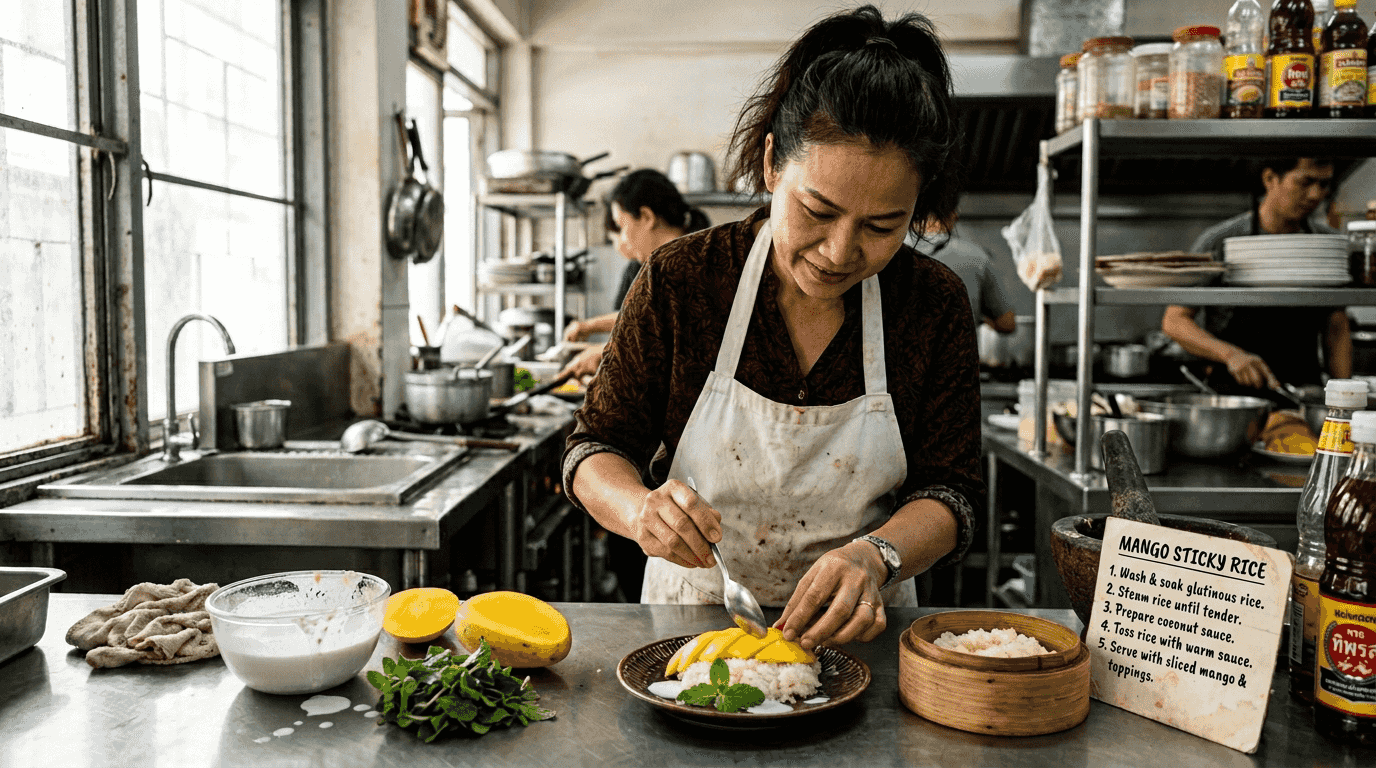
Summer demands cooling, refreshing dishes that provide relief from Las Vegas heat. Som Tum (green papaya salad) tops summer menus with its crisp texture and spicy lime dressing. Fresh seafood preparations like Pla Rad Prik (fried fish with chili sauce) and light noodle dishes keep guests satisfied without heaviness. Summer is perfect for dishes served at room temperature or chilled.
Autumn transitions bring heartier flavors as temperatures begin cooling. Pumpkin curries showcase seasonal squash in rich coconut milk bases spiced with galangal and kaffir lime. Warming stir fries featuring fall vegetables and robust proteins replace lighter summer fare. These dishes bridge the gap between summer’s brightness and winter’s comfort.
Winter calls for warming soups, stews, and dishes with deeper, more complex flavor profiles. Tom Yum soups intensify with extra heat and aromatic herbs. Massaman curry, with its warming spices and rich peanut undertones, becomes a winter favorite. Hearty noodle soups and clay pot dishes provide comforting warmth for cooler months.
Key seasonal dishes by season:
Spring: Mango sticky rice, fresh spring rolls, green curry with spring vegetables, larb with fresh herbs
Summer: Som Tum, fresh seafood preparations, light pad Thai, cucumber salad, cold noodle dishes
Autumn: Pumpkin curry, stir fried squash, transitional curries with root vegetables
Winter: Tom Yum soup, Massaman curry, clay pot dishes, hearty noodle soups, rich stews
These seasonal rotations ensure your event features authentic Thai dishes at their flavor peak while connecting guests to traditional Thai culinary cycles.
Comparison of seasonal versus fixed catering menus
Seasonal and fixed menus serve different purposes, each with distinct advantages. Understanding these differences helps you choose the right approach for your event.
Seasonal menus feature approximately 30% more ingredient variety throughout the year compared to fixed menus. This variety stems from rotating dishes as different ingredients reach peak availability. Guests attending multiple events catered by the same provider experience fresh offerings rather than repetitive selections.
Customer satisfaction runs about 15% higher with seasonal menus according to industry feedback. Fresher ingredients simply taste better, and the novelty of seasonal specialties creates memorable experiences. Guests appreciate caterers who put thought into matching dishes to the current season.
Pricing fluctuates between 10 and 25% with seasonal menus depending on ingredient costs and availability. Spring mango dishes may cost more during early season when supply is limited, but prices drop as peak season arrives. Fixed menus offer predictable pricing year round, which some planners prefer for budget certainty.
Sustainability favors seasonal menus significantly. Sourcing ingredients at peak local availability reduces transportation, storage, and preservation needs. Food waste drops because caterers purchase only what’s currently fresh and in demand. Fixed menus often require year round access to out of season ingredients, increasing environmental impact.
Feature | Seasonal Menu | Fixed Menu |
Ingredient variety | 30% more diverse annually | Consistent year round |
Customer satisfaction | 15% higher on average | Steady baseline |
Pricing range | 10 to 25% fluctuation | Stable pricing |
Sustainability | Lower environmental impact | Higher resource use |
Menu familiarity | Changes regularly | Always predictable |
Ingredient freshness | Peak quality | Variable quality |
Seasonal menu advantages:
Superior ingredient freshness and flavor
Greater menu diversity over time
Better sustainability profile
Higher guest satisfaction
Connection to authentic culinary traditions
Fixed menu advantages:
Predictable pricing for budget planning
Familiar dishes for conservative audiences
Simpler ordering process
Consistent availability regardless of season
For guidance on evaluating these options, review this understanding Thai catering guide to clarify your priorities.
Pricing and accessibility considerations for seasonal catering
Portion sizing directly impacts both satisfaction and cost. Industry standard portions for Thai catering range between 6 and 8 ounces per person for entrees, with rice or noodle bases adding another 4 to 6 ounces. These portions ensure guests feel satisfied without excessive waste. Confirm portion sizes when comparing quotes, as some caterers offer smaller servings at lower prices.
Seasonal pricing varies typically from 10 to 25% across the year based on ingredient availability. Expect premium pricing for dishes featuring ingredients at the start or end of their season. Mid season pricing offers the best value when supply peaks. Smart planners schedule events during ingredient peak seasons to maximize both quality and affordability.
Advance booking becomes crucial for seasonal menus. Popular seasonal specialties may require ordering two to four weeks ahead, especially during peak event seasons like spring and early summer. Early booking secures your preferred menu items and often locks in better pricing before seasonal demand drives costs higher.
Online ordering platforms streamline the catering process significantly. Modern caterers offer digital menus with detailed descriptions, dietary filters, and instant quotes. This convenience helps northwest Las Vegas planners compare options efficiently and submit orders at their convenience. The step by step Thai catering process explains how online systems simplify coordination.
Local market preferences in northwest Las Vegas favor authentic, fresh preparations over generic interpretations. Residents and event planners increasingly seek caterers emphasizing cultural authenticity and seasonal freshness, viewing these qualities as markers of superior quality. This trend supports caterers who invest in proper seasonal sourcing and traditional preparation methods.
Key pricing considerations:
Standard portion sizes: 6 to 8 oz per person for entrees
Seasonal price variation: 10 to 25% across the year
Optimal booking window: 2 to 4 weeks advance notice
Peak value timing: Mid season when ingredients are most abundant
Online ordering benefits: Instant quotes, easy comparison, convenient scheduling
Pro Tip: Plan events during peak ingredient seasons whenever possible. A summer event featuring summer dishes costs less and tastes better than requesting the same dishes in winter when ingredients are imported and expensive.
Seasonal menu recommendations for different event types
Summer outdoor parties thrive with light, refreshing Thai dishes that combat heat. Som Tum provides crisp, spicy refreshment. Fresh seafood preparations like grilled fish with herbs stay light yet satisfying. Cold noodle salads and fresh spring rolls offer variety without heaviness. Avoid heavy curries and fried dishes that feel oppressive in summer heat.
Intimate gatherings benefit from diverse seasonal menus reflecting current ingredient availability. Offer four to six different dishes in smaller portions so guests can sample variety. Feature at least one seasonal specialty as a conversation starter. Balance flavors across dishes to showcase the range of Thai cuisine, from tangy salads to rich curries.
Vegan and gluten-free accommodations integrate seamlessly into seasonal Thai menus. Many traditional dishes naturally fit these requirements. Fresh vegetable curries, tofu stir fries, and rice noodle dishes easily adapt to dietary restrictions. Confirm that caterers use gluten-free soy sauce alternatives and fish sauce substitutes for vegan preparations.
Community focused events in northwest Las Vegas demand authentic preparations from local caterers familiar with the area. Residents appreciate caterers who understand local preferences while maintaining cultural authenticity. Hosting Thai-themed events becomes simpler when working with established local providers who know the community.
Event type recommendations:
Summer outdoor parties: Light salads, fresh seafood, cold noodles, spring rolls, fruit-based desserts
Intimate gatherings: 4 to 6 diverse seasonal dishes, balanced flavor profiles, featured seasonal specialty
Large celebrations: Crowd pleasing classics, generous portions, mix of familiar and adventurous options
Corporate events: Professional presentation, dietary variety, moderate spice levels with options to add heat
Family gatherings: Inclusive menu accommodating all ages, range of spice levels, shareable portions
“The best catering matches seasonal ingredients to event atmosphere. Summer gatherings need cooling, vibrant dishes while winter events call for warming, aromatic comfort foods. Align your menu with the season and your guests will notice the difference.” - Culinary event planning expert
For more detailed guidance, explore these best Thai catering services and review catering examples for events to see how seasonal selections enhance different occasions.
Summary comparison and situational picks
When selecting seasonal Thai catering, prioritize these criteria in order of importance: ingredient freshness, cultural authenticity, dietary accommodation capability, menu versatility, and caterer reputation. This hierarchy ensures you secure quality and satisfaction before considering convenience factors.
Selection Factor | Seasonal Menu | Fixed Menu | Winner for Most Events |
Ingredient freshness | Peak quality | Variable | Seasonal |
Flavor intensity | Maximum | Moderate | Seasonal |
Menu variety over time | High diversity | Low diversity | Seasonal |
Pricing predictability | Variable | Stable | Fixed |
Sustainability | Eco-friendly | Higher impact | Seasonal |
Dietary flexibility | Naturally adaptable | Requires modification | Seasonal |
Cultural authenticity | Traditional cycles | Generic | Seasonal |
Situational recommendations:
Spring events: Choose menus featuring mango desserts, fresh herb salads, and light curries with spring vegetables
Summer celebrations: Opt for cooling salads, fresh seafood, and dishes served at room temperature
Autumn gatherings: Select warming curries with seasonal squash and transitional dishes bridging summer and winter
Winter occasions: Request hearty soups, rich curries with warming spices, and comforting noodle dishes
Budget-conscious events: Schedule during peak ingredient seasons for optimal value
Dietary-restricted guests: Confirm vegan and gluten-free seasonal options are integrated throughout the menu
Conservative audiences: Mix familiar classics with one or two seasonal specialties for gentle introduction
Explore authentic Thai seasonal catering with Thai Spoon Las Vegas
Ready to bring authentic seasonal Thai flavors to your next northwest Las Vegas event? Thai Spoon Las Vegas specializes in traditional Thai cuisine that honors seasonal ingredient cycles while accommodating modern dietary needs. Our experienced team rotates menu offerings throughout the year, ensuring your guests enjoy Thai dishes at their absolute peak.
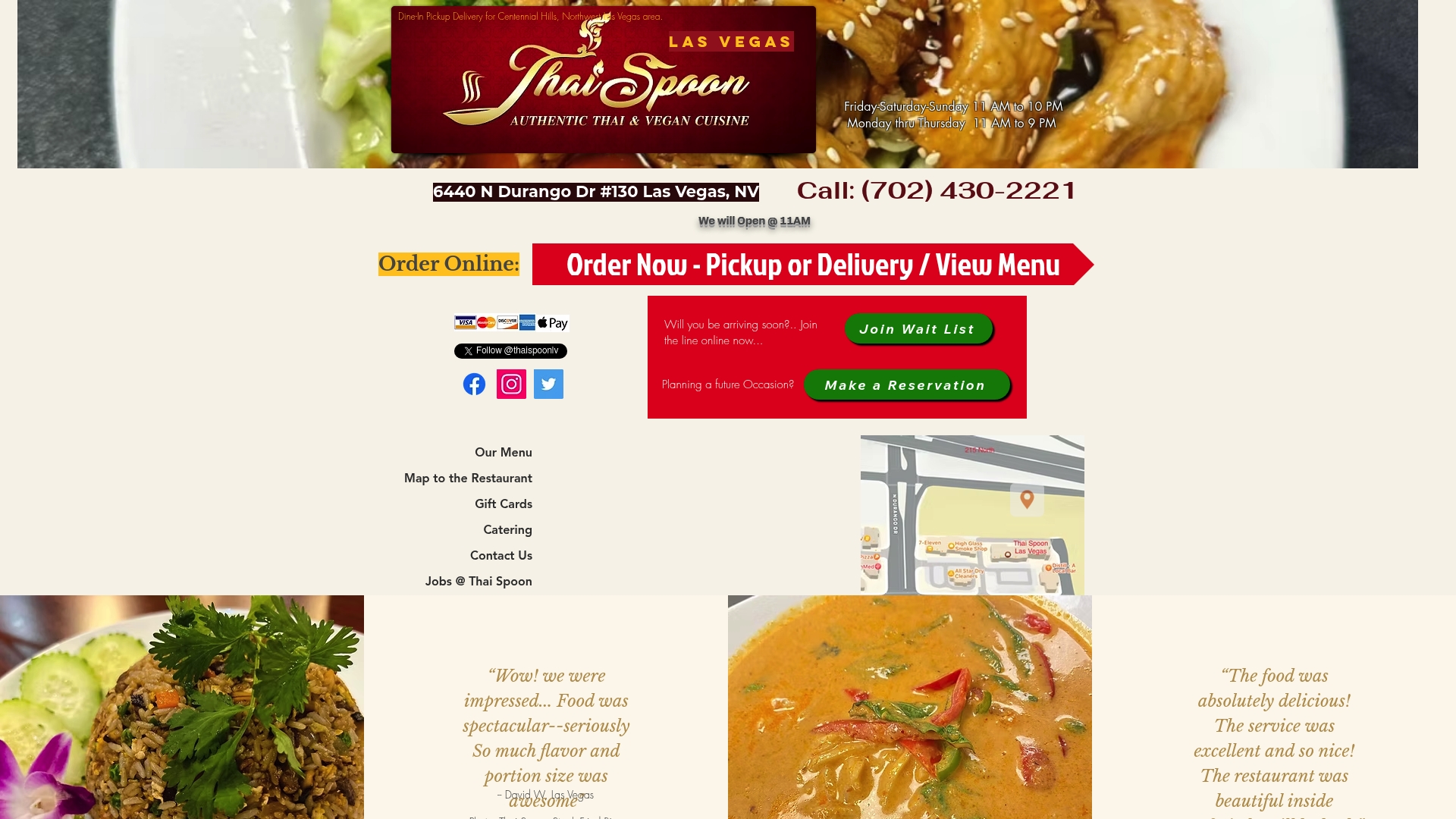
Convenient online ordering makes planning effortless. Browse our current seasonal selections, specify dietary requirements, and receive instant quotes tailored to your event size and preferences. Whether you’re hosting an intimate gathering or a large celebration, our Thai catering services adapt to your needs.
Explore our seasonal catering menu options to discover what’s fresh right now. Each dish reflects authentic Thai culinary traditions while showcasing ingredients at their seasonal best. Learn about our menu philosophy and how we bring genuine Thai flavors to northwest Las Vegas events year round.
Frequently asked questions
What is a seasonal catering menu?
A seasonal catering menu changes throughout the year based on ingredient availability, ensuring dishes feature produce, herbs, and proteins at peak freshness. This approach maximizes flavor, nutritional value, and cultural authenticity while supporting sustainability through reduced transportation and storage needs.
How do I know which seasonal Thai dishes fit my event?
Consider three factors: your event’s season, guest dietary preferences, and the overall atmosphere you want to create. Summer events suit light, refreshing dishes while winter gatherings call for warming, hearty options. Consult your caterer about current seasonal specialties and request recommendations based on your specific event type.
Can seasonal Thai menus accommodate vegan or gluten-free diets?
Many Thai dishes naturally accommodate vegan and gluten-free requirements, and seasonal menus integrate these options seamlessly. Fresh vegetable curries, tofu preparations, and rice noodle dishes adapt easily to dietary restrictions. Confirm that caterers use appropriate substitutes like gluten-free soy sauce and vegan fish sauce alternatives.
When should I book seasonal Thai catering for my event?
Book seasonal catering two to four weeks in advance to ensure menu availability and optimal pricing. Early booking becomes especially important during peak event seasons when demand for popular seasonal dishes increases. Planning ahead also allows time for menu customization and dietary accommodation arrangements.
Do seasonal menus cost more than fixed menus?
Seasonal menu pricing fluctuates between 10 and 25% across the year based on ingredient costs. You’ll pay premium prices for dishes featuring ingredients at season start or end, but enjoy better value during peak availability. Overall annual costs often match or beat fixed menus while delivering superior quality and freshness.
Recommended
Comments