


7 Essentials for a Successful Catering Checklist for Thai Food
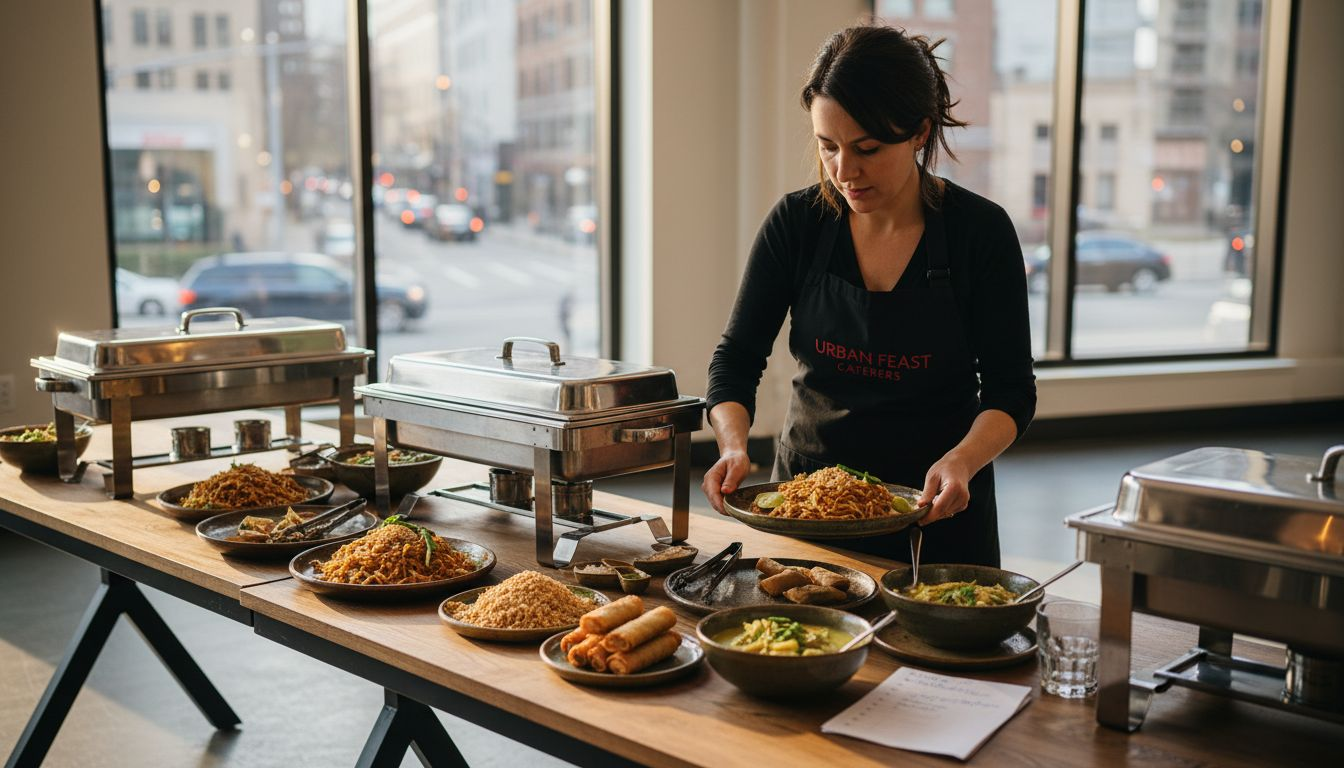
Nearly one in three American event planners cite authentic cuisine as the top factor for guest satisfaction at corporate gatherings. In Northwest Las Vegas, finding Thai catering that honors deep culinary traditions and delivers with dependable service has become a practical necessity for high quality events. This guide reveals how to navigate cultural preferences, customize menus, and manage logistics for a seamless Thai dining experience your group will remember.
Table of Contents
Quick Summary
Key Message | Explanation |
1. Understand Thai Flavor Profiles | Thai cuisine combines sweet, sour, salty, and spicy flavors; consider these when planning your menu. |
2. Offer Customizable Menu Options | Provide a variety of spice levels and dietary accommodations, such as vegan and gluten-free dishes, to cater to all guests. |
3. Timely Delivery and Setup is Crucial | Coordinate with your catering service to ensure that food arrives fresh and hot, preserving its quality. |
4. Pay Attention to Portion Sizes | Plan for 1.5 to 2 servings per person to ensure a satisfying experience without waste during communal dining. |
5. Collect Feedback After the Event | Implement structured feedback collection to continuously improve your catering service based on guest experiences. |
1. Understanding Thai Cuisine Preferences for Your Event
Planning a successful catering event with Thai food requires more than just selecting dishes. It demands a nuanced understanding of cultural preferences and flavor expectations. Cultural food preferences play a critical role in creating an inclusive and satisfying dining experience.
Thai cuisine is characterized by a complex balance of flavors that go far beyond simple spiciness. The four fundamental taste profiles of Thai cooking include sweet, sour, salty, and spicy elements, which must be carefully considered when designing a menu for your event. Understanding these flavor dynamics helps ensure your guests experience authentic Thai culinary traditions.
When selecting Thai dishes for catering, consider the diverse palate preferences within your group. Not everyone enjoys intense heat, so providing a range of spice levels allows guests to customize their dining experience. Vegetarian and protein options should also be available to accommodate different dietary needs.
Research indicates that Thai cuisine’s global popularity stems from its unique flavor combinations and dining customs, which means your catering should reflect these intricate culinary traditions. Include dishes that showcase regional variety such as mild coconut curries from the south or herb-rich salads from the northeast.
Pro tip: Always request a pre event tasting to ensure the catering service can adjust spice levels and ingredient combinations to match your specific group’s preferences.
2. Choosing Signature Dishes and Customizable Menu Options
Selecting the right Thai dishes for your catering event requires a strategic approach that balances authenticity with guest preferences. Signature dishes serve as culinary ambassadors that represent the rich traditions of Thai cuisine while providing familiar and appealing options.
Classic Thai dishes form the foundation of a memorable catering menu. Popular selections like Pad Thai, Green Curry, and Tom Yum Soup are instantly recognizable and provide a reliable starting point for most events. These dishes represent the core flavor profiles of Thai cooking and offer broad appeal across different palates.
Customization is key to accommodating diverse dietary needs and preferences. Thai cuisine offers remarkable flexibility in menu design, allowing event planners to modify protein choices, adjust spice levels, and provide vegetarian or gluten free alternatives. This approach ensures that every guest can enjoy a personalized dining experience.
When designing your menu, consider including a mix of protein options such as chicken, beef, shrimp, and tofu. This variety allows guests to select dishes that match their dietary requirements and taste preferences. Vegetarian guests will appreciate having multiple plant based selections that maintain the authentic Thai flavor profile.
Pro tip: Request a pre event tasting that allows you to sample and fine tune menu selections, ensuring the dishes meet both your culinary standards and your guests expectations.
3. Accommodating Dietary Needs: Vegan and Gluten-Free Choices
Modern catering requires thoughtful consideration of diverse dietary requirements, especially when serving Thai cuisine. Navigating gluten free options in Thai food demands careful ingredient investigation and proactive menu planning.
Thai cuisine offers numerous naturally vegan and gluten free dishes that can satisfy various dietary restrictions. Staple ingredients like rice, vegetables, tofu, and coconut milk provide a robust foundation for creating inclusive menu options. Dishes such as Som Tum (green papaya salad), vegetable stir fries, and certain curry preparations can easily accommodate vegan and gluten free guests.
Key considerations for dietary accommodations include understanding potential hidden ingredients. Soy sauce, fish sauce, and some curry pastes may contain gluten or animal products, requiring careful selection and potential modification. Communicate transparently with your catering service about specific dietary needs to ensure proper ingredient substitution and preparation.
Vegan certification standards recommend clear labeling and separation of preparation areas to prevent cross contamination. This approach ensures guests with specific dietary requirements can confidently enjoy their meals without concern.
Pro tip: Request ingredient lists and preparation methods from your caterer in advance, allowing you to verify dietary compliance and make informed menu selections.
4. Coordinating Delivery and Setup Logistics
Successful Thai food catering extends far beyond menu selection into the critical realm of delivery and setup logistics. Professional event management frameworks emphasize the importance of precise planning and resource coordination to ensure a smooth culinary experience.
Timing is everything when coordinating Thai food delivery. Most hot dishes like curries and stir fries have optimal serving windows that can quickly diminish if not managed correctly. Work closely with your catering service to establish a precise timeline that ensures food arrives fresh, hot, and at the peak of its flavor potential.
Food service guidelines recommend comprehensive logistical preparation that goes beyond simple delivery. This includes verifying setup requirements such as chafing dishes, heating elements, serving utensils, and appropriate food storage temperatures. Advanced planning prevents last minute challenges that could compromise food quality or guest satisfaction.
Consider the specific venue requirements when planning your Thai food catering. Different spaces have unique constraints regarding electrical access, kitchen facilities, and setup areas. Communicate these details explicitly with your catering provider to ensure they can accommodate your specific event environment.
Pro tip: Request a detailed logistics walkthrough with your catering team at least one week before the event, confirming exact arrival times, setup protocols, and contingency plans for potential unexpected challenges.
5. Ensuring Proper Serving Supplies and Presentation
Safe food service practices are fundamental to creating an exceptional Thai food catering experience. Presentation goes far beyond aesthetic appeal and directly impacts guest perception and food safety.
Serving equipment plays a critical role in maintaining both the visual allure and temperature integrity of Thai dishes. Invest in high quality chafing dishes with reliable heating elements to keep curries warm, and select serving utensils that complement the cuisine’s authentic style. Stainless steel serving spoons and tongs that match the color palette of Thai ceramics can elevate the entire dining presentation.
Buffet setup guidelines recommend strategic placement of dishes to maintain proper food temperatures and prevent cross contamination. Group similar items together and use clear labels indicating dish names, primary ingredients, and potential allergens. This approach helps guests with dietary restrictions navigate the menu confidently.
Consider the visual storytelling of your Thai food presentation. Incorporate traditional ceramic serving platters, bamboo accessories, and garnishes that reflect the vibrant colors of Thai cuisine. Strategically placed herbs like Thai basil or kaffir lime leaves can transform a standard buffet into an immersive culinary experience.
Pro tip: Request disposable gloves and serving tongs for each dish station to maintain hygiene standards and prevent potential cross contamination during self service events.
6. Confirming Portion Sizes for Group Gatherings
Precise portion planning transforms a good catering experience into an exceptional one, especially when serving complex Thai cuisine. Dietary guidelines offer critical insights into managing food quantities that satisfy guests without unnecessary waste.
Calculating accurate portions requires understanding the unique characteristics of Thai dishes. Unlike western cuisine, Thai food often features multiple shared dishes that encourage communal dining. Plan for approximately 1.5 to 2 servings per person for each menu item, accounting for varied appetites and the tapas style of Thai meal presentations.
Recommended serving sizes help event planners balance nutrition and satisfaction. For a group of 20 guests, consider preparing roughly 30 individual portions of main courses like Pad Thai or Green Curry. Rice and noodle dishes should be slightly more abundant, as these are typically the most popular items.
Special considerations include vegetarian guests and those with smaller appetites. Supplement main dishes with lighter options like Thai salads and spring rolls to ensure everyone finds something enjoyable. A good rule of thumb is to have at least two protein options and three side dishes for every 10 guests.
Pro tip: Request a final guest count at least 48 hours before your event and communicate this to your catering service to allow precise portion adjustments.
7. Reviewing Feedback and Finalizing Your Catering Order
Professional customer feedback frameworks emphasize the critical importance of systematic review processes in refining catering services. Effectively gathering and analyzing input transforms a standard catering experience into an exceptional culinary event.
Structured feedback collection is essential for continuous improvement. Request detailed input from event attendees through brief digital surveys or printed forms distributed during the event. Focus on specific areas such as food quality, presentation, temperature, flavor variety, and overall dining experience.
Hospitality management best practices recommend following up within 48 hours of the event. This demonstrates professionalism and provides an opportunity to address any concerns while the experience remains fresh in guests memories.
Comprehensive feedback review should include quantitative ratings and qualitative comments. Pay special attention to consistent themes or suggestions across multiple responses. If several guests mention a specific dish or aspect of service, consider incorporating those insights into future catering selections.
Pro tip: Create a standardized feedback template with both numerical ratings and open ended questions to capture nuanced guest perspectives about your Thai food catering experience.
Below is a comprehensive table summarizing key strategies and steps discussed in the article for effectively organizing Thai cuisine catering at events.
Aspect | Details |
Understanding Flavor Profiles | Thai cuisine combines sweet, sour, salty, and spicy flavors. Offering spice level options and varying protein or vegetarian dishes ensures broad appeal. |
Choosing Menu Options | Incorporate classic dishes like Pad Thai and Tom Yum Soup. Offer customizable menu options to accommodate dietary needs and preferences. |
Dietary Needs Accommodations | Ensure the availability of vegan and gluten-free dishes. Communicate with the catering provider to verify ingredient compliance and avoid cross-contamination. |
Delivery and Logistics | Plan delivery timing to ensure food stays fresh and well-presented. Conduct venue-specific setups considering available resources and guest accessibility. |
Serving and Presentation | Invest in appropriate serving utensils and presentation items like traditional platters. Clearly label dishes to cater to dietary restrictions and maintain food safety. |
Portion Planning | Determine portions based on shared-style meal formats. Plan for 1.5 to 2 servings per person per dish, with additional lighter options for varied preferences. |
Feedback Collection | Distribute surveys post-event to gather insights. Utilize feedback for continuous improvement, focusing on repeated themes in guest comments. |
This table encapsulates key aspects and suggestions for successfully planning and executing a Thai cuisine catering event, ensuring an enjoyable and inclusive experience for all attendees.
Elevate Your Event with Authentic Thai Catering from Thai Spoon Las Vegas
Planning the perfect Thai food catering event can feel overwhelming with all the details involved like balancing spice levels, accommodating vegan and gluten-free diets, and ensuring proper setup and portioning. The “7 Essentials for a Successful Catering Checklist for Thai Food” highlights these challenges and the importance of delivering an authentic, memorable experience that pleases every guest. At Thai Spoon Las Vegas we understand these pain points and specialize in providing customizable menus featuring signature dishes such as Pad Thai, Yellow Curry, and Steak Fried Rice crafted with care to satisfy diverse dietary needs while preserving genuine Thai flavors.
Take the guesswork out of your catering event by choosing a trusted local partner who offers convenient online ordering, flexible pickup or delivery options, and attentive service tailored to your group’s preferences. Whether you need help with portion sizes, clear ingredient info for dietary concerns, or guidance on presentation and setup we are here to assist. Visit Thai Spoon Las Vegas now to explore our menu and secure your next event’s catering with confidence. Don’t wait—make your gathering unforgettable by booking your authentic Thai food catering today.
Frequently Asked Questions
What are the key flavor profiles to consider for Thai food catering?
The key flavor profiles of Thai cuisine include sweet, sour, salty, and spicy. Plan a menu that balances these flavors to create an authentic experience by incorporating dishes that highlight these elements.
How can I accommodate dietary restrictions when planning Thai food catering?
Accommodate dietary restrictions by including vegan and gluten-free options on your menu. Ensure you communicate any specific dietary needs to your catering service, allowing for adjustments to ingredient lists as necessary.
What portion sizes should I consider for serving Thai food at an event?
Plan for approximately 1.5 to 2 servings per person for each menu item, especially since Thai food often features shared dishes. For example, prepare around 30 portions of main courses for a group of 20 guests to ensure everyone has enough to enjoy.
How can I ensure proper logistics for the delivery and setup of Thai food?
Establish a precise timeline with your catering service to ensure food arrives fresh and hot. Conduct a logistics walkthrough with your catering team at least one week before the event to confirm arrival times and setup protocols.
Why is a pre-event tasting important for my Thai food catering?
A pre-event tasting allows you to evaluate the food quality and adjust spice levels to match your guests’ preferences. Schedule this tasting with your caterer well in advance so you can finalize your menu and ensure a satisfying dining experience.
Recommended
Mastering Gourmet Delights With Hot Air Cooker Recipes – Wispa Luxury
Comments