


Role of Chili Peppers in Thai Food – Flavor, Heat, Tradition
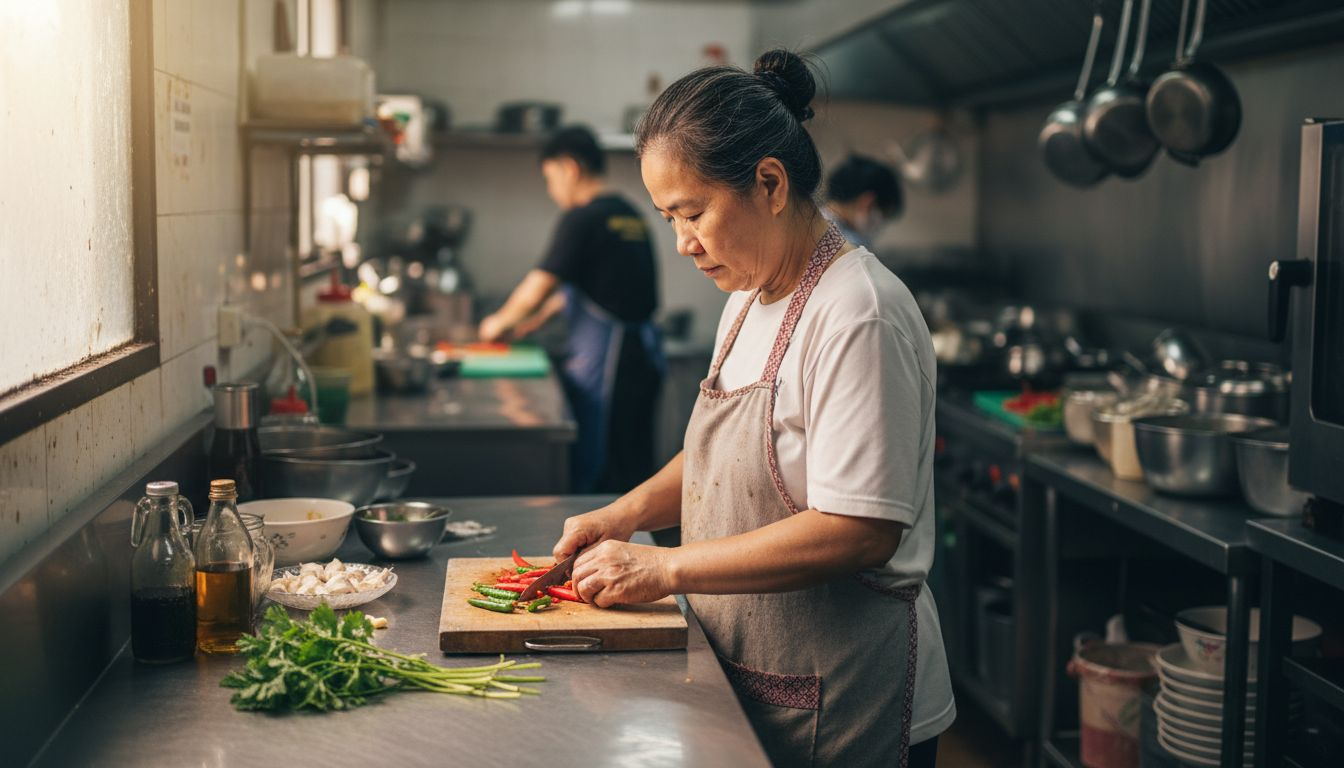
Ordering Thai food in Northwest Las Vegas can be an adventure when a single bite delivers vibrant heat followed by bursts of fresh, citrusy flavor. For local enthusiasts eager to understand what sets truly authentic Thai dishes apart, chili peppers play a starring role in shaping both tradition and taste. Discover how varieties like Phrik Khi Nu Suan and Phrik Yuak do more than add spice—they create the bold, balanced flavors and memorable experiences that define authentic Thai cuisine.
Table of Contents
Key Takeaways
Point | Details |
Chili Peppers are Cultural Catalysts | They play a crucial role in defining the flavor profiles of Thai cuisine, going beyond just adding heat. |
Variety Matters | Understanding different chili varieties enables better flavor and heat control in dishes. |
Balancing Heat is Key | Techniques like ingredient pairing and flavor layering are essential for achieving balanced taste in Thai cooking. |
Avoid Common Pitfalls | Be mindful of heat miscalculations and preparation errors to ensure authentic and harmonious flavors. |
Chili Peppers in Thai Cuisine Explained
Chili peppers represent far more than just a heat source in Thai cuisine - they are a fundamental cultural ingredient that defines flavor profiles across countless dishes. These vibrant peppers were introduced through historical trade routes and have since become an essential component of Thai culinary traditions.
Thailand boasts several distinct chili pepper varieties, each with unique characteristics and culinary applications:
Phrik Khi Nu Suan: The hottest variety, delivering intense heat
Phrik Khi Nu: A smaller, potent chili with significant spiciness
Phrik Chi Fa: Medium-sized peppers with balanced heat
Phrik Yuak: Milder peppers often used as a vegetable
Phrik Haeng: Dried chilies used for concentrated flavor
These chilies contribute critical flavor complexity to iconic dishes like green, red, and yellow curries, Som Tam (green papaya salad), and Nam phrik (traditional chili sauce). Beyond taste, they offer substantial nutritional benefits, including high levels of vitamin C, B vitamins, and essential minerals.
Cultural exposure plays a significant role in chili pepper preference. Capsaicin compounds create a unique pain sensation that Thai culture has uniquely embraced. Repeated exposure often increases individual tolerance and even develops a genuine appreciation for spicy heat.
Pro tip: Start with milder chili varieties and gradually build your spice tolerance to fully appreciate the nuanced heat in authentic Thai cuisine.
Popular Thai Chili Varieties and Uses
Thai cuisine celebrates an impressive array of chili peppers, each bringing unique flavor and heat characteristics to traditional dishes. Bird’s eye chilies range from 50,000 to 100,000 Scoville units, delivering intense spiciness that defines many authentic Thai recipes.
The primary Thai chili varieties include:
Phrik Khi Nu Suan: Tiny, hottest variety
Phrik Khi Nu: Small, extremely spicy chili
Phrik Chi Fa: Medium-sized pepper with balanced heat
Phrik Yuak: Large, mild pepper used like a vegetable
Phrik Haeng: Dried chilies used for concentrated flavor
These peppers come in vibrant colors including green, red, and yellow, each playing a crucial role in creating the complex flavor profiles of Thai cuisine. Their applications are remarkably diverse, spanning curries, stir-fries, soups, salads, marinades, and traditional sauces.
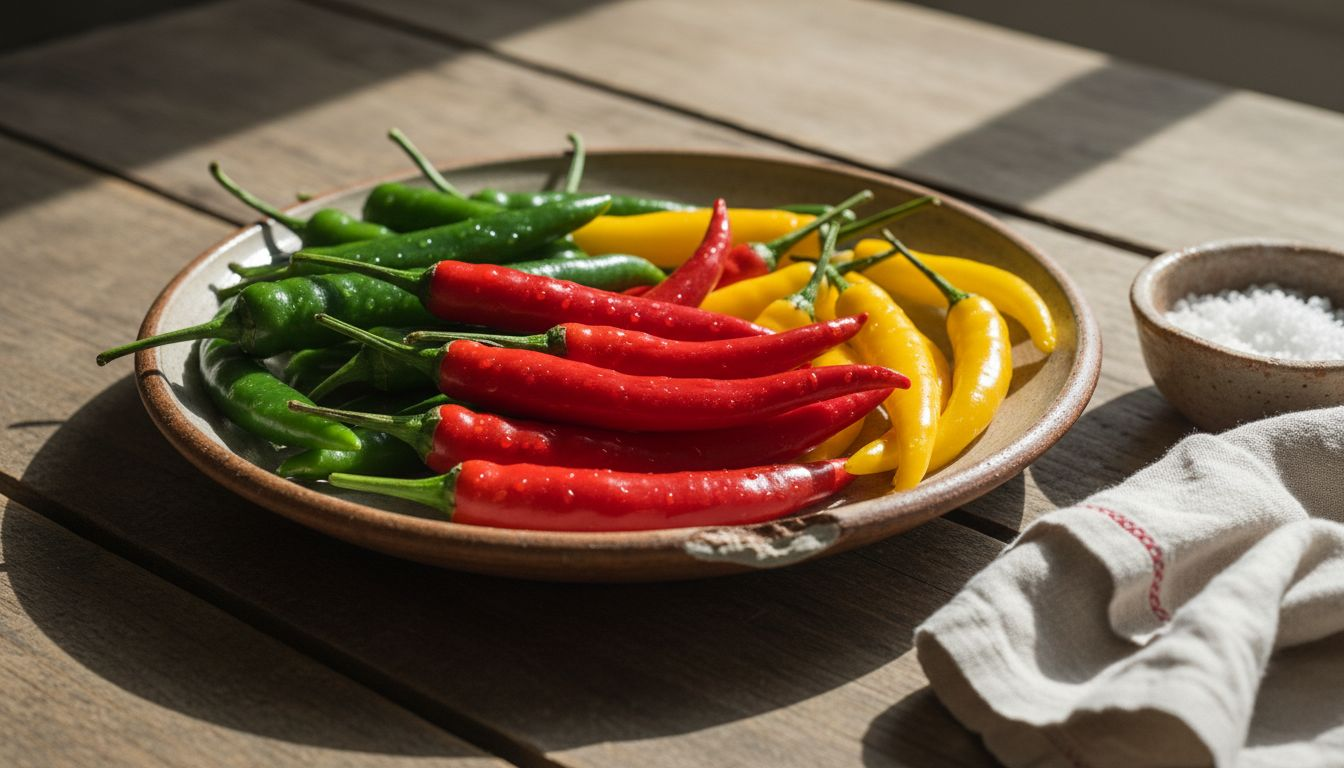
Beyond their culinary significance, Thai chilies offer substantial nutritional benefits. They are rich in antioxidants, vitamins A and C, and provide a fruity, citrus-like flavor that complements their intense heat. Green and red chilies particularly contribute to the distinctive colors of classic Thai dishes like green, red, and yellow curries.
Here’s a quick reference comparing major Thai chili varieties and their typical culinary roles:
Chili Variety | Heat Level | Common Uses | Flavor Notes |
Phrik Khi Nu Suan | Extremely hot | Paste, sauces, salads | Fiery, sharp |
Phrik Khi Nu | Very spicy | Stir-fries, dips | Bitterness, citrus |
Phrik Chi Fa | Moderate | Curries, omelets | Mild, slightly sweet |
Phrik Yuak | Mild | Stuffed, grilled, salads | Sweet, vegetal |
Phrik Haeng | Variable (dried) | Garnishes, chili flakes | Smoky, deep, rich |
Pro tip: Start with smaller amounts of Thai chilies and gradually increase to build your spice tolerance while exploring the nuanced flavors of authentic Thai cooking.
How Chili Peppers Shape Thai Flavors
Chili peppers are far more than a simple heat source in Thai cuisine - they are fundamental architects of flavor complexity. Capsaicin activates sensory receptors creating a sophisticated sensory experience that transforms ordinary dishes into extraordinary culinary journeys.
The flavor dynamics of Thai chilies involve a delicate balance of sensory elements:
Heat Intensity: Ranges from mild to extremely spicy
Flavor Notes: Fruity, citrusy undertones
Complementary Ingredients: Works with garlic, galangal, and lime
Sensory Experience: Triggers complex taste and heat perceptions
Traditional Thai cooking leverages chili peppers to create a harmonious flavor profile that balances multiple taste dimensions. Researchers have identified compounds that moderate spiciness, allowing chefs to craft dishes with nuanced heat levels that integrate seamlessly with sweet, sour, and salty elements.
The intricate interplay of chili peppers demonstrates the sophistication of Thai culinary techniques. By carefully selecting and combining different chili varieties, chefs can create depth, complexity, and a remarkable sensory experience that goes far beyond simple heat.
Pro tip: Experiment with different chili varieties to understand how their unique flavor profiles contribute to the complex taste of authentic Thai cuisine.
Balancing Heat: Cultural Techniques and Myths
Thai culinary mastery transforms chili heat from a simple sensation into a sophisticated art form. Chili heat is enjoyed like a thrilling experience, comparable to riding a roller coaster, where the intensity is as much about technique as it is about flavor.
Traditional Thai heat-balancing techniques include:
Ingredient Pairing: Combining chilies with cooling elements
Preparation Methods: Pounding chilies in a mortar
Flavor Layering: Balancing heat with sour, sweet, salty notes
Ingredient Selection: Using different chili types and stages
Cultural myths and beliefs further elevate the role of chilies beyond mere seasoning. Traditional practices integrate chilies with health and protective qualities, connecting culinary traditions with perceived wellness benefits. These beliefs suggest chilies can stimulate appetite, improve health, and even ward off illness.
The nuanced approach to chili heat reveals the depth of Thai culinary philosophy. By carefully modulating spice through techniques like using coconut milk or lime juice, chefs create a harmonious balance that transforms heat from a challenge into a delightful sensory experience.
Pro tip: Learn to balance chili heat by adding cooling ingredients like coconut milk or experimenting with different chili varieties to control spice intensity.
To help balance chili heat in Thai cooking, consider these techniques and their culinary effects:
Technique | What It Does | Typical Ingredients | Effect on Dish |
Ingredient Pairing | Reduces perceived heat | Coconut milk, herbs | Mellow, balanced taste |
Preparation Method | Releases aromas, oils | Mortar & pestle, frying | Enhanced complexity |
Flavor Layering | Balances sharpness | Lime, sugar, fish sauce | Harmonious profile |
Chili Variety Blending | Controls spice level | Mixed fresh, dried | Nuanced, subtle heat |
Common Pitfalls When Cooking With Chilis
Chili heat varies dramatically between pepper varieties, presenting complex challenges for home cooks attempting authentic Thai cuisine. Understanding these potential mistakes can transform your cooking from frustrating to phenomenal.
Common chili cooking pitfalls include:
Heat Miscalculation: Underestimating or overwhelming spice levels
Handling Risks: Not wearing protective gloves when chopping
Seed Management: Using too many seeds increases sharp heat
Flavor Balance: Allowing chili to dominate other ingredients
Preparation Errors: Improper cutting or processing techniques
The science behind chili heat is more nuanced than most realize. Compounds beyond capsaicin significantly influence spiciness, making precise control challenging. Professional Thai chefs understand that heat is not just about intensity, but about creating a harmonious flavor profile.
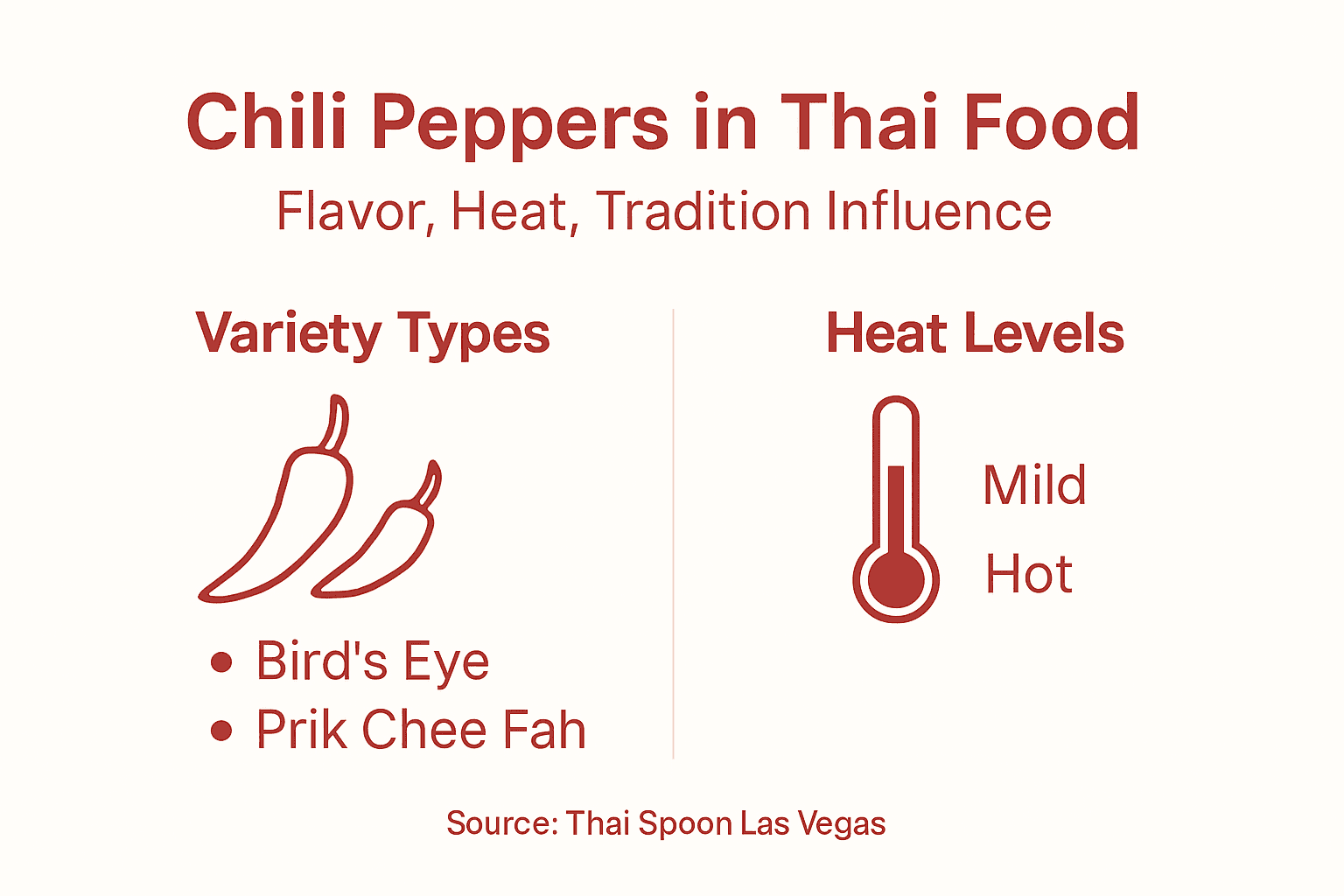
Successful chili cooking requires understanding its complexity. Techniques like incorporating fats, balancing with acids, and carefully selecting pepper varieties can help moderate heat and prevent overwhelming dishes. Remember that each chili brings its unique character to the culinary experience.
Pro tip: Always taste and adjust chili heat gradually, using small amounts and tasting frequently to maintain the delicate balance of Thai flavor profiles.
Experience Authentic Thai Chili Flavors at Thai Spoon Las Vegas
Mastering the complex balance of chili heat and flavor described in “Role of Chili Peppers in Thai Food – Flavor, Heat, Tradition” can be challenging at home. If you have ever struggled with getting just the right amount of spice or understanding how different chili varieties contribute to a dish’s unique profile Thai Spoon Las Vegas offers the perfect solution. Enjoy expertly crafted dishes where the fiery kick of Phrik Khi Nu Suan and the mellow heat of Phrik Yuak are balanced with traditional techniques to create unforgettable flavor experiences.

Discover how real Thai chefs expertly blend chili pepper varieties to achieve that perfect harmony in every bite. Visit Thai Spoon Las Vegas to explore our authentic menu including options like Yellow Curry and Pad Thai that showcase the rich tradition of Thai chilies. Order online for pickup or delivery now and start your authentic Thai flavor journey without the guesswork. Don’t wait to delight your palate with perfectly balanced spice and authenticity loved by our local community.
Frequently Asked Questions
What are the different types of chili peppers used in Thai cuisine?
Thai cuisine utilizes several chili pepper varieties, including Phrik Khi Nu Suan (the hottest), Phrik Khi Nu (small and very spicy), Phrik Chi Fa (medium-sized with balanced heat), Phrik Yuak (mild and often used as a vegetable), and Phrik Haeng (dried chilies for concentrated flavor).
How can I control the heat level when cooking Thai food with chili peppers?
To control the heat level, you can start with milder chili varieties, use smaller amounts, and gradually increase the spice. Additionally, balancing chili heat with cooling ingredients like coconut milk, lime, or sugar can help ensure a harmonious flavor profile.
What nutritional benefits do chili peppers offer?
Chili peppers are rich in antioxidants, vitamins A and C, and essential minerals. They contribute to several health benefits, including improved metabolism and potential pain relief from capsaicin.
How do chili peppers enhance the flavor of Thai dishes?
Chili peppers provide heat and complexity, activating sensory receptors that enhance overall flavor. They work well with complementary ingredients like garlic, galangal, and lime, creating a balanced taste that combines spicy, sweet, sour, and salty elements.
Recommended
Comments