




How to Reheat Thai Takeout for Maximum Fresh Flavor
- mail469793
- Feb 13
- 8 min read
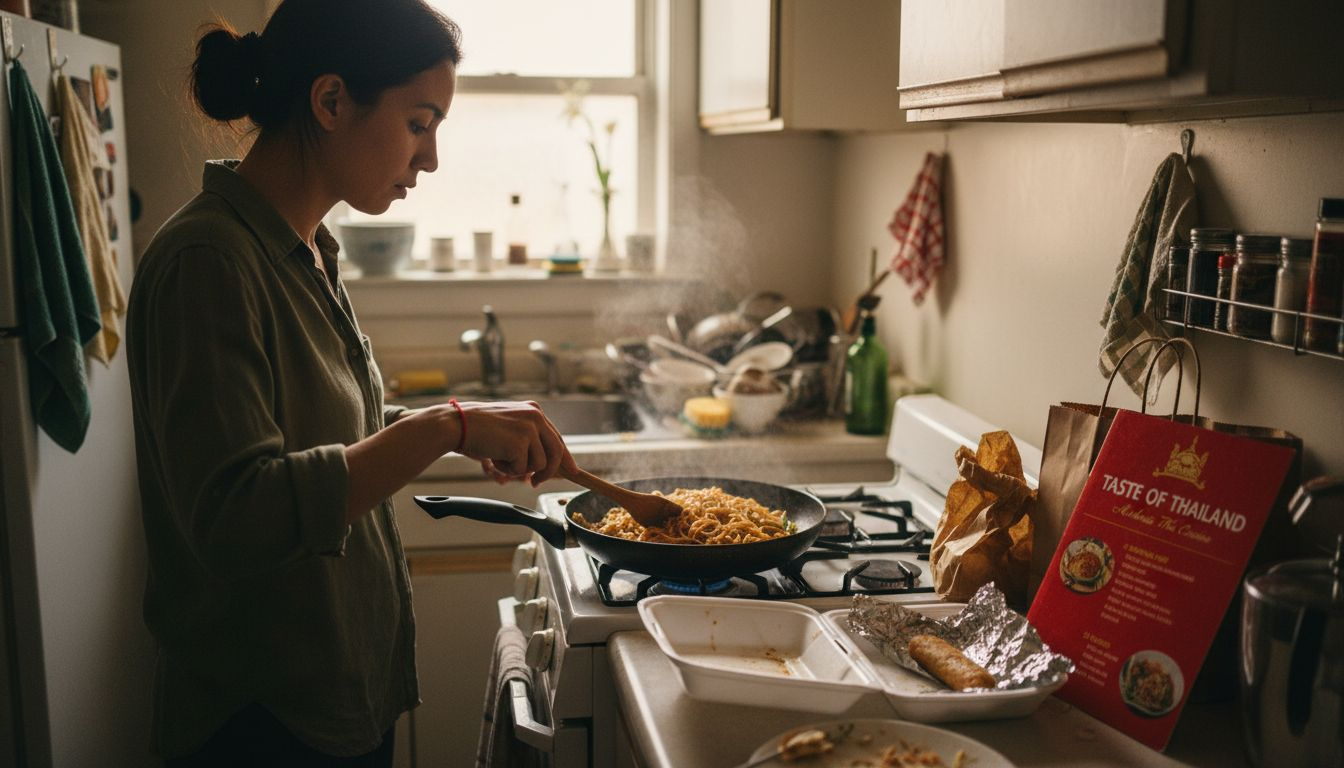
Leftover Thai takeout can be a local favorite in Northwest Las Vegas, but reheating those noodles or curries the right way makes all the difference. Safe handling keeps both flavors bold and your meal free from worry. By focusing on proper storage and reheating practices, you turn yesterday’s Pad Thai or spring rolls into a satisfying encore while protecting your family from unwanted risks. Discover how small changes in your routine help your leftovers taste just as fresh as they did when they arrived.
Table of Contents
Quick Summary
Key Point | Explanation |
1. Store leftovers properly | Use shallow, airtight containers and refrigerate within 2 hours to maintain quality and safety. |
2. Reheat to safe temperature | Always ensure food reaches 165°F to eliminate harmful bacteria during reheating. |
3. Choose the right method | Use stovetop for noodle dishes and oven for crispy items to preserve texture and flavor. |
4. Check for even heating | Stir frequently, cover dishes, and check multiple spots for uniform warmth and moisture. |
5. Serve immediately and hot | Plate and serve steaming hot food quickly to enhance flavor and maintain safety. |
Step 1: Prepare your leftovers for reheating
Getting your Thai takeout leftovers ready for a delicious second round starts with smart preparation. Proper storage isn’t just about convenience - it’s about preserving those amazing flavors and keeping your food safe.
To prepare your leftovers effectively, you’ll want to follow some key guidelines from food safety experts. Here’s how to set yourself up for reheating success:
Transfer food immediately after your meal into shallow, airtight containers
Use containers that allow quick, even cooling
Divide larger portions into smaller quantities to help food cool faster
Refrigerate within 2 hours of cooking to prevent bacterial growth
When storing your Thai takeout, consider the type of dish. Noodle-based meals like Pad Thai might need slightly different handling compared to curries or stir-fries. Separate sauces from solid ingredients when possible to maintain texture during reheating.
Keep your leftovers at 40°F or below and plan to consume within 3-4 days for optimal safety and taste.
Thawing tips are crucial if you’ve frozen your leftovers. The safest methods include refrigerator thawing, cold water thawing, or using the microwave - just be sure to thaw completely before reheating.
Pro tip: Use clear, labeled containers so you can easily track how long your delicious Thai takeout has been stored.
Step 2: Choose the best reheating method
Deciding how to reheat your Thai takeout can make all the difference between a disappointing meal and a delicious encore of last night’s dinner. Your choice of reheating method will impact flavor, texture, and most importantly, food safety.
Food safety guidelines recommend heating leftovers to a consistent internal temperature of 165°F to eliminate harmful bacteria. Here are your primary reheating options:
Microwave method: Quick and convenient
Stovetop method: Best for maintaining original texture
Oven method: Ideal for larger portions and crispy dishes
The microwave works great for saucy dishes like curries, but you’ll want to cover the container and stir periodically to ensure even heating. For stir-fries and noodle dishes, a stovetop pan with a little added oil can help restore that fresh-from-the-wok taste.
Regardless of method, always heat until food reaches 165°F throughout to ensure safety.
Oven reheating takes longer but can help maintain the original texture of crispy items like spring rolls or fried rice. Use a baking sheet and consider adding a small amount of water or broth to prevent drying out.
Here’s a quick comparison of reheating methods for different Thai takeout dishes:
Dish Type | Best Reheating Method | Key Consideration |
Noodle dishes | Stovetop | Add a little oil for texture |
Curries | Microwave | Stir during heating for even warmth |
Stir-fries | Stovetop | Use medium heat to avoid drying |
Fried appetizers | Oven | Spread in single layer for crispiness |
Rice dishes | Microwave or Stovetop | Add splash of water to prevent drying |
Avoid using slow cookers or steam tables for reheating, as these methods can keep food in the dangerous temperature zone too long.
Pro tip: Invest in an instant-read food thermometer to accurately check that your leftovers reach the safe 165°F temperature every single time.
Step 3: Heat dishes carefully for even warmth
Reheating Thai takeout isn’t just about blasting food with heat - it’s an art that requires attention and technique to preserve those amazing flavors and textures. Your goal is to create a meal that tastes just as delicious as when it was first served.
Food safety experts recommend several strategies to ensure even heating and maintain food quality:
Cover your dish to retain moisture
Stir frequently during reheating
Rotate the container to eliminate cold spots
Allow resting time after heating
For microwave reheating, use medium power and pause halfway through to stir. This helps distribute heat evenly and prevents those frustrating temperature variations. Saucy dishes like curries and noodle bowls benefit most from this technique.
Consistent stirring is your secret weapon against uneven heating.
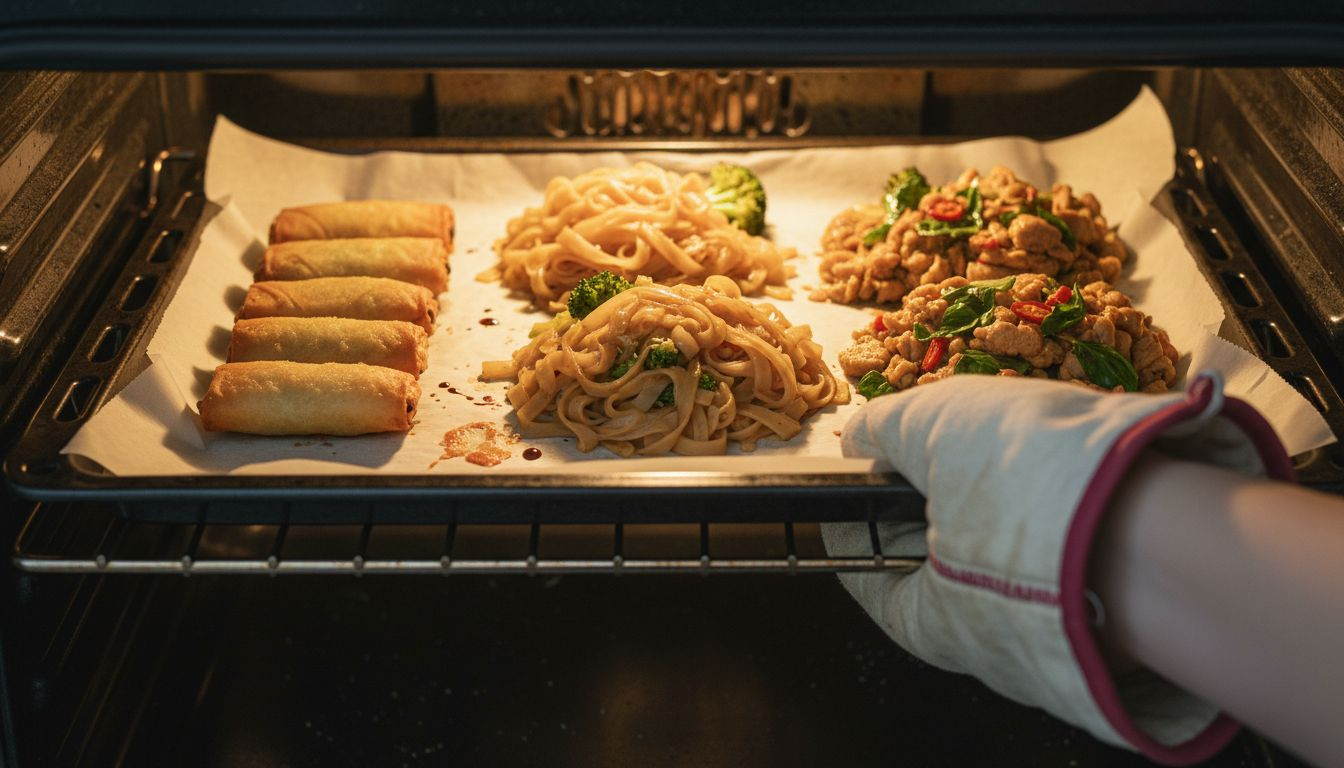
If you’re using an oven, spread your Thai takeout in a single layer on a baking sheet. This allows heat to circulate and warm the food uniformly. For crispy items like spring rolls, a quick blast under the broiler can help restore their original crunch.
Cooking time will vary depending on your dish’s composition - thick curries might need longer than light stir-fries. Always trust your instincts and check the temperature in multiple spots.
Pro tip: Invest in a digital instant-read thermometer to quickly verify your food reaches a safe and consistent 165°F throughout.
Step 4: Check for optimal temperature and texture
The final stage of reheating your Thai takeout is all about precision - making sure your food is not just warm, but perfectly restored to its original deliciousness. Temperature and texture are your two key indicators of a successfully reheated meal.
Food safety guidance emphasizes the critical importance of reaching the right temperature while preserving food quality. Here’s how to nail it:
Use a digital food thermometer
Check multiple spots in the dish
Look for consistent heat throughout
Assess texture and moisture level
Aim for an internal temperature of 165°F - this magical number kills potential bacteria while maintaining your food’s integrity. For dishes like Pad Thai or stir-fries, this means checking different areas to ensure even heating.
Your food thermometer is your best defense against both foodborne illness and disappointing leftovers.
Texture matters just as much as temperature. Watch for visual cues like steam rising evenly, noodles regaining their original springiness, and sauce maintaining its consistency. Avoid overheating, which can dry out proteins or make sauces separate.
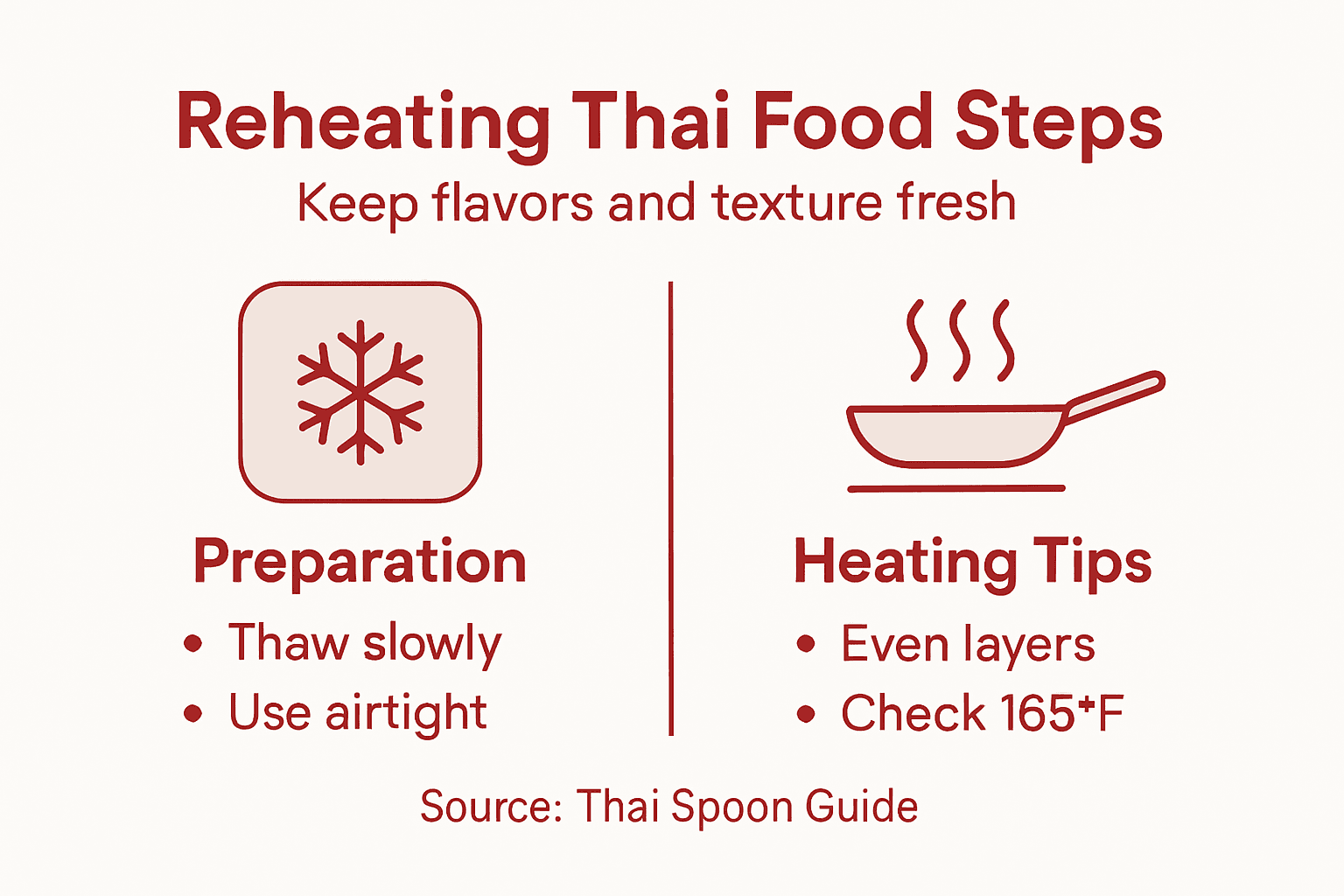
Different Thai dishes require slightly different approaches. Curries might need gentle, slower reheating, while crispy spring rolls benefit from brief, high-heat treatment to restore their crunch.
Pro tip: Let your reheated dish rest for a minute after heating to allow temperatures to equalize and flavors to redistribute.
Step 5: Serve and enjoy freshly reheated Thai food
The moment of truth has arrived - transforming your leftover Thai takeout from cold containers into a mouthwatering meal that tastes like it just arrived from the restaurant. Presentation and timing are everything when serving reheated Thai cuisine.
Food safety guidelines emphasize the importance of serving hot foods quickly and maintaining their temperature. Here’s how to make your reheated Thai takeout shine:
Plate immediately after reheating
Use warm serving dishes to retain heat
Garnish with fresh herbs
Pair with complementary sides
Aim to serve your reheated dish while it’s steaming hot, ideally above 140°F. This not only ensures safety but also helps maintain the vibrant flavors and textures of your Thai cuisine. Think about adding fresh cilantro, a squeeze of lime, or a sprinkle of chopped green onions to refresh the dish.
A beautifully presented meal awakens all your senses before the first bite.
For dishes like Pad Thai or curry, consider transferring to a pre-warmed plate to keep the food at an optimal temperature. If you’re serving multiple dishes, use smaller serving portions and replace them frequently to maintain freshness.
Avoid leaving your reheated food sitting out for too long. The two-hour rule is critical - perishable foods should not remain at room temperature beyond this timeframe.
Below is a summary of safe leftover storage and reheating timelines:
Action | Recommended Temperature | Time Limit |
Refrigeration | 40°F or below | 3-4 days maximum |
Serving hot food | 140°F or above | Serve within 2 hours |
Safe reheating | 165°F internal | Check multiple spots |
Freezer Storage | 0°F or below | 1-2 months best flavor |
Pro tip: Warm your serving plates in the oven at a low temperature before plating to keep your reheated Thai food hot and delicious.
Enjoy Fresh and Flavorful Thai Without the Reheat Hassle
Reheating Thai takeout to get that fresh-from-the-restaurant taste can be tricky. From reaching the right temperature to preserving texture and flavor, many struggle with uneven warming or soggy noodles. At Thai Spoon Las Vegas, we understand those challenges and offer authentic Thai dishes like Pad Thai, Yellow Curry, and Steak Fried Rice prepared fresh each time so you never have to worry about reheating or losing quality.
Skip the guesswork and experience the perfect balance of flavor and freshness by ordering directly from Thai Spoon Las Vegas. Whether you’re craving a quick lunch during your busy day or planning a flavorful dinner, our convenient online ordering for pickup or delivery ensures your meal arrives hot and ready to enjoy. Visit our site to explore the menu options including vegan and gluten-free choices, learn about our special lunch and happy hour menus, or book catering for your next event. Don’t settle for leftovers that fall flat when you can have genuine Thai cuisine delivered fresh and delicious.
Order now and savor authentic Thai flavor without any compromise on freshness from Thai Spoon Las Vegas. Experience the difference a freshly made meal can make today.
Frequently Asked Questions
How should I store my Thai takeout leftovers before reheating?
To store your Thai takeout leftovers properly, transfer the food into shallow, airtight containers immediately after your meal. Aim to refrigerate the leftovers within 2 hours to prevent bacterial growth and keep the food at a safe temperature of 40°F or below.
What is the best reheating method for different types of Thai takeout?
The best reheating method depends on the dish: use the stovetop for noodle dishes to preserve texture, the microwave for curries, and the oven for fried items to restore crispiness. Heat all dishes until they reach an internal temperature of 165°F for safe consumption.
How can I ensure my reheated Thai food has maximum flavor?
To maximize flavor when reheating, cover your dish to retain moisture and stir frequently to ensure even heat distribution. Consider adding a splash of broth or water to maintain texture, especially for rice and noodle dishes, and let the food rest briefly after reheating before serving.
How do I know if my reheated Thai takeout is safe to eat?
To check if your reheated Thai takeout is safe, use a digital food thermometer to ensure the internal temperature reaches 165°F. Additionally, look for even warmth and assess that the food retains its original texture and moisture before serving.
What should I do if my Thai takeout has been in the fridge for a few days?
If your Thai takeout has been in the fridge for more than 3-4 days, it’s best to discard it to avoid the risk of foodborne illness. Always check for off smells or changes in texture before reheating leftover meals to ensure safety.
Recommended
Comments