




Role of Community in Thai Dining – Impact on Local Flavor
- mail469793
- Feb 15
- 7 min read
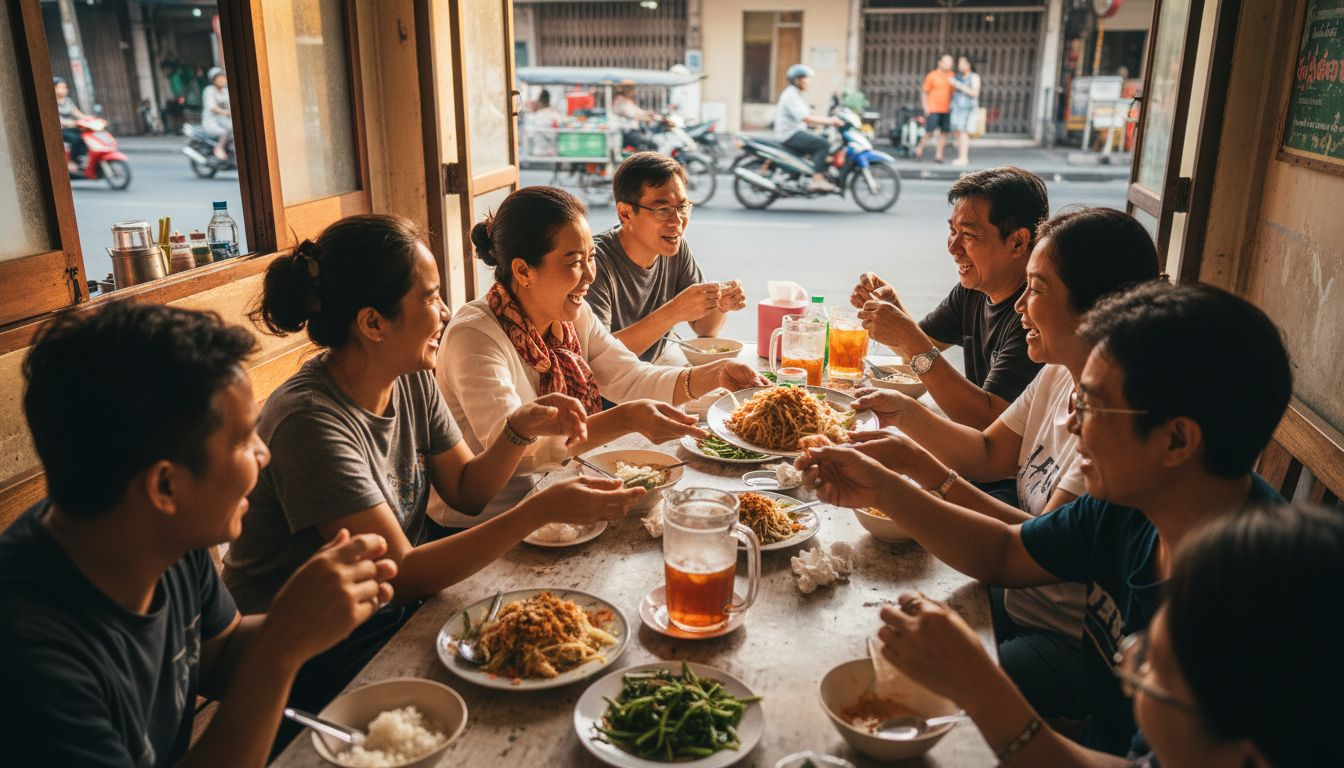
Craving a meal that connects you to culture and community in Northwest Las Vegas? Thai cuisine offers far more than just bold flavors—it embodies rich traditions rooted in shared experiences. For local food lovers, seeking out authentic Thai restaurants means joining a vibrant social tapestry where recipes and dining rituals preserve heritage. Discover how community-driven culinary practices transform every dish into a meaningful celebration, welcoming all dietary preferences and offering convenient takeout for true inclusivity.
Table of Contents
Key Takeaways
Point | Details |
Culinary Community Connection | Thai cuisine promotes community bonding through shared cooking and dining practices, emphasizing cultural identity and social interaction. |
Cultural Etiquette and Respect | Dining traditions showcase respect for hierarchy, particularly towards elders, and promote communal sharing, enriching social dynamics. |
Restaurants as Cultural Hubs | Thai restaurants foster community ties by providing authentic experiences and serving as venues for cultural exchange and education. |
Dietary Inclusivity | Thai culinary practices adapt to various dietary needs, reflecting a philosophy of inclusivity and hospitality while maintaining authentic flavors. |
Community Roots in Thai Cuisine
Thai cuisine represents far more than just food - it embodies a profound cultural narrative of community connection and shared heritage. Traditional culinary practices in Thai communities demonstrate how cooking serves as a powerful mechanism for cultural preservation and social bonding.
The communal aspects of Thai food preparation and consumption reveal deep-rooted traditions that extend well beyond simple nutrition. Meals are not just about sustenance, but about creating meaningful social interactions and maintaining cultural identity. Families and neighbors traditionally collaborate in food preparation, with recipes passed down through generations, ensuring that culinary knowledge remains a living, breathing part of community experience.
Key community characteristics in Thai culinary traditions include:
Shared cooking responsibilities during festivals and celebrations
Intergenerational recipe transmission
Collective meal preparation techniques
Communal dining practices that prioritize social connection
These practices demonstrate how food culture serves as a critical mechanism for maintaining social cohesion and cultural memory. Communities use cooking and eating not just as a means of survival, but as a sophisticated language of connection, respect, and shared experience.
Pro tip: When exploring Thai cuisine, consider the social context behind each dish - understanding its community origins enriches the entire dining experience.
Cultural Traditions in Thai Dining
Thai dining is a rich tapestry of cultural practices deeply rooted in historical and religious traditions. Thai eating culture reflects profound social dynamics that extend far beyond mere sustenance, transforming meals into complex social rituals that communicate respect, hierarchy, and community connection.
Buddhist philosophy profoundly influences Thai dining etiquette, emphasizing communal sharing, mindful consumption, and spiritual connection through food. Traditional Thai meals are typically served family-style, with multiple dishes placed in the center of the table, encouraging shared experience and collective dining. This approach contrasts with Western individual plating methods and represents a fundamental cultural approach to nutrition and social interaction.
Key cultural traditions in Thai dining include:
Communal serving and sharing of dishes
Respect for elders through specific serving protocols
Use of specific utensils like spoons and forks instead of chopsticks
Emphasis on balanced flavors representing complex taste harmony
Ritualistic aspects of meal preparation and presentation
Moreover, Thai culinary traditions demonstrate remarkable adaptability, integrating influences from neighboring cultures while maintaining a distinctive local character. Rice serves as the central element, with other dishes carefully selected to complement and balance the primary staple.
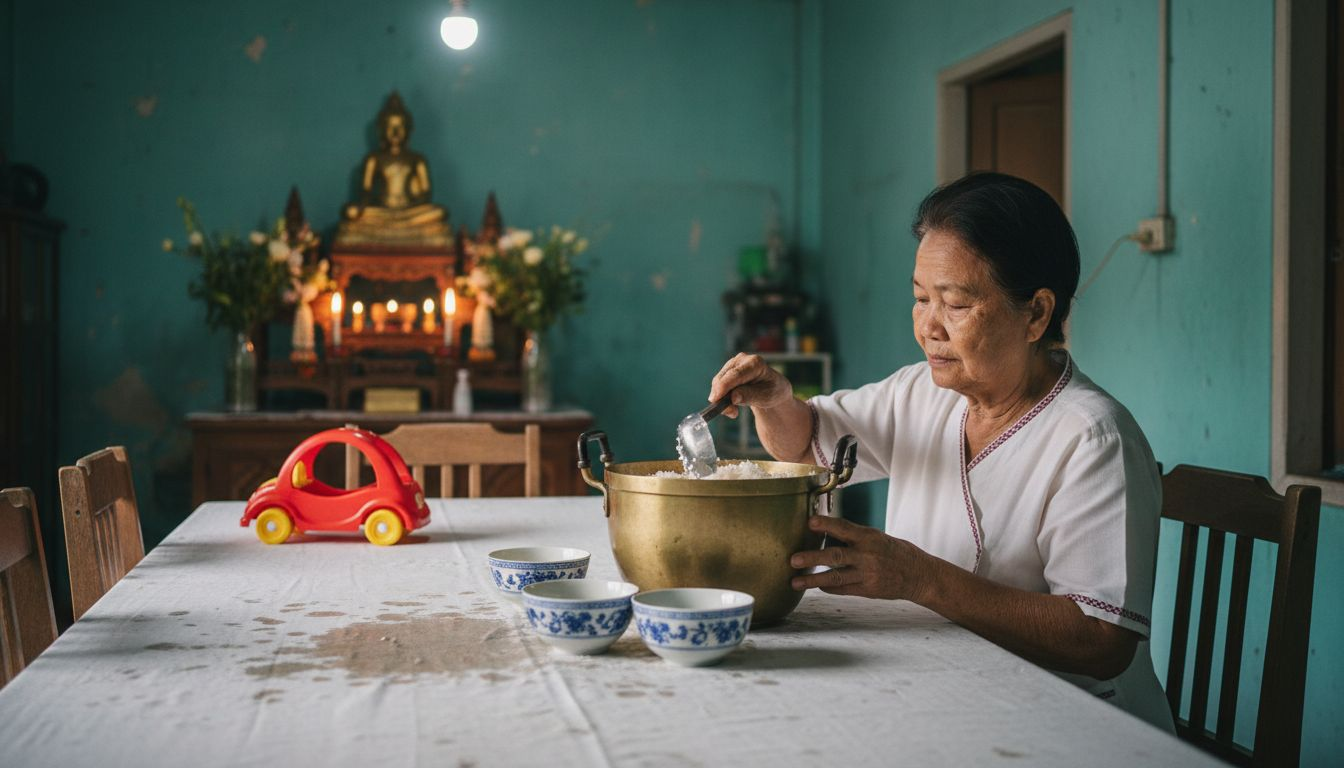
Pro tip: When experiencing Thai cuisine, observe the communal dining style and appreciate how each dish represents a deeper cultural narrative beyond its immediate flavors.
Here’s a comparison of communal versus individualized dining approaches and their influence on social interaction:
Aspect | Thai Communal Dining | Western Individualized Dining |
Meal Presentation | Shared dishes, central table | Individual plates per person |
Social Focus | Encourages conversation | Focus on personal experience |
Respect Hierarchy | Elders served first | Less emphasis on hierarchy |
Cultural Impact | Preserves tradition, bonds | Expresses individual choice |
Adaptability | Balances group preferences | Meets individual tastes |
How Restaurants Foster Local Connection
Restaurants play a critical role in nurturing community identity and social connections, particularly within immigrant populations. Thai restaurants serve as cultural intermediaries that transform dining from a simple meal into a profound social experience that bridges cultural boundaries and preserves heritage.
These culinary spaces do more than serve food - they create microcosms of cultural exchange and community building. By providing authentic experiences, Thai restaurants help recent immigrants and local residents connect through shared gastronomic experiences, effectively creating social networks that transcend traditional demographic boundaries.
Key ways restaurants foster local connections include:
Providing gathering spaces for community members
Offering authentic cultural experiences
Creating employment opportunities for immigrants
Serving as informal cultural education centers
Hosting community events and celebrations
Moreover, these restaurants represent more than commercial enterprises. They are living cultural institutions that adapt to local tastes while maintaining core traditional elements. Through careful menu curation, storytelling, and immersive dining experiences, Thai restaurants transform simple meals into narratives of cultural resilience and adaptation.
Pro tip: Engage with restaurant staff and ask about the stories behind dishes to deepen your understanding of the cultural significance of your meal.
The following table summarizes how Thai restaurants support community engagement:
Strategy | Community Benefit | Example Action |
Cultural Education | Spreads Thai heritage | Hosting cooking classes |
Social Networking | Builds local relationships | Providing group gathering spaces |
Economic Opportunity | Supports immigrant livelihoods | Employing community members |
Event Hosting | Fosters inclusion and celebration | Organizing festive meals |
Menu Adaptation | Attracts diverse patrons | Offering vegan and gluten-free |
Authenticity and Communal Experiences
Authenticity in Thai cuisine represents more than just traditional recipes - it embodies a complex narrative of cultural preservation and collective identity. Thai culinary authenticity emerges through communal practices that transform cooking from a mere preparation process into a profound social ritual connecting generations and communities.
These communal experiences are dynamic, not static. While maintaining core traditional elements, Thai culinary practices continuously adapt to local contexts, creating a flexible cultural expression that remains deeply rooted in shared historical experiences. This adaptability allows Thai cuisine to remain authentic while embracing contemporary influences, ensuring cultural relevance across different generations and geographic contexts.
Key aspects of authenticity in communal dining include:
Preservation of traditional cooking techniques
Intergenerational recipe transmission
Shared meal preparation rituals
Collective storytelling through food
Respect for regional culinary variations
Moreover, authentic culinary experiences transcend simple food consumption. They represent a living, breathing cultural dialogue where each dish tells a story of migration, adaptation, and resilience. Through careful preparation and shared consumption, Thai communities maintain their cultural identity while simultaneously welcoming new interpretations and influences.
Pro tip: Engage with restaurant chefs and ask about the origins of specific dishes to understand the deeper cultural narratives behind each recipe.
Adapting to Dietary Preferences Together
Thai culinary communities demonstrate remarkable flexibility in accommodating diverse dietary needs, transforming traditional recipes into inclusive dining experiences that welcome everyone. This adaptive approach reflects a profound understanding that food is a universal language of connection, transcending individual dietary restrictions.
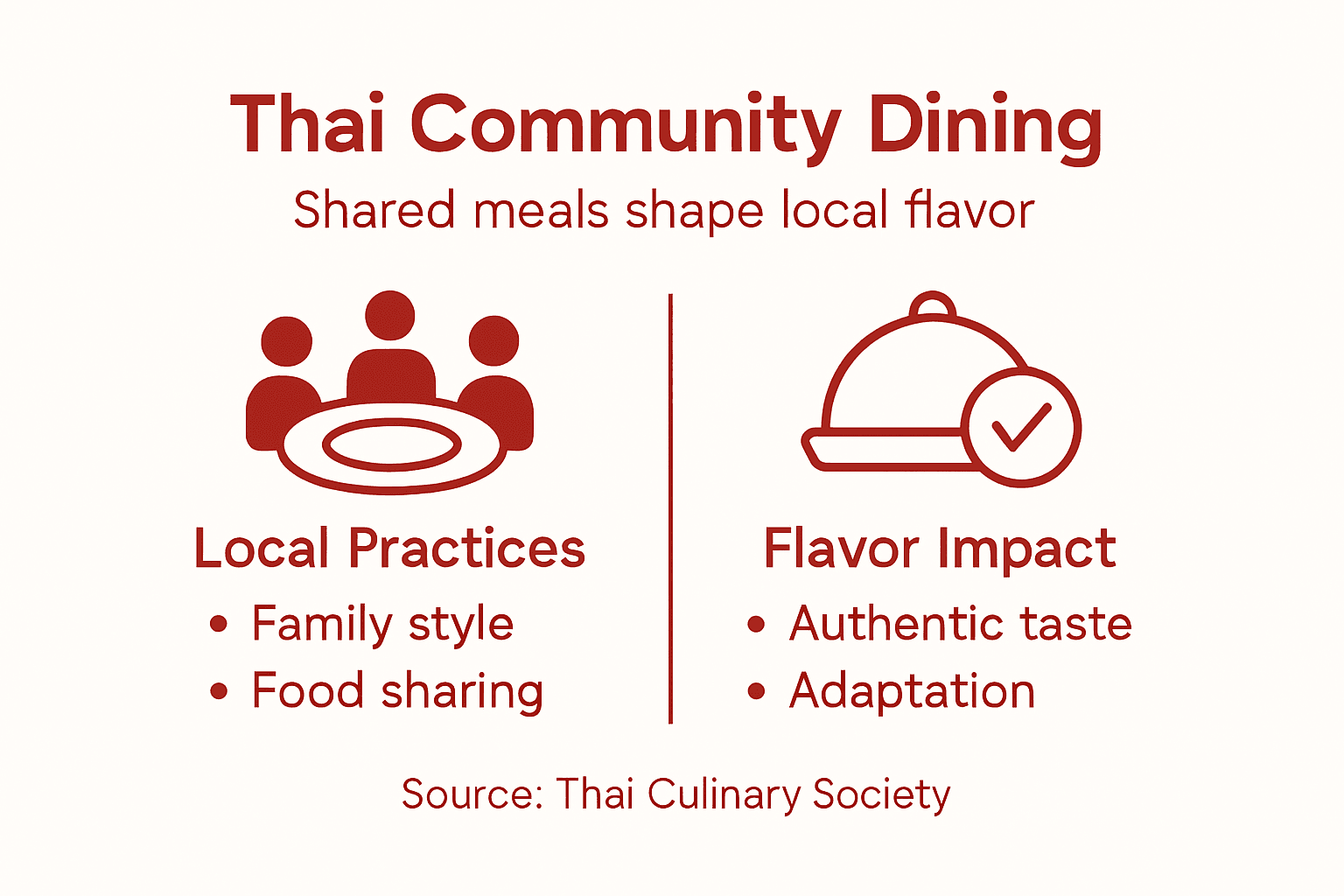
The process of dietary adaptation is collaborative and nuanced. Thai restaurants and community members work together to modify classic recipes, ensuring that vegetarians, vegans, gluten-sensitive individuals, and those with specific health requirements can still enjoy authentic flavors. This collaborative spirit turns potential limitations into opportunities for culinary creativity and cultural exchange.
Key strategies for dietary adaptation include:
Creating plant-based versions of traditional meat dishes
Offering gluten-free alternatives for noodle and flour-based recipes
Developing clear ingredient labeling systems
Training staff in understanding specific dietary needs
Maintaining authentic flavor profiles while modifying ingredients
Moreover, these culinary adaptations represent more than just menu modifications. They symbolize a broader cultural philosophy of inclusivity, respect, and mutual understanding. By welcoming diverse dietary preferences, Thai communities demonstrate their commitment to hospitality and cultural openness, transforming potential barriers into opportunities for shared experiences.
Pro tip: When dining, communicate your dietary needs clearly and be open to the creative solutions chefs can offer.
Supporting Community Through Thai Food
Thai food serves as a powerful mechanism for community support and social cohesion, transforming culinary experiences into meaningful connections that extend far beyond simple nourishment. Restaurants and community kitchens become vital spaces where cultural identity is preserved, shared, and celebrated.
These communal food spaces play a critical role in helping immigrant communities maintain their cultural roots while simultaneously adapting to new social environments. By creating environments that welcome both traditional practitioners and curious newcomers, Thai food establishments become bridges of understanding, breaking down cultural barriers through shared gastronomic experiences.
Key community support strategies include:
Hosting cultural cooking workshops
Creating employment opportunities for immigrants
Supporting local farmers and food producers
Organizing community fundraising events
Providing affordable meal options for diverse populations
Moreover, culinary community support goes beyond economic transactions. It represents a profound social mechanism for emotional connection, mutual understanding, and collective resilience. Each dish becomes a narrative of survival, adaptation, and shared human experience, transcending linguistic and cultural boundaries.
Pro tip: Participate in local Thai community food events to truly understand the deeper social connections behind the cuisine.
Experience the True Spirit of Community Through Authentic Thai Dining
The article highlights how Thai cuisine is much more than food — it builds deep community connections through shared meals, cultural traditions, and inclusive dining experiences. If you seek the heartwarming sense of belonging and authentic flavor that only communal Thai dining can offer, Thai Spoon Las Vegas welcomes you to discover that very essence in the northwest Las Vegas area. Here, each dish like Pad Thai or Yellow Curry is crafted to honor tradition while embracing dietary preferences such as vegan and gluten-free options, making everyone feel included and valued.
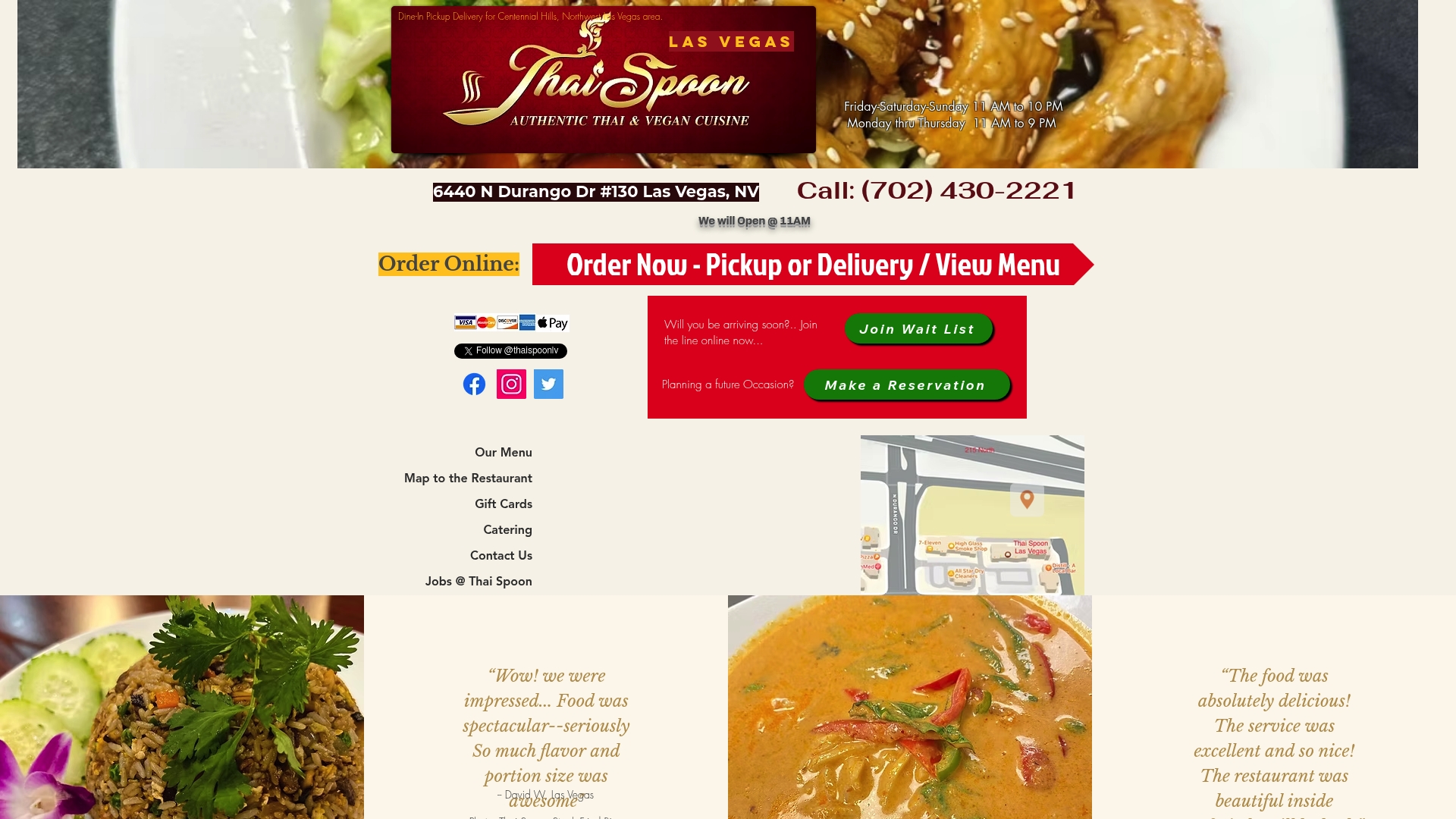
Feel the impact of local flavor and cultural heritage come to life with every bite. Whether you want to savor a family-style meal or enjoy convenient online ordering for pickup or delivery, Thai Spoon Las Vegas provides a genuine community dining experience away from tourist crowds. Visit our website at Thai Spoon Las Vegas for hours, menu details, and special offers. Dive into authentic tastes that connect generations and celebrate the communal joy of Thai food today.
Frequently Asked Questions
How does community influence Thai dining traditions?
Community plays a vital role in Thai dining by encouraging shared preparation and consumption, preserving culinary heritage, and promoting social bonds through communal meals.
What are the key cultural practices in Thai communal dining?
Key practices include serving meals family-style, respecting elders in serving protocols, and using shared dishes to emphasize social connections and collective dining experiences.
How do Thai restaurants support community identity?
Thai restaurants foster community identity by providing gathering spaces, offering authentic cultural experiences, and hosting events that celebrate culinary heritage and shared experiences.
In what ways has Thai cuisine adapted to dietary preferences?
Thai cuisine has adapted by creating plant-based versions of traditional dishes, offering gluten-free alternatives, and ensuring clear communication about ingredient changes while preserving authentic flavors.
Recommended
Comments