


Special Diets and Thai Food: Options in Las Vegas
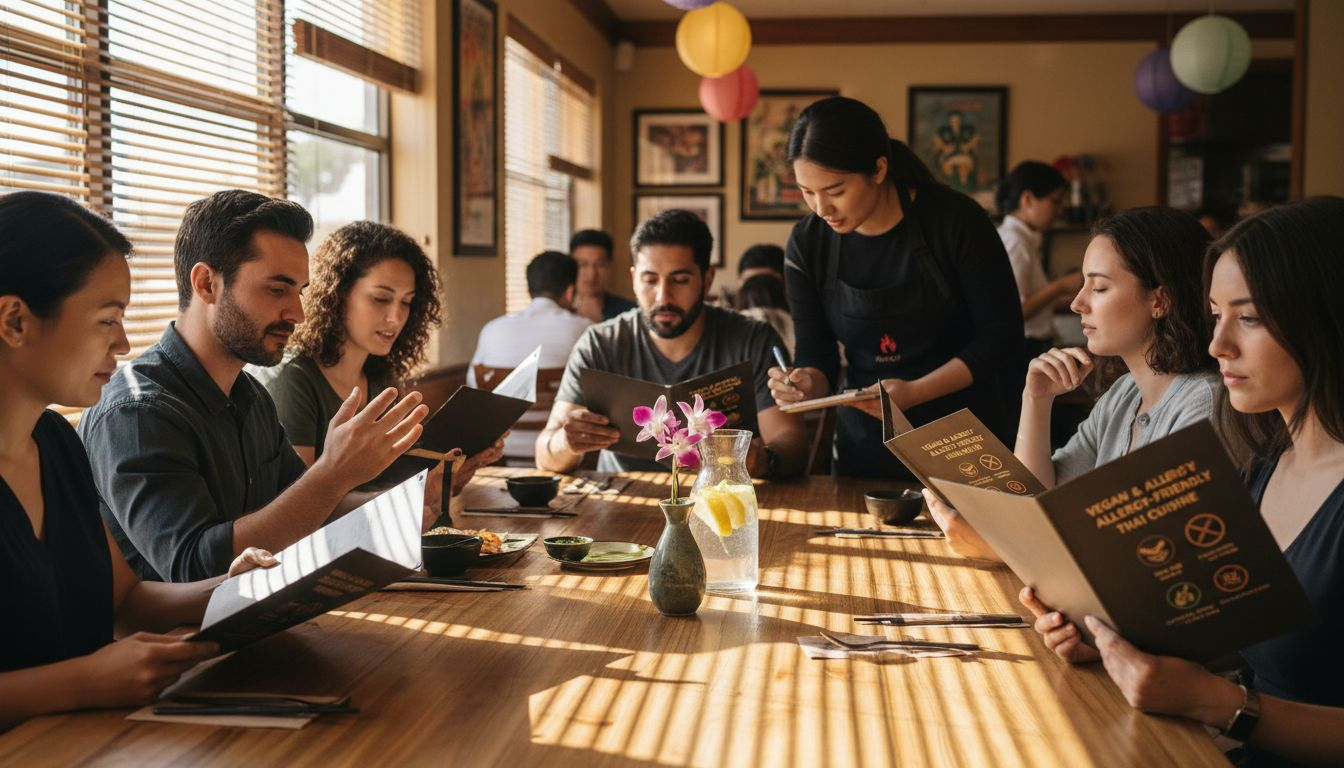
Choosing what to eat can be frustrating when you are balancing health goals, food allergies, or a vegan or gluten-free lifestyle. For many in Northwest Las Vegas, finding Thai cuisine that respects dietary restrictions means searching beyond the usual menu items. The good news is that Thai food offers remarkable flexibility for special diets, with thoughtful ingredient swaps and careful preparation allowing you to enjoy rich flavors while staying safe and satisfied.
Table of Contents
Key Takeaways
Point | Details |
Flexibility of Thai Cuisine | Thai food can be easily adapted to meet various dietary needs without sacrificing flavor and authenticity. |
Ingredient Substitutions | Common modifications include using rice noodles for gluten-free options and plant-based proteins for vegan diets. |
Communication is Key | Always communicate specific dietary restrictions with restaurant staff to ensure safe and enjoyable meals. |
Awareness of Allergens | Be mindful of hidden allergens in sauces and broth, such as fish sauce and peanuts, when dining on Thai cuisine. |
What Special Diets Mean for Thai Food
Special diets represent personalized nutritional approaches that modify traditional food experiences to accommodate individual health needs, medical requirements, or lifestyle choices. In the context of Thai cuisine, these dietary adaptations transform classic recipes without sacrificing the vibrant flavors and cultural authenticity that make this culinary tradition so remarkable.
Traditional Thai food offers remarkable flexibility for special diets, particularly when understanding nutritional adaptations. Key modifications include replacing wheat-based ingredients for gluten-free diets, substituting protein sources for vegetarian and vegan preferences, and carefully managing ingredients to address specific allergen concerns. Thai chefs often use techniques like swapping traditional fish sauce with soy-based alternatives or utilizing coconut milk as a dairy-free cream substitute, ensuring that dietary restrictions do not compromise taste or cultural integrity.
The global perspective on special diets emphasizes inclusivity and nutritional respect. By reimagining classic Thai dishes, restaurants can create inclusive meal strategies that welcome diverse dietary needs without diminishing culinary enjoyment. This approach transforms dietary restrictions from limitations into opportunities for creative, flavorful exploration.
Pro tip: When exploring Thai cuisine with special dietary needs, always communicate your specific requirements clearly with restaurant staff to ensure safe and satisfying meal preparations.
Types of Special Diet Thai Dishes
Thai cuisine offers an impressive array of dishes that can be skillfully adapted to meet various dietary requirements, transforming traditional recipes into inclusive culinary experiences. Popular Thai dishes like Pad Thai, Tom Yum soup, and Massaman curry demonstrate remarkable versatility, making them excellent options for diners with specific nutritional needs.
For vegetarian and vegan diners, Thai cuisine provides numerous naturally plant-based or easily modified options. Dishes like green papaya salad (Som Tam), vegetable spring rolls, and tofu-based stir-fries can be prepared without animal products. Gluten-free options are equally abundant, with rice noodle dishes, coconut milk-based curries, and protein-rich meals that rely on naturally gluten-free ingredients like rice, vegetables, and proteins such as tofu or lean meats.
The diversity of Thai culinary traditions allows for creative dietary adaptations across different dish categories. Soups (tom), spicy salads (yam), pounded dishes (tam), and curries (kaeng) can all be modified to accommodate specific dietary restrictions. Chefs can replace traditional ingredients like fish sauce with plant-based alternatives, use rice flour instead of wheat-based products, and substitute proteins to create meals that are both authentic and aligned with individual nutritional needs.
Pro tip: When ordering Thai dishes with dietary restrictions, always communicate specific requirements clearly and ask about ingredient substitutions to ensure a safe and enjoyable dining experience.
Here’s a comparison of common dietary approaches in Thai cuisine and their ingredient adaptation strategies:
Special Diet Type | Key Ingredient Modifications | Common Substitutes |
Gluten-Free | Avoid wheat, barley, rye | Rice noodles, tamari sauce |
Vegan | Eliminate animal products | Tofu, coconut milk, mushroom broth |
Vegetarian | Remove meat, seafood | Eggs, soy protein, extra vegetables |
Allergen-Friendly | Exclude major allergens | Nut-free sauces, shellfish substitutes |
Vegan and Gluten-Free Ingredients Explained
Navigating Thai cuisine’s complex flavor landscape requires understanding the nuanced world of vegan and gluten-free ingredients. These specialized dietary approaches demand careful ingredient selection while preserving the rich, vibrant taste profiles that make Thai food so remarkable.
Key ingredients for vegan and gluten-free Thai cooking include rice, rice noodles, and an abundance of fresh vegetables. Proteins like tofu and legumes replace traditional animal products, while herbs such as lemongrass, kaffir lime leaves, and Thai basil provide depth and complexity. Naturally gluten-free seasonings like palm sugar, tamari sauce, and coconut milk become essential substitutes for standard wheat-based ingredients, allowing diners to enjoy authentic flavors without compromising dietary restrictions.
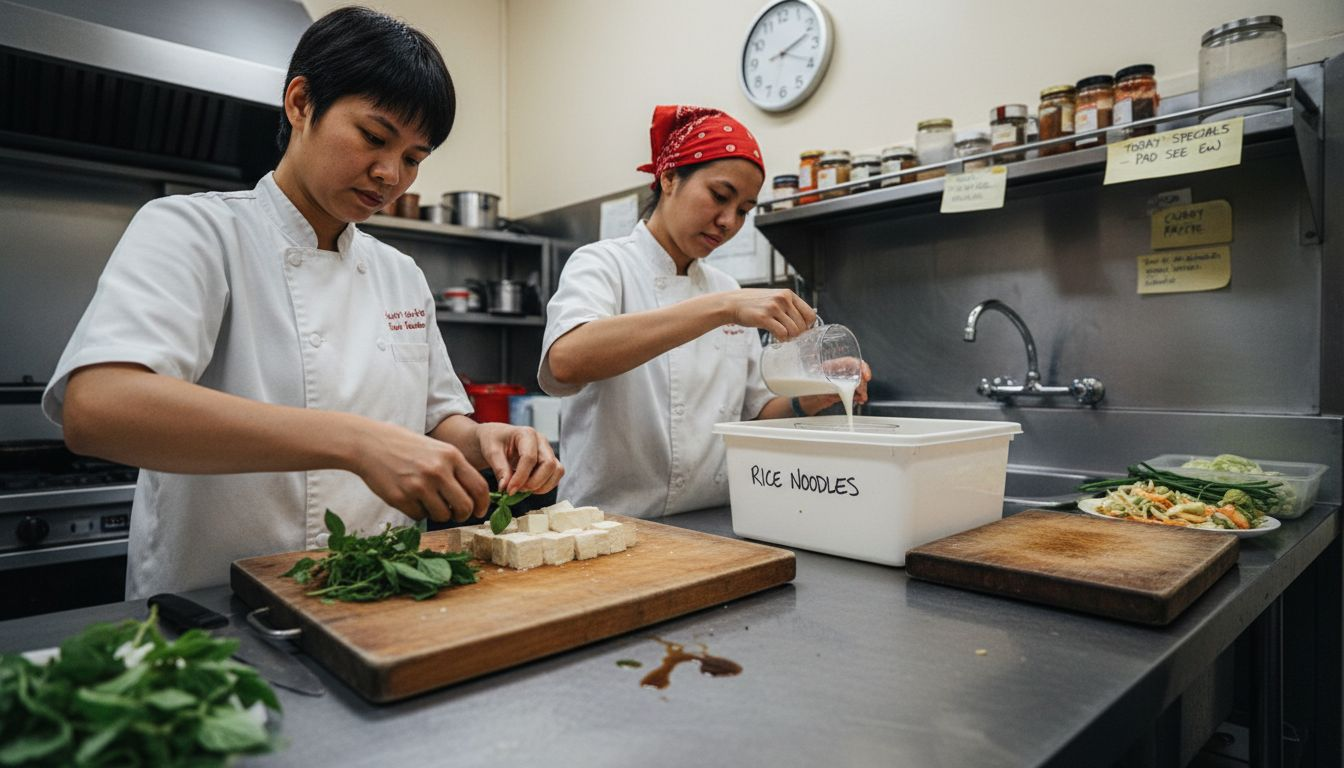
Understanding potential hidden sources of gluten is crucial for maintaining a safe diet. Gluten can be masked in sauces and processed ingredients, making careful ingredient investigation essential. Traditional fish sauce, a staple in many Thai dishes, must be replaced with plant-based alternatives for vegan diners. Techniques like using mushroom-based broths, coconut aminos, and specialized vegan fermented sauces can recreate the umami depth typically achieved with animal products.
Pro tip: Always request ingredient lists and communicate dietary restrictions clearly when ordering Thai cuisine to ensure a safe and delicious dining experience.
Common Food Allergens in Thai Cuisine
Thai cuisine, renowned for its complex flavor profiles, contains several significant food allergen categories that diners must carefully navigate. Understanding these potential triggers is crucial for individuals with dietary sensitivities, ensuring safe and enjoyable dining experiences in Las Vegas Thai restaurants.
The most common allergens in Thai dishes include peanuts, which frequently appear in sauces and garnishes, and shellfish, often integrated into broths, pastes, and primary protein components. Soy-based ingredients, another major allergen, are prevalent in marinades, sauces, and tofu preparations. Fish sauce, a fundamental seasoning in many Thai recipes, presents additional challenges for those with seafood allergies, requiring careful menu investigation and communication with restaurant staff.
According to FDA guidelines, eight major food allergens dominate Thai cuisine, including milk, eggs, fish, shellfish, tree nuts, peanuts, wheat, and soy. These ingredients can be hidden in complex sauces, marinades, and cooking techniques, making transparent ingredient disclosure critical. Many Thai dishes can be modified to accommodate specific allergies, but diners must proactively discuss their dietary restrictions with chefs and servers to ensure a safe meal.
Pro tip: Request a detailed ingredient list and discuss your specific allergies with restaurant staff before ordering to prevent potential allergic reactions.
Choosing Safe and Flavorful Thai Meals
Mastering the art of selecting Thai meals that accommodate dietary restrictions while preserving authentic flavor requires strategic approach and informed decision-making. Sustainable food system strategies emphasize the importance of creating inclusive dining experiences that respect individual nutritional needs without compromising culinary integrity.
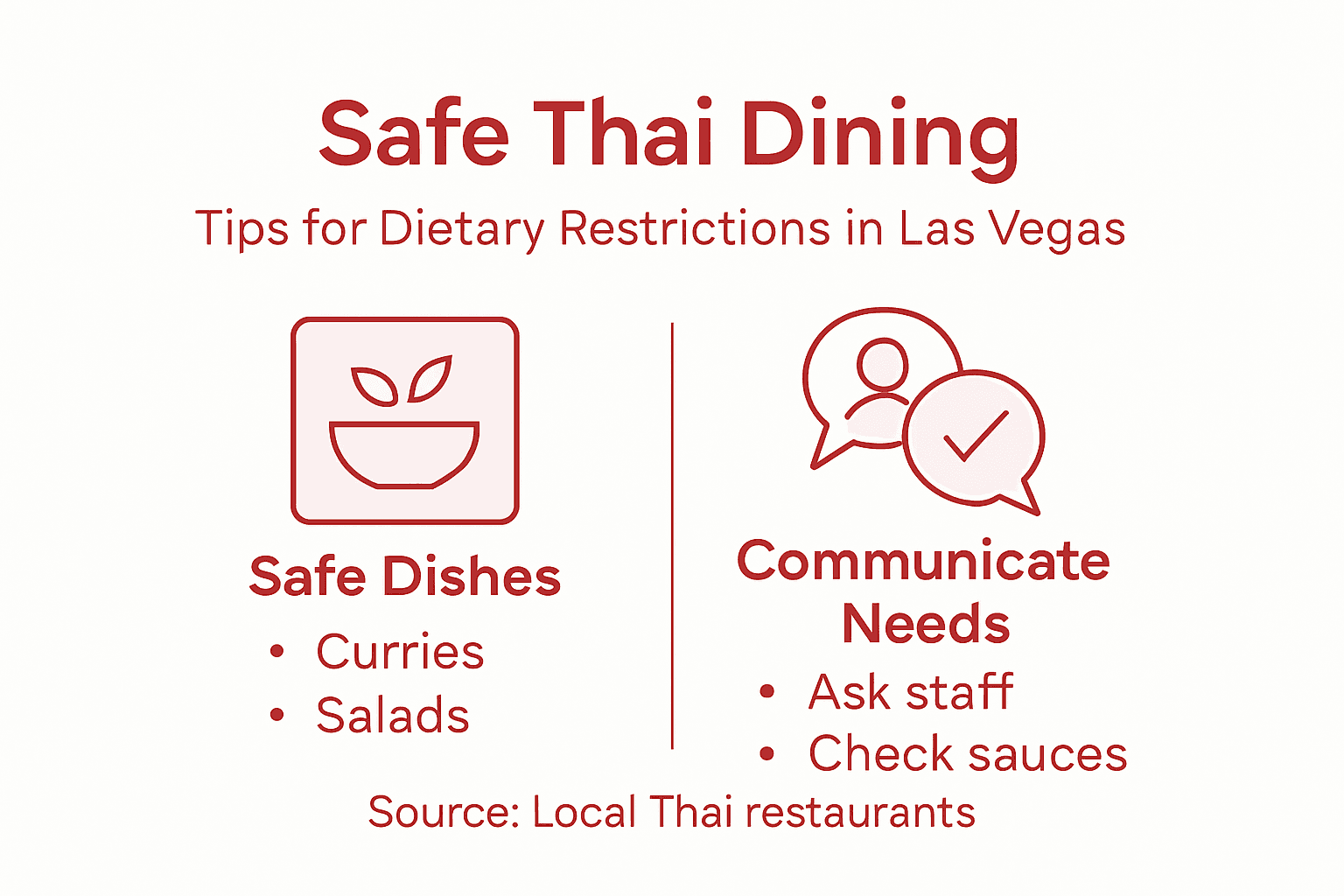
Successful navigation of Thai menu options involves carefully communicating dietary requirements and understanding ingredient compositions. Key strategies include requesting ingredient modifications, asking about preparation techniques, and identifying potential allergen sources. Dishes like papaya salad, vegetable stir-fries, and coconut-based curries often provide flexible options that can be easily adapted to various dietary needs without sacrificing the vibrant, complex flavor profiles characteristic of Thai cuisine.
Nutritional guidelines recommend prioritizing fresh, locally sourced ingredients and working closely with restaurant staff to customize meals. This approach allows diners to enjoy traditional Thai flavors while maintaining personal health requirements. Techniques such as replacing fish sauce with vegetarian alternatives, selecting rice-based dishes, and specifying cooking methods can transform potentially problematic dishes into safe, delicious dining experiences.
Pro tip: Learn a few key Thai phrases describing your dietary restrictions to communicate more effectively with restaurant staff and ensure a safe, enjoyable meal.
Avoiding Hidden Animal Products or Gluten
Navigating Thai cuisine requires exceptional vigilance, particularly when managing dietary restrictions. Identifying hidden ingredients demands strategic awareness and proactive communication to ensure safe and enjoyable dining experiences.
Traditional Thai sauces present significant challenges for individuals avoiding animal products or gluten. Fish sauce, oyster sauce, and soy sauce frequently contain animal derivatives or wheat-based ingredients that can compromise dietary requirements. Vegan diners must be particularly cautious, as seemingly vegetable-based dishes might incorporate animal-derived seasonings or broths that are not immediately apparent.
Celiac disease management strategies emphasize the importance of questioning preparation methods and ingredients. Techniques like requesting sauce modifications, choosing naturally gluten-free ingredients such as rice noodles, and selecting dishes with minimal processing can significantly reduce the risk of inadvertent exposure. Chefs trained in dietary accommodations can provide valuable insights and creative alternatives that maintain authentic Thai flavor profiles while respecting individual nutritional needs.
Pro tip: Request ingredient lists in writing and ask servers to confirm specific dietary restrictions with the kitchen before ordering.
Below is a quick reference for identifying potential hidden sources of gluten and animal products in Thai dishes:
Hidden Source | Found In | Recommended Action |
Fish sauce | Curries, stir-fries | Request plant-based alternatives |
Oyster sauce | Stir-fry sauces | Choose vegan seasonings |
Soy sauce | Marinades, dressings | Opt for gluten-free tamari |
Wheat flour | Fried appetizers | Select rice-based substitutes |
Discover Safe and Flavorful Thai Dining in Las Vegas
Navigating special diets can make dining out feel overwhelming, especially when craving authentic Thai flavors. Whether you need vegan, gluten-free, or allergen-friendly options, Thai Spoon Las Vegas understands your unique dietary needs. Our commitment to clear communication and ingredient transparency means you can enjoy classic dishes like Pad Thai or Yellow Curry without compromising your health goals or taste preferences.
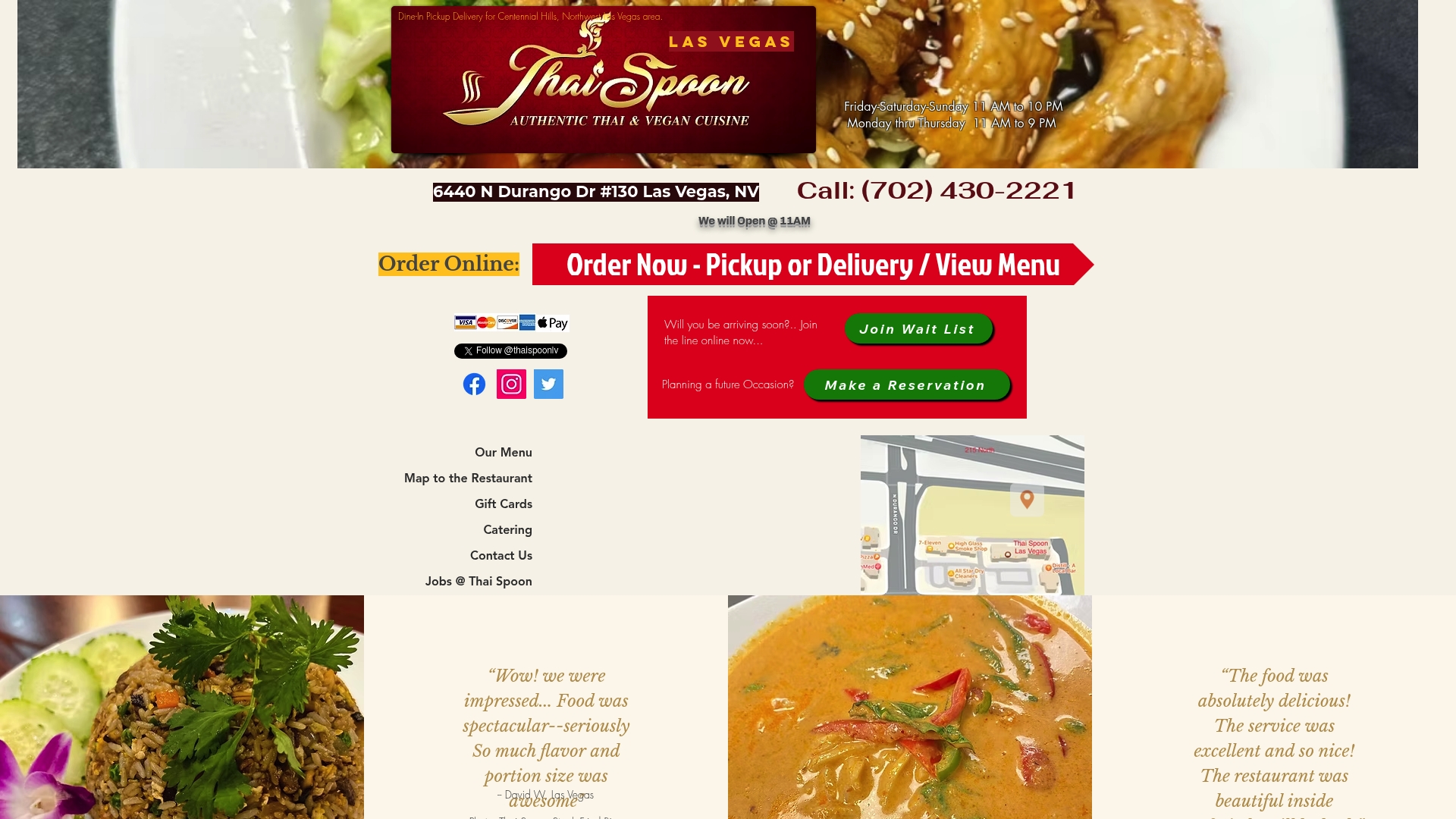
Experience the vibrant, adaptable flavors of Thai cuisine that respect your diet and excite your palate. Visit Thai Spoon Las Vegas to explore our menu, place an order for pickup or delivery, and enjoy specially crafted meals designed for diverse dietary requirements. Don’t wait to savor genuine Thai dishes made just for you—check out our special lunch and happy hour menus and book your table or catering today for a safe, delicious meal that feels like home.
Frequently Asked Questions
What modifications can I request for gluten-free Thai dishes?
To make Thai dishes gluten-free, you can request rice noodles, coconut milk-based curries, and the use of tamari sauce instead of soy sauce. Always ask about specific ingredients in sauces and potential hidden gluten sources.
How can I ensure a Thai meal is vegan?
To confirm a meal is vegan, ask for substitutions such as tofu for meat, coconut milk instead of dairy, and ensure that fish sauce is replaced with plant-based alternatives. It’s essential to communicate your dietary needs clearly with the restaurant staff.
What are common allergens found in Thai cuisine?
Common allergens in Thai food include peanuts, shellfish, soy, fish, and gluten. These ingredients are often present in sauces and dishes, so it’s important to communicate any allergies to the restaurant staff.
How can I identify hidden animal products in Thai food?
Hidden animal products can be found in sauces such as fish sauce and oyster sauce. To avoid these, ask for ingredient lists, request plant-based alternatives, and confirm cooking methods with restaurant staff.
Recommended

Comments