


What Is Thai Street Food? Complete Culinary Guide
Updated: Aug 18
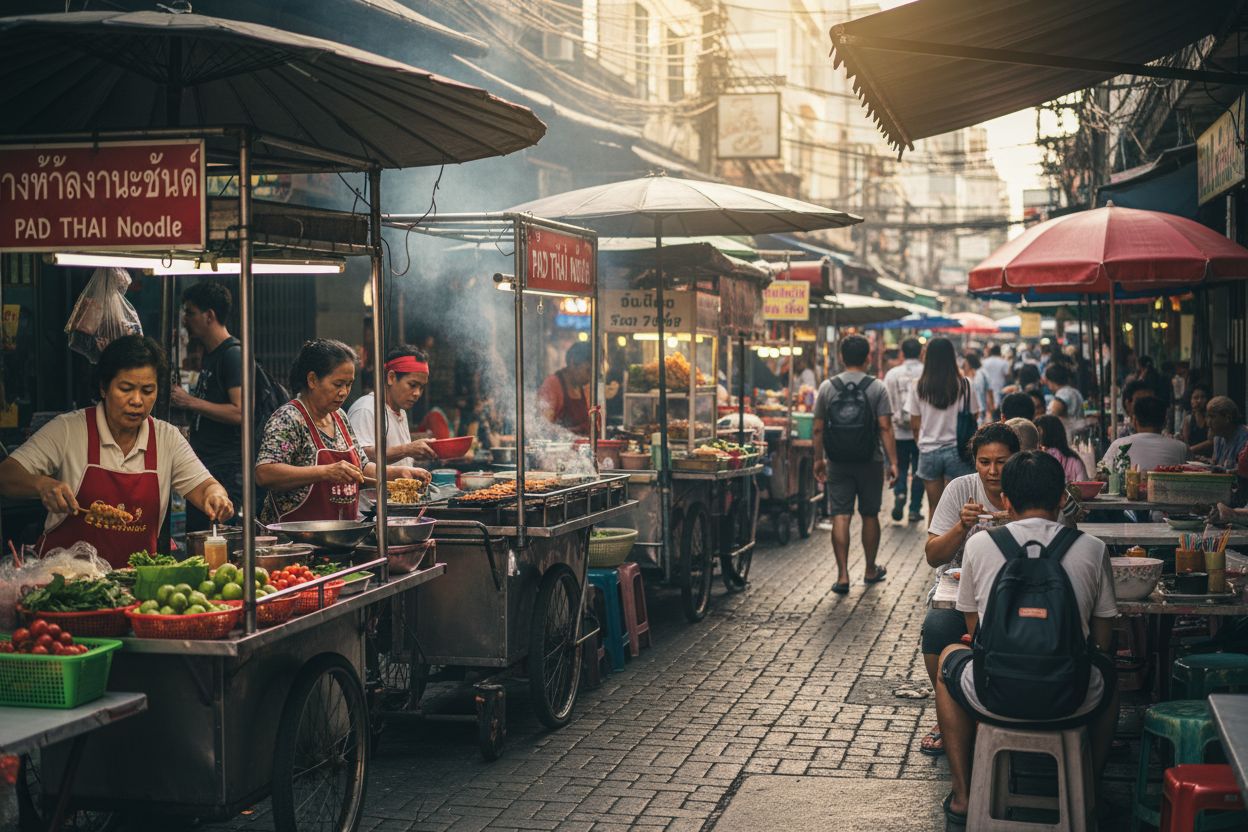
Did you know that over 60 percent of locals in Thailand enjoy street food as part of their daily lives? Thai street food is more than quick bites. It shapes daily routines, brings communities together, and tells stories through every recipe. Whether you crave bold flavors or crave local authenticity, discovering these vibrant dishes unlocks an unforgettable taste of Thai culture that waits around every bustling corner.
Key Takeaways
Point | Details |
Cultural Significance | Thai street food embodies a rich culinary tradition that reflects the country’s diverse cultural heritage. Each dish tells a story linked to local identity, socioeconomics, and traditions. |
Authentic Experiences | Dining at street food stalls provides immersive, spontaneous experiences that connect vendors and customers, enhancing the cultural journey of enjoying food. |
Health Safety | Prioritize food safety by choosing high-traffic stalls, ensuring food is freshly cooked, and observing vendor cleanliness to minimize health risks. |
Popular Dishes | Iconic dishes like Pad Thai and Mu Ping represent the creativity and richness of Thai cuisine, highlighting the balance of flavors and accessible preparation methods. |
Table of Contents
Defining Thai Street Food Traditions
Thai street food isn’t just a meal - it’s a vibrant cultural experience that emerged from complex historical transformations. According to research, these dynamic culinary traditions grew relatively recently, becoming widespread in the 1970s with roots tracing back to Bangkok’s Chinese immigrant neighborhoods and traditional floating markets. As urban landscapes modernized, vendors transitioned from waterways to streets, creating a rich gastronomic ecosystem that reflects Thailand’s diverse cultural heritage.
The essence of Thai street food goes far beyond mere sustenance. Understanding Thai cuisine culture reveals how these mobile kitchens serve as living repositories of regional identity. Street food represents more than just quick, affordable meals - it’s a dynamic expression of local socioeconomic contexts, religious influences, and geographical nuances. Each street vendor becomes a culinary storyteller, offering authentic dishes that capture the spirit of their community.
What makes Thai street food truly remarkable is its competitive gastronomic advantage. Research indicates that street food significantly enhances a destination’s regional attractiveness, transforming urban spaces into open-air culinary theaters. Key characteristics include:
Immediate preparation and serving
Affordable pricing
Diverse flavor profiles
Deep cultural authenticity
Spontaneous dining experiences
From sizzling satay skewers to aromatic noodle soups, these street-side creations invite locals and travelers alike to experience Thailand’s rich culinary narrative, one bite at a time.
Varieties of Iconic Thai Street Dishes
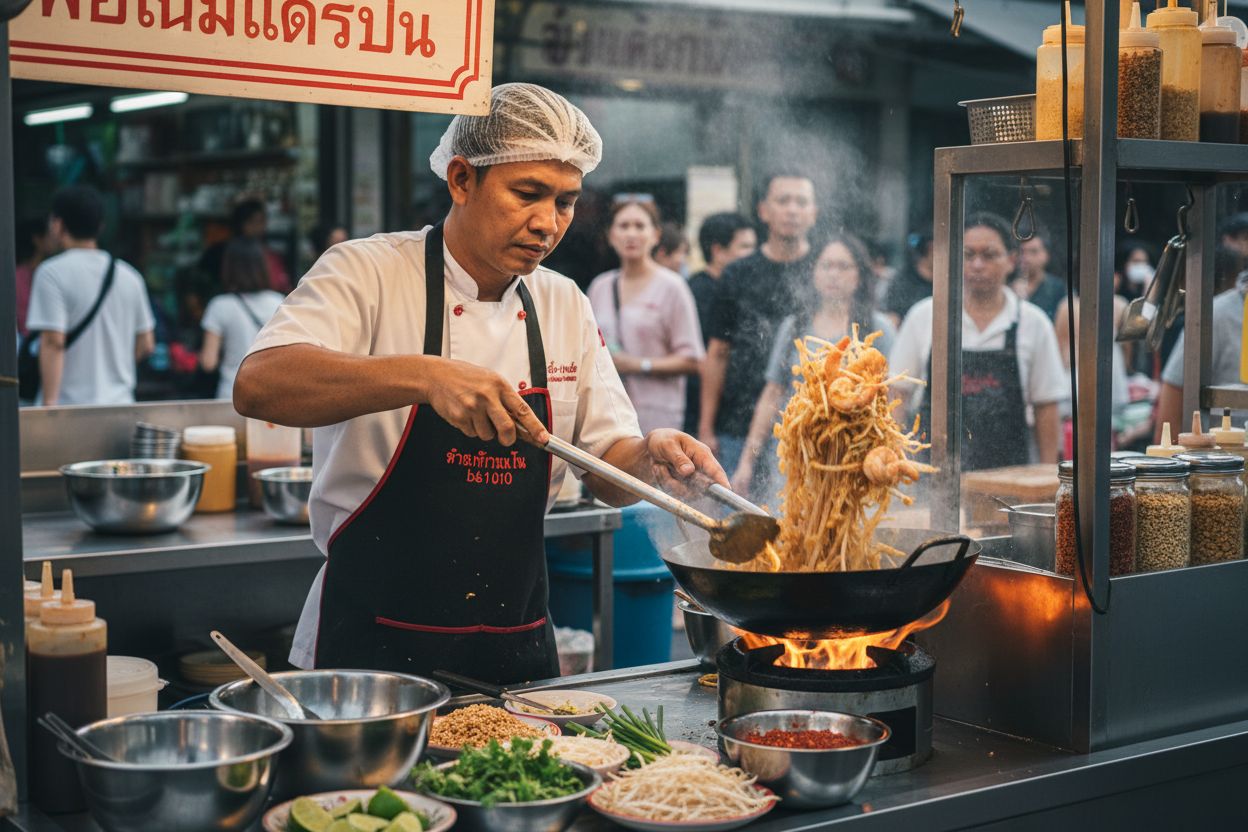
Thai street food boasts an incredible array of mouthwatering dishes that capture the essence of culinary creativity and cultural tradition. Among these, Pad Thai stands out as a quintessential street food marvel. According to research, this classic stir-fried rice noodle dish typically features rice noodles, shrimp or tofu, eggs, bean sprouts, fish sauce, tamarind, and peanuts - a perfect symphony of flavors that represents Thailand’s street food mastery.
Another beloved street food delicacy is Mu Ping, the grilled pork skewer that demonstrates the artistry of Thai street vendors. Check out the 7 best Thai dishes to appreciate the depth of street food culture. According to research, these skewers are meticulously marinated in garlic, coriander roots, pepper, fish sauce, and sugar, then expertly grilled and commonly served with sticky rice as an all-day snack.
The diversity of Thai street food extends far beyond these two iconic dishes. Street food offerings typically include:
Som Tam (spicy green papaya salad)
Khao Niao Mamuang (mango sticky rice)
Tod Mun Pla (crispy fish cakes)
Satay skewers with peanut sauce
Fresh spring rolls
Each dish tells a story, representing generations of culinary tradition transformed into portable, affordable, and incredibly delicious meals that continue to delight locals and travelers alike.
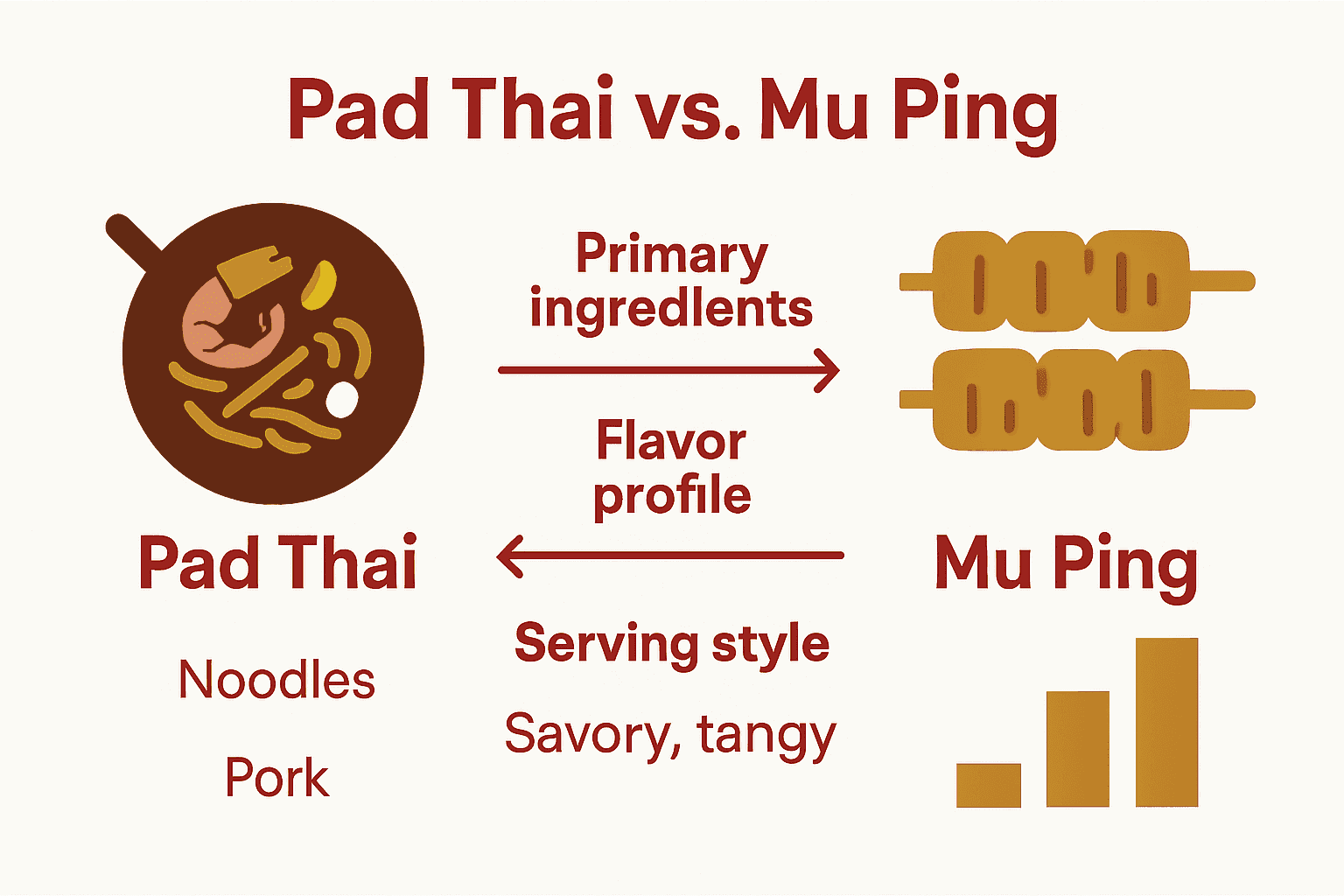
Here’s a summary comparison of some iconic Thai street food dishes and their defining features:
Dish | Main Ingredients | Signature Flavor Profile | Typical Serving Style |
Pad Thai | Rice noodles Shrimp or tofu Eggs Bean sprouts Peanuts | Sweet, sour, salty, nutty | Stir-fried, plate/wrap |
Mu Ping | Pork Garlic Coriander root Pepper Fish sauce Sugar | Savory, sweet, aromatic | Skewered, with sticky rice |
Som Tam | Green papaya Chili Fish sauce Lime Peanuts | Spicy, tangy, fresh | Salad, small plate |
Khao Niao Mamuang | Mango Sticky rice Coconut milk | Sweet, creamy, fruity | Dessert, by portion |
Tod Mun Pla | Fish paste Herbs Red curry paste | Savory, spicy, herby | Fried cakes, with sauce |
Authentic Ingredients and Cooking Techniques
Thai street food is a remarkable culinary art form that transforms simple ingredients into extraordinary flavor experiences through unique cooking techniques and bold seasonings. At the heart of this cuisine lies an intricate approach to ingredient selection and preparation that elevates street food from mere sustenance to a genuine cultural expression.
Nam Phrik, a traditional Thai chili sauce, perfectly exemplifies the complexity of street food preparation. According to research, this condiment is meticulously crafted by pounding chilies, garlic, shallots, lime juice, and often fish or shrimp paste using a mortar and pestle - a technique that releases intense, fresh flavors. Understanding authentic Thai flavors reveals how these handcrafted condiments form the backbone of street cuisine’s remarkable taste profile.
Another fascinating cooking technique is Chim Chum, a communal hot-pot style preparation that showcases Thailand’s culinary creativity. Research indicates this street food method involves cooking meats and aromatic herbs like galangal, lemongrass, and kaffir lime in traditional clay pots over charcoal, creating a sensory dining experience that goes beyond simple meal preparation.
Key characteristics of authentic Thai street food ingredients and techniques include:
Fresh, locally sourced herbs and spices
Mortar and pestle grinding techniques
Clay pot and charcoal cooking methods
Balance of sweet, sour, salty, and spicy flavors
Emphasis on immediate preparation and serving
These techniques transform ordinary ingredients into extraordinary culinary experiences that capture the essence of Thai street food culture.
Street Food Culture and Dining Experience
Thai street food transcends mere eating—it’s an immersive cultural journey that transforms ordinary meals into extraordinary sensory adventures. The bustling street corners and vibrant markets become living theaters where culinary traditions unfold, inviting both locals and travelers to experience Thailand’s rich gastronomic heritage through intimate, spontaneous dining encounters.
According to research, street food plays a crucial role in gastronomy tourism by offering deeply authentic experiences that go beyond simple nutrition. Finding authentic local Thai food reveals how these culinary spaces capture the essence of Thai culture through their unique preparation rituals, dynamic atmospheres, and sensory appeal. The dining experience is characterized by immediate interaction between vendor and customer, creating a transparent and personal connection that commercial restaurants rarely achieve.
The street food culture is distinguished by several unique characteristics:
Open-air cooking environments
Direct vendor-customer interactions
Affordable, high-quality cuisine
Preservation of traditional cooking methods
Spontaneous and social dining experiences
More than just a meal, Thai street food represents a living, breathing cultural narrative—where every bite tells a story of tradition, innovation, and community connection.
Safety, Hygiene, and Ordering Tips
Diving into Thai street food can be an exhilarating culinary adventure, but it requires a smart approach to ensure both an incredible dining experience and your personal health. Food safety isn’t about being paranoid—it’s about making informed, strategic choices that let you enjoy the vibrant street food scene with confidence and peace of mind.
According to research, there’s a quick checklist for identifying hygienic street food stalls that can dramatically reduce your risk of foodborne illness. Understanding authentic Thai cuisine highlights the importance of observing key safety indicators. The essential safety criteria include:
Choose stalls with high customer turnover
Ensure food is cooked to order at high temperatures
Watch for vendor cleanliness and personal hygiene
Check for separate utensils for raw and cooked foods
Verify that ingredients are properly covered
Observe clean water and washing practices
Look for stalls that prepare food right in front of you
Beyond safety, ordering street food is an art form that requires some cultural savvy. Don’t be afraid to point, use basic Thai phrases, and show genuine interest in the food. Most vendors appreciate customers who are curious and respectful. Remember, a smile goes a long way in navigating language barriers and creating a memorable street food experience.
Craving Authentic Thai Street Food Flavors in Las Vegas?
You have just explored what makes Thai street food truly unique—the art of immediate preparation, bold flavors, and genuine cultural traditions found right on the bustling streets of Thailand. If discovering dishes like Pad Thai, Mu Ping, or Mango Sticky Rice made your mouth water, why settle for a watered-down experience or worry about authenticity while traveling? Many readers face this dilemma—seeking those delicious, authentic tastes without hopping on a plane. The good news is, you do not have to miss out.
Bring the taste of Thailand closer to home at Thai Spoon Las Vegas. Enjoy an honest Thai street food experience, prepared with traditional techniques and fresh, vibrant ingredients. Our menu showcases favorites—from vegan and gluten-free options to chef-crafted classics—all available for dine-in, takeout, or delivery. Why wait? Explore our online ordering now and satisfy your craving for real Thai street flavor tonight.
Frequently Asked Questions
What are the origins of Thai street food?
Thai street food emerged from Bangkok’s Chinese immigrant neighborhoods and traditional floating markets, becoming widespread in the 1970s as vendors transitioned from waterways to urban streets.
What are some common ingredients used in Thai street food?
Common ingredients in Thai street food include rice noodles, shrimp, pork, fish sauce, chilies, fresh herbs, and various fruits like mango and papaya.
How is authentic Thai flavor achieved in street food?
Authentic Thai flavor is achieved through careful ingredient selection, balance of sweet, sour, salty, and spicy flavors, and traditional cooking techniques like mortar and pestle grinding and charcoal cooking.
What are some safety tips for enjoying Thai street food?
To enjoy Thai street food safely, choose stalls with high customer turnover, ensure food is cooked to order, observe vendor cleanliness, check for separate utensils for raw and cooked foods, and look for food being prepared in front of you.
Recommended
Comments