


What to pair with Pad Thai for a better meal
TL;DR:
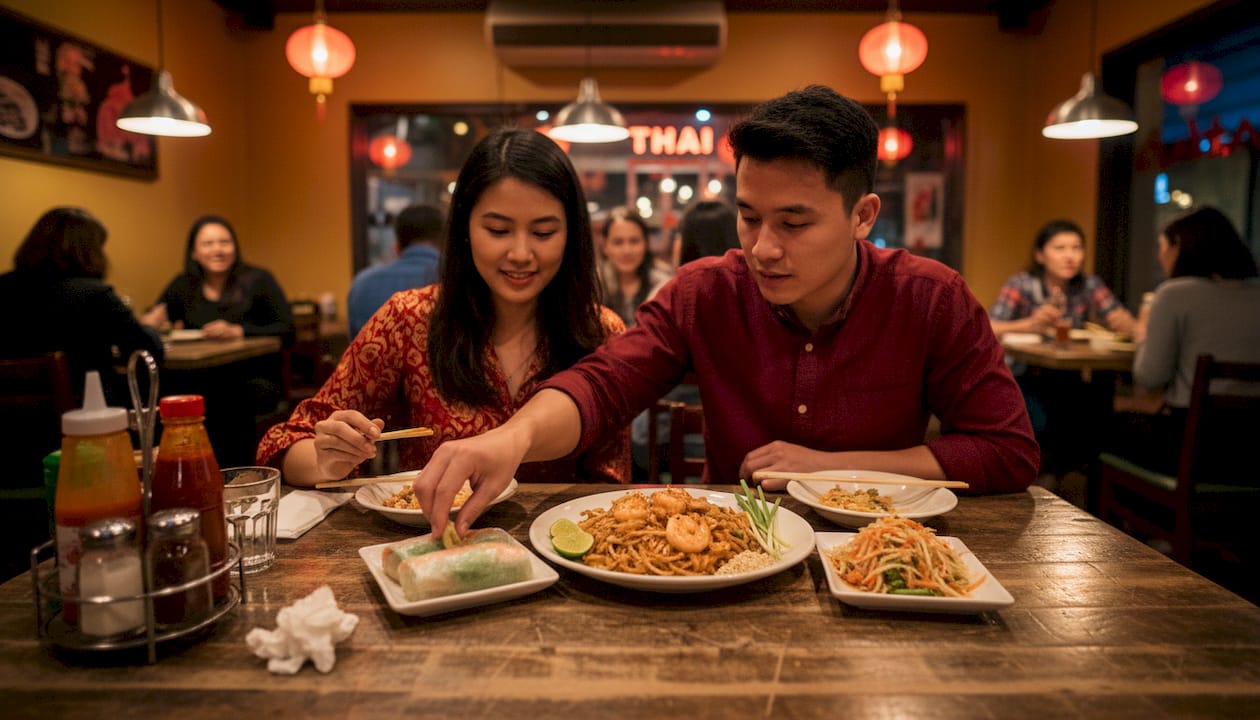
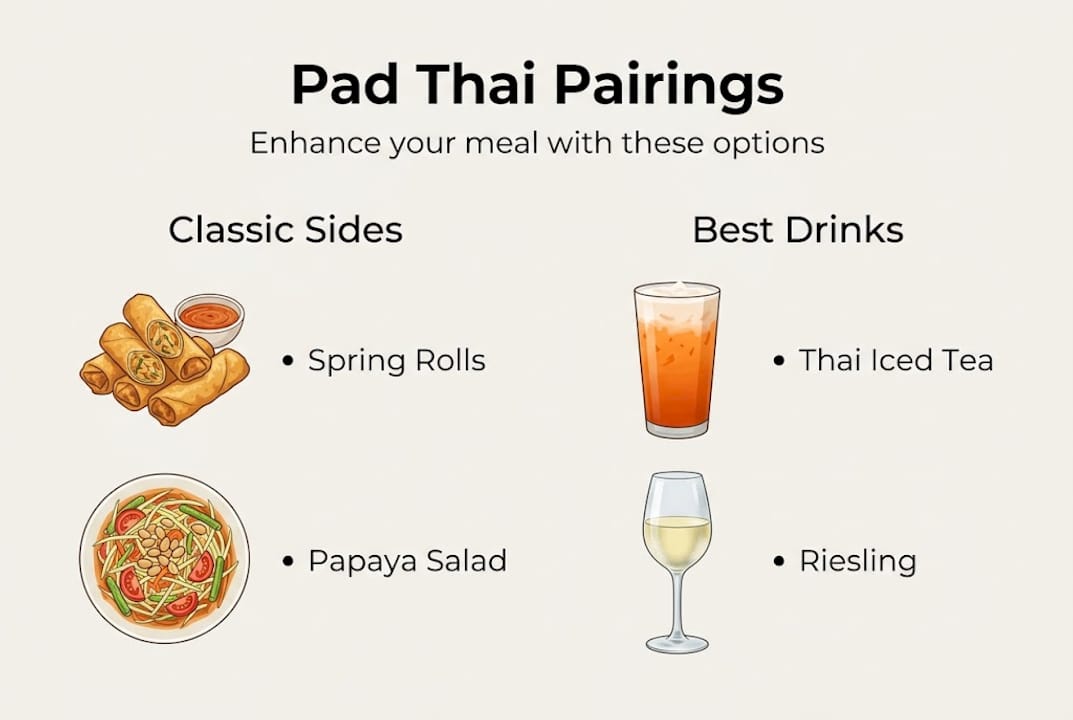
Pair Pad Thai with refreshing sides like green papaya salad or fresh spring rolls.
Crisp, slightly sweet white wines or sparkling water enhance Pad Thai’s flavors.
In family-style dining, combine Pad Thai with curries, grilled proteins, and desserts for a balanced meal.
Pad Thai has a reputation as a complete, satisfying meal on its own. It’s noodles, protein, vegetables, eggs, and a rich tamarind sauce all in one dish, so why order anything else? That thinking is exactly what keeps most diners from ever experiencing Pad Thai at its best. When you add the right starter, side, or drink to your plate, the whole meal shifts. Flavors that were already good become genuinely exciting. If you’re heading to a Thai restaurant in northwest Las Vegas and want to make the most of your visit, this guide walks you through every pairing worth knowing.
Table of Contents
Key Takeaways
Point | Details |
Pad Thai’s flexibility | It can be enjoyed either as a stand-alone meal or as part of a broader dining experience with shared plates. |
Smart beverage choices | Opting for crisp, acidic drinks enhances flavors and balances richness. |
Best sides | Light, refreshing appetizers and salads work best with Pad Thai’s unique taste. |
Family-style excellence | Sharing Pad Thai with various dishes turns a meal into a memorable social experience. |
How Pad Thai is served: From street food to restaurant tables
Understanding why pairings matter starts with understanding where Pad Thai comes from. In Thailand, Pad Thai originated as a popular street food commonly sold from roadside carts and eaten quickly as a solo meal. This style is called haan jan diaw, meaning a single-plate dish. You grab your portion, add your condiments from the tray of fish sauce, dried chili, sugar, and crushed peanuts sitting on the cart, and you’re done. No separate soup, no appetizer, no shared plates.
Restaurant dining changes that equation completely. When you sit down at a table, especially with other people, the culture of eating shifts toward variety. Family-style Thai dining encourages ordering multiple dishes that the table shares together. Pad Thai becomes one part of a larger spread rather than the entire meal. That shift opens up a lot of room for smart, flavorful pairing choices.
There’s also an interesting contrast between how Western diners and Thai diners approach this. Western adaptations add more sides for variety, turning Pad Thai into a centerpiece surrounded by starters and shareables. Authentic Thai dining, on the other hand, tends to keep Pad Thai as is and relies on garnishes and table condiments to round out the experience. Neither approach is wrong. Both reveal something important: the dish is flexible enough to shine in multiple formats.
Here’s a quick comparison of how Pad Thai is typically presented in different contexts:
Setting | Accompaniments | Dining Style |
Thai street stall | Table condiments only | Solo, quick meal |
Casual Thai restaurant | Optional starters, shared dishes | Small group or family |
Full-service Thai restaurant | Soups, appetizers, drinks, desserts | Family-style, multi-course |
This table makes it obvious that the restaurant experience you’re already planning for is the perfect setup to explore pairings. You have the time, the menu options, and the table space to do it right.
When you look at the Pad Thai types available at Thai restaurants in Las Vegas, you’ll also notice that variations in protein (shrimp, chicken, tofu) and heat level affect which sides and drinks suit your bowl best. A spicier Pad Thai calls for more cooling accompaniments. A shrimp version with a lighter sauce pairs beautifully with something crisp and bright.
“The garnishes aren’t an afterthought in Thai cooking. They’re part of the dish. Bean sprouts, lime wedges, scallions, and dried chili are placed at the table so each diner can build their own ideal flavor.” This is exactly why approaching Pad Thai pairings with intentionality makes such a noticeable difference.
Classic sides and starters to enjoy with Pad Thai
With the context for shared and solo dining set, it’s time to pick the perfect starters and sides for your Pad Thai adventure. The main challenge here is balance. Pad Thai is rich. It has sweetness from palm sugar, sourness from tamarind, a savory depth from fish sauce, and a toasty nuttiness from peanuts. Whatever you order alongside it should complement those flavors without overwhelming your palate before the main event even arrives.
Western adaptations add more sides for variety, which is actually good news for diners in Las Vegas. Thai restaurants here tend to offer a broad starter menu that goes well beyond traditional Thai street food stalls. Here are the best options to consider:
Starters and sides that pair well with Pad Thai:
Fresh spring rolls wrapped in rice paper with herbs, vermicelli noodles, and a light dipping sauce. These are cool, crisp, and refreshing, which directly counters Pad Thai’s warmth and richness.
Tom yum soup served in a small portion. The hot and sour broth acts as a palate primer, preparing your taste buds for the complex flavors of Pad Thai. The lemongrass and galangal also echo some of Pad Thai’s aromatic background notes.
Chicken or beef satay skewers with peanut sauce. There’s a natural harmony between the charred, lightly spiced skewers and the nutty, tangy character of Pad Thai.
Som tum (green papaya salad) brings a sharp, acidic freshness that cuts through the richness of the noodles beautifully. It’s arguably the most natural pairing on the list from an authenticity standpoint.
Mango sticky rice as a dessert closer. The creamy sweetness after a Pad Thai meal is a classic Thai combination that rounds out the experience without feeling like a totally different cuisine.
You can explore some of these choices when you check out must-try Thai dishes available in the Las Vegas area to get a sense of what local menus typically carry.
Pro Tip: Order your starter specifically to contrast with Pad Thai’s richness. Light and acidic options like fresh spring rolls or green papaya salad are much more effective palate companions than heavier, fried choices like crispy wonton or fried egg rolls. Save those for a different centerpiece dish.
One more thing worth considering: the portion sizes at Thai restaurants. Thai family meals tend to be generous, so two or three starters split across a table of four people is usually more than enough. You want to arrive at your Pad Thai with appetite intact.
Best beverages to pair with Pad Thai
No Pad Thai meal is complete without the right drink. Here’s how to pick what pairs best. The flavor profile of Pad Thai, its combination of sweet, sour, salty, and savory with occasional heat, means that your beverage needs to play a specific role. It should cleanse the palate between bites, refresh your taste buds, and ideally enhance the dish’s flavors rather than fighting them.
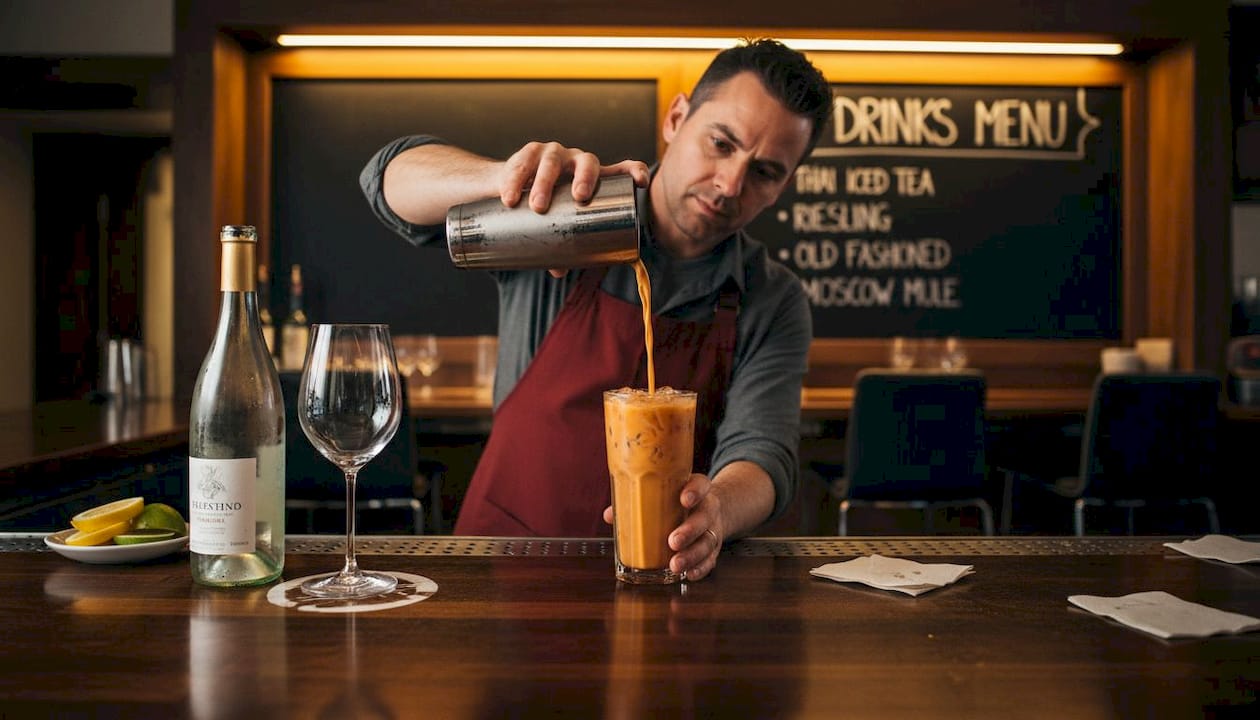
Crisp white wines like Riesling, Sauvignon Blanc, and Chenin Blanc are considered excellent choices for Thai food because they cut through richness with acidity and fruitiness. Off-dry styles work especially well because their slight sweetness provides a counterpoint to the dish’s spice without amplifying it. A German Spätlese Riesling, for example, has just enough residual sugar to cool things down while its bright acidity keeps the palate clean and ready for the next bite.
For Thai dinner pairings, beverages should always prioritize palate-cleansing over richness or body. Avoid tannic red wines entirely. Tannins and spicy food is a combination that intensifies heat and bitterness rather than smoothing them out. Cabernet Sauvignon with Pad Thai? That’s a mismatch that most diners don’t realize they’re making until they try the alternative.
Here’s a quick reference table for beverage choices:
Beverage | Why it works | Avoid if… |
Riesling (off-dry) | Acidity + sweetness balances spice and tamarind | You dislike slightly sweet wines |
Sauvignon Blanc | Crisp, citrusy notes complement lemongrass and lime | You prefer full-bodied wines |
Sparkling water | Carbonation cleanses the palate continuously | You want flavor complexity |
Thai iced tea | Sweet, creamy contrast to savory noodles | You’re watching sugar intake |
Light lager beer | Carbonation and mild flavor stay out of the way | You want the food to be the star |
Jasmine green tea | Gentle floral notes echo Thai aromatics | You want a cold option |
Non-alcoholic options deserve real attention here. Thai iced tea is a classic for a reason. The sweetened, spiced black tea base topped with condensed milk creates a creamy, cooling counterpoint to a spicy or savory Pad Thai. Sparkling water with a wedge of lime does the same job in a more neutral way.
Pro Tip: If you’re ordering Thai iced tea at a restaurant, ask for it lightly sweetened or on the side. The standard preparation can be very sweet, which might be too much alongside a Pad Thai that already has palm sugar in the sauce.
Pad Thai and family-style dining: Making shared meals memorable
Dining with a group? Let’s explore how family-style traditions elevate your Pad Thai experience. Family-style ordering is one of the most enjoyable ways to eat Thai food, and Pad Thai is a natural anchor for a shared table because almost everyone likes it. It’s familiar, approachable, and flexible enough to satisfy a crowd.
The challenge with family-style dining is building a table that feels balanced. You don’t want five dishes that are all rich and heavy, and you don’t want everything spicy when half the table is heat-sensitive. Here’s a practical approach to constructing a well-rounded family-style spread with Pad Thai at the center.
Start with Pad Thai as the baseline. It provides noodles, protein, and the primary savory-sweet flavor profile of the meal. Everything else at the table should offer something Pad Thai doesn’t.
Add a curry for richness and depth. A yellow or green curry brings a creamy, aromatic contrast. Yellow curry tends to be milder and sweeter, making it a crowd-pleaser. Green curry adds heat and brightness for those who want more complexity.
Include a protein-focused dish for variety. A garlic basil stir-fry, Thai BBQ chicken, or lemongrass tofu offers a different texture and cooking technique alongside the noodles.
Order a fresh or vegetable-forward dish. Som tum or a Thai vegetable stir-fry balances out the table’s heaviness and gives lighter eaters something to anchor their meal.
Finish with a shared dessert. Mango sticky rice or Thai coconut custard provides a sweet, communal closer that feels festive and satisfying.
The Pad Thai noodle types you choose also matter in a group context. Thicker noodles tend to hold up better in a shared setting where the dish might sit for a few minutes before everyone serves themselves. Thinner rice noodles are more delicate and best enjoyed quickly.
Multi-dish family-style dining in restaurants amplifies the pairings in a way that solo dining simply cannot. Each dish you order interacts with every other dish on the table, creating flavor combinations that you’d never discover eating one plate alone.
Pro Tip: When ordering for a group of four to six people, plan for one main dish per two people plus one or two shared starters. That ratio keeps everyone satisfied without overloading the table.
Why most diners miss out on Pad Thai’s best pairings
Here’s an honest observation from years of watching people order at Thai restaurants: most diners pick Pad Thai and a drink and call it a day. Not because they’re lazy, but because Pad Thai genuinely feels complete. That’s what makes it such a great dish. But “complete” is not the same as “at its best.”
The Pad Thai flavor guide reveals something worth sitting with: the dish is built around a careful balance of five distinct flavors. When you pair it with something that highlights just one of those flavors, like a tart green papaya salad drawing out the tamarind’s sourness, or a cold Riesling matching its sweetness, you don’t dilute the experience. You amplify it.
Diners who skip sides or grab a heavy red wine aren’t ruining their meal. They’re just eating a smaller version of what the meal could be. The difference between a good Pad Thai dinner and a genuinely memorable one often comes down to two or three deliberate choices made before the food even arrives. That’s a low bar to clear, and the reward is real.
Discover more Pad Thai pairings at Thai Spoon Las Vegas
Ready to put these ideas into practice? Here’s where to get started in Las Vegas.
At Thai Spoon Las Vegas, located in the northwest part of the city about 20 minutes from the Strip, you can try Pad Thai alongside a full menu of starters, curries, and authentic Thai dishes designed with exactly these combinations in mind. Whether you’re planning a weeknight dinner for two or a larger gathering, Thai catering for events is available for group meals and special occasions. Want to browse your options before you arrive? Explore our menu and start planning your perfect Pad Thai pairing tonight.
Frequently asked questions
What drinks best complement Pad Thai’s flavors?
Crisp, acidic white wines and sparkling beverages balance Pad Thai’s richness and spice. Riesling, Sauvignon Blanc, and Chenin Blanc are particularly effective because their acidity and fruitiness cut through the dish without amplifying heat.
Are there authentic Thai sides often served with Pad Thai?
In authentic Thai dining, garnishes and condiments like lime wedges, bean sprouts, dried chili, and fish sauce are the primary accompaniments rather than separate side dishes.
What should I avoid drinking with Pad Thai?
Avoid tannic red wines entirely, since their structure clashes with spice and tamarind in ways that intensify bitterness rather than balance the meal.
Is Pad Thai better enjoyed alone or shared?
Pad Thai works both ways. As a standalone haan jan diaw it’s a complete and satisfying meal, but in a family-style setting surrounded by complementary dishes, it becomes the highlight of a much richer dining experience.
Recommended
Comments