


Why Thai Soups Are Popular in Las Vegas
- mail469793
- 15 minutes ago
- 7 min read
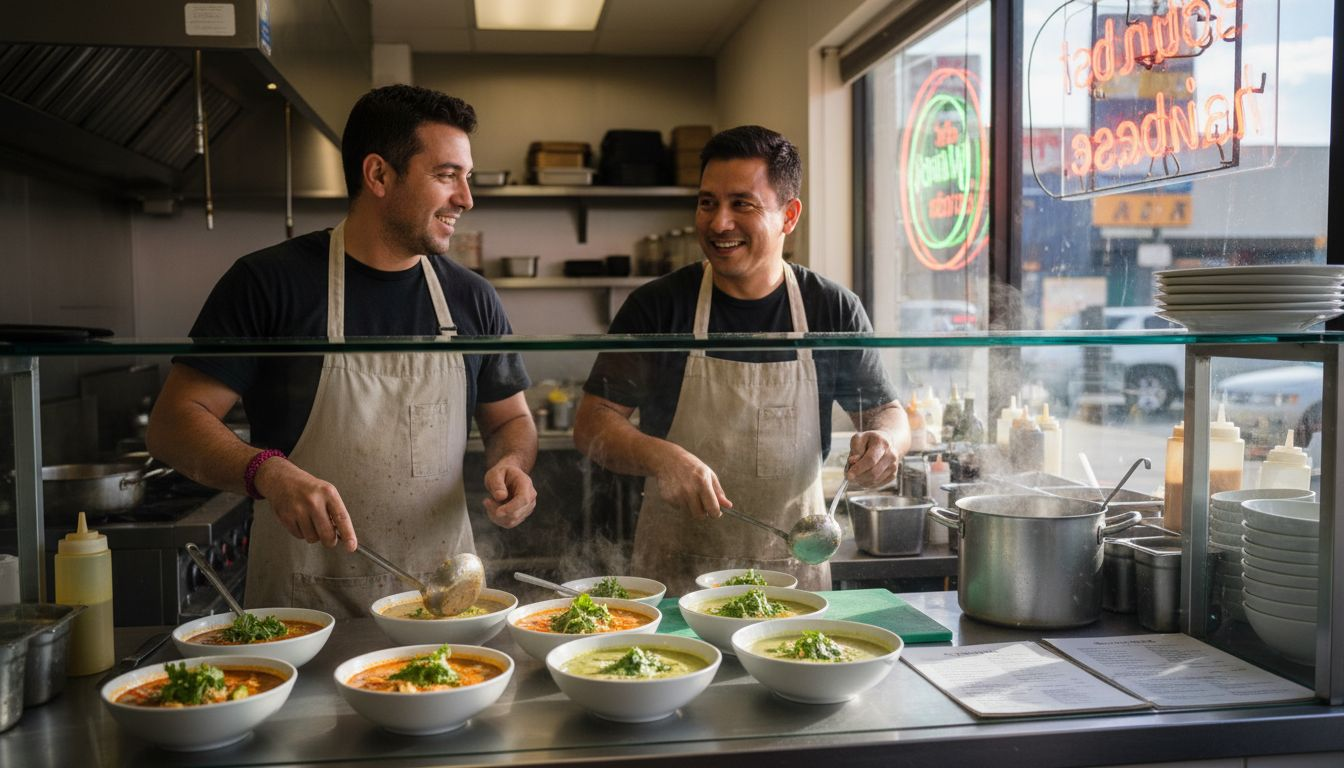
Craving something vibrant yet comforting after a busy day in Northwest Las Vegas? Thai soups deliver a unique balance of sweet, sour, salty, and spicy flavors using fresh herbs and adaptable ingredients. Far from being just fiery or complex, these bowls showcase the harmonious side of Thai cuisine, making each meal accessible and deeply satisfying. Discover authentic Thai soups nearby that combine tradition and convenience without the crowds of the tourist strip.
Table of Contents
Key Takeaways
Point | Details |
Thai Soups are Culinary Art | Thai soups blend sweet, sour, salty, and spicy flavors, showcasing Thailand’s rich gastronomic heritage and complex cooking techniques. |
Ingredient Freshness is Key | Authentic Thai soups prioritize fresh herbs like lemongrass and galangal for a balanced flavor profile, not just heat. |
Health Benefits and Adaptability | Thai soups are low in calories and easily customizable for various dietary needs, making them both nutritious and versatile. |
Widespread Appeal | Thai soups have become mainstream due to their convenience, flavor diversity, and adaptability to diverse palates in multicultural settings. |
Defining Thai Soups and Common Misconceptions
Thai soups represent an extraordinary culinary tradition that goes far beyond simple liquid dishes. Thai cuisine balances complex flavor profiles through a masterful combination of sweet, sour, salty, and spicy elements. These soups are not just meals, but cultural expressions that showcase Thailand’s rich gastronomic heritage.
Traditional Thai soups typically fall into two primary categories:
Tom soups: Clear broth-based dishes featuring boiled ingredients
Kaeng soups: Curry-style preparations often using coconut milk
Contrary to widespread misconceptions, Thai soups are not uniformly spicy but represent a nuanced approach to flavor development. Traditional cooking techniques emphasize fresh herbs and balanced spices that create depth without overwhelming heat. The cuisine reflects a complex history of cultural exchanges, incorporating influences from Chinese, Portuguese, and Japanese culinary traditions.
Key characteristics that distinguish authentic Thai soups include:
Use of fresh aromatic herbs like lemongrass and galangal
Careful balance between multiple flavor dimensions
Adaptable ingredient selections
Techniques that preserve ingredient integrity
Ingredient authenticity matters more than extreme spiciness. Most Thai soups aim to create a harmonious blend where no single flavor dominates, allowing each component to shine.
Pro tip: When exploring Thai soups, focus on the subtle herb and spice interactions rather than just heat intensity.
Signature Types of Thai Soups Explained
Thai cuisine offers an incredible diversity of soups that go far beyond simple liquid dishes. Tom yum represents the quintessential Thai soup with its complex blend of hot and sour flavors that tantalize the palate. This iconic soup showcases the intricate culinary artistry of Thai cooking through its carefully balanced ingredients and cooking techniques.
The most notable Thai soup varieties include:
Tom Yum: Hot and sour soup with multiple variations
Clear broth version
Creamy coconut milk version
Khao Soi: Northern Thai noodle soup featuring
Deep-fried crispy egg noodles
Boiled egg noodles
Curry-based coconut milk broth
Tom Kha: Coconut milk-based soup with chicken
Gaeng: Curry-style soups with regional variations
Khao soi demonstrates the remarkable regional diversity of Thai soup traditions. Originating from Chin Haw Muslim traders, this northern Thai specialty combines crispy and soft noodles with a rich coconut curry base, showcasing how Thai soups reflect complex cultural exchanges and local culinary innovations.
Each soup type tells a unique story about Thailand’s gastronomic landscape. The ingredients are carefully selected to create a harmonious flavor profile that balances sweet, sour, salty, and spicy elements. Authentic Thai soups prioritize fresh herbs like lemongrass, kaffir lime leaves, and galangal, which provide depth and complexity beyond simple heat.

Here’s a summary of major Thai soup types and their distinguishing features:
Soup Type | Key Ingredients | Regional Origin | Typical Flavor Profile |
Tom Yum | Lemongrass, chilies | Central Thailand | Hot, sour, aromatic |
Tom Kha | Coconut milk, galangal | Nationwide | Creamy, mild, herbal |
Khao Soi | Coconut curry, noodles | Northern Thailand | Rich, savory, mildly spicy |
Gaeng | Coconut milk, curry paste | Various regions | Spicy, sweet, full-bodied |
Pro tip: When exploring Thai soups, taste the subtle herb interactions and appreciate the nuanced flavor balance rather than focusing solely on spice intensity.
Flavor Profiles and Fresh Ingredients
Thai soups represent a complex culinary art that goes far beyond simple liquid dishes. Each bowl tells a sophisticated story of flavor balance, carefully crafted through an intricate combination of sweet, sour, salty, and spicy elements that dance across the palate.
The essential ingredients that define authentic Thai soup flavor profiles include:
Aromatic Herbs
Lemongrass
Kaffir lime leaves
Thai basil
Galangal
Flavor Enhancers
Fish sauce
Dried red chilies
Fresh garlic
Shallots
Foundational Bases
Coconut milk
Clear broths
Seafood or meat stocks
Key ingredients create layered taste experiences that distinguish Thai soups from other culinary traditions. The magic happens through precise combinations of fresh herbs and spices that provide depth, aroma, and complexity. Authentic Thai soups transform simple ingredients into extraordinary culinary experiences by balancing multiple flavor dimensions simultaneously.
Each ingredient plays a crucial role in creating the soup’s final character. Lemongrass brings citrusy brightness, galangal adds warm spiciness, and kaffir lime leaves contribute a distinctive fragrant note. The result is a harmonious blend that stimulates every taste receptor, creating a multi-dimensional dining experience that goes far beyond mere sustenance.
Pro tip: When preparing Thai soups at home, always use fresh herbs and taste as you cook to achieve the perfect flavor balance.
Health Benefits and Dietary Adaptability
Thai soups provide remarkable nutritional versatility/01%3A_Chapters/1.10%3A_Soups) that sets them apart from traditional soup preparations. These culinary creations offer more than just flavor - they represent a holistic approach to nutrition that can accommodate diverse dietary requirements and health goals.
Health benefits of Thai soups include:
Nutritional Advantages
Low calorie content
High vitamin and mineral concentration
Rich in anti-inflammatory herbs
Dietary Adaptability
Easily modified for vegetarian diets
Gluten-free options available
Suitable for low-fat meal plans
Healing Ingredients
Turmeric with anti-inflammatory properties
Galangal supporting digestive health
Lemongrass promoting immune function
Traditional cooking methods preserve nutritional integrity while creating incredibly adaptable meal options. Broth-based preparations allow for seamless modifications, enabling individuals with specific dietary restrictions to enjoy authentic Thai flavors without compromise. The combination of fresh herbs, lean proteins, and carefully selected spices transforms these soups from simple dishes into powerful nutritional tools.
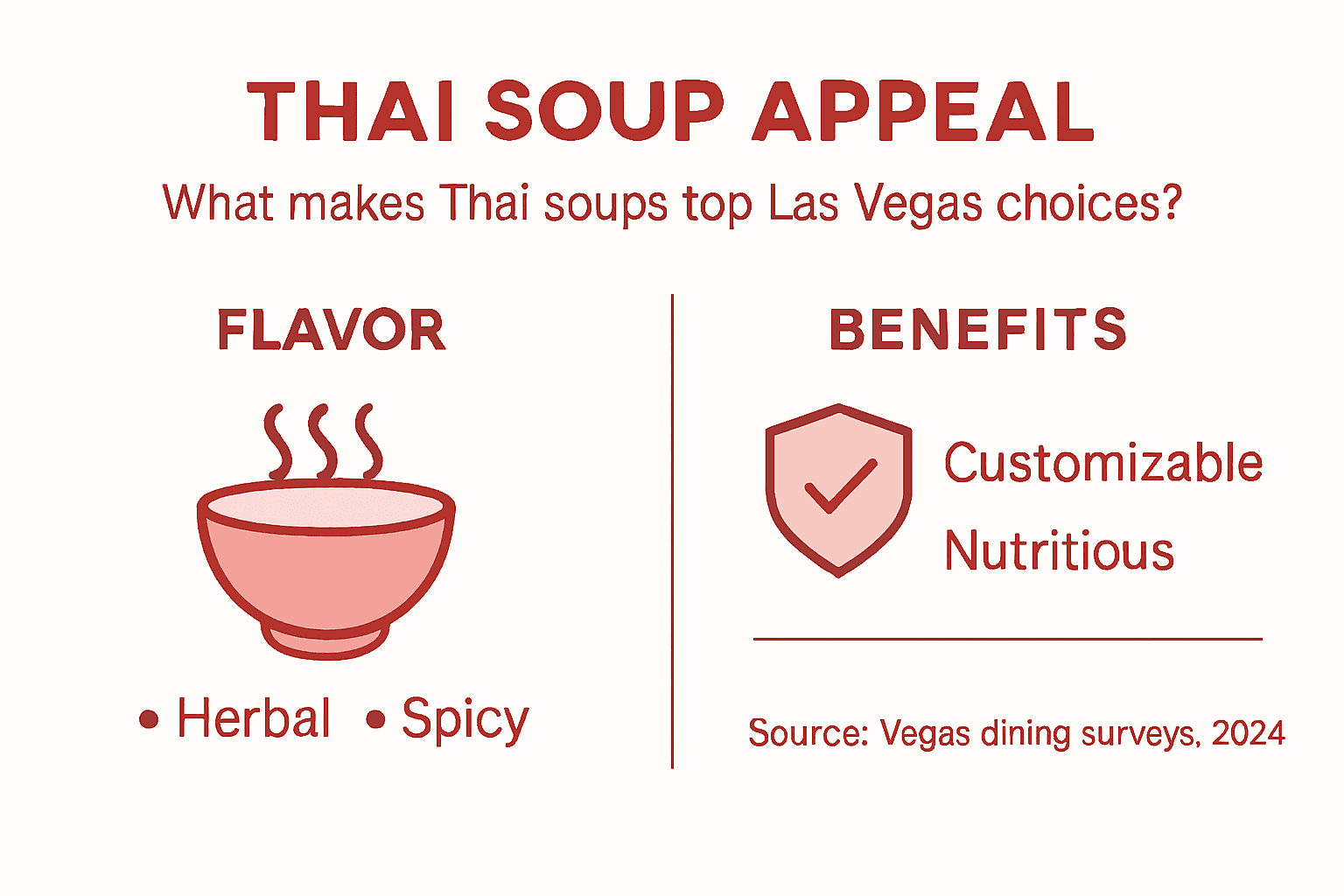
The remarkable aspect of Thai soups lies in their ability to balance health and flavor. Unlike many diet-friendly foods that sacrifice taste, these soups maintain complex flavor profiles while offering substantial nutritional benefits. Herbs like turmeric and galangal do double duty, providing both remarkable taste and potential health-supporting properties.
The following chart highlights how Thai soups accommodate different dietary needs and health goals:
Dietary Need | Thai Soup Adaptation | Health Benefit |
Vegetarian | Swap protein for tofu or veggies | Retains vitamins and minerals |
Gluten-Free | Use rice noodles and fresh herbs | Avoids gluten exposure |
Low Fat | Choose broth-based soup | Reduces overall calorie intake |
Anti-Inflammatory | Add turmeric, galangal | Supports immune function |
Pro tip: Request customizations when ordering Thai soups to align with your specific dietary needs without sacrificing authentic flavor.
Accessibility, Convenience, and Local Appeal
Thai soups have found remarkable popularity in multicultural cities like Las Vegas, transforming from exotic cuisine to mainstream dining staple. Their widespread appeal stems from an extraordinary combination of convenience, flavor diversity, and adaptability that resonates with urban food enthusiasts.
Key factors driving Thai soup accessibility include:
Dining Flexibility
Quick takeaway options
Restaurant and street food formats
Rapid preparation times
Cultural Adaptability
Multiple heat level variations
Customizable dietary options
Approachable for diverse palates
Convenience Factors
Easy online ordering
Delivery-friendly dishes
Consistent flavor profiles
Global culinary trends support Thai cuisine’s widespread adoption in metropolitan areas. Multicultural dining preferences have transformed Thai soups from niche offerings to mainstream favorites. These dishes effortlessly bridge traditional cooking methods with modern urban dining expectations, making them particularly attractive in cities with diverse populations.
The local Las Vegas food scene particularly embraces Thai soups due to their vibrant flavors and straightforward preparation. Restaurants can quickly serve these dishes, tourists find them exciting and familiar simultaneously, and local residents appreciate their nutritional balance and taste complexity. This combination of factors makes Thai soups not just a meal, but a culinary experience that transcends traditional dining boundaries.
Pro tip: Explore different Thai soup varieties during lunch hours when many restaurants offer more affordable and diverse tasting options.
Experience the True Taste of Thai Soups in Las Vegas
Thai soups offer a perfect balance of fresh herbs, rich flavors, and adaptable spice levels, making them a favorite for locals and visitors alike in Las Vegas. If you crave authentic dishes like Tom Yum or Khao Soi that celebrate the harmony of sweet, sour, salty, and spicy elements, you need a place that respects these traditions while catering to your dietary preferences. At Thai Spoon Las Vegas, we understand the importance of fresh ingredients and balanced flavors to create the perfect Thai soup experience.
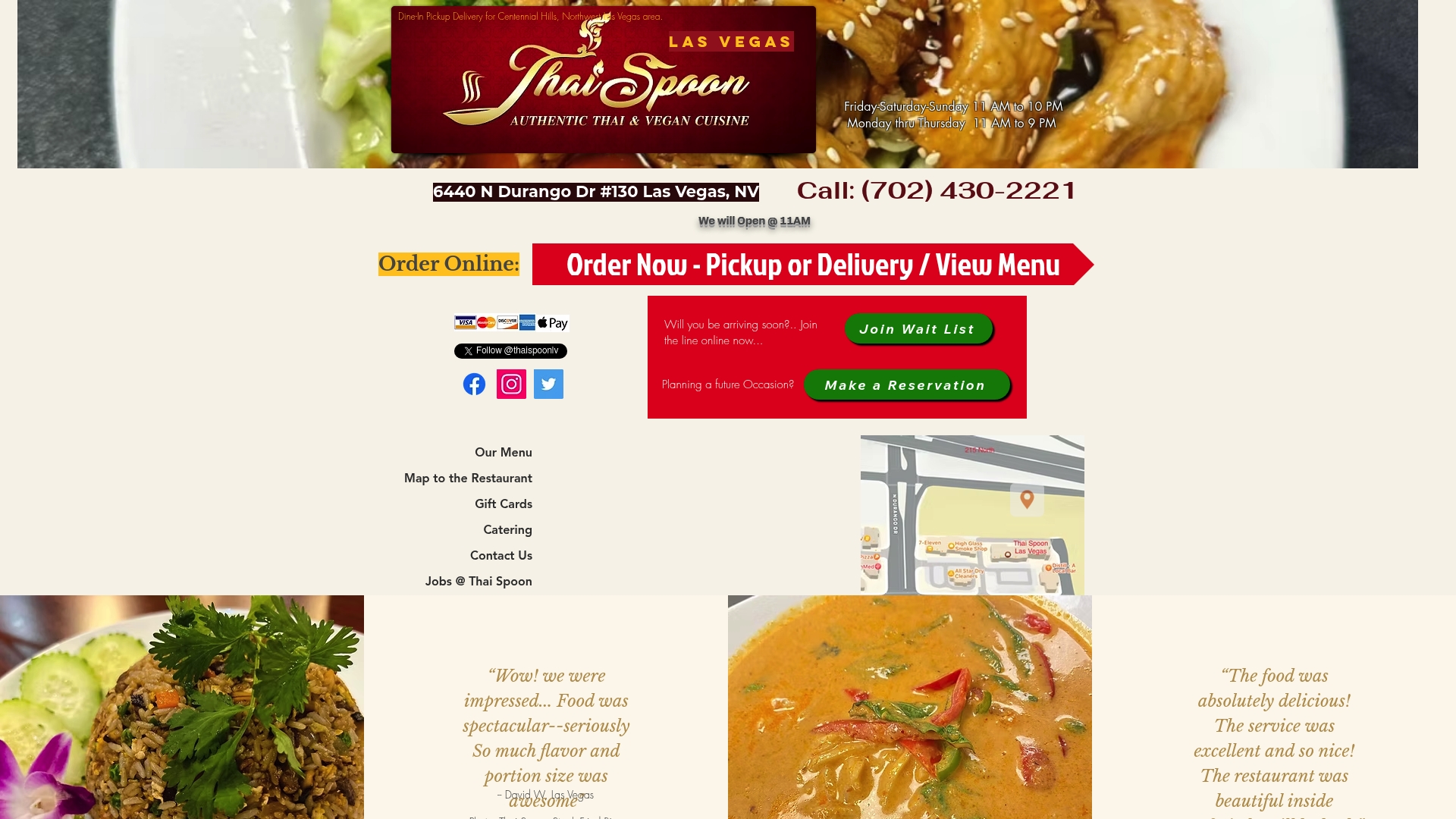
Discover why our neighborhood restaurant has become a go-to spot for those looking beyond the Strip for genuine Thai cuisine. Whether you want to enjoy vegan or gluten-free options, or are seeking a rich coconut-based soup, we deliver authentic flavors with convenient online ordering for pickup or delivery. Enjoy our special lunch and happy hour menus crafted to bring you the best of Thai soups and more. Ready to taste Thailand right here in Las Vegas? Visit Thai Spoon Las Vegas and explore our full menu today.
Frequently Asked Questions
What are the key characteristics of Thai soups?
Thai soups are known for their complex flavor profiles, which balance sweet, sour, salty, and spicy elements. They often feature fresh aromatic herbs, a harmonious blend of flavors, and adaptable ingredient selections.
How do Thai soups accommodate different dietary needs?
Thai soups can easily be modified for various dietary preferences, including vegetarian options, gluten-free ingredients, and low-fat choices. Fresh herbs and lean proteins help maintain flavor while supporting health goals.
Why are fresh ingredients important in Thai soups?
Fresh ingredients, such as lemongrass, galangal, and kaffir lime leaves, provide depth and complexity to the flavor profile of Thai soups. They create a multi-dimensional dining experience that enhances the overall taste of the dish.
What makes Thai soups popular in urban areas?
Thai soups offer convenience through quick takeaway options, customizable heat levels, and adaptability for diverse palates. Their vibrant flavors and nutritional balance make them appealing to urban food enthusiasts.
Recommended
Comments