


7 Essential Types of Thai Curries Every Local Should Try
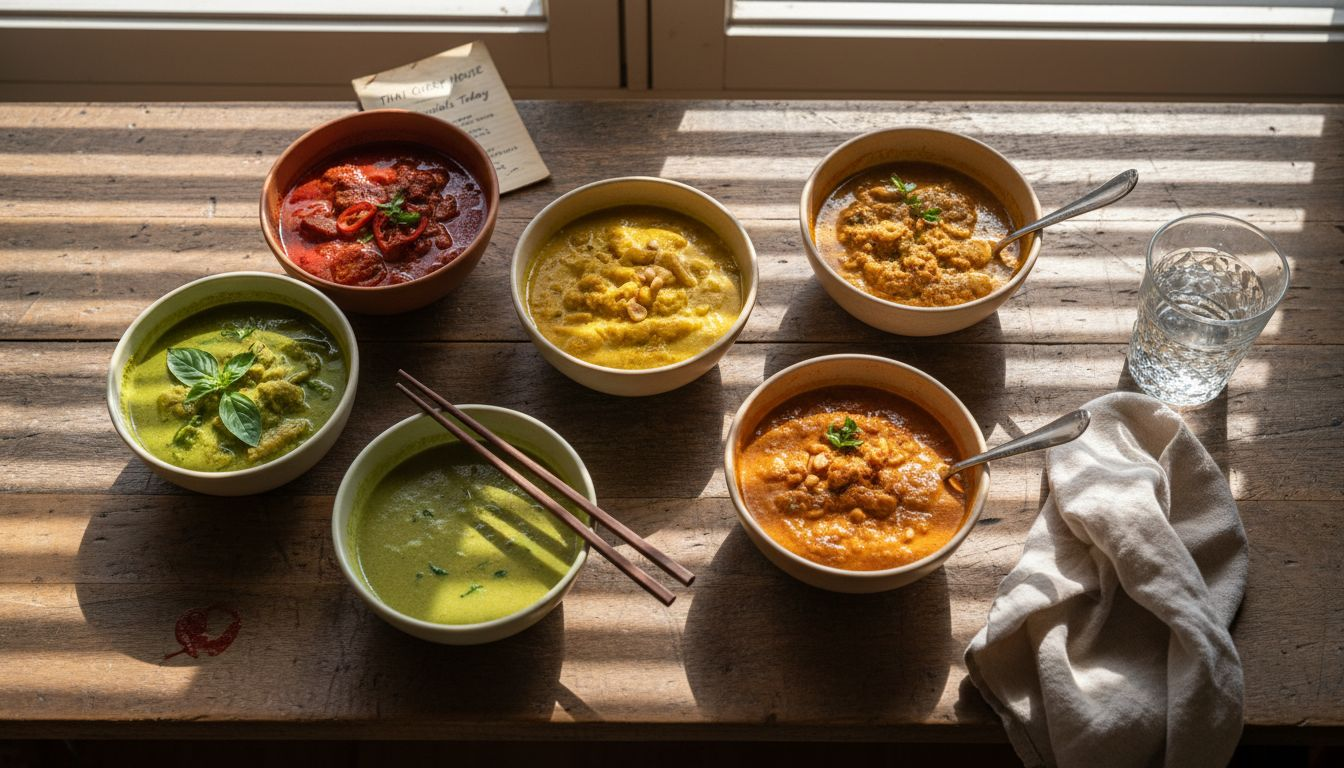
Ordering Thai curry can be a real challenge when you’re surrounded by options like green, red, yellow, and more. Each dish promises bold flavors, but the differences aren’t always clear until your meal arrives—sometimes too spicy, too mild, or just not what you expected. If you’ve ever wished for a simple way to pick the curry that truly matches your taste and dietary needs, you’re not alone.
This guide will reveal the features and ingredients that separate classics like green, red, and yellow curry, so you can order with confidence next time. You’ll get clear tips for matching curries to your preferred spice level, texture, and special diets—with advice you can use right away. Get ready to discover which Thai curries will satisfy your cravings and help you enjoy an experience that actually lives up to your appetite.
Table of Contents
Quick Summary
Takeaway | Explanation |
1. Choose curries based on heat preference. | Assess your tolerance for spice to find the right curry; yellow curry is mild, while green offers intense heat. |
2. Consider texture and sauce consistency. | Decide if you want creamy, rich sauces like Panang or thinner, broth-like options like Jungle curry for your ideal experience. |
3. Customize to fit dietary needs. | Many curries can be made vegan or gluten-free; openly discuss your requirements with the server for best results. |
4. Discover flavors gradually. | Start with milder options like yellow curry, then explore spicier varieties as your palate adjusts over time. |
5. Order small portions for unfamiliar dishes. | If unsure about spice levels, start with a smaller serving to ensure you enjoy your meal without overwhelming heat. |
1. Green Curry: Signature Flavors and Main Ingredients
Green curry is the vibrant, fiery heart of Thai cuisine that originates from central Thailand. Unlike its milder red and yellow cousins, green curry delivers intense heat combined with fresh, herbaceous notes that make it stand out on any menu. The color comes directly from the green bird’s eye chilies that form the foundation of authentic curry paste, and this is what separates it from other curry styles you’ll encounter.
What makes green curry so distinctive is its complex flavor profile built on carefully balanced ingredients. The base starts with a pungent curry paste made from fresh green chilies, garlic, shallots, lemongrass, galangal, and coriander roots combined with cumin seeds and peppercorns. When this paste is cooked with coconut milk, it creates that signature creamy texture while maintaining its bold, aromatic character. The dish typically features protein like fish or chicken, along with traditional Thai vegetables such as eggplant, pea eggplant, and Thai basil leaves that add earthy and peppery dimensions. The final garnish of kaffir lime leaves brings brightness that cuts through the richness, completing the sensory experience. For those eating in northwest Las Vegas, understanding these core components helps you appreciate why authentic green curry tastes so different from simplified versions. Many restaurants use shortcuts with pre-made pastes or skip the fresh herbs, but true green curry depends on that careful layering of flavors.
When you order green curry, you’re getting more than just spicy food. You’re tasting generations of Thai culinary tradition where each ingredient plays a specific role in creating balance. The heat from the chilies works alongside the coolness of coconut milk, while aromatic herbs provide complexity that unfolds as you eat. If you’re new to green curry or considering it for takeout near the Strip area, know that this curry works beautifully with jasmine rice or brown rice to temper the intensity while letting the flavors shine. The dish is naturally adaptable too, making it ideal for those seeking vegan options with tofu or eggplant and mushroom combinations, and you can request modifications for gluten-free needs.
Pro tip: Start with a smaller portion if you’re unfamiliar with green curry’s heat level, as the fresh chilies pack real punch. You can always ask your server about the spice intensity and request lighter coconut milk if you prefer a more delicate version while still enjoying those distinctive green curry flavors.
2. Red Curry: Classic Heat and Customization Tips
Red curry occupies a special place in Thai cuisine as the goldilocks option, offering enough heat to satisfy spice lovers without the intensity that green curry demands. Made from dried red spur chilies combined with aromatic spices and coconut milk, red curry strikes a balance that makes it approachable for newcomers while remaining deeply flavorful for experienced Thai food fans. The beauty of red curry lies not just in its taste but in how easily you can tailor it to your exact preferences, making it perfect for group dining or takeout orders where different people have different comfort levels with heat.
Understanding what goes into authentic red curry paste helps you appreciate why ordering it from Thai Spoon delivers something genuinely different from mass-produced versions. The paste starts with dried red chilies that are toasted and ground with garlic, shallots, galangal, lemongrass, and spices like cumin and coriander. When this paste is fried with coconut milk, those flavors release and blend together, creating a complex base sauce. The protein options run wide too, from chicken and beef to pork, duck, or shrimp, and vegetables like Thai eggplant and bamboo shoots add texture and earthiness. What makes red curry truly special for local diners is that you control the experience. You can request less coconut milk for a thinner sauce, more sauce for rice soaking, extra vegetables, or adjusted spice levels based on your tolerance. Unlike dishes where modifications feel like shortcuts, customizing red curry respects the dish’s integrity because it’s fundamentally designed to be flexible.
When ordering red curry for pickup or dine-in in northwest Las Vegas, remember that adjusting heat levels and sauce consistency allows personal preference adaptation without compromising quality. If you’re new to Thai food, red curry makes an excellent entry point because it delivers authentic flavor without overwhelming your palate. For those managing dietary needs, you can easily request vegan modifications using tofu instead of meat or gluten-free options by confirming the curry paste ingredients. The dish pairs beautifully with jasmine rice or brown rice, and many people find a simple cucumber salad or fresh fruit provides cooling contrast if the heat builds throughout your meal.
Pro tip: When ordering, specify your spice preference as a number if available, or ask your server about the baseline heat level. Most Thai restaurants, including Thai Spoon, can adjust the chili quantity without notice, so communicating your comfort zone upfront ensures you’ll actually enjoy your curry rather than endure it.
3. Yellow Curry: Mild, Aromatic, and Vegan-Friendly Choices
Yellow curry is the gateway curry, designed for those who want authentic Thai flavor without overwhelming heat or dietary restrictions. Known in Thai as kaeng kari, this dish gets its distinctive golden hue from turmeric and curry powder rather than chilies, making it naturally milder than its red and green counterparts. If you’re navigating a new Thai menu or exploring plant-based options in northwest Las Vegas, yellow curry represents the perfect sweet spot where warming spices create complexity without the fire that might intimidate newcomers or clash with certain dietary preferences.
What sets yellow curry apart is its carefully balanced blend of warm spices that deliver comfort rather than heat. The foundation includes cumin, coriander, turmeric, fenugreek, garlic, lemongrass, ginger, and cinnamon, creating an aromatic profile that feels both exotic and approachable. The coconut milk base provides creaminess while these spices layer in subtle sweetness and earthiness. Traditionally served with potatoes and chicken or beef, yellow curry becomes truly versatile when you consider its vegan potential. Chickpeas, tofu, cauliflower, and cabbage work beautifully as protein and vegetable components, absorbing those warming spices while maintaining their own texture and character. This flexibility makes yellow curry particularly valuable for group orders at Thai Spoon where different people might be managing different dietary needs. Your vegan friend, your gluten-conscious coworker, and your adventurous family member can all order the same dish with simple modifications and enjoy something that feels intentional rather than like an afterthought.
The real advantage of yellow curry for local diners is that it opens doors. If you haven’t explored vegan Thai cuisine options, yellow curry makes an ideal starting point because you’re tasting authentic technique applied to plant-based ingredients. The cooking method stays the same, the flavor profile remains true to Thai tradition, and you experience genuine food rather than a diet substitute. When ordering for takeout or dine-in, request extra vegetables if you want more substance, and don’t hesitate to ask if the curry paste and coconut milk align with your specific dietary requirements. Many people find that pairing yellow curry with jasmine rice and perhaps a fresh salad or spring rolls creates a satisfying, complete meal that feels both nourishing and genuinely delicious.
Pro tip: Yellow curry is the most forgiving option for first-timers and those with sensitive palates, so order it confidently and enjoy it without worry. If you find it suits your taste, you now have a reliable baseline for exploring the more intense curries on future visits.
4. Panang Curry: Rich Texture and Versatile Protein Pairings
Panang curry stands out from other Thai curries because of its luxurious, velvety texture and the presence of ground peanuts that create a subtly sweet, nutty character. If you prefer a curry that feels more like a warm embrace than a spice assault, Panang is your answer. The sauce clings to rice and protein in a way that other curries cannot match, and the flavor profile balances heat with sweetness in proportions that feel almost dessert-like without being cloying. This combination makes Panang curry exceptionally popular among diners who want authentic Thai flavors but appreciate a richer, more comforting eating experience than what you’d get from green or red curry.
What makes Panang curry special is how ground peanuts create that distinctive thick texture and contribute depth to the overall taste. The curry paste itself combines dried red chilies, lemongrass, galangal, kaffir lime zest, shallots, garlic, coriander seeds, cumin, and shrimp paste, then gets fried with coconut cream rather than coconut milk, intensifying richness. The addition of palm sugar and fish sauce adds layers of sweet and salty notes that make each spoonful interesting. When you order Panang at Thai Spoon, you’ll notice the sauce looks almost glossy compared to brothier curries, and it maintains that consistency from first bite to last, making it ideal for sauce lovers who want every piece of rice saturated with flavor. The protein choices run from chicken and beef to pork, and each pairs beautifully with the nutty sauce because the peanut component complements meat’s natural savoriness while the sweetness provides contrast.
For local diners seeking reliable protein pairings, chicken offers a clean canvas that lets the sauce shine, beef brings earthiness that matches the curry’s depth, and pork delivers slight sweetness that harmonizes with palm sugar notes already present. When ordering, consider that Panang’s thickness means it works wonderfully with jasmine rice, and the mild to moderate heat level makes it approachable for most spice tolerances. The creamy sauce also pairs exceptionally well with fresh vegetables like bell peppers or bamboo shoots, which provide textural contrast to the velvety base. If you’re ordering takeout or considering a family meal where people have different spice preferences, Panang splits the difference perfectly between dishes that might feel too intense and ones that lack personality.
Pro tip: Order Panang if you’re unsure about your spice tolerance or dining with people who prefer creamier dishes over brothy ones. The peanut element makes it memorable enough to impress, while the mild heat ensures everyone at your table can enjoy it without reaching for water.
5. Massaman Curry: Sweet and Spiced Complexity
Massaman curry represents something unexpected on a traditional Thai menu because it tells a story of culinary crossroads and cultural blending. This dish combines Persian, Indian, and Malay influences with authentic Thai ingredients, creating flavors that feel both familiar and genuinely foreign. If you’ve been working your way through the standard curry lineup and want to experience something that challenges your expectations while remaining deeply satisfying, Massaman is your answer. The sweetness balanced against complex spices creates an almost mysterious quality that keeps you returning for another bite.
What makes Massaman truly distinctive is the presence of warm aromatic spices like cardamom, cinnamon, and cloves that you don’t typically find in other Thai curries. The paste combines these Persian spices with lemongrass, galangal, chili, garlic, and shrimp paste, then gets simmered with coconut milk to create a sauce that’s simultaneously sweet, savory, and mildly spicy. The addition of tamarind brings tang that cuts through richness, while palm sugar amplifies the subtle sweetness running throughout. When the curry cooks with chicken, potatoes, onions, and peanuts, each ingredient absorbs these layered flavors, and the potatoes break down slightly, thickening the sauce while adding earthiness. The result is a curry that feels almost stew-like in its substance and complexity. For diners in northwest Las Vegas seeking something beyond typical curry experiences, this is the dish that separates curious explorers from adventurous eaters.
The combination of sweet, savory, and aromatic elements creates a flavor profile that works beautifully for people who might find purely spicy dishes off-putting. Unlike green curry’s aggressive heat or red curry’s straightforward burn, Massaman invites you to sit with the flavors, discovering new notes with each spoonful. The creamy coconut milk base with textured ingredients like potatoes and peanuts adds satisfying substance that makes this curry feel more like a complete meal than a sauce over rice. When ordering, consider pairing it with jasmine rice to temper the spices and provide textural contrast. The dish works equally well for dine-in comfort or convenient takeout from Thai Spoon, and if you’re managing dietary preferences, the basic structure easily adapts to different proteins or vegetable substitutions while maintaining its character.
Pro tip: Massaman curry is perfect for introducing people to Thai food who typically prefer familiar comfort dishes, as the sweetness and complex spices feel less intimidating than straight heat. Order it when you want something memorable that still feels approachable and absolutely satisfying.
6. Jungle Curry: Herb-Forward and Gluten-Free Options
Jungle curry represents the wild side of Thai cuisine, where fresh herbs take center stage and coconut milk takes a back seat. Unlike creamier curries you might be familiar with, jungle curry delivers bright, grassy, intensely aromatic flavors that feel almost herbaceous rather than rich. The beauty of this curry for local diners, especially those managing dietary restrictions, is that it’s naturally built around fresh ingredients that align beautifully with gluten-free needs. If you’re navigating dietary constraints while still wanting authentic Thai food in northwest Las Vegas, jungle curry offers genuine flavor without the complicated ingredient worries that sometimes come with other dishes.
What makes jungle curry work so well for gluten-free dining is that its foundation relies entirely on fresh herbs, spices, and aromatics rather than processed pastes or sauces containing hidden glutens. The core ingredients include lemongrass, galangal, kaffir lime leaves, fresh chilies, and single-ingredient spices like chili powder that are naturally gluten-free. Fresh basil, cilantro, and mint appear throughout the dish, creating complexity that builds layer by layer. The curry includes protein and vegetables simmered in a thin, flavorful broth rather than creamy coconut milk, meaning you taste each ingredient distinctly. When prepared from scratch at Thai Spoon using fresh components, jungle curry avoids the gluten-containing additives that sometimes hide in commercial curry pastes or soy sauce. This makes it an exceptionally safe choice for people with celiac disease or gluten sensitivity who want to enjoy authentic Thai food without endless menu interrogation.
The herb-forward nature of jungle curry also means it delivers bold flavor with less fat and richness, making it an excellent choice if you’re seeking lighter Thai options or prefer fresh tastes over creamy ones. The thin sauce clings to rice differently than coconut-based curries, and the fresh herbs provide a cooling quality that works beautifully with spice. When ordering from Thai Spoon, simply confirm that the curry paste contains no gluten additives and that no soy sauce or other gluten-containing ingredients are included in preparation, as these safeguards ensure true gluten-free status. The dish pairs wonderfully with jasmine rice and perhaps a simple cucumber salad for additional freshness. Whether you’re managing celiac disease, non-celiac gluten sensitivity, or simply prefer herb-forward flavors, jungle curry delivers authenticity without compromise.
Pro tip: Always confirm gluten-free preparation with your server when ordering jungle curry, as fresh ingredients are naturally safe but cross contamination or added sauces can introduce gluten. Request that they use separate prep areas and clean utensils if your sensitivity is severe.
7. Tips for Choosing the Right Thai Curry for Your Taste
After exploring six distinct curry styles, you might feel overwhelmed wondering which one actually aligns with your palate. The good news is that choosing the right Thai curry isn’t complicated once you understand a few key factors that influence your experience. Think of your curry selection as a simple decision tree based on heat tolerance, texture preference, and whether you want richness or brightness. By considering these elements upfront, you eliminate the guesswork and actually enjoy your meal instead of enduring something that doesn’t match what you were hoping for.
Start by assessing your heat tolerance because this single factor eliminates half your decisions immediately. Yellow curry works beautifully if you prefer mild flavors with aromatic warmth, while red curry suits those comfortable with moderate heat who appreciate straightforward spice. Green curry demands respect for its intensity, making it ideal only if you genuinely enjoy aggressive chili heat. Jungle curry offers heat with herbaceous brightness rather than overwhelming burn, appealing to people seeking adventure without punishment. Next, consider texture and richness preferences. Do you want a creamy sauce coating every grain of rice, or do you prefer broth-like consistency where flavors taste distinctly separate? Panang and massaman curries deliver that luxurious creaminess through coconut cream and peanuts, while jungle curry and red curry provide thinner sauces. Understanding how different curry varieties compare helps you navigate the menu and confidently order something you’ll actually want to eat. Finally, think about your protein and dietary needs. Vegetarian or vegan diners should consider yellow curry’s natural adaptability to plant-based proteins, while meat lovers might explore how panang curry’s versatile protein pairings create different experiences depending on whether you choose chicken, beef, or pork.
When ordering at Thai Spoon or any Thai restaurant, don’t hesitate to ask questions about preparation methods, ingredient lists, and customization options. Tell your server your heat tolerance honestly, describe texture preferences clearly, and mention any dietary restrictions upfront. Most restaurants, including Thai Spoon, adjust chili levels, coconut milk quantities, and protein types to match your exact requirements. If you’re uncertain, start with yellow curry as your baseline, then work your way toward more intense options on future visits as you discover what resonates with your taste. Remember that choosing the right curry is personal and evolves as your palate develops. What seems impossibly spicy today becomes achievable next month. The real wisdom is trying everything at least once and paying attention to what actually makes you happy rather than what sounds impressive.
Pro tip: Order a small portion or ask for a taste before committing to a full curry if you’re genuinely uncertain, and don’t let menu descriptions override your personal preferences. What matters is that you order something you’ll genuinely enjoy, not something that fits someone else’s definition of authentic Thai dining.
Summary of Key Characteristics of Thai Curries
Curry Type | Main Characteristics | Unique Ingredients | Customization Notes |
Green Curry | Intense heat with herbaceous notes, creamy texture from coconut milk | Fresh green chilies, lemongrass, galangal, kaffir lime leaves | Pairs well with jasmine rice; modifications possible for dietary needs |
Red Curry | Balanced heat with full flavors, suitable for varied spice tolerances | Dried red chilies, coriander, and lemongrass | Easily customizable for spice level and consistency |
Yellow Curry | Mild and aromatic, suitable for sensitive palates | Turmeric, cumin, and fenugreek | Adapts well to vegan and gluten-free diets |
Panang Curry | Rich and creamy with nutty sweetness | Ground peanuts, kaffir lime zest, palm sugar | Matches creamy preferences and mild spice tolerances |
Massaman Curry | Sweet and warm spice complexity, stew-like consistency | Cinnamon, cardamom, tamarind, and peanuts | An approachable choice with customizable protein options |
Jungle Curry | Herbaceous and bold without coconut milk | Fresh herbs like basil and cilantro | Naturally gluten-free; verify preparation to confirm |
Discover Your Perfect Thai Curry at Thai Spoon Las Vegas
Navigating the world of Thai curries can be overwhelming especially when balancing heat tolerance texture preferences and dietary needs. Our article on the essential types of Thai curries highlights challenges like choosing the right spice level enjoying authentic flavors and finding options that suit vegan or gluten-free diets. Whether you crave the vibrant heat of green curry the mild warmth of yellow curry or the rich comfort of panang curry Thai Spoon Las Vegas has you covered with carefully crafted dishes made from authentic ingredients that respect tradition and your personal preferences.
Experience these curries exactly as intended by ordering from Thai Spoon Las Vegas. We offer convenient online ordering for pickup or delivery plus customizable spice levels and dietary accommodations so you never have to compromise on taste or comfort. Ready to savor the perfect Thai curry tailored to your palate Try our full menu today and embrace the rich world of Thai cuisine right in northwest Las Vegas. Visit Thai Spoon Las Vegas and make your authentic Thai curry experience unforgettable.
Frequently Asked Questions
What are the main characteristics of green curry?
Green curry is known for its vibrant color and intense heat, which comes from fresh green bird’s eye chilies. To experience its authentic flavor, try it with jasmine rice or brown rice to balance the spice.
How can I customize my red curry orders?
Red curry is versatile and allows you to adjust spice levels, sauce consistency, and ingredient quantities. Specify your preferences to your server, such as more vegetables or less coconut milk, for a tailored experience.
What makes yellow curry a good choice for beginners?
Yellow curry is milder than red and green curries, making it a great gateway for those new to Thai food. Request it with added vegetables or plant-based proteins to create a satisfying dish that accommodates various dietary preferences.
Which type of curry should I choose if I prefer a rich and creamy texture?
If you enjoy a rich and creamy texture, Panang curry is ideal thanks to its peanut base and coconut cream. Order it with rice for a hearty meal that complements the sauce’s velvety consistency.
Is Massaman curry suitable for those looking for something less spicy?
Yes, Massaman curry combines sweet and aromatic spices with a mild heat level, making it approachable for those wary of spice. Order it with additional proteins or vegetables to enhance its unique flavors while keeping the spiciness in check.
What should I keep in mind when ordering jungle curry for dietary restrictions?
Jungle curry is typically gluten-free and relies on fresh herbs rather than heavy sauces. Confirm with your server that no gluten-containing ingredients are used in preparation to ensure a safe dining experience.
Recommended

Comments