


Why Locals Love Thai Restaurants Nearby
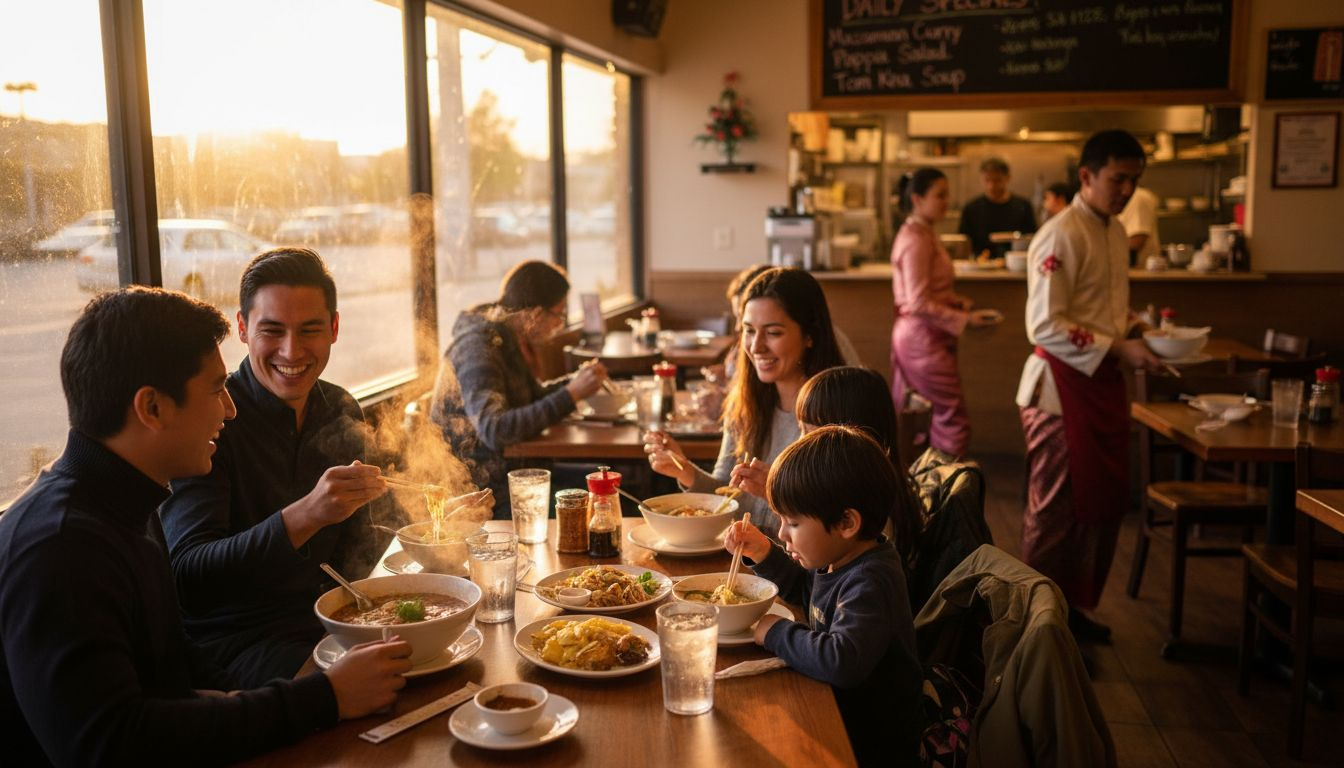
Craving bold, harmonious flavors that go beyond the usual takeout routine? For locals in northwest Las Vegas, finding authentic Thai cuisine often means seeking out spots where every dish balances sweet, sour, salty, and spicy tastes in perfect sync. Skip the Strip’s tourist traps and discover restaurants dedicated to fresh ingredients, traditional cooking methods, and genuine community connection. Taste the flavor harmony of real Thai cooking and enjoy convenience without compromise in your own neighborhood.
Table of Contents
Key Takeaways
Point | Details |
Authentic Thai Cuisine Balances Flavors | Thai cooking combines sweet, sour, salty, and spicy elements harmoniously, enhancing each flavor rather than allowing one to dominate. |
Fresh Ingredients are Essential | The use of fresh herbs and precise cooking methods is crucial for authentic Thai dishes, impacting their overall taste and appeal. |
Dietary Flexibility is a Strength | Thai menus naturally accommodate various dietary needs, allowing for authentic meals whether you’re vegetarian, vegan, or managing gluten sensitivities. |
Community Connection Through Food | Local Thai restaurants serve as cultural anchors, fostering a sense of belonging and reinforcing community identity among residents. |
What Defines Authentic Thai Cuisine
Walk into any Thai restaurant in northwest Las Vegas, and you’ll notice something immediately: the aromas are complex and layered, not one-dimensional. That’s because authentic Thai cuisine operates on a completely different philosophy than most Western cooking. Rather than letting a single flavor dominate, Thai cooking balances sweet, sour, salty, and spicy flavors simultaneously. You taste all four at once, and they somehow work together instead of competing. This balance isn’t accidental. It’s the foundation of what makes Thai food feel so alive on your palate.
The core of authenticity comes down to fresh ingredients and aromatic herbs applied with precision. When you order Pad Thai from Thai Spoon, you’re not getting a simplified American version where the heat dominates and the sweetness hides in the background. You’re getting a carefully constructed dish where ginger, garlic, Thai basil, and cilantro each play a defined role. The cooking methods matter too. Traditional Thai preparation techniques emphasize lightly prepared dishes using stir-frying, steaming, and deep-frying, each method chosen specifically for what that particular dish needs. A curry requires a different approach than a spicy salad, which requires a different approach than a pounded dish. The technique adapts to the food, not the other way around.
What makes this meaningful for you as a local is understanding why you feel the difference between authentic Thai and diluted versions. Authentic Thai cuisine traditionally falls into four main categories: boiled dishes, spicy salads, pounded foods, and curries. Each category has distinct flavor profiles and preparation methods. A proper Som Tam (papaya salad) involves pounding fresh ingredients together to release oils and flavors. A Yellow Curry develops depth through slow simmering with coconut milk and spices. These distinctions matter because they determine how the dish tastes and how it makes you feel when you eat it. Places that rush the process or use shortcuts produce something fundamentally different, even if the ingredient list looks similar on paper. Understanding authentic Thai flavors helps you recognize quality when you encounter it and explains why certain restaurants have earned their reputation with locals despite being 20 minutes from the Strip’s tourist crowds.
The spice level in authentic Thai food also functions differently than you might expect. It’s not just heat for the sake of heat. True Thai spice integrates with the other flavors to enhance them, not overwhelm them. A well-made Thai dish at a higher spice level tastes more complex, not just hotter. This is why locals near the area appreciate restaurants that respect the traditional formula and don’t compromise by dulling flavors to appeal to broader palates. When a restaurant stays true to what Thai cuisine actually is, the food speaks for itself.
To better understand how authentic Thai dishes differ by preparation, here’s a concise comparison:
Category | Typical Ingredients | Cooking Method | Distinctive Feature |
Boiled Dishes | Broth, mixed vegetables, protein | Simmering/Boiling | Highlights freshness and clarity |
Spicy Salads | Papaya, chili, lime, fish sauce | Pounding/Mixing | Intensely fresh, layered flavors |
Pounded Foods | Herbs, spices, mortar & pestle | Manual Pounding | Oils/flavors released by pounding |
Curries | Coconut milk, curry paste, spices | Simmering/Stewing | Rich, deep, balanced taste |
Pro tip: When ordering, ask the restaurant about their ingredient freshness and cooking methods rather than just requesting spice level. A restaurant that takes pride in authentic preparation will gladly explain their process and source of ingredients, giving you confidence in what you’re receiving.
Unique Menu Offerings and Dietary Choices
One of the biggest reasons locals keep coming back to Thai restaurants is the sheer flexibility of the menus. Unlike many cuisines where you’re locked into specific ingredient combinations, Thai cooking welcomes adaptation without sacrificing authenticity. You can walk in as a meat-eater, vegetarian, vegan, or someone managing gluten sensitivities, and the kitchen doesn’t treat your request like an inconvenience. That’s because diverse regional Thai dishes naturally accommodate different dietary needs, from seafood-heavy preparations to vegetable-forward curries and rice dishes. Thai Spoon understands this reality and has built a menu that speaks to the actual people living in northwest Las Vegas, not some imaginary one-size-fits-all customer.
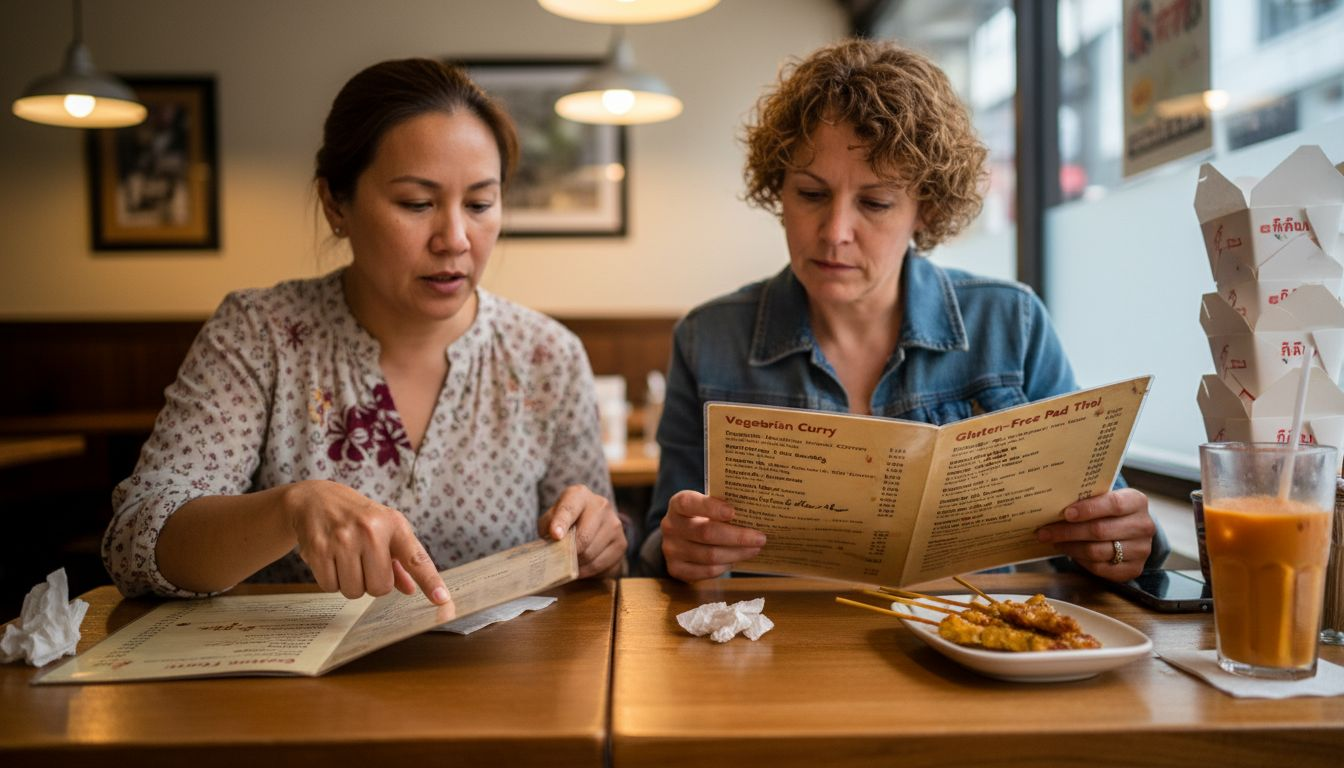
The range goes deeper than just offering chicken versus tofu. A single curry sauce can transform based on what protein you choose or whether you skip the protein entirely. Vegetarian options aren’t afterthoughts here. When you order a vegetable Yellow Curry, you’re getting the same aromatic paste and cooking technique as someone ordering the meat version. The vegetables absorb those flavors the way meat would, creating something genuinely delicious rather than just edible. Similarly, vegan diners aren’t relegated to plain rice and steamed vegetables. Thai cuisine naturally includes coconut-based sauces, tamarind reductions, and vegetable stocks that build complex flavors without animal products. Spicy salads, stir-fried dishes, and many curries work beautifully as vegan preparations when the kitchen approaches them with respect. The gluten-free crowd also benefits because culturally tailored menu options acknowledge diverse dietary preferences among local communities. Rice-based dishes, many curries, and properly prepared stir-fries are naturally gluten-free or easily adaptable, giving you real choices instead of restrictions.
What makes this matter for you specifically is avoiding the frustration of dining out feeling like you’re settling for less. You’ve probably experienced restaurants where the vegetarian option tastes like punishment, or where they act confused when you ask about gluten. At places that take their craft seriously, dietary preferences are treated as legitimate requests that deserve the same attention as any other order. When you call ahead or order online, mentioning your dietary needs opens a conversation rather than shutting one down. The kitchen at Thai Spoon has the skills and ingredients to handle these requests because they’re not special modifications. They’re part of how Thai food actually works. Whether you’re choosing Pad Thai with tofu, a shrimp curry, a vegetable stir-fry, or asking about gluten-free soy sauce options, you’re not asking for something outside the restaurant’s wheelhouse. You’re asking for what that restaurant was built to do.
The practical benefit for locals is that you can bring anyone to dinner without worrying about whether the menu will work for them. Family gathering with mixed dietary approaches? No problem. Date night where one person avoids meat and another wants maximum spice? Handled. Office team dinner with someone managing a specific diet for health reasons? The restaurant can accommodate without making that person feel like an outlier. This flexibility transforms Thai restaurants from a sometimes option into a go-to solution for regular dining. You stop viewing restaurants as limiting your social choices and start seeing them as places that actually serve your community as it exists.
Here’s a quick reference on how Thai restaurants accommodate dietary needs:
Dietary Preference | Common Suitable Dishes | Special Adaptations |
Vegetarian | Vegetable curries, salads | Meatless versions, tofu |
Vegan | Stir-fried veggies, salads | No fish sauce, coconut milk |
Gluten-Free | Rice dishes, most curries | Use gluten-free soy sauce |
Meat Eaters | Pad Thai, curries with meat | Wide protein selection |
Pro tip: When ordering for yourself or others, don’t hesitate to ask the restaurant about ingredient specifics or preparation methods for dietary concerns. Most Thai restaurants, including Thai Spoon, are transparent about ingredients and happy to explain how dishes are made, ensuring you get exactly what you need without compromising on flavor.
Community Connections and Local Identity
Thailand is thousands of miles away, but for many northwest Las Vegas residents, a local Thai restaurant serves as a tangible connection to cultural heritage and community roots. When you sit down at Thai Spoon, you’re not just consuming food. You’re participating in something that reinforces a sense of belonging and cultural pride within Asian American communities. These spaces matter far more than they appear at first glance. A Thai restaurant in your neighborhood becomes a place where families gather to share traditions, where cultural identity feels validated rather than diluted, and where the food tastes like home because it actually does. Locals understand this intuitively. They return not just for the taste, but because the restaurant acknowledges who they are and where they come from.
Authentic Thai restaurants function as cultural anchors in ways that chain restaurants simply cannot replicate. When a restaurant owner sources ingredients thoughtfully, maintains traditional cooking methods, and builds relationships with regular customers, they’re doing something beyond business. They’re preserving and actively sharing cultural heritage with their broader community. A family that might feel disconnected from Thai traditions can eat a properly made curry and feel that connection restored. Second-generation Thai Americans can bring friends to experience food that tastes like what their parents or grandparents made. Non-Thai neighbors can learn about Thai culture through food, creating bridges between communities. Local ethnic restaurants serve as important cultural and social landmarks that build consumer trust through authentic cultural narratives. This isn’t marketing language. It’s genuine community infrastructure.
What sets locally owned Thai restaurants apart from tourist-focused or chain establishments is their commitment to serving actual people with actual connections to the culture. In northwest Las Vegas, you’re 20 minutes from the Strip’s homogenized dining scene. That distance matters. It means a restaurant can prioritize locals over quick transaction tourism. It means the owner can remember your name, know your regular order, and adjust recipes based on feedback from people they see weekly. It means community events happen here. Families celebrate birthdays. Office groups gather. Neighborhood relationships develop around shared meals. This social function is what transforms a restaurant from a business location into a genuine community hub. When locals say they love their neighborhood Thai restaurant, they’re not just complimenting the food. They’re expressing loyalty to a place that reflects and values their identity.
The experience also provides something increasingly rare in modern life: a space where you belong without having to explain yourself or your preferences. You don’t need to justify why you want authentic flavors. You don’t need to apologize for dietary choices or cultural preferences. You walk in and you’re welcomed as someone the restaurant was built to serve. This creates a feedback loop. Customers feel valued. They return more often. They bring friends and family. The restaurant invests more in quality because they’re serving people who genuinely appreciate what they do. Over time, these places become woven into neighborhood identity. People move away and still crave the food. New residents discover the restaurant and instantly feel more connected to their neighborhood. Longtime customers become unofficial ambassadors who defend the restaurant’s reputation and quality.
Pro tip: Build a genuine relationship with your local Thai restaurant by becoming a regular, asking the owner or staff about their background and story, and providing feedback about what you love. Restaurants that feel supported and valued by their community invest more in quality and innovation, creating an upward spiral that benefits everyone.
Flavor Harmony: Thai Cooking Philosophy
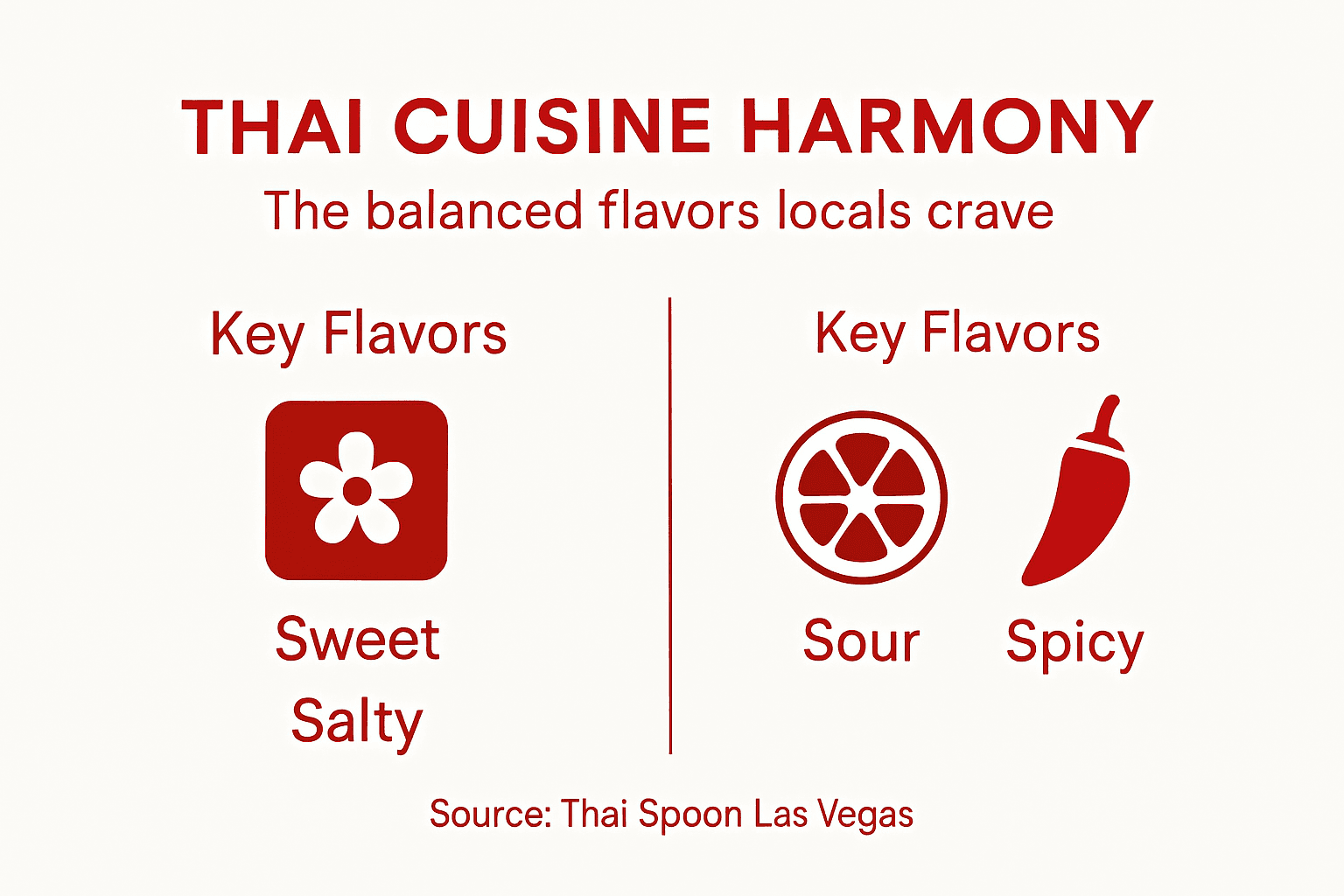
There’s a fundamental difference between how Thai cooking approaches flavor and how most Western kitchens do. In Western cooking, you might build a dish around one primary flavor and add supporting elements around it. A steak is salty and savory. A dessert is sweet. A sauce might be acidic. Thai cooking doesn’t work that way. Instead, Thai culinary philosophy emphasizes harmonious balance among sweet, sour, salty, and spicy elements where no single taste dominates the plate. The goal isn’t to create a flavor hierarchy. It’s to create complexity where all four tastes exist simultaneously, each one enhancing the others rather than competing. This philosophy runs so deep in Thai cooking that it shapes every decision a chef makes. It’s why a proper Thai dish tastes completely different from what you’d get if someone simply threw together sweet, sour, salty, and spicy ingredients without understanding how they should interact.
When you taste authentic Thai food, what you’re experiencing is the result of deliberate calibration. A Yellow Curry contains coconut milk (fat and richness), fish sauce (saltiness and umami), palm sugar (sweetness), and Thai chilies (heat). But it also has turmeric, coriander, and other aromatics that layer underneath these primary tastes. The dish doesn’t announce itself as “this is a spicy curry.” Instead, you taste sweetness first, then a gentle warmth building underneath, then saltiness that grounds everything, then finally the brightness that makes the whole thing sing. Each component arrives at a different moment on your palate. A properly made Pad Thai follows the same philosophy: the tamarind provides sourness, the fish sauce brings salt and umami, the palm sugar adds sweetness, and the chilies deliver heat. But the noodles, the protein, and the balance of proportions mean you experience these flavors as a unified whole rather than separate elements. This isn’t accident or intuition alone. It’s technique applied with understanding. It’s why restaurants that actually understand Thai cooking spend time tasting and adjusting. A pinch more sugar might overwhelm the sourness. A dash less fish sauce might make the dish taste flat. The margin between balanced and unbalanced is often just a teaspoon of ingredient.
What makes this philosophy matter for you as a diner is that it fundamentally changes how you experience eating. Consumers increasingly value the multi-dimensional flavor experiences and sensory depth that Thai cuisine provides, which explains why restaurants that prioritize authentic balance earn fierce loyalty. You’re not just eating something that tastes good. You’re eating something that tastes complex in a way that keeps you interested. Your palate stays engaged throughout the meal because the flavors keep evolving. In contrast, one-dimensional dishes become boring quickly. You can eat halfway through and already know exactly what the rest will taste like. With properly balanced Thai food, every bite offers something slightly different depending on what protein or vegetable you catch, what sauce you pick up, how the flavors have continued developing as the dish cools. This complexity is why people crave Thai food specifically rather than just any food. The cooking philosophy delivers an experience that other cuisines simply don’t offer in the same way.
Thai Spoon understands that this philosophy can’t be rushed or simplified without destroying what makes the food worth eating. Using fresh, aromatic herbs and taking time to balance flavors properly requires skill and attention. It requires a cook who tastes constantly and isn’t just following a recipe. It requires respecting the ingredient quality because diluted ingredients won’t create that layered complexity. It requires a kitchen culture where getting the balance right matters more than working quickly. When you order from a restaurant that operates under this philosophy, you’re benefiting from countless small decisions made in service of one goal: creating a dish where sweet, sour, salty, and spicy exist together in perfect equilibrium. That’s why the difference between authentic Thai and rushed approximations is so noticeable. You taste immediately whether someone cares about harmony or just cares about getting the order out.
Pro tip: When ordering, pay attention to how different dishes balance flavors rather than just focusing on spice level. Ask your server which dishes showcase the full range of Thai flavors, and try them across different visits to understand how properly executed flavor harmony tastes compared to unbalanced versions.
Convenience of Takeout and Dine-In Options
Living 20 minutes from the Las Vegas Strip means you’ve probably developed strong opinions about convenience. You want quality food, but you also want options that fit your actual life, not some idealized version of it. Thai Spoon gets this. The restaurant offers both dine-in and takeout services because locals don’t always have time to sit down, and sometimes they do. The flexibility matters more than most people realize. Some nights you want to experience the restaurant’s atmosphere, chat with staff, and take your time. Other nights you’re grabbing food between work and your kid’s soccer game. The ability to choose without sacrificing quality is what separates neighborhood restaurants from chains that only offer one approach. Restaurants increasingly provide both dine-in and takeout options to meet consumer demands for convenience and flexibility while maintaining quality, and this has become a standard expectation in local dining.
Takeout from Thai Spoon works because the food travels well and tastes excellent when you get it home. Curries actually improve slightly as they sit in your car, the flavors melding together. Stir-fried dishes stay crispy longer than you’d expect. Pad Thai doesn’t turn into mush. Rice dishes remain fluffy. The kitchen packs things thoughtfully, understanding that you’re not eating immediately. When you order online for pickup, you can specify exactly what you want, handle dietary needs in the notes, and pick it up at a time that suits your schedule. This predictability means you can plan your evening around Thai food rather than working Thai food around whatever time works for the restaurant. For busy people juggling jobs, families, and other commitments, this is genuinely valuable. You’re not limited to eating at the restaurant’s hours or when you can spare a couple hours. You eat when you actually want to eat.
Dine-in at Thai Spoon offers something completely different and worth experiencing regularly. The restaurant becomes a place to slow down, taste food properly, and engage with what you’re eating. You can ask questions about dishes. You can watch how your food is prepared if you’re sitting near the kitchen. You can try something new and immediately ask about it. You can bring a friend or family member and share multiple dishes family-style, which changes how you experience Thai food. Sharing creates conversation. Multiple dishes on the table let you taste different flavor profiles and discover new favorites. The dine-in experience also supports the community aspect we discussed earlier. You see regular customers. The owner might remember your name. You become part of the restaurant’s ecosystem rather than just a transaction. This matters more than you might think. People who dine in become invested in the restaurant’s success. They defend its reputation. They bring friends. They create the social foundation that keeps a neighborhood restaurant thriving.
The real advantage for locals is having both options work at the same level of quality. You’re not sacrificing anything by choosing takeout. You’re not overpaying by choosing dine-in. The kitchen maintains the same standards regardless of whether food leaves the building or you eat it at a table. Making healthful food choices at Thai restaurants supports nutrition goals whether you dine in or order takeout, which means you can feel confident about your decision regardless of which option you choose. Some restaurants have clearly better food for one or the other. Thai Spoon doesn’t work that way. You get properly balanced flavor whether you’re eating fresh off the plate or ten minutes after you drive home. This consistency is what allows locals to build a genuine relationship with a restaurant. You trust it. You return frequently. You support it because it supports you.
Pro tip: If you’re trying a new dish, order it for dine-in the first time so you can experience it at peak temperature and ask questions about flavor balance. Once you know what you like, then order it for takeout and enjoy the convenience factor.
Discover Authentic Thai Flavors Close to Home
Finding a Thai restaurant that truly honors the balance of sweet, sour, salty, and spicy flavors while respecting dietary preferences can be challenging. Many locals share the frustration of settling for diluted versions of Thai cuisine that miss the complexity and cultural richness they crave. Whether you seek vibrant vegan options, gluten-free choices, or classic dishes like Pad Thai and Yellow Curry made with fresh, aromatic ingredients, authenticity and community connection matter.
Thai Spoon Las Vegas is dedicated to serving northwest Las Vegas with genuine Thai dishes crafted by skilled chefs who understand the culinary philosophy behind balance and harmony. With flexible dine-in and convenient takeout or delivery, you can enjoy flavorful meals tailored to your lifestyle without compromise.
Explore our menu to experience real Thai food that honors tradition and diversity.
Taste the difference today and support your neighborhood Thai restaurant that values your preferences and celebrates your community. Order online or stop by to savor the authentic flavors locals love. Visit Thai Spoon Las Vegas now to enjoy a meal made just for you.
Frequently Asked Questions
What makes authentic Thai cuisine different from other Asian cuisines?
Authentic Thai cuisine uniquely balances sweet, sour, salty, and spicy flavors simultaneously, creating a complex and layered taste experience that distinguishes it from other Asian culinary traditions.
How are dietary needs accommodated in Thai restaurants?
Thai restaurants are known for their flexibility, offering dishes that cater to various dietary preferences such as vegetarian, vegan, and gluten-free without sacrificing authenticity. Dishes like curries and stir-fries can easily be adapted to meet specific dietary requests.
What cooking methods are commonly used in authentic Thai food?
Traditional Thai cooking methods include simmering, stir-frying, steaming, and pounding. Each technique is carefully chosen based on the dish being prepared, allowing for the optimal development of flavors and textures.
Why do locals prefer dining in at Thai restaurants?
Dining in allows customers to experience the atmosphere, engage with staff, and fully appreciate the carefully balanced flavors of Thai cuisine. It also fosters a sense of community and connection, making it a preferred choice for many locals.
Recommended

Comments