




Why Choose Family-Owned Thai Restaurant Locally
- mail469793
- Jan 18
- 7 min read
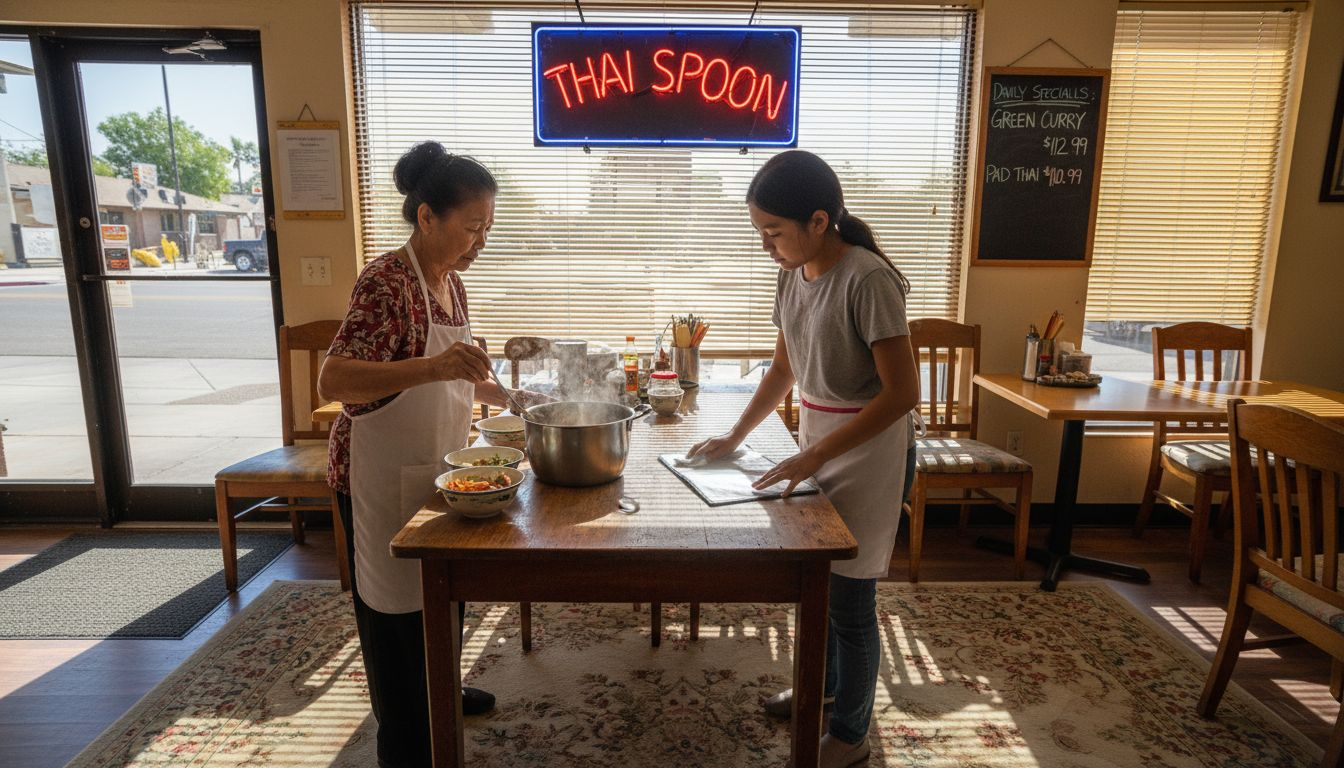
Every family searching for a meal that feels warm and genuine knows the difference real tradition can make. In Northwest Las Vegas, finding authentic Thai cuisine made by hands that carry family stories matters to those who crave heartfelt flavors alongside friendly faces. This guide highlights what sets local family-owned Thai restaurants apart through their rich recipes, personal service, and vibrant connection to the community, helping you discover memorable dining that feels truly special.
Table of Contents
Key Takeaways
Point | Details |
Cultural Heritage | Family-owned Thai restaurants preserve culinary traditions, offering a unique dining experience deeply rooted in family history and regional flavors. |
Personalized Service | These establishments prioritize individual customer relationships, creating a welcoming atmosphere that fosters community connections. |
Dietary Adaptability | Modern family-owned Thai restaurants accommodate diverse dietary needs, ensuring that health-conscious diners can enjoy authentic flavors without compromise. |
Authenticity vs. Chains | Unlike corporate chains, family-owned restaurants provide a genuinely immersive experience that emphasizes quality service and culinary authenticity. |
Defining Family-Owned Thai Restaurant Experience
Family-owned Thai restaurants represent more than just a dining establishment - they are living cultural repositories where generations of culinary expertise and tradition converge. These intimate dining spaces offer a unique experience that transcends standard restaurant interactions, creating an environment where authentic cuisine and personal connection blend seamlessly. Family restaurant dynamics reveal deep cultural roots that transform meal preparation from a commercial transaction into a meaningful storytelling opportunity.
What distinguishes family-owned Thai restaurants is their commitment to preserving traditional cooking methods while adapting to contemporary dining expectations. Unlike corporate restaurant chains, these establishments prioritize generational knowledge transfer, with recipes often passed down through multiple generations. Each dish becomes a narrative - representing not just flavor profiles, but family history, regional traditions, and personal memories. Restaurant experiences leverage deep cultural connections that create emotional resonance with customers beyond mere food consumption.
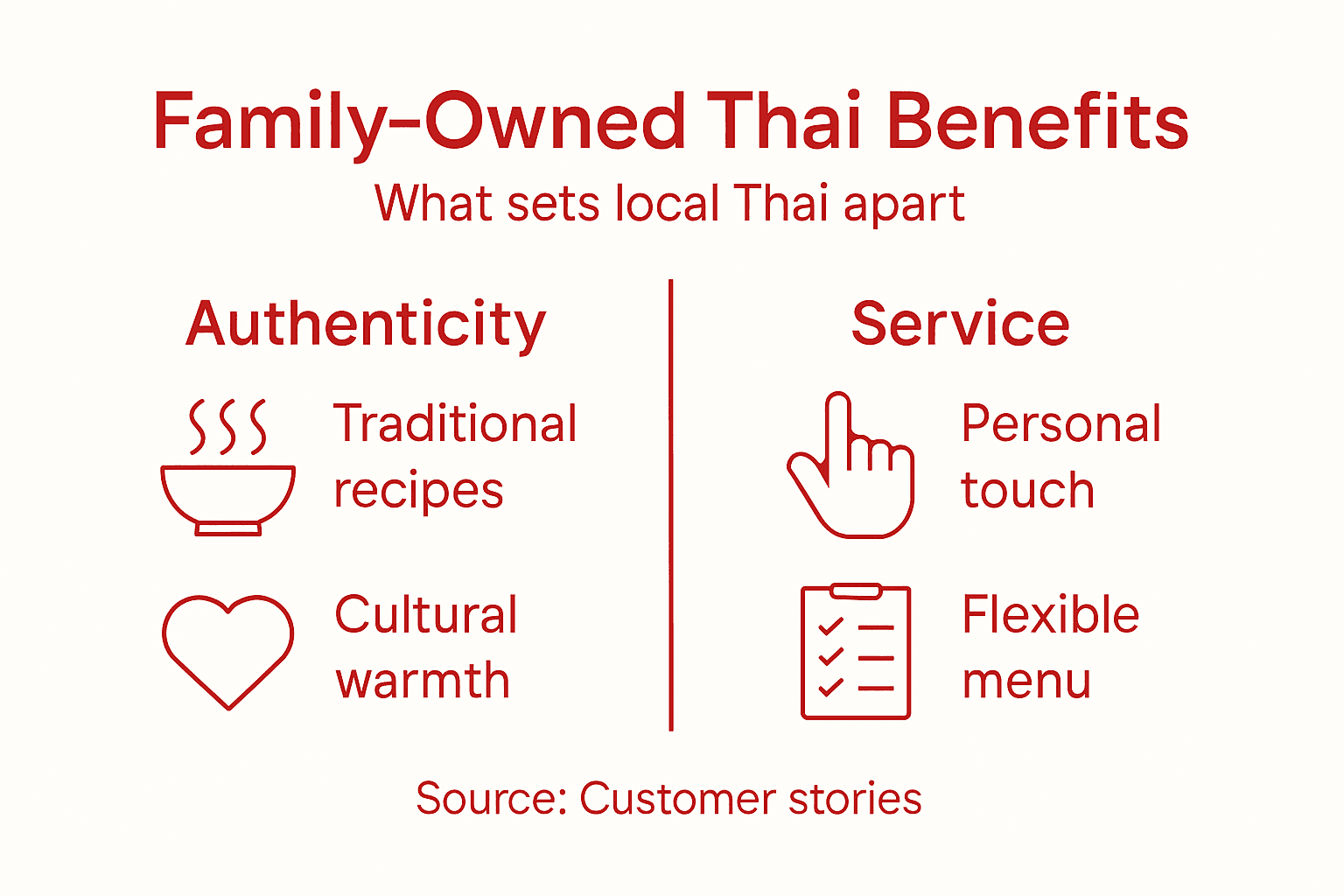
The hallmark of a true family-owned Thai restaurant includes several distinctive characteristics:
Personal service with genuine warmth
Recipes reflecting generations of culinary expertise
Commitment to traditional cooking techniques
Flexible menu offerings that honor family heritage
Intimate dining atmosphere that feels like home
Pro tip: When visiting a family-owned Thai restaurant, engage with staff about their culinary background and ask about the stories behind specific dishes to enhance your dining experience.
Authentic Thai Cuisine and Cultural Value
Authentic Thai cuisine represents far more than simple nourishment - it is a profound cultural experience that communicates generations of culinary wisdom and national identity. Culinary authenticity connects diners with cultural heritage, transforming each meal into a sensory journey through Thailand’s rich gastronomic landscape. The complexity of Thai cooking goes beyond ingredient selection, embodying a delicate balance of flavors, techniques, and cultural narratives that have been meticulously refined over centuries.
The cornerstone of authentic Thai cuisine lies in its remarkable flavor profile and sophisticated preparation methods. Thai cuisine represents global culinary excellence through its unique approach to balancing sweet, sour, salty, and spicy elements. Each dish tells a story of regional traditions, incorporating fresh herbs, complex spice combinations, and cooking techniques that have been passed down through generations. The intentional layering of flavors creates a dining experience that is simultaneously nuanced and bold, reflecting the dynamic cultural identity of Thailand.
Key characteristics that define authentic Thai cuisine include:
Harmonious flavor balance
Emphasis on fresh, seasonal ingredients
Complex spice and herb combinations
Techniques reflecting regional cooking traditions
Presentation that honors visual and sensory aesthetics
Pro tip: When exploring authentic Thai cuisine, pay attention to the intricate balance of flavors and ask restaurant staff about the cultural significance behind specific dishes.
Personalized Service and Community Connection
Family-owned Thai restaurants distinguish themselves through an extraordinary commitment to personalized service that transcends typical dining experiences. Building loyal customer relationships involves creating an environment where every guest feels like part of an extended family rather than just another customer. This approach transforms dining from a transactional interaction into a meaningful social experience, where staff members remember individual preferences, dietary restrictions, and even personal stories shared during previous visits.
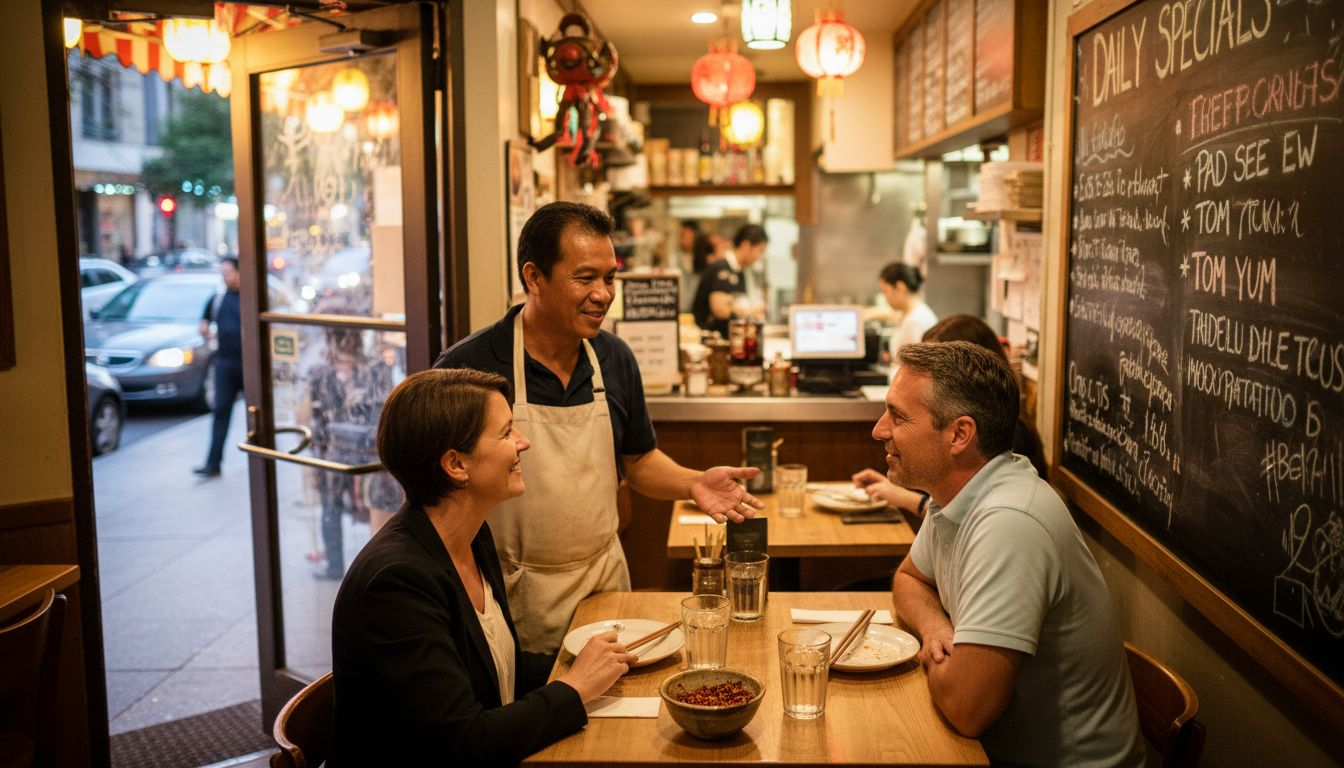
The essence of community connection in these restaurants goes far beyond mere hospitality. Local restaurants cultivate strong community bonds through intentional engagement that makes patrons feel genuinely valued. These establishments often serve as informal community gathering spaces, where local residents can connect, share meals, and build relationships. The owners typically live in the same neighborhood, understand local dynamics, and actively participate in community events, creating a sense of shared identity and mutual support.
Key aspects of personalized service in family-owned Thai restaurants include:
Remembering individual customer preferences
Offering customized menu recommendations
Providing attentive, warm customer interactions
Maintaining consistent quality and personal touch
Creating a welcoming, home-like atmosphere
Pro tip: Develop a rapport with restaurant staff by showing genuine interest in their culinary traditions and personal stories, which can transform your dining experience into a more meaningful connection.
Menu Variety for Modern Dietary Needs
Modern family-owned Thai restaurants have transformed their approach to menu design, recognizing the increasingly diverse dietary requirements of contemporary diners. Customer loyalty depends on menu variety by offering thoughtfully crafted options that cater to different nutritional needs and preferences. These establishments understand that today’s customers seek more than traditional dishes - they want meals that align with their health goals, dietary restrictions, and personal wellness journeys.
Family restaurants adapt to diverse dietary needs by creating flexible menu options that accommodate various dietary preferences. This approach means offering robust selections for vegetarians, gluten-sensitive individuals, and health-conscious diners without compromising the authentic flavors that define Thai cuisine. By maintaining the integrity of traditional recipes while introducing modern nutritional considerations, these restaurants bridge the gap between cultural authenticity and contemporary dietary expectations.
Key aspects of menu variety for modern dietary needs include:
The following table summarizes how modern family-owned Thai restaurants address various dietary needs:
Dietary Need | Modern Solution Example | Impact on Customer Satisfaction |
Vegetarian/Vegan | Tofu or seitan protein substitutes | Increases inclusivity and loyalty |
Gluten-Free | Rice noodles or specialty sauces | Attracts health-conscious eaters |
Low-Carbohydrate | Spiralized vegetable noodle options | Appeals to carb-reducing customers |
Reduced Sodium/Sugar | Lighter seasoning on request | Supports wellness-focused diners |
Spice Adjustment | Mild, medium, or extra spicy choices | Customizes experience for all ages |
Vegetarian and vegan protein alternatives
Gluten-free dish options
Low-carbohydrate and ketogenic-friendly meals
Reduced sodium and sugar alternatives
Customizable spice levels and ingredient substitutions
Pro tip: Ask your server about potential dish modifications and dietary accommodations to create a personalized meal that meets your specific nutritional requirements.
Comparing Family-Owned and Chain Restaurants
The landscape of dining experiences reveals fundamental differences between family-owned Thai restaurants and corporate chain establishments. Family restaurants compete through unique service by prioritizing personalized interactions and authentic culinary traditions that large chains often struggle to replicate. While chain restaurants benefit from standardized processes and widespread marketing, family-owned restaurants offer a deeply personal dining experience rooted in generations of culinary expertise and community connection.
Restaurant operational differences highlight competitive advantages that set family-owned establishments apart from corporate dining models. Chain restaurants typically focus on efficiency, predictable menu items, and scalable operations, whereas family-owned restaurants emphasize quality, individual customer relationships, and maintaining cultural authenticity. This approach allows smaller restaurants to create memorable experiences that transcend simple meal consumption, transforming dining into a narrative of cultural exchange and personal connection.
Key distinctions between family-owned and chain restaurants include:
Here’s a comparison of customer experience in family-owned versus chain Thai restaurants:
Aspect | Family-Owned Thai Restaurant | Chain Thai Restaurant |
Service Style | Personal, relationship-focused | Standardized, transaction-focused |
Menu Flexibility | Adaptable to requests | Pre-set and less customizable |
Culinary Authenticity | Recipes passed through generations | Menu designed for mass appeal |
Community Involvement | Strong local engagement | Limited local presence |
Dining Atmosphere | Warm, home-like setting | Uniform, corporate ambiance |
Depth of personalized service
Flexibility in menu offerings
Connection to local community
Authenticity of culinary traditions
Willingness to accommodate individual customer needs
Pro tip: Ask restaurant owners about their family’s culinary history to gain deeper appreciation for the unique story behind your meal.
Experience Authentic Family-Owned Thai Cuisine in Las Vegas
Choosing a family-owned Thai restaurant means embracing more than just great food. It offers a heartfelt connection to authentic recipes passed down through generations, personalized service, and a warm atmosphere that feels like home. If you are looking to enjoy traditional Thai flavors with the flexibility to meet modern dietary needs such as vegan and gluten-free options, the challenge of finding a genuine dining experience becomes simple with Thai Spoon Las Vegas.
Discover a local favorite that reflects the unique benefits highlighted in the article including personalized menu adaptability, community focus, and culinary authenticity. With convenient online ordering for pickup or delivery, special lunch and happy hour menus, and attentive service, Thai Spoon is the ideal choice for locals and visitors seeking a cultural dining experience away from tourist-heavy areas.
Why wait to enjoy exceptional Thai food that respects tradition and your personal preferences?
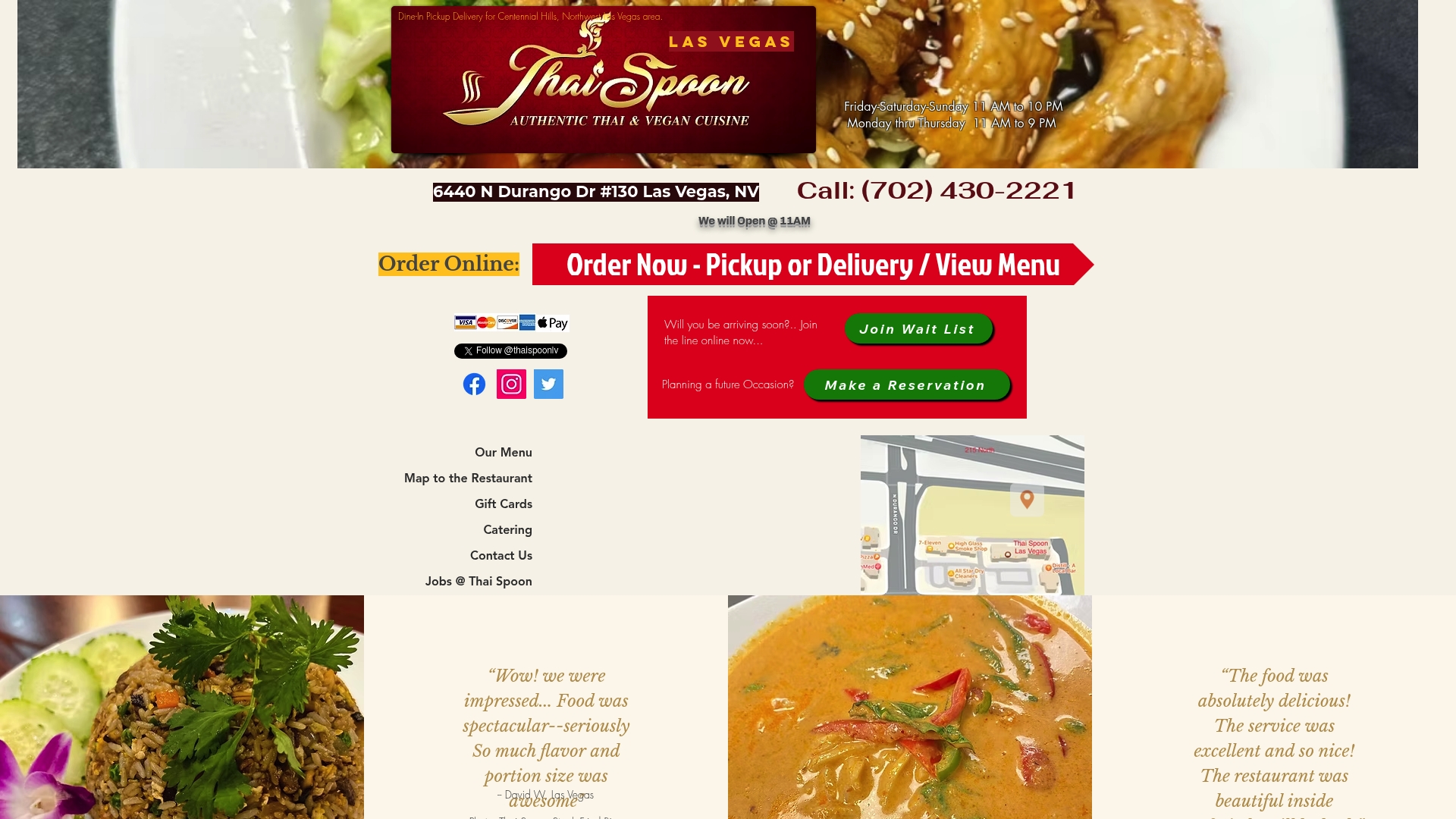
Explore the full menu and learn more about our story at Thai Spoon Las Vegas. Read customer testimonials, place your order, or reserve a table today to enjoy a warm, authentic Thai meal crafted with family care. Experience the true meaning of family-owned Thai dining by visiting our site now and taste the difference of tradition combined with modern convenience.
Frequently Asked Questions
What makes family-owned Thai restaurants unique?
Family-owned Thai restaurants offer a personal touch and a warm, inviting atmosphere that corporate chains often lack. They emphasize traditional cooking methods and recipes passed down through generations, creating a dining experience deeply rooted in cultural heritage.
How do family-owned Thai restaurants cater to modern dietary needs?
Many family-owned Thai restaurants adapt their menus to accommodate various dietary preferences, such as vegetarian, gluten-free, and low-carb options, without sacrificing the authentic flavors of Thai cuisine. They often offer customizable dishes to meet individual nutritional requirements.
Why is personalized service important in family-owned Thai restaurants?
Personalized service in family-owned Thai restaurants fosters a sense of community and connection. Staff often remember patrons’ preferences and provide tailored recommendations, transforming a meal into an experience that feels more like sharing a meal with family rather than a simple transaction.
How does the authenticity of cuisine differ between family-owned and chain restaurants?
Family-owned Thai restaurants typically focus on preserving authentic culinary traditions and flavor profiles, while chain restaurants often prioritize menu items designed for mass appeal and efficiency. This difference results in a more genuine dining experience at family-owned establishments.
Recommended
Comments