




Why Serve Asian Cuisine: Health, Flavor, and Community
- mail469793
- Jan 24
- 11 min read
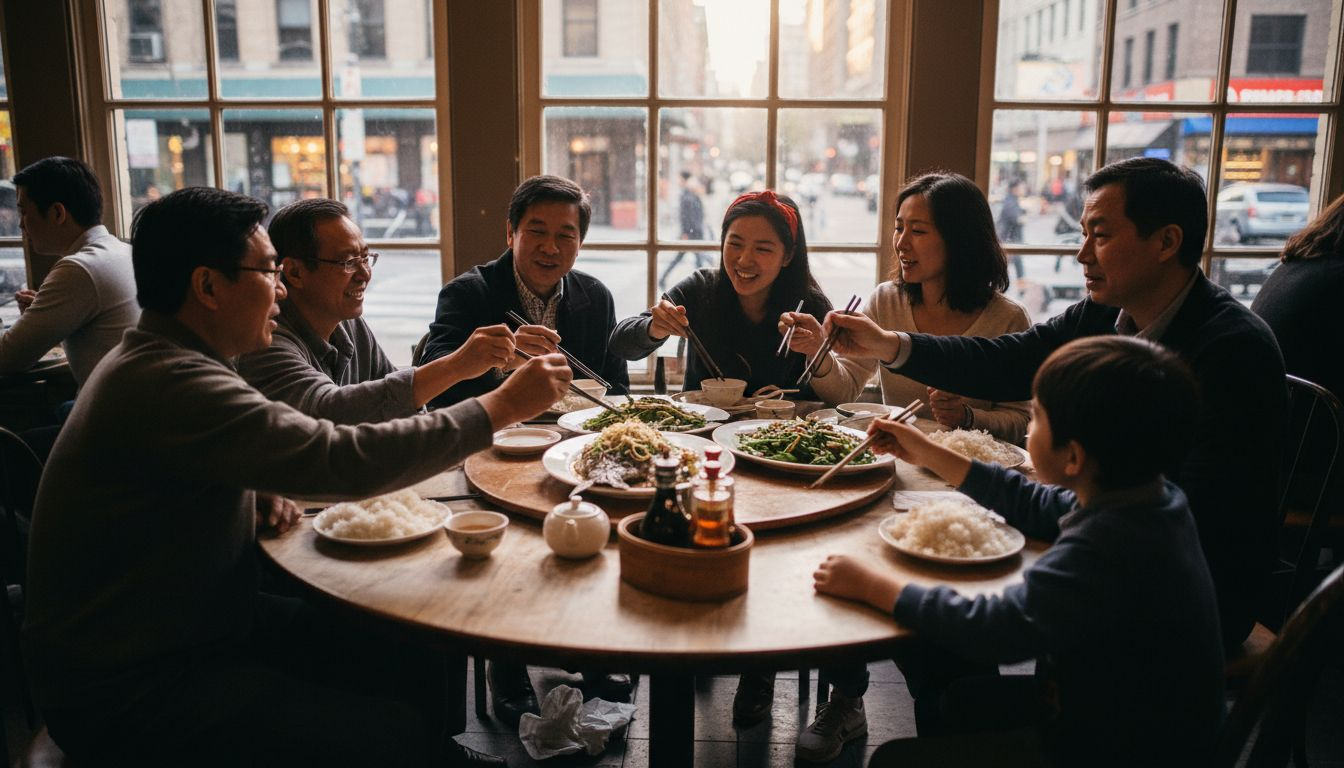
Every local in northwest Las Vegas who loves food eventually searches for a spot that serves real Thai flavor with options for every diet. Asian cuisine stands out because it brings together regional ingredients, time honored cooking styles, and a philosophy rooted in sharing meals as a celebration. Whether you seek vegan, gluten-free, or protein rich dishes, you experience distinctive layers of flavor and nutritional variety that make every visit both delicious and meaningful.
Table of Contents
Key Takeaways
Point | Details |
Unique Flavor Profiles | Asian cuisine features a combination of distinctive ingredients and cooking techniques that create complex flavors and experiences. |
Nutritional Advantages | Traditional Asian dishes prioritize vegetables and lean proteins, promoting health and wellness without excessive fats or processed ingredients. |
Cultural Significance | Dining in Asian cultures emphasizes community and shared meals, fostering connections and transmission of culinary heritage. |
Dietary Flexibility | Asian cuisine adapts easily to accommodate various dietary needs without compromising authenticity, allowing diners to enjoy diverse options together. |
What Makes Asian Cuisine Unique And Special
Asian cuisine stands apart from other global food traditions because it blends ancient wisdom, regional geography, and deeply rooted cultural values into every dish. What you’re eating when you order Thai food in northwest Las Vegas connects directly to centuries of culinary evolution shaped by trade, climate, and family traditions. The distinctiveness comes from three core elements working together: specific ingredient choices, time honored cooking techniques, and a philosophy that treats food as more than fuel.
The flavor foundation of Asian cuisine relies on a carefully curated set of ingredients that you won’t find in European or American kitchens. Fermented umami flavors from soy sauce, fish sauce, and miso create depth that builds as you eat, pulling you back for another bite. Alongside these stand ginger, garlic, sesame seeds, and chilis that work together to create layers rather than single notes. Fresh herbs like cilantro and basil aren’t afterthoughts but primary flavor components that define entire dishes. The cooking methods matter just as much as what goes into the pan. Stir-frying at high heat, steaming to preserve delicate textures, and careful deep-frying techniques all maximize flavor while keeping ingredients’ nutritional profiles intact. When Thai Spoon prepares your Pad Thai or Yellow Curry, these methods ensure you taste authentic flavors rather than simplified versions.
Beyond ingredients and techniques sits something less tangible but equally important: the cultural approach to eating itself. Asian dining traditions emphasize gathering around meals as family and community celebrations, where multiple dishes shared across a table create connection. This philosophy explains why Thai cuisine includes vegetable-forward, protein-rich, and balance-focused options all at once. Your vegan and gluten-free choices aren’t accommodations but natural extensions of Asian cooking that has always adapted to what people had available. The cuisine celebrates inclusion, making it naturally welcoming to diners with different dietary needs and preferences. What makes Asian cuisine truly special is that it refuses to be static. It evolved along ancient trade routes that spread spices globally, absorbed influences from neighboring regions, and continues transforming in modern cities while honoring heritage.
Pro tip: When ordering Thai cuisine, ask about traditional preparations or house specialties that balance sweet, salty, sour, and spicy elements, since understanding these flavor pillars helps you appreciate what makes each dish unique to the restaurant’s style.
Here’s a summary comparing key ingredients, techniques, and philosophy across Asian and Western cuisines:
Aspect | Asian Cuisine Example | Western Cuisine Example | Why It Matters |
Core Ingredients | Soy sauce, ginger, tofu | Olive oil, butter, cream | Distinct flavor bases |
Cooking Methods | Stir-frying, steaming | Baking, roasting | Texture and nutrition |
Philosophies | Shared, communal meals | Individual portions | Cultural dining impact |
Health Benefits Of Traditional Asian Dishes
Traditional Asian dishes deliver nutritional value that goes far beyond satisfying hunger. The cuisines across Asia have evolved over centuries to combine flavor with wellness, making them naturally aligned with what modern nutritionists recommend. When you order from Thai Spoon in northwest Las Vegas, you’re eating from a culinary tradition that prioritizes vegetables, lean proteins, and balanced flavors without relying on excessive fats or processed ingredients.
The foundation of Asian cuisine’s health profile starts with its core ingredients and cooking philosophy. Plant-based proteins like soybeans, tofu, and legumes appear in most traditional dishes, offering complete amino acid profiles without the saturated fat found in heavier meat-centered meals. Vegetables fill half your plate in authentic Thai preparations, delivering fiber, vitamins, and minerals that support digestion and immunity. The cooking methods matter significantly for health too. Stir-frying at high heat with minimal oil, steaming dumplings, and simmering soups preserve nutrients while keeping calorie counts manageable. Unlike Western preparation techniques that often layer in cream sauces or butter, Asian cooking maximizes flavor through spices, garlic, and ginger instead. These ingredients aren’t just flavor boosters either. Ginger aids digestion, garlic supports cardiovascular health, and turmeric provides anti-inflammatory benefits that have been documented in traditional medicine for thousands of years.
The nutritional approach in Asian cuisine emphasizes vegetables, soy products, and modest meat portions alongside mindful eating practices that support long-term wellness. Your vegan and gluten-free options at Thai Spoon aren’t compromises but rather authentic expressions of Asian cooking that has always accommodated different dietary needs. Southeast Asian dishes particularly excel at combining lean proteins with vegetable-rich preparations, while South Asian cuisines focus on high-fiber vegetarian plates. The challenge for diners comes from high sodium in some condiments and refined grains, but switching to whole grain rice or noodles and requesting lighter sauce preparation addresses these concerns easily. Traditional practice also includes consuming hot soups and unsweetened tea, which aid digestion and provide hydration without added sugars. This holistic approach to eating, paired with the cultural emphasis on sharing meals and physical activity, creates a complete wellness picture rather than isolated nutritional elements.
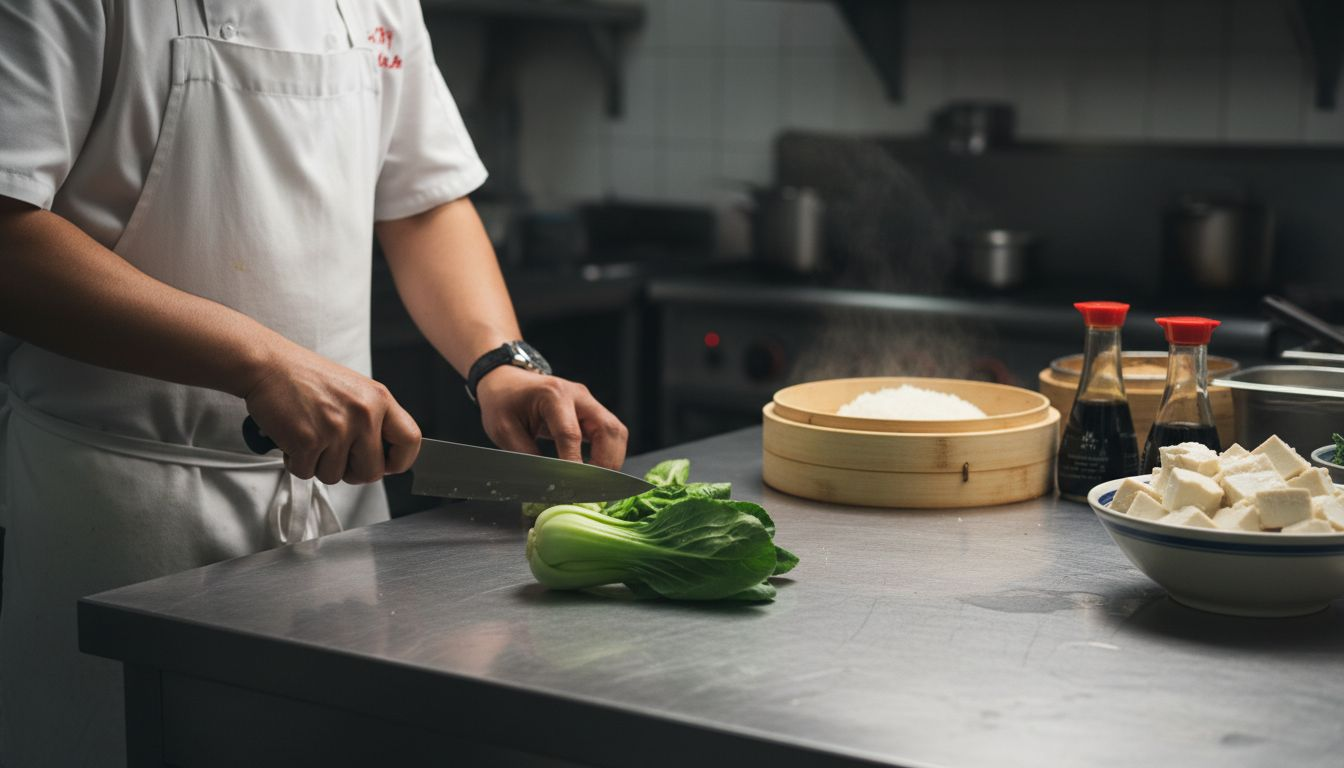
Pro tip: When ordering, request your dish prepared with less salt and ask if brown rice or whole wheat noodles are available, then pair your meal with green tea or water to maximize digestive benefits and reduce sodium intake.
Flavor Diversity And Dietary Flexibility
Asian cuisine stands out because it delivers wildly different flavor experiences within a single restaurant menu. Walking into Thai Spoon, a northwest Las Vegas resident might order a fiery curry, a delicate soup, a balanced stir-fry, and a mild noodle dish, each tasting distinctly different despite sharing core ingredients. This flavor diversity isn’t accidental. It comes from centuries of culinary refinement across different regions, climates, and cultural traditions that taught Asian cooks how to achieve completely different tastes by adjusting spice levels, cooking times, and ingredient ratios.
What makes Asian cuisine genuinely flexible is that it adapts to who’s eating without compromising authenticity or taste. Asian foodways exhibit vast flavor diversity reflecting regional variety in ingredients, techniques, and traditions, allowing genuine adaptation to local tastes and dietary preferences. Your vegan curry tastes like traditional curry because Asian cooking already relied on vegetables and plant proteins as primary components rather than optional sides. Someone ordering gluten-free pad thai isn’t getting a dumbed-down version. The core dish adapts naturally because tamari or coconut aminos replaces soy sauce without changing the fundamental flavor profile. A meat eater, vegetarian, and someone with shellfish allergies can all sit at the same table at Thai Spoon and order dishes they genuinely enjoy rather than settling for compromises.
The flexibility extends beyond dietary restrictions into personal taste preferences too. Traditional Asian diets vary regionally in flavors and styles while maintaining emphasis on vegetables, spices, seafood, and soy products in balanced ways. A diner who finds one dish too spicy can order another with identical ingredients but milder heat levels. Someone who loves bold umami flavors finds it in curries and stir-fries. Another person seeking lighter, fresher tastes gravitates toward soups and steamed preparations. The same kitchen produces all these variations without needing separate preparation areas or specialized skills. This isn’t marketing flexibility where everything tastes like nothing. It’s genuine culinary flexibility built into the cooking philosophy itself. Strong spices developed over centuries enable flavorful meals that taste completely different from each other while remaining equally authentic.
Pro tip: Talk with your server about flavor intensity and dietary needs upfront, then ask for recommendations that match your preference level, since Thai Spoon’s kitchen can customize heat, sweetness, and protein options while maintaining authentic taste.
Cultural Meaning And Community Connections
When you sit down at Thai Spoon with family or friends, you’re participating in something far deeper than ordering food. You’re engaging with a cultural practice that has defined communities for centuries. Food in Asian cultures serves as a powerful marker of identity and social connection, revealing historical influences while establishing group distinctions and communal bonds. Thai cuisine doesn’t exist in isolation. Each dish carries stories about trade routes, regional agriculture, family traditions, and the values that shape how people in Thailand and across Southeast Asia understand belonging and celebration.
Shared meals form the backbone of how Asian cultures transmit knowledge, strengthen relationships, and preserve heritage. Unlike dining traditions where individual plates arrive separately and people eat in relative isolation, Thai cuisine centers on communal eating where multiple dishes flow to the table and everyone shares. This isn’t just a practical arrangement. It’s a deliberate expression of values emphasizing interdependence, generosity, and the idea that food tastes better when experienced together. Your server at Thai Spoon understands this philosophy. When you order family-style, you’re not just getting more variety. You’re following a cultural practice where trying something from someone else’s plate, sharing recommendations, and debating flavor preferences becomes part of the meal itself. Traditional dishes and culinary customs transmit knowledge and reinforce social bonds, often serving as national or ethnic symbols that preserve unique histories and foster pride within communities.
For northwest Las Vegas residents, Thai Spoon becomes more than a restaurant. It functions as a cultural anchor where community members reconnect with heritage, where newcomers to Thai cuisine discover authentic flavors, and where food creates bridges between different backgrounds. The rituals embedded in how dishes are prepared, served, and eaten uphold cultural values that extend beyond the meal itself. When you order pad thai, you’re not consuming a random combination of noodles and sauce. You’re tasting generations of refinement, the accumulated knowledge of countless cooks, and the cultural significance of a dish that represents Thai identity globally. This connection between food and identity strengthens community bonds, whether you’re dining with family who shares your heritage or friends discovering Thai culture for the first time.
Pro tip: Bring family or friends to Thai Spoon and order multiple dishes to share family-style, then ask your server about the cultural significance of what you’re eating to deepen your connection to the cuisine and the traditions it represents.
Challenges And Common Pitfalls To Avoid
Asian cuisine offers tremendous health and flavor benefits, but navigating restaurant dining and prepared foods requires awareness. The biggest trap catches health-conscious diners off guard. Hidden fats, salt, and additives in restaurant foods can quietly undermine your nutritional goals even when you think you’re making smart choices. A pad thai that looks light might be prepared with generous oil. A curry that seems vegetable-forward could contain coconut milk that adds significant saturated fat. A sauce that tastes perfect balances that flavor partly through sodium that exceeds daily recommendations. The issue isn’t that these dishes are inherently unhealthy. It’s that restaurant cooking prioritizes flavor and consistency, which often means using more fat and salt than you’d use preparing the same dish at home. When ordering at Thai Spoon, ask specific questions about preparation rather than assuming anything.
Another pitfall involves oversimplifying Asian cuisine into a monolithic category rather than appreciating its genuine complexity. Western diners sometimes treat all Asian food as interchangeable, missing regional distinctions that have developed over centuries. Thai food differs fundamentally from Vietnamese, Chinese, Japanese, and Korean cuisines. Within Thailand itself, northern, southern, and northeastern regions prepare distinctly different dishes. Cultural misunderstanding or oversimplification obscures the diversity and complexity of Asian food practices. This matters practically because different cuisines have different nutritional profiles, ingredient bases, and preparation philosophies. If you assume all Asian food is the same, you miss opportunities to understand what makes each tradition unique. You also risk making poor choices when ordering.
Modern shifts away from traditional practices create additional challenges. Many Asian communities and restaurants have adapted to modern dietary trends, sometimes moving away from the plant-forward, whole-grain approaches that defined traditional eating. Increased reliance on refined grains, high-sodium condiments, and saturated fats represents a departure from healthful traditional practices. At home, you control these factors by choosing brown rice, requesting less sauce, and cooking with minimal oil. When dining out, communicate your preferences clearly. Ask for steamed instead of fried preparations, choose vegetable-rich dishes over meat-heavy options, and request sauces on the side so you control portions. These simple adjustments maintain the authentic flavors you’re seeking while aligning with healthful eating.
Pro tip: When ordering at Thai Spoon, ask your server how each dish is prepared, request vegetable-focused options, and specify preferences for less oil and reduced salt to enjoy authentic Thai flavor while keeping hidden fats and sodium in check.
This table highlights practical ways to enjoy the health and flexibility of Asian cuisine when dining out:
Dining Tip | Health Benefit | Flavor/Social Benefit |
Request less salt or oil | Lowers sodium and fat intake | Preserves authentic taste |
Choose vegetable-rich dishes | Boosts fiber and vitamins | Offers balance and variety |
Share dishes family-style | Supports moderation and variety | Enhances social connection |
Ask about traditional options | Maintains cultural authenticity | Explores unique flavors |
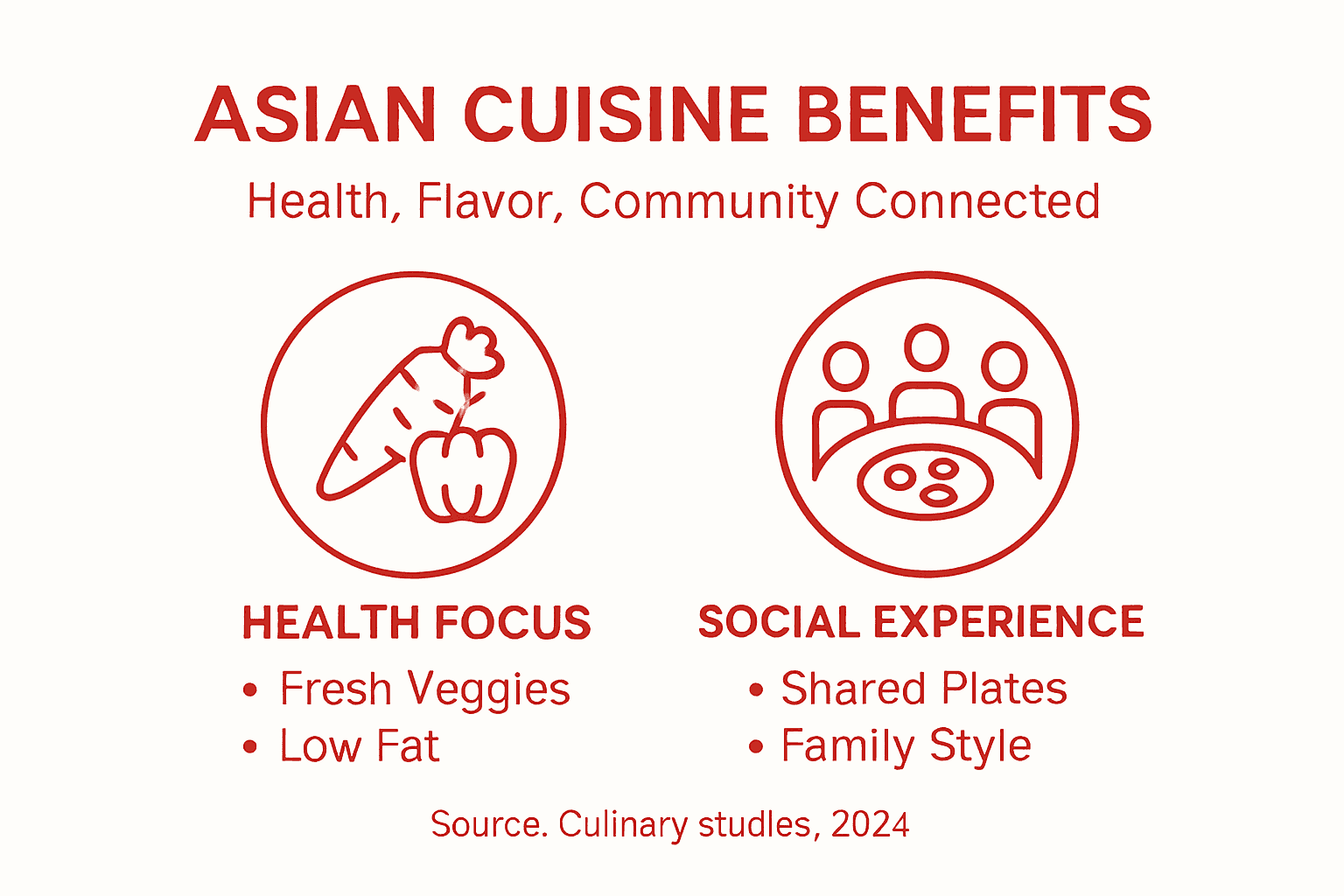
Experience Authentic Thai Cuisine That Balances Health Flavor and Community
If you are looking to enjoy the unique health benefits and rich flavors of traditional Asian cuisine while embracing the communal dining experience described in the article why not visit Thai Spoon in northwest Las Vegas Our menu features authentic Thai dishes such as Pad Thai Yellow Curry and Steak Fried Rice that cater to vegan and gluten-free diets ensuring you never have to compromise on taste or dietary needs. These dishes are prepared with care using traditional methods that preserve nutrients and deliver balanced flavors every time.
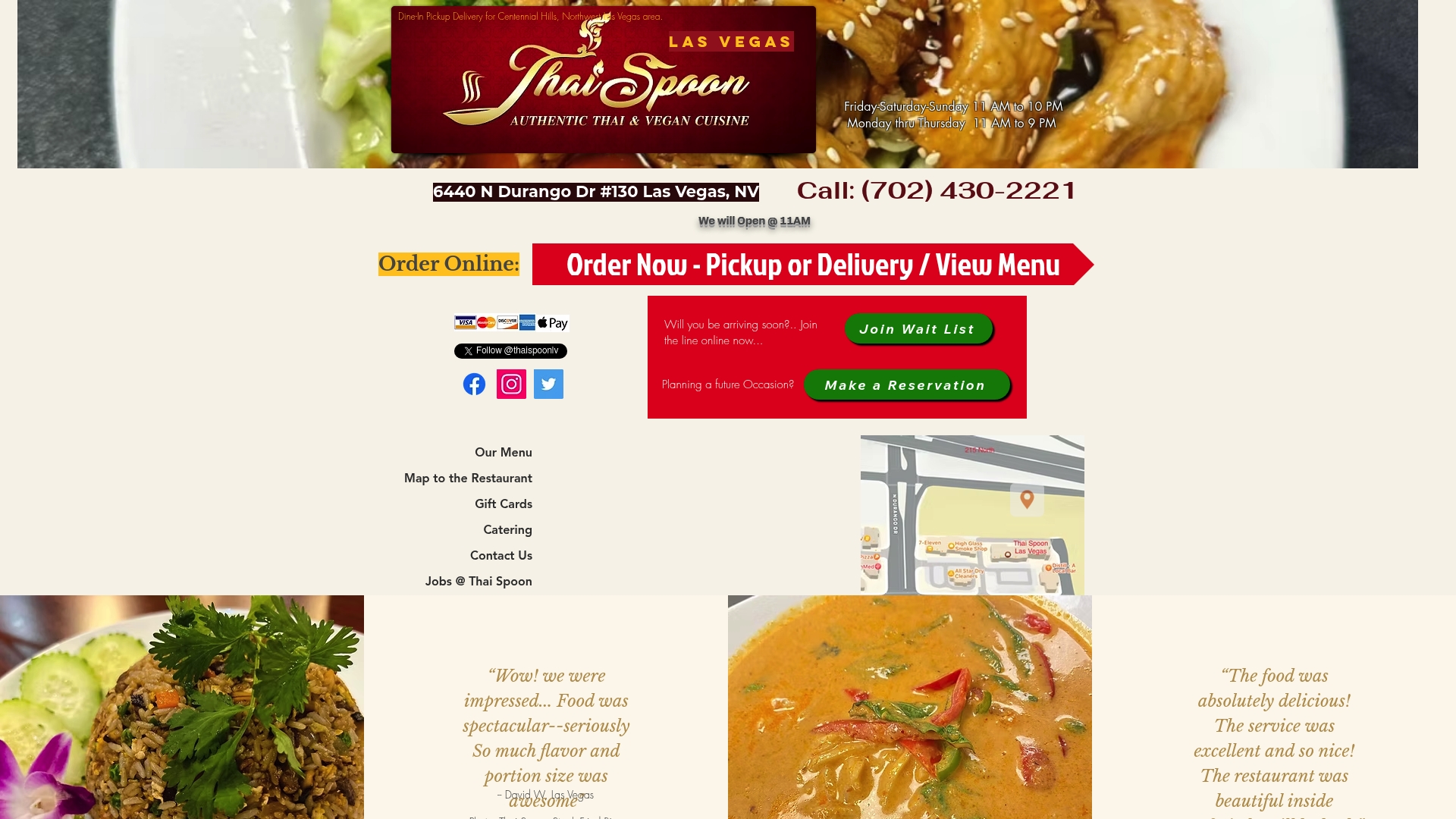
Discover how dining at Thai Spoon connects you with the cultural values of sharing and community bonding through family-style meals and diverse flavorful options Ask about our special lunch and happy hour menus or order online for convenient pick up or delivery. Don’t miss the chance to taste generations of culinary heritage while enjoying meals that support your health goals. Visit us today at Thai Spoon Las Vegas to explore our menu and experience authentic Thai cuisine that brings health flavor and community together.
Frequently Asked Questions
What are the health benefits of traditional Asian cuisine?
Traditional Asian dishes prioritize vegetables, lean proteins, and balanced flavors, which contribute to overall wellness. Cooking methods such as steaming and stir-frying help preserve nutrients while keeping calorie counts low, making them aligned with modern nutrition recommendations.
How do flavors in Asian cuisine differ from Western cuisine?
Asian cuisine incorporates a variety of unique ingredients such as soy sauce, ginger, and fish sauce, creating depth and complexity in flavors. The cooking techniques also vary, as Asian methods often emphasize high-heat stir-frying and steaming, resulting in different taste experiences compared to the baking and roasting prevalent in Western cooking.
What should I consider when ordering Asian dishes to maintain health?
When ordering Asian cuisine, it’s important to inquire about preparation methods and request modifications like less salt and oil. Choosing vegetable-rich dishes and asking for sauces on the side can help control sodium and calorie intake while enjoying the authentic flavors of the dishes.
How does communal dining enhance the experience of Asian cuisine?
Communal dining is central to Asian food culture, as it encourages sharing multiple dishes and fosters connections among diners. This practice not only enhances the meal experience but also reflects values of interdependence and generosity, making meals more meaningful and enjoyable.
Recommended
Comments