


7 Essential Tips for Authentic Thai Dining in Las Vegas
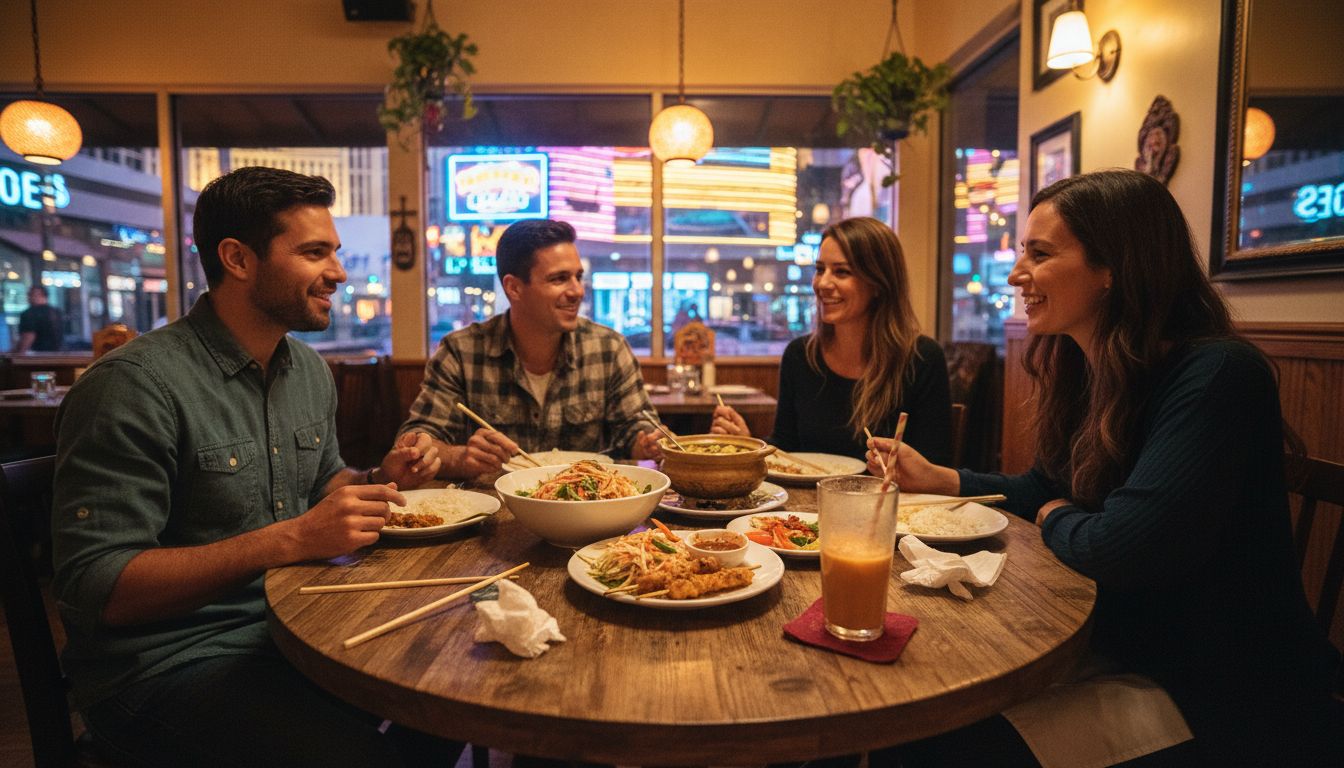
More than 50 percent of American diners say they crave bold and authentic flavors when trying global cuisine. Thai food delivers exactly that, blending sweet, sour, salty, and spicy notes into unforgettable meals. Whether you are new to these vibrant tastes or searching for truly traditional options, this guide reveals key ways to enjoy a genuine Thai dining experience from appetizers to etiquette.
Table of Contents
Quick Summary
Takeaway | Explanation |
1. Start with Authentic Thai Appetizers | Choose appetizers that showcase sweet, sour, salty, and spicy elements for a true taste of Thailand. |
2. Understand Spice Levels | Communicate your spice tolerance; start mild and gradually explore spicier dishes to enjoy the complex flavors. |
3. Embrace Family-Style Dining | Order multiple dishes to share and encourage sampling of different flavors, enhancing the communal dining experience. |
4. Explore Signature Dishes | Try classic dishes like Pad Thai and Tom Yum Soup to experience authentic Thai cuisine’s richness and tradition. |
5. Respect Dining Etiquette | Use a spoon as your primary utensil and embrace cultural norms, transforming your meal into a meaningful experience. |
1. Start With Authentic Thai Appetizers
Authentic Thai dining begins with exploring the vibrant world of appetizers that set the stage for an incredible culinary journey. These small bites are not just starters, but gateways into the complex flavor profiles that define Thai cuisine.
When exploring Thai appetizers, look for dishes that showcase the perfect balance of sweet, sour, salty, and spicy elements. Discovering authentic local Thai appetizers means understanding the rich tradition behind each bite.
Classic Thai Appetizers to Try:
Chicken Satay: Marinated grilled chicken skewers with peanut sauce
Shrimp Spring Rolls: Crispy rolls filled with fresh shrimp and vegetables
Deep Fried Tofu: Served with tangy Thai chili sauce
Pro tip: Authentic Thai appetizers are rarely just simple preludes to the main course. They are carefully crafted culinary experiences that reflect generations of cooking techniques and regional flavor traditions. Each appetizer tells a story about Thai culture through its ingredients and preparation method.
When dining out, ask your server about the most traditional appetizer recommendations. They can guide you toward dishes that represent the true essence of Thai street food and home cooking. Your appetizer selection can transform a standard meal into an extraordinary gastronomic adventure.
2. Understand Spice Levels and Flavor Profiles
Mastering Thai cuisine means understanding its intricate flavor balance a symphony of sweet, sour, salty, and spicy elements that dance across your palate. Understanding the role of spice in Thai cuisine reveals the artistry behind every bite.
Thai food is renowned for its complex flavor profiles that go far beyond simple heat. Key Flavor Components:
Sweet: Often from palm sugar or fruits
Sour: Typically from lime or tamarind
Salty: Usually from fish sauce
Spicy: Delivered through various chili peppers
When ordering, communicate your spice tolerance clearly. Most Thai restaurants offer a spectrum from mild to extremely hot. Start with lower spice levels and gradually explore more intense flavors. Some dishes like Yellow Curry tend to be milder, while Papaya Salad can deliver significant heat.
Practical Spice Navigation Tips:
Ask servers about specific dish heat levels
Request spice adjustments during ordering
Start with medium spice and adjust future orders
Remember that authentic Thai spice is about complexity not just burning intensity
The magic of Thai cuisine lies in its ability to balance multiple flavor dimensions. Each bite should tell a story of carefully selected ingredients working in perfect harmony.
3. Embrace Sharing and Family-Style Dining
Thai dining is an invitation to connection a culinary experience that transforms eating from a solitary activity into a communal celebration. Family-friendly Thai meals showcase the heart of this dining philosophy.
In authentic Thai culture, meals are not about individual plates but shared experiences. Key Principles of Shared Dining:
Everyone takes small portions from communal dishes
Multiple dishes are served simultaneously
Diners sample a wide variety of flavors
Conversation and interaction are integral to the meal
When dining out, consider ordering 3 to 4 dishes to share among your group. Aim for a mix of proteins, vegetables, and rice dishes. This approach allows everyone to taste different flavor profiles and textures.
Practical Sharing Strategies:
Request serving spoons for each dish
Start with milder dishes before spicy ones
Encourage everyone to try multiple items
Use individual rice bowls as a base for shared dishes
Sharing meals is more than a dining style it is a social ritual that creates connections and transforms eating into a collective experience. By embracing this approach, you will not just taste Thai food you will truly experience its cultural essence.
4. Choose Signature Thai Dishes to Try
Authentic Thai cuisine offers a vibrant landscape of flavors that goes far beyond standard restaurant fare. 7 Best Thai Dishes to Try provides an excellent roadmap for culinary exploration.
Classic Thai Dishes Every Diner Should Experience:
Tom Yum Soup: Spicy and sour broth with shrimp
Green Curry Chicken: Creamy coconut based curry
Pad Thai: Stir fried rice noodles with classic toppings
Massaman Curry: Rich curry with potatoes and meat
Som Tam: Spicy green papaya salad
When selecting dishes, consider your spice tolerance and desire for adventure. Start with milder options like Massaman Curry if you are new to Thai cuisine. These signature dishes represent centuries of culinary tradition and regional cooking techniques.
Pro Tips for Dish Selection:
Ask servers about daily specials
Request recommendations based on your flavor preferences
Consider sharing multiple dishes to maximize tasting opportunities
Be open to trying unfamiliar ingredients
Authentic Thai dining is about experiencing a culinary journey one bite at a time. Each dish tells a story of regional ingredients, cooking methods, and cultural heritage.
5. Respect Thai Dining Etiquette and Customs
Authentic Thai dining is an art form that extends far beyond the food itself a cultural experience rooted in respect and tradition. Understanding Thai cuisine culture reveals the nuanced etiquette that makes each meal special.
Key Thai Dining Etiquette Principles:
Use a spoon as your primary eating utensil
Hold the spoon in your right hand
Use a fork to help guide food onto the spoon
Avoid cutting food with a knife
Wait for the host to begin eating
Unique Utensil Techniques: In Thai restaurants, you will typically find a spoon and fork as your primary dining tools. Unlike Western dining, knives are rarely used since Thai cuisine traditionally serves food in bite sized pieces that are easy to eat.
Cultural Dining Considerations:
Do not start eating before others at the table
Compliment the chef or host
Eat slowly and enjoy conversation
Show appreciation for the meal
Be mindful of communal dining styles
Remember that Thai dining is about more than just consuming food. It is a social ritual that celebrates connection, respect, and shared experiences. By understanding and embracing these customs, you transform a simple meal into a meaningful cultural exchange.
6. Explore Vegan and Gluten-Free Thai Options
Thai cuisine offers an incredible array of plant-based and dietary-friendly options that prove healthy eating can be wildly delicious. Delicious examples of vegan Thai dishes reveal the remarkable versatility of Thai cooking.
Vegan and Gluten-Free Thai Dish Highlights:
Vegetable Green Curry: Coconut milk based with tofu
Papaya Salad: Fresh vegetables and tangy dressing
Vegetable Pad Thai: Rice noodles with plant protein
Mango Sticky Rice: Traditional vegan dessert
Tom Kha Vegetable Soup: Creamy coconut base
Buddhist culinary traditions deeply influence Thai cuisine’s plant-based offerings. Many dishes are naturally vegan or can be easily modified to accommodate dietary restrictions.
Dietary Modification Tips:
Ask servers about ingredient substitutions
Request tofu instead of meat
Confirm no fish sauce in vegetarian dishes
Specify gluten-free requirements when ordering
Explore regional variations of plant-based dishes
Authentic Thai cuisine demonstrates that dietary restrictions do not mean compromising flavor. With thoughtful choices, you can enjoy a vibrant culinary experience that celebrates both tradition and personal nutrition needs.
7. Pair Dishes With Traditional Thai Beverages
Traditional Thai beverages transform a simple meal into a sophisticated culinary journey, offering complementary flavors that elevate your dining experience. Understanding authentic Thai taste profiles reveals the art of perfect beverage pairings.
Traditional Thai Beverage Options:
Thai Iced Tea: Sweet and creamy
Coconut Water: Refreshing and light
Singha Beer: Classic Thai lager
Lemongrass Juice: Herbal and aromatic
Nam Matoom: Bael fruit drink
Pairing Strategy Guidelines:
Match spicy dishes with sweet drinks
Choose light beverages for rich curries
Consider nonalcoholic options for full flavor experience
Experiment with herbal and fruit based drinks
Ask servers for recommended pairings
Authentic Thai dining is about balance and harmony. Your beverage selection is not just a drink but an integral part of the culinary storytelling. By exploring traditional Thai beverages, you transform a meal into a multisensory experience that celebrates centuries of cultural wisdom.
Below is a comprehensive table summarizing the key elements of authentic Thai dining, including appetizers, flavor profiles, shared dining customs, signature dishes, etiquette, dietary options, and beverage pairings.
Topic | Description | Key Considerations |
Authentic Appetizers | Start with appetizers like Chicken Satay and Shrimp Spring Rolls to experience complex Thai flavors. | Balance sweet, sour, salty, and spicy elements. |
Spice Levels & Flavor Profiles | Understand the balance of flavors such as sweet, sour, salty, and spicy. | Communicate spice tolerance and explore a range of heat levels. |
Shared Dining | Embrace the Thai cultural tradition of family-style dining with multiple shared dishes. | Order diverse dishes to experience flavors and promote interaction. |
Signature Dishes | Try classic dishes like Tom Yum Soup and Pad Thai for a taste of Thai culinary tradition. | Consider spice tolerance and ask for recommendations. |
Dining Etiquette | Follow Thai customs such as using a spoon for eating and waiting for the host to start. | Respect communal dining styles and show appreciation. |
Vegan & Gluten-Free Options | Explore plant-based dishes like Vegetable Green Curry and Mango Sticky Rice. | Modify ingredients and confirm dietary needs with servers. |
Beverage Pairings | Complement meals with traditional drinks like Thai Iced Tea and Singha Beer. | Pair spicy dishes with sweet drinks and choose light beverages for rich meals. |
Experience Authentic Thai Dining in Las Vegas Today
Struggling to find genuine Thai flavors that honor the rich balance of sweet sour salty and spicy elements while respecting traditional dining customs Thai Spoon Las Vegas understands these essential aspects of authentic Thai cuisine and brings them directly to your table. Our menu features carefully crafted dishes like Pad Thai Yellow Curry and vegan gluten-free options that reflect true Thai culinary heritage. Enjoy a welcoming family-style atmosphere that invites sharing great food and making meaningful connections.
Discover the essence of Thai dining with us and explore our special lunch menus happy hour deals and convenient online ordering for pickup or delivery. Don’t miss the chance to savor traditional taste profiles paired with friendly community spirit just 20 minutes from the Strip. Visit Thai Spoon Las Vegas now and transform your meal into an unforgettable cultural experience. Start your authentic Thai journey with our menu offerings and book your table or order today.
Frequently Asked Questions
What are the must-try authentic Thai appetizers in Las Vegas?
Authentic Thai appetizers to try include Chicken Satay, Shrimp Spring Rolls, and Deep Fried Tofu. Start your culinary journey by exploring these small bites that offer a taste of Thai culture and flavor.
How do I effectively communicate my spice tolerance at a Thai restaurant?
Clearly express your spice preference when ordering by using terms like mild, medium, or hot. If you’re unsure, start at a medium level and adjust in future visits based on your experience.
What is the dining etiquette I should follow while enjoying Thai cuisine?
Use a spoon as your primary utensil and hold it in your right hand, using a fork only to push food onto the spoon. Wait for the host to start eating before you begin, and enjoy the meal slowly to encourage conversation.
How can I share dishes effectively when dining with a group?
Order 3 to 4 diverse dishes that include a mix of proteins, vegetables, and rice for sharing. Use serving spoons to ensure everyone enjoys a variety of flavors without overwhelming any single dish.
Are there vegan and gluten-free options available in Thai cuisine?
Yes, many Thai dishes are naturally vegan or can be modified to be gluten-free. When ordering, ask your server about plant-based options, and specify any dietary restrictions to ensure a satisfying meal.
What traditional beverages pair well with Thai dishes?
Consider pairing Thai Iced Tea, Coconut Water, or Singha Beer with your meal. Choose beverages based on the dishes’ flavor profiles, such as sweet drinks with spicy dishes for balance.
Recommended
Comments