


Authentic vs Fusion Thai Food: Flavor, Culture, and Choice
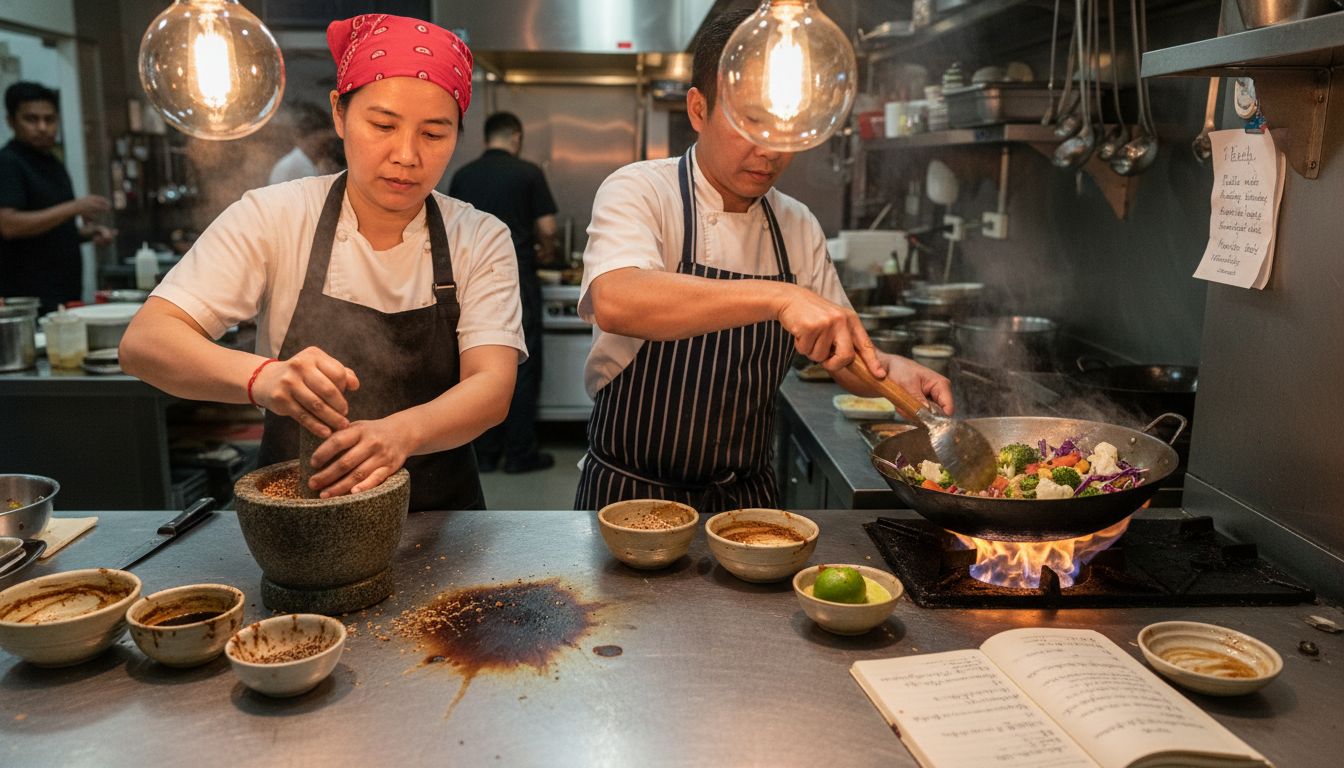
Most American diners are surprised to learn that over 60 percent of Thai restaurants in the United States actually serve fusion dishes rather than purely traditional recipes. This blending of authentic and fusion Thai food matters because it shapes how people experience Thai cuisine beyond Thailand itself. Exploring what truly defines authentic versus fusion Thai food will help you discover why the flavors and traditions behind your favorite dishes are more complex and fascinating than you might expect.
Table of Contents
Key Takeaways
Point | Details |
Authentic Thai Cuisine | Emphasizes traditional techniques, local ingredients, and cultural heritage, delivering complex flavor profiles that reflect regional variations. |
Fusion Thai Cuisine | Combines traditional Thai flavors with international techniques, creating innovative dishes that appeal to modern palates while honoring cultural roots. |
Culinary Diversity in Las Vegas | The city’s multicultural dining scene allows Thai restaurants to explore both authentic and fusion offerings, enhancing the overall culinary experience for diners. |
Personal Preference | Choosing between authentic and fusion Thai cuisine is subjective; each offers a distinct journey of flavors based on individual taste and culinary curiosity. |
Defining Authentic and Fusion Thai Food
Authentic Thai cuisine represents a culinary tradition deeply rooted in cultural heritage, characterized by complex flavor profiles that balance sweet, sour, salty, and spicy elements. Traditional Thai cooking techniques emphasize fresh ingredients, intricate preparation methods, and regional variations that reflect Thailand’s diverse geographical landscape.
Fusion Thai cuisine emerges as a contemporary culinary approach that reimagines traditional flavors through innovative techniques and cross-cultural ingredient combinations. Thai fusion restaurants like the Michelin-starred R-HAAN demonstrate this evolution by integrating classic Thai flavor profiles with international cooking methods, creating dishes that respect traditional foundations while embracing global gastronomic trends.
The key distinctions between authentic and fusion Thai food lie in their preparation, ingredient sourcing, and culinary philosophy. Authentic Thai cuisine prioritizes traditional cooking techniques passed through generations, using local herbs, spices, and time-honored recipes. Fusion Thai cuisine, conversely, represents a creative reinterpretation that experiments with ingredient pairings, presentation styles, and cooking techniques from multiple culinary traditions. For instance, a traditional Thai red curry might be transformed into a molecular gastronomy experience or combined with French cooking techniques, maintaining core Thai flavor principles while presenting them through a contemporary lens.
At its core, fusion Thai cuisine is not about diluting cultural traditions but expanding culinary boundaries. By thoughtfully blending techniques and ingredients, chefs create innovative dishes that honor Thai culinary heritage while appealing to modern, globalized palates. This approach allows diners to experience familiar Thai flavors through unexpected and exciting presentations, bridging traditional cooking and contemporary culinary innovation.
Signature Dishes and Flavor Profiles Compared
Authentic and fusion Thai cuisines showcase distinctive flavor profiles that highlight the remarkable complexity of Thai culinary traditions. Thai taste profiles are renowned for their intricate balance of sweet, sour, salty, and spicy elements, creating a harmonious sensory experience that distinguishes these cuisines from other global cooking styles.
Traditional dishes like Phanaeng curry represent the essence of authentic Thai cuisine, featuring a thick, creamy texture with mildly sweet and aromatic flavors typically prepared with red curry paste and coconut cream. In contrast, fusion Thai dishes push culinary boundaries by integrating international techniques, such as the innovative Yuzu Ponzu Sashimi that blends Japanese preparation methods with traditional Thai flavor principles.
The signature dishes of authentic and fusion Thai cuisines reveal fascinating differences in preparation and presentation. Authentic dishes like Tom Yum soup, Pad Thai, and green curry maintain strict adherence to traditional recipes, using local herbs, specific spice combinations, and cooking techniques passed through generations. Fusion Thai dishes, however, reimagine these classics by incorporating unexpected ingredients or cooking methods from other culinary traditions, creating exciting new flavor experiences that respect the original dish’s core characteristics.
Understanding these flavor profiles requires appreciating the nuanced techniques that define each approach. Authentic Thai cuisine emphasizes fresh, locally sourced ingredients and precise cooking methods that have been refined over centuries. Fusion Thai cuisine, while building upon this foundation, introduces creative interpretations that appeal to contemporary global palates, offering diners an innovative culinary journey that bridges traditional flavors with modern gastronomic experimentation.
Influence of Culture and Ingredients in Thai Cuisine
Thai cuisine culture represents a profound culinary tradition deeply intertwined with historical, geographical, and social influences that shape its unique gastronomic identity. The complexity of Thai cooking goes far beyond mere ingredient selection, embodying a holistic approach that connects food preparation with cultural expression, community connections, and centuries of culinary evolution.
The remarkable complexity of Thai ingredients plays a critical role in defining its distinctive flavor profiles. Signature ingredients like palm sugar, tamarind paste, and various chilies are essential in achieving the intricate balance of sweet, sour, spicy, and salty flavors that characterize authentic Thai cuisine. These ingredients are not just components of a recipe, but storytellers of regional traditions, agricultural practices, and cultural interactions that have shaped Thai culinary heritage over generations.
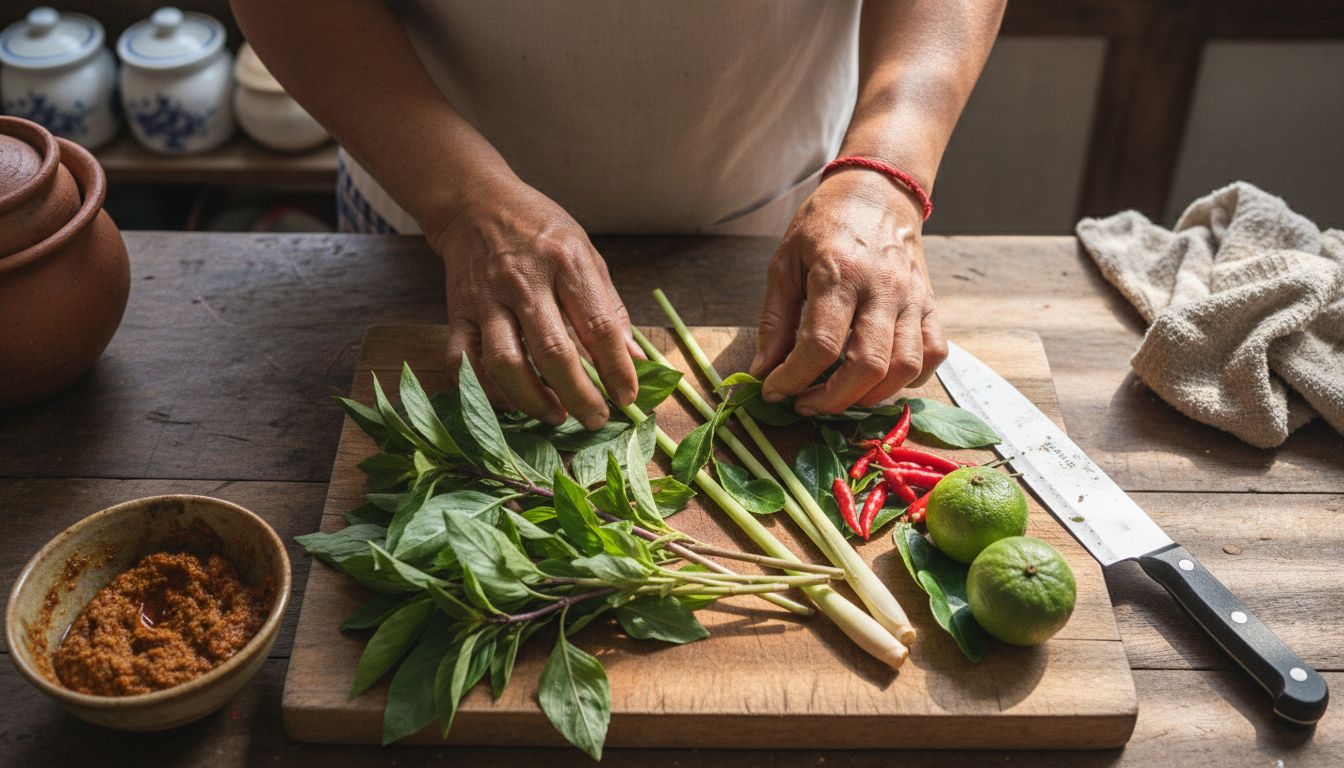
Cultural influences in Thai cuisine extend beyond ingredients to encompass cooking techniques, presentation styles, and philosophical approaches to food preparation. Each region of Thailand contributes unique ingredients and cooking methods, reflecting local agricultural conditions, historical trade routes, and cultural exchanges. Northeastern Thai cuisine differs dramatically from Southern Thai cuisine, with variations in spice levels, ingredient availability, and cooking techniques that demonstrate the rich diversity within a single national culinary tradition.
The evolution of Thai cuisine reflects a dynamic cultural landscape that continuously adapts while maintaining deep respect for traditional cooking principles. Fusion approaches to Thai cooking represent not a departure from tradition, but a contemporary dialogue between historical culinary practices and global gastronomic innovations. By understanding the intricate relationship between ingredients, cultural context, and cooking techniques, diners can appreciate Thai cuisine as a living, breathing cultural expression that transcends simple nutrition to become a profound form of cultural communication.
How Las Vegas Shapes Thai Dining Experiences
Las Vegas Thai restaurants represent a vibrant culinary landscape that reflects the city’s unique multicultural dining environment. The desert metropolis has transformed into a remarkable destination for Thai cuisine, offering diverse dining experiences that range from traditional street food interpretations to sophisticated fusion concepts that challenge and expand culinary boundaries.
Las Vegas’ diverse culinary scene enables Thai restaurants to experiment with innovative dining concepts that blend traditional flavors with contemporary presentation styles. This dynamic environment allows chefs to create dining experiences that simultaneously honor authentic Thai culinary traditions while appealing to the city’s cosmopolitan and adventurous food enthusiasts.
The multicultural nature of Las Vegas provides a unique platform for Thai restaurants to explore creative culinary expressions. Unlike more geographically isolated cities, Las Vegas attracts a global audience of travelers and residents who are eager to experience diverse and authentic cuisines. This openness creates a receptive environment where Thai chefs can introduce both traditional and fusion dishes, knowing they will find an appreciative and sophisticated dining community willing to explore complex flavor profiles.
Ultimately, Las Vegas serves as a culinary crossroads that transforms Thai dining from a simple meal into an immersive cultural experience. The city’s restaurants do more than serve food they create gastronomic narratives that connect diners with the rich, nuanced traditions of Thai cuisine. By embracing both authenticity and innovation, Las Vegas Thai restaurants offer a dining landscape that celebrates cultural diversity, culinary creativity, and the universal language of delicious, thoughtfully prepared food.
Choosing Between Authentic and Fusion Options
Choosing between authentic and fusion Thai cuisine involves understanding personal taste preferences, culinary curiosity, and the unique dining experience each style offers. How to enjoy local Thai cuisine requires an open mind and willingness to explore the nuanced flavor profiles that distinguish these culinary approaches.
Authentic Thai options provide a direct connection to traditional cooking methods, featuring recipes passed down through generations with minimal external influences. These dishes represent a purist approach that prioritizes original flavor combinations, regional ingredient specifics, and time honored preparation techniques. Diners seeking a genuine cultural experience will appreciate the depth and complexity of traditional Thai recipes that tell stories of regional history and agricultural practices.
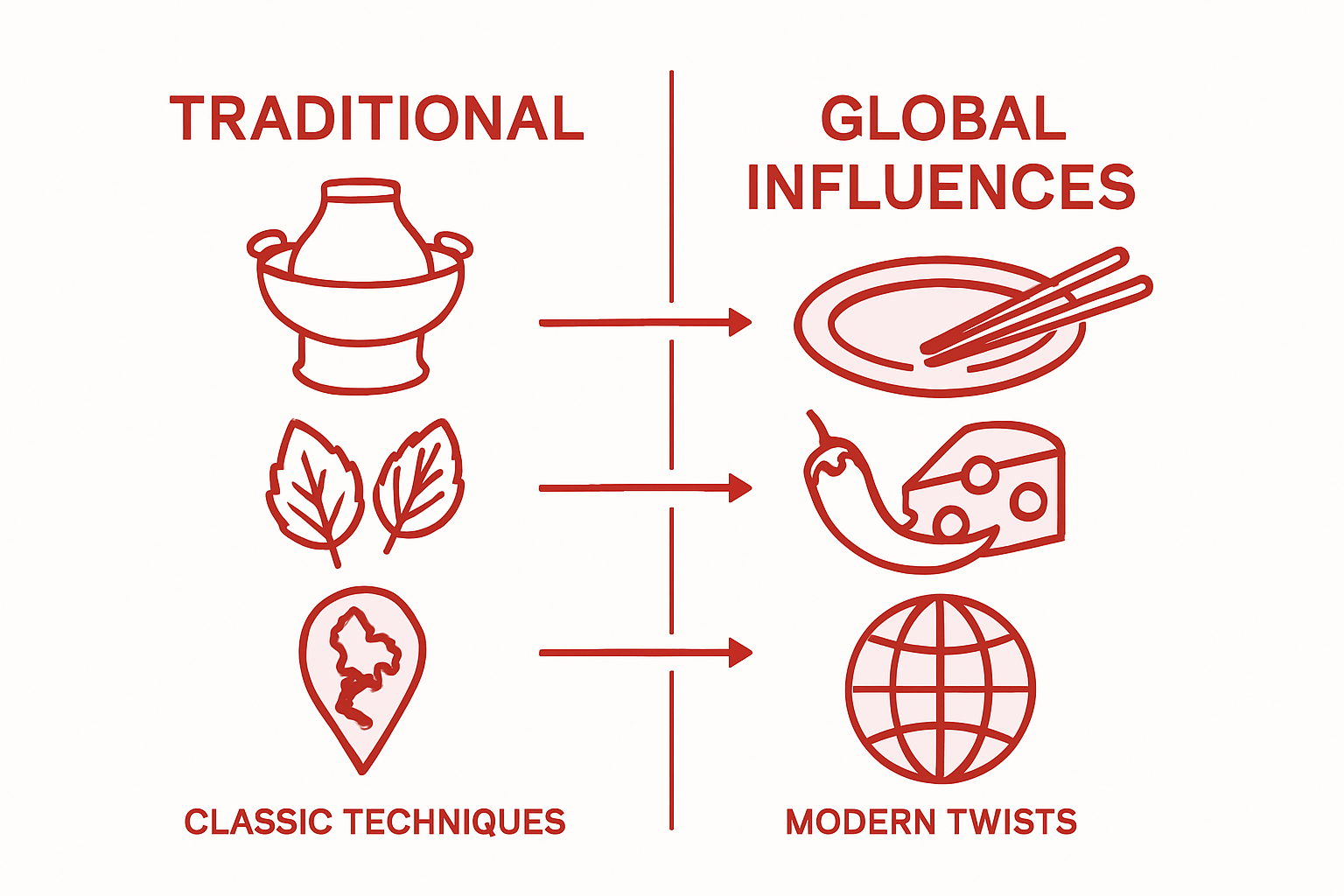
Fusion Thai cuisine, by contrast, represents a dynamic culinary dialogue that bridges traditional flavors with contemporary global influences. These innovative dishes appeal to adventurous eaters who enjoy unexpected flavor combinations and modern presentation styles. Fusion options allow chefs to reimagine classic Thai recipes through creative interpretations, incorporating techniques and ingredients from international culinary traditions while maintaining the fundamental essence of Thai flavor principles.
Ultimately, the choice between authentic and fusion Thai cuisine is a personal journey of gastronomic exploration. Some diners will prefer the deep cultural roots of traditional recipes, while others will be drawn to the innovative spirit of fusion cooking. The beauty of Thai cuisine lies in its remarkable ability to accommodate diverse palates, offering something extraordinary for every type of food enthusiast willing to embark on a flavorful adventure.
Experience Authentic and Fusion Thai Flavors Right Here in Las Vegas
Are you torn between craving the deep cultural roots of Authentic Thai cuisine and the exciting innovation of Fusion Thai dishes? At Thai Spoon Las Vegas, we understand this delicious dilemma. Whether you seek the traditional balance of sweet, sour, salty, and spicy flavors in classic dishes like Pad Thai and Yellow Curry or want to explore vibrant new taste combinations that fuse culinary traditions, we have you covered.
Discover a dining experience that respects Thai heritage while embracing today’s global influences. Visit us to enjoy fresh, authentic ingredients and creative menu options including vegan and gluten-free choices. You can savor our special lunch and happy hour menus or conveniently order online for pickup or delivery. Don’t wait to taste the perfect harmony of flavor and culture that Las Vegas locals love. Explore our full menu and join the community eager to celebrate Thai cuisine the way it was meant to be enjoyed at Thai Spoon Las Vegas. Embrace your culinary adventure now and see why we are the top choice for authentic and fusion Thai food in northwest Las Vegas.
Frequently Asked Questions
What defines authentic Thai cuisine?
Authentic Thai cuisine is characterized by its use of traditional cooking methods, fresh local ingredients, and a balance of sweet, sour, salty, and spicy flavors. It prioritizes recipes and techniques passed down through generations, reflecting the rich cultural heritage of Thailand.
How does fusion Thai cuisine differ from authentic Thai cuisine?
Fusion Thai cuisine reinterprets traditional Thai flavors by incorporating techniques and ingredients from various culinary traditions. This results in innovative dishes that maintain core Thai flavors while presenting them in unique and contemporary styles, unlike authentic cuisine, which adheres strictly to traditional recipes.
What are some examples of authentic Thai dishes?
Some popular authentic Thai dishes include Tom Yum soup, Pad Thai, and Phanaeng curry. These dishes emphasize traditional flavor profiles and cooking methods using locally sourced ingredients and specific spice combinations.
Can fusion Thai cuisine still reflect traditional Thai flavors?
Yes, fusion Thai cuisine can reflect traditional Thai flavors while exploring new culinary expressions. Chefs create dishes that respect the essential characteristics of Thai cuisine while blending international influences, allowing for exciting new flavor experiences.
Recommended
Understanding Multicultural Food Safety for All - Probe IT
Comments