


Bangkok's Must-Try Thai Foods: Top Dishes & Where to Eat
TL;DR:
Authentic Thai dishes are characterized by traditional ingredients, local popularity, and regional uniqueness.
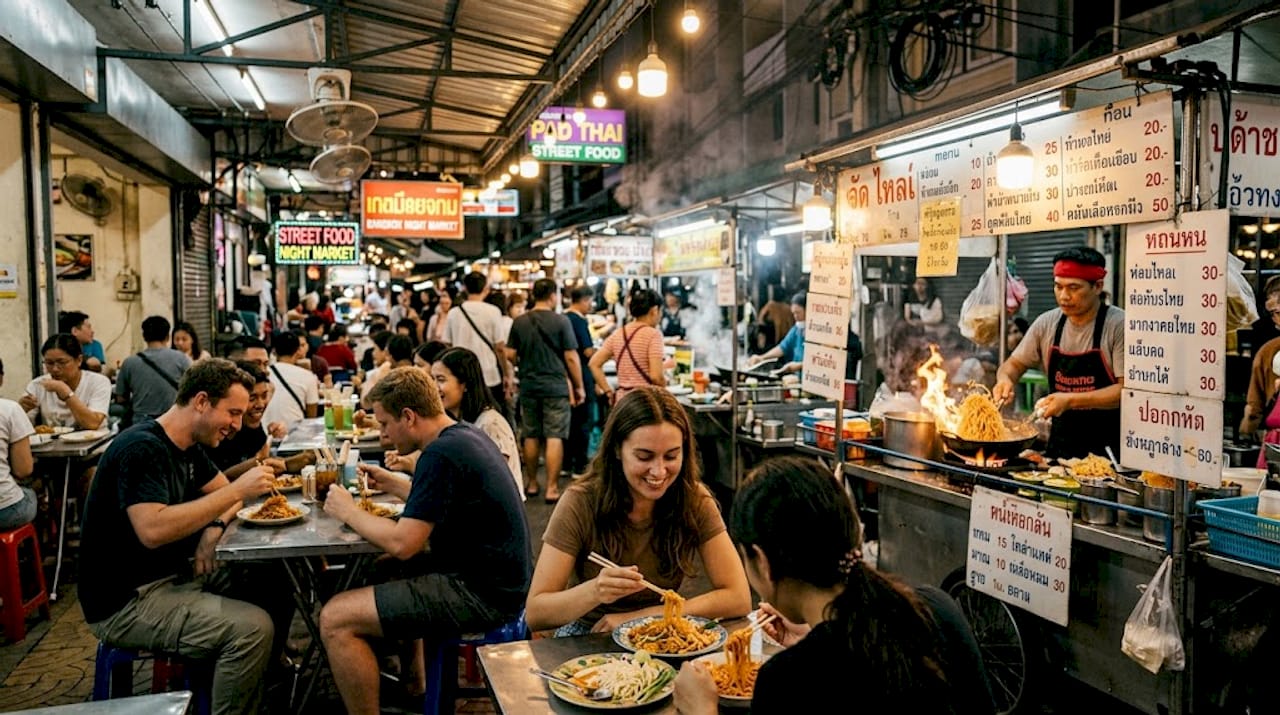
Bangkok’s best street food spots often have long lines of locals and focused menus.
Building a diverse food itinerary around iconic, regional, and neighborhood spots enhances the experience.
Bangkok’s food scene is one of the most exciting on the planet, but it can genuinely overwhelm even seasoned travelers. Hundreds of legendary dishes, thousands of restaurants, and the constant fear of wasting a meal on something mediocre or overly adapted for tourists. The good news? A clear framework for choosing where to eat and what to order makes all the difference. Whether you’re after must-try Thai dishes ranging from Pad Thai to rare regional specialties, or you want to eat where locals actually eat, this guide gives you a practical, expert-backed shortlist to work from.
Table of Contents
Key Takeaways
Point | Details |
Seek local food hotspots | Bangkok’s best flavors are found at legendary venues and bustling street markets favored by locals. |
Don’t miss regional dishes | Regional specialties like Khao Soi and Gaeng Tai Pla offer unique tastes beyond the classics. |
Use crowds as your guide | Long lines and busy venues usually signal authentic, high-quality Thai food worth waiting for. |
Finish with authentic desserts | Mango sticky rice and other classic sweets complete the true Bangkok food experience. |
How to choose must-try Thai dishes in Bangkok
Bangkok’s culinary scene is staggering in scale. Knowing where to start requires more than just Googling “best restaurants.” The real skill is learning to distinguish a dish that’s genuinely outstanding from one that’s just famous.
A dish earns “must-try” status through three qualities: authenticity (made with traditional ingredients and technique), local popularity (not tourist reviews, but actual neighborhood foot traffic), and uniqueness (something you genuinely cannot replicate elsewhere). When all three align, you’ve found a keeper.
Location tells you a lot, too. A tiny shopfront tucked into a side alley with a handwritten menu in Thai and zero English signage is often more promising than a polished spot near your hotel. And queues matter more than Yelp stars. When you spot a line of locals before noon at a curry rice shop, that’s real market research.
Here’s what to watch for when evaluating any Bangkok food spot:
Long lines of locals (not tour groups) at peak meal times
Short, focused menus with only a handful of dishes done really well
Street-level operations or market stalls rather than air-conditioned tourist restaurants
Regional dishes on the menu that you won’t find at every spot in town
No English photos on the menu, or at most a very basic translation
The biggest pitfall most travelers fall into is defaulting to spots near their hotel or on the main tourist strips. These venues often water down the spice, swap authentic ingredients for more familiar ones, and charge three times the going rate.
Pro Tip: Download Google Translate’s camera feature before you go. You’ll be able to scan Thai menus on the fly, which opens up the non-touristy spots that most visitors never even consider entering.
Spots like Thip Samai or Jay Fai have earned their queues through decades of consistent, uncompromising cooking. That kind of track record doesn’t come from marketing. Understanding these signals will save you from tourist traps and lead you to the kind of authentic Thai dining that becomes a trip highlight rather than a forgettable meal.
Bangkok street food icons: Where locals eat
With a clear framework in place, the next step is knowing exactly which venues deliver on those criteria. Bangkok has several street food destinations that have become legendary precisely because they refuse to compromise.
The top venues worth planning your day around:
Thip Samai (Pad Thai Pratu Phi) on Mahachai Road is the city’s most famous Pad Thai shop. Their egg-wrapped version, where thin egg crepe is folded around the noodles, is unlike anything you’ll find elsewhere. Expect a line. It’s worth every minute.
Yaowarat Road (Chinatown) lights up at night and becomes one of Bangkok’s most electric food destinations. The oyster omelette here, called Hoy Tod, is crispy on the outside and custardy within. Don’t skip the grilled seafood stalls either.
Boat Noodle Alley at Victory Monument is where you go for rich, deeply savory boat noodles (Kuay Teow Ruea), a dish with a broth historically thickened with animal blood. Tiny bowls, intense flavor, usually about 15 baht each.
Or Tor Kor Market near Chatuchak is the less-talked-about gem. It’s cleaner and more organized than typical street markets, but the quality of ingredients is exceptionally high. Great for fresh fruit, grilled meats, and regional rice dishes.
Jay Fai on Dinso Road is a Michelin-starred street food stall run by an 80-something cook who wears ski goggles to protect her eyes from the wok fire. Her crab omelette is extraordinary, and her drunken noodles are considered among the best in the city.
“The best Bangkok street food experiences happen when you stop looking for convenience and start following the locals.” The alley with no signs and three plastic tables is often where the real magic is.
Pro Tip: Aim for a 6:30 PM arrival at Yaowarat to snag a spot before the dinner rush fully hits. For Thip Samai, a late dinner after 9 PM tends to have shorter waits than the early evening peak. Pair your visits with a broader Thai street food guide so you know what to look for before you arrive.
Must-try Thai dishes: Classics and regional specialties
Beyond specific venues, your Bangkok food list should cover a range of dishes that span Thailand’s distinct culinary regions. Bangkok acts as a showcase for the whole country, which means you can sample Northern, Southern, and Northeastern flavors all in one city.
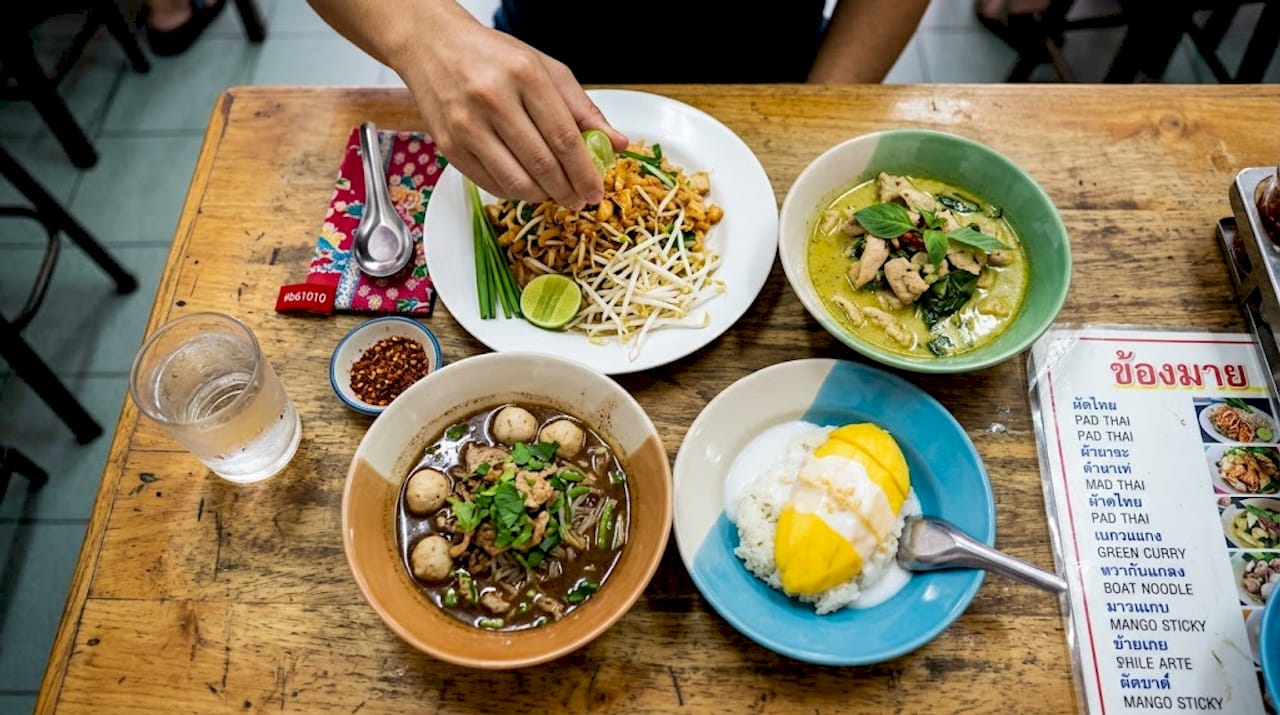
Top must-try dishes that every food-focused traveler should experience include Pad Thai, Pad Kra Pao, Boat Noodles, Som Tam, Mango Sticky Rice, Khao Soi, and Gaeng Tai Pla. Here’s a breakdown:
Dish | Region | Flavor profile | Typical venue |
Pad Thai | Central | Savory, slightly sweet, tangy | Street stalls, specialty shops |
Pad Kra Pao | Central | Spicy, herbal, savory | Rice and curry shops |
Boat Noodles | Central | Rich, deep, slightly funky | Boat noodle alleys |
Som Tam | Northeastern | Spicy, sour, crunchy | Isaan restaurants, markets |
Mango Sticky Rice | Central | Sweet, coconut-rich, creamy | Dessert stalls, markets |
Khao Soi | Northern | Creamy, mildly spicy, complex | Northern Thai specialty spots |
Gaeng Tai Pla | Southern | Pungent, intensely spicy | Southern Thai restaurants |
A few notes on these dishes. For Pad Kra Pao (stir-fried meat with basil), the key detail is the basil variety. True Pad Kra Pao uses holy basil, not sweet basil, which gives it a peppery, clove-like bite that sweet basil simply cannot replicate. Many tourist-facing spots use sweet basil because holy basil is harder to source consistently. The difference in flavor is significant.
Khao Soi, a Northern Thai curry noodle soup with crispy fried noodles on top, represents one of Thailand’s most underrated dishes in the global food conversation. Look for it at Northern Thai specialty restaurants in Bangkok’s Ari or Ekkamai neighborhoods. The best Thai feast always includes at least one regional dish that challenges your expectations.
Order Pad Kra Pao with a fried egg on top (kai dao) for the classic version
Ask for Khao Soi with chicken or beef, and always squeeze the lime over it before eating
Try Som Tam in two styles: green papaya (the classic) and cucumber-based (lighter and fresher)
For a full Thai flavors guide, understanding the balance of sweet, sour, salty, and spicy in each dish will sharpen your appreciation
Exploring regional Thai dishes transforms a Bangkok trip from a Pad Thai pilgrimage into a genuine culinary education.
Home-style curries and dessert spots: Hidden gems
Some of the most satisfying meals in Bangkok don’t come from famous chef-driven spots. They come from quiet curry rice shops and small dessert stalls that have been feeding the same neighborhood for decades.
Raan Khao Gaeng (curry rice shops) are a Bangkok institution. You walk up to a glass display case filled with five to eight curries and stir-fried dishes, point at what you want, and pay under 100 baht for a plate of rice loaded with genuinely home-style food. These spots open early, close when they sell out, and rarely appear in travel guides.
Venue type | Specialty | Avg. cost | Popularity |
Raan Khao Gaeng | Mixed curries over rice | 50 to 80 baht | Neighborhood regulars |
Isaan restaurants (e.g., Phed Phed) | Spicy Northeastern dishes | 80 to 150 baht | Young locals, foodies |
Laem Charoen Seafood | Southern-style seafood | 200 to 400 baht | Families, celebrations |
Street dessert stalls | Mango sticky rice, coconut treats | 40 to 80 baht | Everyone |
For desserts, Bangkok’s sweet offerings are just as layered as its savory dishes. The mango sticky rice dessert is the most iconic, and for good reason. Perfectly ripe Thai mango over glutinous rice soaked in coconut milk, usually with a drizzle of salted coconut cream on top, is an experience worth seeking out even outside of mango season (April to June is peak).
Other dessert options worth trying include:
Khanom Buang (crispy Thai crepes with sweet or savory toppings)
Bua Loi (glutinous rice balls in warm coconut milk)
Tub Tim Grob (water chestnuts in coconut milk with shaved ice)
Understanding the Thai ingredients list behind these desserts, particularly coconut milk, pandan, and palm sugar, helps you appreciate why they taste so distinct from anything Western. And if you want to recreate any of them at home, getting the basics right starts with solid Thai rice cooking tips since sticky rice preparation is the foundation of many Thai sweets.
The real secrets to enjoying Thai food in Bangkok
Here’s the thing most travel guides won’t tell you: chasing the most famous spots in Bangkok can actually work against you. When a restaurant becomes a landmark, it attracts volume. Volume creates pressure to speed things up, simplify flavors, and accommodate the median palate rather than the adventurous one.
The real depth of Bangkok’s food scene lives in the middle tier. Not the hole-in-the-wall with zero infrastructure, and not the Michelin-starred destination, but the spot that’s been a neighborhood anchor for 30 years without ever needing a PR campaign. Quality signals like long queues at spots like Thip Samai are real and valid, but treat them as starting points, not the full list.
Regional dishes are where Bangkok’s food scene gets genuinely fascinating. A single city block can take you from a Northern Thai Khao Soi to a Southern curry so pungent and complex it redefines what you thought Thai food was. That contrast is the whole point.
Our honest advice: build your Bangkok food itinerary around one iconic destination, one regional specialty restaurant, one Raan Khao Gaeng, and one dessert stall per day. The combination of a well-planned authentic Thai feast across different formats gives you a far richer picture than hitting only the Instagram-famous spots.
Explore authentic Thai cuisine beyond Bangkok
Reading about Bangkok’s incredible food scene has a way of making you hungry right now, not just on your next trip.
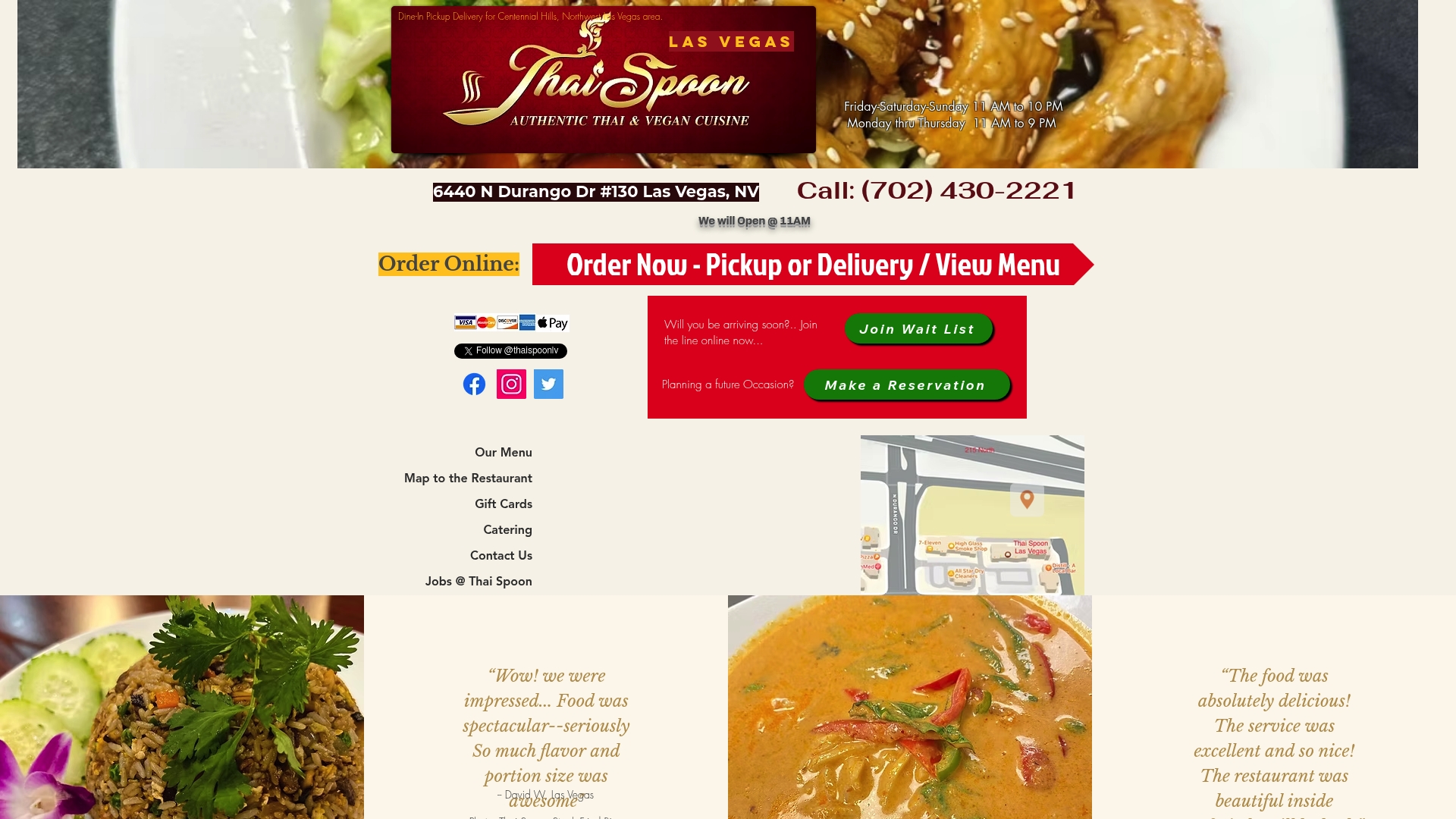
At Thai Spoon Las Vegas, we bring that same spirit of authentic Thai cooking to the northwest Las Vegas area, about 20 minutes from the Strip. Our Thai Spoon menu includes classics like Pad Thai, Yellow Curry, and Steak Fried Rice, along with vegan and gluten-free options that never compromise on flavor. Whether you’re dining in, ordering pickup, or exploring our catering options, you’ll find dishes rooted in the same traditions that make Bangkok’s food scene world-famous. Check out our full service offerings and bring Bangkok’s best flavors a little closer to home.
Frequently asked questions
What is the best Pad Thai spot in Bangkok?
Thip Samai is widely considered the top destination for authentic Pad Thai in Bangkok, particularly for its signature egg-wrapped version that sets it apart from any other preparation in the city.
Where can I find authentic Thai street food in Bangkok?
Yaowarat and Victory Monument rank among Bangkok’s most authentic street food zones, alongside Thip Samai on Mahachai Road, each offering a distinct set of signature dishes worth tasting.
What are some must-try regional Thai dishes in Bangkok?
Khao Soi and Gaeng Tai Pla represent two of Thailand’s most compelling regional dishes, available in Bangkok at specialty restaurants, and offer flavors that go well beyond the central Thai dishes most travelers already know.
How do I spot a truly authentic Thai restaurant?
Look for local crowds, focused menus, and regional specialties as quality signals rather than English menus or heavy tourist marketing. Short wait times at a famous spot are often a red flag, not a convenience.
Recommended
Comments