
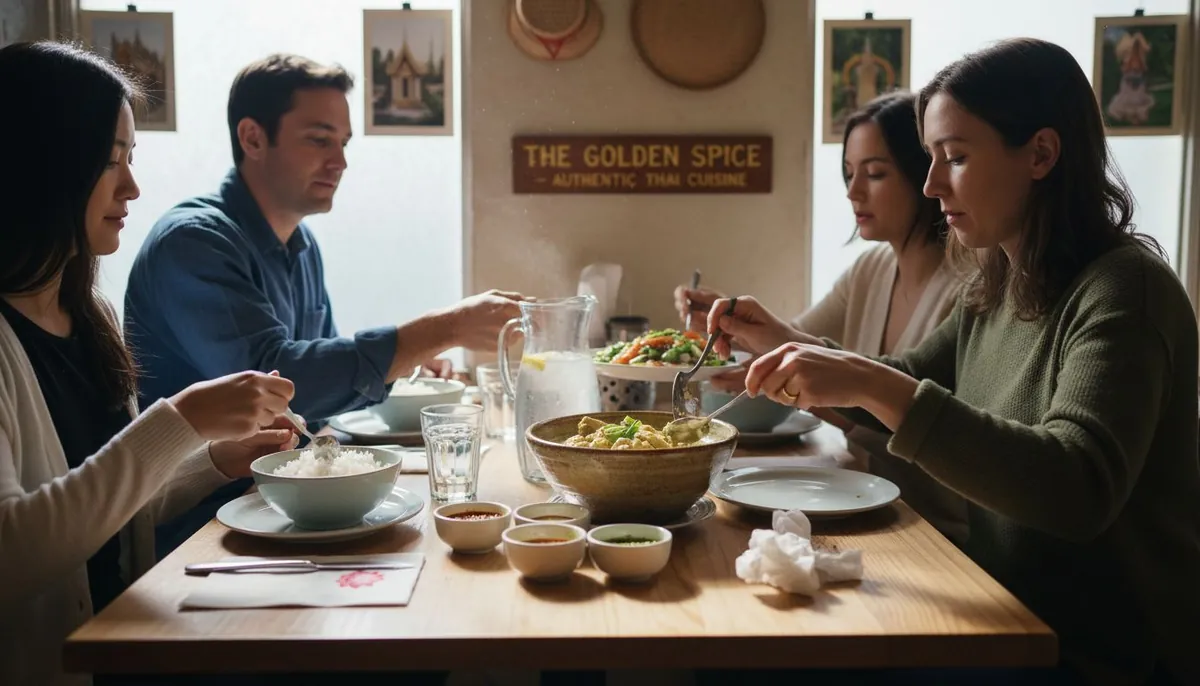
Most American diners are surprised to learn that traditional Thai dining rarely involves chopsticks and is built on sharing, respect, and subtle customs. Understanding these differences goes beyond enjoying the food—it shapes how you connect with friends, family, and even strangers at the table. By learning the truths behind common myths and etiquette, you set yourself up for a more meaningful and authentic experience on your next Thai restaurant visit.
Table of Contents
Key Takeaways
Point | Details |
Cultural Significance of Dining | Thai dining is a communal experience emphasizing respect, connection, and social interaction. Familiarizing oneself with table manners enhances the cultural immersion. |
Utensil Use and Dining Style | Thai restaurants primarily use forks and spoons; chopsticks are reserved for specific noodle dishes. Sharing food from communal plates with serving utensils is expected for hygienic and respectful dining. |
Tipping Etiquette | Tipping is not mandatory in traditional settings, but rounding up the bill or leaving small change is appreciated. It’s customary for the host to cover the meal, making splitting the bill awkward. |
Common Cultural Missteps | Avoid using personal utensils for communal dishes and be mindful of body language, such as pointing feet, which can be disrespectful. Observing the behavior of others can help navigate these cultural nuances. |
Defining Thai Restaurant Etiquette and Misconceptions
Thai restaurant dining involves far more than simply ordering delicious food. At its core, Thai dining reflects profound cultural practices rooted in respect, community, and nuanced social interactions. Understanding these subtle customs can transform an ordinary meal into an authentic cultural experience.
One significant misconception is that Thai cuisine is uniformly spicy, when in reality, flavor profiles vary dramatically across different regions. Each dish represents a carefully balanced combination of sweet, sour, salty, and sometimes spicy elements, allowing diners to customize their experience. Authentic Thai restaurants will often provide condiments and spice levels that can be adjusted to individual preferences.
Another important aspect of Thai dining etiquette involves table manners and communal eating. Unlike Western dining practices, Thai meals are typically served family-style, encouraging shared dining and social interaction. Chopstick usage is actually quite limited, contrary to popular belief. Most Thai restaurants will provide a fork and spoon as the primary eating utensils, with chopsticks reserved exclusively for specific noodle dishes. When dining, it is considered polite to take small portions from shared plates and maintain a gentle, respectful demeanor at the table.
Dining Customs and Table Manners Explained
Navigating Thai restaurant dining requires understanding a unique set of social protocols that extend far beyond simply eating a meal. Communal dining is the cornerstone of Thai culinary culture, transforming meals into shared experiences that celebrate connection and mutual respect.
Thai dining etiquette emphasizes specific utensil techniques that might surprise Western diners. Typically, Thai restaurants provide a fork and spoon as the primary eating tools, with the fork used strategically to push food onto the spoon rather than for direct eating. This subtle technique reflects the nuanced approach to dining that permeates Thai culture.
Sharing dishes is more than just a dining style - it’s a profound social ritual. Diners are expected to take small, considerate portions from communal plates, demonstrating awareness and respect for fellow diners. Interestingly, leaving a small amount of food on your plate is not considered rude but actually signals satisfaction with the meal. When dining in a Thai restaurant, observing these unspoken rules can transform your experience from a simple meal to an authentic cultural exchange.
To truly appreciate Thai dining customs, approach the table with an attitude of openness and curiosity. Watch how others interact, take small portions, and enjoy the communal spirit that makes Thai dining such a unique and enriching experience. Remember, these customs are not rigid rules but invitations to connect and share a meal in the most meaningful way possible.
The Art of Sharing and Ordering Thai Dishes
Thai dining represents a culinary adventure that goes far beyond simply selecting individual meals. Unlike Western dining traditions, Thai cuisine transforms eating into a communal experience that celebrates variety, connection, and balanced flavors.
Thai dining culture encourages ordering multiple dishes to create a harmonious flavor experience, with rice serving as the fundamental base of the meal. This approach allows diners to explore a symphony of tastes, sampling small portions that blend spicy, sweet, sour, and salty elements. How to order Thai food becomes an art form that requires understanding the delicate balance of flavors and textures.

When ordering, consider selecting dishes that complement each other. A typical Thai meal might include a curry, a stir-fry, a salad, and a soup, ensuring a diverse range of flavors and textures. Using communal serving spoons and taking small, considerate portions demonstrates respect and allows everyone at the table to enjoy the full spectrum of culinary delights. The goal is not to fill individual plates, but to create a shared dining experience that encourages conversation, connection, and culinary exploration.
Mastering the art of Thai dining means embracing flexibility and curiosity. Don’t be afraid to ask your server for recommendations or guidance on creating a balanced meal. Each dish tells a story, and by sharing these stories around the table, you’re not just eating - you’re participating in a rich cultural tradition that transforms dining from a mere necessity into a celebration of flavor, community, and connection.
Tipping, Service, and Payment Expectations
Navigating payment protocols in Thai restaurants requires understanding a nuanced cultural landscape that blends traditional practices with modern expectations. Tipping culture in Thai dining is subtly different from typical American restaurant experiences, demanding both awareness and sensitivity.
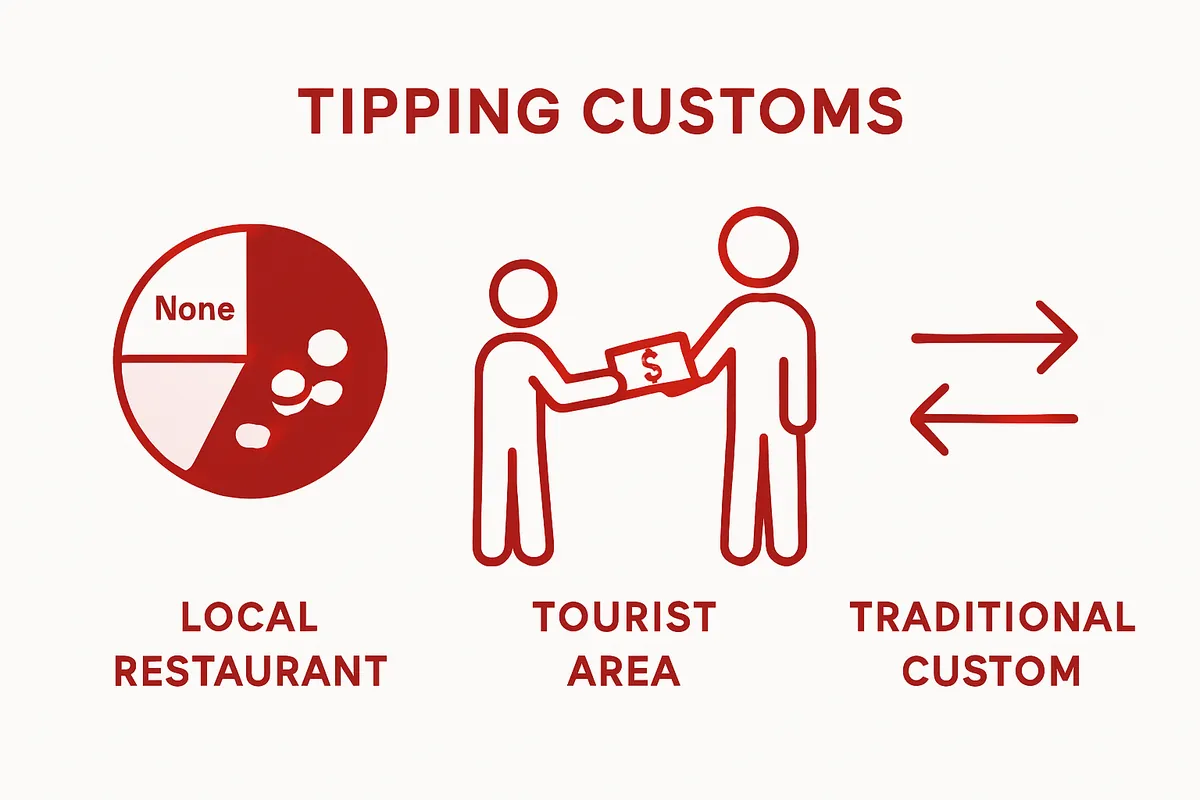
Tipping practices in Thai restaurants vary depending on the establishment and location, with norms shifting between local eateries and tourist-oriented venues. In most traditional settings, tipping is not mandatory, but leaving small change or rounding up the bill is often appreciated. Upscale restaurants might include a service charge, typically around 10%, which eliminates the need for additional tipping.
Interestingly, Thai dining etiquette places significant emphasis on who pays the bill. Traditionally, the most senior person or the individual who extended the dining invitation assumes financial responsibility. Splitting the bill is considered uncommon and can be viewed as socially awkward. When dining with Thai friends or colleagues, it’s customary to offer to pay, though the host will often insist on covering the entire expense as a gesture of hospitality.
For visitors and tourists, the best approach is to observe local customs and follow the lead of your dining companions. If dining alone or with other tourists, a 5-10% tip for exceptional service is generally acceptable. Always check your bill for existing service charges, and when in doubt, ask your server about local tipping expectations. Remember, in Thai culture, genuine appreciation and respect matter more than the specific amount of money left on the table.
Common Mistakes American Diners Should Avoid
Cultural navigation in Thai restaurants requires more than just understanding the menu. American diners often unintentionally breach subtle social protocols that can make their dining experience less authentic and potentially uncomfortable for those around them.
American diners frequently commit cultural missteps that can be considered disrespectful in Thai dining etiquette, particularly when it comes to utensil use and communal dining practices. One critical error is using personal utensils to serve food from shared dishes - a practice that is considered unhygienic and socially inappropriate. Instead, restaurants typically provide communal serving spoons that should be used when taking food from shared plates.
Body language and table manners represent another potential minefield for cultural misunderstandings. Pointing feet toward others, a common unconscious habit for many Americans, is considered deeply disrespectful in Thai culture. Similarly, using a fork to eat rice or leaving chopsticks upright in a bowl are actions that can inadvertently offend local sensibilities. These seemingly minor gestures carry significant cultural weight and can transform a pleasant dining experience into an awkward social interaction.
The key to avoiding these pitfalls is observation, humility, and a genuine willingness to learn. Watch how local diners interact, follow the lead of your server or dining companions, and approach the meal with curiosity rather than rigid expectations. When in doubt, a polite and respectful attitude will always be your best guide. Remember, Thai dining is about connection, shared experience, and mutual respect - understanding these nuances transforms a simple meal into a profound cultural exchange.
Experience Authentic Thai Dining Etiquette at Thai Spoon Las Vegas
Enjoying Thai food at its best means embracing the rich dining customs that transform every meal into a shared cultural experience. If you want to explore genuine Thai etiquette—from communal dining to the right way to savor each dish—Thai Spoon Las Vegas offers the perfect setting. Discover how to respect traditional serving practices while indulging in authentic dishes like Pad Thai and Yellow Curry crafted for your enjoyment.
Don’t just read about Thai restaurant etiquette—live it today by visiting Thai Spoon Las Vegas. Whether you dine in, order pickup, or get delivery, you can experience the authentic flavors and social customs that make Thai dining special. Check out our menu offerings with vegan and gluten-free options and join us for lunch, happy hour, or a memorable group celebration. Embrace the art of Thai dining and create meaningful connections with every bite. Start your cultural culinary journey now.
Frequently Asked Questions
What is the proper etiquette when dining at a Thai restaurant?
Proper etiquette involves understanding communal dining practices, using a fork and spoon as primary utensils, and taking small portions from shared dishes to ensure everyone at the table can enjoy the meal.
Are all Thai dishes supposed to be spicy?
No, while some Thai dishes can be spicy, the cuisine features a wide range of flavor profiles, including sweet, sour, and salty. Diners can usually adjust the spice level to their preference.
How should I handle tipping at Thai restaurants?
Tipping is not mandatory in traditional Thai dining, but it is appreciated. Leaving small change or rounding up the bill is customary. In upscale restaurants, a service charge may already be included.
What common mistakes should American diners avoid in Thai restaurants?
Common mistakes include using personal utensils to serve food from shared plates, pointing feet at others, and using a fork to eat rice. It’s best to observe local customs to avoid unintentionally offending others.