


Benefits of Thai Spices: Flavor and Wellness Unlocked
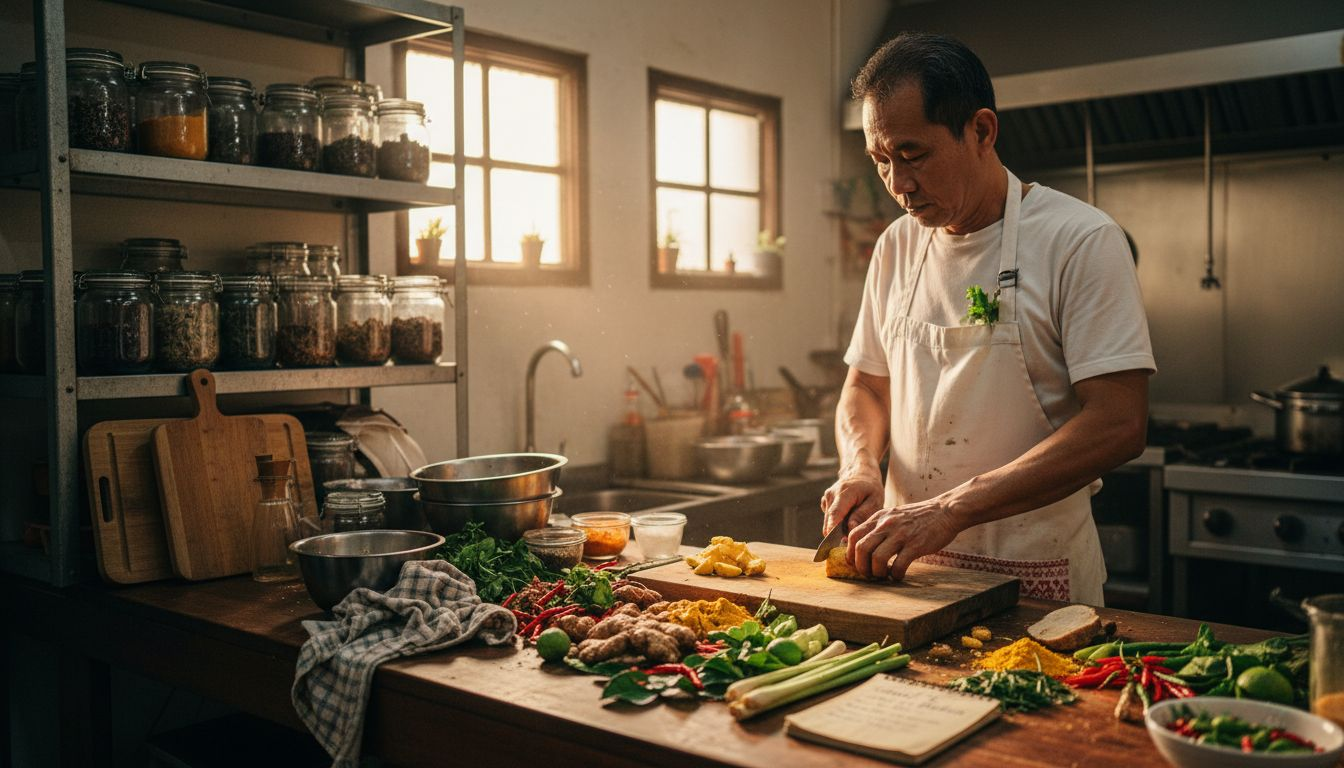
Most American home kitchens overlook the powerful nutritional benefits hiding in classic Thai spices. Health-conscious foodies throughout Northwest Las Vegas are discovering that ingredients like turmeric, galangal, and kaffir lime leaves deliver more than bold flavors. These botanicals are packed with polyphenols and antioxidants, supporting cellular health and elevating everyday dishes. Take your home cooking beyond ordinary seasonings and uncover how authentic Thai spices can add wellness and complexity to every meal.
Table of Contents
Key Takeaways
Point | Details |
Diverse Flavor Profiles | Thai spices create complex flavors that enhance overall culinary experiences beyond simple seasoning. |
Culinary and Health Benefits | Spices like Turmeric and Ginger provide nutritional advantages, offering anti-inflammatory and antioxidant properties. |
Preparation Techniques | Mastering the art of fresh spice preparation, such as toasting and pounding, enhances flavor release and depth. |
Authenticity in Ingredients | Understanding the unique characteristics of each spice is crucial to maintaining the authentic taste of Thai cuisine. |
Thai spices and their unique properties
Thai cuisine’s remarkable flavor profile stems from its extraordinary array of spices, which offer far more than mere taste enhancement. Antioxidant-rich herbal compositions represent a sophisticated culinary tradition that seamlessly blends wellness and gastronomy.
Traditional Thai spices like turmeric, ginger, and fingerroot represent powerhouse ingredients with complex molecular structures. These botanical wonders contain high polyphenol concentrations that provide substantial health benefits beyond basic seasoning. Such spices exhibit remarkable radical scavenging activity, effectively preventing lipid oxidation and supporting cellular health.
The diversity of Thai spices creates a nuanced flavor landscape that goes far beyond simple heat or pungency. Each spice brings unique properties to dishes, transforming basic ingredients into extraordinary culinary experiences. From warming galangal to aromatic kaffir lime leaves, these ingredients contribute distinct notes that make Thai cuisine globally renowned.
In the comprehensive guide to signature Thai spices, culinary experts detail how these botanicals interact with proteins, fats, and other ingredients to create complex flavor profiles. Understanding these interactions allows home cooks to elevate their dishes from ordinary to extraordinary.
Pro tip: When working with fresh Thai spices, always toast or briefly heat them to unlock their most intense flavors and maximize their aromatic potential.
Essential varieties used in Thai cuisine
Thai cuisine boasts an incredible diversity of spices that transform ordinary dishes into extraordinary culinary experiences. Key herbs and spices fundamental to Thai cooking represent a complex and nuanced flavor landscape that goes far beyond simple seasoning.
The essential varieties include several distinct categories of herbs and spices. Basil plays a crucial role, with multiple varieties like horapha, kaphrao, and maenglak each bringing unique characteristics to different dishes. Bird’s eye chili provides the signature heat, while cinnamon and cloves contribute warm, aromatic undertones. Coriander is particularly versatile, with chefs utilizing its leaves, roots, and seeds to create layered flavor profiles.
Other critical spices include galangal, a rhizome similar to ginger but with a sharper, more peppery flavor, and lemongrass, which adds a bright, citrusy note to many traditional preparations. Understanding the role of spice in Thai cuisine reveals how these ingredients are not just flavor enhancers but integral components of the culinary tradition.
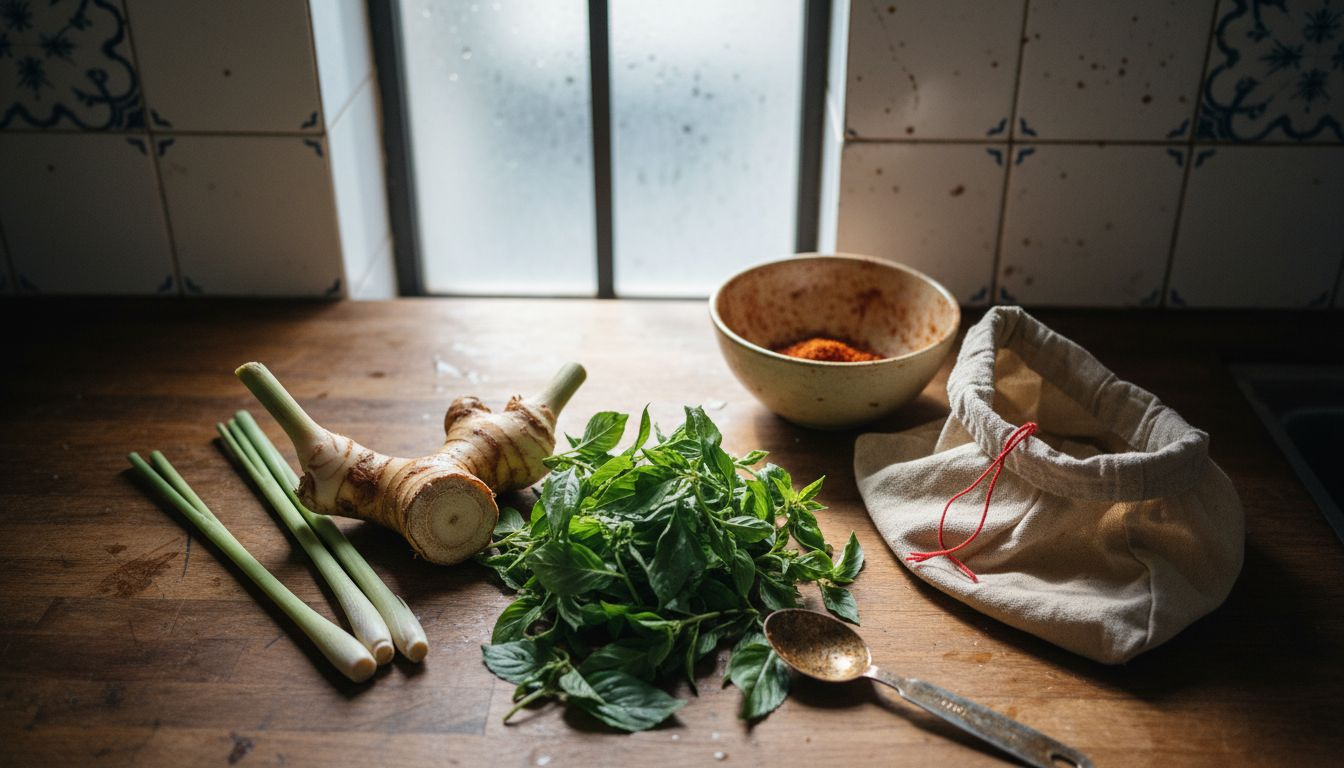
The complexity of Thai spices extends beyond taste, with each ingredient carrying cultural significance and traditional medicinal properties. From the aromatic kaffir lime leaves to the warming cumin, these spices represent a sophisticated culinary language that communicates the depth and richness of Thai gastronomic heritage.
Here’s a quick reference to signature Thai spices and their key roles:
Spice | Distinctive Flavor Note | Common Culinary Use |
Turmeric | Earthy, slightly bitter | Curries and soup bases |
Ginger | Bright, spicy warmth | Stir-fries, marinades |
Fingerroot | Peppery, zesty | Stir-fries, herbal broths |
Galangal | Sharp, citrusy heat | Tom yum soup, curry pastes |
Kaffir Lime Leaves | Citrusy, aromatic | Soups, curries, salads |
Lemongrass | Fresh, lemony | Soups, stews, teas |
Bird’s Eye Chili | Intense, fiery heat | Dipping sauces, salads |
Basil (holy/Thai) | Sweet, anise-like aroma | Stir-fries, noodle dishes |
Cinnamon | Sweet, warming | Desserts, stewed meats |
Cloves | Warm, pungent, sweet | Rice dishes, spice blends |
Pro tip: Store fresh Thai spices in airtight containers in a cool, dark place to preserve their essential oils and maintain maximum flavor intensity.
Nutritional and health benefits explored
Thai spices are far more than culinary delights they are powerful nutritional powerhouses packed with remarkable health-promoting properties. Nutraceutical potential of Thai red curry paste reveals a complex array of biological benefits that extend well beyond traditional flavor enhancement.
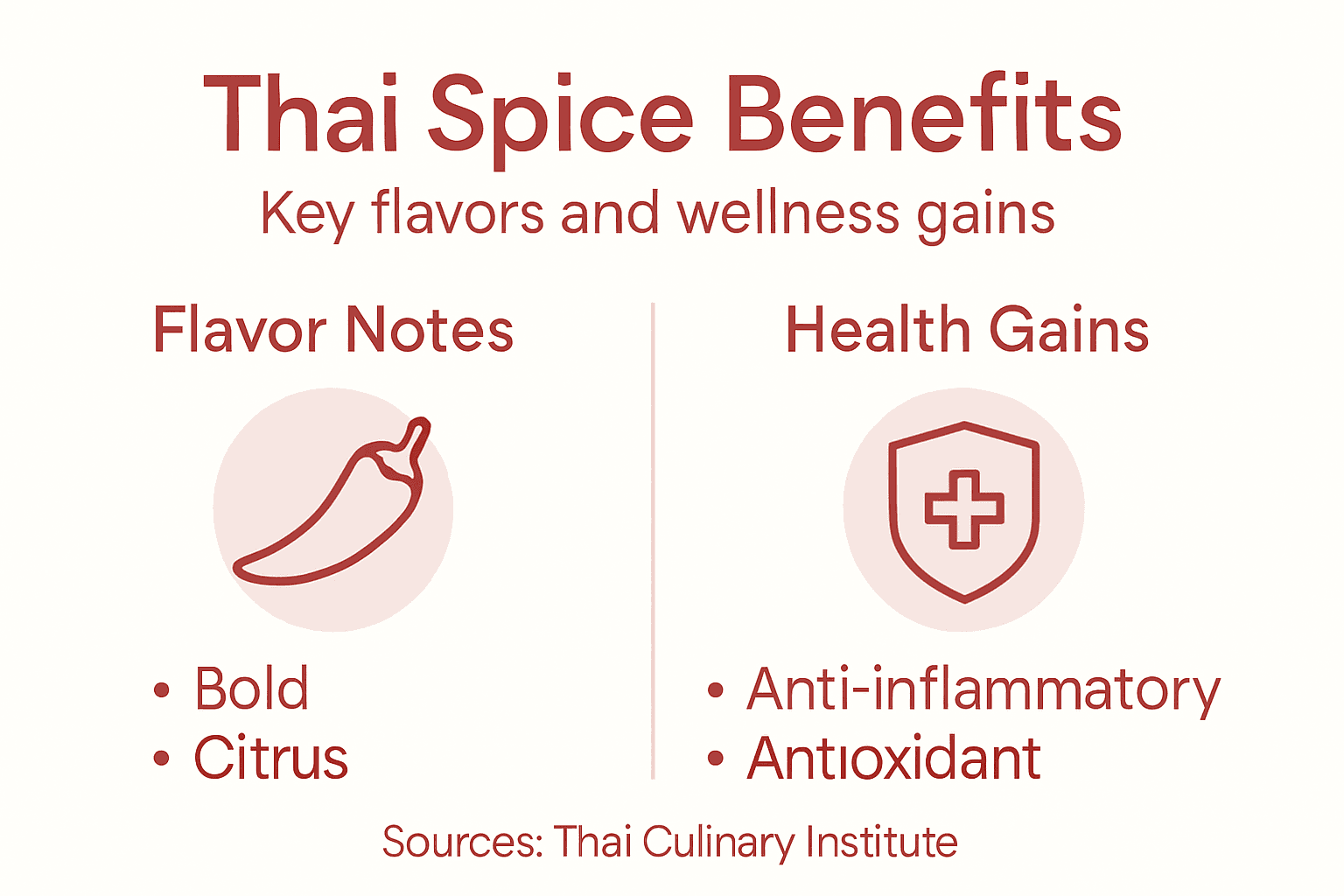
Key phytochemicals found in Thai spices demonstrate extraordinary antioxidant and anti-inflammatory characteristics. Compounds like citric acid and ferulic acid play critical roles in supporting human wellness, contributing to enhanced nutrient absorption and reduced systemic inflammation. These bioactive molecules work synergistically to modulate gut microbiota, potentially improving digestive health and overall immune function.
What Makes Thai Food Healthy illuminates how traditional ingredients like turmeric, ginger, and lemongrass offer more than just taste. These spices contain potent compounds that may help reduce oxidative stress, support cardiovascular health, and potentially mitigate chronic disease risks. The anti-inflammatory properties of these botanical ingredients suggest they could be valuable components of a preventative health strategy.
Beyond individual spice benefits, the holistic approach of Thai cuisine creates a nutritional framework that maximizes ingredient potential. The combination of herbs and spices not only creates complex flavor profiles but also enhances the body’s ability to absorb and utilize nutrients effectively, transforming meals into functional health interventions.
This table summarizes key functional and wellness benefits of Thai spices:
Spice | Major Health Benefit | Key Active Compound |
Turmeric | Anti-inflammatory support | Curcumin |
Ginger | Digestive aid, reduces nausea | Gingerols |
Lemongrass | Antioxidant, supports immunity | Citral |
Galangal | Anti-bacterial, gut health | Galangin |
Kaffir Lime | Aids detoxification | Limonene |
Fingerroot | Boosts immune system | Boesenbergin |
Bird’s Eye Chili | Metabolism booster | Capsaicin |
Pro tip: Incorporate a variety of Thai spices into your diet by creating homemade spice blends that can be easily added to multiple dishes, maximizing both flavor and potential health benefits.
How Thai spices enhance home cooking
Home cooks can transform ordinary meals into extraordinary culinary experiences by mastering the art of Thai spice combinations. Secrets behind authentic Thai flavors reveal a sophisticated approach to balancing complex flavor profiles that elevate home cooking beyond simple seasoning.
The key to exceptional Thai cooking lies in understanding flavor complexity. Fresh herbs and dried spices work together to create a symphony of taste that simultaneously hits sweet, sour, salty, bitter, and umami notes. How to Use Thai Spices for Flavorful Dishes demonstrates that traditional techniques like pounding fresh herbs into pastes can dramatically intensify aromatic qualities and unlock deeper flavor dimensions.
Mastering Thai spice techniques requires more than simply adding ingredients. Professional chefs understand the critical importance of layering spices, considering their individual characteristics and how they interact. Ingredients like lemongrass, kaffir lime leaves, and bird’s eye chili each contribute unique dimensions to a dish, creating depth and complexity that transforms home cooking from mundane to magnificent.
The nuanced world of Thai spices offers home cooks an opportunity to explore a rich culinary landscape. By understanding spice combinations, preparation methods, and balance, amateur chefs can bring restaurant-quality Thai flavors directly to their kitchen, turning everyday meals into extraordinary gastronomic experiences.
Pro tip: Invest in a mortar and pestle to authentically pound fresh herbs and spices, releasing their essential oils and maximizing flavor potential.
Common substitution mistakes to avoid
Authentic Thai cooking demands precision, and even small ingredient substitutions can dramatically alter a dish’s flavor profile. Spice secrets of Thai cuisine reveal critical nuances that home cooks must understand to preserve culinary authenticity.
Some of the most common substitution errors involve botanical varieties with seemingly similar characteristics. Holy basil and Thai basil, while both aromatic, offer distinctly different flavor notes. Similarly, ginger and galangal are not interchangeable ingredients. Chefs recommend slicing galangal thinly and bruising lemongrass to release its essential oils, techniques that cannot be replicated with generic ingredient replacements.
The Essential Guide to Spices in Thai Food highlights the importance of using fresh herbs over dried alternatives. Kaffir lime leaves, for instance, lose their vibrant flavor when substituted with dried versions or generic citrus leaves. Each ingredient carries a specific aromatic profile that contributes to the complex layering of Thai cuisine, making precise ingredient selection crucial.
Understanding these nuanced differences requires more than casual culinary knowledge. Professional Thai chefs emphasize that successful cooking is about respecting each ingredient’s unique characteristics and understanding how they interact to create harmonious flavor combinations.
Pro tip: Visit local Asian markets to source authentic Thai ingredients and learn from experienced vendors about proper selection and preparation techniques.
Discover the True Power of Thai Spices in Every Bite
Unlock the exceptional flavor and wellness benefits of authentic Thai spices just like this article reveals. If you are looking to experience dishes crafted with turmeric, galangal, and bird’s eye chili that not only delight your palate but support your health, Thai Spoon Las Vegas is your destination. Many home cooks struggle with ingredient substitutions and layering flavors effectively. We solve this for you by delivering perfectly balanced dishes that honor traditional techniques and the unique properties of each spice.

Taste the rich complexity and nutritional benefits of Thai cuisine today by exploring our menu of authentic favorites like Pad Thai, Yellow Curry, and vegan options all made fresh with genuine Thai spices. Visit our website to order online for pickup or delivery and enjoy special lunch and happy hour offerings. Elevate your meals with the wholesome flavors Thai Spoon expertly brings to every dish. Start your flavorful wellness journey now by visiting Thai Spoon Las Vegas and savor the authentic tastes of Thailand made just for you.
Frequently Asked Questions
What are the health benefits of using Thai spices in cooking?
Thai spices are rich in antioxidants and possess anti-inflammatory properties. Ingredients like turmeric, ginger, and lemongrass may help reduce oxidative stress, support cardiovascular health, and improve digestive health.
How do Thai spices enhance the flavor of dishes?
Thai spices contribute complex flavor profiles by combining sweet, sour, salty, bitter, and umami notes. They work together to create a rich culinary experience, transforming ordinary dishes into extraordinary meals.
Are there important preparation techniques for using Thai spices?
Yes, to maximize flavor, it’s recommended to toast or briefly heat fresh Thai spices before use. Techniques like pounding fresh herbs into pastes can also release essential oils, enhancing aromatic qualities in dishes.
What are common mistakes to avoid when substituting Thai spices?
Avoid substituting herbs like holy basil with Thai basil, as they have distinct flavor profiles. Also, ginger and galangal are not interchangeable; using the correct spice is crucial for maintaining authentic Thai flavors.
Recommended
Comments