


7 Essential Pad Thai Types for Every Food Lover
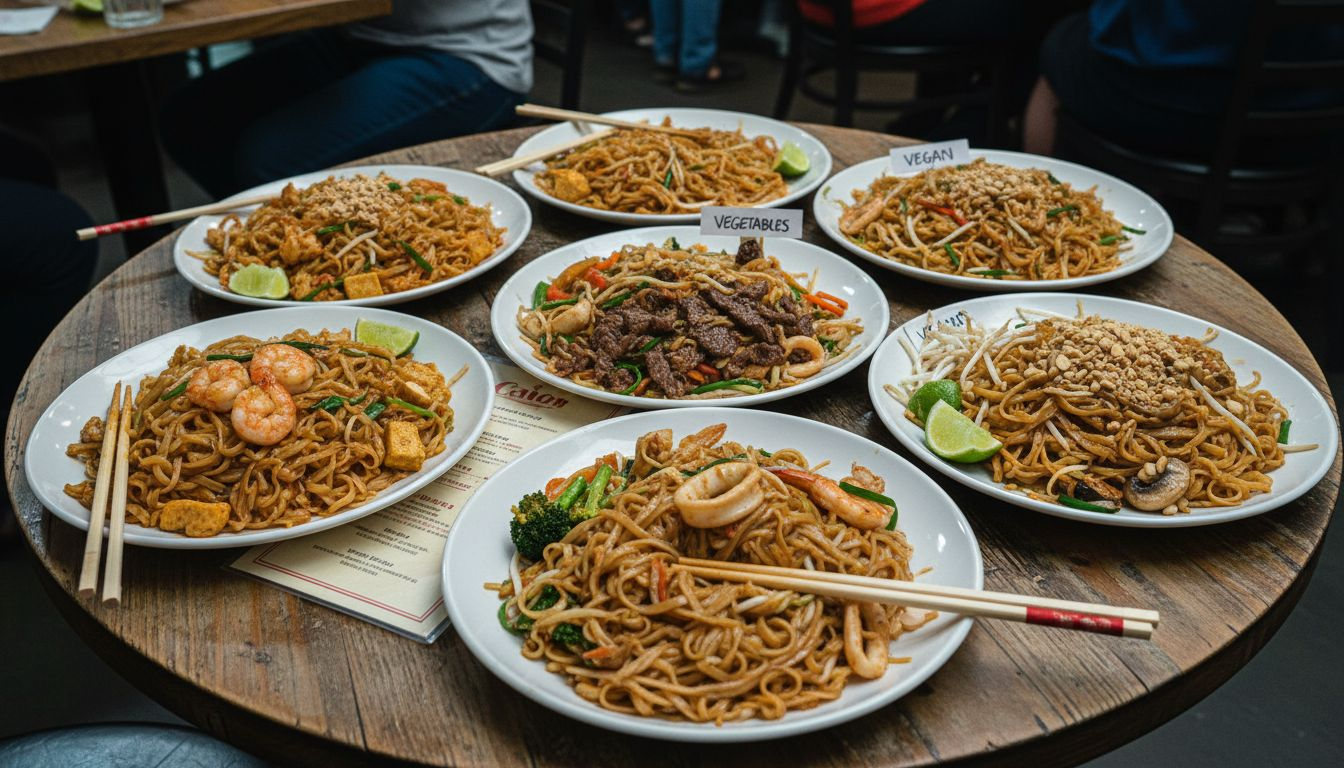
Craving the bold flavors of Thailand but not sure where to start with Pad Thai recipes at home? With so many versions out there, picking the right one can be confusing and sometimes overwhelming. Each variation brings its own twist, from classic street-style chicken to plant-based bowls and even gluten-free options.
This guide cuts through the guesswork by highlighting the most popular and delicious types of Pad Thai you can make in your own kitchen. You will discover which proteins, sauces, and preparation tips unlock those signature sweet, salty, and tangy flavors. Get ready for clear steps and insider techniques that will take your Pad Thai from ordinary to unforgettable, whether you are after comforting tradition or creative new tastes.
Table of Contents
Quick Summary
Key Point | Explanation |
1. Master ingredient preparation for flavor | Properly preparing and marinating key ingredients enhances the taste of your Pad Thai, crucial for achieving authentic flavor profiles. |
2. Use high heat for cooking | Stir-frying at high temperatures prevents sticking and ensures noodles develop a slightly charred texture, adding depth to the dish. |
3. Choose fresh, high-quality proteins | Selecting fresh ingredients like shrimp, tofu, or beef enhances flavor and texture, essential for a satisfying Pad Thai experience. |
4. Explore variations for dietary needs | Adapting Pad Thai to vegan, gluten-free, or mixed protein versions allows everyone to enjoy its complex flavors without compromising taste. |
5. Pay attention to sauce balance | The balance of sweet, sour, salty, and savory elements in your sauce is key to delivering an authentic Pad Thai that delights the palate. |
1. Classic Chicken Pad Thai for Authentic Flavor
Classic Chicken Pad Thai represents the quintessential Thai street food experience with its perfect balance of sweet, sour, and savory flavors. This iconic dish transforms simple ingredients into a culinary masterpiece that captures the essence of authentic Thai cuisine.
Traditional Pad Thai combines tender chicken with rice noodles in a complex sauce that delivers multilayered taste sensations. The classic recipe includes key ingredients that define its remarkable flavor profile:
Tender strips of marinated chicken
Soft rice noodles
Scrambled eggs for added protein
Crisp bean sprouts
Crushed roasted peanuts
Tangy lime wedges
The secret to an extraordinary Pad Thai lies in its carefully crafted sauce. Fish sauce and tamarind paste create a complex umami base that transforms ordinary ingredients into an extraordinary meal. Traditional preparation involves quick wok cooking that seals in flavors and creates slightly charred noodles with incredible depth.
Authentic Pad Thai is all about achieving the perfect balance between sweet, sour, salty, and savory elements.
Home cooks can recreate this restaurant favorite by mastering a few key techniques. Proper ingredient preparation and high-heat cooking are crucial for achieving that classic street food taste. Marinate the chicken beforehand and have all ingredients prepped and ready for rapid stir-frying.
Pro tip: Keep your wok or large skillet extremely hot and move ingredients quickly to prevent sticking and achieve those signature slightly charred noodle edges.
2. Shrimp Pad Thai for a Seafood Twist
Shrimp Pad Thai offers a delightful seafood variation on the classic Thai street food favorite that transforms traditional noodle dishes with oceanic flavors. This version brings a delicate marine richness that seafood lovers will absolutely adore.
Classic Pad Thai ingredients get a spectacular upgrade with succulent shrimp as the star protein. Unlike chicken or tofu versions, shrimp Pad Thai introduces a subtle sweetness and tender texture that elevates the entire dish.
Key components that make shrimp Pad Thai extraordinary include:
Plump, fresh shrimp
Thin rice noodles
Crisp bean sprouts
Scrambled eggs
Roasted peanuts
Tangy tamarind sauce
Fresh lime wedges
Seafood preparation techniques are crucial for achieving perfect shrimp Pad Thai. The shrimp must be cooked quickly to maintain tenderness and prevent rubbery texture. Marinating shrimp briefly in fish sauce can enhance their natural flavors and ensure they remain juicy during high-heat cooking.
Authentic shrimp Pad Thai balances delicate seafood with bold, complex sauce flavors.
Home cooks can easily replicate restaurant-quality shrimp Pad Thai by focusing on ingredient freshness and precise cooking times. The key is to stir-fry ingredients rapidly over high heat while maintaining the distinct textures of each component.
Pro tip: Select medium-sized shrimp with shells still attached for maximum flavor and consider reserving shrimp heads to create an intensely rich stock that will elevate your Pad Thai sauce.
3. Vegan Pad Thai with Fresh Vegetables
Vegan Pad Thai represents a vibrant, plant-based twist on the classic Thai street food that proves you do not need animal products to create an incredibly delicious meal. This version celebrates fresh vegetables and innovative protein alternatives that capture the essence of traditional Pad Thai.
The art of creating vegan Thai dishes lies in maintaining bold, complex flavors while using entirely plant-based ingredients. Tofu becomes the star protein, offering a satisfying texture and remarkable flavor absorption.
Key components of an exceptional Vegan Pad Thai include:
Extra-firm tofu
Rice noodles
Crisp mixed vegetables (carrots, green onions)
Fresh bean sprouts
Crushed roasted peanuts
Vegan sauce with tamarind base
Lime wedges for brightness
Protein substitution techniques are crucial in transforming traditional Pad Thai into a vegan masterpiece. Pressed and marinated tofu can mimic the texture and flavor complexity typically provided by meat proteins. The key is selecting high-quality tofu and preparing it thoughtfully.
Vegan Pad Thai proves that plant-based cooking can be just as exciting and flavorful as traditional recipes.
Home cooks can elevate their vegan Pad Thai by focusing on sauce complexity and vegetable selection. Coconut aminos can replace fish sauce, while careful seasoning ensures no flavor is lost in translation.
Pro tip: Press your tofu for at least 30 minutes and marinate it in a mixture of soy sauce and maple syrup to develop deep, rich flavors that will make your vegan Pad Thai truly unforgettable.
4. Gluten-Free Pad Thai for Special Diets
Gluten-Free Pad Thai demonstrates that dietary restrictions do not mean sacrificing flavor or culinary enjoyment. This thoughtful adaptation ensures individuals with celiac disease or gluten sensitivity can savor the beloved Thai classic without compromising taste or authenticity.
Gluten-free Thai cuisine relies on naturally wheat-free ingredients that create a delicious dining experience. Rice noodles serve as the perfect gluten-free foundation for this beloved dish, allowing everyone to enjoy its complex flavors.
Critical ingredients for a safe and delectable Gluten-Free Pad Thai include:
Rice noodles
Gluten-free soy sauce or coconut aminos
Fresh tofu
Mixed vegetables
Crushed peanuts
Lime wedges
Fish sauce (verify gluten-free brand)
Ingredient substitution strategies are essential when preparing gluten-free versions of traditional recipes. Careful selection of sauces and understanding potential cross-contamination risks can transform Pad Thai into a safe meal for those with dietary restrictions.
Gluten-free cooking is about creativity and understanding ingredient properties, not limitation.
Home cooks should always verify ingredient labels and consider using dedicated gluten-free cooking tools to prevent potential contamination. Many Asian sauces contain hidden gluten, so thorough label reading becomes crucial.
Pro tip: Always check sauce labels carefully and consider using certified gluten-free tamari instead of traditional soy sauce to ensure your Pad Thai remains completely safe for sensitive diets.
5. Tofu Pad Thai for Protein-Packed Goodness
Tofu Pad Thai transforms the classic noodle dish into a protein-rich powerhouse that delights vegetarians and health-conscious food lovers alike. This version proves that plant-based proteins can deliver incredible flavor and satisfying nutrition.
Understanding vegan Thai food techniques helps home cooks create delicious meals that do not compromise on taste or texture. Pan-fried tofu serves as an exceptional protein base that absorbs the complex Pad Thai sauce beautifully.
Key components of an outstanding Tofu Pad Thai include:
Extra-firm tofu
Rice noodles
Fresh bean sprouts
Scrambled eggs (optional)
Crushed roasted peanuts
Green onions
Tangy tamarind sauce
Protein preparation techniques are essential for creating the perfect tofu texture. Pressing and marinating tofu before cooking ensures maximum flavor absorption and a satisfying, meaty consistency that mimics traditional protein sources.
Tofu is not just a protein substitute it is a culinary canvas waiting to be transformed.
Home cooks can elevate their Tofu Pad Thai by selecting high-quality, extra-firm tofu and using proper cooking techniques that create a crispy exterior while maintaining a tender interior.
Pro tip: Press your tofu for at least 30 minutes and marinate it in a blend of soy sauce and lime juice to create a deeply flavorful protein that will make your Pad Thai truly memorable.
6. Beef Pad Thai for a Hearty Option
Beef Pad Thai transforms the classic Thai noodle dish into a robust, protein-rich meal that satisfies meat lovers seeking bold flavors and substantial nutrition. This hearty variation brings a rich depth to traditional Pad Thai by incorporating tender, marinated beef strips.
Classic Thai takeout meals often feature beef as a popular protein choice that adds substantial texture and umami flavor to noodle dishes. The key is selecting high-quality beef and preparing it with precision to maintain tenderness.
Key components of an exceptional Beef Pad Thai include:
Thinly sliced beef strips
Rice noodles
Fresh bean sprouts
Scrambled eggs
Crushed roasted peanuts
Green onions
Tangy tamarind sauce
Meat preparation techniques are crucial for achieving the perfect beef texture. Marinating beef before cooking helps tenderize the meat and infuse it with complex Thai flavor profiles that complement the noodles and sauce.
Beef Pad Thai represents a perfect balance between protein-rich ingredients and vibrant Thai culinary traditions.
Home cooks can elevate their Beef Pad Thai by selecting well-marbled, tender cuts like sirloin or flank steak and slicing them against the grain for maximum tenderness.
Pro tip: Briefly freeze your beef for 15-20 minutes before slicing to ensure clean, uniform cuts that cook evenly and remain incredibly tender.
7. Mixed Pad Thai for a Taste Adventure
Mixed Pad Thai offers a culinary adventure that transforms traditional noodle dishes into a vibrant symphony of flavors, textures, and protein options. This ultimate Pad Thai variation invites food lovers to experience multiple taste profiles in a single, exciting dish.
Best Thai dishes to explore showcase the incredible versatility of Thai cuisine, and Mixed Pad Thai exemplifies this remarkable culinary creativity. By combining multiple proteins, this dish creates a complex and satisfying eating experience.
Key components of an extraordinary Mixed Pad Thai include:
Tender chicken strips
Succulent shrimp
Crispy tofu cubes
Rice noodles
Fresh bean sprouts
Scrambled eggs
Crushed roasted peanuts
Tangy tamarind sauce
Protein combination strategies are crucial for creating a harmonious Mixed Pad Thai. Each protein brings its unique texture and flavor, creating a multilayered dining experience that keeps every bite interesting.
Mixed Pad Thai represents the ultimate culinary adventure for those who cannot decide on a single protein.
Home cooks can elevate their Mixed Pad Thai by carefully selecting high-quality proteins and ensuring each is cooked to perfect tenderness. The secret is maintaining distinct textures while allowing the signature Pad Thai sauce to unite all ingredients.
Pro tip: Cook each protein separately and add them to the noodles at the end to preserve individual textures and prevent overcooking.
Below is a comprehensive table summarizing the key variations and components of Pad Thai as discussed in the article.
Variation | Main Components | Unique Features |
Classic Chicken Pad Thai | Marinated chicken, rice noodles, bean sprouts, eggs, tamarind sauce, roasted peanuts, lime wedges | Provides authentic Thai flavor with a balance of sweet, sour, salty, and savory elements. |
Shrimp Pad Thai | Fresh shrimp, rice noodles, bean sprouts, eggs, tamarind sauce, roasted peanuts, lime wedges | Introduces a seafood-rich taste; shrimp prepared for tenderness and flavor concentration. |
Vegan Pad Thai | Extra-firm tofu, rice noodles, mixed vegetables, bean sprouts, vegan tamarind sauce, roasted peanuts, lime wedges | Fully plant-based; tofu serves as the primary protein component, ensuring flavor absorption. |
Gluten-Free Pad Thai | Rice noodles, gluten-free soy sauce or coconut aminos, tofu, mixed vegetables, fish sauce (gluten-free), lime wedges | Adapted for gluten sensitivity, emphasizing naturally wheat-free ingredients. |
Tofu Pad Thai | Extra-firm tofu, rice noodles, bean sprouts, eggs (optional), tamarind sauce, green onions, roasted peanuts | Versatile and protein-rich; tofu prepared for optimal texture and flavor absorption. |
Beef Pad Thai | Beef strips, rice noodles, bean sprouts, eggs, tamarind sauce, green onions, roasted peanuts | Hearty and savory; beef enhances umami and complements Thai flavors. |
Mixed Pad Thai | Chicken, shrimp, tofu, rice noodles, bean sprouts, eggs, tamarind sauce, roasted peanuts | Combines different proteins for a layered and diverse flavor profile. |
Discover Your Perfect Pad Thai Experience Today
Whether you crave the authentic balance of flavors in a Classic Chicken Pad Thai or a protein-packed Tofu Pad Thai that suits a vegan lifestyle finding the ideal Thai dish can be a challenge. Many food lovers struggle to recreate the multilayered taste sensations and vibrant textures described in “7 Essential Pad Thai Types for Every Food Lover”. You want that perfect harmony of sweet sour and savory without sacrificing health or dietary needs like gluten-free options or bold seafood twists. At Thai Spoon Las Vegas we understand these goals and offer expertly crafted dishes inspired by these essential Pad Thai types ready for you to enjoy.
Elevate your dining experience by exploring our menu rich with choices including vegan, gluten-free and seafood Pad Thai variations made fresh daily. Don’t settle for ordinary takeout when you can savor authentic flavors made with care just minutes from the Strip. Visit Thai Spoon Las Vegas now to order online for pickup or delivery and bring home the vibrant taste of Thailand. Ready to embark on your Pad Thai journey? Check out our exclusive special lunch and happy hour menus and experience why locals rave about our flavorful dishes.
Frequently Asked Questions
What are the main types of Pad Thai?
Classic Chicken Pad Thai, Shrimp Pad Thai, Vegan Pad Thai, Gluten-Free Pad Thai, Tofu Pad Thai, Beef Pad Thai, and Mixed Pad Thai are the seven essential types. Explore these variations to find your favorite taste profile.
How do I make a restaurant-quality Vegan Pad Thai at home?
To create a restaurant-quality Vegan Pad Thai, focus on using high-quality extra-firm tofu, fresh vegetables, and a well-balanced vegan sauce. Press and marinate the tofu for at least 30 minutes to enhance its flavor and texture.
What is the secret to achieving the perfect texture in Pad Thai noodles?
The secret to perfect Pad Thai noodles lies in using high-heat cooking and ensuring the noodles are not overcooked. Stir-fry the noodles quickly in a hot wok or skillet for about 1-2 minutes to achieve that signature chewy texture.
How does shrimp preparation affect the flavor of Shrimp Pad Thai?
Proper shrimp preparation is crucial as quickly cooking the shrimp helps maintain tenderness and enhance flavor. Marinate the shrimp in fish sauce for brief periods before cooking to elevate their natural flavors.
Can I customize the protein choices in Pad Thai?
Yes, you can customize the protein choices in Pad Thai to suit your dietary preferences. For example, mix different proteins like chicken, shrimp, and tofu for a delicious Mixed Pad Thai or opt for one type like beef for a hearty meal.
What adjustments should I make for Gluten-Free Pad Thai?
To prepare Gluten-Free Pad Thai, use rice noodles and verify that any sauces used, such as soy sauce or fish sauce, are labeled gluten-free. Always check for hidden gluten in sauces to ensure a safe meal.
Recommended
Comments