


Fresh herbs in Thai food: flavor impact you can taste
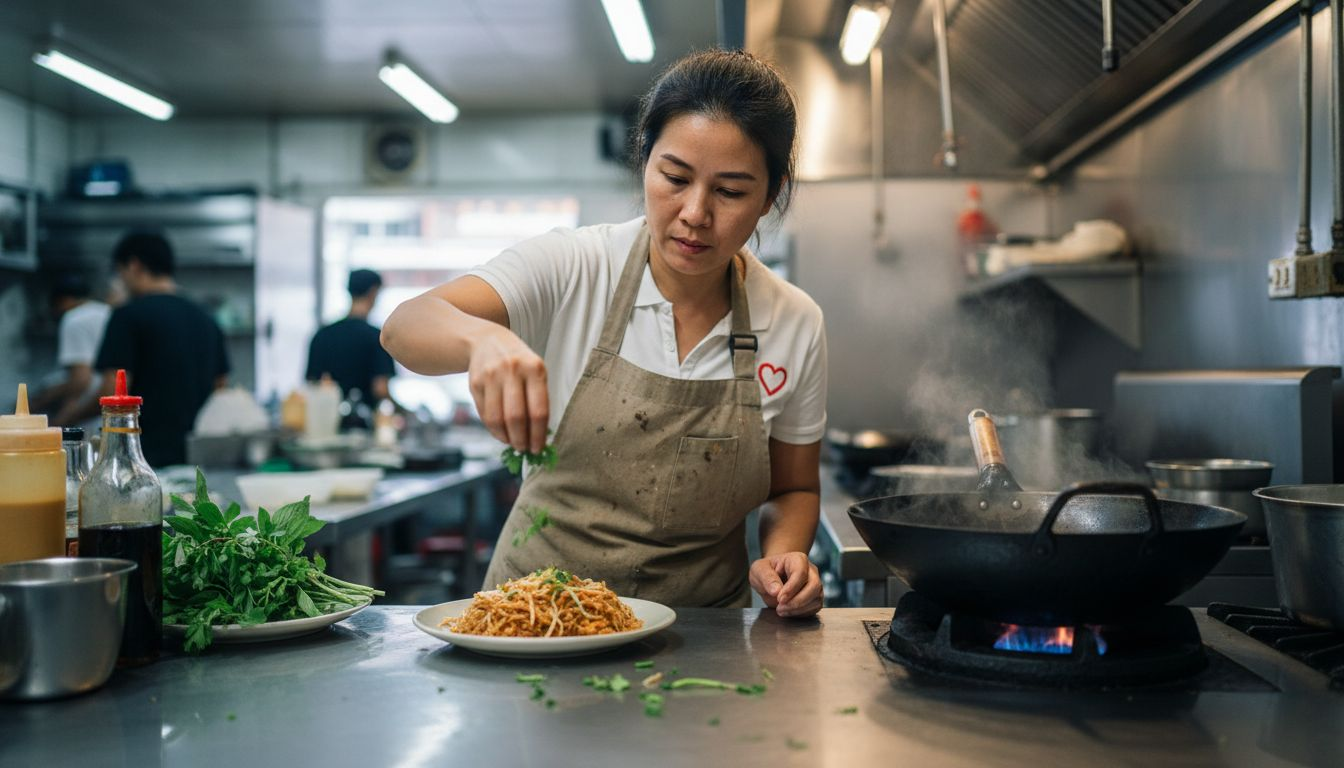
Many home cooks believe dried herbs deliver flavors comparable to fresh versions. Research proves this wrong: drying reduces flavor intensity by 40 to 60 percent, destroying the delicate aromatic compounds that define authentic Thai cuisine. Fresh herbs do not just add taste. They create the layered sensory experience that makes Thai food memorable, balancing heat, sweetness, sourness, and saltiness while adding texture and fragrance that dried versions cannot replicate.
Table of Contents
Key Fresh Herbs In Thai Cooking And Their Unique Flavor Contributions
Why Freshness Is Critical: Chemical And Sensory Perspectives
Common Misconceptions About Thai Herbs And Their Impact On Authenticity
Bringing It All Together: Using Fresh Herbs To Enhance Your Thai Food Experience
Explore Authentic Thai Flavors With Fresh Herbs At Thai Spoon Las Vegas
Key takeaways
Point | Details |
Aroma intensity | Fresh herbs contribute up to 45% of the aroma intensity in authentic Thai dishes. |
Primary herbs | Thai basil, cilantro, and mint deliver unique flavor compounds essential for authenticity. |
Flavor loss | Drying herbs cuts flavor intensity by 40 to 60%, compromising the dish’s authenticity. |
Local sourcing | Northwest Las Vegas specialty markets offer essential fresh Thai herbs year round. |
Enhanced experience | Understanding fresh herbs deepens your appreciation when ordering or cooking Thai food. |
Why fresh herbs matter in authentic Thai cuisine
Fresh herbs are not decorative afterthoughts in Thai cooking. They form the aromatic backbone of every authentic dish. Fresh herbs contribute 35 to 45 percent of the perceived aroma in Thai cuisine, layering top notes that balance the bold flavors of chili, fish sauce, and palm sugar. Without these fresh elements, even perfectly cooked dishes fall flat.
Thai cuisine relies on a delicate interplay of spicy, sweet, sour, and salty tastes. Fresh herbs modulate these dimensions, cutting through richness, brightening acidity, and softening heat. They also add textural contrast, providing crisp leaves against tender noodles or silky curries. This multi sensory contribution elevates authentic Thai flavors beyond simple taste to a complete experience.
Many diners treat herbs as garnish, pushing them aside or ignoring their presence. This mistake strips away layers of complexity. Herbs carry volatile oils that release aroma when torn or chewed, intensifying with each bite. Cooking destroys these delicate compounds quickly, which is why chefs add herbs at the last moment or serve them raw alongside finished dishes.
Pro Tip: Add fresh herbs in the final two minutes of cooking or as a raw garnish to preserve their volatile oils and maximize flavor impact.
“Fresh herbs serve multiple roles including layering fresh aromatic top notes and balancing flavor dimensions such as heat and acidity.” This scientific perspective confirms what Thai cooks have practiced for centuries.
The difference between fresh and dried herbs becomes obvious when you compare dishes side by side. Fresh versions deliver bright, punchy flavors that wake up your palate. Dried versions taste muted and one dimensional, lacking the vibrancy that defines fresh herbs in Thai flavor balance. For northwest Las Vegas food enthusiasts seeking authentic experiences, recognizing this distinction transforms how you evaluate Thai restaurants and home cooked meals.
Key fresh herbs in Thai cooking and their unique flavor contributions
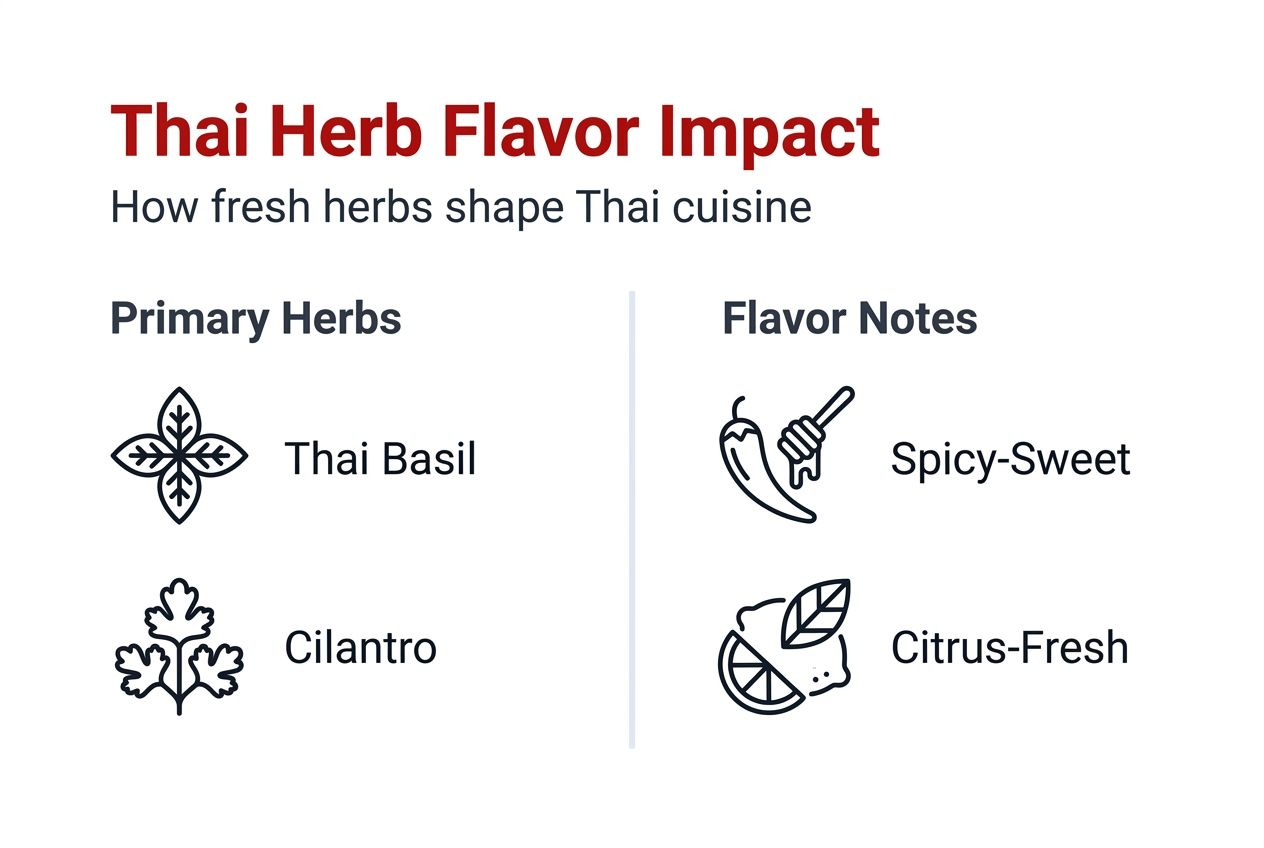
Thai cuisine depends on four primary fresh herbs, each contributing distinct aromatic compounds that cannot be replicated by substitutes. Thai basil, holy basil, cilantro, and mint form the foundation of authentic flavor profiles. Understanding their chemistry helps you recognize quality when dining out or shopping for essential Thai ingredients.
Thai basil dominates stir fries and curries with its licorice like aroma. Eugenol and methyl chavicol create the spicy, sweet fragrance that defines dishes like pad krapow. The dark purple stems and pointed leaves distinguish Thai basil from sweet basil, and the flavor intensity stays strong even under brief heat. Holy basil delivers a more peppery, clove like punch, reserved for specific dishes where its bold character shines.
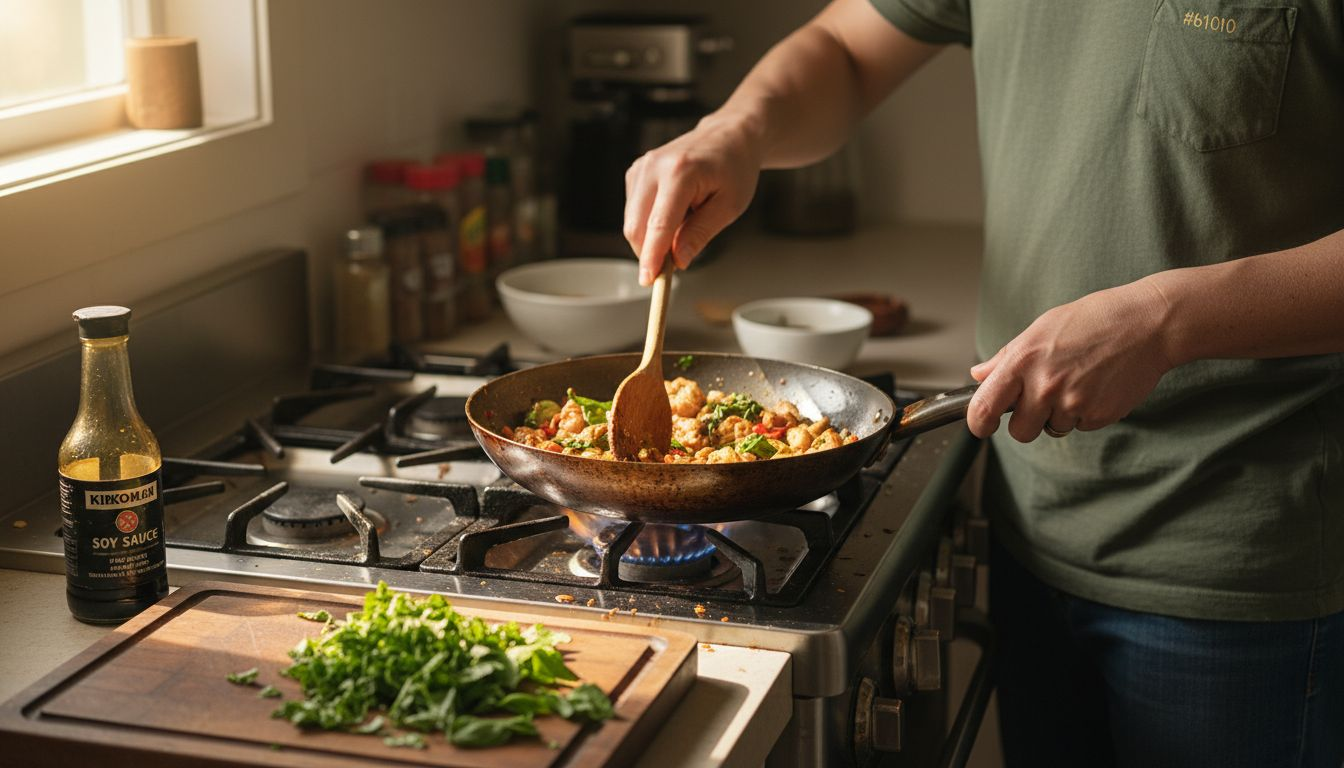
Cilantro provides bright, citrus forward notes that cut through rich coconut curries and balance fish sauce funk. The aldehydes in fresh cilantro leaves create that unmistakable fresh, clean taste. Both leaves and roots appear in Thai cooking, with roots adding earthy depth to curry pastes and marinades. Stems offer concentrated flavor, making them valuable for chopping into salads and soups.
Mint refreshes the palate in salads like larb and yum, contributing menthol compounds that cool spicy heat. The crisp texture and aromatic punch of fresh mint leaves cannot be matched by dried versions. Thai cooks use mint strategically, adding it raw to preserve its cooling properties and vibrant green color.
Herb | Primary Compounds | Flavor Profile | Common Uses |
Thai Basil | Eugenol, methyl chavicol | Spicy, licorice, slightly sweet | Stir fries, curries, pho |
Holy Basil | Eugenol, caryophyllene | Peppery, clove like, intense | Pad krapow, spicy stir fries |
Cilantro | Aldehydes, linalool | Citrus, bright, fresh | Curries, soups, salads, garnish |
Mint | Menthol, menthone | Cool, refreshing, sweet | Salads, spring rolls, garnish |
Pro Tip: Identify the freshest herbs by checking for vibrant color, strong aroma when gently rubbed, and crisp leaves without brown spots or wilting.
These herbs work in concert, not isolation. A properly balanced Thai dish layers multiple herb flavors, creating complexity that keeps you coming back for another bite. When restaurants skip fresh herbs or use dried substitutes, the entire flavor architecture collapses. The basil aroma compounds alone account for a significant portion of what your nose perceives as “Thai food smell,” making fresh basil non negotiable for authenticity.
Why freshness is critical: chemical and sensory perspectives
Drying herbs triggers irreversible chemical changes that destroy the compounds responsible for authentic Thai flavor. Volatile oils reduce by more than 50 percent when herbs undergo dehydration, weakening both aroma and taste intensity. These oils evaporate during the drying process, leaving behind only a fraction of the original flavor potential.
Fresh herbs contain water that suspends aromatic molecules, releasing them gradually as you chew or cook. This slow release creates layered flavor that evolves throughout a meal. Dried herbs dump their remaining compounds immediately, providing a brief flavor spike that fades quickly. The texture difference matters equally: fresh herbs add crisp contrast and visual appeal, while dried versions contribute nothing to mouthfeel.
Heat accelerates the breakdown of delicate aromatic compounds in fresh herbs. Prolonged cooking transforms bright, fresh flavors into bitter, vegetal notes. Thai cooking techniques account for this fragility by adding herbs at strategic moments. Sturdy stems and roots go into curry pastes that receive extended cooking. Delicate leaves wait until the final moments or serve as raw garnish.
To preserve freshness and maximize flavor when using fresh herbs:
Store herbs with stems in water like cut flowers, covering leaves loosely with plastic.
Wash herbs only immediately before use to prevent premature wilting and decay.
Tear rather than chop delicate herbs to minimize cell damage and oil loss.
Add herbs in stages: heartier portions during cooking, finishing with fresh raw leaves.
Buy herbs the same day you plan to cook for peak flavor and aroma intensity.
Drying reduces flavor intensity by 40 to 60 percent compared to fresh herbs.
This statistic explains why authentic Thai restaurants invest in daily fresh herb deliveries. The flavor difference justifies the cost and effort. Home cooks who use fresh herbs over dried immediately notice improved results, even when other ingredients remain the same.
The sensory experience extends beyond taste and smell. Fresh herbs provide visual cues that signal quality and authenticity. Vibrant green basil leaves scattered over pad thai or mint sprigs adorning a curry bowl communicate care and attention to detail. These visual elements prime your brain to expect authentic flavors, enhancing overall satisfaction before you take the first bite.
Common misconceptions about Thai herbs and their impact on authenticity
The belief that dried herbs can substitute for fresh versions in Thai cooking represents the most damaging misconception. While dried oregano works fine in Italian sauces, Thai herbs lose their defining characteristics when dried. The 40 to 60 percent flavor reduction applies specifically to the volatile compounds that create Thai cuisine’s signature taste. You cannot simply use more dried herbs to compensate. The chemistry changes fundamentally.
Another myth positions fresh herbs as optional garnish rather than essential ingredients. This Western perspective misses how Thai cooking integrates herbs throughout the cooking process and at the table. Herbs balance and brighten dishes, not decorate them. Removing or minimizing herbs creates unbalanced flavors where heat, salt, or richness dominate without relief.
Many cooks attempt to substitute readily available herbs for traditional Thai varieties. Sweet basil cannot replace Thai basil’s distinct licorice notes. Italian parsley lacks cilantro’s bright citrus character. These substitutions fundamentally alter the dish’s flavor profile, moving it away from authenticity toward fusion or adaptation. Sometimes adaptations work well, but you should understand you are creating something different, not authentic Thai food.
The misconception that fresh herbs cost too much ignores their flavor impact per dollar. A small bunch of fresh cilantro or Thai basil costs a few dollars but transforms multiple dishes. Dried herbs may seem economical, but their diminished flavor means you are paying for disappointment. Fresh herbs deliver exponentially more value when measured by culinary results.
Pro Tip: Avoid substituting herbs unless you understand their specific flavor compounds and accept that the final dish will taste noticeably different from the authentic version.
Some home cooks add fresh herbs too early in the cooking process, negating their benefits. High heat quickly destroys the volatile oils that make fresh herbs valuable. Understanding when and how to add herbs separates adequate Thai cooking from excellent results. Common misconceptions in Thai cooking extend beyond herbs to techniques, ingredients, and cultural context, but herb usage remains among the most critical factors affecting authenticity.
Sourcing fresh Thai herbs locally in northwest Las Vegas
Northwest Las Vegas offers several reliable sources for fresh Thai herbs, making authentic home cooking accessible year round. Specialty Asian markets stock Thai basil, holy basil, cilantro, and mint regularly, often receiving deliveries multiple times weekly. These stores cater to the local Thai and Southeast Asian communities, ensuring freshness and variety that mainstream grocery stores cannot match.
Look for these characteristics when selecting fresh herbs:
Vibrant, uniform color without yellowing, brown spots, or dark edges
Strong, characteristic aroma when leaves are gently rubbed between fingers
Crisp, firm leaves and stems that snap rather than bend limply
No signs of wilting, sliminess, or decay at stem ends
Minimal pest damage or holes in leaves
Community gardens and local growers in the Las Vegas valley have expanded their herb offerings in recent years. Farmers markets occasionally feature vendors selling fresh Thai basil and other specialty herbs during growing seasons. Building relationships with these growers provides access to the absolute freshest herbs, often picked the same morning you buy them.
Timing your herb purchases maximizes flavor and minimizes waste. Buy herbs as close to cooking time as possible, ideally the same day. Most fresh herbs last only three to five days even with proper storage. Planning your Thai cooking sessions around market days ensures you are working with peak quality essential Thai ingredients for sourcing.
Some northwest Las Vegas residents grow their own Thai herbs in containers or small garden plots. Thai basil thrives in hot climates, producing abundantly from spring through fall. Cilantro prefers cooler weather but grows well in winter months. Mint spreads aggressively, making container growing advisable to prevent garden takeover. Growing your own herbs provides the ultimate freshness and convenience.
Supporting local growers and specialty markets strengthens the community food system while ensuring access to quality ingredients. These businesses respond to customer demand, so requesting specific Thai herbs encourages them to stock what you need. As northwest Las Vegas’s Thai food scene grows, so does the availability of authentic ingredients. Learning how to use Thai herbs becomes easier when you can source them locally without driving across town.
Bringing it all together: using fresh herbs to enhance your Thai food experience
Understanding fresh herbs transforms how you approach Thai cuisine, whether dining out or cooking at home. You now recognize that herbs provide essential flavor compounds, not optional decoration. This knowledge empowers you to evaluate restaurants, make informed menu choices, and improve your own Thai cooking dramatically.
When ordering Thai food, look for dishes that showcase fresh herbs prominently. Pad thai should arrive crowned with fresh bean sprouts, cilantro, and basil. Curries benefit from torn basil leaves stirred in at the last moment. Salads like som tam or larb should burst with fresh mint and cilantro. These visual and aromatic cues signal a kitchen that prioritizes authenticity.
Apply these practical tips to maximize your Thai food enjoyment:
Ask servers which dishes feature fresh herbs most prominently before ordering
Request extra fresh herbs on the side to customize spice and herb intensity
Observe whether herbs look vibrant and fresh or wilted and tired on your plate
Notice the aroma when dishes arrive; fresh herbs create immediate fragrance
Taste dishes with and without herbs to appreciate their balancing effect
For home cooking, resist the temptation to skip or substitute fresh herbs listed in recipes. The recipe author specified them for good reasons. If you cannot source authentic Thai herbs, consider postponing the dish until you can rather than compromising the result. Building a relationship with reliable herb sources makes this easier over time.
Pro Tip: Ask restaurant staff about their herb sourcing and preparation methods when dining out to gauge their commitment to authenticity and freshness.
The sensory journey of Thai cuisine depends on fresh herbs working in harmony with other ingredients. Heat from chilies, richness from coconut milk, tang from lime, and savory depth from fish sauce all need herbs to achieve balance. Without this balancing act, dishes taste one dimensional and overwhelming. Thai cuisine cooking guide principles emphasize this equilibrium as fundamental to the cuisine’s appeal.
Your newfound knowledge positions you to seek out and recognize truly authentic Thai food. In northwest Las Vegas’s growing Thai food scene, this discernment helps you identify restaurants worth returning to and avoid those cutting corners. Fresh herbs serve as a reliable indicator of overall quality and authenticity. Kitchens that invest in daily fresh herb deliveries typically demonstrate similar care with other ingredients and techniques.
Explore authentic Thai flavors with fresh herbs at Thai Spoon Las Vegas
Now that you understand how fresh herbs define authentic Thai cuisine, experience the difference yourself at Thai Spoon Las Vegas. Our kitchen receives daily deliveries of Thai basil, cilantro, mint, and other essential herbs to ensure every dish delivers the vibrant, layered flavors you have learned about.
Our menu showcases classic dishes where fresh herbs shine brightest. The Pad Thai arrives topped with fresh bean sprouts, cilantro, and Thai basil that you mix in to customize each bite. Yellow Curry and other curry dishes feature fresh basil torn and stirred in moments before serving, preserving those delicate aromatic oils. Every plate demonstrates the principles covered in this guide.
Want to deepen your knowledge further? Explore our essential Thai ingredients list to identify other authentic components. Our Thai cuisine cooking guide shares techniques for home cooks looking to recreate restaurant quality results. Browse our full menu to discover dishes that highlight fresh herbs in ways that honor Thai culinary traditions. Located in northwest Las Vegas, we are your neighborhood destination for authentic Thai flavors enhanced by the fresh herbs that make all the difference.
Frequently asked questions
What fresh herbs are most essential in Thai cuisine?
Thai basil, holy basil, cilantro, and fresh mint form the foundation of authentic Thai cooking. Each contributes unique aromatic compounds through specific chemical compositions. Thai basil provides licorice notes from eugenol, cilantro delivers citrus brightness from aldehydes, and mint adds cooling menthol. These herbs cannot substitute for each other because their flavor chemistry differs fundamentally.
Can dried herbs be used instead of fresh in Thai dishes?
Dried herbs lose more than 40 percent of their flavor intensity compared to fresh versions, failing to deliver authentic aroma and texture. The volatile oils that define Thai herb flavors evaporate during drying, leaving muted, flat taste. While dried herbs work in some cuisines, Thai cooking specifically requires fresh herbs to achieve proper flavor balance. Using dried herbs compromises authenticity significantly.
Where can I find fresh Thai herbs in northwest Las Vegas?
Specialty Asian markets in northwest Las Vegas stock Thai basil, cilantro, holy basil, and mint regularly with multiple weekly deliveries. Community gardens and farmers markets occasionally offer locally grown Thai herbs during appropriate seasons. Look for vibrant color, strong aroma, and crisp texture when selecting herbs. Buying herbs the same day you plan to cook ensures maximum freshness and flavor impact.
How should I store fresh Thai herbs to maintain their flavor?
Store fresh herbs with stems submerged in water like cut flowers, covering leaves loosely with plastic bags. Keep cilantro and mint refrigerated, while basil prefers room temperature away from direct sunlight. Wash herbs only immediately before use to prevent premature decay. Most fresh herbs maintain peak quality for three to five days with proper storage, though flavor diminishes daily after harvest.
Why do Thai restaurants add herbs at the last minute?
Heat rapidly destroys the volatile oils that give fresh herbs their characteristic flavors and aromas. Adding herbs in the final minutes of cooking or as raw garnish preserves these delicate compounds. This technique maximizes flavor impact while maintaining the bright, fresh taste that defines authentic Thai cuisine. Overcooked herbs turn bitter and lose the aromatic qualities that balance other strong flavors in the dish.
Recommended
Comments