


Role of Hospitality in Thai Restaurants – Why It Matters Locally
- mail469793
- Jan 9
- 7 min read
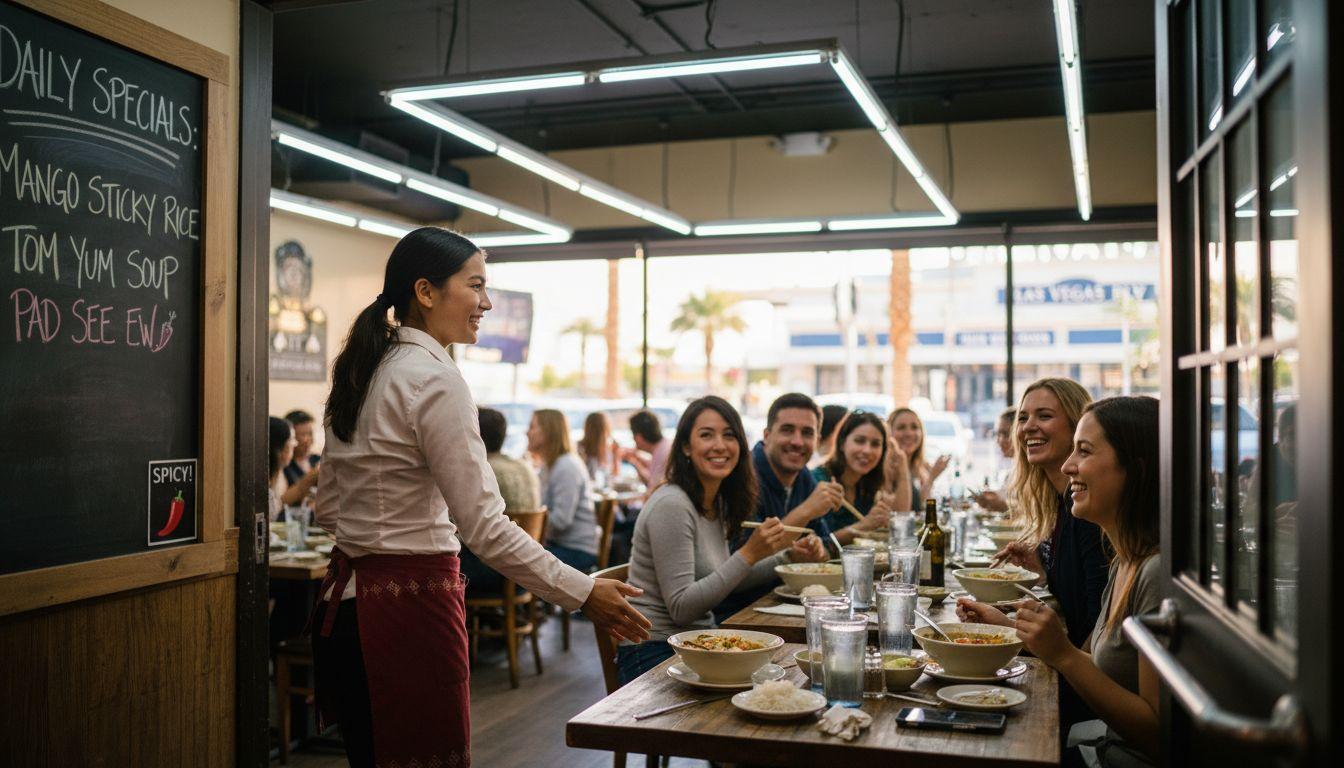
Most American diners are surprised to discover that Thai hospitality goes far beyond courteous service, shaping every dining moment with care and cultural respect. In northwest Las Vegas, health-conscious food lovers want more than tasty meals—they crave genuine connection, authentic flavors, and inclusive options like vegan and gluten-free dishes. This overview reveals how Thai restaurants blend tradition with American preferences, giving locals a richer culinary experience whether dining in or ordering takeout and delivery.
Table of Contents
Key Takeaways
Point | Details |
Understanding Thai Hospitality | Thai hospitality emphasizes cultural values such as thoughtfulness and respect, transforming dining into a meaningful experience. |
Cultural Nuances in Service | Successful Thai restaurants navigate cultural expectations, creating a warm and engaging environment while educating customers on traditional dining practices. |
Customer Experience | The customer experience in Thai restaurants blends sensory and emotional elements, enabling a deep cultural connection beyond just food consumption. |
Adapting to Local Expectations | In diverse locales like Las Vegas, Thai restaurants adapt their menus to meet dietary trends while preserving authentic service traditions. |
Defining Hospitality in Thai Restaurants
Hospitality in Thai restaurants represents far more than simple service - it embodies a profound cultural philosophy of human connection and respect. Thai hospitality dimensions reveal a nuanced approach that goes beyond transactional interactions, emphasizing genuine care and cultural understanding.
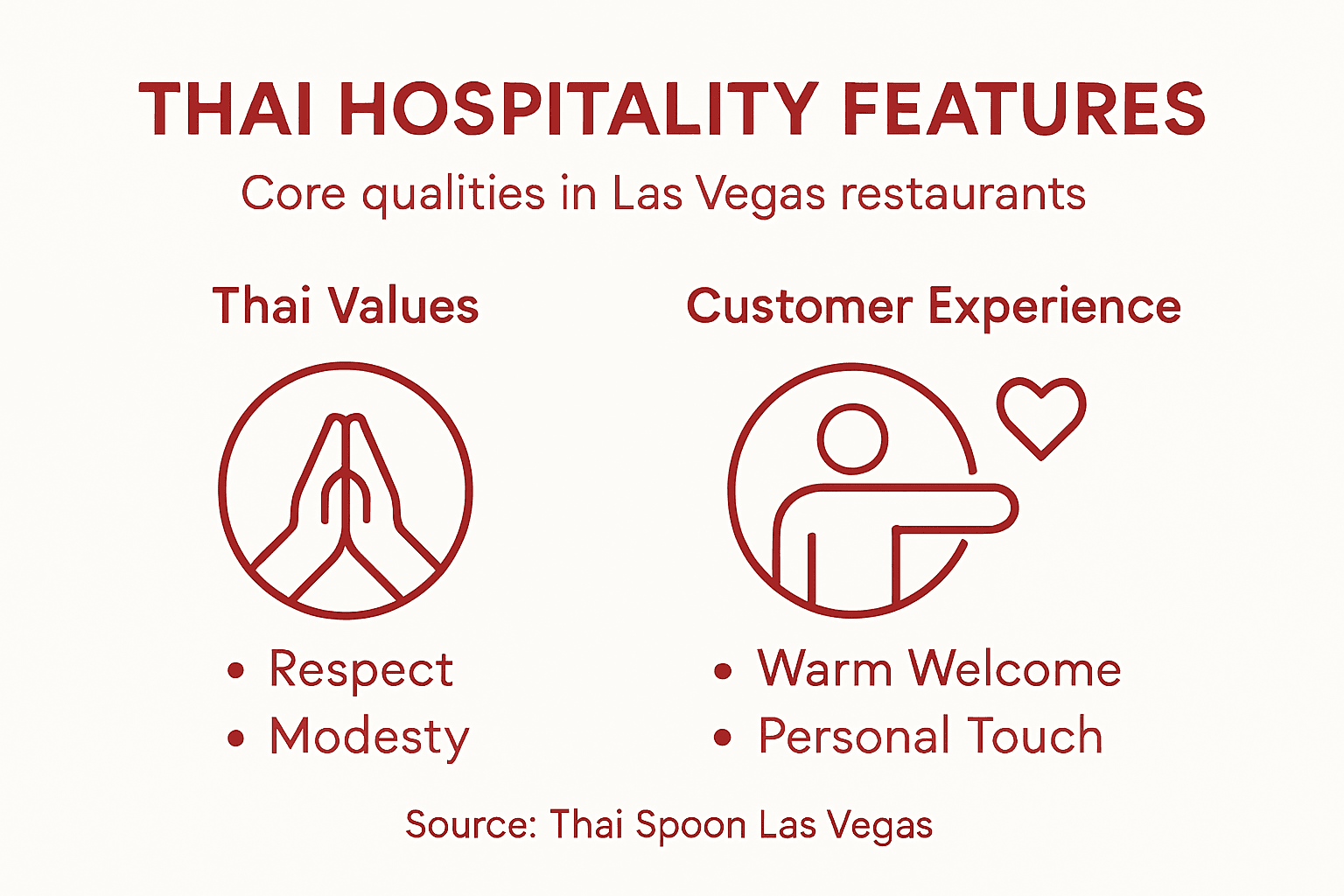
At its core, Thai hospitality centers on seven fundamental attributes: thoughtfulness, modesty, compromise, respect, cultural awareness, enthusiasm, and exceptional quality. These dimensions transform dining from a mere meal into a meaningful social experience. Restaurant staff do not just serve food; they create an environment of warmth where guests feel genuinely welcomed and valued. The goal is to make every customer feel like an honored guest in a personal home rather than a commercial establishment.
Understanding these hospitality principles requires recognizing the deep cultural roots behind Thai service. Restaurant staff demonstrate caring and adaptability by anticipating guest needs, offering recommendations with genuine enthusiasm, and maintaining a consistently gracious demeanor. This approach stems from traditional Thai values of kindness, respect for others, and creating harmonious social interactions.
Pro tip: When dining at a Thai restaurant, approach the experience with openness and appreciation for the cultural nuances of hospitality, recognizing that excellent service is an art form of human connection.
Here’s a summary comparing traditional Thai restaurant hospitality with typical American dining service:
Aspect | Thai Restaurant Hospitality | Typical American Dining Service |
Guest Interaction | Warm, personalized, deeply caring | Friendly but often transactional |
Service Style | Anticipates needs, subtle guidance | Follows standard steps, less flexibility |
Atmosphere | Homelike, welcoming, respectful | Professional, efficient, sometimes formal |
Cultural Emphasis | Strong focus on tradition, values | Emphasis on efficiency and speed |
Dining Experience | Social, communal, story-driven | Individual-centric, menu driven |
Cultural Traditions that Shape Service
Thai restaurant service represents a profound cultural expression that extends far beyond simple food preparation and delivery. Thai culinary traditions reflect complex cultural narratives that communicate deeper meanings about social interaction, respect, and community connection. Each dining experience becomes a nuanced cultural exchange where food serves as a medium for understanding Thai heritage and interpersonal dynamics.
The service traditions in Thai restaurants are deeply rooted in historical and social contexts. Thai American restaurateurs carefully navigate the delicate balance between maintaining authentic cultural practices and adapting to local American dining expectations. This cultural negotiation involves preserving traditional serving techniques, presenting dishes with specific cultural significance, and creating an atmosphere that honors Thai hospitality principles while remaining accessible to diverse customer backgrounds.
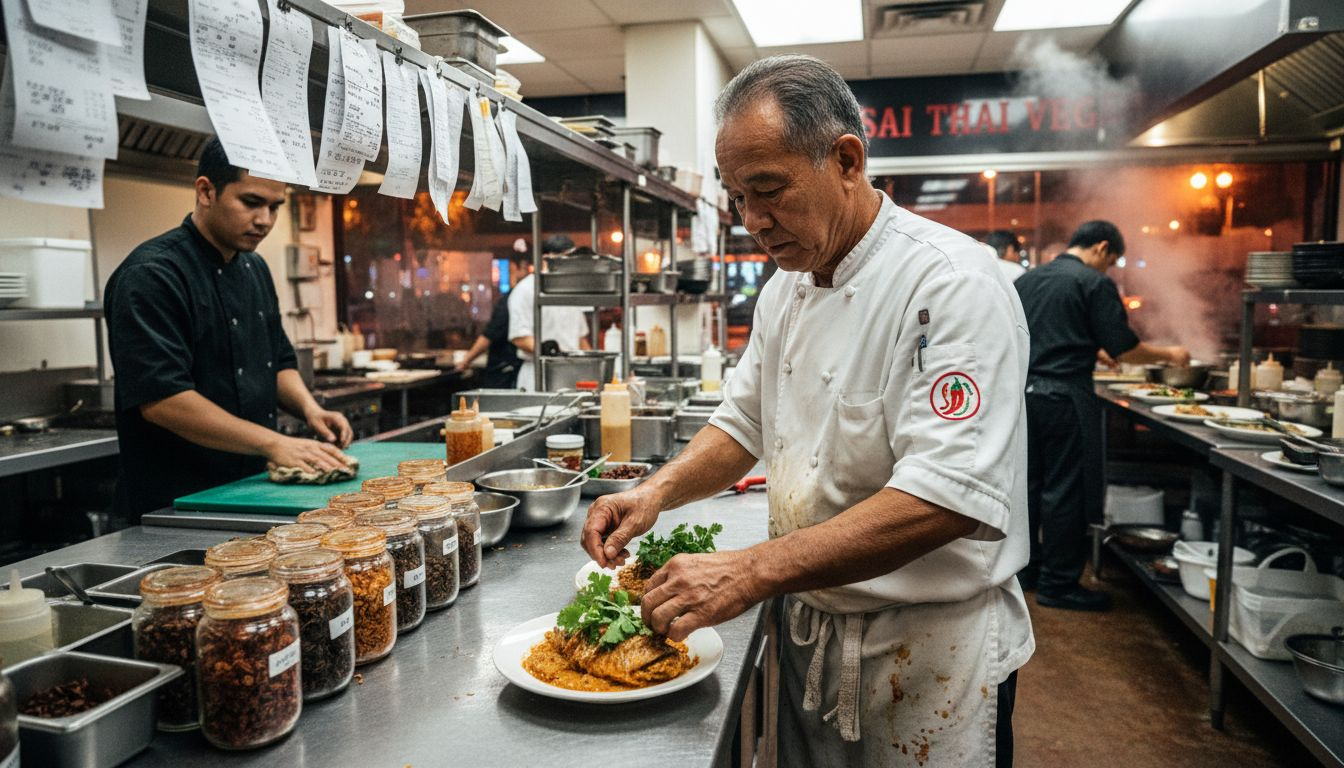
Key cultural elements that shape Thai restaurant service include remarkable attention to guest comfort, graceful movement during food presentation, and a consistent emphasis on creating a welcoming environment. Staff are trained to anticipate guest needs subtly, provide recommendations with genuine warmth, and ensure that every interaction reflects the core Thai values of respect, compromise, and enthusiastic care. These service traditions transform dining from a transactional experience into a meaningful cultural dialogue that goes beyond mere food consumption.
Pro tip: When dining at a Thai restaurant, observe the subtle cultural nuances in service and appreciate how each gesture represents generations of traditional hospitality.
Key Features of Thai Customer Experience
The Thai restaurant customer experience transcends traditional dining, combining sensory, emotional, and cultural dimensions that create a memorable interaction. Customer loyalty in Thai restaurants is deeply influenced by factors extending far beyond simple food quality, encompassing holistic engagement that speaks to both palate and personal connection.
Key experiential elements include sophisticated sensory interactions, where each dish tells a story and every service interaction represents a carefully choreographed cultural performance. Restaurant staff are trained to create multi-layered experiences that balance authentic Thai traditions with contemporary dining expectations. This involves nuanced approaches like anticipating customer preferences, explaining dish origins, and presenting food with elegant, purposeful movements that transform eating from a mere transaction into a narrative journey.
Understanding the cognitive and emotional aspects of customer experience reveals complex interactions between service quality, cultural representation, and personal satisfaction. The most successful Thai restaurants recognize that customers are seeking more than nutrition - they want immersion into a rich cultural landscape where taste, presentation, and interpersonal dynamics converge to create meaningful memories. This approach requires deep understanding of both culinary techniques and the subtle art of cultural communication, ensuring that each guest feels personally welcomed and intellectually engaged.
Pro tip: Engage with your server about the cultural background of your dish to transform an ordinary meal into an extraordinary cultural exploration.
Meeting Local Expectations in Las Vegas
In the dynamic culinary landscape of Las Vegas, Thai restaurants must skillfully navigate the unique expectations of a diverse and discerning local audience. Thai cuisine in Las Vegas represents more than just food - it’s a sophisticated cultural experience that balances authenticity with local preferences, creating dining environments that feel both exotic and familiar.
Local diners in Las Vegas expect a comprehensive approach to Thai cuisine that goes beyond traditional menu offerings. This means providing extensive dietary options, including robust vegan, gluten-free, and health-conscious selections that reflect the city’s wellness-oriented population. Successful Thai restaurants understand that meeting local expectations involves crafting menus that showcase traditional recipes while simultaneously adapting to contemporary nutritional trends and lifestyle choices prevalent in northwest Las Vegas.
The most successful Thai restaurants in the area recognize that hospitality extends far beyond food preparation. They create immersive dining experiences that combine exceptional service, culturally authentic presentations, and a welcoming atmosphere that resonates with Las Vegas residents. This involves training staff to understand not just culinary techniques, but also the nuanced cultural context of each dish, enabling them to engage customers in meaningful conversations about Thai cuisine, ingredients, and cultural traditions that transform a simple meal into a memorable experience.
Pro tip: Ask your server about the regional origins of your dish to gain deeper insights into authentic Thai culinary traditions.
Common Challenges and Mistakes to Avoid
Cultural misunderstandings in Thai restaurants represent significant challenges that can dramatically impact dining experiences for both customers and restaurant staff. These complexities extend beyond simple language barriers, encompassing nuanced expectations about service, presentation, and culinary interaction that differ between Thai and American dining cultures.
One primary challenge involves misalignment in dining expectations and communication styles. American diners often approach Thai cuisine with preconceived notions that can lead to misunderstandings about dish preparation, spice levels, and traditional eating practices. For instance, many customers mistakenly order single entrees instead of sharing multiple dishes, which contradicts the communal dining philosophy inherent in Thai culinary traditions. Restaurants must proactively educate customers about these cultural differences to create more authentic and satisfying dining experiences.
Additional challenges emerge from common mistakes in Thai restaurant etiquette that can diminish the overall dining experience. These include improper utensil usage, misunderstanding spice levels, and failing to appreciate the intricate balance of flavors in traditional Thai dishes. Successful Thai restaurants in Las Vegas must develop strategies to gently guide customers through these potential pitfalls, transforming potential cultural barriers into opportunities for culinary education and deeper appreciation.
Below is an overview of common challenges for Thai restaurants in Las Vegas and strategies to address them:
Challenge | Impact on Experience | Suggested Solution |
Misunderstanding dining customs | Guests may feel confused | Provide clear menu explanations |
Differing spice tolerance | Dissatisfaction with flavors | Offer spice level guidance |
Dietary restrictions | Limited menu enjoyment | Expand vegan/gluten-free options |
Etiquette and utensil confusion | Uncomfortable or awkward moments | Train staff to educate gently |
Pro tip: Ask your server for guidance on traditional dining practices to enhance your understanding and enjoyment of authentic Thai cuisine.
Experience Authentic Thai Hospitality at Thai Spoon Las Vegas
The article highlights how genuine Thai hospitality transforms dining into a warm, personalized cultural journey rather than a simple meal. At Thai Spoon Las Vegas, we understand the importance of thoughtfulness, respect, and cultural connection in every guest interaction. We address common challenges like adapting to diverse local preferences while maintaining authentic Thai service and cuisine. Whether you seek vegan or gluten-free options or want to explore traditional dishes like Pad Thai and Yellow Curry, our team is dedicated to creating a welcoming atmosphere where you feel truly valued.
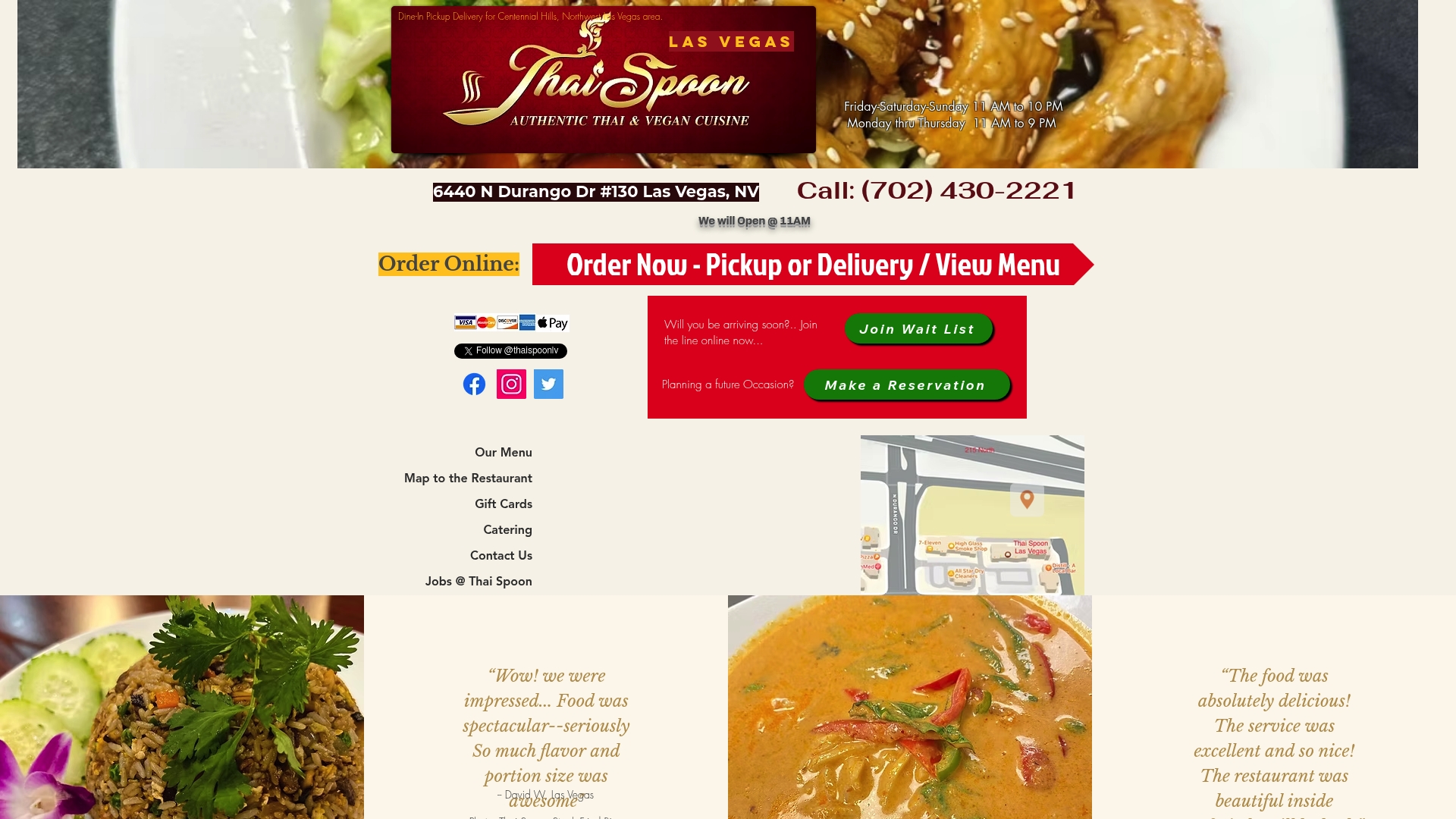
Discover how our authentic hospitality brings the spirit of Thai culture to northwest Las Vegas. Visit our menu and ordering page to explore our offerings and enjoy convenient online ordering for pickup or delivery. Don’t miss our special lunch and happy hour menus designed to offer delicious, culturally rich experiences. Come see why locals trust Thai Spoon Las Vegas for more than just a meal — it’s the connection that makes all the difference. Visit us today at Thai Spoon Las Vegas.
Frequently Asked Questions
What defines hospitality in Thai restaurants?
Thai hospitality in restaurants centers on seven attributes: thoughtfulness, modesty, compromise, respect, cultural awareness, enthusiasm, and exceptional quality, which create a warm and welcoming dining experience.
How does cultural tradition impact service in Thai restaurants?
Cultural traditions in Thai restaurants shape service through attention to guest comfort, graceful movement during food presentation, and an emphasis on creating a hospitable atmosphere rooted in kindness and respect.
What are key features of the Thai customer experience at restaurants?
The Thai customer experience encompasses sensory interactions, emotional engagement, and cultural representation, transforming meals into memorable narratives that emphasize personal connections.
How can diners better appreciate the hospitality at Thai restaurants?
Diners can enhance their experience by approaching meals with openness, engaging with servers about dish origins, and observing the cultural nuances in service, which reflect generations of Thai hospitality.
Recommended
Comments