


Most Popular Thai Noodles: Flavors Locals Love
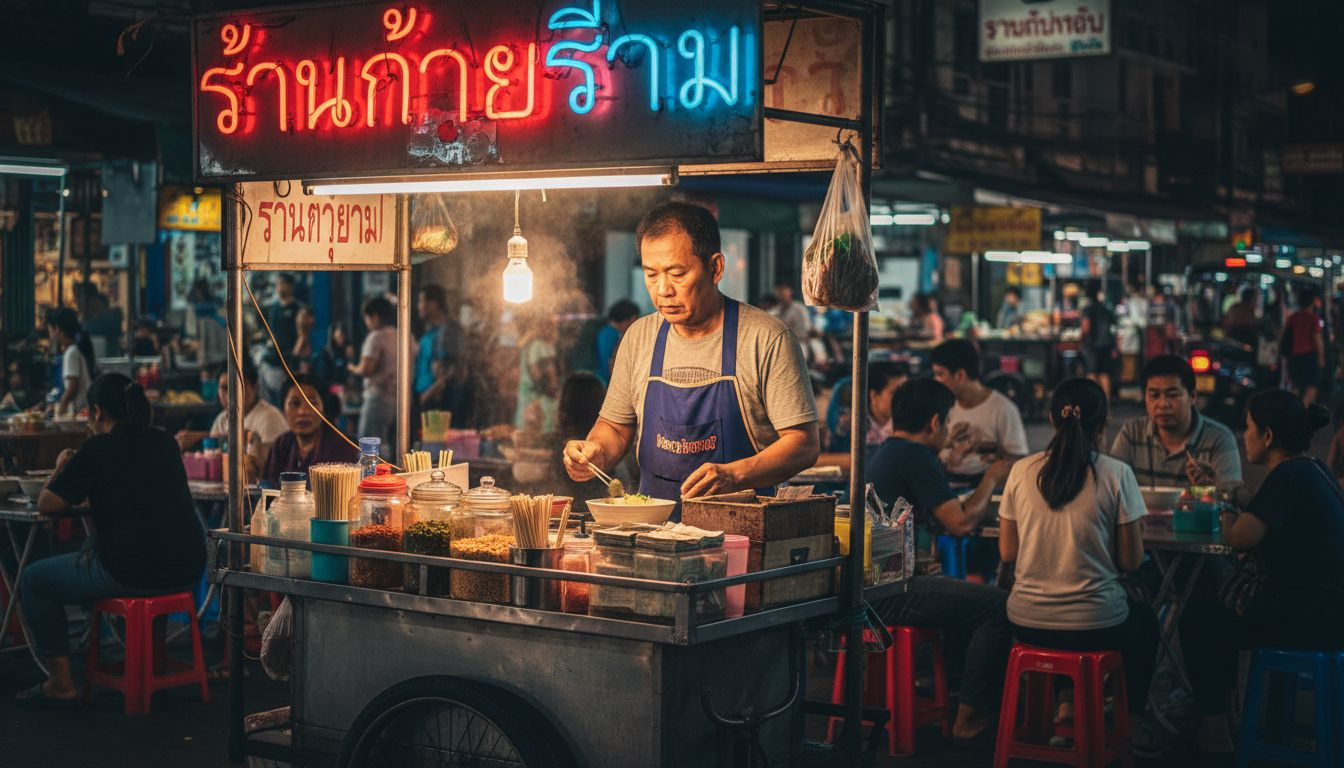
Most American diners are surprised to learn that Thai noodles embody an intricate blend of Chinese and Thai traditions, making them far more complex than other Asian noodle dishes. With over 2,000 noodle stalls thriving across Thailand, locals and visitors alike celebrate unique combinations of bold flavors and vibrant textures. This journey uncovers what sets Thai noodles apart—their cultural lineage, signature seasonings, and the way every bite delivers a distinctive story on the plate.
Table of Contents
Key Takeaways
Point | Details |
Unique Culinary Heritage | Thai noodles blend Chinese influences with local flavors, creating a unique culinary experience. |
Diverse Noodle Types | Thai cuisine uses various noodles, each with distinct textures and properties, essential for authenticity. |
Signature Flavor Balance | The complexity of Thai noodle dishes lies in their harmonious blend of sweet, sour, salty, and spicy elements. |
Customizable Dining Experience | Enjoying Thai noodles involves engaging with condiments to refine flavors and enhance personal enjoyment. |
What Makes Thai Noodles Unique
Thai noodles represent a culinary masterpiece that goes far beyond simple pasta. These distinctive noodle dishes blend Chinese heritage with local Thai flavor profiles, creating an extraordinary gastronomic experience that sets them apart from other Asian noodle traditions.
The unique characteristics of Thai noodles emerge from their complex cultural lineage. Influenced by Teochew and Yunnan culinary traditions, these noodle preparations incorporate an intricate balance of textures, techniques, and taste sensations. Unlike other noodle styles, Thai versions often feature a remarkable combination of sweet, sour, and spicy elements that dance across the palate.
What truly distinguishes Thai noodles is their vibrant seasoning approach. Chefs typically enhance dishes with bold ingredients like fish sauce, ground peanuts, fresh lime juice, and chili heat. These elements transform simple noodle preparations into complex flavor experiences that awaken every taste bud. The result is a dish that is simultaneously light yet intensely satisfying, with each bite telling a story of culinary craftsmanship.
Pro Tip: When exploring Thai noodles, start with classic dishes like Pad Thai to understand the fundamental flavor balance, then gradually explore more complex regional variations for a true taste adventure.
Classic Thai Noodle Dishes Explained
Thai cuisine boasts an incredible array of noodle dishes that reflect the country’s rich culinary diversity. From street food favorites to regional specialties, Thai noodle dishes offer a fascinating exploration of flavors and techniques, each telling a unique story of cultural heritage and gastronomic innovation.
Among the most beloved Thai noodle dishes are several standout classics that showcase the complexity of Thai cooking. Khao Soi represents a northern Thai specialty featuring egg noodles swimming in a creamy coconut curry broth, typically topped with crispy noodle fragments and served with pickled vegetables. Yen Ta Fo offers a dramatically different experience - a vibrant pink noodle soup characterized by its distinctive fermented tofu sauce, packed with various seafood and vegetables that create a symphony of textures and flavors.
Another remarkable dish is Yam Wun Sen, a glass noodle salad that perfectly embodies the Thai approach to balancing tastes. This dish combines delicate glass noodles with a zesty dressing made from lime juice, fish sauce, and chili, often including proteins like shrimp or ground pork. The result is a light yet intensely flavorful dish that demonstrates the remarkable complexity of Thai noodle preparations.
Pro Tip: When exploring Thai noodle dishes, pay attention to the garnishes and accompanying condiments - they are often crucial in completing the dish’s flavor profile and provide an authentic eating experience.
Here’s a helpful comparison of key Thai noodle dishes, their typical regions, and notable features:
Dish | Region | Distinctive Characteristics |
Pad Thai | Central Thailand | Stir-fried, sweet-sour sauce, peanuts |
Khao Soi | Northern Thailand | Coconut curry broth, egg noodles, pickles |
Yen Ta Fo | Nationwide | Pink broth, fermented tofu, seafood |
Yam Wun Sen | Nationwide | Glass noodles, spicy-sour salad |
Pad See Ew | Central Thailand | Wide rice noodles, dark soy sauce |
Types of Noodles Used in Thai Cuisine
Thai cuisine boasts an extraordinary variety of noodles that transform simple ingredients into complex culinary experiences. Each noodle type brings its own unique texture, flavor absorption capability, and cultural significance to the dishes they inhabit, creating a rich tapestry of gastronomic possibilities.
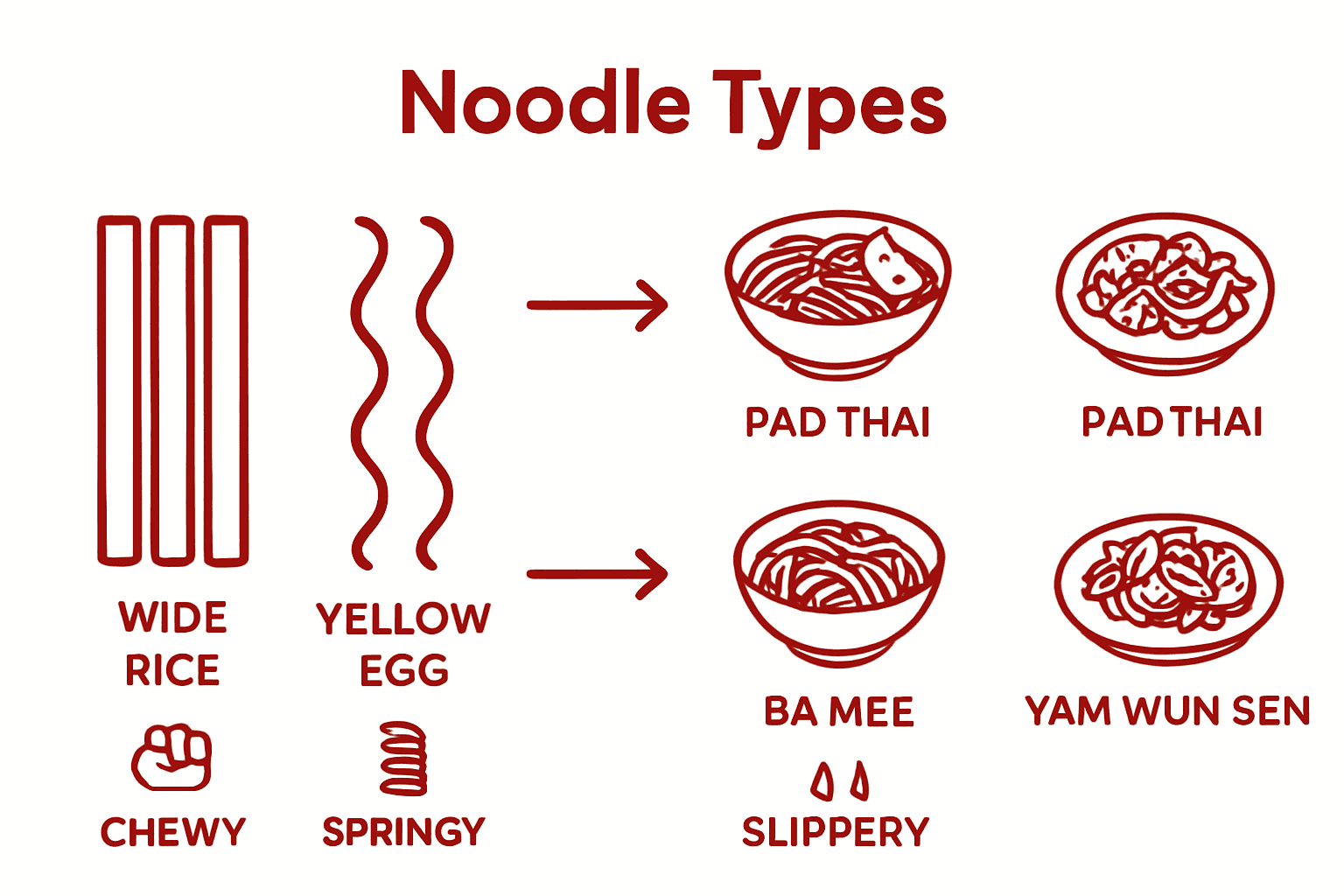
The primary noodle varieties in Thai cooking include rice noodles, egg noodles, and glass noodles, each playing a distinct role in traditional recipes. Rice noodles, known as sen mee, are thin and delicate, perfect for absorbing rich sauces and broths. Egg noodles, or ba mee, offer a heartier texture with a slightly golden hue, commonly used in stir-fries and soups. Glass noodles, made from mung bean starch, provide a translucent appearance and delightful springy texture that works beautifully in salads and quick-cooking dishes.
Understanding the characteristics of these noodles is crucial for authentic Thai cooking. Wheat noodles and rice noodles each respond differently to cooking techniques, with rice noodles requiring gentler handling to prevent breaking and wheat noodles tolerating more robust cooking methods. The choice of noodle can dramatically change a dish’s overall flavor profile, making noodle selection a critical aspect of Thai culinary artistry.
Pro Tip: When cooking Thai noodles at home, always prepare your noodles just before serving and rinse them in cold water to stop the cooking process and prevent sticking, ensuring the perfect texture in your final dish.
This overview highlights popular noodle types in Thai cuisine and their ideal uses:
Noodle Type | Main Ingredient | Typical Dishes | Texture Notes |
Sen Mee | Rice | Pad Thai, noodle soup | Thin, soft, delicate |
Ba Mee | Wheat & Egg | Khao Soi, soups | Springy, chewy, yellow |
Wun Sen | Mung Bean Starch | Yam Wun Sen, salads | Glassy, slippery, light |
Signature Flavors and Ingredients
Thai noodle dishes are a masterful symphony of balanced flavors, creating an extraordinary culinary experience that dances across the palate. The magic lies in the intricate combination of sweet, sour, salty, and spicy elements that define the essence of Thai cuisine.
Key ingredients form the foundation of these remarkable flavor profiles. Tamarind provides a tangy depth, while lime juice adds bright acidity. Fish sauce contributes a savory umami undertone, and chili peppers bring dynamic heat. Red fermented tofu emerges as a particularly distinctive ingredient, offering a complex sweet and tangy taste, transforming simple noodle dishes into extraordinary culinary experiences. Fresh herbs like cilantro, Thai basil, and mint add layers of aromatic complexity that elevate each bite.
The true artistry of Thai noodle flavors lies in their delicate balance. Chefs carefully orchestrate ingredients to create a harmonious blend where no single flavor overwhelms the others. Aromatics like lemongrass, kaffir lime leaves, and galangal root provide subtle but essential background notes that distinguish Thai cuisine from other Asian culinary traditions. The result is a dish that is simultaneously bold and nuanced, inviting diners to explore a rich landscape of taste sensations.
Pro Tip: When preparing Thai noodle dishes at home, taste and adjust your seasonings gradually, adding small amounts of fish sauce, lime juice, and chili to achieve the perfect flavor balance characteristic of authentic Thai cooking.
Tips for Enjoying Authentic Thai Noodles
Exploring authentic Thai noodles requires an adventurous palate and a willingness to discover regional culinary nuances. Each region of Thailand offers unique noodle preparations that tell a story of local ingredients, cooking traditions, and cultural heritage, making the journey of taste both educational and delightful.
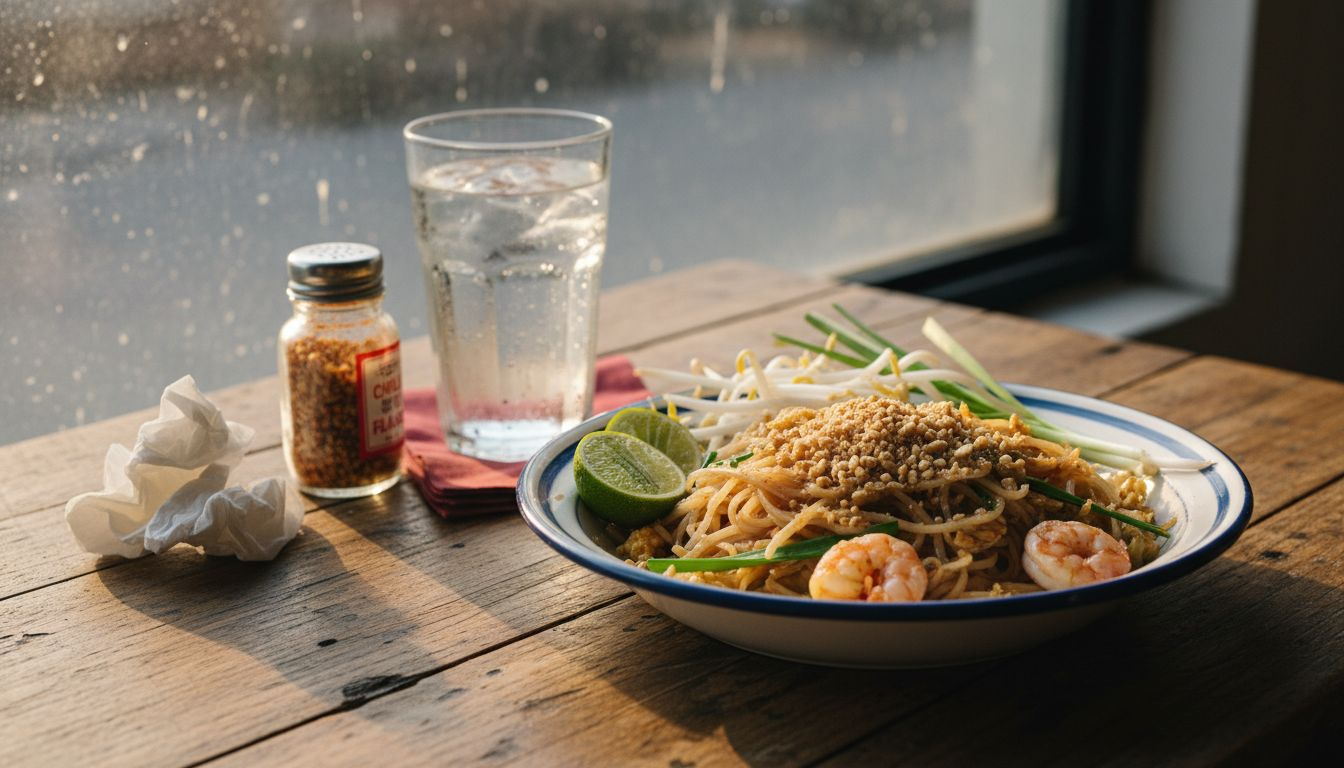
To truly appreciate Thai noodle dishes, understanding the art of customization is crucial. Most Thai restaurants provide an array of condiments like chili flakes, pickled peppers, fish sauce, and sugar, allowing diners to fine-tune their dish’s flavor profile. Balancing flavors is key - a touch of lime can brighten a rich broth, while ground peanuts can add textural complexity to a seemingly simple noodle dish. Pay attention to the harmonious blend of sweet, sour, salty, and spicy elements that characterize authentic Thai cuisine.
Regional variations offer fascinating insights into Thailand’s diverse culinary landscape. Northern Thai noodle dishes often feature coconut-based broths and milder spices, while southern preparations tend to be more fiery and intense. Street food vendors and small, family-run restaurants typically provide the most authentic experiences, where recipes have been perfected over generations. Understanding these subtle distinctions transforms eating from a mere meal to a cultural exploration.
Pro Tip: Always taste your noodle dish before adding condiments, respecting the chef’s original flavor composition while remaining open to personal adjustments that enhance your individual dining experience.
Experience Authentic Thai Noodles Crafted Just for You
Craving the bold and balanced flavors of Thai noodles discussed in “Most Popular Thai Noodles: Flavors Locals Love” Try dishes that master the perfect blend of sweet, sour, salty, and spicy elements right here at Thai Spoon Las Vegas Our menu offers favorites like Pad Thai and more, all crafted to satisfy your adventurous palate with genuine Thai tradition.
Don’t wait to delight your taste buds with handcrafted noodle dishes made to honor the authentic Thai culinary art Learn about our special lunch and happy hour menus or order online now for quick pickup or delivery from Thai Spoon Las Vegas Explore our full menu and reserve your spot or catering at https://thaispoonlasvegas.com to enjoy the rich flavors locals love today!
Frequently Asked Questions
What are the most popular types of Thai noodles?
The most popular types of Thai noodles include rice noodles, egg noodles, and glass noodles. Each type offers unique textures and is used in different traditional dishes.
How do I distinguish between Thai noodle dishes?
Thai noodle dishes can be distinguished by their sauces, ingredients, and preparation methods. For example, Pad Thai is stir-fried with a sweet-sour sauce, while Khao Soi features egg noodles in a creamy coconut curry broth.
What are the key flavors in Thai noodle dishes?
Thai noodle dishes are characterized by a balance of sweet, sour, salty, and spicy elements. Ingredients like fish sauce, lime juice, and tamarind play a crucial role in achieving this flavor harmony.
How can I enhance the flavor of my Thai noodles at home?
To enhance the flavor of Thai noodles at home, use fresh ingredients and adjust seasonings gradually. Incorporate condiments like fish sauce, lime juice, and chili peppers to customize the overall taste according to your preference.
Recommended
Comments