




Step by Step Thai Lunch Preparation for Authentic Dishes
- mail469793
- Dec 11, 2025
- 7 min read
Over half of American home cooks say they find authentic Thai recipes intimidating at first. Whether you are craving bold flavors or a vibrant kitchen experience, preparing a traditional Thai lunch at home captures the essence of Southeast Asian cuisine in a way that takeout never can. This guide walks through the essential steps and expert tips needed to confidently assemble, cook, and present an unforgettable Thai meal using both classic techniques and ingredients available to American chefs.
Table of Contents
Quick Summary
Key Message | Explanation |
1. Gather Authentic Ingredients | Use fresh, authentic Thai ingredients from Asian grocery stores for the best flavors in your dishes. |
2. Master Essential Sauces | Focus on crafting homemade curry pastes to elevate the flavors and authenticity of your Thai meals. |
3. Control Cooking Techniques | Maintain high heat while cooking to achieve the right balance of textures and flavors without burning spices. |
4. Present Dishes Artfully | Use neutral-colored plates and careful arrangement to highlight the vibrant colors and textures of your Thai meals. |
5. Adjust Flavors Precisely | Taste and tweak seasoning just before serving to ensure a balanced blend of salty, sweet, sour, and spicy elements. |
Step 1: Gather Traditional Thai Ingredients and Tools
Preparing an authentic Thai lunch starts with assembling the right ingredients and specialized equipment that transform simple cooking into a culinary experience. Understanding the essential tools makes recreating traditional Thai flavors possible in your home kitchen.
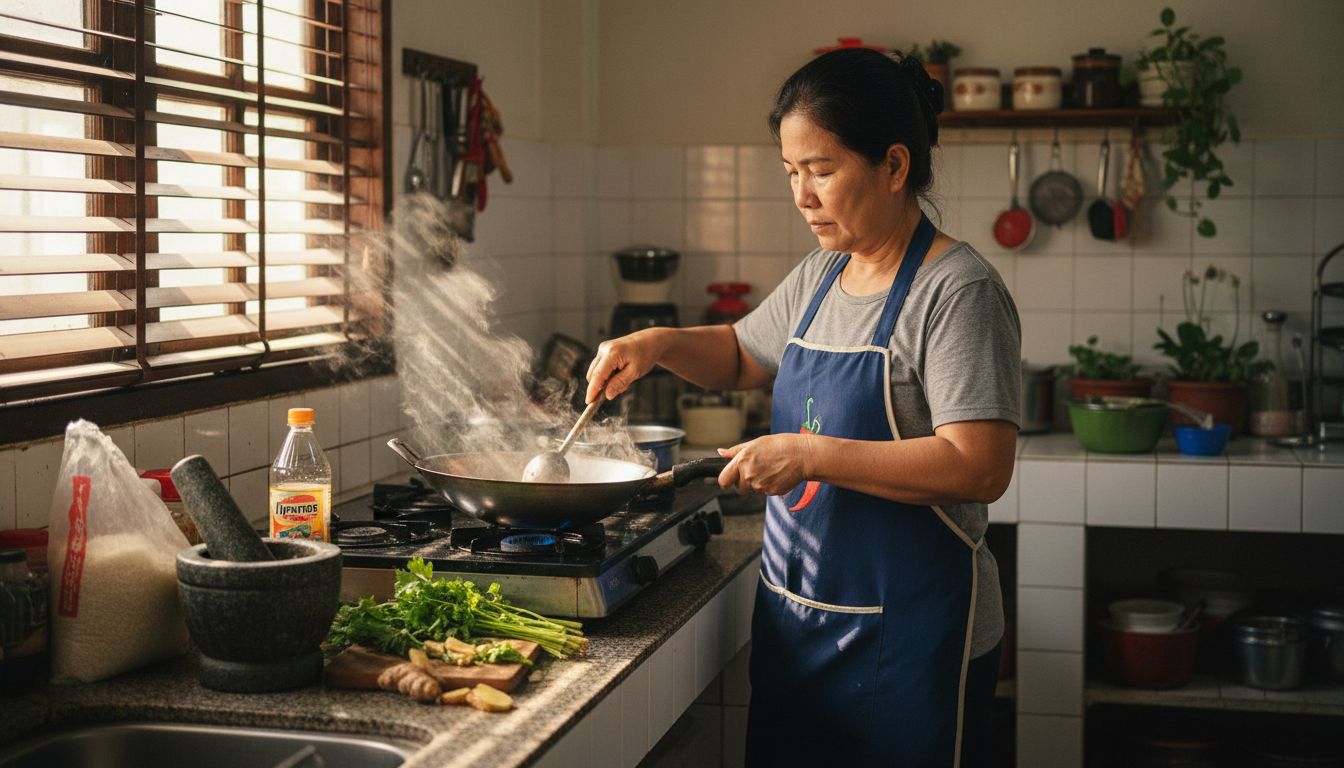
The cornerstone of any Thai cooking setup is a granite mortar and pestle, an indispensable tool for creating complex flavor foundations. Traditional Thai kitchen tools are fundamental for achieving authentic textures and tastes, particularly when crafting curry pastes and grinding fresh herbs and spices. Beyond the mortar and pestle, you’ll want a carbon steel wok for stir-frying and a collection of key ingredients like lemongrass, kaffir lime leaves, Thai basil, fish sauce, and palm sugar.
When gathering ingredients, focus on freshness and authenticity. Look for specialized Asian grocery stores or international markets that stock genuine Thai produce and spices. Some items like Thai bird chilies, galangal, and specific herbs might require a bit of hunting, but the resulting depth of flavor makes the effort worthwhile. Pro tip: If you cannot find fresh ingredients, many well-stocked grocery stores now offer frozen or dried alternatives that can work in a pinch.
Step 2: Prepare Essential Sauces and Bases
Authentic Thai cuisine centers around creating complex flavor foundations through carefully crafted sauces and bases that transform simple ingredients into extraordinary dishes. Mastering these fundamental preparations will elevate your Thai cooking skills and bring restaurant-quality flavors to your home kitchen.
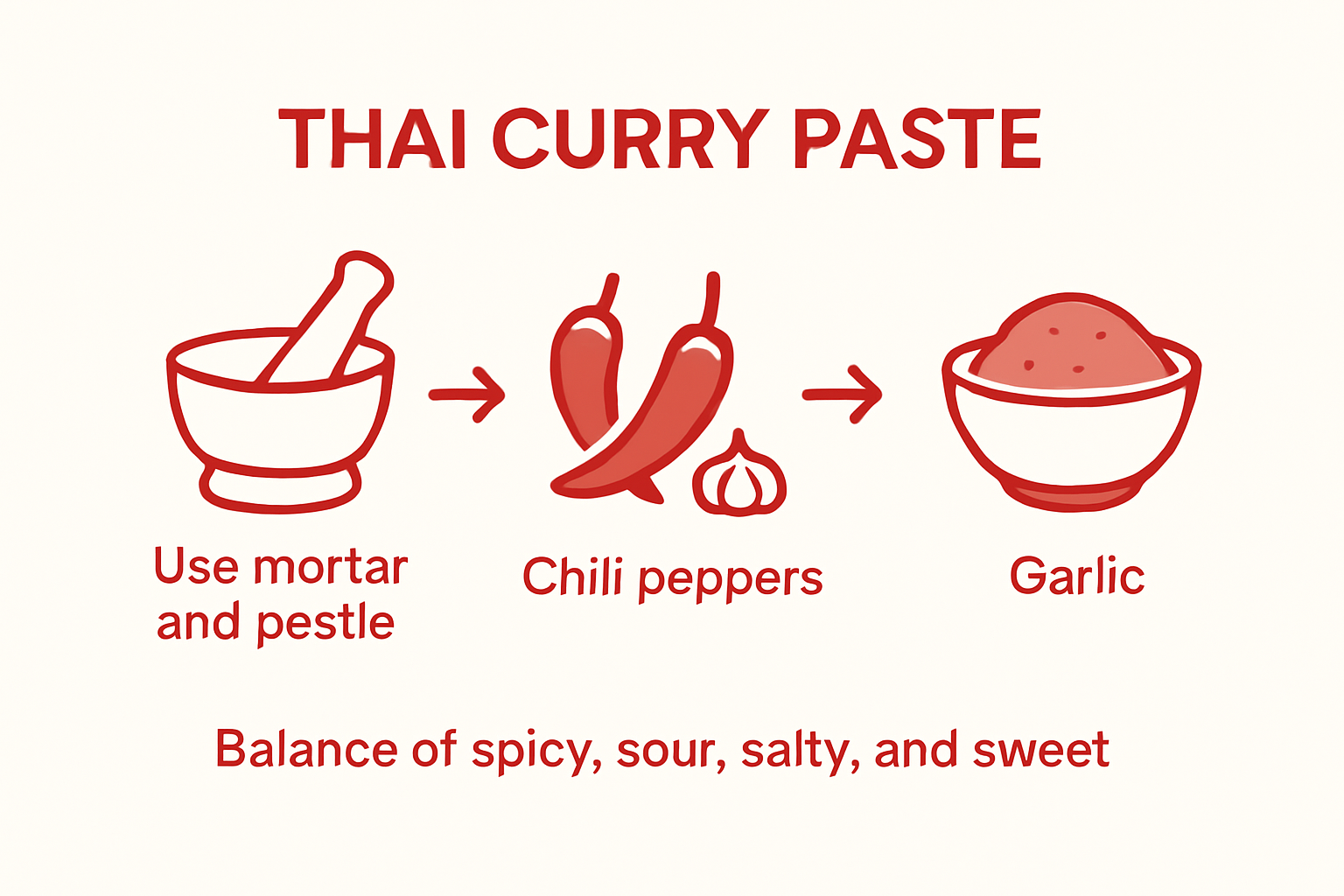
Traditional Thai cuisine emphasizes the precision and skill required in preparing essential sauces and bases, particularly when creating curry pastes. Start by assembling your ingredients carefully: fresh chilies, garlic, lemongrass, galangal, shrimp paste, and kaffir lime leaves. Using your granite mortar and pestle, begin grinding ingredients systematically. Press and twist rather than simply mashing, allowing the ingredients to release their essential oils and develop a smooth, unified paste. The key is patience and consistent pressure.
When developing curry pastes or other foundational sauces, taste and adjust continuously. Balance is critical in Thai cooking, so experiment with small amounts of fish sauce, palm sugar, and lime juice to create harmonious flavor profiles. Pro tip: Homemade curry pastes can be prepared in advance and stored in airtight containers in the refrigerator for up to one week, allowing you to have authentic base sauces ready whenever inspiration strikes. Your next step will involve selecting the specific proteins and vegetables to complement these carefully crafted sauce foundations.
Step 3: Cook Main Thai Lunch Dishes
Cooking authentic Thai lunch dishes requires precision, understanding of flavor balance, and mastery of specific cooking techniques that transform simple ingredients into extraordinary meals. Your carefully prepared curry pastes and sauces will now become the foundation for creating delicious main courses that showcase the complexity of Thai cuisine.
Key ingredients like fish sauce, coconut milk, chili peppers, and kaffir lime leaves are fundamental in preparing traditional Thai lunch dishes, each contributing unique layers of flavor and depth. Start with classic dishes like Tom Yum Goong or Green Curry, using your pre made curry paste as a base. For Tom Yum, heat your wok and add the paste, then introduce shrimp, mushrooms, and aromatic herbs. Stir quickly and confidently, allowing ingredients to meld while maintaining their individual textures.
Temperature control is crucial when cooking Thai dishes. Maintain a high heat that allows quick cooking and ingredient caramelization, but be careful not to burn your delicate herbs and spices. When preparing dishes like Green Curry, add coconut milk gradually and let it simmer gently, allowing the flavors to develop and integrate. Pro tip: Always taste and adjust seasoning throughout the cooking process, adding small amounts of fish sauce or palm sugar to achieve the perfect balance between salty, sweet, sour, and spicy elements. Your next step will involve plating and garnishing these vibrant, flavor packed dishes to create a complete and authentic Thai lunch experience.
Step 4: Assemble and Plate Thai Lunch Meals
Transforming your carefully prepared Thai dishes into visually stunning and authentically presented meals is the final art of creating a memorable lunch experience. This step is about more than just serving food it is about creating a visual and sensory journey that honors traditional Thai culinary presentation techniques.
Authentic Thai cooking experiences emphasize the importance of ingredient selection and presentation techniques, turning each plate into a canvas of color and texture. Begin by selecting white or neutral colored plates that will highlight the vibrant colors of your Thai dishes. For curries, create a small mountain of fragrant jasmine rice as the foundation, then carefully ladle the curry around the rice, allowing the colorful sauce to contrast beautifully with the white backdrop. Garnish with fresh herbs like Thai basil, cilantro, or thin slices of red chili to add visual complexity and hint at the dish’s flavor profile.
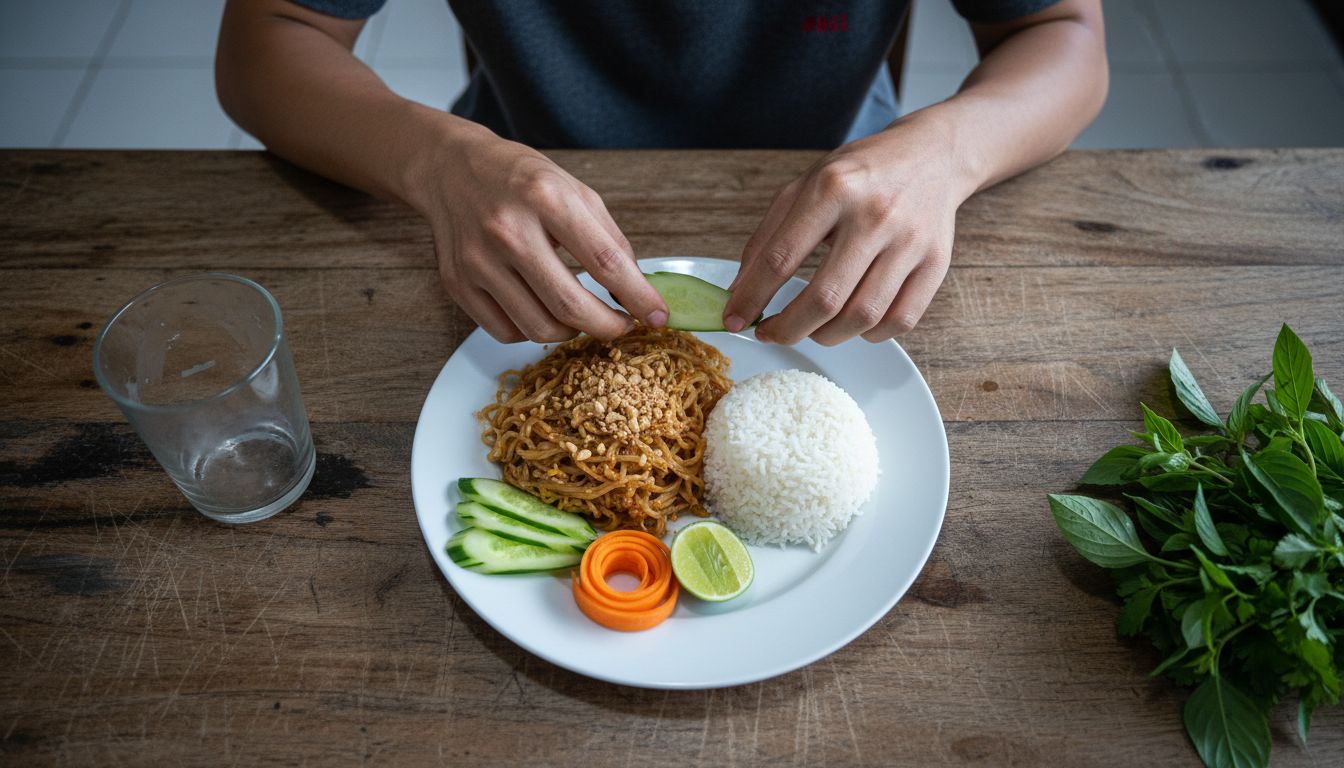
Attention to detail separates good from exceptional Thai meal presentation. Wipe plate edges clean to ensure a pristine appearance, and consider using small side dishes for additional condiments like nam jim jaew or crushed peanuts. Arrange components with intentionality place proteins slightly off center, scatter herbs with purpose, and create height and dimension on the plate. Pro tip: Take a moment to step back and view your plate from different angles, ensuring a balanced and inviting presentation that tells a story of flavor and tradition. Your meticulously assembled Thai lunch is now ready to be savored and enjoyed.
Step 5: Check Flavor and Presentation Before Serving
The final moments of Thai lunch preparation are critical for transforming your carefully crafted dishes from good to extraordinary. This step is about making precise final adjustments that elevate your culinary creation to an authentic Thai dining experience.
Traditional Thai cooking techniques emphasize the importance of precise flavor control and careful final presentation, requiring a nuanced approach to tasting and adjusting. Begin by using a clean spoon to sample your dish, focusing on balancing the fundamental Thai flavor profiles salty, sweet, sour, and spicy. Add small amounts of fish sauce to increase saltiness, a touch of palm sugar to enhance sweetness, fresh lime juice for sourness, or additional chili for heat. Your goal is creating a harmonious flavor profile where no single taste overpowers the others.
Visual appeal is equally important as taste. Examine your plated dish from multiple angles, ensuring garnishes are strategically placed and colors are vibrant. Check that herbs look fresh and crisp, sauces have a glossy sheen, and proteins are perfectly cooked. Pro tip: Take a smartphone photo of your dish and view it objectively this can help you spot imperfections or areas needing adjustment. Your meticulously prepared Thai lunch is now ready to be served with confidence and pride.
Discover Authentic Thai Flavors Without the Hassle
Mastering the art of traditional Thai lunch preparation can be a rewarding challenge. From gathering fresh ingredients and crafting complex curry pastes to perfecting the balance of salty, sweet, sour, and spicy flavors, it takes time and skill. If you want to immerse yourself in these rich culinary traditions but find sourcing ingredients or execution difficult, there is a convenient solution.
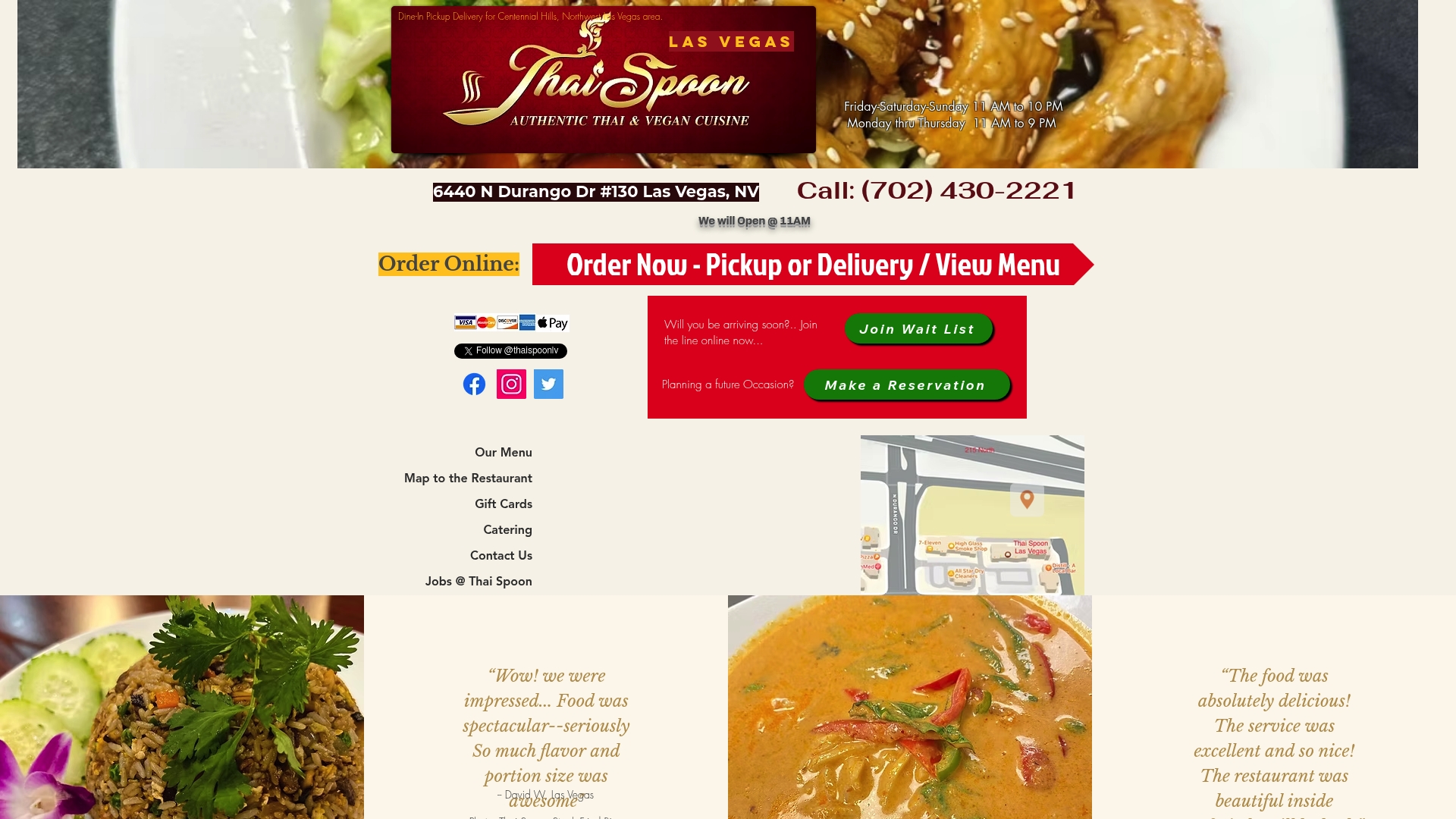
Thai Spoon Las Vegas offers expertly prepared authentic Thai dishes like Pad Thai, Yellow Curry, and Steak Fried Rice. Using traditional techniques and fresh ingredients, they deliver the true taste of Thailand to your table. Whether you prefer dining in a welcoming atmosphere or ordering online for pickup or delivery, their menu includes vegan and gluten-free options so everyone can enjoy.
Explore the authentic flavors today and bring the vibrant experience of a perfectly balanced Thai lunch into your life without any stress. Treat yourself or your loved ones to quality Thai cuisine crafted with care. Check out Thai Spoon Las Vegas and savor the beauty of authentic Thai cooking now.
Frequently Asked Questions
What are the essential ingredients for preparing an authentic Thai lunch?
Gather key ingredients like lemongrass, kaffir lime leaves, Thai basil, fish sauce, and palm sugar to create authentic flavors in your dishes. Focus on obtaining fresh ingredients from specialty markets to enhance your culinary experience.
What tools do I need for authentic Thai cooking?
Invest in a granite mortar and pestle, and a carbon steel wok to effectively prepare traditional Thai dishes. Having these tools allows you to create complex flavors and textures typical of authentic Thai cuisine.
How do I prepare curry pastes for Thai dishes?
Start by grinding fresh ingredients such as chilies, garlic, and galangal in your mortar and pestle. Apply consistent pressure while grinding to release essential oils and create a smooth paste, adjusting flavors with fish sauce, palm sugar, and lime juice to achieve balance.
What is the best way to plate Thai lunch meals for presentation?
Use white or neutral-colored plates to highlight the vibrant colors of your dishes. Carefully mound jasmine rice, ladle the curry around it, and garnish with fresh herbs to create a visually appealing presentation that reflects the authenticity of Thai cuisine.
How can I ensure the flavors are balanced in my Thai dishes?
Taste your dishes during cooking and adjust flavors by adding small amounts of fish sauce, palm sugar, or lime juice as needed. Aim for a harmonious balance of salty, sweet, sour, and spicy flavors, and consider using a clean spoon for accurate sampling.
Recommended
Comments