


Sticky rice recipes: 5 Thai dishes to make at home
TL;DR:
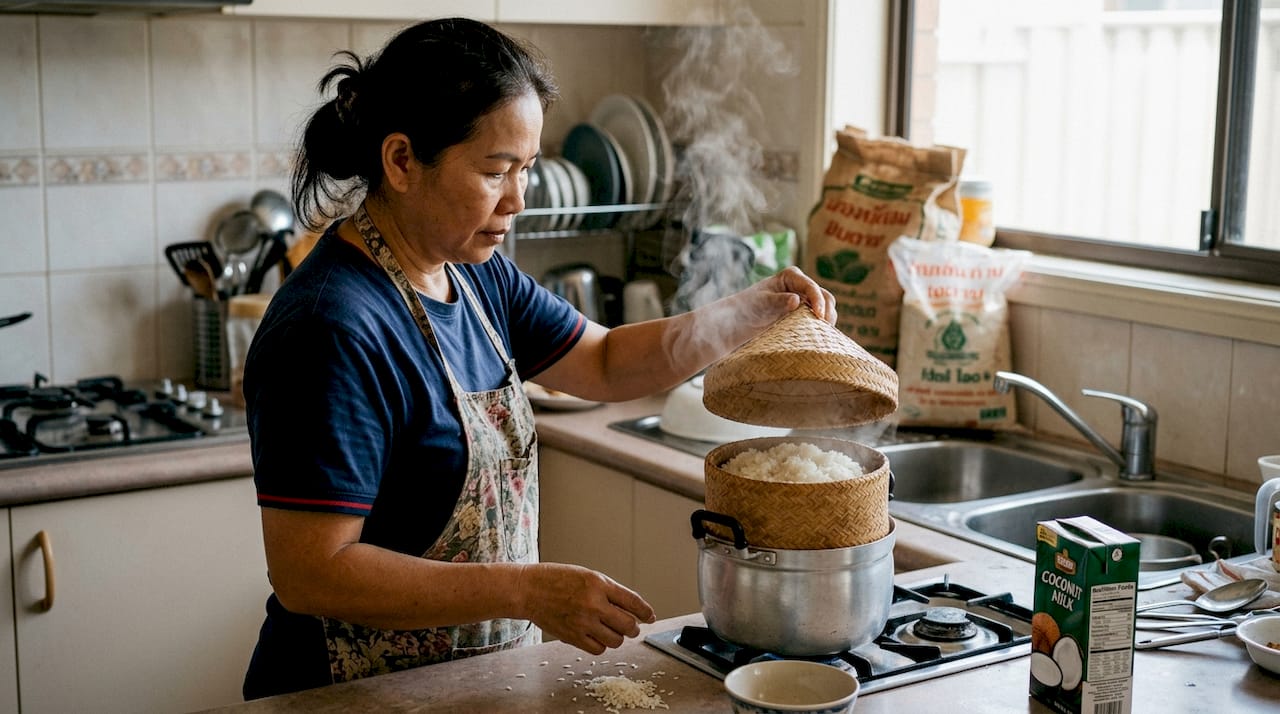
Making authentic Thai sticky rice requires soaking, steaming, and specific rice types for perfect texture.
Sticky rice is central to both Thai savory meals and desserts, offering versatility and cultural significance.
Proper preparation enhances flavor, texture, and traditional experience, elevating home-cooked Thai dishes.
Sticky rice is one of those ingredients that Las Vegas food lovers talk about constantly but rarely attempt at home. Maybe you’ve had it at a Thai restaurant and wondered how the texture gets so perfectly chewy, or you’ve tried making it yourself and ended up with a gummy, clumped mess. You’re not alone. Getting sticky rice right takes the right type of rice, the right tools, and a method that most Western cooking guides skip over entirely. This guide covers everything: what to buy, how to cook it, classic savory pairings, irresistible Thai desserts, and how to fix it when things go sideways.
Table of Contents
Key Takeaways
Point | Details |
Soaking is essential | Overnight soaking is key for chewy, perfect sticky rice every time. |
Steaming, not boiling | Steam your Thai glutinous rice for authentic texture; avoid boiling. |
Versatile for sweet or savory | Sticky rice pairs with Thai mains or shines in coconut-rich desserts. |
Troubleshooting quick fixes | Common mistakes like sogginess or dryness are easy to fix with the right tips. |
Sticky rice essentials: What you need to get started
Before you cook a single grain, understanding what is Thai sticky rice makes all the difference. Thai sticky rice, also called glutinous rice or khao niao, is not the same as jasmine rice or sushi rice. It has a distinct starch structure that makes it clump together when cooked, which is exactly the point. You need to buy Thai glutinous rice specifically, and you can find it at Asian grocery stores in Las Vegas like 99 Ranch Market or Hong Kong Supermarket.
There are two main varieties worth knowing. White glutinous rice is the classic choice for savory dishes and mango sticky rice dessert. It cooks up soft, slightly translucent, and wonderfully chewy. Black sticky rice has a nuttier, earthier flavor and a deep purple color when cooked. It’s less sticky than white and works beautifully in puddings and layered desserts. Both are worth keeping in your pantry.
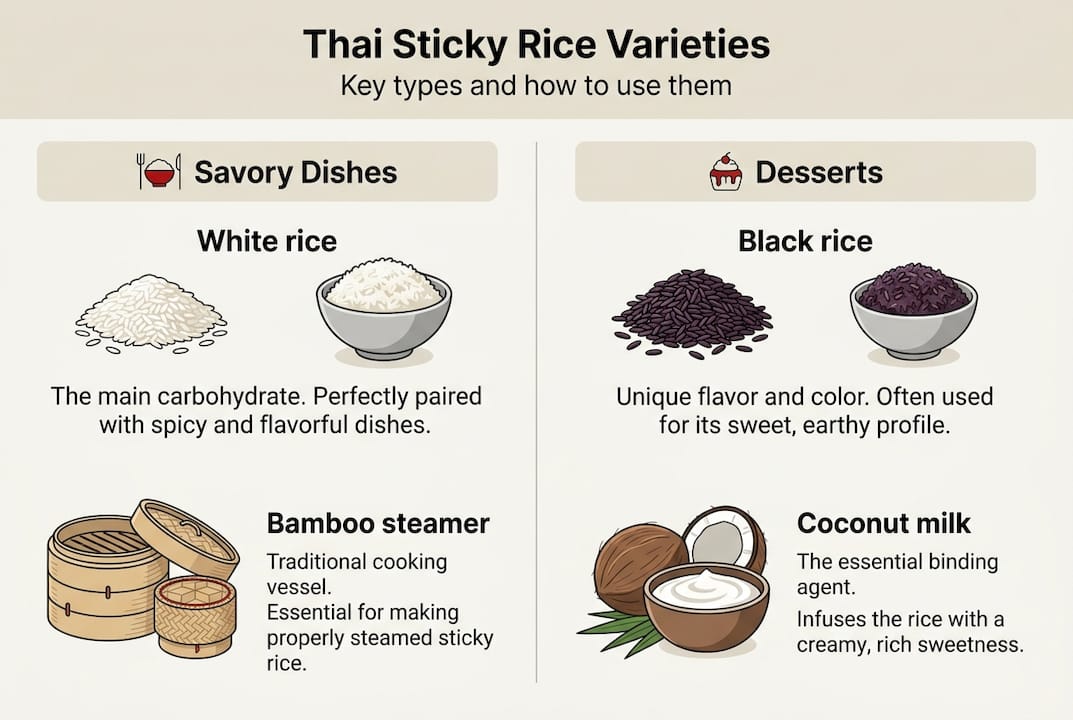
For equipment, you don’t need anything fancy. A bamboo steamer basket (the kind with a cone or cylinder shape) is the most traditional tool, and it’s easy to find in Las Vegas Asian markets for under $15. If you can’t find one, a cheesecloth-lined metal steamer works just as well. You’ll also need a large bowl for soaking and a pot that fits your steamer snugly.
Item | Type | Where to find in Las Vegas |
Thai glutinous rice (white) | Ingredient | 99 Ranch, Hong Kong Supermarket |
Thai glutinous rice (black) | Ingredient | Asian grocery stores |
Bamboo steamer basket | Tool | Asian markets, Amazon |
Cheesecloth | Tool | Grocery stores, hardware stores |
Coconut milk | Ingredient | Most grocery stores |
Palm sugar | Ingredient | Asian specialty stores |
Pandan leaves | Ingredient | Asian markets (fresh or frozen) |
For savory dishes, you’ll want fish sauce, lime, fresh herbs, and bold dipping sauces. For sweet preparations, stock up on coconut milk, palm sugar, ripe mangoes, and pandan. Checking out a full essential Thai ingredients list before your shopping trip saves you multiple store runs.
Pro Tip: Soaking rice overnight (4 to 10 hours minimum) is non-negotiable. It ensures even steaming and gives you that signature chew instead of a hard, undercooked center.
Having set the table with foundational knowledge, let’s get hands-on with making flawless sticky rice, step by step.
How to make perfect Thai sticky rice at home
The process is simpler than most people expect, but the details matter. Start by rinsing your white glutinous rice under cold water until the water runs clear. This removes excess surface starch. Then submerge the rice in cold water and let it soak for at least 4 hours, or overnight if you can. The grains will plump up and turn slightly opaque.
Never boil sticky rice. Boiling breaks down the starch structure and turns it gummy and wet. Steaming is the only method that preserves the chewy, slightly firm texture that makes Thai sticky rice so satisfying.
Here’s the step-by-step process:
Rinse rice under cold water until water runs clear (about 2 minutes).
Soak rice in cold water for 4 to 10 hours, or overnight.
Drain rice and transfer to a bamboo steamer basket or cheesecloth-lined steamer.
Steam over boiling water for 20 to 25 minutes, flipping the rice halfway through.
Test for doneness: grains should be translucent, chewy, and slightly sticky when pressed.
Remove from heat and let rest for 5 minutes before serving.
Step | Time | What to look for |
Rinse | 2 minutes | Clear water |
Soak | 4 to 10 hours | Plump, opaque grains |
Steam (first half) | 10 to 12 minutes | Steam rising steadily |
Flip and steam | 10 to 12 minutes | Translucent, chewy texture |
Rest | 5 minutes | Grains hold shape when pressed |
For desserts, the soaking and steaming process is the same, but you’ll soak the cooked rice immediately in warm sweetened coconut milk to infuse flavor deep into each grain. That hot coconut soak is what separates good mango sticky rice from great mango sticky rice.
For storage, keep leftover sticky rice in an airtight container at room temperature for up to 8 hours, or refrigerate for up to two days. For more on sticky rice flavors and traditions, the cultural context adds real depth to your cooking.
Pro Tip: Re-steam leftovers instead of microwaving. Place rice in a steamer for 5 minutes and it comes back to life. Microwaving dries it out and ruins the texture.
With your rice and tools ready, you’re set to master the two most authentic ways sticky rice transforms meals: savory companion and sweet showstopper.
Classic savory dishes: How sticky rice shines in Thai meals
In northern and northeastern Thai (Isan) cuisine, sticky rice is eaten by hand as the main utensil. You pinch off a small ball, press it slightly flat with your fingers, and use it to scoop up grilled meats, spicy salads, and bold dipping sauces. It’s practical, communal, and deeply satisfying in a way that using a fork simply isn’t.
Sticky rice isn’t just a side dish in Thai culture. It’s the vehicle, the utensil, and the comfort food all at once. In Isan households, the bamboo rice basket sits at the center of every meal, and everyone reaches in together.
The role of rice in Thai meals goes far beyond filler. Sticky rice balances the heat and sharpness of spicy dishes in a way that plain jasmine rice can’t match. Its mild, slightly sweet flavor and dense chew absorb sauces beautifully without getting soggy.
Here are the best savory pairings to try at home:
Grilled chicken (gai yang): Marinated in lemongrass, garlic, and fish sauce, then grilled until charred. The smoky flavor and sticky rice are a perfect match.
Spicy papaya salad (som tam): The crunch and heat of green papaya salad need sticky rice to cool things down.
Laab (minced meat salad): Herbaceous, tangy, and spicy, laab is one of the most iconic Isan dishes and always served with sticky rice.
Fermented pork sausage (sai krok Isan): Slightly sour and savory, these sausages are a street food staple that pairs naturally with sticky rice.
Jaew dipping sauce: A roasted chili and tamarind sauce that sticky rice soaks up perfectly.
Grilled fish with herbs: Whole fish stuffed with lemongrass and grilled over charcoal, served alongside a basket of sticky rice.
For more inspiration, browse Thai rice dish ideas to see how these combinations come together. For authentic dipping sauces and fermented sausages locally, check out Asian grocery stores in the northwest Las Vegas area.
Now, cross from savory to sweet: discover why sticky rice is the unsung hero of Thai desserts.
Divine desserts: Sweet sticky rice treats to make and share
Mango sticky rice is arguably the most famous Thai dessert in the world, and it’s easier to make than most people think. Here’s how to do it right:
Steam white glutinous rice using the method above.
While hot, mix 1 cup coconut milk with 3 tablespoons palm sugar and a pinch of salt. Heat gently until sugar dissolves.
Pour the warm coconut mixture over the hot rice and stir gently. Let it absorb for 20 minutes.
Slice ripe mango alongside sticky rice and arrange on a plate.
Make a thickened coconut sauce: simmer 1/2 cup coconut milk with 1 tablespoon palm sugar and a pinch of salt until slightly thickened.
Drizzle the sauce over the rice and mango. Garnish with toasted sesame seeds or mung beans.
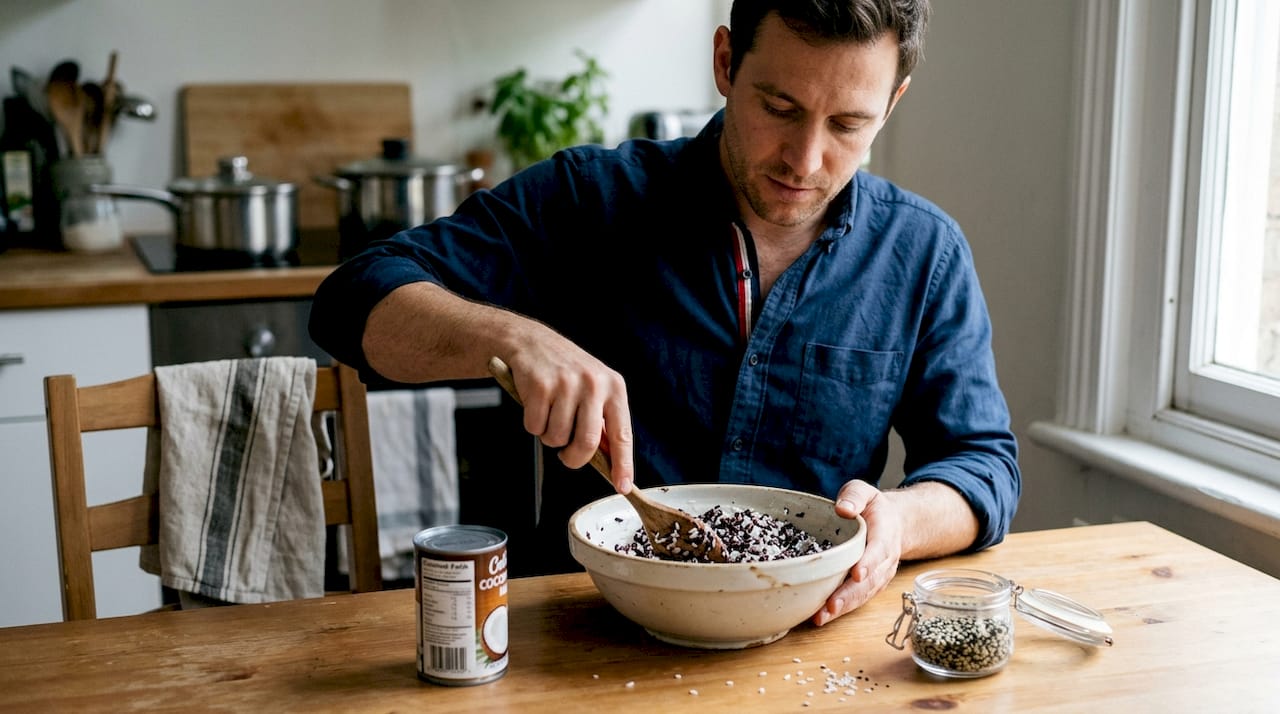
For black sticky rice pudding, the process is different. Black glutinous rice is often mixed with a small amount of white rice, then simmered slowly with pandan leaves, palm sugar, and coconut milk until creamy and thick. Serve it warm or chilled, topped with coconut cream, fresh mango slices, and sesame seeds.
Dessert | Rice type | Flavor profile | Difficulty | Best topping |
Mango sticky rice | White glutinous | Sweet, creamy, fresh | Easy | Coconut sauce, sesame |
Black sticky rice pudding | Black + white mix | Nutty, earthy, rich | Moderate | Coconut cream, mango |
In Las Vegas, ripe Ataulfo mangoes (also called honey mangoes) are available at most grocery stores from spring through summer. They’re sweeter and less fibrous than Tommy Atkins mangoes, making them the better choice for this dessert. For more background on this iconic dish, read about mango sticky rice and its place in Thai food culture.
Pro Tip: Always soak the hot cooked rice in warm coconut milk immediately after steaming. The heat opens the grains and allows the coconut flavor to absorb deeply instead of just coating the surface.
Finally, to avoid frustration, let’s tackle the most common pitfalls and expert solutions.
Troubleshooting tips: Sticky rice perfection every time
Even experienced cooks run into problems with sticky rice. The good news is that most issues have simple fixes once you know what caused them.
If your rice is too gummy or wet: You likely didn’t drain the soaked rice well enough before steaming, or you steamed it too long. Spread the rice out on a clean surface for a few minutes to let excess moisture escape, then re-steam briefly.
If your rice is too hard or dry: The soaking time was too short, or the steam wasn’t hot enough. Make sure your water is at a full boil before adding the rice, and always soak for the full 4 to 10 hours.
Here’s a quick reference list of do’s and don’ts:
Do use only Thai glutinous rice. Using the wrong rice is the single most common mistake.
Do flip the rice halfway through steaming for even cooking.
Do re-steam leftovers rather than microwaving.
Don’t boil sticky rice under any circumstances.
Don’t lift the steamer lid too often during cooking.
Don’t let cooked rice sit uncovered, as it dries out quickly.
For sauce thickening in desserts, rice flour is the traditional choice over cornstarch. It gives a smoother, more authentic texture in coconut sauces. You can find rice flour at any Asian grocery store, and it’s worth keeping on hand alongside your essential Thai ingredients.
Pro Tip: Leftover sticky rice is excellent for fried rice the next day. Break it up while cold, add it to a hot wok with eggs, vegetables, and soy sauce, and you get a completely different but equally delicious dish.
To check for doneness mid-steam, press a few grains between your fingers. They should feel soft and slightly translucent with no hard white center. If you feel resistance, cover and steam for another 5 minutes.
With troubleshooting covered, here’s a deeper perspective on sticky rice’s role in Thai meals and why it’s worth mastering.
Why mastering sticky rice at home changes the Thai dining experience
Here’s something most cooking guides won’t tell you: the act of making sticky rice by hand is itself part of the experience. When you soak rice overnight, steam it in a bamboo basket, and serve it warm in a small bowl or woven container, you’re not just cooking. You’re connecting to a tradition that has shaped communities across northern and northeastern Thailand for generations.
A lot of people assume sticky rice is a restaurant-only thing, something too technical or labor-intensive for a home kitchen. That belief is simply wrong. The method is forgiving once you understand the core rules, and the payoff is enormous. You gain full control over texture, seasoning, and serving temperature, which even great restaurants can’t always guarantee.
For more on rice’s role in Thai cuisine, the cultural context deepens your appreciation for every bite. Once you’ve made it yourself, you’ll taste the difference between sticky rice that was rushed and sticky rice that was given the time it deserved. That awareness makes every Thai meal, whether cooked at home or ordered from a restaurant, richer and more intentional.
Bring the best of Thai sticky rice to your Las Vegas table
Sometimes you want the real thing without the prep work, and that’s exactly where Thai Spoon Las Vegas comes in. Our kitchen uses authentic methods and traditional ingredients to bring you the sticky rice dishes and Thai flavors you’ve been reading about.
Whether you’re looking to taste a benchmark version before trying it at home, or you simply want to treat yourself, explore our Thai menu to see what’s available for dine-in, pickup, or delivery. Planning a gathering? Our Thai event catering brings authentic flavors to your party or event in the Las Vegas area. You can also learn about our menu and find the dishes that inspire your next home cooking session. We’re about 20 minutes from the Strip, serving the northwest Las Vegas community with food that tastes like it was made with intention.
Frequently asked questions
Can I use regular jasmine or sushi rice to make Thai sticky rice?
No. Only Thai glutinous rice produces the correct chewy, sticky texture because of its unique starch composition. Jasmine and sushi rice will not clump or chew the same way.
What’s the best way to reheat leftover sticky rice?
Re-steaming for 5 minutes is the best method. You can also cover with a damp cloth and microwave briefly, but re-steaming gives you a much better texture.
Is soaking the sticky rice overnight really necessary?
Yes. Soaking for 4 to 10 hours ensures even cooking throughout each grain and gives you the soft, chewy texture that defines authentic Thai sticky rice.
What is black sticky rice and how is it different from white?
Black sticky rice is nuttier and less sticky than white glutinous rice. It’s most often mixed with white rice and simmered into creamy puddings rather than used as a savory side.
Recommended
Comments