


Thai Cooking Techniques Explained: Flavor, Heat, and Balance
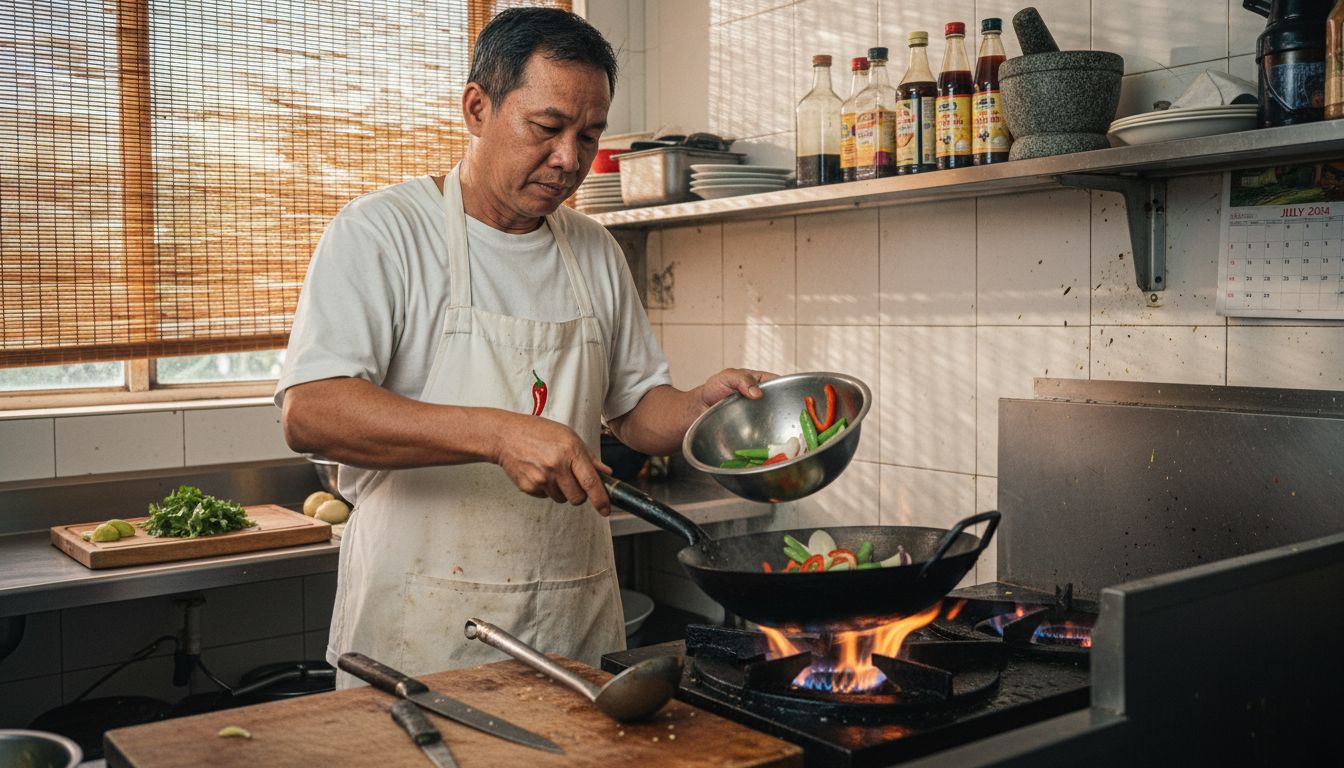
Most American cooks are surprised to learn that Thai cuisine relies on more than just vibrant flavors—it’s rooted in centuries-old techniques and the careful balance of sweet, sour, salty, and spicy notes. Understanding these culinary foundations helps anyone move beyond basic recipes and grasp what sets authentic Thai dishes apart. This guide reveals the essential methods, core principles, and thoughtful mastery behind the artistry of true Thai cooking.
Table of Contents
Key Takeaways
Point | Details |
Fundamental Techniques | Traditional Thai cooking emphasizes techniques like flavor grinding, stir-frying, and steaming to achieve balanced and harmonious flavors. |
Flavor Layering | Mastery in Thai cuisine lies in the art of layering flavors to create multidimensional taste profiles that engage the palate. |
Heat Management | Proper heat control is crucial for preserving ingredient integrity and achieving the desired texture and flavor in dishes. |
Common Pitfalls | Understanding common mistakes, such as overcrowding the cooking surface and balancing flavors, is essential for successful Thai cooking. |
Defining Thai Cooking Techniques and Core Concepts
Traditional Thai cooking represents a sophisticated culinary art form that balances intricate flavor profiles, precise techniques, and deep cultural understanding. Traditional Thai cookbooks categorize cooking practices into nuanced systems that reflect generations of accumulated culinary wisdom, revealing how each technique contributes to the complex sensory experience of Thai cuisine.
At the heart of Thai cooking lie fundamental principles of balance and harmony. Unlike many Western cooking styles, Thai techniques prioritize creating a delicate interplay between sweet, sour, salty, and spicy elements in every dish. Chefs meticulously layer flavors, using specialized kitchen tools like mortar and pestle sets to grind fresh herbs and spices, which enables the precise preparation of complex flavor foundations.
The core techniques of Thai cooking can be understood through several key practices:
Flavor Grinding: Using traditional stone tools to create uniform, intensely flavored curry pastes
Stir-Frying: Quick, high-heat cooking that preserves ingredient texture and nutrients
Steaming: A gentle technique that maintains ingredient integrity and delicate flavors
Seasoning Balance: Carefully measuring ingredients to achieve perfect taste harmony
Mastering these techniques requires not just skill, but a deep respect for ingredient interaction and cultural culinary traditions that have been refined over centuries.
Classic Stir-Frying and Deep-Frying Methods
Stir-frying and deep-frying represent two foundational cooking techniques that define the dynamic texture and flavor profile of authentic Thai cuisine. Professional Thai cooking classes emphasize mastering these techniques through intensive hands-on training, highlighting the precision and skill required to execute these methods successfully.
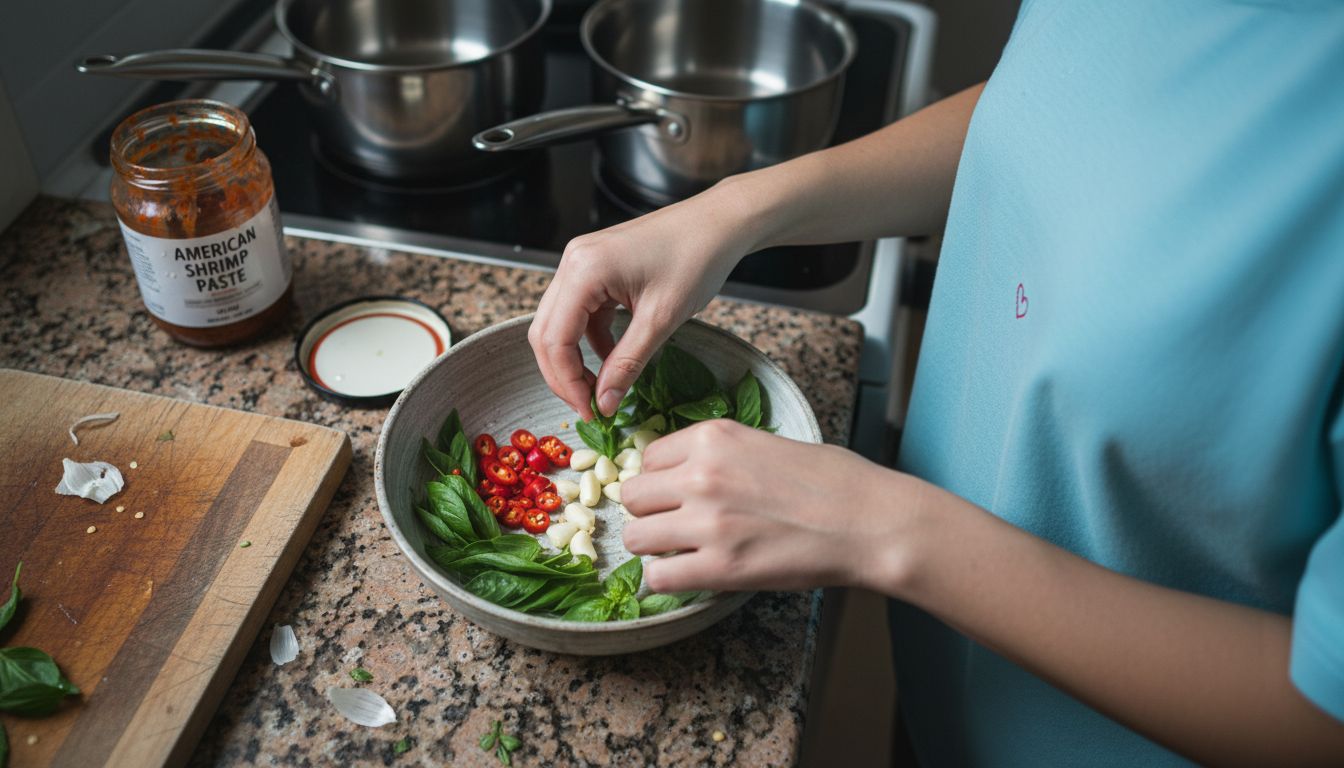
Stir-Frying emerges as a quintessential technique characterized by rapid, high-heat cooking that preserves ingredient integrity and nutritional value. Chefs use a traditional wok to quickly move ingredients, creating a delicate balance between caramelization and maintaining crisp vegetable textures. The key is constant motion, using intense heat to seal flavors and create those signature smoky undertones that make Thai stir-fries extraordinary.
Deep-frying in Thai cuisine transcends simple frying techniques, representing a nuanced art of temperature control and ingredient preparation. Unlike Western deep-frying methods, Thai approaches focus on:
Selecting the right oil temperature for each ingredient
Creating light, crispy exterior textures
Maintaining interior moisture and flavor
Pairing fried items with complementary dipping sauces
The goal of these techniques extends beyond cooking method – they represent a culinary philosophy of respecting ingredients, balancing flavors, and creating dishes that engage multiple sensory experiences simultaneously.
Grilling, Steaming, and Roasting in Thai Food
Traditional Thai cuisine elevates cooking techniques beyond mere food preparation, transforming them into complex cultural experiences that engage multiple senses. Unique cooking methods like mu kratha demonstrate the interactive and communal nature of Thai culinary traditions, where cooking becomes a shared social ritual that goes far beyond simple meal preparation.
Grilling in Thai cuisine represents more than just applying heat to food. It’s a nuanced technique that leverages charcoal, wood, and specialized equipment to infuse ingredients with smoky depth and complex flavor profiles. Chefs carefully select marinades and wood types to enhance the natural characteristics of meats, seafood, and vegetables, creating dishes that balance char, sweetness, and aromatic herbs.
Steaming emerges as another critical technique, exemplified by traditional methods like chim chum that preserve ingredient moisture and delicate flavors. This gentle cooking approach allows herbs, spices, and proteins to meld together, creating dishes that are both nutritionally dense and incredibly flavorful. Typical steaming techniques involve:
Using clay pots or bamboo steamers
Incorporating aromatic herbs directly in the steaming process
Maintaining low, consistent temperatures
Preserving the natural texture of ingredients
Roasting in Thai cuisine combines dry heat with carefully selected spice blends, creating dishes that showcase the cuisine’s remarkable ability to transform simple ingredients into extraordinary culinary experiences.
Crafting Curries, Soups, and Salads Authentically
Authentic Thai cuisine transforms simple ingredients into extraordinary culinary experiences through precise techniques and deep understanding of flavor balance. Professional cooking classes in Bangkok teach intricate methods for creating traditional soups and curries, highlighting the complexity behind seemingly simple dishes.
Curry Preparation represents a pinnacle of Thai culinary artistry, requiring meticulous attention to spice blending and paste creation. Chefs start by grinding fresh herbs and spices using traditional stone mortars, creating complex flavor foundations that distinguish authentic Thai curries from their international counterparts. Each curry paste combines chilies, lemongrass, galangal, and other aromatics, carefully balanced to create layers of flavor that dance across the palate.
Salad Techniques in Thai cuisine are equally sophisticated, utilizing specialized clay mortars designed to bruise and mix ingredients with precision. Unlike Western salads, Thai versions often feature:
Raw and cooked ingredient combinations
Intense flavor profiles with sweet, sour, and spicy elements
Techniques that break down ingredients to release maximum flavor
Careful seasoning that transforms simple vegetables into complex dishes
Soups in Thai cooking serve as liquid symphonies, blending herbs, proteins, and broths into harmonious compositions that reflect the cuisine’s remarkable ability to balance multiple flavor dimensions simultaneously.
Mastering Flavor Layering: Balance and Harmony
Thai cuisine represents a sophisticated culinary philosophy where flavor is not merely an ingredient combination, but a carefully orchestrated sensory experience. Scientific research into Thai culinary techniques reveals complex chemical interactions that create remarkable taste harmonies, transforming cooking from a simple act of sustenance into an art form.
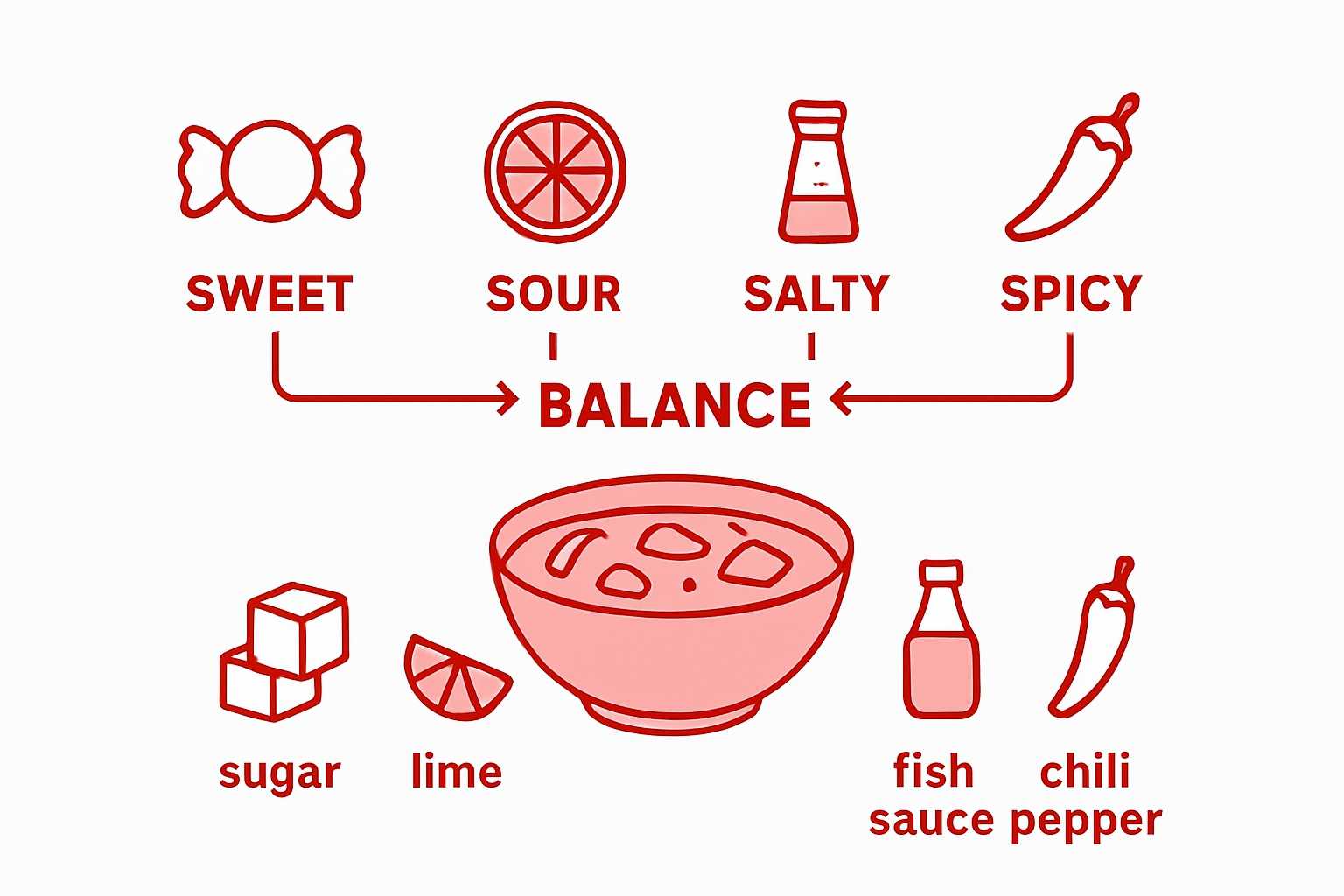
Flavor layering in Thai cuisine follows a meticulous approach where each ingredient is selected not just for its individual taste, but for how it interacts with other components. Taste Harmony becomes a delicate dance of sweet, sour, salty, bitter, and umami elements, carefully balanced to create a multidimensional flavor profile. Chefs understand that no single taste should overwhelm another, but instead, each should complement and elevate the others.
Flavor Balancing Techniques involve sophisticated strategies that go beyond simple seasoning:
Pairing ingredients with contrasting flavor profiles
Using herbs and spices to create depth
Adjusting seasoning in precise increments
Incorporating multiple cooking techniques to develop complexity
Professional Thai cooking classes emphasize the intricate process of balancing flavors, teaching students that true culinary mastery lies not in individual ingredients, but in understanding how they communicate and interact on the palate.
Common Mistakes and How to Avoid Them
Mastering Thai cooking requires understanding not just techniques, but the subtle nuances that distinguish authentic preparation from amateur attempts. Professional cooking classes extensively document common errors in Thai culinary techniques, providing crucial insights into preventing fundamental mistakes that can compromise dish quality.
Heat Management emerges as a critical factor in Thai cooking, where temperature control can make or break a dish. Many home cooks struggle with maintaining consistent heat levels during stir-frying, leading to unevenly cooked ingredients or loss of essential flavor compounds. The key is understanding your cooking surface, using high heat strategically, and keeping ingredients moving constantly to prevent burning while ensuring rapid, even cooking.
Common mistakes in Thai cooking often stem from misunderstandings about fundamental techniques:
Overcrowding the wok during stir-frying
Using incorrect oil temperatures for deep-frying
Neglecting to prepare ingredients before cooking
Failing to balance flavor profiles
Rushing preparation or cooking processes
Specialized cooking classes highlight the importance of precise oil temperature and ingredient preparation, emphasizing that successful Thai cuisine requires patience, practice, and a deep respect for traditional cooking methods.
Experience the Art of Thai Cooking with Every Bite
Mastering Thai cooking techniques requires a clear understanding of how to balance flavors, manage heat, and layer tastes with precision. If you have ever struggled to recreate the authentic taste of Thai cuisine at home, or want to explore the delicate harmony of sweet, sour, salty, and spicy elements without the frustration, Thai Spoon Las Vegas offers the perfect solution. Our expertly prepared dishes embody the principles outlined in “Thai Cooking Techniques Explained: Flavor, Heat, and Balance,” delivering genuine flavor and texture that respects traditional Thai culinary art.
Discover the vibrant tastes of Pad Thai, Yellow Curry, and Steak Fried Rice made with authentic techniques crafted by passionate chefs. Whether you are vegan, gluten-free, or simply seeking an authentic Thai experience, visiting Thai Spoon Las Vegas is your gateway to experiencing expertly balanced Thai flavors close to the Northwest Las Vegas area. Don’t settle for less when you can enjoy the expertise without the challenge. Order online today, try our special lunch and happy hour offerings, or reserve for your next gathering and taste the real essence of Thai cooking now.
Frequently Asked Questions
What are the fundamental techniques used in Thai cooking?
Thai cooking emphasizes several core techniques, including flavor grinding, stir-frying, steaming, and achieving seasoning balance. Each technique plays a crucial role in creating the intricate layers of flavor characteristic of Thai cuisine.
How does stir-frying differ from deep-frying in Thai cooking?
Stir-frying is a high-heat cooking method that preserves the texture and nutrients of ingredients, while deep-frying involves immersing food in hot oil to create a crispy exterior. Thai deep-frying focuses on precise temperature control and pairing with complementary sauces.
What is the importance of flavor balance in Thai cuisine?
Flavor balance is essential in Thai cuisine as it harmonizes sweet, sour, salty, and spicy elements. Chefs meticulously layer flavors to ensure no single taste overwhelms others, creating a multidimensional experience that excites the palate.
What common mistakes should I avoid when cooking Thai food?
Common mistakes in Thai cooking include overcrowding the wok during stir-frying, using incorrect oil temperatures for deep-frying, and failing to prepare ingredients properly beforehand. Understanding heat management and the importance of preparation can greatly enhance your cooking results.
Recommended
What is a Thai Taste Profile? Understanding Its Flavorful Depth
7 Simple Dinner Recipes Healthy for Every Night - LeanAndFit
Mastering Gourmet Delights With Hot Air Cooker Recipes – Wispa Luxury
Comments