


Master the Thai Food Tasting Workflow for Flavorful Dining
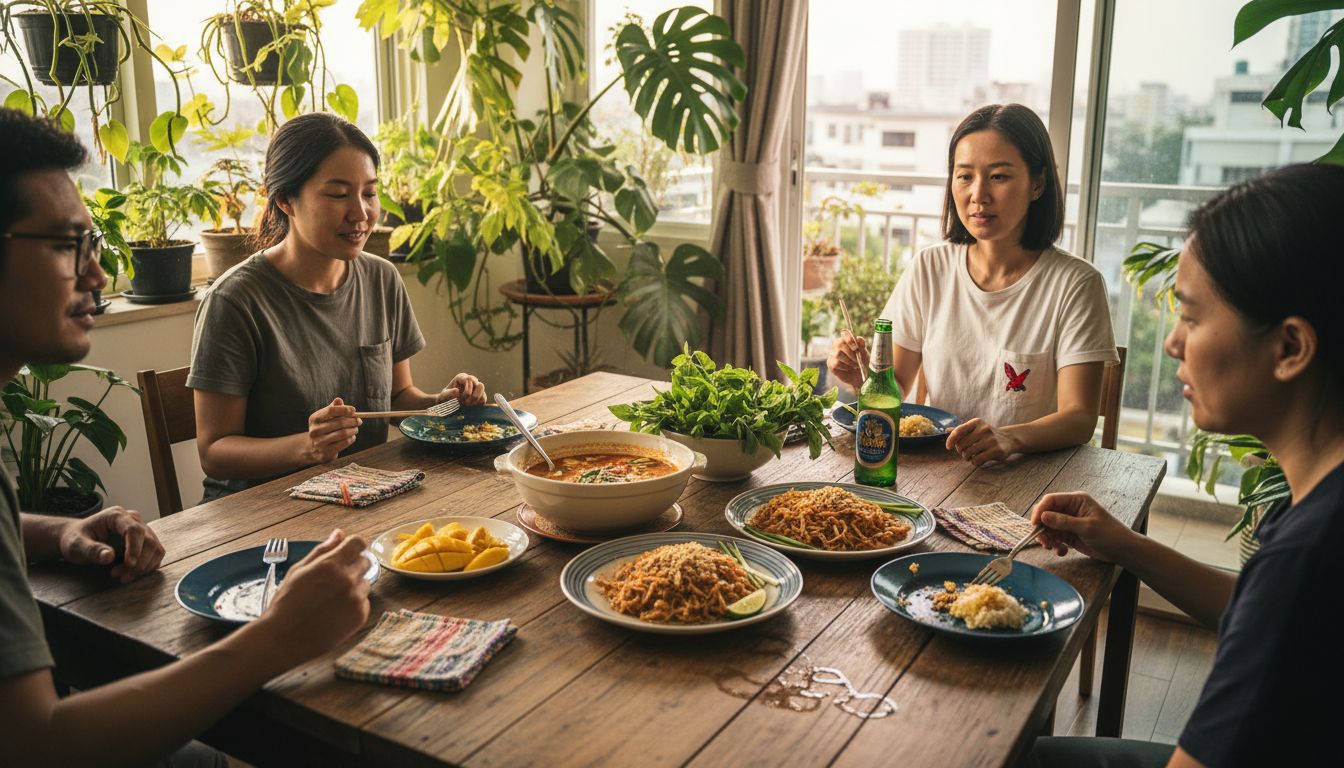
Most American food lovers crave the excitement of truly authentic flavors but often miss out on the full Thai culinary experience at home. Bringing the vibrant blend of sweet, sour, spicy, and salty elements found in genuine Thai dishes can seem intimidating. With over 15,000 Thai restaurants now operating across the United States, the appetite for this cuisine keeps growing. Discover how to set up a Thai tasting journey that captures the spirit, balance, and artistry of traditional Thai dining right in your own kitchen.
Table of Contents
Quick Summary
Key Insight | Explanation |
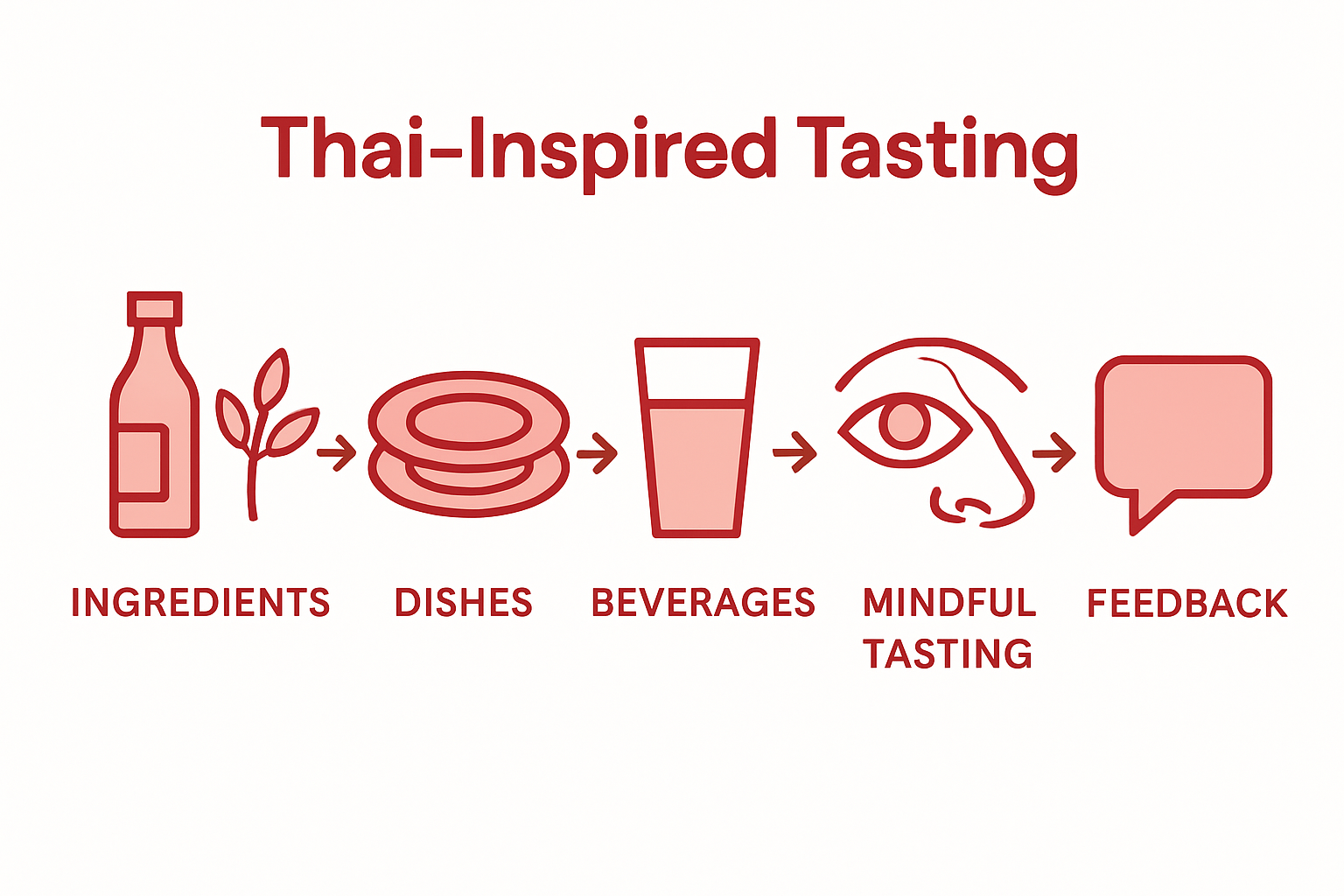
1. Gather Essential Ingredients | Collect key items like fish sauce, palm sugar, and fresh herbs to ensure an authentic Thai flavor profile. |
2. Create a Flavor Progression | Select signature dishes that highlight different flavor dimensions, starting light and moving to more intense. |
3. Pair Beverages and Sides Wisely | Choose beverages and sides that complement or contrast main dishes to enhance the overall dining experience. |
4. Practice Mindful Tasting | Focus on observing colors and textures; savor each bite to appreciate the complexity of flavors. |
5. Provide Constructive Feedback | Evaluate dishes based on specific qualities; engage in discussions to deepen understanding and appreciation. |
Step 1: Set Up Your Thai Tasting Experience
Setting up an authentic Thai food tasting experience requires understanding flavor profiles, selecting key ingredients, and creating an inviting dining environment. Exploring traditional Thai flavor techniques reveals the art of balancing sweet, sour, salty, and spicy elements that define this vibrant cuisine.
Start by gathering essential ingredients that represent core Thai taste dimensions: fish sauce, palm sugar, fresh herbs like cilantro and Thai basil, chili peppers, and lime. Arrange these ingredients on a preparation surface to create a sensory map of flavors. Consider creating small tasting portions that allow you and your guests to experience multiple dishes without overwhelming the palate. Select ceramic or traditional Thai serving plates that showcase the colors and textures of each preparation, enhancing the visual appeal of your tasting experience.
One critical tip is temperature management. Many Thai dishes are best served immediately after preparation, so time your cooking carefully and have all components ready. Keep sauces and garnishes separate, allowing diners to customize their flavor intensity. This approach not only respects traditional serving methods but also turns the meal into an interactive culinary adventure.
Step 2: Select Signature Dishes and Flavor Profiles
Selecting signature Thai dishes requires understanding the complex interplay of flavor profiles that define authentic cuisine. Signature ingredients form the building blocks of traditional Thai cooking, offering a gateway into the rich culinary landscape of Thailand.
Focus on classic dishes that showcase the fundamental taste dimensions: Tom Yum soup for its spicy and sour notes, Pad Thai for balanced sweetness and umami, Green Curry for creamy and herbaceous qualities, and Som Tum (papaya salad) for its vibrant combination of salty, sour, and fresh ingredients. Each dish represents a different aspect of Thai flavor complexity. When assembling your tasting menu, aim to create a progression that moves through these flavor profiles strategically. Start with lighter dishes like spring rolls or salads, then progress to more intense preparations like curries and stir fries.
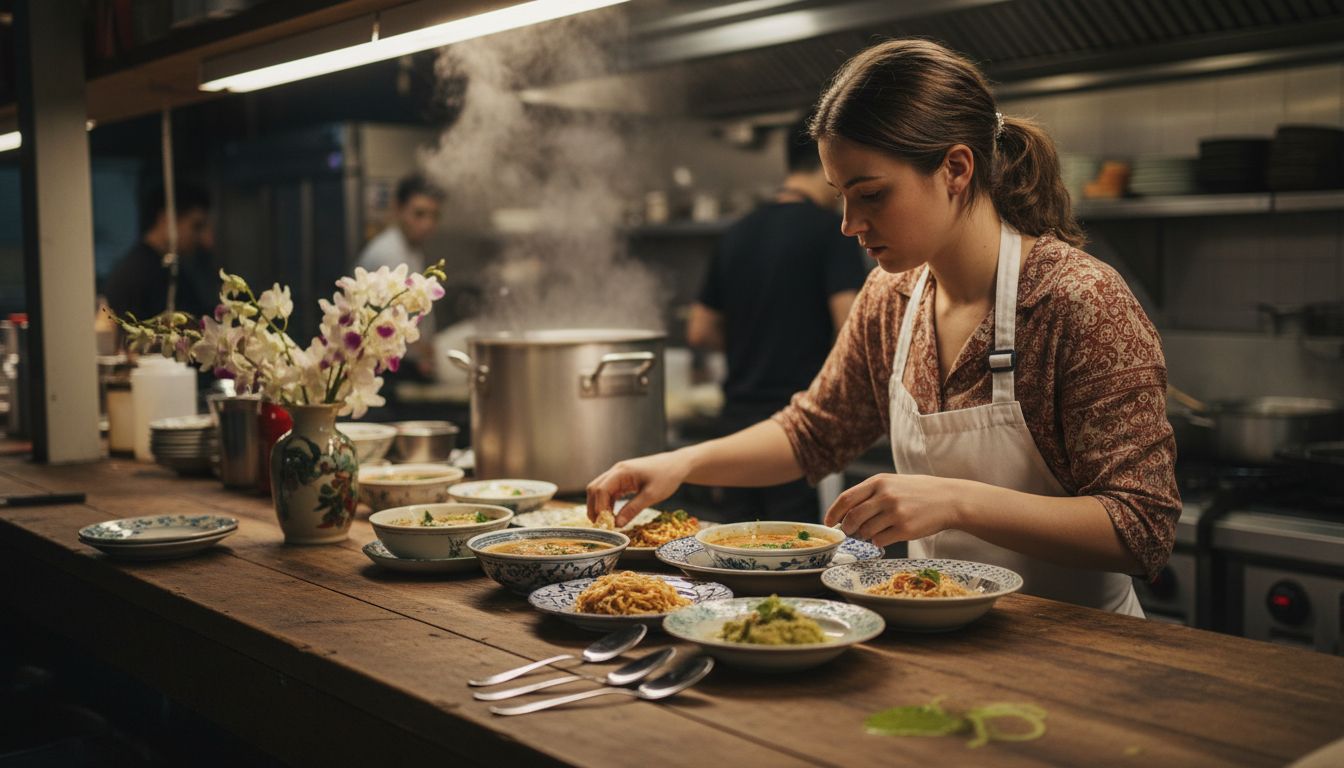
A critical tip is understanding regional variations. Thai cuisine differs significantly between northern, central, and southern regions, with each area offering unique ingredient combinations and cooking techniques. By exploring the delicate balance of sweet, sour, salty, spicy, and creamy flavors, you can curate a tasting experience that tells a comprehensive story of Thai culinary traditions.
Step 3: Pair Beverages and Sides for Balance
Pairing the right beverages and sides is crucial to creating a harmonious Thai dining experience that elevates the complex flavor profiles of your selected dishes. International cuisine experts recommend carefully selected accompaniments that complement and enhance the intricate taste sensations of Thai cuisine.
Start by choosing beverages that can either contrast or harmonize with your main dishes. Thai beer like Singha or Chang works exceptionally well with spicy preparations, while jasmine tea offers a delicate counterpoint to rich curries. For non alcoholic options, consider fresh coconut water or a classic Thai iced tea that provides sweetness and cooling relief. Sides should introduce textural variety and additional flavor dimensions. Steamed jasmine rice serves as a neutral base, while cucumber salad or papaya slaw can add refreshing crispness that cuts through heavier dishes.
A critical tip is understanding flavor balance. Each side and beverage should either amplify the existing flavor profile or provide a strategic counterpoint. Modern Thai dining embraces innovative pairing techniques that respect traditional principles while allowing creative interpretation. Experiment with different combinations, but always prioritize how the elements interact and support each other on the palate.
Step 4: Taste and Savor Each Course Mindfully
Mindful tasting techniques from international cuisine experts transform a simple meal into a profound sensory journey through Thai culinary traditions. Learning to taste intentionally allows you to appreciate the intricate layers of flavor, texture, and cultural nuance embedded in each carefully prepared dish.
Begin by taking a moment before each course to observe its visual composition. Notice the vibrant colors, the arrangement of ingredients, and the steam rising from the plate. When you first taste a dish, take a small bite and let it rest on your tongue. Allow the flavors to unfold gradually be mindful of how the initial taste transforms into subsequent notes saltiness giving way to spice, sweetness melting into herbal undertones. Pay attention to temperature variations and how different components interact temperature can dramatically shift flavor perception.
A critical tip is to eat slowly and without distraction. Siam’s culinary traditions emphasize the art of savoring each bite as a meditative experience that connects you to the food’s cultural origins. Between courses, cleanse your palate with plain rice or sip water to reset your taste buds. This approach ensures you can fully appreciate the nuanced complexity of each dish without flavor fatigue, transforming your meal from a simple eating experience into a true gastronomic exploration.
Step 5: Evaluate and Share Feedback for Improvement
International cuisine frameworks for evaluating culinary experiences offer a structured approach to understanding and articulating the nuanced qualities of Thai cuisine. Learning to provide meaningful feedback transforms your dining experience from passive consumption to active culinary dialogue.
Begin by considering each dish across multiple dimensions flavor complexity, ingredient quality, presentation, and cultural authenticity. Focus on specific observations rather than broad statements. Instead of saying a curry was just good or bad, describe how the spice levels interacted, whether the herbs felt fresh, or how the balance of coconut milk and chili created depth. Pay attention to temperature, texture, and how different components complemented each other. Note specific moments of surprise or delight where a flavor combination exceeded your expectations.
A critical tip is approaching feedback as a constructive conversation. Thai culinary traditions view dining as an evolving art form where continuous improvement is celebrated. Share your observations respectfully, highlighting both strengths and potential areas for exploration. If dining with others, engage in a collaborative discussion about your collective tasting experience. This approach not only enhances your personal understanding but contributes to the broader appreciation of Thai culinary craftsmanship.
Discover Authentic Thai Flavors Perfected for Your Palate
Mastering the Thai food tasting workflow means appreciating the delicate balance of sweet, sour, salty, and spicy that makes each dish a flavorful journey. Many food lovers face the challenge of finding authentic Thai cuisine that captures these complexities without compromise. At Thai Spoon Las Vegas, we solve this challenge by offering traditional dishes crafted with care and heritage ingredients to bring that mindful tasting experience straight to your table.
Elevate your dining experience today by exploring our menu packed with classics such as Pad Thai and Yellow Curry, with options for vegan and gluten-free diets thoughtfully prepared to satisfy every craving. Whether you want to savor it at our welcoming restaurant or enjoy the convenience of online ordering for pickup or delivery, you can start your own Thai tasting adventure now. Visit Thai Spoon Las Vegas and taste the richness of authentic Thai cuisine made just for you.
Frequently Asked Questions
How do I set up an authentic Thai food tasting experience?
To set up an authentic Thai food tasting experience, gather essential ingredients like fish sauce, palm sugar, and fresh herbs. Arrange these ingredients visually and create small tasting portions to enhance the experience. Consider serving the dishes on traditional Thai plates for added visual appeal.
What signature dishes should I include in my Thai tasting menu?
Include classic Thai dishes that represent different flavor profiles, such as Tom Yum soup for spiciness and sourness, Pad Thai for sweetness and umami, and Green Curry for creaminess. Aim to create a progression that moves from lighter dishes to more intense flavors, enhancing the tasting experience.
How can I pair beverages and sides effectively with Thai dishes?
Pair beverages like Thai beer or jasmine tea with your main dishes to complement or contrast their flavors. Additionally, serve sides like steamed jasmine rice or cucumber salad to introduce texture and balance the taste sensations of your meal.
What mindful tasting techniques should I use during my Thai food tasting?
Practice mindful tasting by observing each dish’s visual appeal and savoring the flavors one bite at a time. Allow the initial taste to unfold before moving on, and cleanse your palate between dishes to appreciate the full range of flavors present in each dish.
How can I evaluate and provide feedback on my Thai dining experience?
Evaluate each dish by considering its flavor complexity, presentation, and cultural authenticity. Focus on specific observations, such as the balance of spices or freshness of herbs, and engage in constructive conversations about your tasting experience with others.
Recommended
Comments