




Thai Menu Terminology Explained: Navigating Authentic Dishes
- mail469793
- Dec 10, 2025
- 7 min read
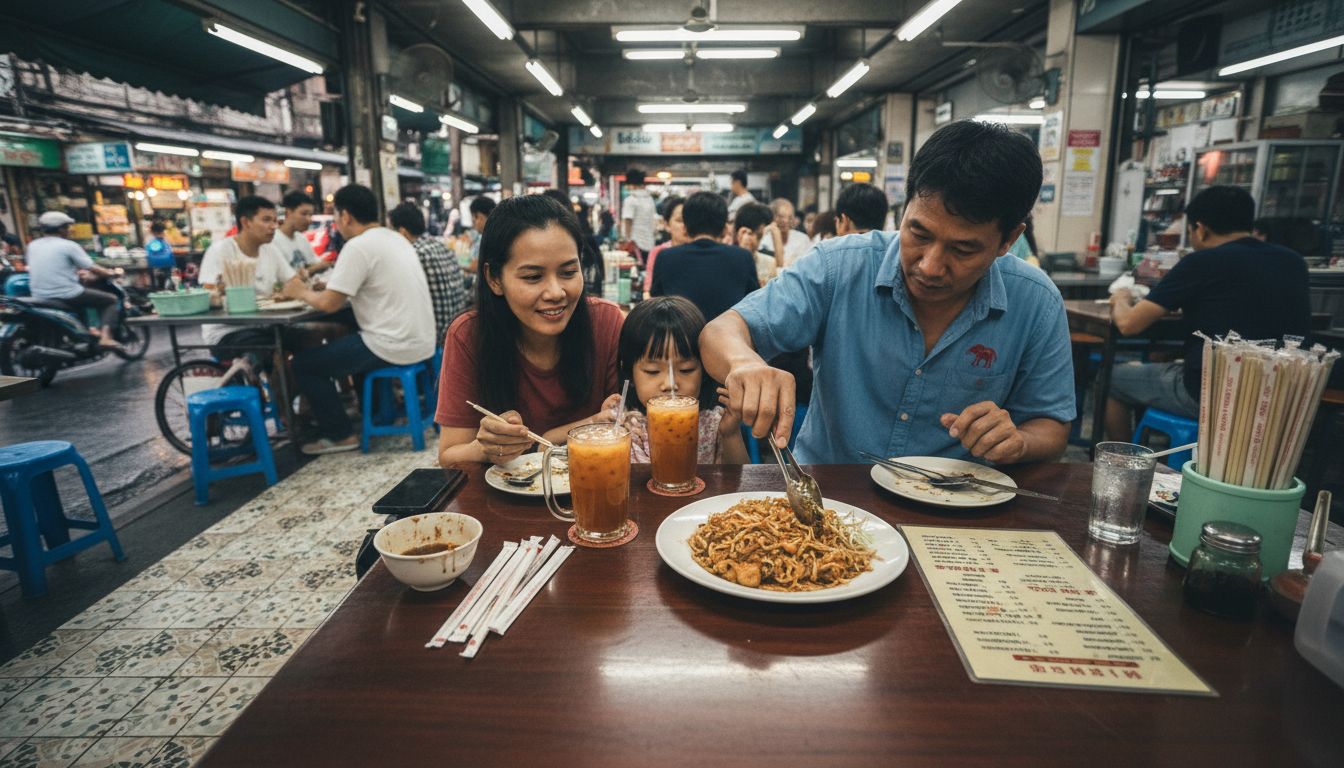
Over 40 percent of American diners admit they feel confused by foreign menu terms, turning their first Thai restaurant visit into a guessing game. Understanding the unique language of Thai menus does more than satisfy curiosity, it opens a door to authentic flavors and richer dining experiences. Decoding these culinary terms helps you order with confidence and brings the traditions of Thailand’s beloved cuisine closer to every table.
Table of Contents
Key Takeaways
Point | Details |
Understanding Thai Terminology | Familiarize yourself with Thai menu terms to enhance your culinary experience and appreciate the cultural significance behind dishes. |
Culinary Diversity | Recognize the different cooking methods and flavor profiles indicated by terms like “pad” for stir-frying and “tom” for boiling. |
Dietary Considerations | Be proactive in communicating dietary needs and awareness of allergens; many Thai restaurants offer vegan and gluten-free options. |
Ordering Insights | Avoid common mistakes by asking questions about ingredients and customizing your spice level and protein selections for a better dining experience. |
What Thai Menu Terminology Means
Navigating a Thai menu can feel like decoding a delicious linguistic puzzle, with terms that offer fascinating insights into culinary traditions and preparation methods. Understanding these terms transforms your dining experience from mere consumption to cultural appreciation. Take tom yum soup, for example - its name itself reveals the cooking technique, with “tom” meaning “boil” and “yum” signifying a mixed preparation.
Many Thai menu terms describe not just ingredients, but the cooking style and cultural context behind the dish. Pad typically indicates stir-frying, while kee mao references a preparation style associated with bold flavors. Drunken noodles (pad kee mao), interestingly, got its name not from containing alcohol, but from being a preferred late-night dish for those who have been drinking.
These culinary terms offer more than translation - they provide a window into Thai food culture. Some describe cooking methods like tod (deep-fried), yang (grilled), or neung (steamed). Others highlight key flavor profiles or ingredient characteristics. Recognizing these terms helps diners understand not just what they’re ordering, but the rich cultural heritage behind each carefully prepared dish. By learning these menu terminologies, you transform from a passive diner to an informed culinary explorer, ready to appreciate the nuanced world of authentic Thai cuisine.
Popular Thai Dishes and Their Names
Thai cuisine offers a vibrant array of dishes that are as fascinating in their names as they are delicious on the plate. Understanding the linguistic roots behind popular dishes reveals the rich cultural storytelling embedded in each recipe. Thai fried rice (khao phat) perfectly illustrates this, with “khao” meaning “rice” and “phat” signifying the stir-frying technique that transforms simple ingredients into a complex flavor experience.
Some dishes showcase the incredible depth of Thai culinary language through their descriptive names. Soups, for instance, often highlight their primary preparation or flavor profile. Tom som demonstrates this beautifully, where “tom” means “boil” and “som” translates to “sour” - instantly communicating the dish’s fundamental characteristics. These naming conventions go beyond mere description, offering diners a glimpse into the careful intentionality of Thai cooking methods.
Popular dishes like Pad Thai, Tom Yum, and Som Tum each tell a story through their names. Pad indicates stir-frying, Tom suggests boiling, and Som references sourness. Such terminology transforms menu reading from a passive experience to an engaging culinary exploration. Exploring authentic Thai dishes becomes an adventure in understanding not just flavors, but the linguistic and cultural nuances that make Thai cuisine so uniquely compelling. From street food to restaurant menus, these names invite diners to appreciate the rich gastronomic heritage behind every carefully prepared meal.
Understanding Spice Levels and Ingredients
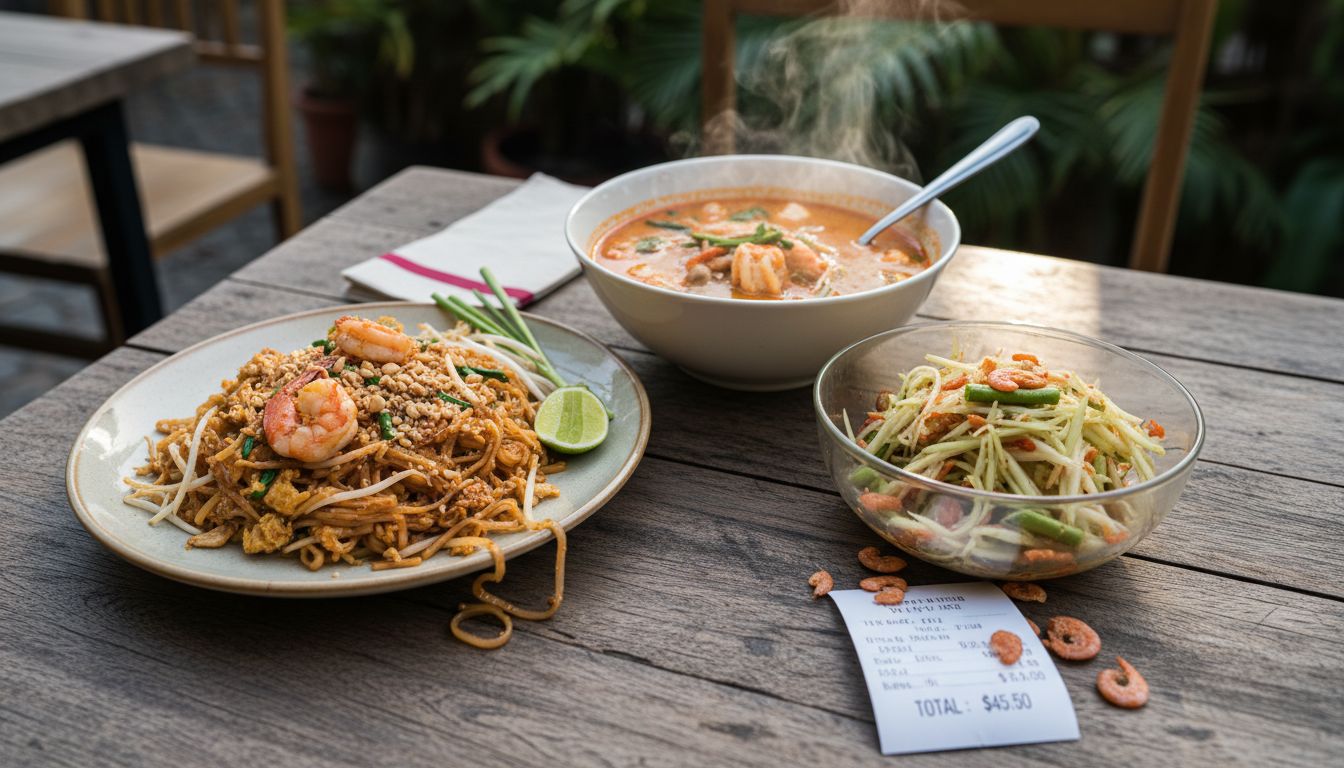
Thai cuisine is renowned for its intricate balance of flavors, with spice playing a crucial role in creating memorable dining experiences. Tom yum soup exemplifies this complexity, combining multiple ingredients like lemongrass, kaffir lime leaves, galangal, and chili peppers to create a harmonious yet intense flavor profile. The art of Thai cooking lies in carefully layering these ingredients to achieve a perfect sensory balance that tantalizes the taste buds.
Spice levels in Thai cuisine are not just about heat, but about creating a nuanced culinary experience. Chili peppers form the foundation of most spicy dishes, with variations ranging from mild to incredibly intense. Drunken noodles showcase this approach, using fresh chili peppers alongside broad rice noodles, soy sauce, fish sauce, garlic, and holy basil to create a complex and fiery dish. Restaurants often provide spice level options, allowing diners to customize their experience from mild to extremely hot.
Understanding Thai ingredients requires appreciating their unique characteristics. Key components like galangal, lemongrass, and kaffir lime leaves contribute distinctive flavors that go beyond simple heat. Understanding the role of spices in Thai cuisine reveals a culinary tradition that values balance, complexity, and depth. Each ingredient tells a story, transforming simple dishes into extraordinary culinary experiences that engage all the senses and reflect the rich cultural heritage of Thai cooking.

Dietary Options: Vegan, Gluten-Free, Allergens
Navigating dietary restrictions in Thai cuisine requires careful attention to ingredients and preparation methods. Comprehensive allergen information reveals the complexity of managing dietary needs, with common allergens including peanuts, tree nuts, milk, eggs, fish, shellfish, soy, and gluten presenting significant challenges for diners with specific dietary requirements.
Vegan and gluten-free options have become increasingly important in Thai cuisine, transforming traditional dishes to accommodate diverse dietary needs. The versatility of Thai cooking allows for creative adaptations that maintain authentic flavors while meeting specific dietary restrictions. What is Gluten-Free Thai Cuisine? explores how traditional ingredients can be modified to create inclusive dining experiences that don’t compromise on taste or cultural authenticity.
Diners with allergies must be proactive in communicating their dietary needs. Dietary allergen information emphasizes the importance of notifying restaurant staff about severe allergies and specific dietary restrictions. Many Thai restaurants now offer detailed menus that clearly identify potential allergens, vegan options, and gluten-free alternatives. This approach not only ensures diner safety but also demonstrates a commitment to inclusive dining that celebrates the rich diversity of dietary preferences while preserving the vibrant, complex flavors that make Thai cuisine so beloved.
Common Ordering Mistakes to Avoid
Thai cuisine offers a complex world of flavors that can be intimidating for newcomers, making certain ordering mistakes surprisingly common. Drunken noodles perfectly illustrate how menu terminology can confuse diners - contrary to what the name suggests, these noodles contain no alcohol, a misconception that often surprises first-time Thai food enthusiasts.
Protein selection and spice communication are critical aspects of ordering authentic Thai dishes. Tom yum soup demonstrates this complexity, as diners must specify their preferred protein like shrimp, chicken, or seafood, and clearly communicate their desired spice level. Many novice diners mistakenly assume a one-size-fits-all approach, which can lead to disappointing dining experiences.
Navigation of Thai menus requires attentiveness and curiosity. 7 Thai Cuisine Must-Try Dishes for Food Lovers in Las Vegas helps diners understand that successful Thai food ordering involves more than simply pointing at a dish. Common mistakes include not asking about ingredients, assuming all dishes are equally spicy, failing to request customization, and not communicating dietary restrictions. By approaching Thai cuisine with an open mind and willingness to ask questions, diners can transform potential ordering challenges into exciting culinary adventures that celebrate the rich, nuanced flavors of this remarkable cuisine.
Master Thai Menu Terms with Authentic Flavors at Thai Spoon Las Vegas
Discovering the meaning behind Thai menu terminology can turn an ordinary meal into an unforgettable cultural journey. If you have ever felt overwhelmed by terms like pad, tom, or kee mao, you are not alone. Many diners want to unlock the true essence of dishes like Pad Thai, Tom Yum Soup, or Drunken Noodles while avoiding common ordering mistakes or confusion about spice levels and dietary options. Understanding key terms helps you customize your experience and savor the authentic flavors you crave.
At Thai Spoon Las Vegas, we bring the vibrant world of genuine Thai cuisine right to the northwest Las Vegas area. Whether you are seeking classic stir-fried dishes, expertly balanced soups, or vegan and gluten-free options, our menu showcases authentic preparations made with care. Take control of your next meal by exploring our authentic Thai dishes and simplify your ordering with our easy online system for pickup or delivery. Don’t miss out on our special lunch and happy hour menus designed for food lovers ready to dive into Thai culinary traditions with confidence.
Experience the rich heritage behind every bite today at Thai Spoon Las Vegas. Your next delicious adventure is just a click away.
Frequently Asked Questions
What does ‘Pad’ mean in Thai menu terms?
‘Pad’ typically indicates that a dish is stir-fried. This prefix is commonly found in Thai dishes such as Pad Thai and Pad See Ew.
How can I customize the spice level in Thai dishes?
Many Thai restaurants allow you to specify your desired spice level when ordering. You can request your dish to be mild, medium, or very spicy depending on your preference.
What ingredients are commonly found in Tom Yum soup?
Tom Yum soup generally includes ingredients like lemongrass, kaffir lime leaves, galangal, shrimp, and chili peppers, which together create a rich and flavorful broth.
Are there vegan options available in Thai cuisine?
Yes, many traditional Thai dishes can be adapted to be vegan. Common substitutions include using tofu instead of meat and avoiding seafood and dairy products.
Recommended
Comments