


Thai New Year Food: Traditions and Flavorful Dishes
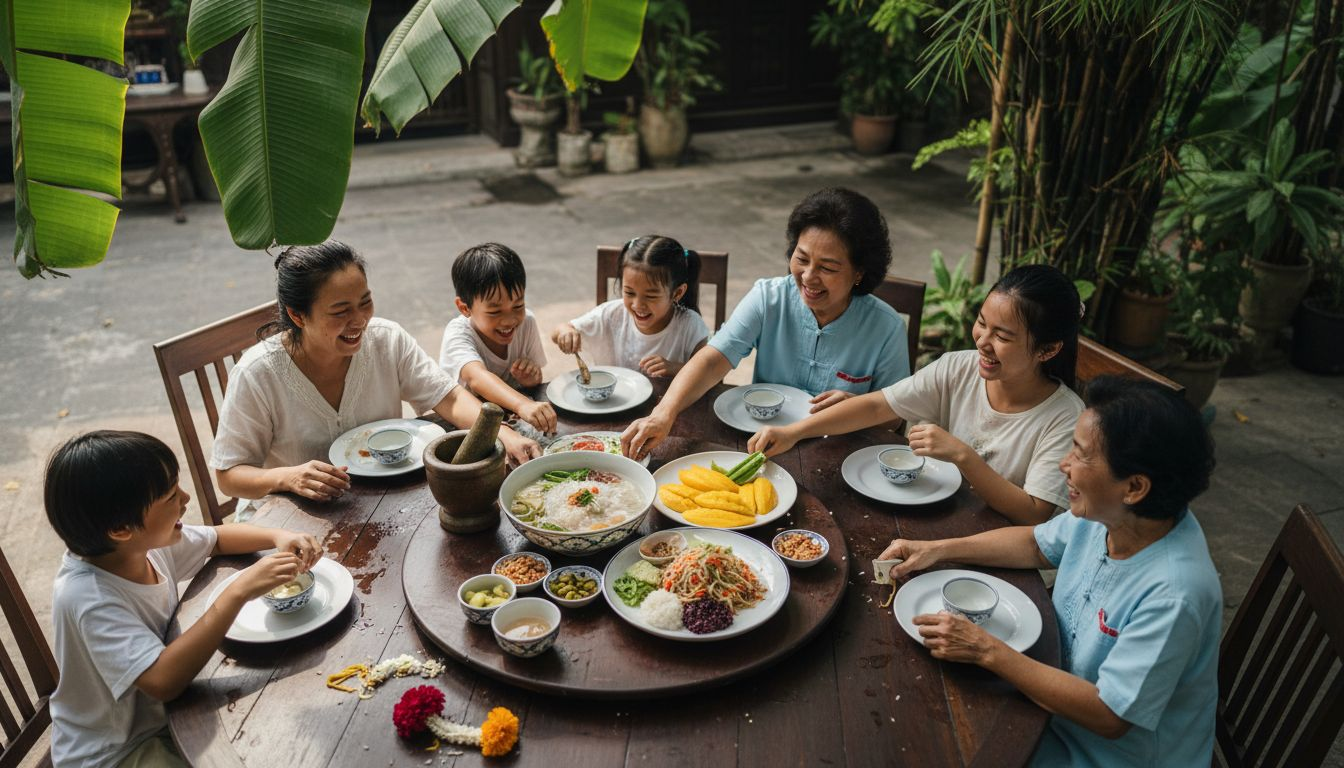
Some Las Vegas families crave more than just great flavor when ordering Thai food during Thai New Year. For many, these dishes offer a taste of renewal and connection, echoing Songkran’s roots in spiritual transformation and family harmony. From refreshing Khao Chae to classics like Pad Thai and Mango Sticky Rice, each meal ordered for takeout or delivery becomes part of a rich tradition that celebrates community, cultural symbolism, and vibrant stories passed down through generations.
Table of Contents
Key Takeaways
Point | Details |
Cultural Significance of Food | Food during Songkran symbolizes spiritual renewal and community connection, transcending mere nourishment. |
Prominent Dishes Reflect Traditions | Iconic dishes like Khao Chae, Pad Thai, and Mango Sticky Rice convey cultural narratives and festivity themes. |
Regional Variations Influence Cuisine | Each region in Thailand brings unique ingredients and cooking styles, showcasing local culinary identities. |
Engagement Enhances Experience | Understanding the cultural meanings behind dishes and communicating preferences at restaurants enriches the dining experience. |
Meaning of Thai New Year Food Traditions
Songkran, the traditional Thai New Year celebration, carries profound cultural significance that extends far beyond festive water fights. At its core, the holiday represents a time of spiritual renewal, transformation, and community connection, with food playing a central symbolic role in these traditions. Thai culinary rituals during Songkran reveal deep cultural meanings that connect generations through shared meals and meaningful practices.
Traditional dishes during Songkran are not merely about sustenance but serve as powerful cultural expressions of prosperity, purification, and respect. Khao Chae, a classic festival dish, symbolizes cleansing and new beginnings, representing the sun’s movement into Aries and marking a spiritual reset for the community. Each ingredient and preparation method carries significance, transforming ordinary food into a complex narrative of cultural identity and familial connection.
The spiritual dimensions of Thai New Year food traditions emphasize community harmony and intergenerational respect. Families gather to prepare elaborate meals, with elders often leading cooking preparations and sharing stories that connect younger generations to their cultural heritage. These culinary practices are ritualistic, representing more than nutrition - they are a living, edible language of cultural continuity, where every dish tells a story of renewal, hope, and shared human experience.
Pro tip: When experiencing Thai New Year celebrations, approach the food not just as a meal, but as a living cultural artifact that connects you to centuries of tradition and communal storytelling.
Most Popular Songkran Festival Dishes
Songkran celebrations burst with an incredible array of traditional dishes that capture the essence of Thai culinary heritage. Popular Thai festival cuisine represents a vibrant tapestry of flavors, with each dish telling a unique story of cultural significance and gastronomic delight. From cooling rice dishes to spicy salads and sweet desserts, the Songkran menu reflects the complexity and richness of Thai food traditions.
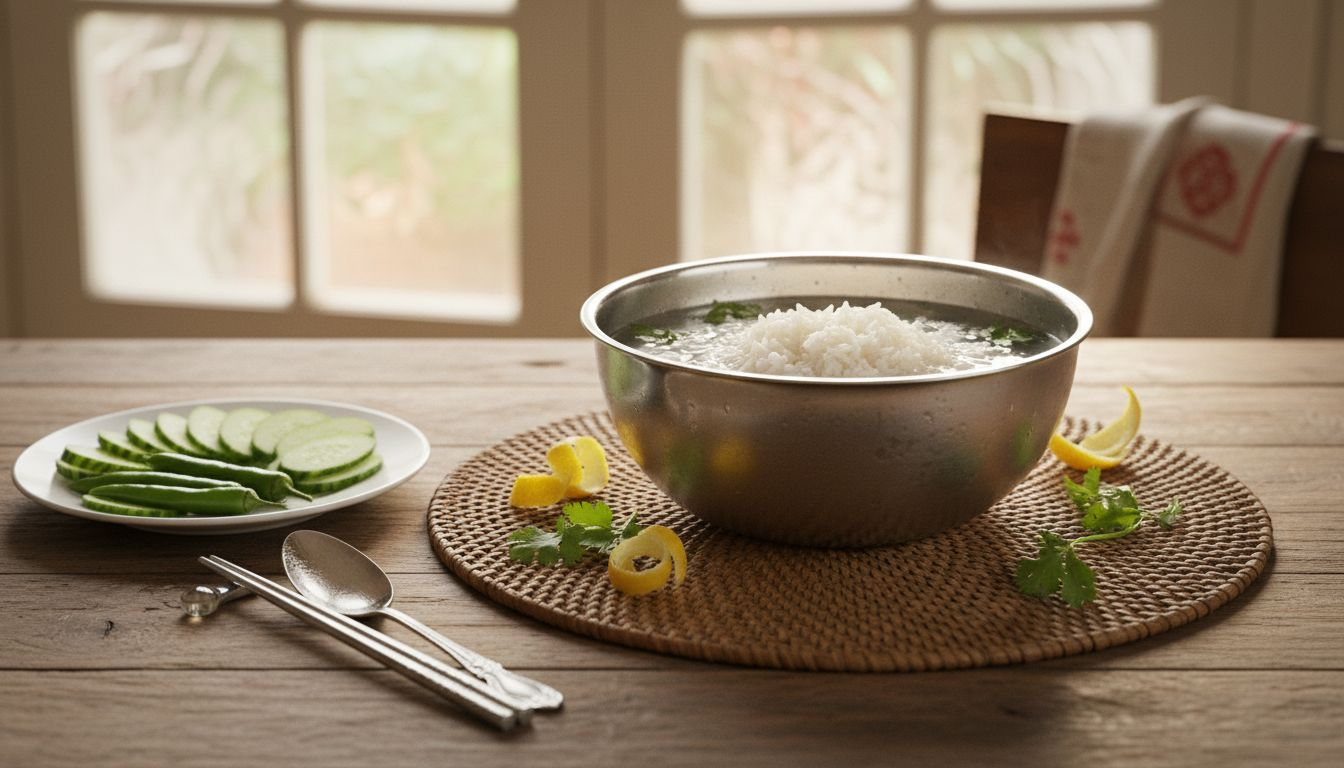
The centerpiece of many Songkran celebrations is Khao Chae, a sophisticated dish featuring jasmine-scented rice soaked in cool water and accompanied by an array of savory side dishes. This refreshing meal symbolizes the festival’s themes of cooling down and renewal during the hottest time of the year. Other beloved dishes include Pad Thai, a classic noodle dish that combines sweet, sour, and umami flavors, and Som Tum, a fiery green papaya salad that represents the vibrant spirit of Thai cuisine.
Sweet treats play an equally important role in Songkran festivities, with Mango Sticky Rice standing out as a beloved dessert that perfectly balances the meal. The culinary spread typically includes other iconic dishes like Tom Yum Goong, a hot and sour soup that embodies the bold flavor profile of Thai cooking. These dishes are more than just food - they are a celebration of community, family, and the cyclical nature of life, bringing people together through shared culinary experiences.
Here’s a summary of select Songkran festival dishes and their unique characteristics:
Dish Name | Key Ingredients | Role in Festival | Distinct Flavor Profile |
Khao Chae | Jasmine rice, savory sides | Symbolizes renewal, cooling | Light, fragrant, mildly savory |
Pad Thai | Rice noodles, tofu, nuts | Highlights cultural fusion | Sweet, sour, umami |
Som Tum | Green papaya, chili | Represents vibrant energy | Fiery, tangy, crunchy |
Mango Sticky Rice | Mango, sweet sticky rice | Celebrates unity, prosperity | Sweet, creamy, fruity |
Tom Yum Goong | Prawns, herbs, lime | Embodies bold traditions | Hot, sour, aromatic |
Pro tip: When enjoying Songkran dishes, take time to appreciate the intricate balance of flavors and the cultural stories embedded in each bite of traditional Thai cuisine.
Symbolic Significance of Holiday Recipes
In Thai culture, food transcends mere sustenance, becoming a powerful language of spiritual and social communication. Traditional Songkran food symbolism reveals profound cultural meanings embedded in each carefully prepared dish. Each recipe represents more than ingredients - it communicates complex narratives of community, renewal, and collective hope during the New Year celebrations.
Eight traditional dishes are particularly significant, each carrying specific blessings and symbolic meanings. Khao Chae, for instance, represents purification and cooling, mirroring the festival’s themes of cleansing and transformation. Sweet dishes like Mango Sticky Rice and Kanom Krok symbolize unity and prosperity, while spicier offerings represent the vibrant energy of community renewal. These culinary traditions transform cooking from a mundane activity into a spiritual practice that connects generations and reinforces cultural identity.
The preparation and sharing of these dishes during Songkran are ritualistic expressions of collective well-being. Families meticulously craft each recipe, understanding that their efforts represent more than just feeding loved ones - they are actively manifesting wishes for health, happiness, and abundance. The careful selection of ingredients, cooking techniques, and presentation all contribute to a complex cultural performance that celebrates life’s cyclical nature and the interconnectedness of human experiences.
Pro tip: When preparing or enjoying Songkran dishes, take time to understand the deeper cultural meanings behind each recipe, transforming your meal into a meaningful cultural experience.
Regional and Dietary Variations Explained
Thai cuisine demonstrates remarkable diversity, with each region offering unique interpretations of traditional Songkran dishes. Thai culinary regional variations reveal a complex tapestry of flavors, ingredients, and cultural practices that transform the New Year celebration across different landscapes. From coastal areas to mountainous regions, the Songkran menu reflects local environments, agricultural traditions, and distinct culinary identities.
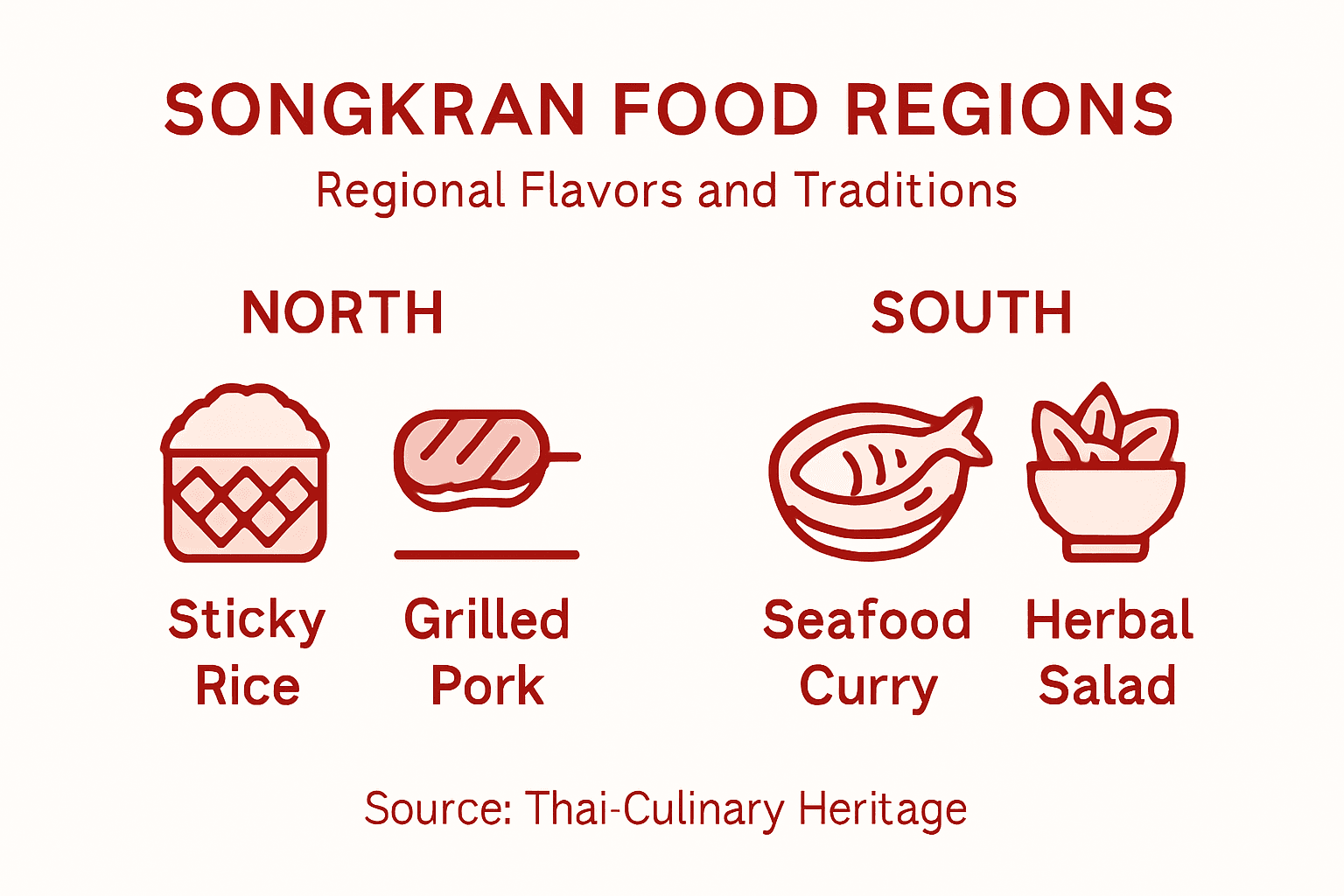
Coastal regions prominently feature seafood-based dishes, incorporating fresh catches like prawns, crabs, and various fish into traditional recipes. Northern Thai communities, by contrast, prioritize herbal ingredients and milder flavor profiles, often using mountain herbs and root vegetables that reflect their agricultural landscape. These regional distinctions extend beyond ingredients, encompassing unique cooking techniques, spice combinations, and presentation styles that make each local celebration distinctive and meaningful.
Dietary traditions also play a significant role in Songkran food variations. Buddhist practices influence many communities, with vegetarian options becoming increasingly prominent during festival periods. Some regions offer plant-based versions of classic dishes, demonstrating culinary adaptability while maintaining cultural authenticity. These dietary modifications showcase the inclusive nature of Thai cuisine, allowing individuals with different dietary preferences to participate fully in the celebration’s rich gastronomic traditions.
This comparison shows how Songkran food traditions adapt across Thai regions:
Region | Typical Ingredients | Cooking Styles | Festival Menu Features |
Coastal | Prawns, crab, fresh fish | Grilling, steaming | Seafood-centered festive dishes |
Northern | Herbs, root vegetables | Stir-frying, mild spices | Herbal, less spicy Songkran meals |
Central | Rice, coconut, pork | Stewing, balancing tastes | Diverse mix of sweet, savory and spicy |
Vegetarian | Tofu, legumes, vegetables | Simpler, light seasoning | Plant-based versions of classics |
Pro tip: When exploring Songkran cuisine, embrace the regional diversity by trying dishes from different Thai communities, understanding that each recipe tells a unique story of local culture and tradition.
Tips for Ordering Thai New Year Food Locally
Traditional Thai food ordering strategies can transform your Songkran dining experience from a simple meal to a cultural celebration. Navigating local restaurant menus during Thai New Year requires understanding both the culinary landscape and the symbolic significance of specific dishes. Familiarizing yourself with classic Songkran favorites like Khao Chae, Tom Yum Goong, and Mango Sticky Rice will help you make authentic and meaningful selections that honor the festival’s rich traditions.
Communicating effectively with restaurant staff can significantly enhance your dining experience. Be prepared to discuss spice preferences, ask about seasonal specialties, and inquire about dishes that represent traditional Songkran customs. Many local Thai restaurants appreciate customers who show genuine interest in the cultural context of their meals. Consider requesting a balance of sweet, savory, and cooling dishes to mirror the festival’s holistic approach to cuisine, which symbolizes harmony and renewal.
For those with dietary restrictions or preferences, most Thai restaurants offer flexible options. Vegetarian versions of classic dishes are increasingly common, allowing everyone to participate in the Songkran culinary experience. Don’t hesitate to ask about ingredient substitutions or modifications that can help you enjoy traditional flavors while respecting your personal dietary needs. Understanding that Thai cuisine is inherently adaptable can help you navigate menu selections with confidence and cultural appreciation.
Pro tip: Request a brief explanation of a dish’s cultural significance when ordering, transforming your meal from a simple transaction into an educational and immersive cultural experience.
Celebrate Authentic Thai New Year Flavors Right Here in Las Vegas
The article highlights the deep cultural meaning behind Thai New Year food traditions like Khao Chae and Mango Sticky Rice and the challenge of truly experiencing these symbolic dishes outside of Thailand. If you want to embrace the rich symbolism, community spirit, and balanced flavors of Songkran without leaving Las Vegas, Thai Spoon Las Vegas offers an authentic taste of these treasured dishes. Whether you appreciate vibrant, spicy Som Tum or crave the refreshing qualities of traditional festival foods, our menu brings the cultural stories and spiritual renewal of Thai New Year directly to your table.
Discover the meaningful tradition behind every bite by ordering from Thai Spoon Las Vegas. Take advantage of our vegan and gluten-free options, perfect for various dietary needs, and explore special lunch and happy hour menus that capture the festival’s spirit. Don’t wait to bring the warmth of Thai New Year food culture into your home or event. Start your flavorful journey now with convenient online ordering for pickup or delivery and celebrate in true Thai style.
Frequently Asked Questions
What does Thai New Year food symbolize?
Thai New Year food symbolizes spiritual renewal, transformation, and community connection, with each dish carrying cultural meanings and blessings.
What are some traditional dishes served during Thai New Year celebrations?
Traditional dishes include Khao Chae, Pad Thai, Som Tum, Mango Sticky Rice, and Tom Yum Goong, each with unique flavors and significance.
How do families prepare traditional dishes for Songkran?
Families often gather to prepare elaborate meals, led by elders who share stories and cultural heritage, making the cooking process a ritualistic expression of community connection.
What is the significance of the dish Khao Chae during Songkran?
Khao Chae symbolizes cleansing and new beginnings, representing the festival’s themes of renewal and purification during the hottest time of the year.
Recommended
Comments