





Thai Soup Varieties: Authentic Flavors for Every Palate
- mail469793
- Dec 16, 2025
- 7 min read
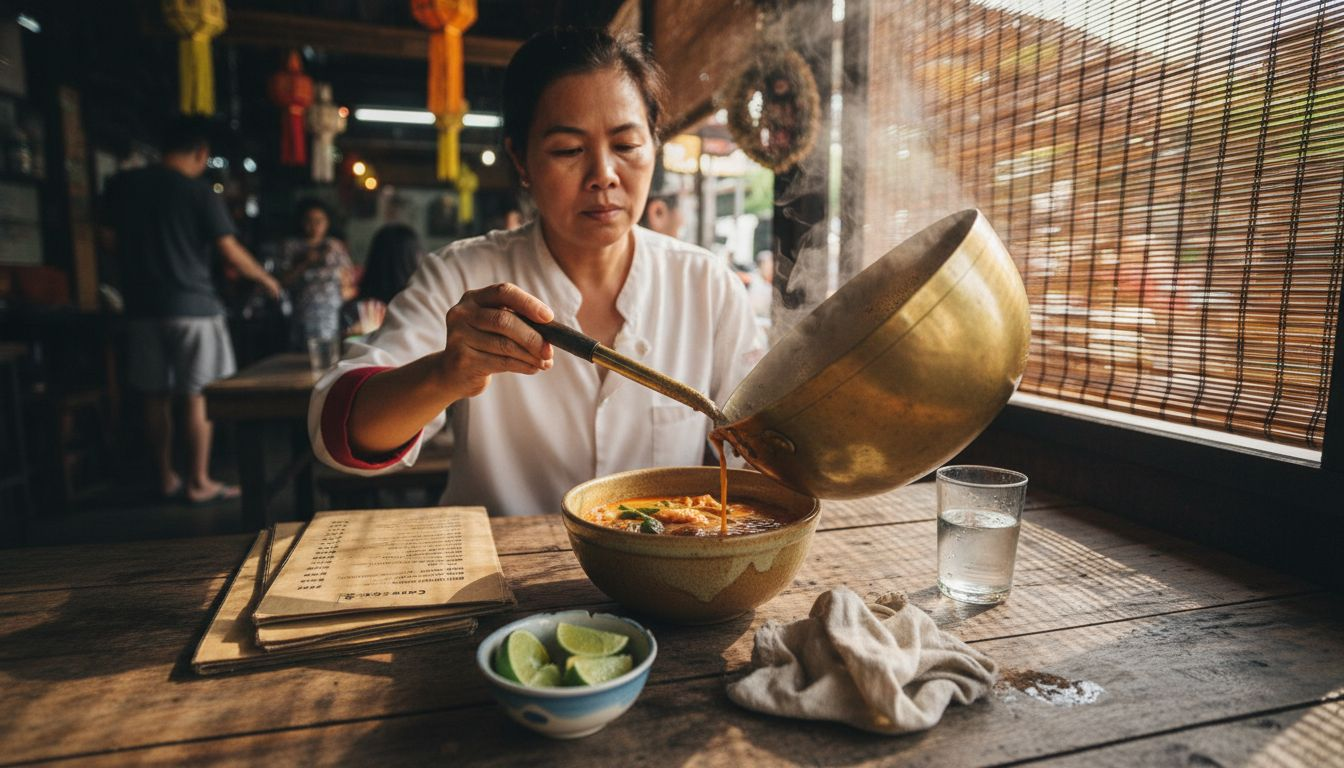
Most American diners are surprised to discover that over 80 percent of Thai soups contain a unique fusion of herbs and citrus flavors rarely found in Western broths. This extraordinary blend is what makes these soups stand out on menus around the world and keeps food enthusiasts craving their signature taste. By exploring these distinctive qualities, you can experience how Thai soups transform humble ingredients into culinary artistry.
Table of Contents
Key Takeaways
Point | Details |
Flavor Balance Is Key | Authentic Thai soups showcase a balance of sour, spicy, salty, and sweet flavors, creating a complex sensory experience. |
Signature Ingredients Define the Taste | Key ingredients like lemongrass, galangal, and Thai chiles are essential for achieving the distinctive flavor profiles of these soups. |
Cultural Significance of Serving | Thai soups are often served family-style to encourage sharing and showcase a variety of flavors in one meal. |
Adaptability for Dietary Needs | Thai soups can be easily modified to accommodate vegan, gluten-free, and dairy-free diets while preserving their authentic flavors. |
What Makes a Soup Uniquely Thai
Thai soups represent a culinary art form where flavor balance reigns supreme. Complex flavor harmony characterizes authentic Thai soups, creating a sensory experience that transcends simple meal preparation. These soups are not merely dishes but cultural expressions that blend multiple taste dimensions in a single bowl.
The defining characteristics of Thai soups emerge from their extraordinary ingredient combinations. Typically, these soups feature light, brothy bases infused with dynamic herbs and aromatic spices, including lemongrass, galangal, makrut lime leaves, Thai chiles, and turmeric. Proteins like chicken, pork, shrimp, and fish provide substance, while vegetables such as mushrooms, tomatoes, and cabbage contribute textural complexity.
What truly distinguishes Thai soups is their masterful flavor layering. Each spoonful delivers a symphony of tastes: bright citrus notes from lime juice, intense herbal aromatics, sharp chili heat, and the smooth richness of coconut milk. These elements coexist not as competing flavors, but as carefully orchestrated culinary notes that dance across the palate.
Pro Soup Selection Tip: When exploring Thai soups, look for dishes that offer a balance of sour, spicy, salty, and sweet elements to experience authentic Thai culinary craftsmanship.
Classic Thai Soup Varieties Explained
Thai cuisine boasts an impressive array of soup varieties that showcase the country’s culinary complexity. Tom Yum Goong stands as Thailand’s most renowned culinary export, a vibrant soup that exemplifies the bold flavor profile characteristic of Thai cooking. This iconic dish features a clear broth bursting with intense tastes from fresh bird’s eye chilies, tangy lime juice, aromatic lemongrass, pungent galangal, and fragrant kaffir lime leaves.
Another celebrated variety is Tom Kha Gai, which offers a completely different sensory experience. This soup provides a creamy alternative with its coconut milk base, incorporating similar aromatic ingredients like galangal, lime juice, and chilies, but presenting a milder and more velvety texture. The coconut milk transforms the broth into a rich, smooth preparation that balances heat and complexity.
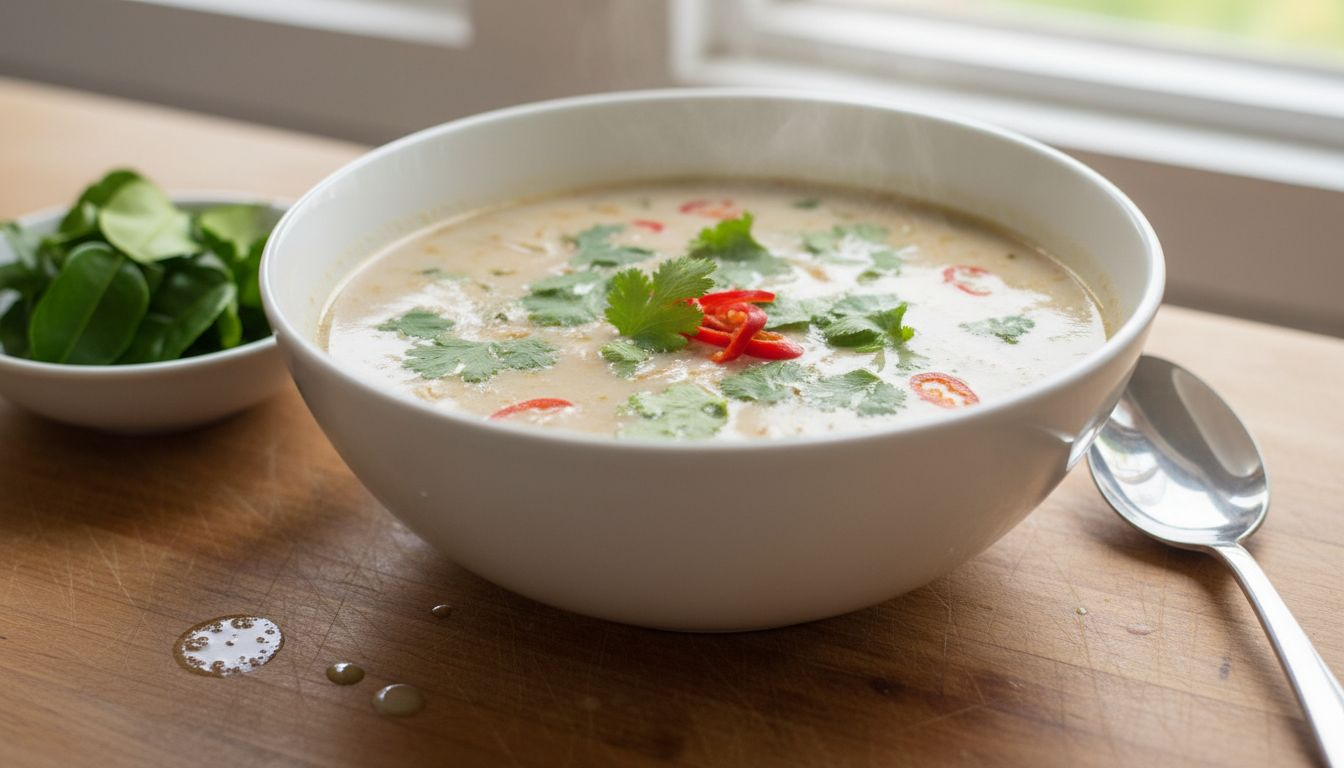
Here’s a comparison of two classic Thai soups to help you choose based on flavor and style:
Soup Name | Broth Base | Key Flavors | Typical Protein Choices |
Tom Yum Goong | Clear, spicy-sour | Tangy, herbal, spicy, citrus | Shrimp, fish |
Tom Kha Gai | Creamy coconut | Mild, rich, aromatic, sweet | Chicken, tofu |
Beyond these two popular varieties, Thai soups represent a remarkable culinary tradition that celebrates intricate flavor combinations. Each soup tells a story of regional ingredients, cooking techniques, and cultural influences. From spicy and sour to creamy and mild, these soups demonstrate the remarkable versatility of Thai cuisine, offering something for every palate and preference.
Soup Selection Pro Tip: When trying Thai soups, start with Tom Kha Gai if you prefer milder flavors, and gradually work your way to the more intense Tom Yum Goong to explore the full spectrum of Thai soup experiences.
Signature Ingredients and Distinctive Flavors
Thai soups are distinguished by their extraordinary blend of herbs and spices, creating a culinary experience that goes far beyond simple nutrition. The signature ingredients include lemongrass, galangal, makrut lime leaves, Thai chiles, and turmeric - each contributing a unique dimension to the overall flavor profile. These ingredients do more than just add taste; they provide potential health benefits, potentially boosting mood and supporting immune system function.
The magic of Thai soup flavors lies in their remarkable balance. Fresh ingredients combine to create a harmonious taste experience, where the zing of lime juice dances with the aromatic punch of lemongrass, the heat of fresh chilies provides complexity, and the creaminess of coconut milk smooths out the intensity. This intricate flavor layering represents a culinary philosophy that celebrates contrast and complementary tastes.
Beyond individual ingredients, Thai soups represent a sophisticated approach to cooking that transforms simple components into extraordinary dishes. The careful selection and precise combination of herbs, spices, and proteins create a sensory journey that reflects centuries of culinary tradition. Each ingredient is chosen not just for its taste, but for its ability to interact and elevate the overall dining experience.
Flavor Exploration Pro Tip: When cooking Thai soups at home, start with small quantities of intense ingredients like Thai chiles and lemongrass, tasting and adjusting to find your perfect balance of flavors.
Serving Thai Soups: Tips and Traditions
Traditional Thai soup service is an art form that goes beyond simply ladling broth into a bowl. Clear soup plays a distinctive role in Thai meal composition, often functioning as a palate cleanser between more intensely flavored dishes like spicy stir-fries and rich curries. This strategic placement helps reset the taste buds and prepare diners for the next culinary experience.
Serving temperatures and accompanying elements are crucial in authentic Thai soup presentation. Soups are typically served piping hot, with fresh herbs sprinkled on top for added aroma and flavor complexity. Traditional accompaniments might include steamed jasmine rice, allowing diners to customize their eating experience by adding rice directly into the soup or enjoying it as a side.
The communal nature of Thai dining means soups are often served family-style, encouraging shared meals and social interaction. Different soup varieties might be presented simultaneously, allowing diners to sample multiple flavors and textures. This approach reflects the fundamental Thai culinary philosophy of balance and variety, where no single taste dominates the overall dining experience.
Serving Pro Tip: When presenting Thai soups, use wide, shallow bowls that allow the vibrant colors and aromatic herbs to be fully appreciated, and always serve with a spoon and a side of fresh herbs for garnishing.
Vegan, Gluten-Free, and Modern Adaptations
Thai soups demonstrate remarkable versatility in accommodating diverse dietary requirements, offering delicious options for vegans, vegetarians, and those with gluten sensitivities. Many traditional Thai soup recipes can be easily transformed by substituting proteins and using alternative ingredients while maintaining their authentic flavor profiles. Rice noodles, plant-based proteins, and coconut milk serve as excellent foundations for creating inclusive culinary experiences.
Gluten-free adaptations are particularly straightforward in Thai cuisine. Traditional Thai chicken noodle soup, for instance, naturally uses rice noodles instead of wheat-based varieties, making it an inherently lighter and more accessible dish. Vegan versions can replace animal proteins with tofu, mushrooms, or plant-based protein alternatives, ensuring that the complex flavor layers remain intact while meeting various dietary needs.
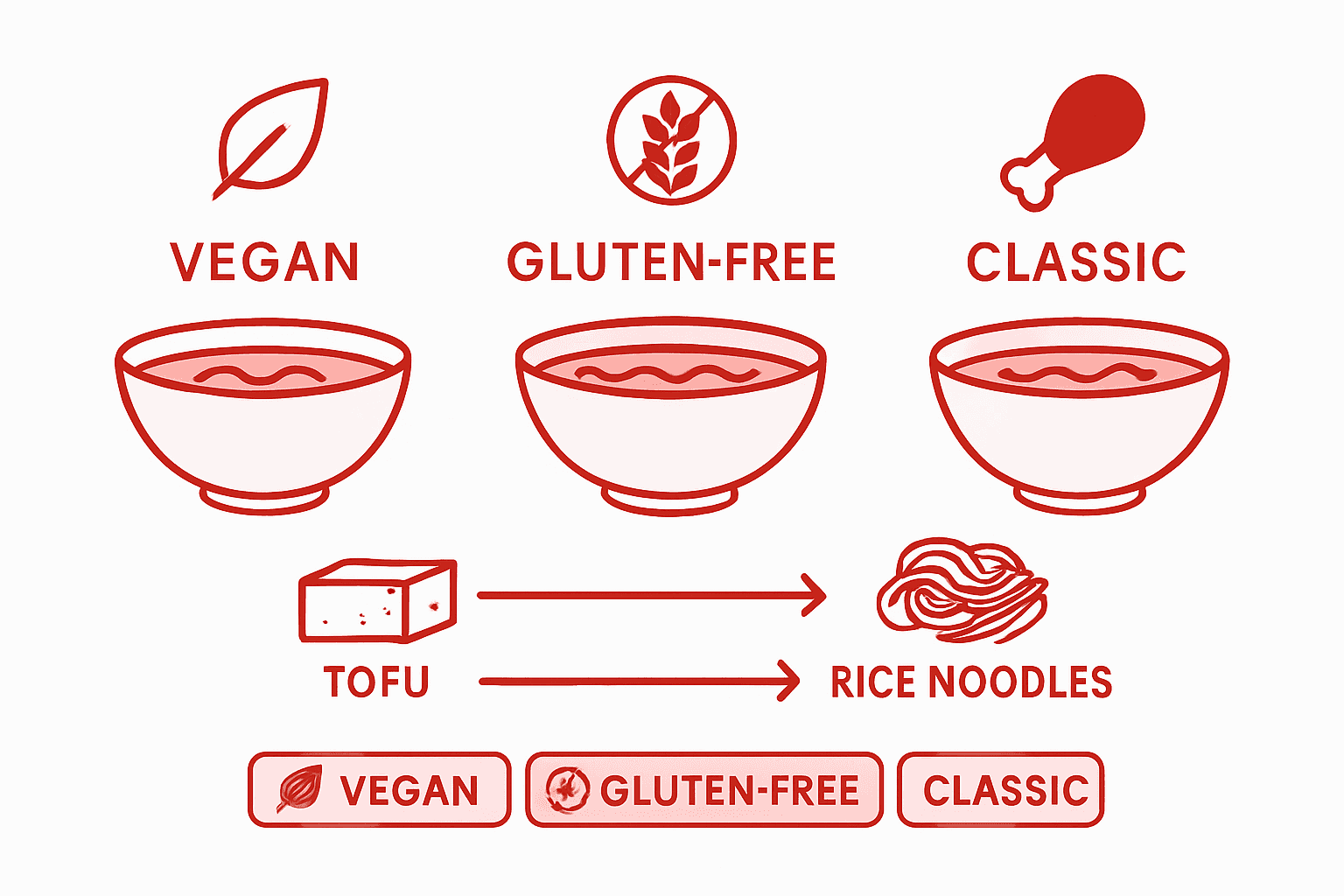
Modern Thai cooking embraces innovation while respecting traditional techniques. Chefs are increasingly experimenting with plant-based ingredients, creating soups that are not just dietary accommodations but genuine culinary innovations. Jackfruit, tempeh, and seitan have become popular protein substitutes that absorb traditional Thai seasonings beautifully, proving that dietary restrictions need not compromise flavor or authenticity.
This table summarizes dietary adaptations possible for Thai soups:
Dietary Need | Possible Substitutions | Maintains Flavor Balance | Example Ingredient Swap |
Vegan | Plant-based proteins, mushrooms | Yes, with careful herbs | Chicken → tofu |
Gluten-Free | Rice noodles, tamari | Naturally balanced | Wheat noodles → rice |
Dairy-Free | Coconut milk, no cream | Remains authentic | Cream → coconut milk |
Adaptation Pro Tip: When modifying Thai soup recipes, focus on preserving the essential herb and spice combinations that define the dish’s character, ensuring that dietary adaptations enhance rather than diminish the original recipe’s integrity.
Discover Authentic Thai Soup Flavors at Thai Spoon Las Vegas
Embrace the rich and vibrant world of Thai soups by tasting their authentic flavors right here in northwest Las Vegas. If you have been craving the perfect balance of sour, spicy, salty, and sweet notes that define classics like Tom Yum Goong and Tom Kha Gai, your search ends at Thai Spoon Las Vegas. Our menu honors the traditional use of signature ingredients such as lemongrass, galangal, and kaffir lime leaves while catering to diverse dietary needs including vegan and gluten-free options. Experience how these thoughtfully crafted soups provide not only comfort but a genuine cultural taste adventure.
Savor these classic dishes in a welcoming atmosphere or enjoy the convenience of online ordering for pickup or delivery. Don’t miss your chance to explore a spectrum of Thai soup varieties that satisfy every palate and craving. Visit Thai Spoon Las Vegas today to browse our menu and place your order. Unlock the authentic taste of Thailand in every spoonful and elevate your dining experience now.
Frequently Asked Questions
What are the main types of Thai soups?
The main types of Thai soups include Tom Yum Goong, known for its clear, spicy-sour broth, and Tom Kha Gai, which features a creamy coconut milk base. Each offers unique flavor profiles and ingredients.
What ingredients make Thai soups unique?
Thai soups are distinguished by their use of fresh herbs and spices like lemongrass, galangal, and makrut lime leaves, combined with ingredients such as shrimp, chicken, and coconut milk to achieve a complex flavor balance.
How can I adapt Thai soup recipes for dietary restrictions?
Thai soup recipes can be easily adapted by substituting proteins with plant-based options for vegans or using rice noodles for gluten-free diets, while maintaining the essential flavors characteristic of Thai cuisine.
What should I consider when serving Thai soups?
When serving Thai soups, consider providing them piping hot in wide, shallow bowls, garnished with fresh herbs. Offering steamed jasmine rice allows diners to customize their experience by adding rice directly into the soup.
Recommended
Comments