


Complete Guide to Thai Spices and Flavors
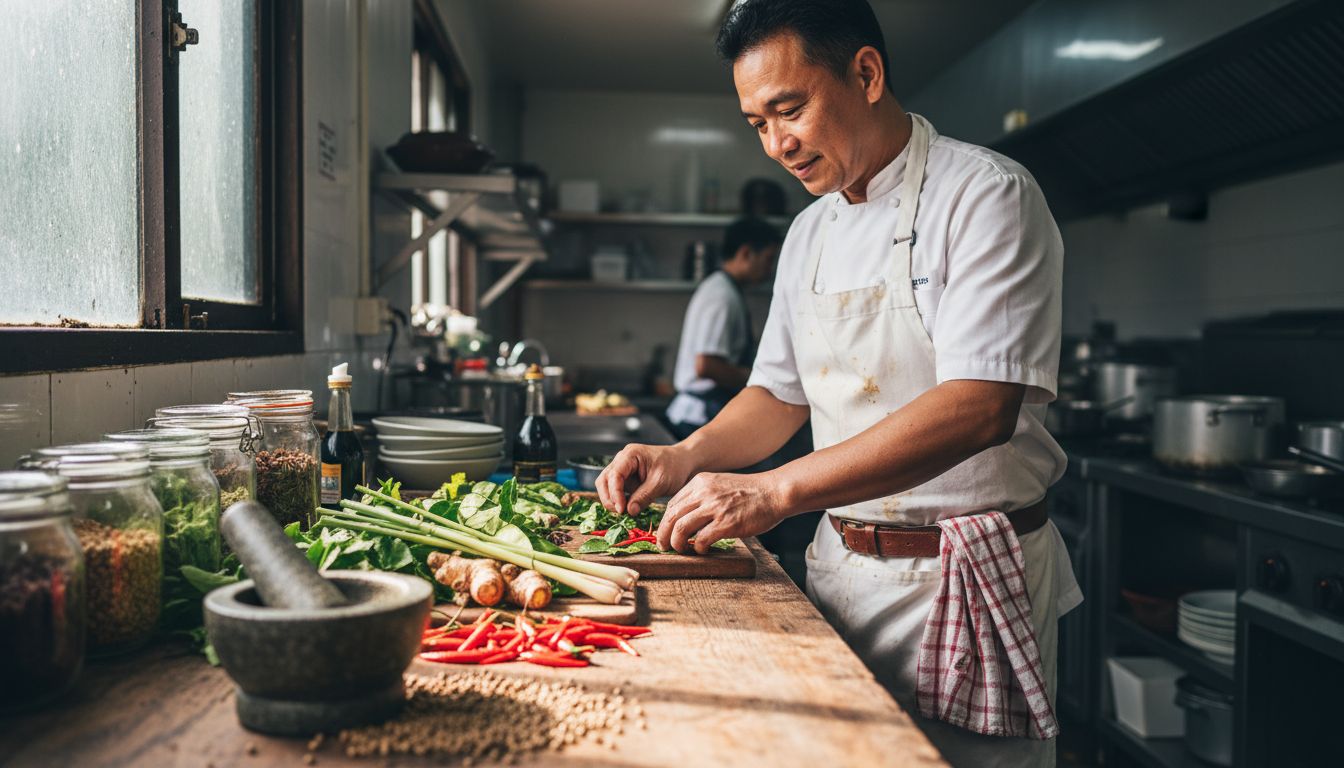
More than 60 percent of American home cooks say Thai cuisine is their favorite choice for adventurous flavor. Yet, many are surprised to learn that Thai spices go far beyond simple heat, creating layers of aroma, warmth, and complexity in every dish. From fresh galangal to fiery bird’s eye chilies, learning how these spices function can elevate cooking and redefine what authentic Thai flavor means at your own table.
Table of Contents
Key Takeaways
Point | Details |
Role of Spices | Thai spices create complex, layered flavors, emphasizing harmony rather than just heat. |
Categories of Spices | Spices are categorized into aromatic, heat-generating, and earthy foundational spices, each contributing distinct qualities. |
Cooking Techniques | Fresh ingredients and proper cooking techniques are crucial for maximizing the flavor of Thai dishes. |
Common Mistakes | Avoid overusing spices or substituting fresh herbs with dried varieties to maintain authenticity in Thai cuisine. |
Defining Thai Spices and Their Culinary Role
Thai cuisine represents a sophisticated symphony of flavors where spices play a pivotal role in creating complex, layered taste experiences. Understanding the role of spice in Thai cuisine reveals a culinary tradition deeply rooted in balancing sensory elements through strategic spice selection. Unlike many other cooking styles, Thai spices are not merely about heat or intensity, but about creating harmonious interactions between different flavor profiles.
The chemical composition of Thai spices contributes significantly to their unique sensory attributes. Research on the science of Thai cuisine demonstrates how specific compounds in herbs and spices create the distinctive aromatics and taste characteristics that define Thai cooking. Key spices like galangal, lemongrass, kaffir lime leaves, and Thai basil are not just flavor enhancers but integral components that transform simple ingredients into extraordinary dishes.
Thai spices can be broadly categorized into several functional groups that contribute distinct qualities to cuisine:
Aromatic Spices: Provide fragrant undertones
Lemongrass
Kaffir lime leaves
Thai basil
Heat-Generating Spices: Add warmth and intensity
Bird’s eye chili
White peppercorns
Dried red chili
Earthy Foundational Spices: Create depth and complexity
Galangal
Turmeric
Cumin
By understanding these spice categories and their interactions, home cooks and professional chefs alike can craft flavorful Thai dishes that capture the essence of authentic Thai culinary traditions.
Common Thai Spices and Their Unique Characteristics
Thai cuisine is renowned for its remarkable depth and complexity, achieved through a carefully curated selection of spices that transform ordinary ingredients into extraordinary culinary experiences. Exploring the signature Thai spices reveals a sophisticated flavor landscape that balances heat, aromatics, and nuanced taste profiles unique to Southeast Asian cooking.
Comprehensive research on Thai herbs and spices highlights several key ingredients that define the region’s gastronomic identity. Galangal, a rhizome closely related to ginger, offers a sharp, citrusy warmth that distinguishes Thai dishes from other Asian cuisines. Dried red chilies provide intense heat and smoky undertones, while Thai basil contributes a distinctive anise-like flavor that elevates both savory and sweet preparations.
Key Thai spices can be categorized by their primary flavor contributions:
Aromatic Spices
Lemongrass: Citrusy, slightly woody profile
Kaffir Lime Leaves: Intensely fragrant, sharp citrus notes
Thai Basil: Peppery, anise-like essence
Heat-Generating Spices
Bird’s Eye Chili: Explosive, sharp heat
White Peppercorns: Subtle, penetrating warmth
Dried Red Chilies: Deep, smoky intensity
Earthy Foundational Spices
Galangal: Sharp, citrusy undertones
Turmeric: Warm, slightly bitter complexity
Cumin: Deep, nutty richness
Understanding the Thai taste profile demonstrates how these spices work in harmony, creating a culinary experience that balances sweet, sour, salty, bitter, and umami flavors with remarkable precision. Each spice serves a specific purpose, transforming simple ingredients into a vibrant, multi-dimensional dining experience that captures the essence of Thai culinary artistry.
How Thai Spices Shape Authentic Flavors
Uncovering what makes Thai cuisine unique reveals the profound artistry behind its spice combinations, where each ingredient plays a crucial role in creating a symphonic flavor experience. The magic of Thai cooking lies not just in individual spices, but in their intricate interactions and carefully calibrated balance.
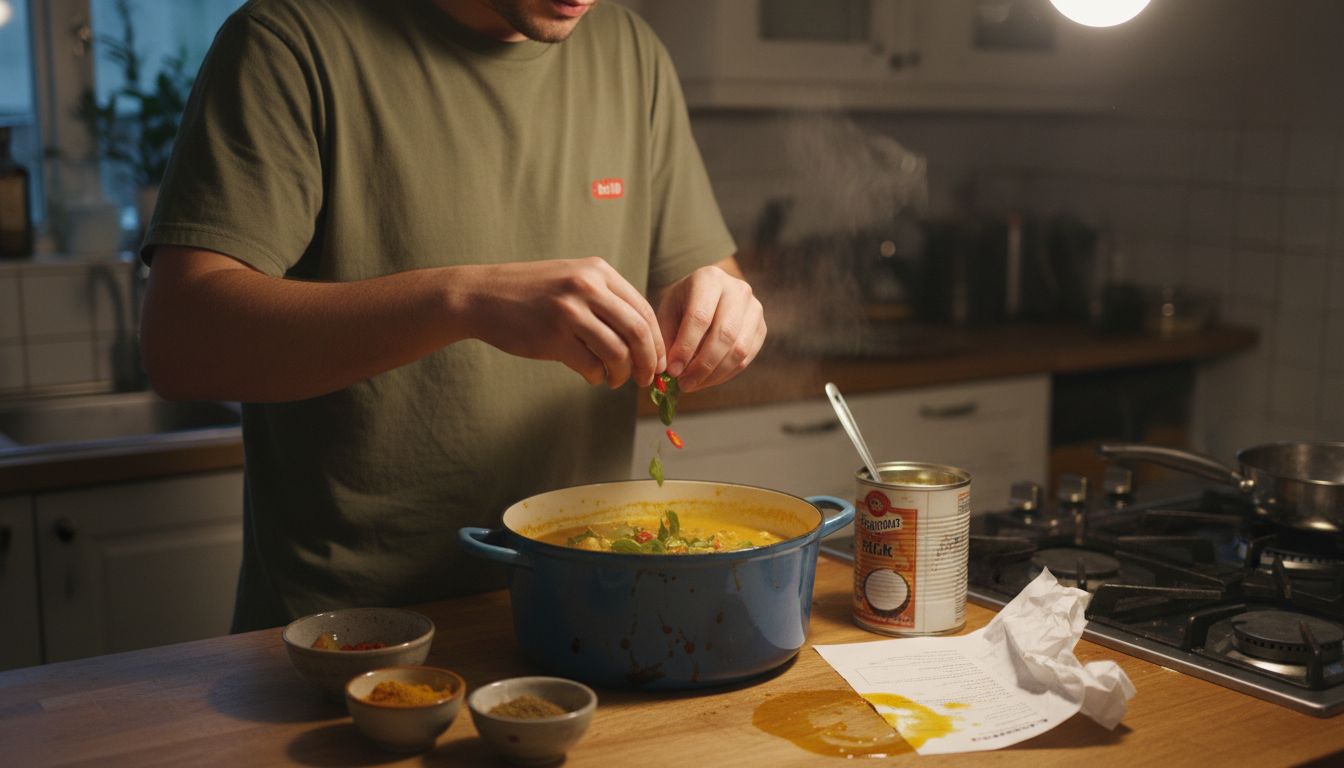
Regional spice research demonstrates how ingredients like bird’s eye chilies and galangal are fundamental in constructing authentic Thai flavor profiles. These spices do more than simply add heat or aroma - they create complex sensory experiences that communicate the culinary heritage of Thailand. Bird’s eye chilies, for instance, provide a sharp, explosive heat that differs dramatically from other chili varieties, while galangal contributes a bright, citrusy warmth that distinguishes Thai dishes from other Southeast Asian cuisines.
The authentic Thai flavor framework can be understood through several key spice interactions:
Heat Dynamics
Controlled spiciness
Gradual flavor progression
Balanced intensity
Aromatic Complexity
Layered herbal notes
Complementary flavor profiles
Subtle underlying fragrances
Textural Contributions
Depth beyond mere taste
Sensory dimension to dishes
Lingering flavor impressions
These spice interactions create a culinary language that speaks to the sophistication of Thai cooking, where each ingredient tells a story of regional tradition and gastronomic innovation. The result is a dining experience that transcends simple nutrition, transforming meals into memorable sensory journeys that capture the essence of Thai culinary artistry.
Tips for Cooking With Thai Spices at Home
Essential tips for Thai food beginners start with understanding how to work with authentic Thai spices in your home kitchen. Mastering Thai spices requires more than simply adding ingredients - it demands a nuanced approach to balancing flavors, understanding ingredient interactions, and respecting the delicate complexity of Southeast Asian culinary traditions.
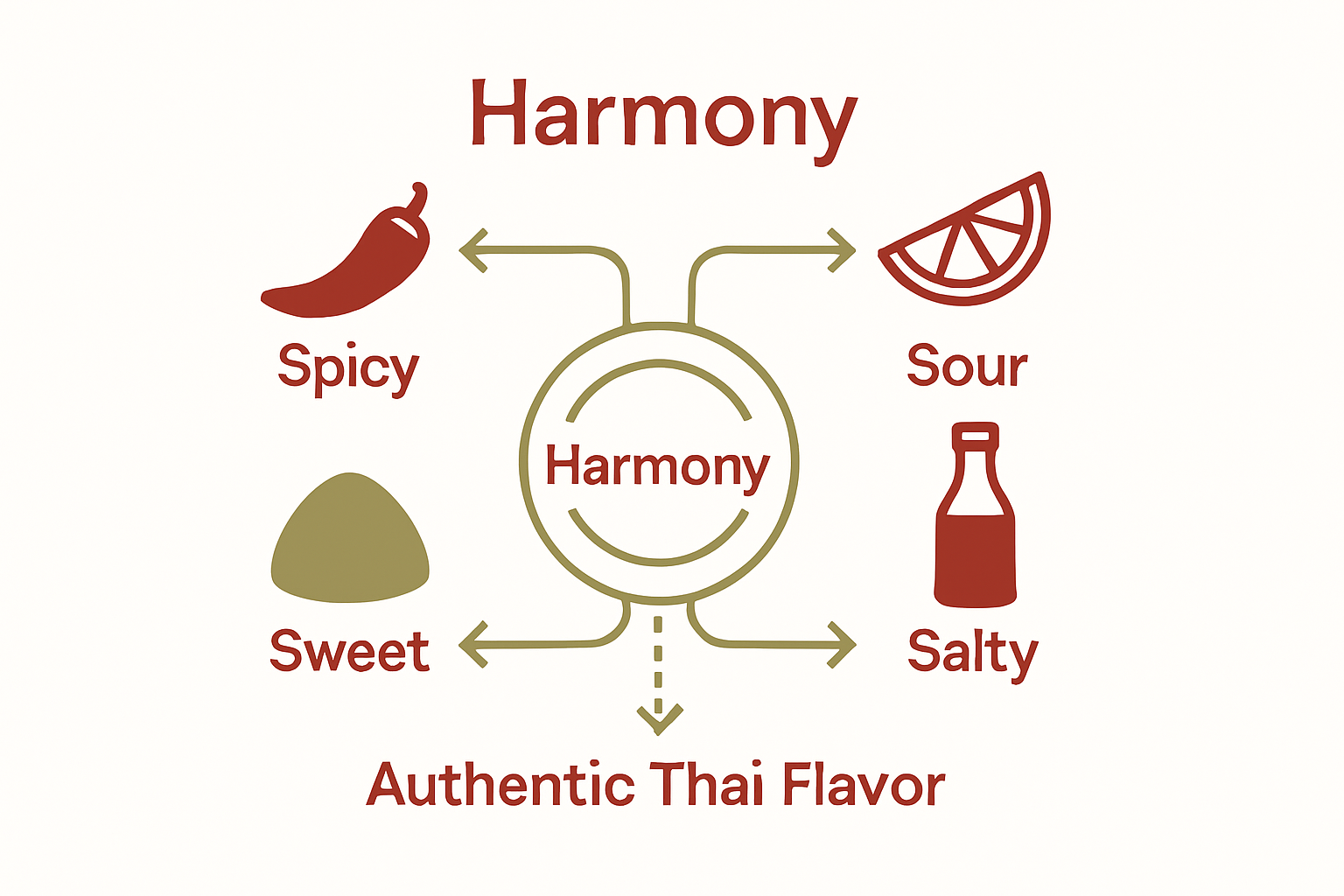
Comprehensive spice research reveals key strategies for incorporating Thai spices effectively. Fresh ingredients are paramount - galangal, lemongrass, and kaffir lime leaves should be purchased as close to their peak freshness as possible. When working with dried chilies, toast them briefly in a dry pan to enhance their smoky depth, releasing essential oils that transform ordinary dishes into extraordinary culinary experiences.
Mastering Thai spice techniques involves several critical approaches:
Ingredient Preparation
Use fresh herbs whenever possible
Chop ingredients finely for even distribution
Understand each spice’s unique flavor profile
Cooking Techniques
Toast whole spices to intensify flavors
Layer spices in stages during cooking
Balance heat with aromatic elements
Storage and Preservation
Store whole spices in airtight containers
Keep away from direct sunlight and moisture
Rotate spice inventory regularly
The art of Thai spice cooking is about creating harmony. Each ingredient tells a story, and understanding how to blend these narratives transforms home cooking from simple meal preparation to a genuine culinary journey that captures the essence of authentic Thai cuisine.
Mistakes to Avoid When Using Thai Spices
Understanding authentic Thai flavors begins by recognizing the common pitfalls that can derail your culinary journey. Thai spice cooking is an intricate art that demands precision, respect for ingredient interactions, and a nuanced understanding of flavor balance.
Comprehensive research on Thai spice techniques reveals several critical mistakes home cooks frequently make. Overusing or underusing specific spices can completely disrupt the delicate flavor harmony essential to Thai cuisine. For instance, substituting fresh herbs with dried alternatives dramatically alters the dish’s authenticity, while grinding spices too far in advance can lead to significant flavor loss.
The most common mistakes in Thai spice preparation include:
Ingredient Selection Errors
Using dried herbs instead of fresh
Purchasing low-quality spices
Neglecting ingredient freshness
Preparation Mistakes
Incorrect grinding techniques
Improper spice storage
Failing to toast whole spices
Flavor Balancing Errors
Overwhelming dishes with heat
Ignoring complex flavor interactions
Lacking understanding of spice proportions
Mastering Thai spices requires patience, practice, and a willingness to understand the nuanced language of flavors. Each mistake is an opportunity to learn, transforming your culinary skills from amateur to authentic, one carefully prepared dish at a time.
Experience Authentic Thai Spice Mastery at Thai Spoon Las Vegas
Mastering the perfect balance of Thai spices can be challenging. The article highlights key pain points like selecting fresh ingredients, balancing heat and aromatics, and avoiding common mistakes that disrupt authenticity. If you want to savor genuine Thai flavors crafted with the very spices discussed, look no further than Thai Spoon Las Vegas. Our chefs expertly blend traditional spices like galangal, lemongrass, and bird’s eye chili to deliver an unforgettable dining experience that captures the essence of Thailand.
Ready to taste the art of true Thai spice harmony? Visit Thai Spoon Las Vegas to explore our menu and order online for pickup or delivery. Discover how expertly used spices transform our signature dishes such as Pad Thai and Yellow Curry into vibrant culinary journeys. Don’t miss our special lunch and happy hour menus that make authentic Thai flavors accessible every day. Take the next step on your flavor adventure with us and bring home the rich, balanced taste of Thailand now.
Frequently Asked Questions
What are the main categories of Thai spices?
Thai spices can be broadly categorized into three functional groups: aromatic spices (like lemongrass and Thai basil), heat-generating spices (such as bird’s eye chili and white peppercorns), and earthy foundational spices (including galangal and turmeric).
How do I properly use fresh Thai spices at home?
When using fresh Thai spices, be sure to chop them finely for even distribution. Use them as close to their peak freshness as possible, and always layer them during cooking to build complex flavors.
What common mistakes should I avoid when working with Thai spices?
Common mistakes include using dried herbs instead of fresh ones, improperly grinding spices, and overwhelming dishes with too much heat. It’s essential to balance flavors and understand the interactions between different spices.
How can I enhance the flavors of Thai spices in my dishes?
To enhance Thai spice flavors, toast whole spices briefly in a dry pan to intensify their aroma. Layer spices throughout the cooking process, and balance heat with aromatic elements for a harmonious dish.
Recommended
Comments