
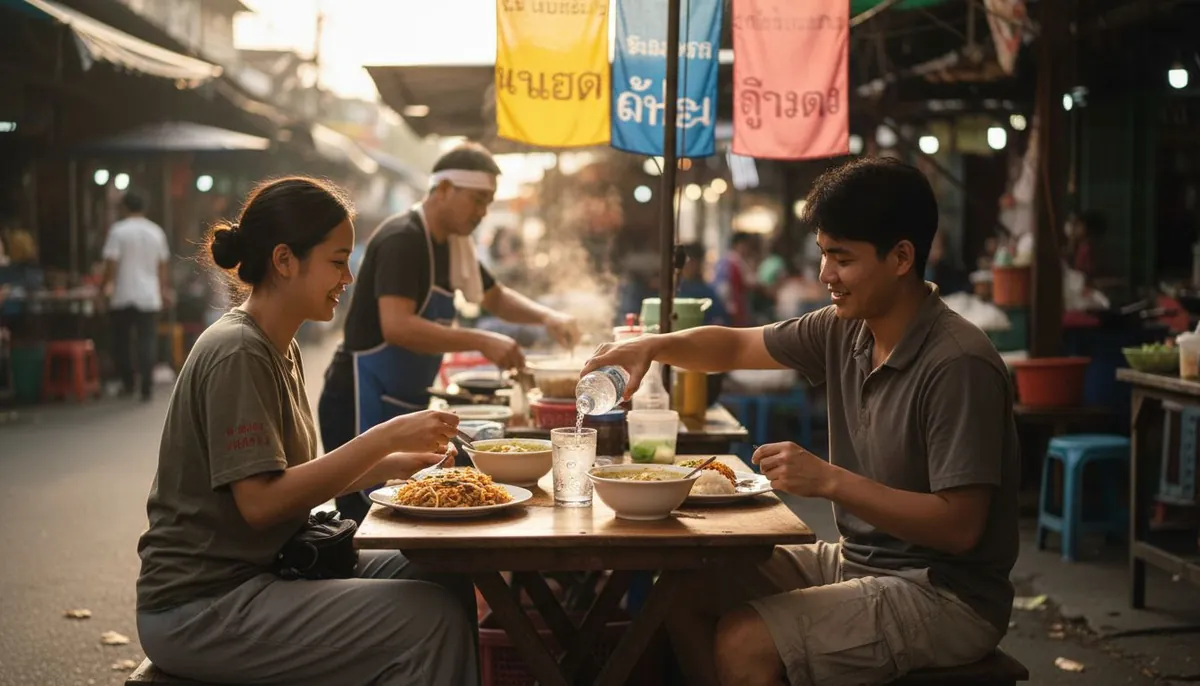
Most American travelers are surprised to find that Thai cuisine stands out as one of the most vegetarian-friendly options in Asia. With over 90 percent of Thai dishes easily adapted for plant-based diets, even dedicated meat-eaters discover an abundance of fresh, flavorful alternatives. This matters for anyone looking to explore new tastes without compromising personal values or dietary needs. Discover how Thailand makes it simple to enjoy delicious and authentic vegetarian meals, whether you are a visitor or a lifelong vegetarian.
Table of Contents
Key Takeaways
Point | Details |
Vegetarian-Friendly Nature | Thai cuisine is deeply influenced by Buddhism, promoting plant-based dining through cultural practices and ingredient selection. |
Diverse Dish Options | A wide variety of vegetarian Thai dishes emphasize fresh ingredients and complex flavors, making plant-based meals both tasty and fulfilling. |
Clarity in Ordering | When dining, use specific terms like ‘Jay’ to ensure vegetarian or vegan options are strictly adhered to, avoiding hidden animal products. |
Dietary Adaptations | Vegetarian, vegan, and gluten-free options each require careful ingredient consideration, making clear communication essential for a satisfying meal experience. |
What Makes Thai Cuisine Vegetarian-Friendly
Thai cuisine emerges as a remarkably vegetarian-friendly culinary tradition, deeply rooted in cultural and religious practices. Buddhism has profoundly shaped Thai culinary practices, emphasizing principles of non-violence that naturally extend into cooking methods and ingredient selection. This philosophical foundation creates an inherent openness to plant-based dining experiences that goes far beyond mere dietary restrictions.
The tropical landscape of Thailand plays a crucial role in supporting vegetarian cuisine. Thailand’s tropical climate yields an extraordinary range of fruits, vegetables, herbs, and spices, making plant-based cooking both incredibly natural and extraordinarily diverse. Traditional Thai diets have long relied heavily on locally grown produce, creating a culinary environment where vegetables aren’t just side dishes, but central components of meals.
Key characteristics that make Thai cuisine particularly vegetarian-friendly include:
Abundant use of fresh herbs and spices
Complex flavor layering without meat dependency
Flexible recipe adaptations
Strong tradition of Buddhist vegetarian cooking
Emphasis on balanced nutrition through plant ingredients
Pro Tip - Vegetarian Exploration: When ordering Thai food, ask about “Jay” or “Jae” dishes, which are strictly vegetarian and often prepared with Buddhist dietary principles in mind, ensuring a truly authentic plant-based experience.
Popular Vegetarian Thai Dishes and Their Ingredients
Vegetarian Thai cuisine offers an incredible array of vibrant, flavorful dishes that showcase the richness of plant-based cooking. Popular vegetarian Thai dishes span a delightful range of noodle, curry, and salad preparations, each highlighting the complex flavor profiles that make Thai cuisine globally renowned. Dishes like Pad See Ew transform simple ingredients into culinary masterpieces, combining wide rice noodles, soy sauce, broccoli, Chinese kale, and tofu into a harmonious meal.
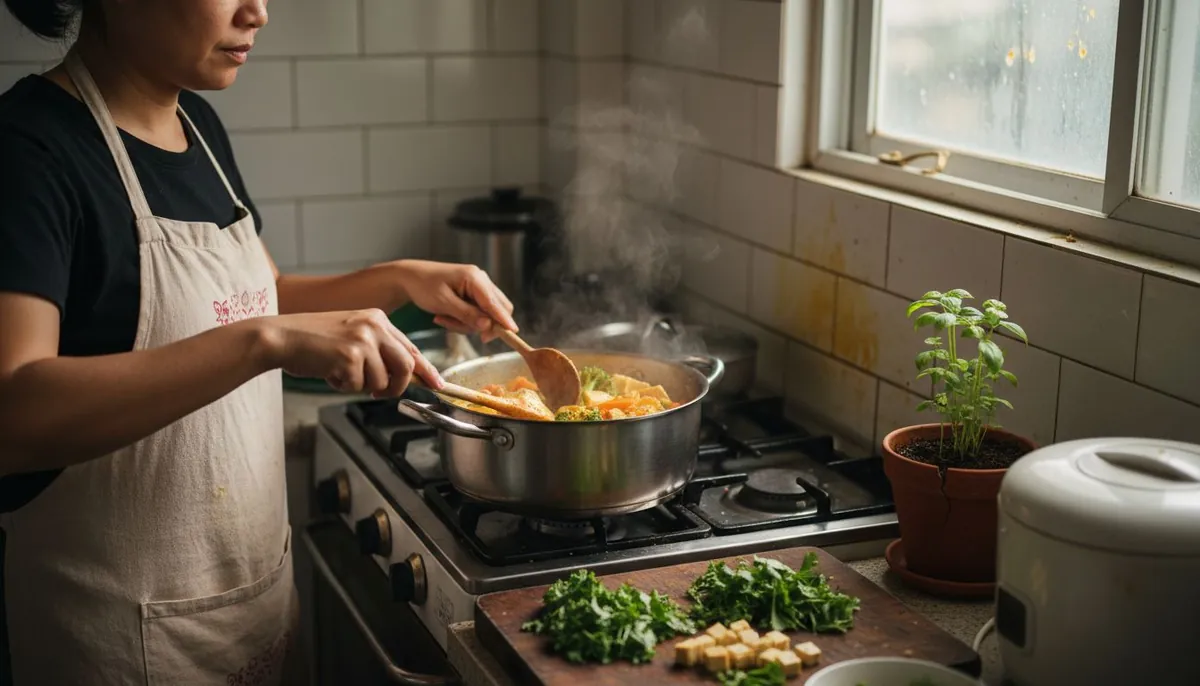
Traditional Thai vegetarian recipes demonstrate remarkable diversity and creativity. Notable vegetarian Thai recipes include Green Papaya Salad, Corn Cakes, and Hot Yellow Curry, each offering unique textures and taste experiences. The Green Papaya Salad, for instance, combines shredded papaya with spices, herbs, lime juice, and soy sauce to create a refreshing and zesty dish that exemplifies the balance of flavors characteristic of Thai cuisine.
Some standout vegetarian Thai dishes include:
Here is a quick look at popular vegetarian Thai dishes and their primary flavor profiles:
Dish Name | Star Ingredients | Flavor Profile |
Pad See Ew | Wide rice noodles, tofu | Savory, slightly sweet |
Massaman Curry | Potatoes, peanuts | Rich, aromatic, mild heat |
Green Papaya Salad | Shredded papaya, lime | Refreshing, tangy, spicy |
Corn Cakes | Sweet corn, herbs | Crisp, sweet-savory |
Vegetable Spring Rolls | Mixed veggies, mushrooms | Crunchy, herbaceous |
Massaman Curry: A rich blend of potatoes, peanuts, onions, and aromatic spices
Vegetable Spring Rolls: Crispy rolls filled with cabbage, carrots, mushrooms, and bean sprouts
Corn Cakes: Deep-fried golden treats served with sweet chili sauce
Hot Yellow Curry: Fresh vegetables simmered in authentic spices
Pad See Ew: Wide rice noodles with tofu and green vegetables
Pro Tip - Flavor Exploration: Request “Jay” or “Jae” menu options when dining, which guarantees strictly vegetarian preparations prepared with traditional Buddhist culinary principles, ensuring an authentic and delicious plant-based Thai dining experience.
Vegan Versus Vegetarian Thai Options
Navigating the world of plant-based Thai cuisine reveals nuanced differences between vegan and vegetarian dining options. In Thailand, the term ‘jay’ represents a strict form of vegetarianism closely aligned with veganism, which goes beyond traditional vegetarian restrictions by eliminating all animal products including eggs and dairy. This culinary approach transforms traditional recipes into entirely plant-based experiences that maintain the vibrant flavors Thai cuisine is known for.
While vegetarian Thai options typically allow dairy and eggs, vegan dishes require more careful preparation and ingredient selection. Classic Thai dishes like Pad Thai, Green Curry, and Tom Kha can be easily adapted to vegan specifications by replacing animal-based ingredients with plant alternatives. The key is understanding specific modifications, such as requesting ‘mai sai nam pla’ (without fish sauce) to ensure a truly vegan preparation.
Key distinctions between vegan and vegetarian Thai options include:
Vegetarian Options:
May include eggs and dairy products
Often uses fish sauce for flavor
More flexible ingredient substitutions
Vegan Options:
Strictly no animal products
Uses plant-based protein alternatives
Requires specific ingredient modifications
Emphasizes tofu and vegetable-based proteins
Pro Tip - Dining Strategy: When ordering Thai food, clearly communicate your dietary preferences and ask about specific ingredient preparations to ensure your meal meets your exact vegetarian or vegan requirements.
Ordering Tips for Meat-Free Thai Meals
Navigating Thai restaurant menus as a vegetarian or vegan requires strategic communication and careful ingredient awareness. When ordering meat-free Thai meals, it’s crucial to specify specific phrases that guarantee a truly plant-based dining experience. Key communication phrases like ‘mai sai nam pla’ (without fish sauce) and ‘mai sai kapi’ (without shrimp paste) become essential tools in ensuring your meal meets strict dietary requirements.
Understanding the cultural nuances of Thai vegetarian dining goes beyond simple menu translation. The term ‘jay’ represents a strict vegetarian approach that eliminates meat, fish, eggs, and dairy products entirely. This means carefully examining ingredient lists and being prepared to ask detailed questions about dish preparation. Some traditional Thai dishes that are easily adaptable include Pad Thai, Green Curry, and Som Tum (Green Papaya Salad), which can be transformed into delicious vegetarian or vegan options with the right modifications.
Essential ordering strategies for meat-free Thai meals include:
Learn basic Thai phrases for dietary restrictions
Specify ‘jay’ for strict vegetarian preparations
Ask about specific ingredient substitutions
Request dishes without fish sauce or shrimp paste
Confirm protein sources like tofu or tempeh
Check for hidden animal-based ingredients
Pro Tip - Language Navigation: Carry a small translation card with key dietary phrases in Thai, which can help you communicate your dietary needs more effectively and ensure a satisfying, meat-free meal experience.
Comparing Vegetarian, Vegan, and Gluten-Free Choices
Navigating dietary preferences in Thai cuisine reveals a complex landscape of nutritional options that cater to diverse eating requirements. Thai culinary traditions offer nuanced approaches to vegetarian, vegan, and gluten-free dining, each with distinct characteristics and ingredient considerations. Vegetarian Thai dishes typically allow for more flexibility, permitting eggs and dairy products, while vegan options demand complete elimination of all animal-derived ingredients.
The key distinctions between these dietary approaches become particularly evident in ingredient selection and preparation methods. Gluten-free choices require additional vigilance, necessitating careful examination of noodle types, sauces, and hidden wheat-based ingredients. Diners must specifically request modifications like avoiding traditional soy sauce and wheat-containing noodles to ensure their meal meets strict dietary requirements. Popular Thai dishes like Pad Thai, Green Curry, and Som Tum can be successfully adapted to accommodate these different dietary needs with thoughtful ingredient substitutions.
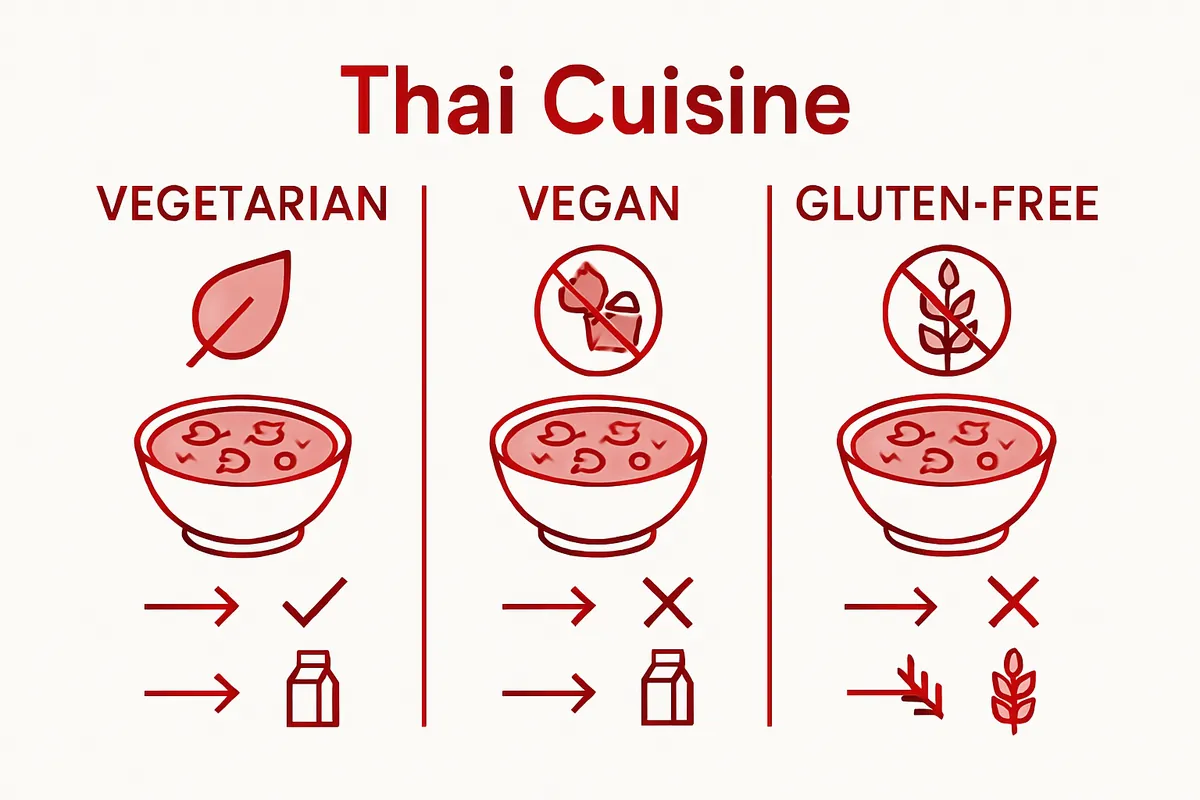
Detailed dietary comparison highlights:
The following table summarizes how Thai cuisine accommodates vegetarian, vegan, and gluten-free needs:
Dietary Need | Common Pitfalls | Restaurant Navigation Tip |
Vegetarian | Hidden fish sauce | Specify no fish or meat broths |
Vegan | Dairy, eggs, honey | Clearly request all plant substitutes |
Gluten-Free | Wheat noodles, soy | Ask about rice-based alternatives |
Vegetarian Options:
Allows eggs and dairy
May include some animal-derived ingredients
More flexible menu adaptations
Vegan Options:
Completely plant-based
No animal products whatsoever
Requires most extensive menu modifications
Gluten-Free Options:
Eliminates wheat-based ingredients
Requires careful sauce and noodle selection
Focuses on rice-based and naturally gluten-free ingredients
Pro Tip - Dietary Navigation: Always communicate your specific dietary requirements clearly and ask restaurant staff about potential ingredient substitutions to ensure a safe and satisfying dining experience.
Discover Authentic Vegetarian Thai Flavors Near You
Navigating vegetarian and vegan Thai options can be challenging with all the ingredient details and cultural nuances to consider. Whether you are seeking dishes made without fish sauce or strictly adhering to “jay” Buddhist dietary principles, finding a local spot that understands these needs makes all the difference. At Thai Spoon Las Vegas, we specialize in authentic, carefully prepared vegetarian and vegan Thai meals that deliver rich, balanced flavors without compromise. Our menu features favorites like Pad Thai and Yellow Curry, with clear vegan and gluten-free options to satisfy your cravings safely.
Experience the vibrant, plant-based taste of Thai cuisine made fresh and convenient for you. Order online for pickup or delivery today and enjoy lunch or happy hour specials tailored to your dietary preferences. Visit Thai Spoon Las Vegas now to explore our menu and secure your spot for dine-in or large party reservations. Don’t wait to treat yourself to a satisfying, meat-free Thai meal crafted with authenticity and care.
Frequently Asked Questions
What are the most popular vegetarian Thai dishes?
Popular vegetarian Thai dishes include Pad See Ew, Massaman Curry, Green Papaya Salad, Corn Cakes, and Vegetable Spring Rolls. Each dish highlights the rich flavors of plant-based ingredients.
How can I ensure my Thai meal is strictly vegan?
To ensure a meal is strictly vegan, request dishes that exclude all animal products, specifically asking for ‘mai sai nam pla’ (without fish sauce) and verifying that no dairy or eggs are included in the preparation.
What should I know about ‘Jay’ dishes in Thai cuisine?
‘Jay’ refers to a strict vegetarian approach in Thai cuisine that excludes meat, fish, eggs, and dairy products. These dishes are prepared in accordance with Buddhist dietary principles and are usually clearly marked on menus.
How do vegetarian and vegan Thai options differ?
Vegetarian options may include eggs and dairy, while vegan options eliminate all animal products entirely. This distinction is important when ordering, as some traditional Thai recipes may not be initially vegan-friendly.