


What Are Thai Noodles? Types, Flavors, Local Favorites
- mail469793
- Dec 7, 2025
- 7 min read
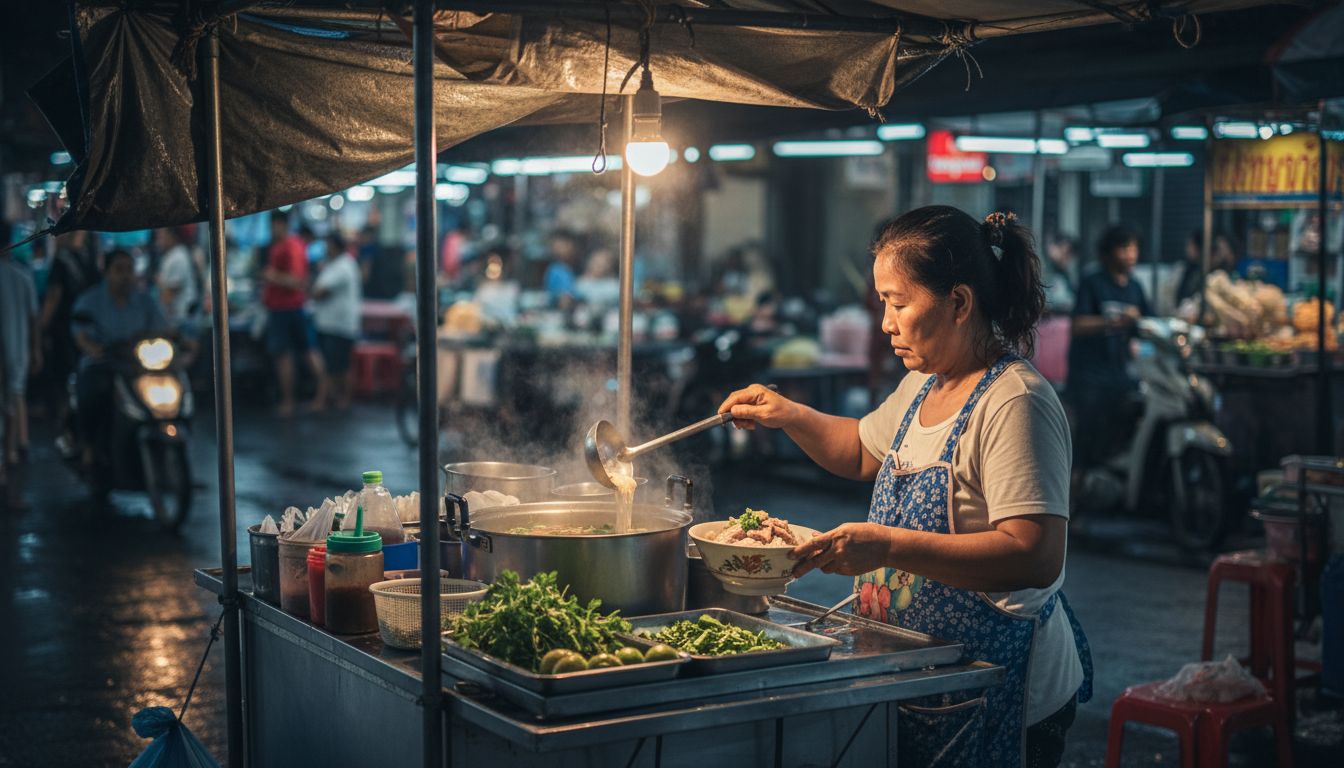
Over sixty percent of American diners polled admit they still misunderstand Thai noodles and the way these dishes fit into Thai cuisine. Exploring Thai noodles reveals a complexity that goes far beyond the basic takeout staples found in most American restaurants. This guide cuts through the myths, spotlighting the true variety, tradition, and surprising adaptability that make Thai noodles a standout experience for curious eaters and seasoned food lovers alike.
Table of Contents
Key Takeaways
Point | Details |
Diverse Noodle Types | Thai noodles come in various forms, including rice and wheat-based varieties, each unique in texture and cultural significance. |
Flavor Balance Over Heat | Thai cuisine allows for customizable spice levels, focusing on balanced flavors rather than just heat. |
Cultural Storytelling | Each noodle type reflects regional ingredients and traditional cooking methods, connecting diners to Thai culinary heritage. |
Dietary Adaptability | Thai noodles can cater to special diets, with rice noodles being a primary gluten-free option while innovations offer alternatives for various nutritional needs. |
Defining Thai Noodles and Common Misconceptions
Thai noodles represent a complex culinary tradition with incredible diversity beyond simple stereotypes. Noodle varieties in Thailand range from delicate rice-based strands to hearty wheat preparations, each with unique characteristics and cultural significance. Understanding these nuanced differences helps appreciate the depth of Thai cuisine.
According to culinary research, Thai noodles are traditionally categorized by size, ingredient composition, and preparation method. Noodle types include wide flat rice noodles called ‘sen yai’, medium-sized ‘sen lek’, thin rice noodles known as ‘sen mi’, and wheat-based yellow egg noodles termed ‘bami’. Glass noodles, or ‘wun sen’, made from mung bean starch, offer another fascinating variation that demonstrates the complexity of Thai noodle craftsmanship.
One prevalent misconception is that all Thai noodle dishes are inherently spicy. In reality, spice levels can be extensively customized to individual preferences. Skilled Thai chefs understand that flavor balance matters more than pure heat intensity. The goal is creating harmonious dishes where sweet, sour, salty, and spicy elements complement each other, allowing diners to adjust seasoning according to their taste. This adaptability makes Thai cuisine uniquely approachable for food enthusiasts worldwide.
Understanding Thai noodles means appreciating their cultural complexity. Each noodle type tells a story of regional ingredients, cooking techniques, and generational culinary wisdom passed through family recipes. Whether you prefer delicate glass noodles or robust egg noodles, Thai cuisine offers a remarkable journey of flavor and tradition that extends far beyond simple meal preparation.
Popular Types of Thai Noodles Explained
Thai noodle cuisine offers an extraordinary range of textures and flavors, with each noodle type representing a unique culinary experience. Traditional Thai noodle varieties encompass several distinctive styles that transform simple ingredients into extraordinary dishes. Understanding these noodle types is essential for appreciating the nuanced artistry of Thai cooking.
When exploring Thai noodles, chefs and food enthusiasts recognize multiple categories based on ingredient composition and preparation method. Rice noodles form the foundation of many classic dishes, including three primary variations: ‘sen yai’ (wide flat rice noodles), ‘sen lek’ (medium-sized rice noodles), and ‘sen mi’ (thin rice noodles). Each width offers a different mouthfeel and absorbs sauces uniquely, creating remarkable flavor profiles. Wheat-based yellow egg noodles called ‘bami’ provide another compelling option, while delicate glass noodles or ‘wun sen’ made from mung bean starch introduce a translucent, springy texture that distinguishes them from their counterparts.
Beyond technical classifications, these noodle varieties serve as culinary storytellers, connecting diners with generations of Thai cooking traditions. Some noodles work brilliantly in stir-fries, while others shine in soups or cold salads. The versatility means beginners can explore Thai cuisine without feeling overwhelmed, allowing gradual discovery of complex flavor combinations and cooking techniques.
Mastering Thai noodles requires understanding not just their physical characteristics, but also their cultural significance. Each noodle type represents more than an ingredient - it’s a reflection of regional cooking styles, agricultural heritage, and the remarkable creativity of Thai culinary traditions. Whether you’re enjoying a robust street food preparation or an elegant restaurant dish, these noodles offer a gateway into the rich, vibrant world of Thai gastronomy.
Signature Flavors and Preparation Methods
Thai noodle dishes represent a complex symphony of flavors, transforming simple ingredients into extraordinary culinary experiences. Signature Thai flavor profiles blend sweet, sour, salty, and umami elements with remarkable precision, creating dishes that dance across the palate.
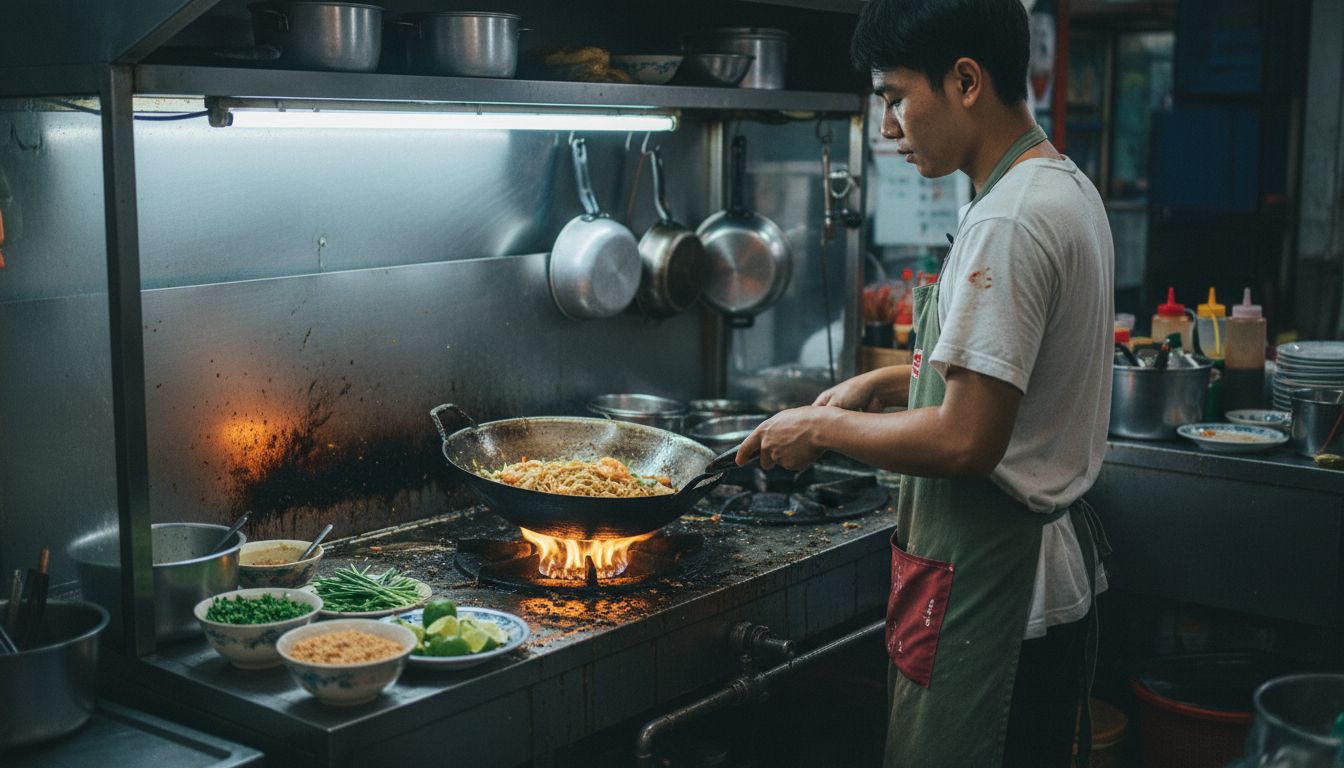
Stir-frying emerges as the quintessential cooking technique for Thai noodle preparations. Pad See Ew exemplifies this method perfectly, combining wide rice noodles with a rich blend of soy sauce, oyster sauce, eggs, and Chinese broccoli. The magic happens through careful caramelization, where noodles develop deep, complex flavors by browning in the sauce. Chefs carefully balance heat and timing to create a perfect char without compromising the noodles’ delicate texture.
Spice selection plays a critical role in defining Thai noodle dishes. Aromatic ingredients like lemongrass, galangal, kaffir lime leaves, and bird’s eye chilies transform basic preparations into extraordinary experiences. Each ingredient contributes a unique layer of complexity, allowing home cooks and professional chefs alike to create nuanced flavor profiles that represent centuries of culinary tradition. The interplay between fresh herbs, proteins, and carefully selected sauces creates a sensory journey that goes far beyond simple meal preparation.
Mastering Thai noodle preparation requires understanding the delicate balance between technique, ingredients, and cultural heritage. From selecting the right noodle type to achieving the perfect sauce caramelization, each step represents a connection to generations of Thai culinary wisdom. Whether you’re enjoying a street food classic or an elegant restaurant interpretation, these dishes offer a window into the rich, vibrant world of Thai gastronomy.
Comparing Thai Noodles to Other Asian Noodles
Noodle traditions across Asia represent a fascinating culinary tapestry, with each region offering unique interpretations of these versatile ingredients. Thai cuisine’s noodle diversity stands out for its distinctive approach to texture, preparation, and flavor combinations that set it apart from other Asian noodle traditions.
Noodle composition reveals fundamental differences between Asian culinary styles. Asian noodle categories typically fall into three primary groups: wheat, rice, and glass noodles. Thai noodles predominantly feature rice-based varieties like ‘sen yai’ and ‘sen lek’, which contrast sharply with Japanese wheat noodles such as udon or Chinese wheat-based ramen. The mung bean glass noodles or ‘wun sen’ share similarities with Chinese vermicelli but distinguish themselves through unique preparation techniques and flavor profiles.
Culinary techniques further differentiate Thai noodle preparations from other Asian traditions. While Japanese and Chinese approaches often emphasize precise, minimalist cooking methods, Thai noodle dishes celebrate bold flavor combinations and complex stir-frying techniques. The interplay of sweet, sour, salty, and spicy elements creates a more dynamic taste experience that sets Thai noodles apart from their more subdued counterparts.
Understanding these nuanced differences requires appreciating each culinary tradition’s unique cultural context. Thai noodles are not just a meal but a narrative of historical influences, agricultural practices, and regional creativity. From the delicate rice noodles of Bangkok’s street markets to the robust glass noodle preparations of northern Thailand, these dishes represent a vibrant culinary language that continues to evolve and inspire food lovers around the world.
Selecting Thai Noodles for Special Diets
Navigating Thai noodle options for special dietary needs requires understanding the nuanced world of ingredient variations and nutritional alternatives. Gluten-free Thai cuisine offers remarkable flexibility for diners with specific health requirements, with rice noodles emerging as a primary solution for many dietary restrictions.
Nutritional considerations play a crucial role in selecting appropriate noodle options. Rice noodle research reveals that traditional rice noodles are high in carbohydrates but relatively low in dietary fiber. Innovative food scientists have begun exploring fiber-fortification techniques, such as incorporating pomelo by-products to enhance the nutritional profile of rice noodles, creating more balanced options for health-conscious diners.
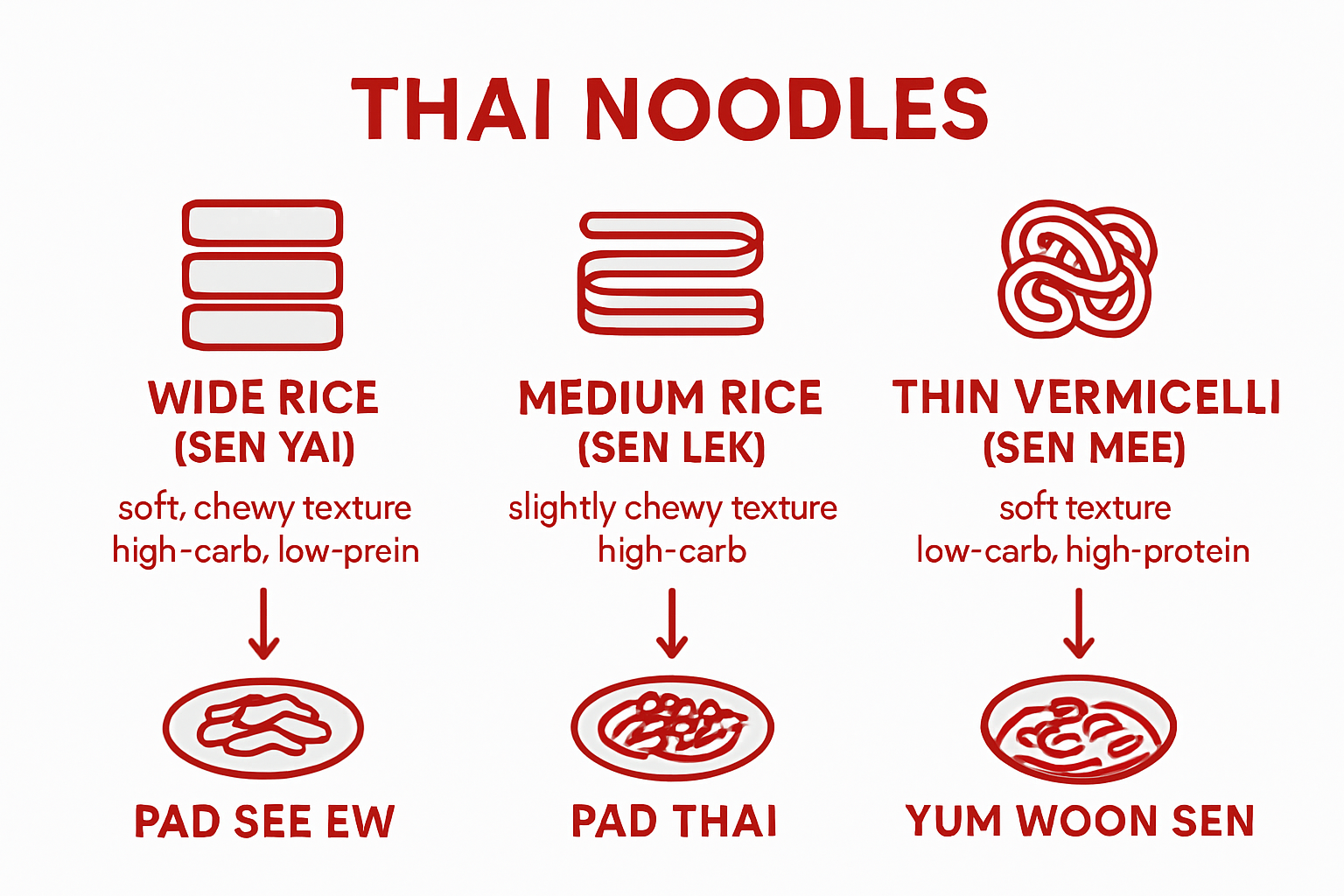
Customization represents another key strategy for accommodating special dietary needs. Emerging culinary techniques allow for creative noodle alternatives that maintain authentic Thai flavor profiles. Brown rice starch noodles, developed through careful ingredient substitution, demonstrate how traditional recipes can be adapted to meet diverse nutritional requirements. These innovations enable individuals with gluten sensitivities, low-carb diets, or specific health concerns to enjoy the rich, complex flavors of Thai cuisine without compromise.
Ultimately, selecting Thai noodles for special diets is about balancing nutritional needs with culinary satisfaction. Whether you’re seeking gluten-free, low-carb, or high-fiber options, modern Thai cuisine offers an expanding array of choices that honor traditional flavors while meeting contemporary dietary demands. The key is working with knowledgeable chefs who understand both nutritional science and the intricate art of Thai cooking.
Discover Authentic Thai Noodles Beyond the Basics
Thai noodles offer an incredible journey through diverse textures, flavors, and traditions that go far beyond what most expect. Whether you appreciate delicate rice noodles like sen yai or hearty wheat-based bami, the challenge lies in finding bold, balanced dishes that truly capture the rich interplay of sweet, sour, salty, and spicy elements. Many noodle lovers also seek options that respect dietary needs such as gluten-free or vegan choices without sacrificing authenticity or flavor.
Experience this flavorful journey firsthand at Thai Spoon Las Vegas. Our menu showcases beloved classics and local favorites with carefully crafted noodles and sauces that honor genuine Thai culinary arts. We cater to all taste preferences, offering gluten-free and vegan options to suit your needs. Don’t wait to taste the perfect harmony of tradition and innovation. Explore our special lunch and happy hour menus, order online for pickup or delivery, and savor authentic Thai noodles made just for you. Visit us today at Thai Spoon Las Vegas and transform your noodle experience.
Frequently Asked Questions
What types of Thai noodles are there?
Thai noodles come in various types including wide flat rice noodles (sen yai), medium-sized rice noodles (sen lek), thin rice noodles (sen mi), wheat-based yellow egg noodles (bami), and glass noodles (wun sen). Each type offers distinct textures and flavors.
Are all Thai noodle dishes spicy?
No, not all Thai noodle dishes are spicy. While spice levels can vary, chefs can customize the heat level to individual preferences, focusing more on balancing sweet, sour, salty, and spicy flavors.
How are Thai noodles prepared differently from other Asian noodles?
Thai noodles are often stir-fried with bold flavor combinations and celebrate a dynamic interplay of sweet, sour, salty, and spicy elements, which distinguishes them from the more subdued flavors typically found in other Asian noodle dishes.
What should I consider when selecting Thai noodles for special diets?
When selecting Thai noodles for special diets, it’s essential to consider nutritional needs, such as opting for gluten-free rice noodles or exploring innovative alternatives like brown rice starch noodles to accommodate specific health requirements.
Recommended
Comments