


What eggplant in Thai cooking brings: flavor guide 2026
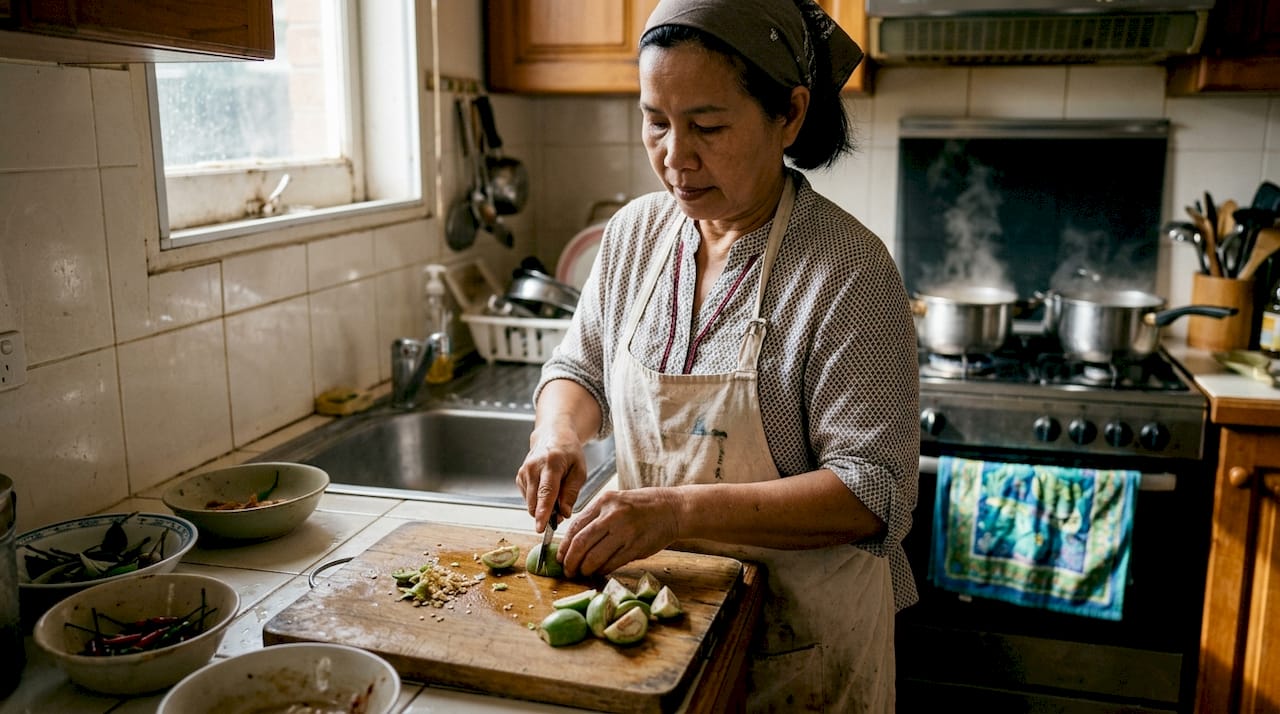
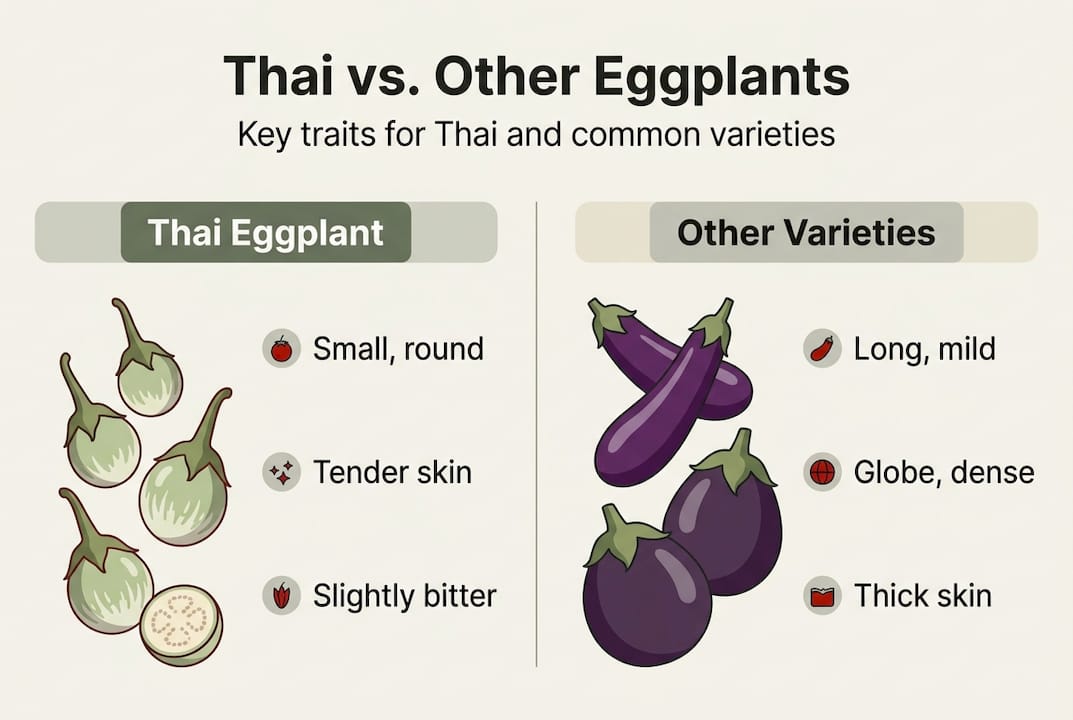
Thai eggplant’s slight bitterness isn’t a flaw but the secret to authentic flavor balance in traditional dishes. Unlike the large, mild globe eggplants you find in most supermarkets, Thai eggplant (makheua proh) is small, round, golf ball sized, with a crisp, slightly bitter taste that transforms curries and stir-fries. Many home cooks hesitate when they first encounter this ingredient, unsure how to handle its unique characteristics or wondering if they should eliminate the bitterness entirely. This guide walks you through everything you need to know about Thai eggplant varieties, authentic preparation techniques, and where to find fresh specimens in northwest Las Vegas, so you can confidently bring restaurant-quality Thai flavors into your kitchen.
Table of Contents
Key Takeaways
Point | Details |
Varieties and flavors | Thai eggplant comes in green, white, and purple striped varieties with distinct bitterness that adds balance to curries. |
Late stage cooking | Add whole or quartered pieces into simmering curry during the last 10 to 15 minutes to preserve crunch and absorb flavor. |
Texture and nutrition | The crisp skin and edible seeds contribute texture while the vegetable provides fiber antioxidants and low calories. |
Shopping and freshness | Look for firm uniform color, no soft spots, attached stems, and consistent golf ball size to ensure freshness and quality. |
Local availability | Northwest Las Vegas markets and restaurants offer fresh authentic Thai eggplant varieties. |
Understanding the varieties and characteristics of Thai eggplant
The most common type you’ll encounter in Thai cooking is makheua proh, the standard round green variety about the size of a golf ball. Distinct varieties include pea-sized makheua phuang and variations in color affecting sweetness and bitterness, with white Thai eggplants offering a slightly sweeter profile than their green counterparts. The pea eggplant (makheua phuang) is tiny, about the size of a large pea, and delivers an intense burst of bitterness that’s essential in certain curry pastes and raw preparations.
Color variations tell you what to expect on your palate. Green Thai eggplants carry a moderate bitterness that balances rich coconut curries beautifully, while white varieties lean sweeter and work well when you want a milder flavor. Purple-striped types fall somewhere in between, offering visual appeal and a balanced taste profile. Each color maintains that signature crisp texture when cooked properly, unlike the soft, creamy consistency of roasted globe eggplants.
Size matters significantly in Thai cuisine because recipes call for whole or quartered pieces rather than cubes or slices. The golf ball size of makheua proh means you can drop them directly into simmering curry, where they absorb flavors while maintaining structural integrity. Seeds are numerous but small and completely edible, contributing to the overall texture without the need for removal. This differs dramatically from Western eggplants, where large, bitter seeds often require scooping out before cooking.
The role of vegetables in Thai cuisine emphasizes textural contrast and flavor balance rather than making vegetables the star ingredient. Thai eggplant exemplifies this philosophy perfectly. Its crisp bite provides contrast against tender proteins and soft noodles, while its bitterness cuts through rich coconut milk and balances sweet palm sugar. The thin, tender skin requires no peeling and contributes its own subtle flavor and nutritional benefits.
Key identification features when shopping:
Firm texture with no soft spots or wrinkles
Bright, uniform color without brown patches
Attached green stem cap indicating freshness
Size consistency within the variety (golf ball for standard, pea size for phuang)
Slight give when pressed gently but springs back immediately
Traditional Thai cooking techniques for eggplant and flavor management
Timing transforms Thai eggplant from raw to perfectly cooked without turning mushy. Add eggplant late in curry simmer (10-15 minutes) to retain texture and flavor, dropping whole or quartered pieces into the bubbling sauce after proteins have cooked through. This late addition preserves the characteristic slight crunch that distinguishes authentic Thai preparations from Western-style stewed vegetables. The eggplant absorbs curry flavors while maintaining its structure, creating that ideal bite where you taste both the vegetable and the sauce distinctly.
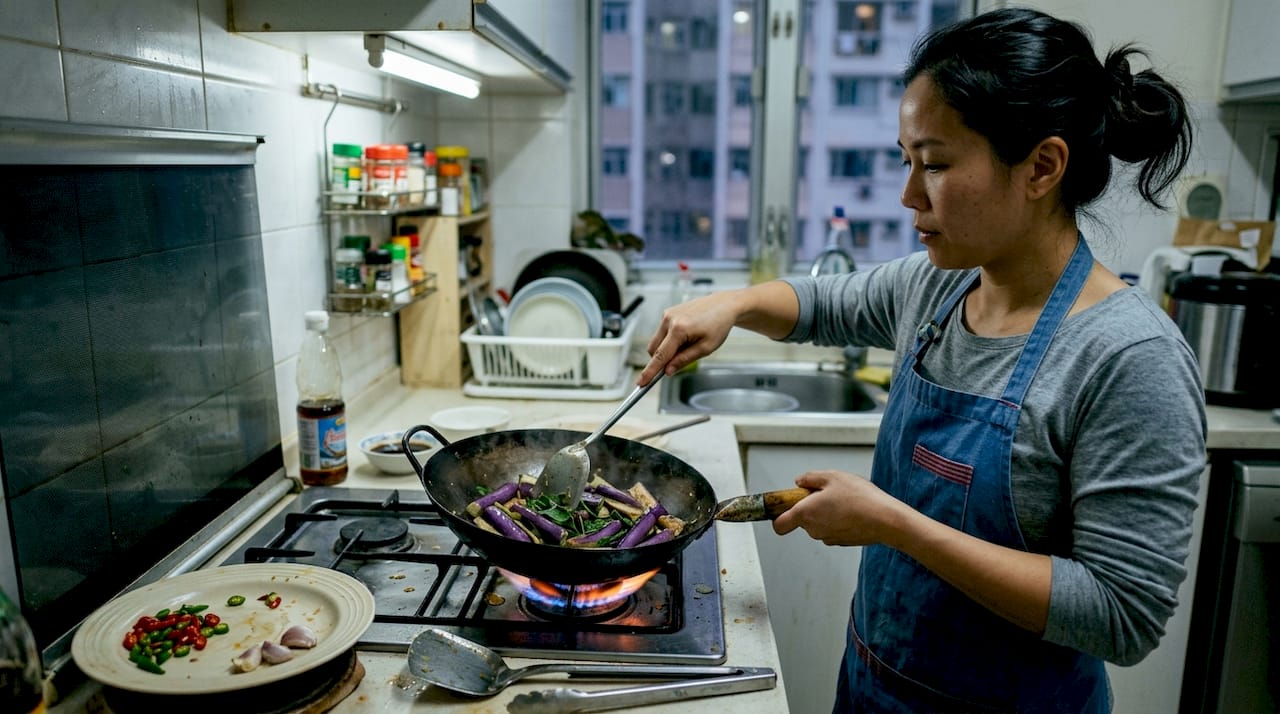
Stir-frying offers another classic preparation method, particularly in Pad Makua Yao, where long Thai eggplants meet holy basil, garlic, and chilies in a blazing hot wok. Quarter the eggplants lengthwise and sear them cut-side down in oil until golden brown before tossing with aromatics. The high heat caramelizes the natural sugars and creates complex flavors that balance the inherent bitterness. This technique works equally well with round varieties, though you’ll want to cut them into sixths or eighths for faster cooking and more surface area for browning.
Raw preparations surprise many Western cooks but represent authentic Thai eating traditions. Nam phrik (Thai chili dips) often feature raw Thai eggplant slices or wedges as the primary vehicle for scooping the intensely flavored paste. The crisp, slightly bitter vegetable provides cooling contrast against fiery chilies and fermented shrimp paste, while its neutral base allows the dip’s complex flavors to shine. This preparation showcases the eggplant’s texture at its peak and requires the freshest specimens for food safety and optimal taste.
Bitterness from phenols is managed authentically by salting or searing but is considered an important flavor balance rather than a flaw to eliminate. Traditional Thai cooks embrace this characteristic, using it to offset sweet, salty, and rich elements in composed dishes. If you find the bitterness too pronounced, a 15-minute soak in salted water or a quick rinse in rice vinegar water moderates it without stripping away the essential flavor compounds that make Thai eggplant distinctive.
Authentic cooking methods for different dishes:
Green curry: Add whole small eggplants 12 minutes before serving
Red curry: Quarter medium eggplants and simmer 10 minutes
Stir-fries: Sear cut pieces 3-4 minutes over high heat before adding sauce
Raw preparations: Slice just before serving to prevent oxidation
Grilled dishes: Brush with oil and char whole over open flame
Pro Tip: Sear quartered Thai eggplant in a dry pan for 2 minutes before adding oil and other ingredients. This develops caramelized flavors and creates a protective layer that prevents the eggplant from absorbing excess oil, resulting in a richer taste without greasiness. The technique works especially well in best vegetarian Thai food dishes where eggplant serves as the primary protein substitute.
Comparing Thai eggplant to other varieties and culinary substitutes
Understanding the differences between Thai eggplant and other varieties helps you make informed substitutions when authentic options aren’t available. The table below breaks down key characteristics that affect cooking methods and final dish outcomes.
Variety | Size | Taste | Seeds | Texture When Cooked | Bitterness Level |
Thai (round) | Golf ball | Slightly bitter, vegetal | Many, small, edible | Crisp with slight give | Moderate |
Thai (pea) | Pea size | Intensely bitter | Minimal | Firm, crunchy | High |
Japanese/Chinese | 6-8 inches long | Mild, sweet | Few, small | Soft, creamy | Low |
Globe (American) | Softball size | Neutral to bitter | Large, bitter | Very soft, mushy | Variable, high when raw |
Italian | Medium oval | Mild, slightly sweet | Moderate | Tender, creamy | Low to moderate |
Japanese/Chinese long eggplants are milder and less seedy substitutes; globe eggplants need heavy salting to prevent mushiness and don’t maintain the crisp texture that defines authentic Thai preparations. When you substitute Japanese eggplant, cut it into thick rounds or diagonal slices and reduce cooking time by about 30% since it softens faster than Thai varieties. The milder flavor means you might want to increase other assertive ingredients like fish sauce, lime juice, or chilies to maintain proper flavor balance.
Globe eggplants present the biggest challenge as substitutes because their high water content and large bitter seeds create texture and flavor problems. If globe eggplant is your only option, salt the cut pieces heavily and let them sit for 30 minutes to draw out moisture and bitterness. Rinse thoroughly, squeeze gently to remove excess water, and expect a softer final texture that won’t replicate the authentic Thai experience. The large seeds should be scooped out before cooking to avoid concentrated bitterness in every bite.
Skin thickness affects both preparation and eating experience significantly. Thai eggplant’s thin, tender skin disappears into the dish and contributes nutrients and subtle flavor. Japanese and Chinese varieties also have thin, edible skins that require no peeling. Globe and Italian eggplants have thicker, tougher skins that some cooks prefer to peel, especially in dishes where texture matters. Leaving the skin on these varieties adds bitterness and chewiness that may or may not suit your dish.
Pro Tip: Soak globe eggplant pieces in milk for 20 minutes or rice vinegar water for 15 minutes to reduce bitterness more effectively than salting alone. The milk’s fat molecules bind to bitter compounds, while vinegar’s acidity neutralizes them chemically. Either method produces milder results that better approximate Thai eggplant’s moderate bitterness, though you’ll still need to manage texture differences through careful cooking.
Substitution affects dish authenticity in ways beyond just flavor. The visual appeal of whole or quartered round Thai eggplants floating in green curry can’t be replicated with long Japanese varieties or cubed globe eggplant. The textural contrast that makes Thai eggplant special in stir-fries diminishes when you use softer varieties. Consider these factors when deciding whether to substitute or seek out authentic ingredients, especially for top vegan Thai options Las Vegas where vegetables take center stage.
When exploring best vegan Thai Las Vegas dining options, knowing these substitution principles helps you appreciate when restaurants use authentic ingredients versus adaptations for local ingredient availability.
Nutrition benefits of Thai eggplant and where to find it in northwest Las Vegas
Thai eggplant offers low calories, high fiber, antioxidants, potassium, heart health benefits, and supports digestion, making it an excellent choice for health-conscious diners looking to increase vegetable intake without adding significant calories or carbohydrates. The nutritional profile supports multiple health goals simultaneously, from weight management to cardiovascular wellness.
Nutrient | Amount per 100g | Benefit |
Calories | 25 | Supports weight management |
Carbohydrates | 6g | Low glycemic, steady energy |
Fiber | 3g | Digestive health, satiety |
Potassium | 230mg | Heart health, blood pressure |
Vitamin C | 2.2mg | Immune support, antioxidant |
Antioxidants | Nasunin, chlorogenic acid | Cell protection, anti-inflammatory |
The fiber content in Thai eggplant supports digestive health by promoting regular bowel movements and feeding beneficial gut bacteria. This prebiotic effect contributes to overall wellness beyond simple nutrition, potentially improving immune function and mood regulation through the gut-brain axis. The low calorie density means you can eat generous portions in curries and stir-fries without derailing calorie-conscious eating plans.
Nasunin, the anthocyanin pigment that gives purple varieties their color, demonstrates powerful antioxidant properties that protect cell membranes from damage. Research suggests this compound may support brain health by protecting lipid layers in brain cell membranes from oxidative stress. Chlorogenic acid, another key antioxidant in Thai eggplant, shows promise for blood sugar regulation and may help prevent type 2 diabetes when consumed as part of a balanced diet.
Potassium content supports cardiovascular health by helping regulate blood pressure and counteracting sodium’s effects. The 230mg per 100g serving contributes meaningfully to the recommended 2,600-3,400mg daily intake for adults. Combined with the low sodium content and absence of cholesterol, Thai eggplant fits perfectly into heart-healthy eating patterns like the Mediterranean diet or DASH protocol.
Local Las Vegas sources for Thai eggplant include several specialty markets and restaurants in the northwest area that stock fresh authentic varieties year-round:
Bangkok Market on Spring Mountain Road carries multiple Thai eggplant varieties including standard round and pea eggplant
Shun Fat Supermarket in Chinatown stocks fresh Thai produce with regular deliveries
99 Ranch Market occasionally carries Thai eggplant in their Southeast Asian produce section
Weera Thai Restaurant features authentic dishes using fresh Thai eggplant
Panna Thai Kitchen showcases traditional preparations with locally sourced ingredients
When selecting fresh Thai eggplant at local markets, look for specimens with taut, shiny skin and bright green color without brown spots or soft areas. The stem cap should be fresh and green, not dried or brown, indicating recent harvest. Smaller eggplants tend to have fewer seeds and milder bitterness than larger specimens of the same variety. Store unwashed eggplant in a paper bag in the refrigerator crisper drawer for up to five days, though freshness and flavor peak within three days of purchase.
Restaurants in northwest Las Vegas that feature Thai eggplant in their dishes provide excellent opportunities to taste authentic preparations before attempting them at home. Observing how professional Thai cooks balance the eggplant’s bitterness with other flavors teaches you techniques that recipes alone can’t convey. Many establishments will discuss their ingredient sourcing if you ask, potentially pointing you toward additional local suppliers. These connections strengthen the local food community while supporting your exploration of authentic Thai cooking, much like discovering popular Thai appetizers local foodies enjoy throughout the area.
For those focused on wellness, Thai eggplant fits naturally into healthy Thai food options Las Vegas menus, providing substantial nutrition and satisfaction without heavy calories or unhealthy fats when prepared using traditional methods.
Explore authentic Thai flavors at Thai Spoon Las Vegas
Experiencing Thai eggplant in expertly prepared dishes helps you understand its role in authentic cuisine better than any recipe description. Thai Spoon Las Vegas crafts traditional dishes using fresh ingredients and time-honored techniques that showcase Thai eggplant’s unique characteristics in green curries, stir-fries, and specialty preparations. The menu features both classic favorites and regional specialties, giving you opportunities to taste how different cooking methods affect this versatile vegetable’s flavor and texture.
Our chefs source authentic Thai eggplant from local specialty markets, ensuring you taste the real thing rather than substitutions that compromise flavor balance. Whether you’re exploring vegetarian options or seeking to understand traditional Thai cooking better, visiting Thai Spoon provides insights that inform your own kitchen experiments. Check out the complete Thai Spoon Las Vegas menu to see current dishes featuring Thai eggplant and other authentic ingredients.
Planning a gathering where you want to introduce friends to authentic Thai flavors? Thai Spoon catering services bring restaurant-quality dishes to your event, complete with traditional preparations that highlight ingredients like Thai eggplant. You can learn about Thai Spoon menu options and discuss customization for dietary preferences or specific ingredient focuses.
Frequently asked questions
What is Thai eggplant, and how is it different from regular eggplant?
Thai eggplant is small, round, and golf ball sized with a crisp texture and slightly bitter taste, unlike the large, mild globe eggplants common in Western cooking. The thin, edible skin and numerous small seeds mean you can use Thai eggplant whole or quartered without peeling or deseeding. It maintains a firm texture when cooked properly, providing textural contrast in curries and stir-fries rather than becoming soft and creamy like roasted globe eggplant.
Can I substitute Thai eggplant with other types if I can’t find it locally?
Japanese or Chinese long eggplant makes the best substitute because it has thin skin, few seeds, and a mild flavor that won’t overpower dishes, though it lacks Thai eggplant’s characteristic bitterness and crisp texture. Globe eggplants require heavy salting for 30 minutes to draw out moisture and bitterness, plus you should remove the large bitter seeds before cooking. Even with preparation, globe eggplant produces a softer, mushier texture that doesn’t replicate the authentic Thai experience.
How do I properly cook Thai eggplant to retain flavor and texture?
Add Thai eggplant to curries during the last 10-15 minutes of simmering so it absorbs flavors while maintaining a slight crunch rather than turning mushy. For stir-fries, sear cut pieces over high heat for 3-4 minutes to develop caramelized flavors before adding sauce and other ingredients. Raw preparations in nam phrik dips showcase the eggplant’s crisp texture and require the freshest specimens sliced just before serving to prevent browning.
Where can I buy authentic Thai eggplant in northwest Las Vegas?
Bangkok Market on Spring Mountain Road and Shun Fat Supermarket in Chinatown stock fresh Thai eggplant year-round with regular deliveries ensuring quality. Restaurants like Weera Thai and Panna Thai Kitchen feature dishes using authentic Thai eggplant and sometimes sell fresh produce to customers who ask. Shopping at these local sources supports the community while giving you access to the real ingredient rather than substitutes that compromise your dishes’ authenticity.
Recommended
Comments