


What Goes in Fried Rice: Ingredients That Actually Work
TL;DR:
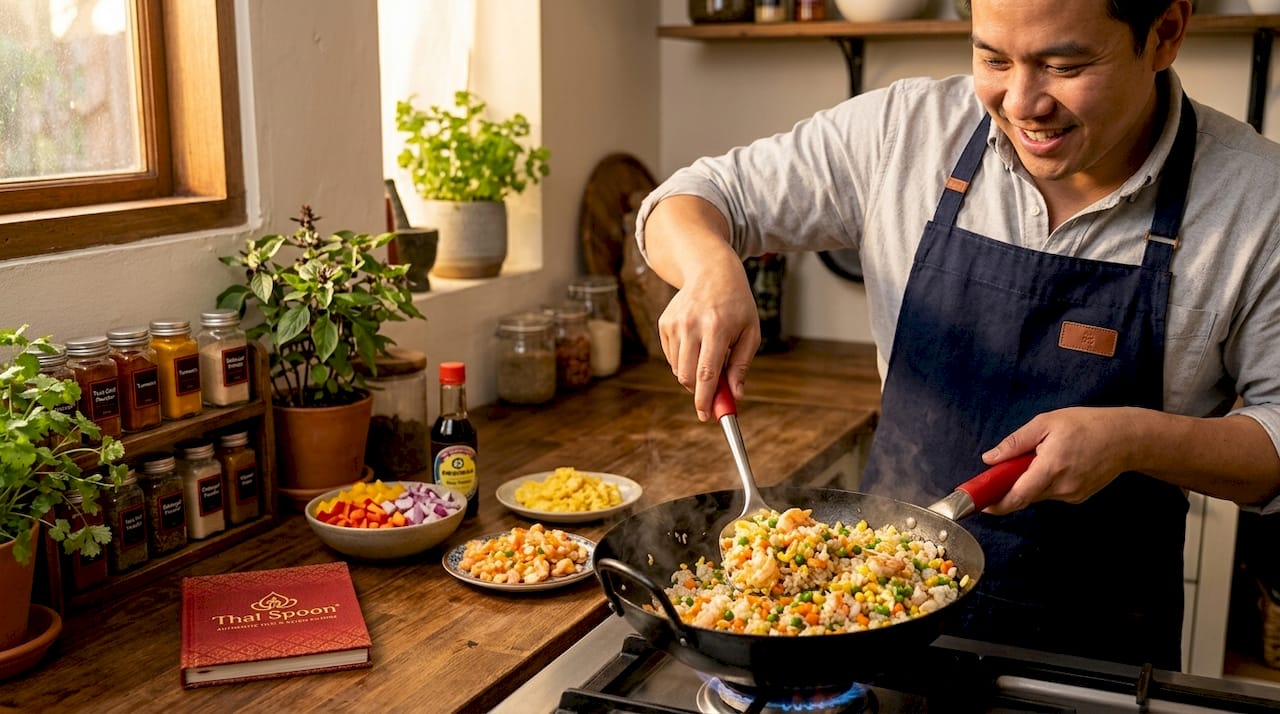
Fried rice relies on cold, dry rice, a pre-mixed umami sauce, quick-cooking ingredients, and finishing oil to achieve optimal texture. Adding proteins and vegetables that cook fast and have low moisture content helps prevent sogginess, while seasonings like soy sauce and sesame oil enhance flavor. Proper preparation and high heat development are essential for achieving authentic, flavorful fried rice.
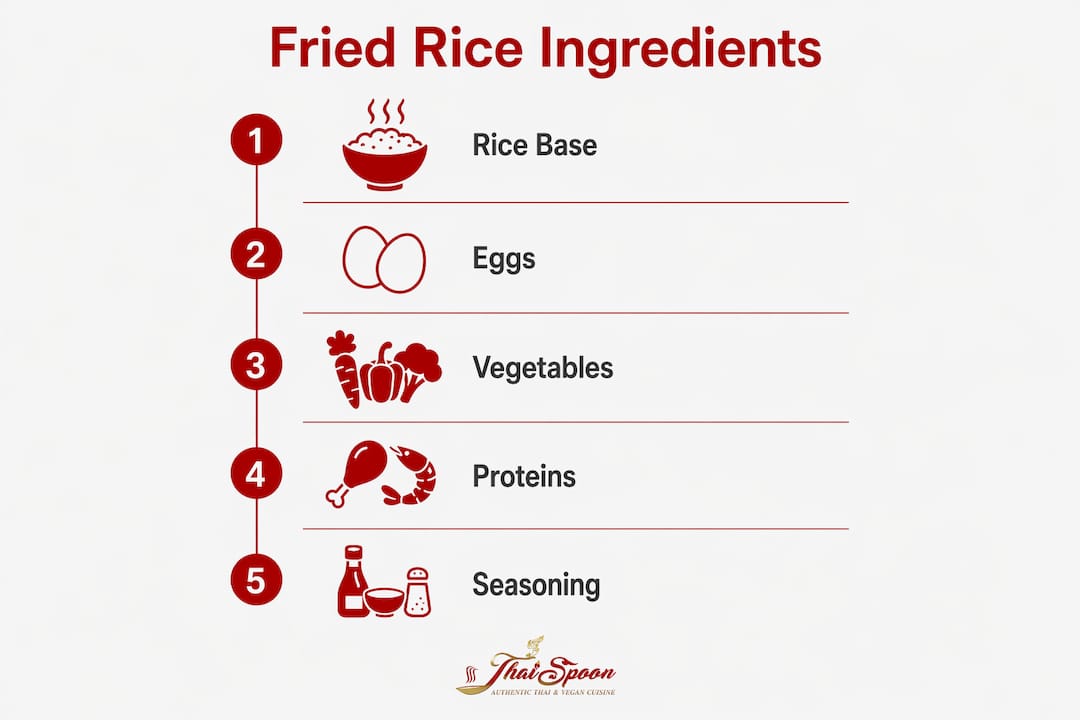
Fried rice is defined by five core components: cooked rice, eggs, vegetables, protein, and a umami-rich sauce base, all cooked quickly over high heat. What goes in fried rice beyond that base is where home cooks have real creative freedom. The dish traces its roots across Chinese, Thai, and Southeast Asian kitchens, but the technique is universal. Get the base right with day-old jasmine rice, Kikkoman soy sauce, and toasted sesame oil, and nearly any combination of add-ins works. This guide breaks down every layer, from the non-negotiable foundation to the finishing touches that separate good fried rice from great fried rice.
What goes in fried rice: the essential base ingredients
Fried rice is not a random stir-fry. It follows a clear structure: rice plus eggs plus a salty umami sauce, with vegetables and proteins added as fryable components. Each ingredient in the base plays a specific role, and understanding that role helps you make better decisions when you improvise.
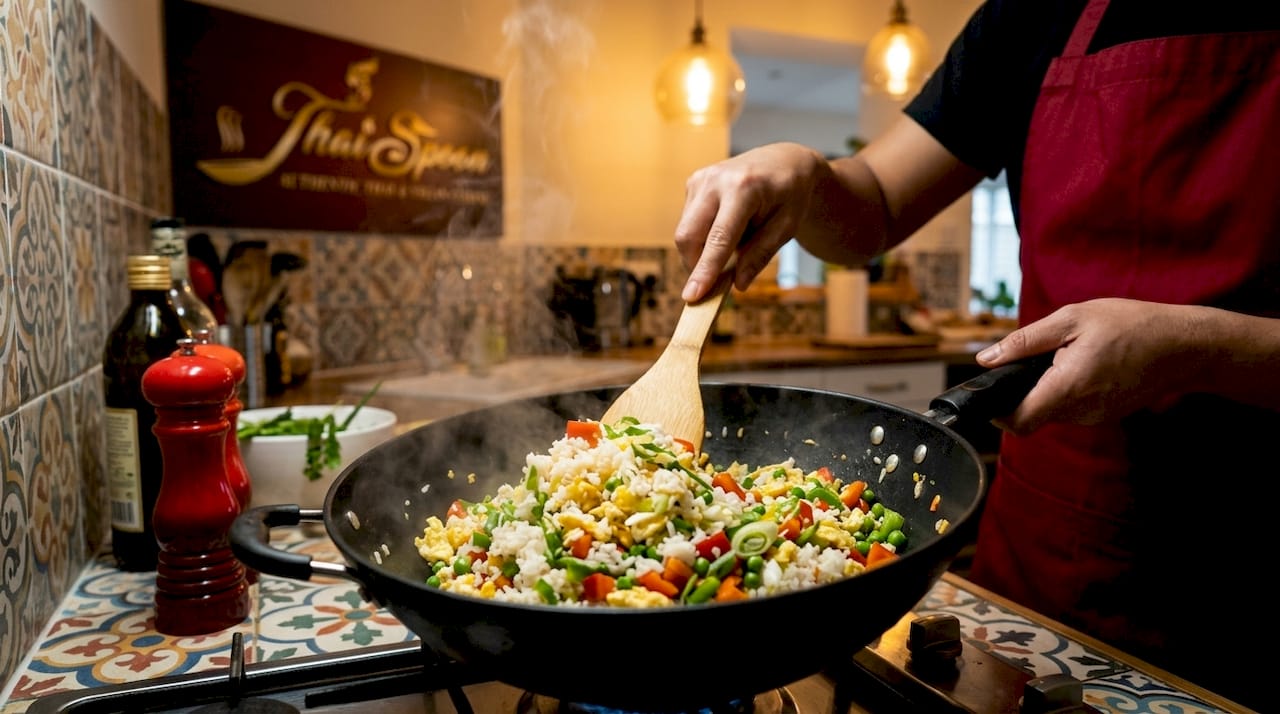
Rice is the foundation, and the type and condition of the rice matter more than most cooks realize. Day-old jasmine rice or Japanese short-grain rice works best because the grains dry out overnight in the refrigerator, reducing surface moisture. Wet, freshly cooked rice steams instead of fries, producing a clumpy, soft result. A standard batch uses around 3 cups of cooked rice, which gives you enough volume to spread across a hot wok without overcrowding.
Eggs add protein, richness, and a soft texture that contrasts with the chewier rice grains. Two eggs per three cups of rice is the standard ratio. You can scramble them separately and fold them in, or push the rice to the side of the wok and cook the eggs directly in the pan before combining. Both methods work. The key is not overcooking the eggs before they meet the rice.
Vegetables provide color, crunch, and sweetness. The most practical options for home cooks are:
Frozen peas (thaw instantly and add no excess moisture)
Diced carrots (cook quickly when cut small)
Sliced leeks or yellow onion (build a savory base)
Minced garlic and ginger (aromatic foundation)
Chopped green onions (added at the finish for brightness)
Pro Tip: Chef Peter Som calls frozen peas non-negotiable in fried rice. They hold their shape, add a pop of sweetness, and never release water into the pan. Keep a bag in your freezer at all times.
Sauce is what ties everything together. Soy sauce provides the salty, savory backbone and gives the rice its characteristic golden-brown color. A tablespoon of low-sodium soy sauce per three cups of rice is a reliable starting point. Toasted sesame oil is added at the very end, off the heat, because high temperatures destroy its delicate aroma. These four elements, rice, eggs, vegetables, and sauce, form the base that every variation builds on.
Which proteins and mix-ins can you add to fried rice?
The proteins and additional vegetables you put in fried rice are where the dish becomes personal. The rule is simple: choose ingredients that cook fast or are already cooked, and avoid anything that releases significant moisture into the pan.
Common proteins that work well:
Shrimp (cooks in 2 to 3 minutes, pairs with fish sauce and lime)
Diced chicken thigh (more forgiving than breast, stays juicy)
Sliced pork tenderloin or char siu (adds sweetness)
Firm tofu, pressed and cubed (absorbs sauce well)
Leftover rotisserie chicken or steak (already cooked, just needs to heat through)
America’s Test Kitchen’s shrimp fried rice uses 8 oz of shrimp alongside cabbage, fish sauce, and lime, finishing with peanuts and fried shallots. That combination shows how a single protein choice can shift the entire flavor profile of the dish.
Vegetables that complement fried rice beyond the basics:
Sliced mushrooms (shiitake or cremini add deep umami)
Diced bell pepper (adds sweetness and color)
Shredded cabbage (wilts quickly and adds texture)
Trimmed green beans, cut small (stay firm and add crunch)
Corn kernels (sweet, quick-cooking, popular in Thai-style versions)
Leftovers are genuinely one of the best things you can put in fried rice. Cold roasted vegetables, cooked grains mixed with rice, or even leftover scrambled eggs all integrate well. The high heat of the wok refreshes their texture and the sauce ties them into the dish. For creative vegan combinations, fusion ingredient ideas can point you toward unexpected add-ins like edamame, pickled ginger, or spiced chickpeas.
Pro Tip: Cut all proteins and vegetables to a similar small size before you start cooking. Uniform pieces cook at the same rate, which means nothing burns while something else finishes. This single prep habit prevents the most common texture problems in home fried rice.
Pickled vegetables deserve a mention here. A spoonful of pickled daikon, kimchi, or pickled mustard greens adds acidity that cuts through the richness of the eggs and sauce. Add them after the heat is off to preserve their tang and crunch.
What do you season fried rice with?
The sauce layer is where most home cooks underperform. Knowing what to season fried rice with, and when to add each element, separates flat fried rice from the kind that tastes like it came from a restaurant.
Seasoning | Role | When to add |
Light soy sauce | Salty backbone, color | Mid-cook, with rice |
Dark soy sauce | Deep color, mild sweetness | Small amount with light soy |
Oyster sauce | Savory sweetness, body | Mid-cook, with soy sauce |
Fish sauce | Funky umami depth (Southeast Asian style) | Mid-cook, replaces or supplements soy |
Maggi seasoning | Concentrated savory punch | Small amount mid-cook |
MSG | Amplifies all other flavors | Pinch mid-cook |
Toasted sesame oil | Nutty aroma finish | Last, off the heat |
Chili oil | Heat and complexity | Finish or at the table |
Pre-mixing your sauces before they hit the pan creates an emulsion that clings to every rice grain evenly. Pouring soy sauce directly from the bottle mid-cook often results in uneven seasoning and soggy patches. Mix your soy sauce, oyster sauce, and any sugar or aromatics in a small bowl first, then pour the blend in one motion.
Sesame oil added last preserves its aroma because the volatile compounds that give it flavor evaporate instantly at wok temperatures. This is one of the most practical timing rules in fried rice cooking and one of the most commonly ignored.
Finishers are the final flavor layer and they matter more than most recipes acknowledge. Fried shallots, toasted peanuts, and fresh herbs add crunch, brightness, and visual appeal that no amount of extra sauce can replicate. Furikake, sesame seeds, and thinly sliced green onions are fast, low-effort finishers that work on any style of fried rice.
Pro Tip: Add a small pinch of sugar to your sauce mix. It does not make the rice sweet. It rounds out the saltiness and helps the sauce caramelize slightly on the hot rice, which deepens the overall flavor.
How to prepare ingredients for the best fried rice texture
Knowing what to put in fried rice is only half the equation. How you prepare and sequence those ingredients determines whether the dish has the right texture.
Start with cold, dry rice. Spread freshly cooked rice on a sheet pan and refrigerate uncovered for at least two hours, or use rice cooked the day before. Cold rice fries. Warm rice steams.
Prep all ingredients before the wok gets hot. Fried rice moves fast. Dice your carrots, mince your garlic, beat your eggs, and mix your sauce before you turn on the burner.
Use the highest heat your stove allows. A wok or large cast-iron skillet on maximum heat creates the slight char and smoky flavor known as wok hei. This is the flavor that makes restaurant fried rice taste different from home versions.
Cook proteins first, then remove them. Add your shrimp, chicken, or tofu to the hot pan, cook until just done, and set aside. They go back in at the end. This prevents overcooking and keeps them from releasing moisture into the rice.
Cook aromatics next. Garlic, ginger, and onion go in the hot oil for 30 to 60 seconds until fragrant. Do not let them burn.
Add the rice and press it flat. Let it sit undisturbed for 60 to 90 seconds before stirring. This contact time creates the slightly crispy bits at the bottom that define great fried rice texture.
Add sauce, then eggs, then proteins and vegetables. Pour the pre-mixed sauce over the rice and toss to coat. Push the rice aside, scramble the eggs in the cleared space, then fold everything together. Add your pre-cooked proteins and quick-cooking vegetables last.
Finish off the heat. Remove the pan from the burner, drizzle sesame oil over the top, add your green onions and any other finishers, and toss once more.
Avoid overcrowding the pan at any stage. Too much food drops the pan temperature, which stops the frying and starts the steaming. Cook in batches if you are making a large quantity.
Key takeaways
Great fried rice requires cold rice, a pre-mixed umami sauce, quick-cooking add-ins, and finishing oil added off the heat to preserve aroma and texture.
Point | Details |
Use cold, day-old rice | Dry rice grains fry properly; fresh warm rice steams and clumps together. |
Pre-mix sauces before cooking | A blended sauce coats rice evenly and prevents soggy patches in the pan. |
Add sesame oil last | Toasted sesame oil loses its aroma at high heat; always add it off the burner. |
Choose low-moisture add-ins | Frozen peas, carrots, and pre-cooked proteins keep the rice dry and textured. |
Finishers change everything | Fried shallots, toasted peanuts, and fresh herbs add crunch and brightness no sauce can replicate. |
What I’ve learned from years of cooking fried rice
The most liberating thing about fried rice is that the base is forgiving once you understand it. Rice, egg, soy sauce. That’s the floor. Everything else is a decision, not a requirement.
That said, I do think one or two signature ingredients give a dish its identity. At Thaispoonlasvegas, the Steak Fried Rice has a specific character because of how the beef is seasoned and how the sauce is balanced. You can taste the intention behind it. Home cooks often skip that intentionality and just throw in whatever is in the refrigerator. The result is technically fried rice, but it lacks a point of view.
My advice: pick one protein and one or two vegetables that you genuinely like, build your sauce around them, and let the finishers do the heavy lifting on complexity. You do not need six vegetables and three proteins. You need good rice, proper heat, and a sauce that is seasoned before it hits the pan. The Thai ingredients approach of layering fish sauce, lime, and herbs alongside soy sauce is worth trying even if you are making a non-Thai version. It adds a brightness that purely soy-based fried rice often lacks.
Texture and balance matter more than following a rigid recipe. Trust your palate, keep the heat high, and do not stir more than you need to.
— Thai
Try authentic Thai fried rice at Thai Spoon Las Vegas
[
Thaispoonlasvegas brings the same ingredient discipline described in this guide to every dish on its menu. The Steak Fried Rice and other Thai-style rice dishes are built on authentic flavor combinations, from jasmine rice and Thai aromatics to house-made sauces that you cannot replicate from a bottle. Whether you want inspiration for your next home cook or you simply want someone else to do the work, the full menu covers every craving. Thaispoonlasvegas also offers catering services for events and large groups, so you can bring restaurant-quality Thai fried rice to any occasion. Located in northwest Las Vegas, about 20 minutes from the Strip, it is the kind of neighborhood spot that earns repeat visits.
FAQ
What rice is best for fried rice?
Day-old jasmine rice or Japanese short-grain rice works best because the grains dry out in the refrigerator, reducing moisture and allowing them to fry rather than steam. Freshly cooked rice is too wet and produces a clumpy result.
What do you need to make fried rice from scratch?
The core ingredients are cooked cold rice, eggs, a soy-based sauce, aromatics like garlic and onion, and a neutral cooking oil with high smoke point. Proteins and vegetables are optional but recommended for a complete dish.
Can you put any vegetable in fried rice?
You can add most vegetables, but low-moisture, quick-cooking options like frozen peas, diced carrots, and bell pepper work best. High-water vegetables like zucchini or tomatoes release liquid that makes the rice soggy.
What do you season fried rice with beyond soy sauce?
Oyster sauce adds savory sweetness, fish sauce adds Southeast Asian depth, and Maggi seasoning amplifies overall savoriness. Toasted sesame oil, chili oil, and fried shallots are the most effective finishing seasonings.
How do you keep fried rice from getting soggy?
Use cold, dry rice, pre-cook proteins separately to prevent moisture release, and cook over the highest heat available. Avoid overcrowding the pan, which drops the temperature and causes steaming instead of frying.
Recommended
Comments