




Sticky Rice Explained: Flavor, Types, and Thai Traditions
- mail469793
- Dec 25, 2025
- 8 min read

More than half of American diners crave international flavors, yet true Thai sticky rice still surprises the uninitiated. In Northwest Las Vegas, food lovers know how tough it can be to find authentic Thai cuisine that goes beyond standard rice bowls, especially when seeking takeout or delivery. This guide clears up sticky rice myths, shows what makes the dish special, and helps you order with confidence for a genuine taste experience.
Table of Contents
Key Takeaways
Point | Details |
Sticky Rice Misconceptions | Sticky rice, or glutinous rice, contains no gluten despite its name and varies in types and uses across Asian cuisines. |
Diverse Varieties | Sticky rice includes short, medium, and long-grain types with color variations, each serving specific culinary traditions and applications. |
Cooking Techniques | Achieving the perfect sticky rice texture requires soaking and steaming methods distinct from standard rice preparation. |
Cultural Significance | Sticky rice plays a fundamental role in Thai cuisine, enhancing flavors and cultural experiences beyond mere nourishment. |
Sticky Rice Definition and Common Misconceptions
Sticky rice, often called glutinous rice, is a unique grain that challenges many culinary assumptions. Contrary to popular belief, this rice contains no gluten despite its name, which stems from its extraordinarily adhesive texture when cooked. The term “glutinous” refers exclusively to its glue-like consistency, arising from an exceptionally high concentration of amylopectin starch.
The genetic structure of sticky rice sets it apart from standard rice varieties. Archaeological and ethnographic research reveals that this grain represents more than just a food staple—it embodies deep cultural significance across Southeast Asian regions. Its distinctive stickiness results from a specific genetic mutation that dramatically alters starch composition, producing a grain that clumps together with remarkable intensity.
Common misconceptions about sticky rice persist in Western culinary understanding. Many people incorrectly assume that:
Sticky rice contains gluten (it does not)
All sticky rices are identical across Asian cuisines
The term “glutinous” indicates a wheat-based product
In reality, sticky rice represents a precise agricultural variety with unique molecular characteristics that make it fundamentally different from other rice types. Its cultural importance extends far beyond mere nutritional value, playing critical roles in traditional festivals, religious ceremonies, and regional cuisine.
Pro Tip - Rice Selection: When purchasing sticky rice, always check packaging for specific “glutinous” or “sweet rice” labels, and avoid generic long-grain rice to ensure authentic texture and cooking performance.
Types of Sticky Rice and Regional Varieties
Sticky rice is far more diverse than most people realize, with distinct varieties spanning multiple Asian culinary traditions. Short-grain glutinous rice dominates Japanese and Korean cuisines, typically used in desserts and traditional preparations like mochi. In contrast, long-grain sticky rice plays a crucial role in Thai and Lao cooking, serving as a foundational ingredient in numerous savory dishes.
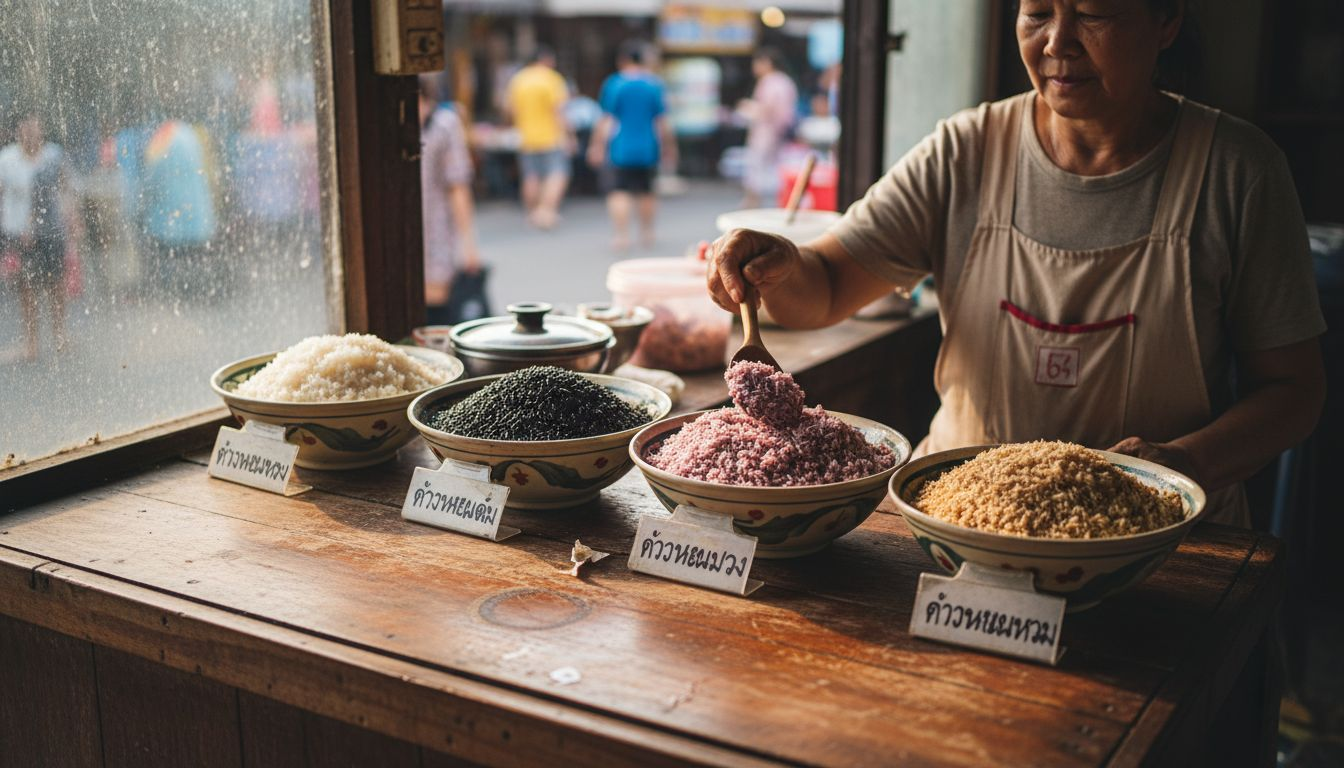
The regional diversity extends beyond grain length to include remarkable color variations. Black and purple sticky rice represent specialized varieties that offer unique nutritional profiles and aesthetic appeal. These colorful variants are particularly prized in dessert preparations, adding visual intrigue and complex flavor dimensions to traditional recipes. Their genetic mutations not only create distinctive colors but also contribute different texture and taste characteristics.
Traditional sticky rice varieties can be categorized by several key characteristics:
Grain Length: Short, medium, and long-grain types
Color: White, black, purple, and brown variants
Regional Origin: Japanese, Korean, Thai, Lao, and Chinese styles
Culinary Application: Dessert, savory dishes, ceremonial foods
Understanding these variations helps home cooks and food enthusiasts appreciate the nuanced world of sticky rice beyond generic assumptions. Each variety represents a unique culinary tradition, reflecting generations of agricultural innovation and cultural practice.
Here’s how popular Asian sticky rice varieties compare:
Variety | Grain Length | Typical Use | Notable Feature |
Japanese Mochigome | Short | Mochi, desserts | Very soft, chewy texture |
Thai Khao Niao | Long | Savory, sweet dishes | Slightly nutty, translucent |
Korean Chapssal | Short | Tteok (rice cakes) | Dense, sticks together |
Black Glutinous Rice | Medium-short | Puddings, sweets | Rich color, earthy flavor |
Lao Sticky Rice | Long | Daily staple | Drier, eaten by hand |
Role of rice in traditional Thai meals demonstrates how deeply these grain varieties are integrated into regional cuisine.
Pro Tip - Cooking Selection: Match your sticky rice variety to its intended dish, as different types have distinct absorption rates and textural qualities that can dramatically impact your final recipe’s success.
Unique Texture and Cooking Techniques
Sticky rice is renowned for its distinctive texture, which sets it apart from ordinary rice varieties. Scientific analyses reveal that its remarkable adhesiveness stems from a unique molecular composition, specifically the high concentration of amylopectin starch. This molecular structure creates an extraordinary cohesiveness that transforms the rice from a simple grain into a culinary marvel.
Traditional cooking methods are critical in achieving the perfect sticky rice texture. Unlike standard rice preparation, advanced research demonstrates that steaming after extended soaking produces the most optimal results. The process involves several precise steps:
Thoroughly washing the rice to remove excess starch
Soaking the rice for several hours (typically 4-6 hours)
Using a specialized bamboo steamer or traditional steam basket
Steaming the rice instead of boiling to maintain its structural integrity
The texture of sticky rice can be scientifically quantified through specialized techniques that measure its adhesiveness and cohesiveness. Different rice cultivars exhibit varying levels of hardness and stickiness, which significantly impact the overall culinary experience. Professional chefs and food scientists understand that the preparation method is just as important as the rice variety itself.
Thai cooking techniques play a crucial role in transforming sticky rice from a simple ingredient into a culinary art form, emphasizing the delicate balance between preparation method and final texture.
The following table highlights how sticky rice preparation differs from standard rice methods:
Step | Sticky Rice Method | Standard Rice Method |
Pre-cook Treatment | Prolonged soaking 4-6 hours | Quick rinse, no soak |
Cooking Technique | Steaming in bamboo basket | Boiling or simmering |
Texture Goal | Clumpy and elastic | Fluffy, separated grains |
Handling After Cooking | Eaten by hand, cooled | Served with utensils |
Pro Tip - Texture Mastery: Always soak your sticky rice for at least 4 hours before cooking, and use a bamboo steamer to achieve the most authentic and perfectly textured result.
How Sticky Rice Elevates Thai Cuisine
Sticky rice is far more than a simple side dish in Thai cuisine—it is a culinary cornerstone that transforms ordinary meals into extraordinary cultural experiences. Understanding the role of rice in Thai meals reveals how deeply this grain is woven into the fabric of Thai culinary traditions. From street food to royal banquets, sticky rice serves as a fundamental ingredient that connects communities and preserves centuries-old cooking techniques.
In traditional Thai cuisine, sticky rice plays multiple critical roles beyond mere sustenance. It acts as a versatile vehicle for flavor, a textural counterpoint to spicy and complex dishes, and a symbolic food with deep cultural significance. Northeastern Thai cuisine, particularly in regions like Isan, relies on sticky rice as a primary staple, where it is often served in traditional bamboo baskets and eaten with hands, creating an intimate dining experience that goes beyond simple nutrition.
The unique characteristics of sticky rice enable it to complement the bold, intricate flavor profiles that define Thai cooking:
Absorbs and balances spicy sauces and chili-based condiments
Provides a neutral base that allows other ingredients to shine
Creates structural integrity in dishes like mango sticky rice
Serves as a key component in both savory and sweet preparations
Traditional Thai cooking methods transform sticky rice from a simple grain into a culinary art form, emphasizing texture, presentation, and cultural connection. What makes Thai sticky rice truly unique is its ability to bridge generations, preserve cooking traditions, and create a sensory experience that transcends mere eating.
Pro Tip - Cultural Dining: When enjoying sticky rice in traditional Thai style, use your hands to form small balls that can be dipped directly into accompanying sauces, embracing the authentic communal dining experience.
Choosing Sticky Rice for Takeout and Delivery
Selecting the perfect sticky rice for takeout and delivery requires understanding key factors that preserve its unique texture and flavor. Maintaining rice quality during transportation demands careful consideration of grain type, packaging, and handling techniques that prevent moisture loss and maintain the characteristic glutinous consistency.
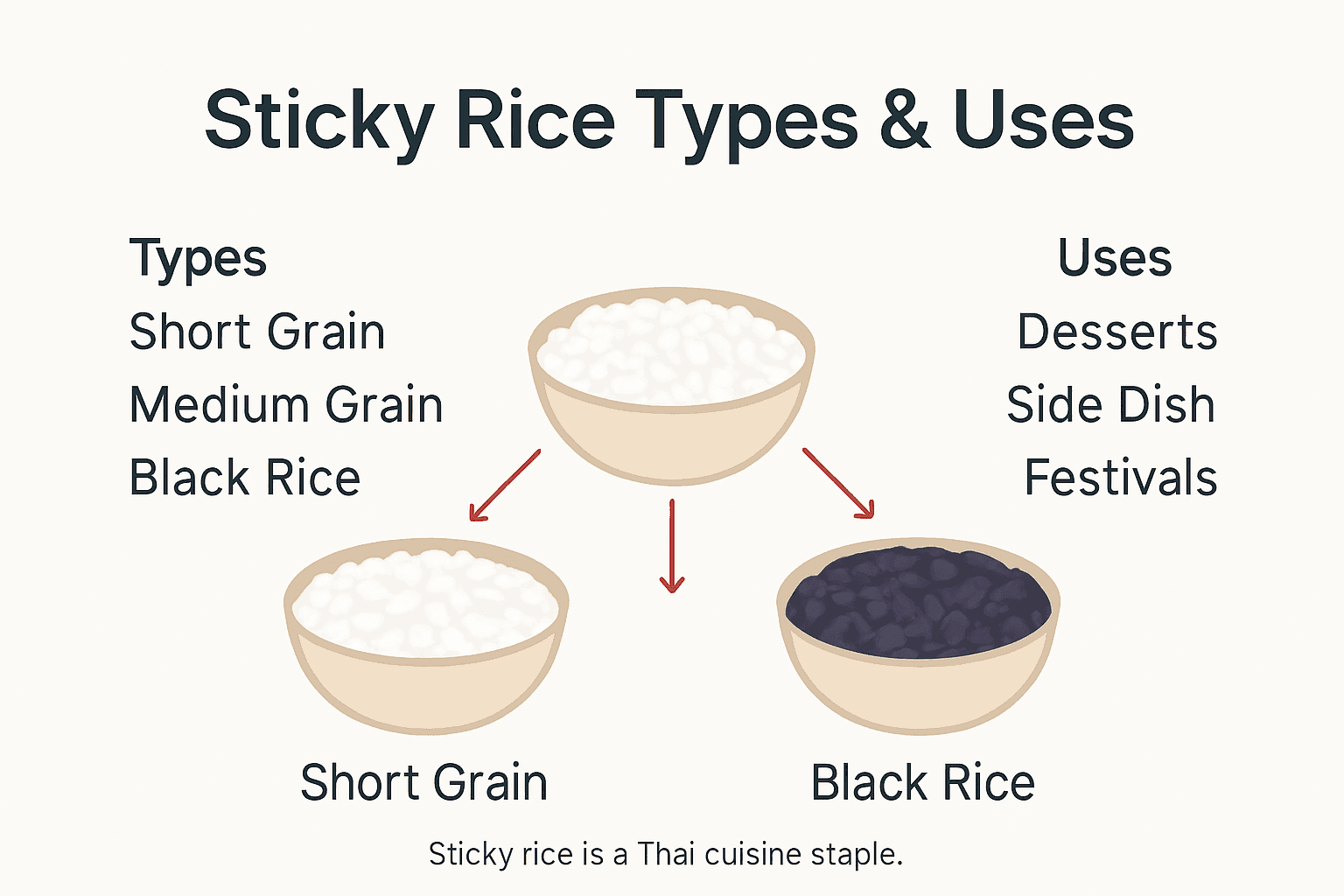
Professional food service experts recommend specific strategies for preserving sticky rice’s integrity during transport. The most critical considerations include selecting long-grain or specialty short-grain varieties with high amylopectin content, which naturally resist drying and maintain structural cohesion. Professional texture guides emphasize the importance of achieving glossy, tender grains that remain resilient after steaming and delivery.
When ordering sticky rice for takeout or delivery, look for these key indicators of quality:
Grains should appear glossy and slightly translucent
Texture remains cohesive without excessive clumping
Minimal moisture separation during transport
Consistent temperature maintenance
Proper packaging that prevents steam escape
7 Best Thai Takeout Meals for Every Taste showcases how sticky rice complements various dishes, highlighting its versatility in Thai cuisine. Understanding these nuanced selection criteria ensures an authentic and satisfying dining experience, even when enjoying meals outside the restaurant.
Pro Tip - Rice Preservation: Request your sticky rice in a sealed container with small ventilation holes to maintain optimal moisture and prevent soggy or dried-out texture during transit.
Discover Authentic Sticky Rice and Thai Flavors at Thai Spoon Las Vegas
Sticky rice has a unique texture and cultural significance that can be hard to replicate outside its traditional roots. If you are intrigued by the diverse types of sticky rice and their role in Thai culinary traditions, experiencing these authentic flavors firsthand makes all the difference. Whether you are craving the tender stickiness of Thai Khao Niao or the special chewiness of Japanese Mochigome, Thai Spoon Las Vegas offers expertly prepared sticky rice dishes that honor these time-tested cooking techniques.
Explore an authentic Thai dining experience that highlights the rich variety of sticky rice and traditional recipes. Order for pickup or delivery today to taste the perfect balance of texture and flavor in dishes like mango sticky rice and savory sticky rice platters. Visit Thai Spoon Las Vegas to view the menu and enjoy special lunch and happy hour offers. Embrace the true taste of sticky rice prepared the right way and join a local community passionate about genuine Thai cuisine.
Frequently Asked Questions
What is sticky rice and how is it different from regular rice?
Sticky rice, also known as glutinous rice, is a specific variety of rice that contains no gluten. Its unique texture comes from a high concentration of amylopectin starch, making it sticky when cooked. Unlike regular rice, which has a fluffy texture, sticky rice clumps together and is used in various traditional dishes.
What are the main types of sticky rice?
Sticky rice can be categorized by grain length (short, medium, and long) and color (white, black, purple, and brown). Each variety has distinct culinary uses. For example, short-grain sticky rice is often used in desserts, while long-grain sticky rice is a staple in savory dishes.
How do you cook sticky rice properly?
For optimal results, soak sticky rice for at least 4-6 hours before cooking. Use a bamboo steamer to steam the rice rather than boiling it, as this method helps maintain its unique texture. Proper communication of cooking times and techniques ensures that the rice achieves its characteristic stickiness and chewy consistency.
Why is sticky rice important in Thai cuisine?
Sticky rice is a fundamental component of Thai cuisine, serving not only as a staple food but also as a cultural symbol. It enhances the dining experience by balancing the bold flavors of Thai dishes, and it is commonly served with hands, promoting communal eating and cultural traditions.
Recommended
Comments