





What Makes Thai Food Healthy: Flavorful Nutrition Insights
- mail469793
- Dec 18, 2025
- 8 min read
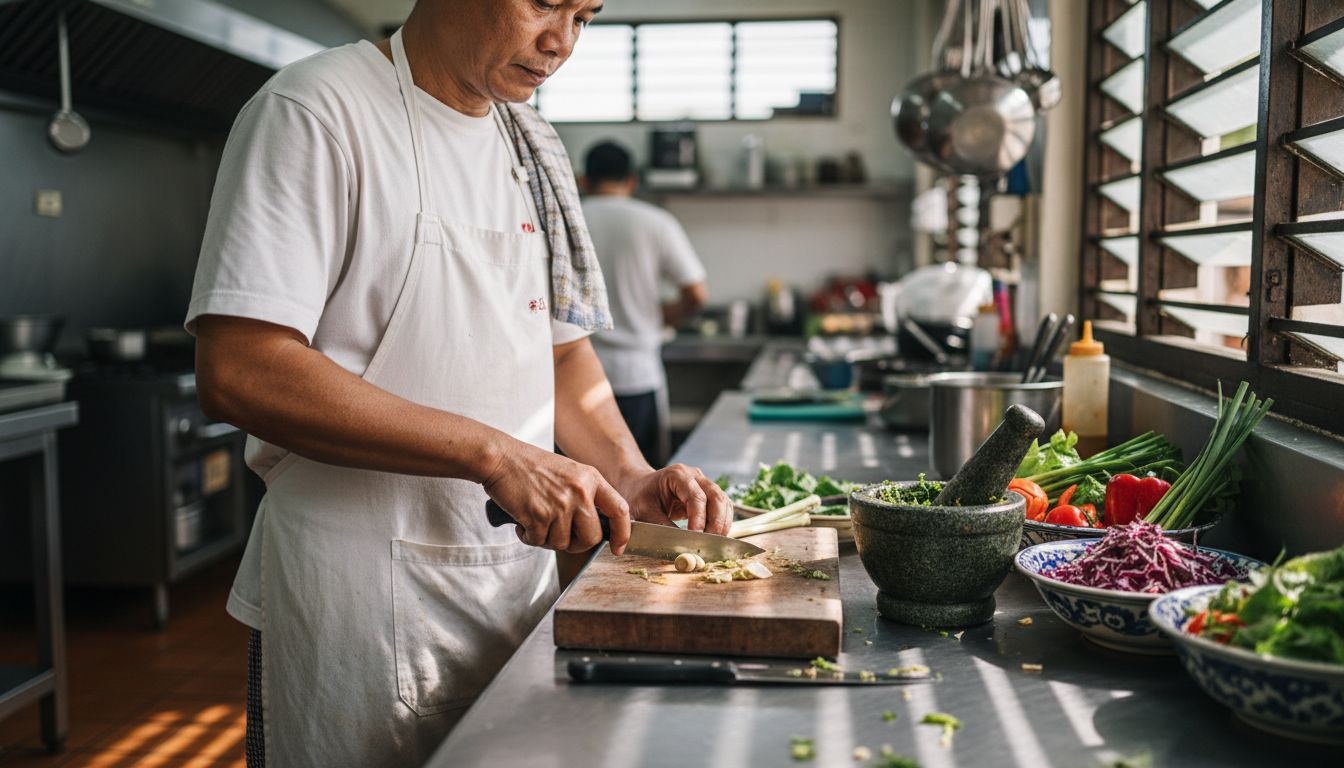
Many American diners think Thai food is all about spice, yet only around 30 percent of traditional Thai dishes are considered very spicy. This difference between perception and reality makes Thai cuisine both intriguing and misunderstood for American food lovers. From delicate herbs to balanced flavors, Thai food offers far more than heat or chili. Explore how subtlety, wellness, and diverse ingredients define authentic Thai cooking beyond the common myths.
Table of Contents
Key Takeaways
Point | Details |
Nuanced Flavor Profiles | Thai cuisine balances sweet, sour, salty, and spicy elements, transcending the stereotype of mere spiciness. |
Diverse Ingredients with Health Benefits | Key ingredients like Galangal and Thai Holy Basil not only add flavor but also contribute significantly to health and wellness. |
Healthy Cooking Methods | Techniques such as steaming and stir-frying preserve nutrients and enhance the nutritional quality of dishes. |
Catering to Dietary Needs | Thai cuisine is versatile for dietary restrictions, providing options for vegan and gluten-sensitive individuals without compromising on flavor. |
Thai Cuisine Basics and Common Misconceptions
Thai cuisine is a complex and nuanced culinary tradition that often suffers from oversimplified perceptions. Many people assume Thai food is simply about heat and spiciness, but the reality is far more sophisticated. Thai cuisine represents a delicate balance of flavors and cooking techniques that has evolved through centuries of cultural and geographical influences.
Contrary to popular belief, Thai cuisine is not monolithic but incredibly diverse. The geographic variations across Thailand significantly impact cooking styles and ingredient selection. Northern regions tend to feature different proteins and spices compared to coastal areas, with each locale developing unique culinary traditions. Flavor harmony is a fundamental principle, where sweet, sour, salty, and spicy elements are carefully balanced in every dish.
One persistent misconception is that all Thai dishes are extremely spicy. While chilies are certainly important, they are just one component of a much more intricate flavor profile. Scientific analysis of Thai cooking techniques reveals complex chemical interactions that contribute to the cuisine’s remarkable depth. Fresh herbs, aromatics like lemongrass and kaffir lime leaves, and careful layering of flavors play equally critical roles in creating authentic Thai dishes.
Pro Tip for Thai Food Enthusiasts: When exploring Thai cuisine, approach each dish with an open mind and appreciate the subtle interplay of ingredients rather than focusing solely on heat levels. Ask your server or chef about the specific regional origins and traditional preparation methods to gain deeper culinary insights.
Key Ingredients and Their Health Benefits
Thai cuisine is renowned for its incredible array of ingredients that not only tantalize the taste buds but also offer remarkable health benefits. Research demonstrates that traditional Thai ingredients contain powerful bioactive compounds with significant medicinal properties, making each dish a potential wellness powerhouse. The strategic combination of herbs, spices, and proteins creates a nutritional profile that goes far beyond simple sustenance.
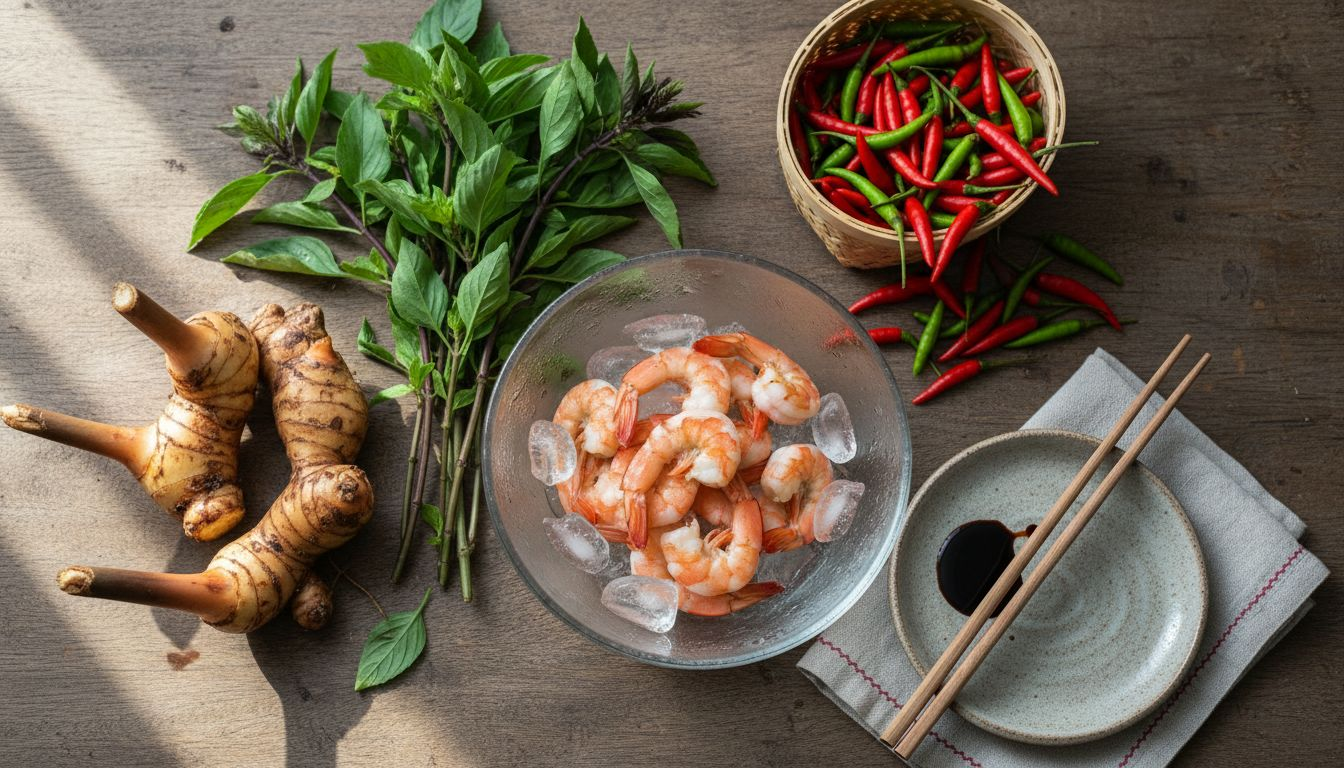
Some standout ingredients showcase extraordinary health potential. Galangal, a root similar to ginger, offers potent anti-inflammatory properties and supports digestive health. Thai holy basil contains compounds that help manage stress and potentially regulate blood sugar levels. Chili peppers, a staple in many Thai dishes, are not just about heat—they provide significant nutritional advantages including boosting metabolism and supporting immune function. These ingredients work synergistically to create dishes that are as medicinal as they are delicious.
Protein sources in Thai cuisine also contribute substantial health benefits. Seafood, a prominent component, delivers omega-3 fatty acids crucial for heart and brain health. Tofu, another common ingredient, provides plant-based protein with minimal saturated fat. The inclusion of fresh vegetables and herbs ensures that Thai dishes are nutrient-dense, offering vitamins, minerals, and antioxidants that support overall wellness. Each ingredient is carefully selected not just for flavor, but for its potential to enhance physical well-being.
Pro Tip for Ingredient Selection: When preparing or ordering Thai food, prioritize dishes featuring whole, fresh ingredients like herbs, lean proteins, and vegetables to maximize nutritional benefits and enjoy authentic flavor profiles.
Here’s a summary of essential Thai ingredients and their associated health benefits:
Ingredient | Main Nutritional Benefit | Common Culinary Use |
Galangal | Reduces inflammation, aids digestion | Added to soups and curries |
Thai Holy Basil | Manages stress, may regulate sugar | Stir-fried dishes and salads |
Chili Peppers | Boosts metabolism, supports immunity | Curries, dipping sauces, stir-fries |
Lemongrass | Antioxidant, digestion aid | Broths, teas, marinades |
Kaffir Lime Leaves | Rich in antioxidants | Flavoring for curries and soups |
Tofu | Lean plant-based protein | Protein base in vegan dishes |
Seafood | Omega-3s for heart and brain health | Grilled, steamed, or stir-fried |
Healthy Cooking Methods in Thai Food
Traditional Thai cooking techniques demonstrate a remarkable commitment to preserving nutritional integrity and promoting health, making it one of the most nutritionally sophisticated cuisines globally. Unlike many Western cooking methods that rely on heavy oils and prolonged heat exposure, Thai culinary practices prioritize quick cooking techniques that maintain ingredient nutrients and minimize nutritional degradation.
Steaming and stir-frying emerge as two predominant healthy cooking methods in Thai cuisine. Steaming allows ingredients to retain maximum nutritional value while preventing unnecessary fat absorption. Stir-frying, typically performed at high temperatures for short durations, preserves vegetable crispness and minimizes nutrient loss. Researchers have extensively studied how these environmentally conservative cooking processes contribute to sustainable and health-promoting food preparation, highlighting the intricate relationship between cooking technique and nutritional preservation.
Another distinctive aspect of Thai cooking is the minimal use of added fats. Instead of deep-frying, Thai chefs often employ techniques like grilling, poaching, and rapid sautéing that require little to no additional oil. The use of fresh herbs and spices not only enhances flavor but also introduces additional health benefits, creating dishes that are simultaneously delicious and nutritionally dense. Aromatics like lemongrass, ginger, and turmeric are frequently incorporated, adding layers of flavor while providing significant antioxidant and anti-inflammatory properties.
Pro Tip for Healthy Cooking: Embrace Thai-inspired cooking techniques by investing in a good wok, practicing quick high-heat stir-frying, and focusing on fresh, minimally processed ingredients to maximize both flavor and nutritional value.
See how major Thai cooking methods help preserve nutrition and enhance dish quality:
Cooking Method | Nutrition Benefit | Flavor Impact |
Steaming | Maximum nutrient retention | Maintains ingredient purity |
Stir-frying | Preserves vitamins, low fat | Adds complex, smoky notes |
Grilling | Reduces added fat | Imparts charred aroma |
Poaching | Gentle on nutrients | Keeps flavors delicate |
Rapid Sauté | Quick cooking, less oil | Fresh and vibrant taste |
Thai Food for Vegan and Gluten-Free Diets
Thai cuisine offers remarkable versatility for individuals with dietary restrictions, making it an excellent option for vegans and gluten-sensitive diners. Traditional Thai cooking naturally incorporates numerous plant-based ingredients and inherently gluten-free components, creating a culinary landscape that accommodates diverse dietary needs without compromising flavor or nutritional value.
Many classic Thai dishes can be easily transformed into vegan and gluten-free versions. Tofu serves as an exceptional protein substitute, while rice noodles provide a naturally gluten-free alternative to wheat-based products. Plant-based ingredients in Thai cuisine demonstrate significant medicinal properties that extend beyond basic nutrition, offering health-conscious diners both delicious and nutritionally dense meal options. Staple ingredients like lemongrass, mushrooms, fresh vegetables, and herbs create complex flavor profiles that make dietary restrictions feel like a culinary adventure rather than a limitation.
Key strategies for enjoying vegan and gluten-free Thai cuisine include communicating dietary needs clearly, understanding ingredient substitutions, and exploring dishes naturally aligned with these requirements. Pad Thai can be prepared with rice noodles and tofu, green curries easily accommodate plant-based proteins, and many salads and stir-fries are inherently vegan. Critically, many traditional sauces can be modified using gluten-free tamari instead of traditional soy sauce, ensuring authentic flavors remain intact while meeting dietary constraints.
Pro Tip for Dietary Adaptations: Request explicit ingredient confirmations when ordering, and don’t hesitate to ask chefs about customizing dishes to meet your specific vegan or gluten-free requirements.
Balancing Flavors and Portion Control
Thai cuisine represents a masterful approach to nutritional balance, where flavor complexity and portion management are deeply interconnected. Unlike many Western dietary approaches that focus solely on caloric intake, Thai culinary traditions emphasize holistic nutrition through intricate flavor combinations and mindful serving sizes that naturally support metabolic health.
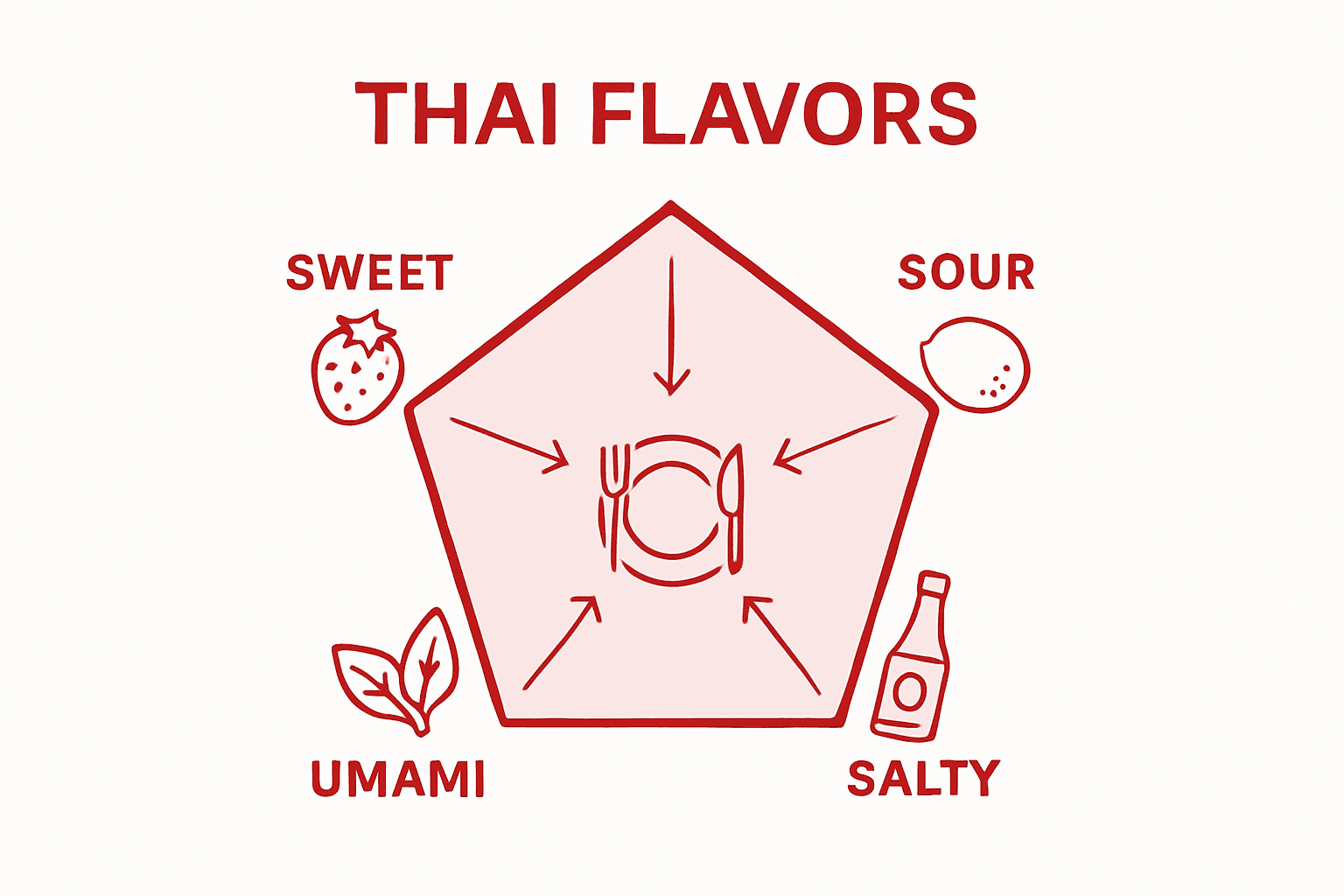
The five flavor elements - sweet, sour, salty, bitter, and umami - form the cornerstone of Thai nutritional philosophy. Each dish is meticulously crafted to include representations of these flavors, creating a sensory experience that simultaneously satisfies taste buds and nutritional needs. Cultural dietary practices in Thailand demonstrate how food serves not just as sustenance, but as a sophisticated balance of sensory and physiological requirements. This approach means that portion sizes are inherently self-regulating, with the complexity of flavors naturally encouraging slower, more mindful eating.
Practical strategies for flavor and portion balance include using smaller plates, incorporating a diverse range of ingredients, and prioritizing vegetable-based dishes. Proteins are typically used as complementary elements rather than dominant components, allowing for controlled calorie intake without sacrificing satisfaction. Techniques like stir-frying with minimal oil, using fresh herbs for flavor enhancement, and preparing dishes with abundant vegetables ensure that meals remain nutritionally dense while maintaining a sense of fullness and culinary excitement.
Pro Tip for Mindful Eating: Practice the Thai approach of eating slowly and appreciating each bite, using smaller plates and focusing on flavor diversity to naturally regulate portion sizes and enhance meal satisfaction.
Experience the True Harmony of Healthy Thai Cuisine in Las Vegas
Are you searching for authentic Thai food that perfectly balances flavor and nutrition without overwhelming heat or heavy cooking methods? This article highlights how Thai cuisine carefully blends fresh herbs, lean proteins, and healthy cooking techniques to create meals that satisfy both your taste buds and wellness goals. At Thai Spoon Las Vegas, we bring these insights to life with dishes that honor traditional flavor harmony and use ingredients selected for their health benefits.
Discover our menu featuring vibrant choices like vegan-friendly Pad Thai, gluten-free curries, and seafood rich in omega-3s prepared with steaming and stir-frying methods that preserve nutrition. Don’t wait to enjoy a flavorful dining experience where mindful portion control and authentic preparation meet in each bite. Visit Thai Spoon Las Vegas now to order online for pickup or delivery or come dine with us in northwest Las Vegas. Embrace delicious nutrition today with the true spirit of Thai cooking.
Frequently Asked Questions
What are the health benefits of common ingredients in Thai cuisine?
Thai ingredients like galangal, Thai holy basil, and chili peppers offer numerous health benefits, including anti-inflammatory properties, stress management, and boosted metabolism, making each dish not just flavorful but nutritious.
How do traditional Thai cooking methods contribute to health?
Traditional Thai cooking methods, such as steaming and stir-frying, help preserve the nutritional integrity of ingredients while minimizing added fats, leading to healthier dishes that maintain their vitamins and minerals.
Can Thai cuisine be easily adapted for vegan or gluten-free diets?
Yes, Thai cuisine is versatile and can be adapted for vegan and gluten-free diets by using ingredients like tofu and rice noodles, which replace animal products and gluten-containing elements without sacrificing flavor or nutrition.
How does Thai cuisine balance flavors and portion sizes for better nutrition?
Thai cuisine balances sweet, sour, salty, bitter, and umami flavors in its dishes, which naturally encourages mindful eating and portion control, allowing for a satisfying meal that supports metabolic health.
Recommended
Comments