




What Sets Thai Food Apart: Complete Guide
- mail469793
- Dec 2, 2025
- 7 min read
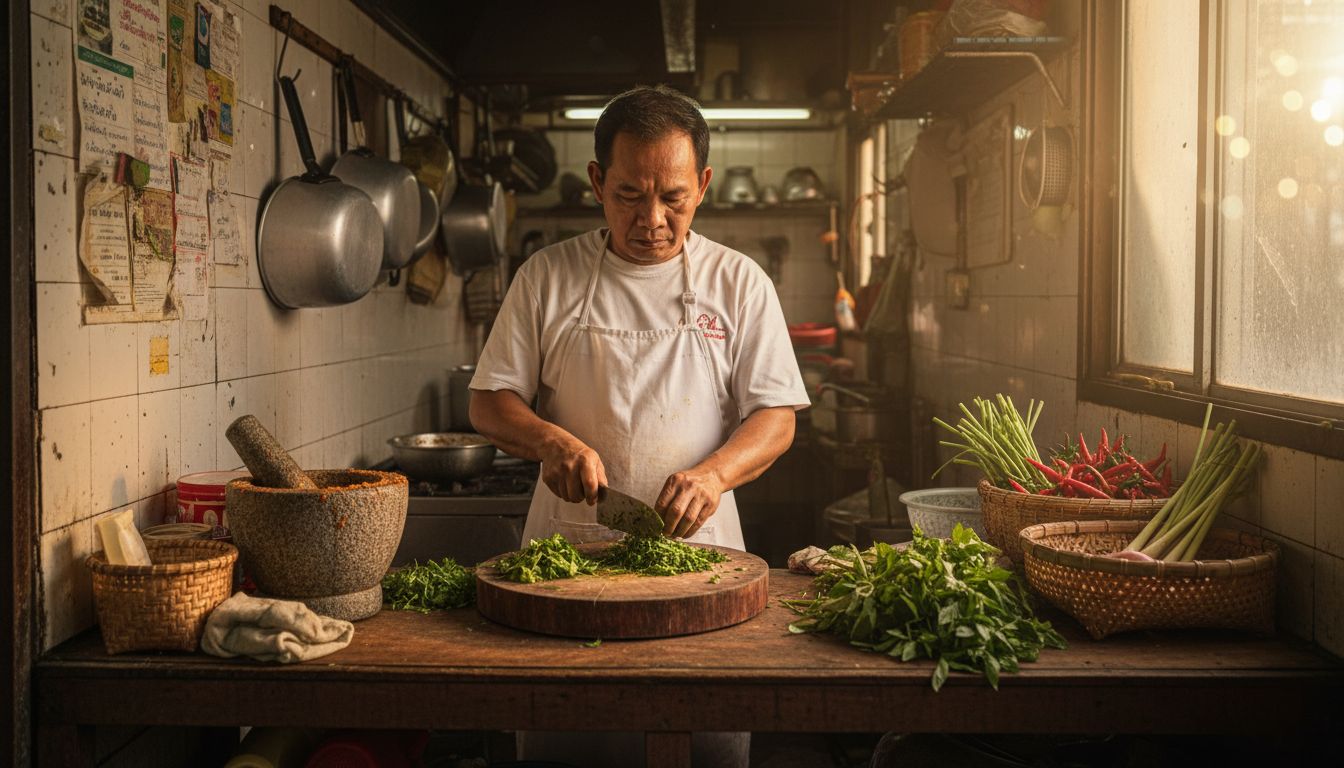
More than 300,000 american restaurants now serve Thai dishes in some form, highlighting just how far Thai cuisine has traveled from its Southeast Asian roots. For food lovers, the appeal runs deeper than spice level or exotic ingredients. Thai food stands out because every bite balances vibrant flavors and centuries-old culinary traditions. Discover what truly defines Thai cuisine, from its historical influences to the signature flavors that make it a global favorite.
Table of Contents
Key Takeaways
Point | Details |
Vibrant Culinary Heritage | Thai cuisine is a rich blend of regional influences and centuries of cultural exchange, showcasing a unique culinary identity. |
Masterful Flavors | The balance of sweet, sour, salty, spicy, and bitter flavors defines Thai cooking, making it an art form that transcends simple meal preparation. |
Regional Diversity | Each region in Thailand offers distinct cooking styles and ingredients, reflecting local traditions and environmental conditions. |
Cultural Narrative | Thai cuisine is not just about food; it’s a living cultural narrative that tells stories of geography, history, and human creativity through its dishes. |
Defining Thai Cuisine and Its Origins
Thai cuisine represents a vibrant culinary landscape that blends complex flavors, regional influences, and centuries of cultural exchange. Historical records reveal a rich gastronomic tradition shaped by neighboring countries like Cambodia, Laos, Myanmar, India, Malaysia, and Indonesia, creating a unique and dynamic food culture that goes far beyond simple regional cooking.
The distinctive character of Thai cuisine emerges from its masterful combination of ingredients and techniques. Each dish balances multiple flavor profiles - sweet, sour, salty, bitter, and spicy - with an precision that transforms cooking into an art form. Worldwide popularity stems from bold flavors and fragrant ingredients that capture the essence of Southeast Asian culinary traditions.
Geographically diverse, Thai cuisine varies dramatically across different regions. Northern territories offer hearty, herb-infused dishes with Burmese influences, while coastal areas feature seafood-heavy recipes reflecting maritime connections. Central plains produce rice-based meals that form the backbone of national cuisine, and northeastern regions showcase spicy, fermented specialties that demonstrate the adaptability and creativity inherent in Thai cooking.
Understanding Thai cuisine means recognizing it as more than just food - it’s a living cultural narrative. Ingredients, preparation methods, and serving traditions all tell a story of adaptation, resilience, and community that has transformed local cooking into a globally celebrated culinary experience.
Essential Thai Flavors and Ingredients
Thai cuisine is a vibrant culinary symphony where fundamental ingredients create complex layers of flavor. The magic of Thai cooking lies in its masterful balance of sweet, sour, salty, and spicy elements, achieved through carefully selected seasonings that transform simple ingredients into extraordinary dishes.
At the heart of Thai flavor profiles are key ingredients that define the cuisine’s unique character. Fish sauce, palm sugar, tamarind paste, and various chilies form the foundational quartet of Thai cooking. These components work in remarkable harmony, with fish sauce providing depth and umami, palm sugar adding subtle sweetness, tamarind paste contributing tangy brightness, and chilies delivering the signature heat that makes Thai cuisine so distinctive.
Regional variations bring additional complexity to Thai ingredients. 7 signature spices like lemongrass, galangal, kaffir lime leaves, and Thai basil create aromatic foundations that distinguish different regional cuisines. Northern territories might emphasize herbal notes, while coastal regions incorporate more seafood-based seasonings, demonstrating the incredible diversity within Thai culinary traditions.
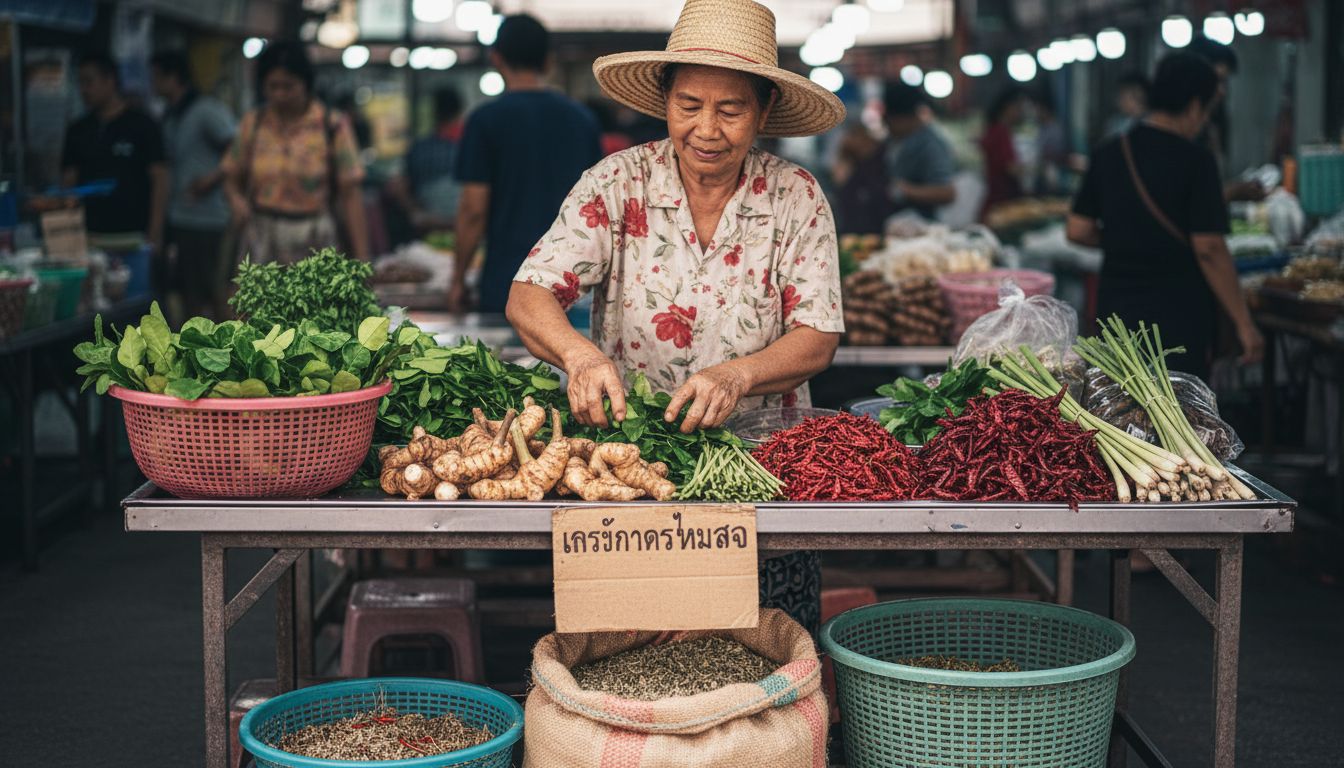
Understanding Thai ingredients is about more than just knowing what goes into a dish - it’s about appreciating the delicate balance and intentional complexity that transforms cooking into an art form. Each ingredient tells a story of cultural heritage, agricultural traditions, and the profound connection between food, landscape, and community that makes Thai cuisine a global culinary treasure.
Signature Thai Dishes and Cooking Techniques
Thai cuisine boasts an incredible array of signature dishes that showcase the complexity and artistry of its culinary traditions. Phat kaphrao, a national dish with fascinating origins, emerged during the reign of King Rama VII, highlighting how Thai cuisine continually evolves through cultural interactions and innovative cooking techniques.
Cooking methods in Thai cuisine are as diverse as the dishes themselves. Stir frying, a technique that quickly seals in flavors and maintains ingredient texture, dominates many preparations. Regional variations like Kaeng Thepo demonstrate the adaptability of traditional recipes, where dishes transform over time by substituting ingredients while maintaining core flavor profiles. Understanding unique cooking approaches reveals the intricate balance between preservation of tradition and culinary innovation.
Key signature dishes represent the breadth of Thai culinary expertise. Pad Thai, perhaps the most internationally recognized Thai dish, exemplifies the perfect balance of sweet, sour, and savory. Other iconic dishes like Tom Yum soup, green curry, and som tam (papaya salad) showcase the remarkable depth of flavor combinations that make Thai cuisine world-renowned. Each dish tells a story of regional ingredients, cultural heritage, and generations of culinary refinement.
The true magic of Thai cooking lies not just in the recipes, but in the philosophy of balance and harmony. Chefs meticulously combine ingredients to create dishes that engage all sensory experiences - balancing heat, sweetness, sourness, and umami in ways that transform simple ingredients into extraordinary culinary experiences that connect people through the universal language of delicious food.
Regional Differences in Thai Food Traditions
Thai cuisine defies simple categorization, with each region offering a unique culinary landscape that reflects local traditions, ingredients, and cultural influences. Central Thailand demonstrates remarkable diversity in how ingredients are used, particularly in its innovative approach to staple foods like sticky rice, which transforms from a main course component to a primary ingredient in sophisticated desserts such as mango sticky rice and durian sticky rice.
Northern and northeastern regions present stark contrasts in cooking styles and flavor profiles. The mountainous northern territories emphasize hearty, herb-infused dishes with Burmese and Laotian influences, while the northeastern Isaan region showcases spicier, more fermented preparations that reflect its agricultural roots. Popular dishes like Hainanese chicken rice reveal the complex regional variations, with local free-range chicken breeds contributing unique texture and flavor characteristics that distinguish regional interpretations.
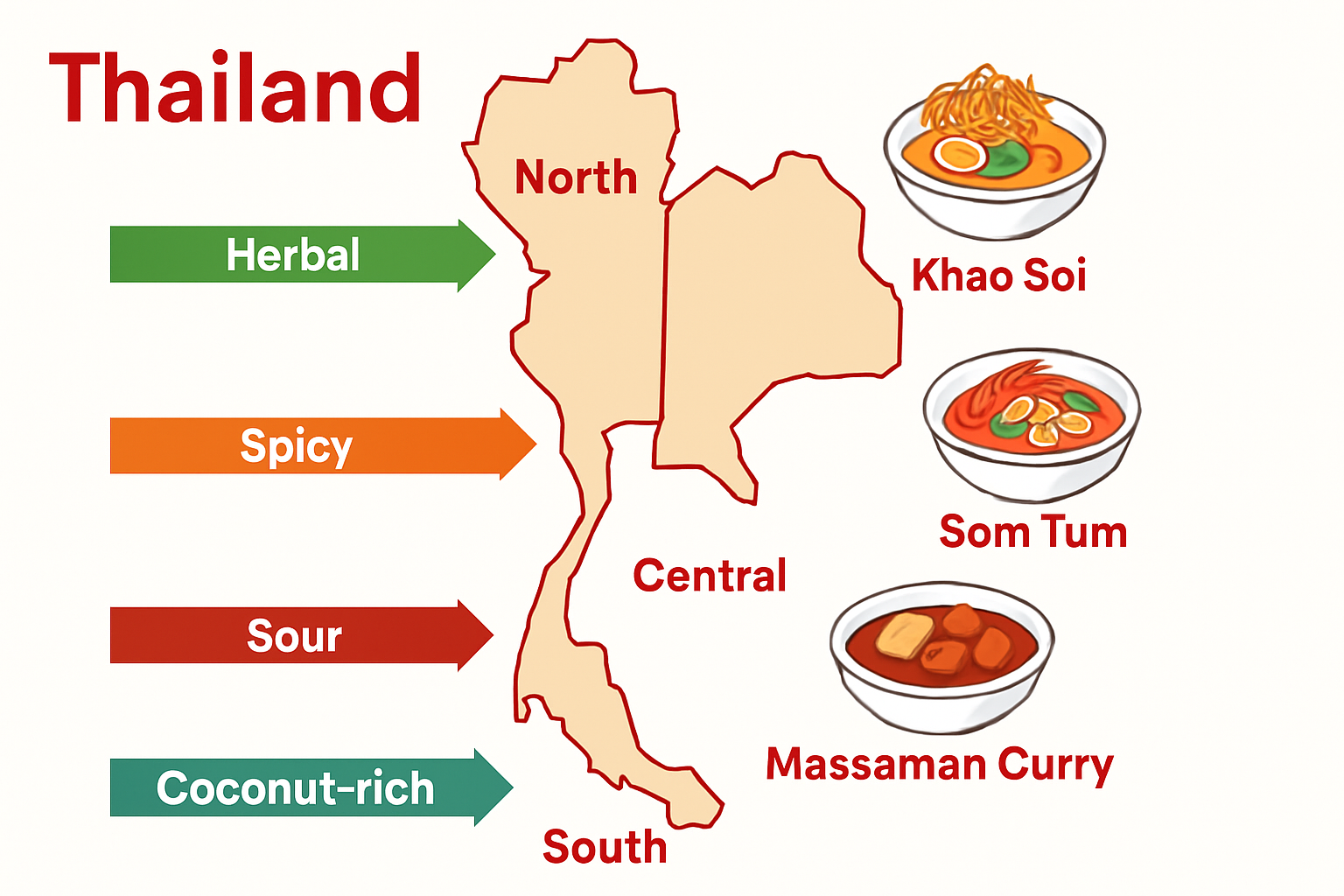
Understanding the cultural nuances of Thai cuisine reveals how geography shapes culinary identity. Coastal regions incorporate more seafood and lighter preparations, while inland areas rely on robust meat-based dishes and preserved ingredients. Each region’s cooking tells a story of adaptation - transforming available ingredients into masterful dishes that reflect local environmental conditions and historical migrations.
The beauty of Thai regional cuisine lies in its profound respect for local traditions while maintaining a national culinary identity. From the coconut-rich curries of the south to the spice-laden preparations of the northeast, Thai food represents a dynamic, living tradition that continues to evolve, celebrating the diversity of its landscapes and the creativity of its people.
How Thai Food Differs From Other Cuisines
Global culinary trends demonstrate that Thai cuisine stands apart through its extraordinary approach to flavor complexity and ingredient interaction. Unlike many cuisines that emphasize single dominant flavor profiles, Thai cooking creates a symphonic balance where sweet, sour, salty, spicy, and bitter notes coexist in remarkable harmony, challenging traditional culinary expectations.
The distinguishing characteristic of Thai cuisine lies in its profound historical culinary interactions with neighboring countries. While many cuisines develop in relative isolation, Thai food represents a dynamic culinary conversation, absorbing and transforming influences from Cambodia, Laos, Myanmar, India, Malaysia, and Indonesia. This unique cross-cultural exchange creates dishes that are simultaneously familiar and startlingly original.
Understanding the unique elements of Thai cuisine reveals deeper distinctions. Where Western cuisines often separate ingredients, Thai cooking integrates them into complex layers. Herbs like lemongrass and kaffir lime leaves are not mere garnishes but fundamental flavor architects. Spices are not just added but carefully balanced to create a sensory experience that evolves with each bite, making Thai food an interactive culinary journey.
Ultimately, Thai cuisine transcends mere sustenance. It is a living cultural narrative, where each dish tells a story of geography, history, and human creativity. From street food to royal cuisine, Thai cooking celebrates the art of transformation - turning simple ingredients into extraordinary experiences that engage all human senses.
Discover the True Essence of Thai Cuisine at Thai Spoon Las Vegas
Understanding what sets Thai food apart means appreciating the perfect harmony of bold flavors and authentic ingredients. If you are seeking to experience the rich balance of sweet, sour, salty, and spicy tastes that the article highlights as the heart of Thai cooking, look no further. Thai Spoon Las Vegas offers a carefully crafted menu featuring iconic dishes like Pad Thai, Yellow Curry, and more—all made with genuine Thai seasonings and cooking techniques to bring the culture and tradition right to your table.
Taste the difference today and enjoy authentic Thai food made for every dietary need including vegan and gluten-free options. Whether you want to dine in a welcoming atmosphere or order online for convenient pickup or delivery, now is the perfect time to dive into true Thai flavors close to home. Explore our full menu and order instantly at Thai Spoon Las Vegas. Don’t wait to satisfy your cravings for genuine Thai cuisine away from the tourist crowds. Visit our website now and taste the culinary journey described in the article firsthand.
Frequently Asked Questions
What are the essential flavors in Thai cuisine?
Thai cuisine is defined by a masterful balance of sweet, sour, salty, and spicy flavors, achieved through key ingredients like fish sauce, palm sugar, tamarind paste, and various chilies.
How does Thai food differ from other global cuisines?
Thai cuisine stands apart through its complex approach to flavor that integrates multiple taste profiles into each dish, creating a harmonious interplay between sweet, sour, salty, spicy, and bitter elements.
What cooking techniques are commonly used in Thai cooking?
Common Thai cooking techniques include stir frying, which quickly seals in flavors and maintains texture, and regional adaptations that showcase local ingredients while preserving core flavor profiles.
What are some signature dishes of Thai cuisine?
Signature dishes of Thai cuisine include Pad Thai, Tom Yum soup, green curry, and som tam (papaya salad), each showcasing unique flavor combinations and culinary expertise.
Recommended
Comments