


Why Choose Thai Food: Complete Guide for Las Vegas
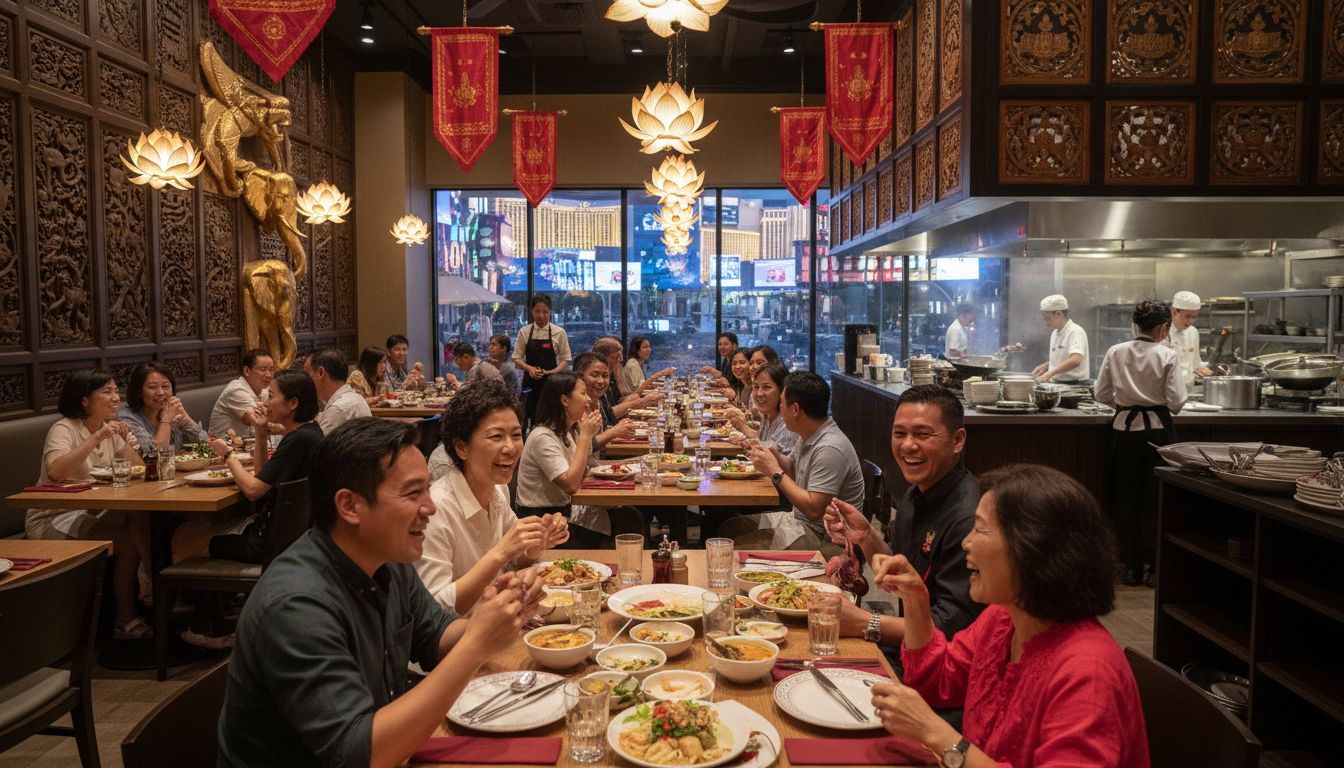
Over 70 percent of people believe Thai food is just about the heat, yet true Thai cuisine is a masterful balance of sweet, salty, sour, and spicy elements. This rich culinary tradition offers so much more than fiery flavors or famous noodle dishes. For anyone curious about authentic Thai food, uncovering its key ingredients, remarkable health benefits, and diverse cooking styles opens the door to a world of depth, variety, and cultural significance.
Table of Contents
Key Takeaways
Point | Details |
Complex Flavor Balance | Thai cuisine combines sweet, salty, spicy, bitter, and sour notes, challenging the misconception that it is solely focused on heat. |
Key Ingredients | Authentic Thai dishes rely on essential elements like fish sauce, palm sugar, and tamarind to create unique flavor profiles. |
Health Benefits | Thai food emphasizes fresh ingredients and holistic nutrition, offering dietary flexibility suitable for various preferences. |
Distinct Culinary Techniques | Unique cooking methods and a focus on flavor engineering set Thai cuisine apart from other culinary traditions, emphasizing both taste and wellness. |
Defining Thai Food and Common Misconceptions
Thai cuisine represents a vibrant culinary tradition that goes far beyond the simplistic perception of just being “spicy food.” According to Expatica, Thai cooking is actually distinguished by its sophisticated flavor balance, seamlessly blending sweet, salty, spicy, bitter, and sour notes into harmonious dishes. This complexity challenges the common misconception that Thai food is merely about overwhelming heat.
At its core, authentic Thai cuisine relies on fundamental seasonings that create its distinctive taste profile. Hospitality Institute highlights three key ingredients that transform ordinary recipes into extraordinary experiences: fish sauce, palm sugar, and tamarind paste. Fish sauce provides rich umami depth, palm sugar introduces nuanced sweetness, and tamarind paste contributes a sophisticated sourness that elevates the entire dish.
Some prevalent misconceptions about Thai food include:
All Thai dishes are extremely spicy
Thai food is just like other Southeast Asian cuisines
Pad Thai represents the entire spectrum of Thai cooking
Thai food is unhealthy or only consists of stir-fried dishes
In reality, Thai cuisine is a complex culinary art form that reflects regional diversity, seasonal ingredient availability, and generations of refined cooking techniques. What Makes Thai Cuisine Unique reveals the intricate layers of flavor, technique, and cultural significance that make Thai food a global culinary treasure. Each region offers unique recipes, ingredients, and preparation methods that showcase the incredible depth and variety within Thai gastronomy.
Understanding Thai food means appreciating its nuanced approach to flavor, respecting its cultural roots, and recognizing it as more than just a quick, spicy meal. It’s a sophisticated cuisine that invites exploration, challenges preconceptions, and offers a delicious journey through Thailand’s rich culinary landscape.
Authentic Thai Dishes and Ingredients
Authentic Thai cuisine is a symphony of flavors, textures, and carefully selected ingredients that transform simple recipes into extraordinary culinary experiences. What is Authentic Thai Cuisine reveals that true Thai cooking goes far beyond basic recipes, emphasizing a complex interplay of fresh ingredients, traditional techniques, and regional variations.
Two quintessential dishes perfectly illustrate the depth of Thai culinary tradition. Wikipedia highlights Tom Yum Kung, a legendary spicy and sour soup that exemplifies Thai cuisine’s flavor balance. Made with succulent shrimp, fragrant lemongrass, kaffir lime leaves, and aromatic galangal, this dish represents the perfect harmony of ingredients. Similarly, Wikipedia describes Phanaeng, a traditional curry distinguished by its thick, intricate profile featuring dried chili peppers, galangal, and complex seasonings.
Key authentic Thai ingredients that define the cuisine include:
Lemongrass: Provides a citrusy, refreshing undertone
Kaffir Lime Leaves: Adds distinctive aromatic complexity
Galangal: Similar to ginger but with a sharper, more peppery flavor
Fish Sauce: Creates depth and umami character
Palm Sugar: Offers nuanced sweetness
Tamarind: Contributes sophisticated sourness
For those eager to explore genuine Thai flavors, 7 Best Thai Dishes to Try offers an excellent starting point for culinary adventurers.
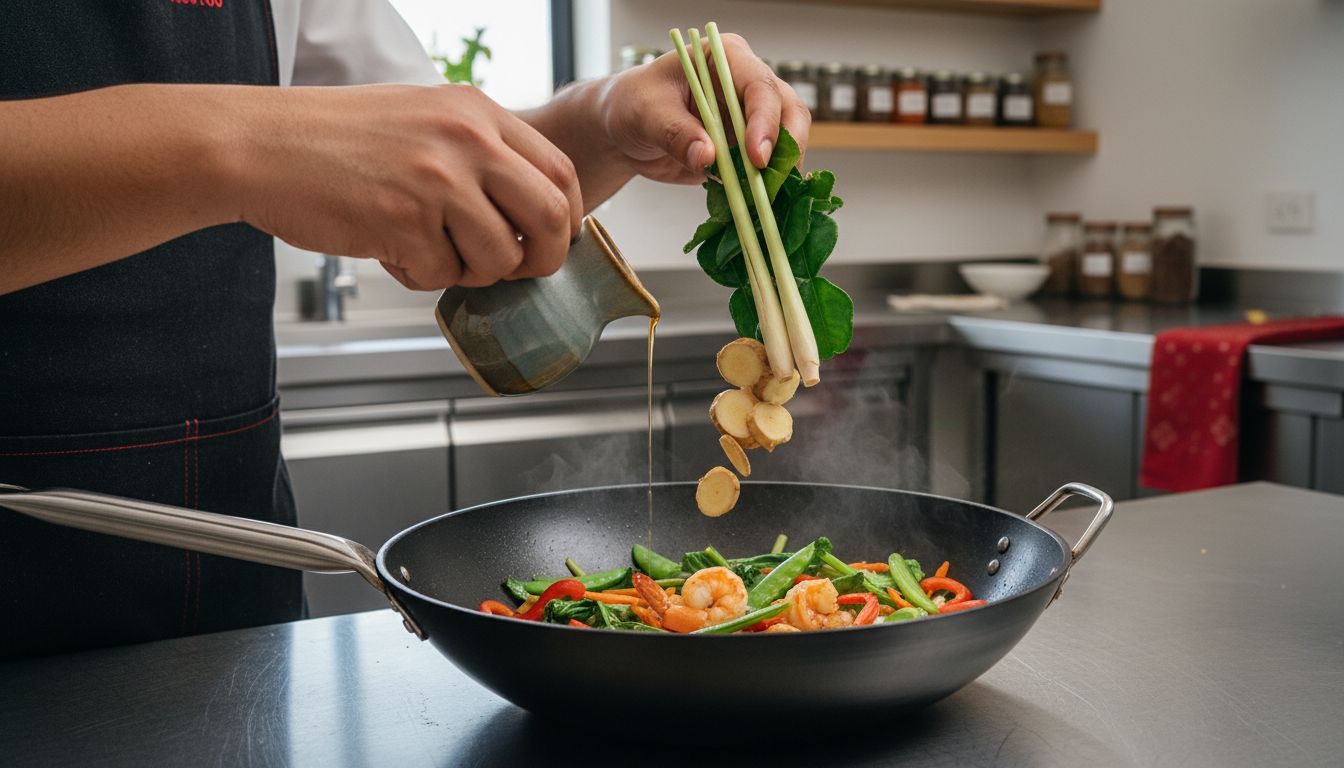
Each dish tells a story of regional traditions, seasonal ingredients, and generations of refined cooking techniques. Understanding authentic Thai cuisine means appreciating the intricate balance of flavors, respecting local ingredients, and recognizing the profound cultural significance behind every carefully prepared meal.
Health Benefits and Dietary Flexibility
Thai cuisine emerges as a nutritional powerhouse that goes far beyond delicious flavors, offering remarkable health benefits and incredible dietary adaptability. Understanding Authentic Thai Flavors highlights how Thai food provides a holistic approach to nutrition that supports overall wellness.
According to Expatica, Thai cuisine emphasizes fresh ingredients and nutritional balance, incorporating a strategic mix of proteins, healthy fats, and complex carbohydrates. The cuisine’s nutritional profile is enhanced by powerful ingredients like tofu, seafood, and fibrous vegetables, complemented by medicinal spices such as galangal, turmeric, and ginger that offer significant health-promoting properties.
Dietary flexibility is another standout feature of Thai cuisine, making it accessible to various nutritional needs:
Vegetarian Options: Abundant tofu and vegetable-based dishes
Gluten-Free Friendly: Many traditional recipes naturally exclude wheat
Low-Carb Alternatives: Lettuce wraps and protein-rich stir-fries
Seafood-Based Proteins: Rich in omega-3 fatty acids
Dairy-Free Choices: Coconut milk provides creamy alternatives
For those with specific dietary requirements, What is Authentic Thai Cuisine demonstrates how Thai cooking can be easily adapted without compromising flavor or nutritional integrity. The cuisine’s inherent versatility allows diners to customize meals to their specific health goals, whether seeking weight management, inflammation reduction, or simply enjoying a nutrient-dense dining experience.
Flavor Profiles and Culinary Techniques
Thai cuisine represents a masterful art of flavor engineering, where each dish is a carefully orchestrated symphony of taste sensations. What is a Thai Taste Profile reveals the intricate science behind creating dishes that dance across the palate with remarkable complexity and balance.
According to Luxury Villas Thailand, Thai culinary tradition is distinguished by its extraordinary flavor balancing techniques. The cuisine expertly navigates four primary taste dimensions - sweet, sour, salty, and spicy - creating a harmonious experience through strategic ingredient combinations. Key contributors like kaffir lime, tamarind, and lemongrass provide sophisticated sourness, while palm sugar introduces nuanced sweetness that elevates each dish.
The fundamental culinary techniques that define Thai cooking include:
Stir-Frying: Quick, high-heat cooking that preserves ingredient integrity
Steaming: Maintains nutritional value and delicate flavors
Pounding: Creates fresh curry pastes with intense flavor profiles
Marinating: Infuses proteins with complex seasoning
Slow Simmering: Develops deep, rich flavor foundations
For those seeking to truly understand the depth of Thai culinary artistry, How to Use Thai Spices offers insights into the precise techniques that transform simple ingredients into extraordinary meals. The magic of Thai cooking lies not just in its ingredients, but in the meticulous balance and respect for each flavor’s unique character.
Comparing Thai Cuisine to Other Options
When exploring global culinary landscapes, Thai cuisine emerges as a distinctive and extraordinary dining experience that sets itself apart from other food traditions. What is Thai Cuisine Culture reveals the unique cultural and gastronomic characteristics that distinguish Thai food from its international counterparts.
According to Mintel, Thai cuisine stands out through its bold and authentic flavor profile, characterized by an exceptional approach that goes beyond typical culinary expectations. Unlike many other cuisines, Thai cooking emphasizes a holistic approach, integrating natural remedies and health-conscious ingredients that appeal to modern food enthusiasts seeking both taste and nutritional value.
Key differences between Thai cuisine and other culinary traditions include:
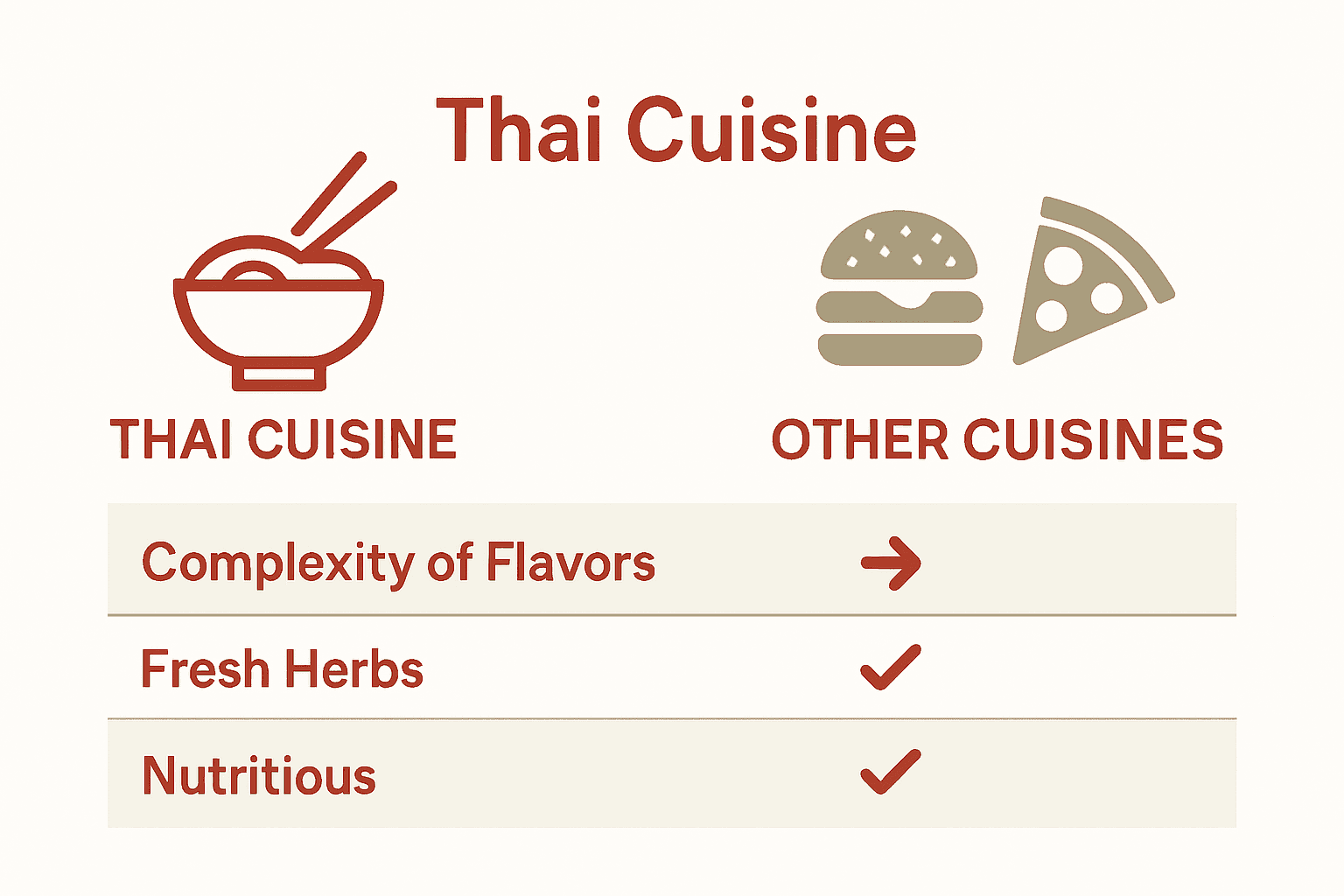
Flavor Complexity: Intricate balance of sweet, sour, salty, and spicy
Ingredient Freshness: Emphasis on seasonal, locally sourced produce
Cooking Techniques: Unique methods like rapid stir-frying and precise seasoning
Herbal Integration: Medicinal herbs and spices as core recipe components
Nutritional Approach: Focused on holistic wellness and balanced nutrition
Understanding the Thai Menu Selection Guide further illuminates how Thai cuisine offers a more nuanced and intentional dining experience compared to more one-dimensional food cultures. Where other cuisines might prioritize single flavor profiles, Thai cooking celebrates a harmonious interplay of tastes, textures, and therapeutic ingredients that transform eating from a mere necessity into a comprehensive sensory journey.
Discover Authentic Thai Flavors Right Here in Las Vegas
Many people misunderstand Thai cuisine as just spicy food but the truth is it offers a sophisticated balance of sweet sour salty and spicy flavors crafted with fresh authentic ingredients like lemongrass kaffir lime and galangal. If you are looking for a truly genuine Thai dining experience that respects these culinary traditions and delivers vibrant healthful meals you will want to explore options beyond the usual tourist spots. At Thai Spoon Las Vegas we bring authentic Thai dishes right to your neighborhood with vegan and gluten-free choices ensuring everyone can enjoy this rich cuisine.
Planning your next meal should be easy and delightful. Check out our menu to experience signature dishes such as Pad Thai Yellow Curry and Steak Fried Rice made from only the freshest ingredients.
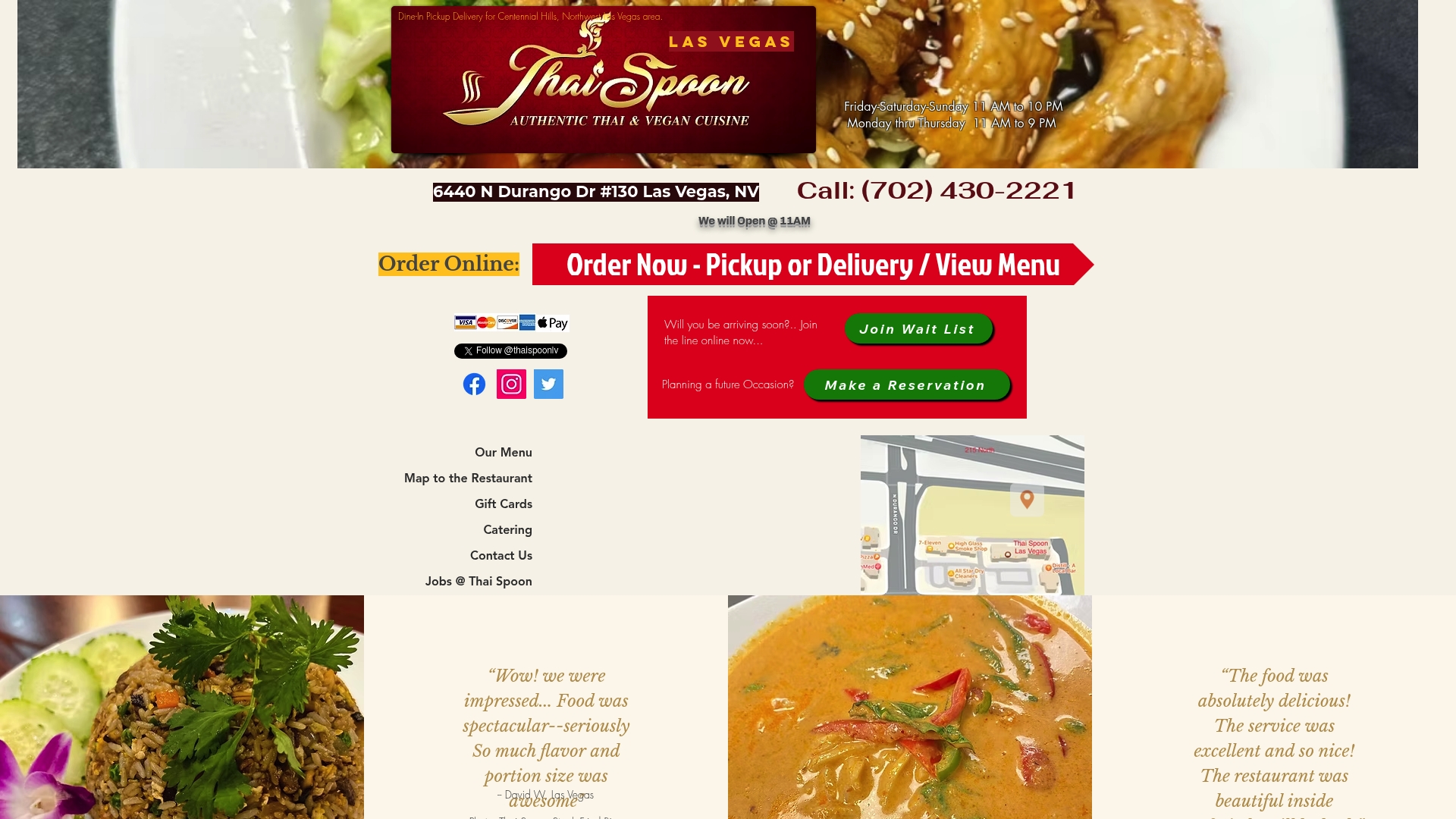
Why wait to taste genuine Thai flavors perfectly balanced for complex yet comforting enjoyment Enjoy convenient online ordering for pickup or delivery or stop in to savor an authentic meal away from the Strip. Visit Thai Spoon Las Vegas now to discover why Thai cuisine is so much more than just spicy food and make your next meal unforgettable.
Frequently Asked Questions
What are the main characteristics of authentic Thai cuisine?
Authentic Thai cuisine is known for its intricate balance of flavors, combining sweet, salty, spicy, bitter, and sour notes. Key ingredients include fish sauce, palm sugar, tamarind, and fresh herbs, which create a complex taste profile and highlight regional diversity.
Is Thai food healthy, and what are its nutritional benefits?
Yes, Thai food is considered healthy due to its emphasis on fresh ingredients, proteins, healthy fats, and fibrous vegetables. It often features medicinal spices like turmeric and ginger, offering significant health benefits while promoting a holistic approach to nutrition.
How does Thai cuisine differ from other Southeast Asian cuisines?
Thai cuisine stands out due to its unique flavor complexity, use of fresh, seasonal ingredients, and distinct cooking techniques like rapid stir-frying and marinating. Moreover, it integrates herbal components that contribute to both flavor and health benefits, setting it apart from other regional cuisines.
What are some common misconceptions about Thai food?
Common misconceptions include the belief that all Thai food is extremely spicy and that dishes like Pad Thai represent the entirety of Thai cuisine. In reality, Thai food encompasses a wide variety of flavors, textures, and culinary techniques, with many dishes being mild or suitable for various dietary preferences.
Recommended

Comments