


Allergy-Friendly Thai Dishes for Las Vegas Diners
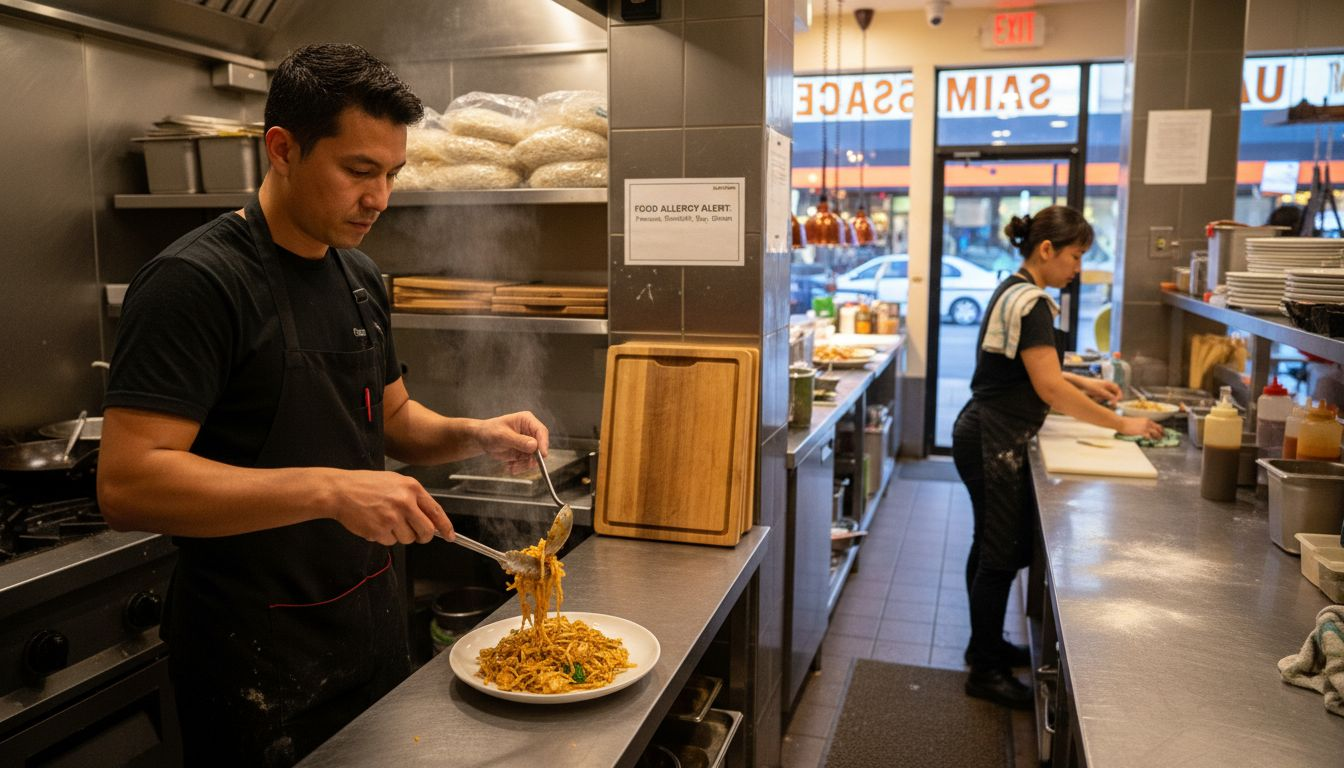
More than 32 million American adults face food allergies or sensitivities, making safe dining choices a top priority for many in Northwest Las Vegas. If you are searching for flavorful Thai meals that fit gluten-free or vegan needs, finding allergy-friendly options can feel daunting. This guide highlights how local Thai restaurants thoughtfully adapt their menus to serve health-conscious American diners, ensuring you can enjoy convenient, worry-free takeout or delivery packed with authentic taste.
Table of Contents
Key Takeaways
Point | Details |
Allergy-Friendly Adaptations | Modifying traditional Thai recipes is essential to accommodate food sensitivities while preserving authentic flavors. |
Common Allergens Awareness | Key allergens in Thai dishes include shellfish, peanuts, eggs, and soy, necessitating careful ingredient selection and preparation. |
Effective Communication | Diners should actively discuss their specific allergies with restaurant staff to ensure safe dining experiences. |
Flexible Menu Options | Thai cuisine offers ample opportunities for gluten-free and vegan adaptations, allowing inclusive dining without sacrificing flavor. |
Defining Allergy-Friendly Thai Cuisine
Allergy-friendly Thai cuisine is a thoughtful approach to preparing traditional dishes that accommodates individuals with food sensitivities and dietary restrictions. At its core, this culinary style involves carefully modifying recipes to eliminate or substitute common allergens while maintaining authentic Thai flavor profiles. Understanding the complex nature of food allergies becomes crucial in crafting safe and delicious meals.
In Thai cuisine, common allergens like peanuts, shellfish, eggs, and gluten can be challenging for sensitive diners. Chefs specializing in allergy-friendly preparation meticulously select ingredients, prevent cross-contamination, and create alternative versions of classic dishes. This means replacing wheat-based soy sauces with tamari, using coconut milk instead of dairy, and carefully selecting protein sources that minimize allergic risk.
The philosophy behind allergy-friendly Thai cooking extends beyond simple ingredient substitution. It represents a holistic approach to dietary inclusivity, ensuring that individuals with food allergies can still enjoy the vibrant, complex flavors of Thai culinary traditions. By understanding individual dietary needs and applying careful preparation techniques, restaurants can transform traditional recipes into safe, accessible dining experiences.
Pro tip: When dining out, always communicate your specific allergies directly to the chef and request detailed information about ingredient preparation and potential cross-contamination risks.
Common Allergens in Thai Dishes
Thai cuisine presents unique challenges for individuals with food allergies, as many traditional recipes incorporate common food allergens that can trigger serious health reactions. Shellfish, peanuts, eggs, and soy are particularly prevalent ingredients in Thai cooking, making careful ingredient selection and preparation critical for allergic diners. Understanding these potential risks allows both chefs and diners to make informed decisions about menu selections.
The most common allergens found in Thai dishes include shellfish like shrimp and crab, which are fundamental to many curries and stir-fry recipes. Peanuts frequently appear in sauces, garnishes, and as a key flavor component in dishes like Pad Thai. Soy-based ingredients such as soy sauce and tofu are also ubiquitous, while eggs are commonly used in noodle dishes and as garnishes. Wheat-based ingredients in sauces and marinades can pose additional risks for gluten-sensitive individuals.
Specific Thai dishes that often contain multiple allergens require extra caution. Satay with peanut sauce, Tom Yum soup with shellfish, and traditional Pad Thai can be particularly challenging for those with food sensitivities. Restaurants committed to allergy-friendly cooking must implement rigorous cross-contamination prevention strategies, including separate cooking areas, dedicated utensils, and transparent ingredient labeling.
Here’s a quick overview of common allergens in Thai dishes and safe alternatives you can request:
Allergen | Typical Source in Thai Food | Safer Alternative |
Peanuts | Sauces, garnishes (Pad Thai) | Sunflower seeds or omit |
Shellfish | Curries, soups (Tom Yum) | Chicken, tofu, or mushrooms |
Soy/Gluten | Soy sauce, marinades | Tamari or coconut aminos |
Egg | Noodles, fried rice | Request egg-free preparation |
Dairy | Desserts, some curries (rare) | Coconut milk substitutions |
Pro tip: Always request a detailed ingredient breakdown and discuss your specific allergies directly with restaurant staff to ensure a safe dining experience.
Identifying Safe Menu Options
Navigating a Thai restaurant menu with food allergies requires careful strategy and proactive communication. Safe menu identification involves understanding ingredient compositions, preparation methods, and potential cross-contamination risks. Diners with allergies must approach menu selection as a comprehensive process that goes beyond simply scanning ingredient lists.
When reviewing Thai menu options, look for dishes with transparent ingredient descriptions and opportunities for customization. Steamed or stir-fried dishes without complex sauces often provide safer alternatives. Request modifications like removing peanuts, substituting proteins, or preparing meals in dedicated allergen-free cookware. Some recommended allergy-friendly options include plain grilled proteins, vegetable-based dishes, coconut milk curries without shellfish, and rice-based meals prepared with minimal additional ingredients.
Effective communication with restaurant staff becomes crucial in managing food allergy risks. Prepare a detailed list of your specific allergies before dining, and consider bringing translation cards that clearly explain your dietary restrictions in the local language. Ask about ingredient sourcing, preparation techniques, and the restaurant’s protocols for preventing cross-contamination. Some establishments offer comprehensive allergen menus or trained staff who can guide you through safe dining choices.
Pro tip: Always call the restaurant in advance to discuss your specific dietary needs and confirm their ability to accommodate your allergies safely.
Gluten-Free and Vegan Thai Variations
Thai cuisine offers remarkable flexibility for diners with dietary restrictions, particularly those seeking gluten-free and vegan options. Many traditional Thai dishes can be easily modified to accommodate plant-based and gluten-sensitive diners without compromising the vibrant, complex flavors that make this cuisine so beloved. Rice noodles, fresh vegetables, and plant-based proteins form the foundation of these adaptable culinary creations.
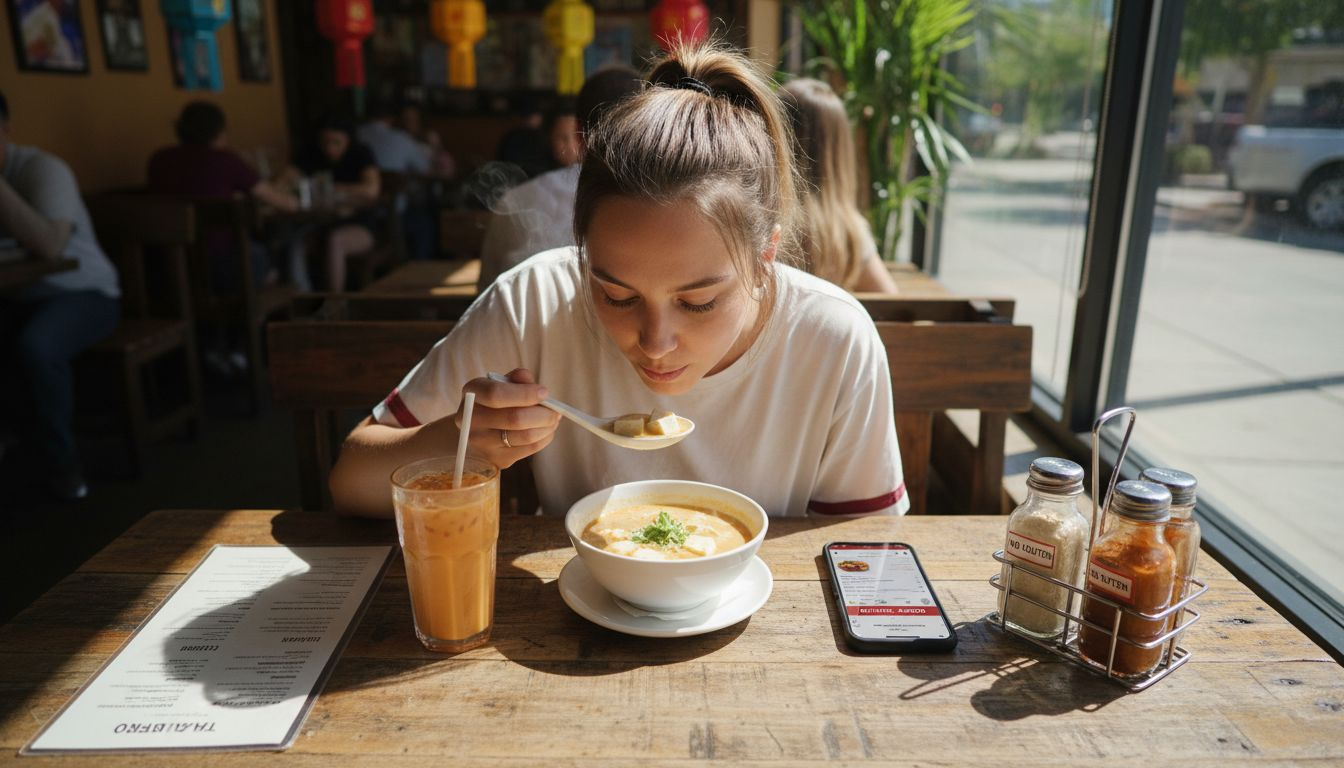
Vegan adaptations typically involve replacing animal proteins with alternatives like tofu, tempeh, and legumes. Classic dishes such as Pad Thai can be transformed by substituting shrimp or chicken with crispy tofu, while maintaining the signature tangy and sweet flavor profile. Coconut milk serves as an excellent base for curries, allowing chefs to create rich, creamy sauces without dairy products. Gluten-free diners should exercise caution with traditional sauces, requesting tamari instead of standard soy sauce and confirming that marinades and seasonings are free from wheat-based ingredients.
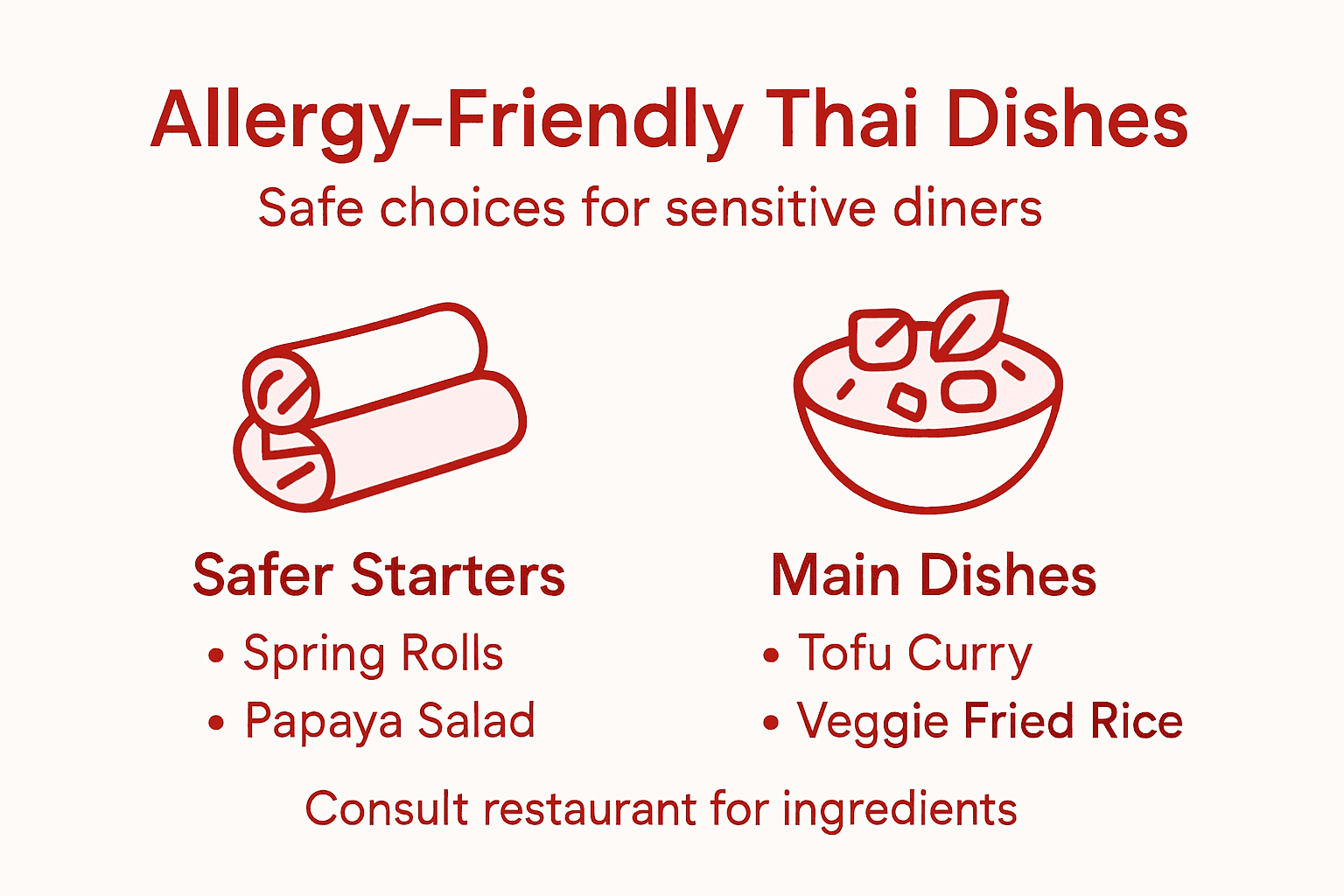
Some quintessential Thai dishes that work exceptionally well in gluten-free and vegan variations include green and red vegetable curries, som tam (papaya salad without fish sauce), vegetable spring rolls, and stir-fried vegetables with aromatic herbs. Restaurants committed to inclusive dining often provide dedicated menus or can modify standard dishes to meet specific dietary requirements. Communicating clearly about your dietary needs ensures a safe and satisfying dining experience.
Pro tip: Request all sauces and marinades on the side to maintain better control over potential allergen exposure during your meal.
Tips for Ordering Allergy-Friendly Takeout
Successfully navigating takeout orders with food allergies requires strategic communication and careful planning. Ordering allergy-safe meals demands proactive engagement with restaurant staff and a comprehensive understanding of potential cross-contamination risks. Diners must approach takeout as an opportunity to advocate for their health and safety, using clear and direct communication strategies.
Before placing an order, compile a detailed list of your specific allergies and dietary restrictions. Contact the restaurant directly, preferably by phone, to discuss preparation methods and ingredient sourcing. Request simplified dishes with fewer ingredients and ask about dedicated cooking surfaces or utensils for allergen-free meal preparation. Opt for unbreaded, grilled, or steamed options that minimize potential allergen exposure, and consider dishes with straightforward ingredient lists that can be easily modified.
Digital ordering platforms and restaurant websites can be valuable resources for allergy-aware dining. Look for establishments that provide transparent ingredient information, offer customization options, and demonstrate a commitment to accommodating dietary needs. Some restaurants provide allergen matrices or detailed nutritional information that can help you make informed choices. When in doubt, always prioritize direct communication with kitchen staff over assumptions about menu items.
Below is a summary of strategies for ordering safe and delicious allergy-friendly Thai takeout:
Tip | Description |
Call Restaurant Directly | Confirm procedures and discuss allergies clearly |
Request Ingredient Modification | Simplify dishes and exclude risky components |
Ask About Utensil Separation | Ensure use of clean cookware for allergen-free meals |
Use Allergy Communication Cards | Standardize and clarify your allergy information |
Pro tip: Develop a standardized allergy communication card that clearly outlines your specific dietary restrictions to share with restaurant staff during takeout orders.
Experience Allergy-Friendly Thai Flavors You Can Trust
Managing food allergies while savoring authentic Thai cuisine can be daunting. This article highlights the challenges of navigating common allergens like peanuts, shellfish, soy, and gluten in Thai dishes. If you are seeking vibrant flavors without compromising your health or safety, Thai Spoon Las Vegas offers carefully crafted menu options that address these exact concerns. Their dedication to accommodating vegan, gluten-free, and allergy-sensitive diners ensures you enjoy traditional favorites such as Pad Thai and Yellow Curry with peace of mind.
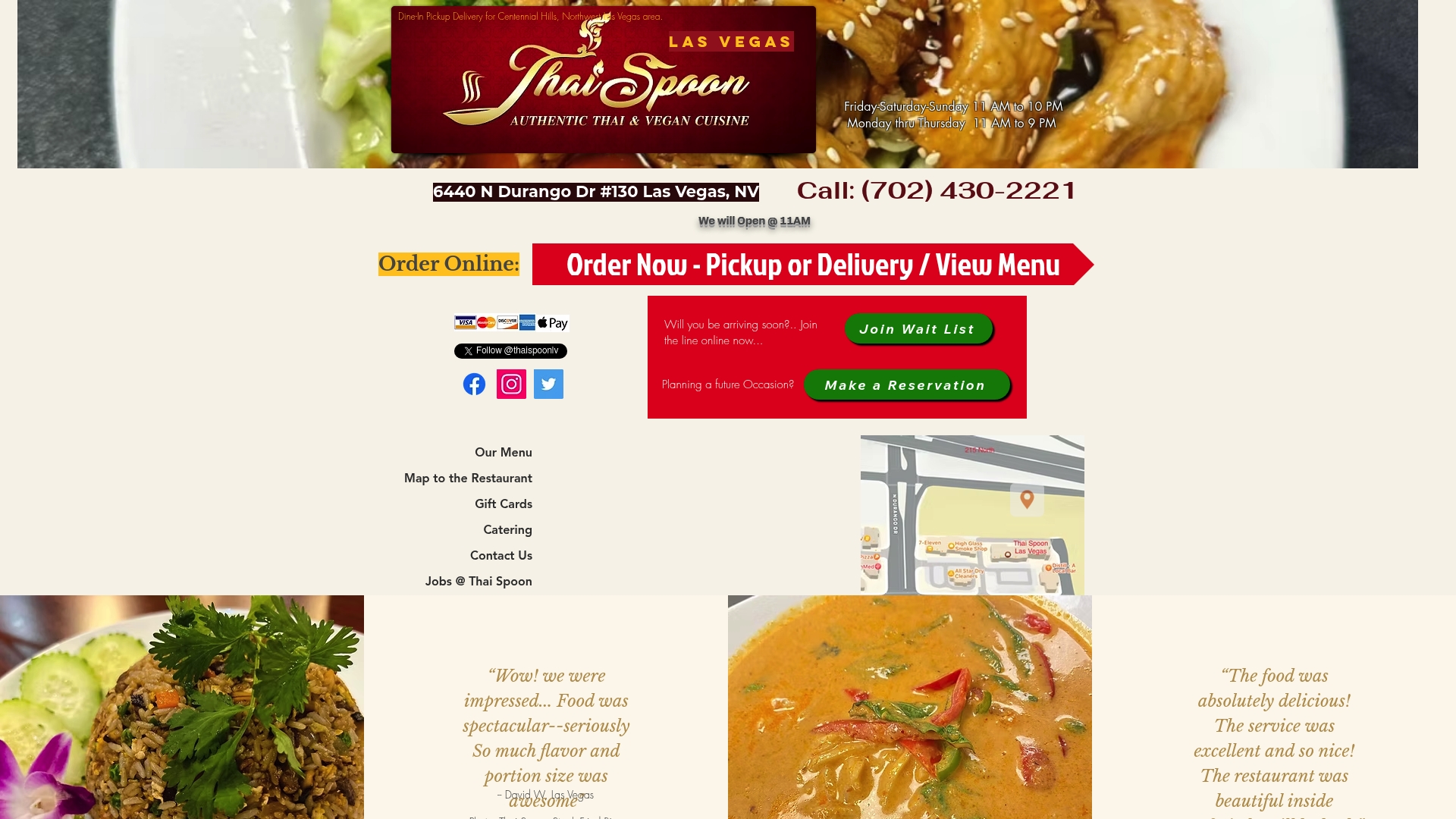
Discover how Thai Spoon Las Vegas transforms authentic recipes with thoughtful ingredient choices and clear communication. Whether dining in or ordering takeout, you can rely on their commitment to preventing cross-contamination and customizing meals according to your specific dietary needs. Visit Thai Spoon Las Vegas now to explore their menu offerings, learn about their allergy-conscious approach, and place your safe and delicious order today. Don’t wait to experience the full vibrant taste of Thai cuisine without worry.
Frequently Asked Questions
What are common allergens found in Thai dishes?
Common allergens in Thai cuisine include peanuts, shellfish, eggs, soy, and gluten. These ingredients are often present in traditional recipes and may require careful substitution or modification for allergy-sensitive diners.
How can I customize my Thai dish to be allergy-friendly?
To make a Thai dish allergy-friendly, you can request ingredient substitutions, such as using tamari instead of soy sauce, omitting peanuts, or choosing coconut milk instead of dairy. Always communicate your specific allergies to the chef.
What should I do if I’m unsure about the ingredients in a Thai dish?
If you’re uncertain about the ingredients, ask the restaurant staff for detailed information about the dish’s components and preparation methods. It’s important to clarify your allergies and confirm that there’s no risk of cross-contamination.
Are there vegan and gluten-free options available in Thai cuisine?
Yes, many traditional Thai dishes can be easily modified to be vegan and gluten-free. For instance, you can substitute animal proteins with tofu or tempeh and use tamari to replace wheat-based soy sauce for gluten-free needs.
Recommended
Comments