


What Is Family-Style Thai Dining and Why It Matters
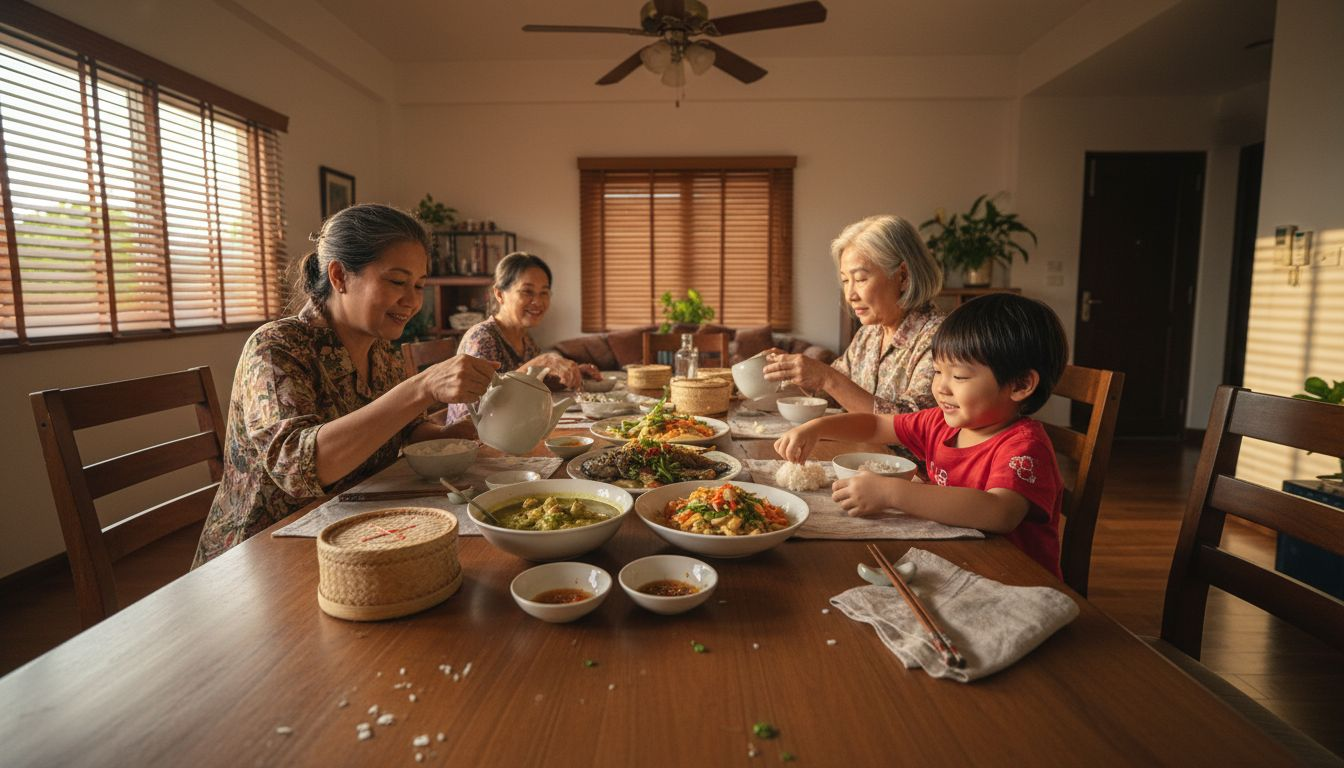
Searching for an authentic family-style Thai dining spot in Northwest Las Vegas can be an adventure when you want each meal to spark conversation and connection. Thai cuisine shines through its tradition of sharing dishes, inviting variety and balance to every table. Whether you crave classic flavors or need vegan and gluten-free options, communal eating transforms dinner into a joyful group experience that celebrates cultural identity, respect, and inclusivity.
Table of Contents
Key Takeaways
Point | Details |
Cultural Significance | Family-style Thai dining fosters social bonds and cultural identity, turning meals into communal experiences. |
Diverse Dishes | The variety of dishes accommodates dietary preferences, ensuring inclusivity in meal experiences. |
Etiquette Matters | Understanding dining etiquette enhances the communal atmosphere and respects cultural traditions. |
Psychological Benefits | Shared dining experiences contribute to emotional well-being and a sense of belonging among participants. |
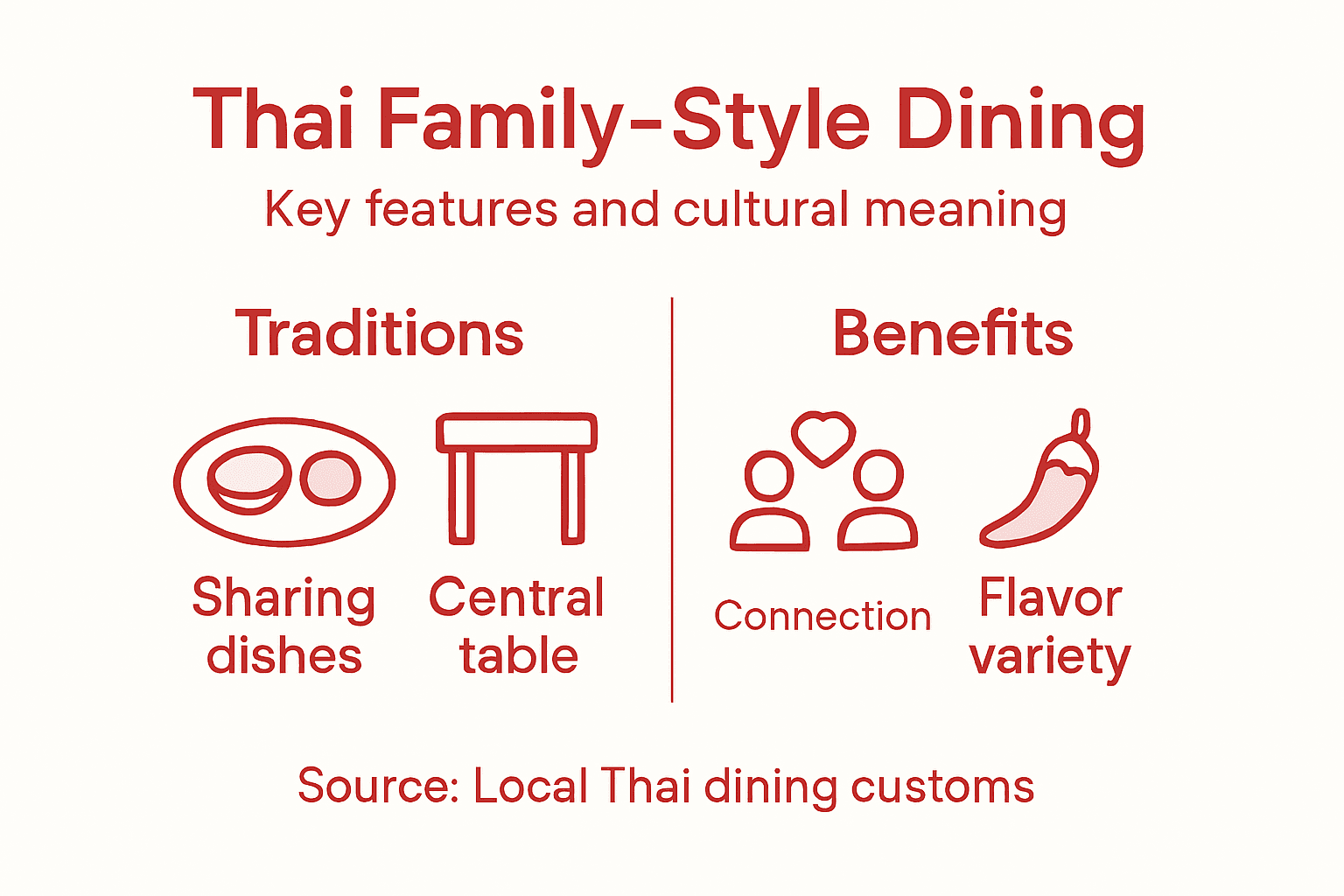
Defining Family-Style Thai Dining Traditions
Family-style Thai dining represents far more than simply sharing meals - it’s a profound cultural practice that transforms eating into a deeply social and connective experience. Communal food sharing traditions reveal how Thai cuisine embodies community, relationship, and cultural identity through its unique approach to meal preparation and consumption.
In traditional Thai dining, multiple dishes are strategically placed at the center of the table, inviting everyone to participate in a shared culinary journey. This approach differs significantly from Western individual-plate dining, emphasizing collaboration and connection. Key characteristics of family-style Thai dining include:
Diverse dish selection representing multiple flavor profiles
Dishes served simultaneously, encouraging communal interaction
No strict individual portions - food is shared and passed around
Emphasis on balance between sweet, sour, salty, and spicy flavors
Meals designed to promote conversation and social bonding
The cultural significance of this dining style goes beyond mere nutrition. Communal eating transforms meals into opportunities for strengthening familial and social relationships, where each shared bite represents an act of cultural expression and mutual respect. Thai food traditions demonstrate how food serves as a powerful medium for preserving heritage and fostering cross-cultural understanding.
Here’s a quick comparison of Thai family-style dining and typical Western dining:
Aspect | Thai Family-Style Dining | Western Individual Dining |
Food arrangement | Shared central dishes | Individual personal plates |
Meal pace | Relaxed, encourages conversation | Often more structured/timed |
Portioning | Flexible, guests self-serve | Pre-portioned by host or staff |
Social interaction | High, fosters group connection | Moderate, limited food sharing |
Pro tip: When experiencing family-style Thai dining, start by taking small portions from shared dishes and rotate the plates to ensure everyone gets to taste each delicacy.
Key Dishes and Sharing Etiquette Explained
Family-style Thai dining involves a carefully orchestrated selection of dishes that showcase the cuisine’s remarkable diversity and complexity. Thai dining practices reveal a sophisticated approach to meal sharing that goes far beyond simple food consumption, emphasizing communal connection and culinary harmony.
Traditional Thai family-style meals typically include an array of dishes designed to create a balanced sensory experience. Key dishes commonly served include:
Curries: Rich, complex sauces with various protein and vegetable combinations
Stir-fries: Quick-cooked dishes featuring fresh ingredients and bold seasonings
Salads: Typically spicy and tangy, like Som Tam (green papaya salad)
Steamed rice: The foundational element that accompanies and balances other dishes
Grilled meats: Often marinated with distinctive Thai herbs and spices
The etiquette surrounding these shared meals is equally important. Communal dining requires careful consideration, with participants taking small portions and using shared serving utensils to maintain respect and hygiene. Thai eating culture emphasizes creating a harmonious dining experience where each person’s actions contribute to the meal’s overall enjoyment.
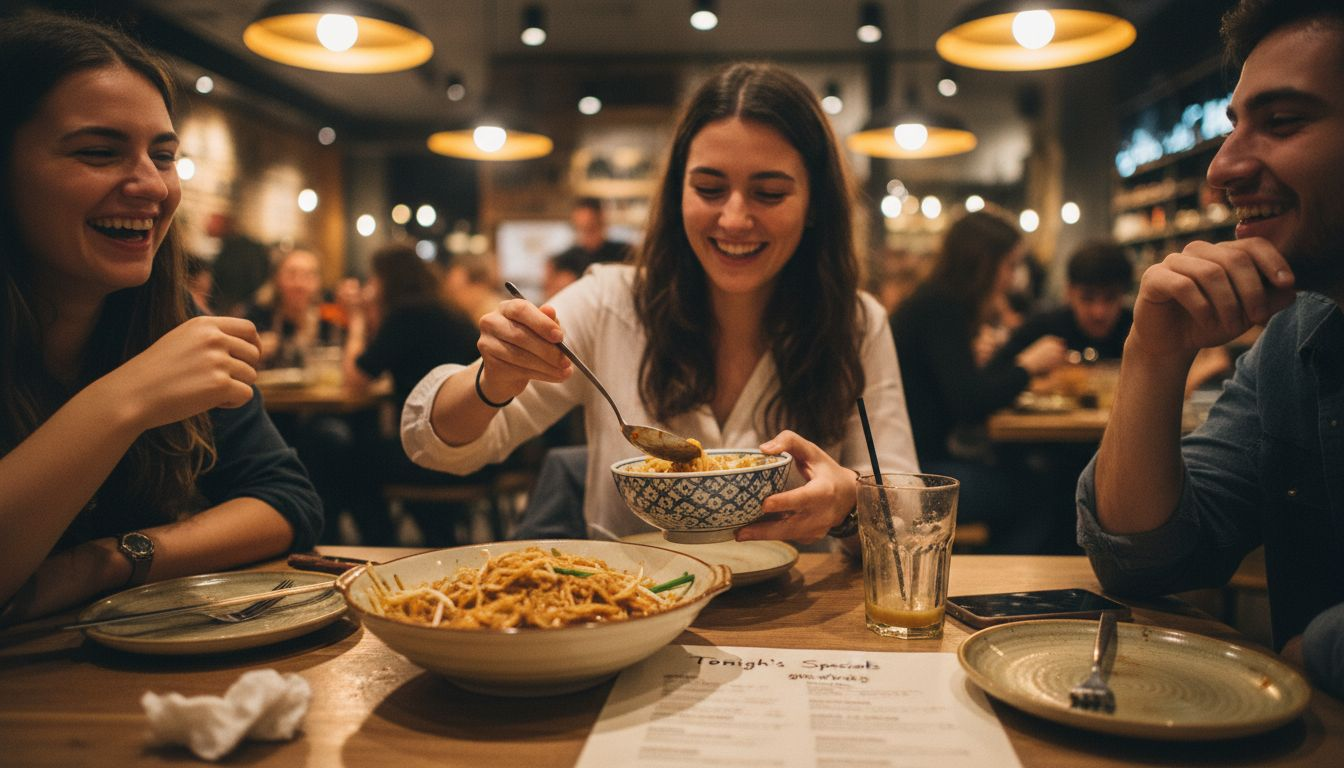
Pro tip: When dining family-style, always use the communal serving spoon and take modest portions to ensure everyone at the table can enjoy the variety of dishes.
Types of Dishes and Dietary Variations
Thai cuisine offers an impressive array of dishes that cater to diverse dietary preferences and restrictions. Thai culinary adaptations demonstrate remarkable flexibility, ensuring that everyone can enjoy a flavorful dining experience regardless of their dietary needs.
The range of dietary options in Thai family-style dining is extensive, featuring multiple variations to accommodate different preferences:
Vegetarian Dishes
Tofu-based stir-fries
Vegetable curries
Som Tam (green papaya salad without fish sauce)
Vegan Options
Plant-based protein substitutes
Coconut milk-based curries
Fresh vegetable preparations
Gluten-Free Selections
Rice-based dishes
Grilled meats and seafood
Vegetable-centered meals
Thai eating culture highlights the inherent inclusivity of traditional dining, where modifications and personal preferences are not just accommodated but celebrated. The cuisine’s fundamental approach allows for seamless adaptations without compromising the rich, complex flavor profiles that make Thai food extraordinary.
Pro tip: When exploring Thai family-style dining, communicate your dietary restrictions clearly to ensure a personalized and enjoyable meal experience.
Benefits of Family-Style Dining Experiences
Thai cultural dining practices reveal that family-style meals are far more than simple food consumption - they are profound social experiences that nurture connections and preserve cultural identity. By design, this dining approach transforms eating from a solitary activity into a rich, interactive celebration of community and shared experience.
The psychological and social benefits of family-style dining are multifaceted and deeply significant:
Social Connection
Encourages conversation and interaction
Breaks down communication barriers
Creates shared memory-making opportunities
Cultural Preservation
Maintains traditional eating customs
Transmits cultural knowledge across generations
Celebrates culinary heritage
Emotional Well-being
Reduces feelings of isolation
Promotes sense of belonging
Builds supportive interpersonal relationships
Thai dining research underscores how communal dining transcends mere nutrition, serving as a powerful mechanism for psychological comfort and cultural exchange. The collaborative nature of sharing dishes creates an environment of mutual respect, understanding, and genuine human connection that extends far beyond the dining table.
Pro tip: Approach family-style dining with an open mind and willingness to share, ensuring you experience the full social and culinary richness of the meal.
Common Mistakes and How to Avoid Them
Thai dining etiquette reveals that family-style dining requires nuanced understanding and cultural sensitivity. Novice diners often unintentionally disrupt the delicate social dynamics of communal meals by failing to recognize the subtle rules that govern shared culinary experiences.
The most prevalent mistakes in family-style Thai dining include:
Serving Missteps
Using personal utensils in communal dishes
Overfilling your plate
Ignoring hierarchical serving protocols
Cultural Misunderstandings
Rushing through the meal
Eating before elders or guests
Disrupting the flavor balance
Etiquette Errors
Speaking loudly or aggressively
Criticizing food selections
Displaying impatience
Dining tradition guidelines emphasize the importance of modest, respectful participation. The goal is not just eating, but creating a harmonious shared experience that honors both the food and the individuals gathered around the table. Understanding these nuanced expectations transforms a potentially awkward meal into a meaningful cultural exchange.
Below is a summary of common pitfalls and tips for Thai family-style dining success:
Mistake Type | Example Error | Best Practice Tip |
Serving Utensils | Using your own spoon | Use provided serving spoons |
Social Etiquette | Eating before elders | Wait for elders to begin first |
Portioning | Filling plate too much | Take modest portions, repeat rounds |
Table Manners | Speaking loudly at table | Converse respectfully and quietly |
Pro tip: Observe the dining rhythm of others at the table and follow their lead to navigate family-style Thai dining with grace and respect.
Experience Authentic Family-Style Thai Dining at Thai Spoon Las Vegas
Family-style dining is all about connection, sharing, and savoring diverse flavors together. If you want to truly embrace the heartfelt traditions of Thai communal meals, Thai Spoon Las Vegas offers an authentic space where each dish invites you to share and create meaningful moments around the table. From rich curries and vibrant salads to vegan and gluten-free options, every plate is designed to bring people closer while honoring the principles of balance and respect described in family-style Thai dining.
Discover how easy it is to enjoy these cherished dining customs in northwest Las Vegas. Whether you are planning a large party or a casual night out, Thai Spoon’s menu emphasizes authentic Thai flavors and the joy of shared meals. Visit Thai Spoon Las Vegas now to explore our full menu, learn about our lunch and happy hour specials, and order online for pickup or delivery. Experience genuine Thai family-style dining today and make your meal a celebration of culture and community.
Frequently Asked Questions
What is family-style Thai dining?
Family-style Thai dining is a cultural practice that emphasizes communal sharing of multiple dishes placed at the center of the table, fostering connection and interaction among diners.
What are some key characteristics of family-style Thai dining?
Key characteristics include diverse dish selections that represent multiple flavors, dishes served simultaneously, shared portions, and an emphasis on promoting conversation and social bonding.
How do you properly participate in family-style Thai dining?
When participating, take small portions from shared dishes using communal utensils, and rotate the plates to ensure everyone has a chance to taste all the delicacies.
What are the benefits of engaging in family-style dining?
Family-style dining nurtures social connections, preserves cultural practices, fosters emotional well-being, and creates shared memories, transforming meals into meaningful experiences.
Recommended
Comments