


Local Thai Dining Explained: Authenticity and Flavor
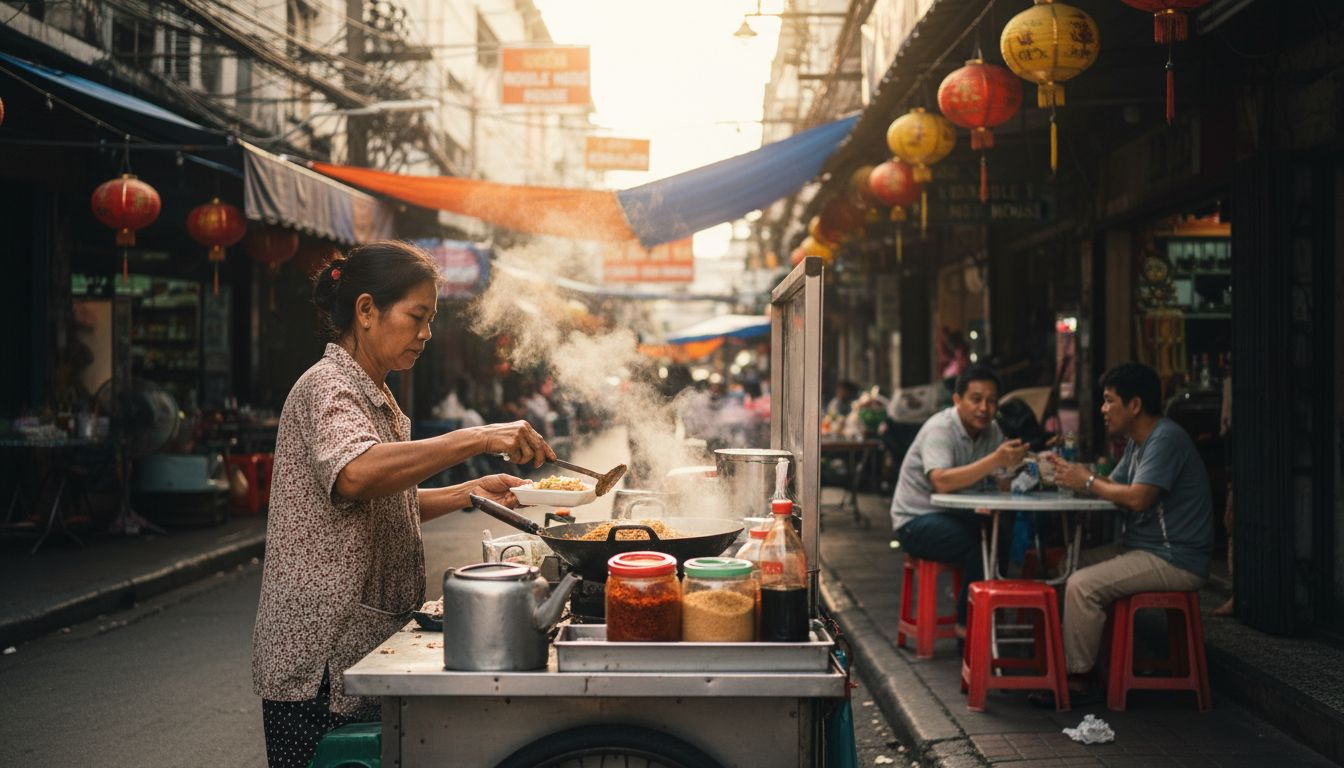
Craving something more than just a meal, many Northwest Las Vegas residents are searching for authentic Thai dining experiences that bring cultural tradition and vibrant flavors together. Local Thai cuisine is shaped by the balance of sweet, sour, salty, and spicy tastes, meticulous presentation, and warm hospitality. This guide highlights the essentials of authentic Thai dining, offering insight into flavor, atmosphere, and menu options while helping food lovers discover convenient takeout and catering services that honor Thailand’s rich culinary heritage.
Table of Contents
Key Takeaways
Point | Details |
Authentic Thai Dining | Emphasizes flavor balance, fresh ingredients, and warm hospitality to create a communal and cultural dining experience. |
Adaptation of Thai Cuisine | Techniques and flavors evolve with local contexts, maintaining cultural integrity while accommodating modern dietary needs. |
Culinary Complexity | Thai cuisine encompasses diverse regional flavors and ingredients, challenging misconceptions that oversimplify its richness. |
Communication in Dining | Clear menu descriptions and server engagement are essential to bridge potential gaps in understanding and enhance the dining experience. |
Defining Local Thai Dining Experiences
Authentic Thai dining transcends mere consumption of food—it represents a profound cultural narrative deeply rooted in tradition and community. Understanding ethnic food culture reveals how culinary practices preserve cultural identity while adapting to local contexts.
Local Thai dining experiences are characterized by several distinctive elements that transform a simple meal into a multisensory journey:
Flavor Balance: Complex combinations of sweet, sour, salty, and spicy tastes
Fresh Ingredients: Emphasis on locally sourced, seasonally available produce
Presentation: Meticulous attention to visual aesthetics and plate composition
Hospitality: Warm, genuine service that reflects traditional Thai cultural values
These experiences go beyond restaurant walls, representing a dynamic interaction between culinary heritage and contemporary urban environments. Authenticity emerges not just from recipe accuracy, but from the emotional and cultural connections embedded in each dish.
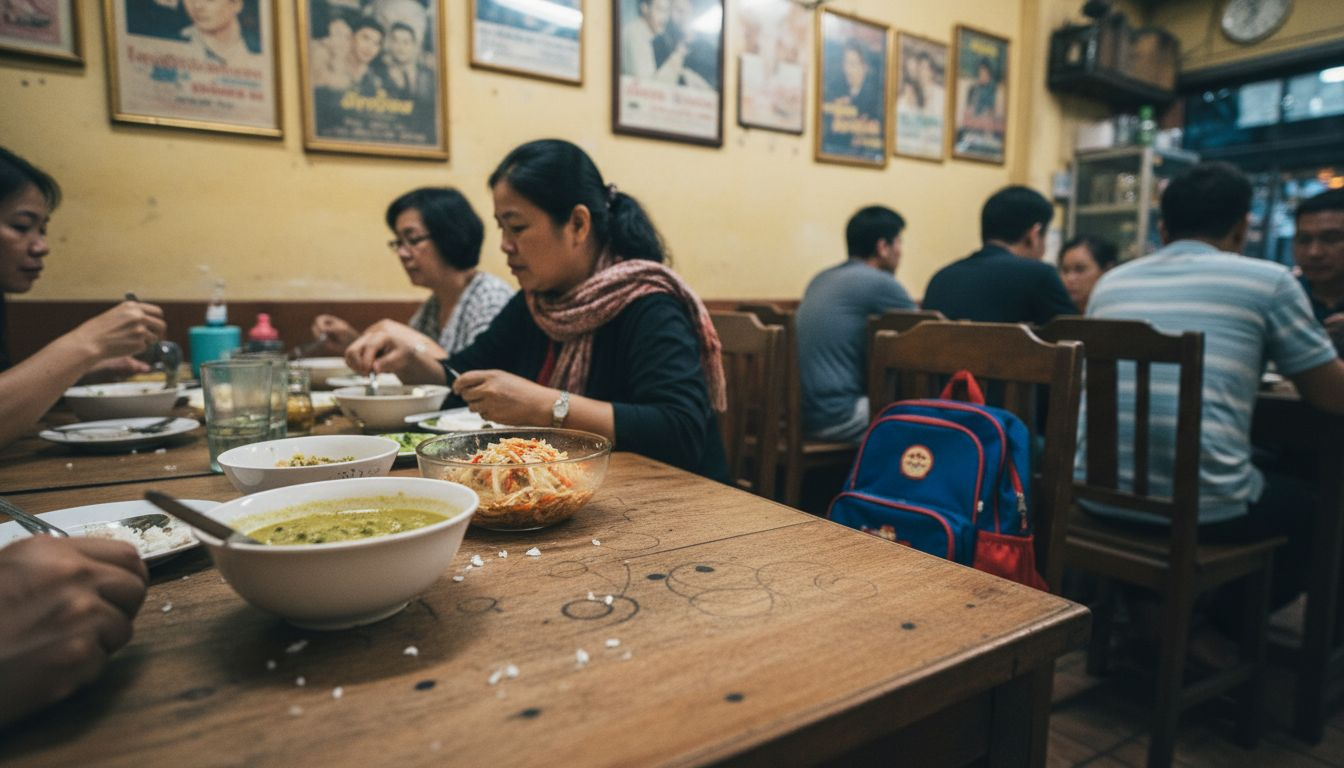
The social dimension of Thai dining plays a crucial role. Meals are communal experiences that encourage sharing, conversation, and connection. Unlike formal Western dining, Thai restaurants often create spaces that feel intimate and welcoming, where food becomes a medium for storytelling and cultural exchange.
Pro tip: Explore local Thai restaurants that maintain traditional cooking methods and offer family-style serving to experience the most authentic dining experience.
Authentic Versus Adapted Thai Cuisine
Authentic Thai cuisine represents a complex culinary landscape that continually evolves through cultural exchange and local adaptation. Globalization of Thai cuisine demonstrates how traditional recipes transform while maintaining core cultural elements.
The key differences between authentic and adapted Thai cuisine emerge through several critical dimensions:
Ingredient Sourcing: - Authentic: Exclusively traditional, locally sourced Thai ingredients
Adapted: Substitutions based on local availability and dietary preferences
Flavor Intensity:
Authentic: Bold, uncompromised traditional spice levels
Adapted: Modified to suit milder local palates
Cooking Techniques:
Authentic: Traditional methods passed through generations
Adapted: Simplified techniques matching local kitchen capabilities
Adaptation is not about dilution but cultural translation. Thai immigrant communities often modify recipes strategically, creating dishes that honor traditional foundations while resonating with local tastes. Culinary evolution becomes a form of cultural communication, where each adapted recipe tells a story of migration, integration, and creative preservation.
Consumer perceptions of authenticity continue shifting. Modern diners increasingly value techniques and spirit over rigid ingredient replication, recognizing that cuisine is a living, breathing cultural expression that naturally adapts to new environments.
Here is a side-by-side comparison of authentic versus adapted Thai dining for quick reference:
Aspect | Authentic Thai Dining | Adapted Thai Dining |
Ingredient Sourcing | Only native Thai ingredients | Local ingredient substitutions |
Flavor Experience | Intense, traditional layering | Gentler flavors for local tastes |
Cooking Methods | Heritage techniques, labor-intensive | Streamlined or modernized methods |
Atmosphere/Service | Communal, culturally immersive | May incorporate Western elements |
Menu Customization | Limited adaptations | Regularly offers menu changes |
Pro tip: Ask local Thai restaurants about their adaptation process to understand how they balance traditional flavors with local preferences.
Core Dishes and Dietary Options
Thai cuisine offers an extraordinary range of dishes that celebrate flavor, nutrition, and cultural diversity. Harmonizing dietary preferences demonstrates how traditional recipes can accommodate modern nutritional needs without compromising authentic taste profiles.
Classic Thai dishes represent a vibrant culinary landscape, featuring several core options:
Protein-Based Dishes:
Pad Thai (stir-fried rice noodles)
Green Curry with Chicken
Steak Fried Rice
Vegetarian Options:
Tofu Pad Thai
Vegetable Green Curry
Som Tum (papaya salad)
Dietary Accommodations:
Gluten-free selections
Vegan-friendly modifications
Low-sodium alternatives
Modern Thai restaurants recognize the importance of dietary inclusivity. Culinary flexibility allows chefs to transform traditional recipes, ensuring everyone can enjoy authentic flavors regardless of dietary restrictions. This approach respects both cultural heritage and individual nutritional needs.
This table summarizes how Thai cuisine meets diverse dietary needs in modern restaurants:
Dish Type | Typical Example | Dietary Accommodation | Popular Modification |
Protein-Based | Green Curry Chicken | Gluten-free option | Substitute tofu |
Vegetarian | Som Tum (Papaya Salad) | Vegan preparation | Remove fish sauce |
Rice/Noodle Dishes | Pad Thai | Low sodium request | Use brown rice noodles |
Curry | Vegetable Green Curry | Dairy-free preparation | Add extra vegetables |
The evolution of Thai cuisine reflects a dynamic culinary landscape where tradition meets contemporary dietary awareness. Restaurants now craft menus that celebrate original recipes while providing extensive customization options, allowing diners to experience genuine Thai flavors through personalized dining experiences.
Pro tip: Ask your server about potential dish modifications to create a personalized meal that matches your dietary preferences.
Customer Expectations and Cultural Nuances
Customer expectations in Thai dining extend far beyond simple meal consumption, representing a complex cultural experience. Exploring street food dining experiences reveals the intricate layers of cultural interaction that define authentic Thai restaurant encounters.
The key dimensions of customer expectations in Thai dining include:
Sensory Experience:
Balanced flavor profiles
Aromatic presentation
Visual aesthetic of dishes
Cultural Interaction:
Genuine hospitality
Traditional serving techniques
Storytelling through food
Authenticity Markers:
Traditional ingredient sourcing
Cooking methods reflecting Thai heritage
Respect for regional culinary variations
Hospitality plays a pivotal role in shaping dining perceptions. Thai restaurants understand that service is not just about delivering food, but creating an immersive cultural journey that connects customers with Thailand’s rich gastronomic traditions. Each interaction becomes an opportunity to share cultural narratives beyond the plate.
Modern diners seek more than just a meal—they want an experience that tells a story. This means restaurants must balance technical culinary excellence with emotional connection, transforming dining into a meaningful cultural exchange that transcends mere consumption.
Pro tip: Engage with restaurant staff about dish origins to enhance your understanding of Thai culinary traditions.
Common Misconceptions About Thai Food
Thai cuisine represents a rich, nuanced culinary tradition far more complex than many global perceptions suggest. Global misconceptions about Thai food reveal how simplified stereotypes can dramatically misrepresent the depth and diversity of authentic Thai cooking.
Common misconceptions about Thai food include:
Flavor Simplification:
Assuming all Thai food is extremely spicy
Believing Thai cuisine is uniform across regions
Thinking Thai dishes are only about heat
Ingredient Misunderstandings:
Misconception that curry is always yellow
Believing all Thai food contains coconut milk
Assuming Thai cuisine lacks vegetarian options
Cultural Stereotypes:
Viewing Thai food as exclusively street food
Thinking Thai cuisine is unsophisticated
Overlooking the complexity of flavor balancing
Culinary diversity represents the true essence of Thai food. Each region offers distinct flavor profiles, cooking techniques, and ingredient combinations that challenge monolithic perceptions. The complexity of Thai cuisine goes far beyond the simplistic representations often found in Western restaurants.
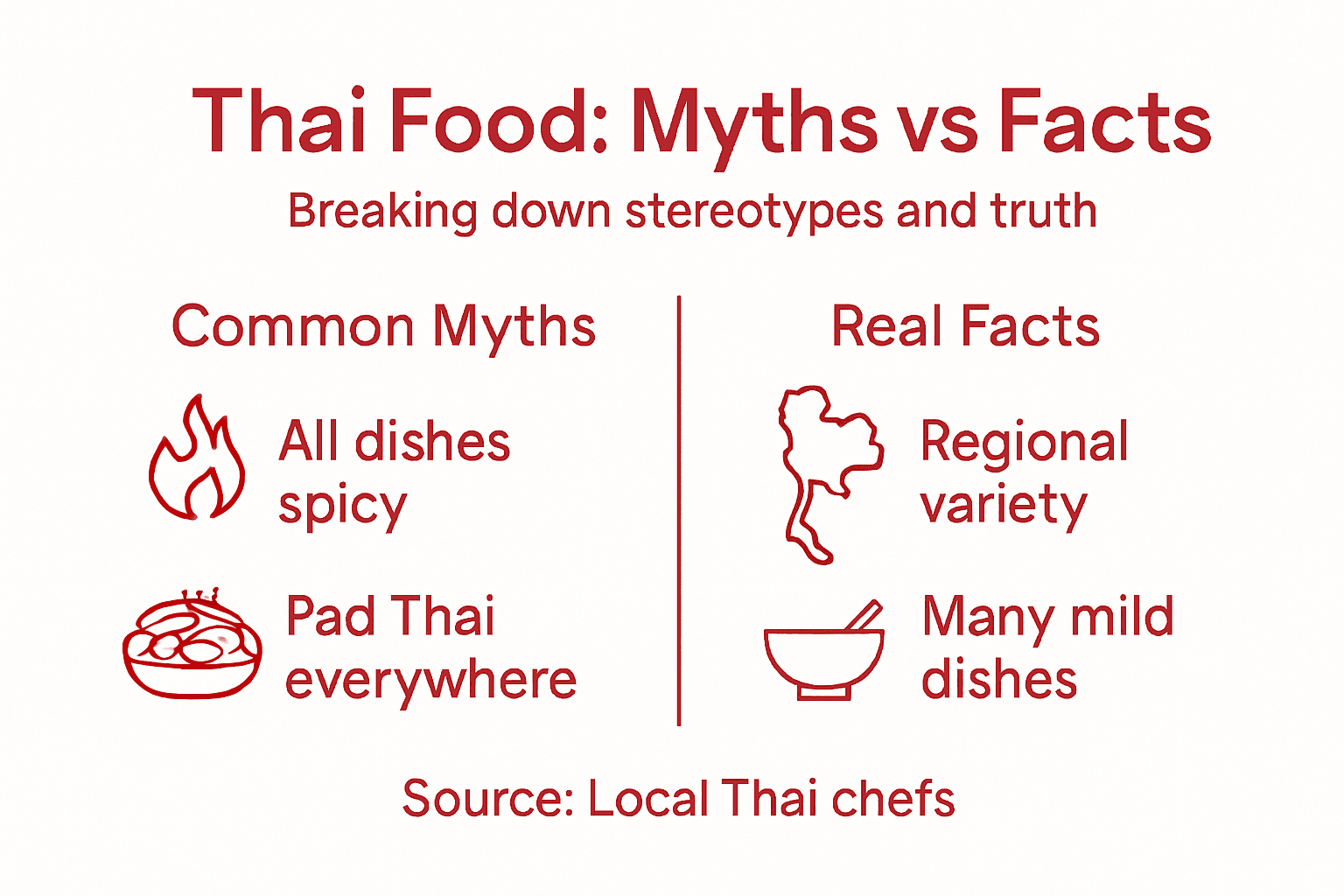
Understanding Thai food requires moving beyond stereotypes and recognizing it as a sophisticated culinary art form. Regional variations, intricate flavor harmonies, and deep cultural connections make Thai cuisine a dynamic and evolving gastronomic experience that cannot be reduced to basic generalizations.
Pro tip: Ask Thai chefs about regional specialties to understand the true depth of Thai culinary traditions.
Risks of Miscommunication in Menu Choices
Navigating a Thai restaurant menu can be challenging, with subtle nuances that dramatically impact dining expectations. Menu description challenges reveal the complex communication landscape between chefs and diners seeking authentic experiences.
Key risks of miscommunication involve several critical dimensions:
Spice Level Misunderstandings:
Unclear spiciness ratings
Inconsistent heat scale descriptions
No standardized spice indicators
Ingredient Confusion:
Unfamiliar Thai ingredient names
Lack of ingredient translation
Insufficient dietary context
Preparation Style Gaps:
Ambiguous cooking method descriptions
Limited explanation of traditional techniques
Minimal cultural context for dishes
Communication barriers extend beyond language, touching cultural interpretations of flavor, texture, and dining experience. Misaligned expectations can transform a potentially delightful meal into a frustrating encounter, highlighting the critical need for clear, informative menu descriptions.
Restaurants play a crucial role in bridging these communication gaps. Comprehensive menu descriptions, staff training, and visual aids can help diners navigate unfamiliar culinary territories, transforming potential confusion into an opportunity for cultural exploration and gastronomic discovery.
Pro tip: Ask servers to explain dish components and potential modifications to ensure a satisfying dining experience.
Experience Authentic Thai Flavor Close to Home
Discover how authentic Thai dining is about more than just food—it is a journey of cultural connection, flavor balance, and genuine hospitality. If you have ever struggled to find a local restaurant that respects traditional Thai cooking methods while offering options for diverse dietary needs like vegan and gluten-free choices this is your chance to enjoy a truly authentic experience. At Thai Spoon Las Vegas you will find carefully prepared dishes like Pad Thai, Yellow Curry, and Steak Fried Rice made with fresh, locally sourced ingredients that honor the spirit of traditional Thai cuisine.
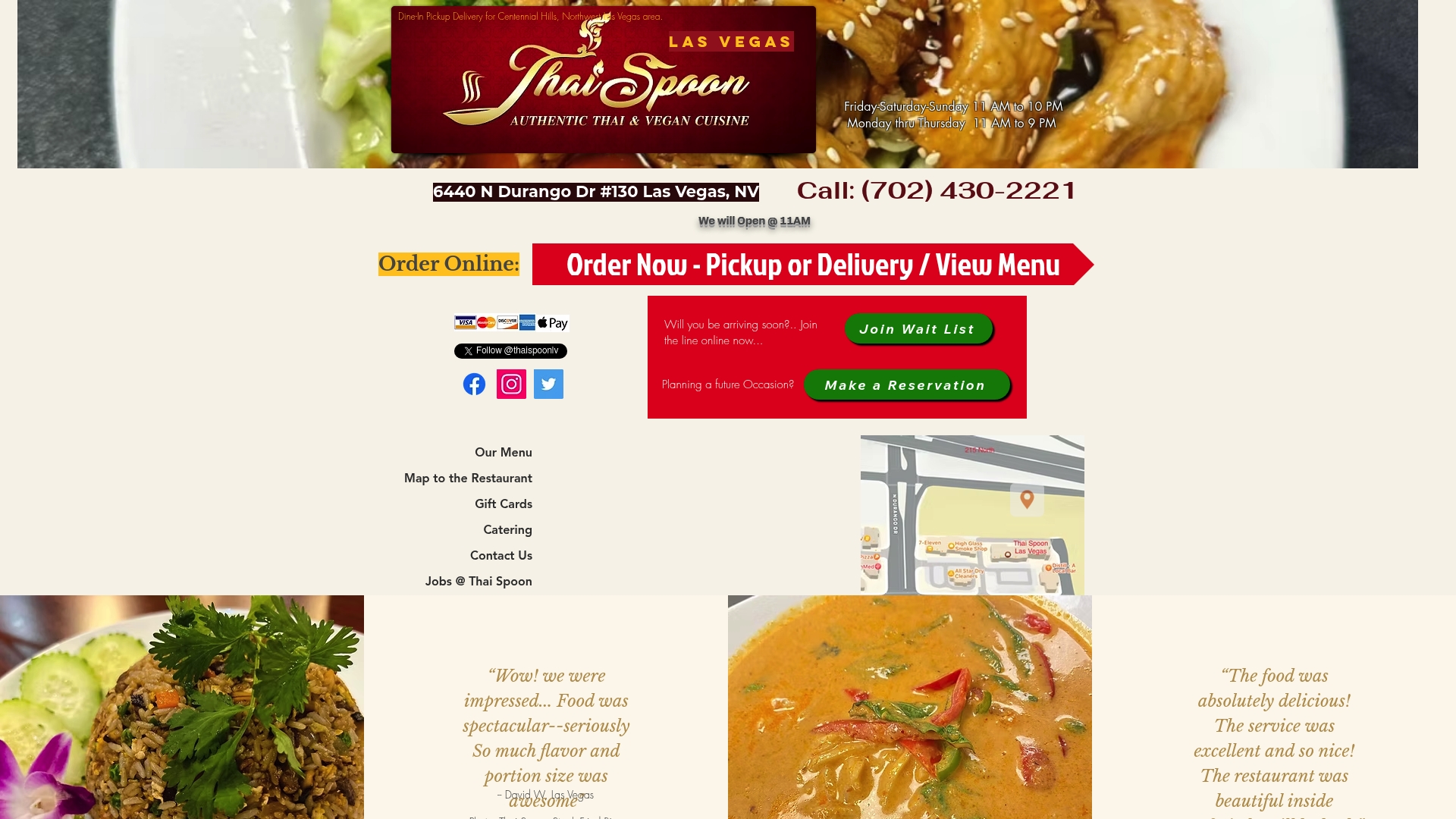
Don’t miss out on the vibrant, communal dining experience that comes with every meal. Whether it is a cozy dinner or a special event, their welcoming atmosphere, accurate flavor profiles, and attentive service deliver the cultural richness described in the article. Visit Thai Spoon Las Vegas now to explore the menu and easily order pickup or delivery. Enjoy authentic Thai dining that meets your taste preferences and dietary requirements. Your next flavorful journey awaits.
Frequently Asked Questions
What defines authentic Thai dining experiences?
Authentic Thai dining experiences are characterized by a balance of flavors, use of fresh ingredients, meticulous presentation, and warm hospitality. It’s about more than just food; it’s a cultural journey that emphasizes sharing and connection.
How does the authenticity of Thai cuisine differ from adapted versions?
Authentic Thai cuisine relies on traditional ingredients, bold flavors, and heritage cooking techniques, while adapted versions may substitute ingredients, modify spice levels, and simplify cooking methods to appeal to local tastes.
What are some common core dishes in Thai cuisine?
Common core dishes in Thai cuisine include Pad Thai, Green Curry with Chicken, Tofu Pad Thai, and Som Tum (papaya salad), among others. Many dishes also have vegetarian and gluten-free options to accommodate dietary preferences.
What should I expect in terms of customer service at a Thai restaurant?
You can expect genuine hospitality that reflects traditional Thai cultural values, creating an immersive dining experience. This includes attentive service, traditional serving techniques, and opportunities for cultural interaction through storytelling related to the dishes.
Recommended
Comments