





Role of Vegetables in Thai Cuisine: Health and Flavor Impact
- mail469793
- Feb 9
- 7 min read
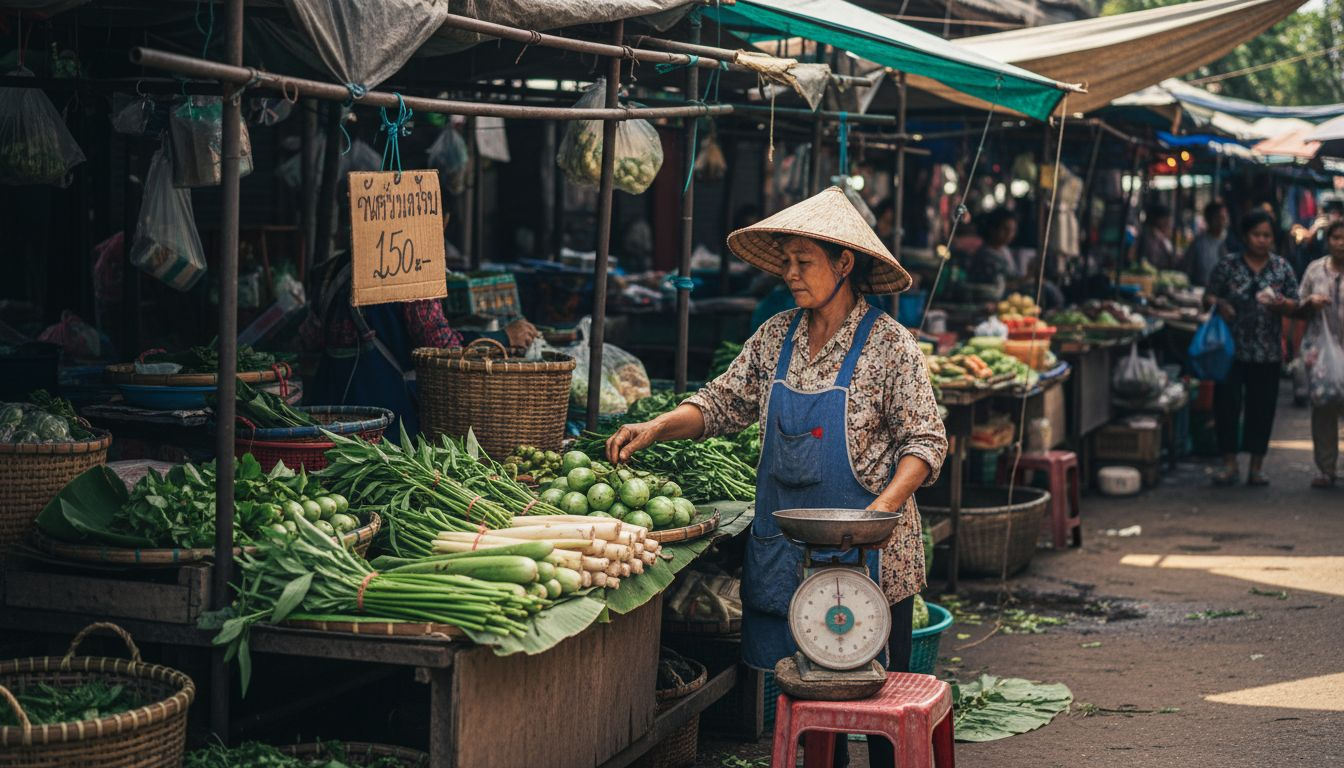
Choosing a vegan-friendly meal in Northwest Las Vegas can be a challenge if you want both authenticity and nutrition. Thai cuisine stands out by turning vegetables into more than just a side—they are centerpieces bursting with flavor, texture, and cultural history. From crisp Thai eggplant to aromatic galangal, these ingredients offer creative possibilities for plant-based diners seeking something special. Authentic Thai vegetable dishes bring both satisfying taste and vibrant wellness to your table while supporting local traditions.
Table of Contents
Key Takeaways
Point | Details |
Vegetables as Core Ingredients | In Thai cuisine, vegetables are not mere garnishes; they are essential for achieving balance in flavor and enhancing nutritional value. |
Understanding Regional Varieties | The preparation of vegetables varies widely across regions in Thailand, reflecting local agricultural practices and cultural significance. |
Culinary Techniques Matter | Common cooking techniques like stir-frying and steaming preserve the flavor and texture of vegetables, transforming them into standout dishes. |
Health Benefits of Thai Vegetables | Many Thai vegetables provide significant health benefits, including antioxidants and nutritional support, making them valuable for overall wellness. |
Vegetables in Thai Cuisine Defined and Misunderstood
Vegetables in Thai cuisine are far more complex than simple side dishes - they are fundamental ingredients that transform flavor profiles and nutritional value. Seasonal vegetable diversity reflects Thailand’s rich agricultural heritage, where each region contributes unique produce with distinctive characteristics.
Traditional Thai cooking integrates vegetables through several key approaches:
Balancing Flavors: Vegetables provide critical counterpoints to spicy, sweet, and savory elements
Textural Complexity: Different vegetables offer varied crunch, softness, and mouthfeel
Nutritional Enhancement: Fresh produce adds essential vitamins and minerals
Common vegetables like Thai eggplant, morning glory, and bamboo shoots aren’t just ingredients - they’re cultural ambassadors representing generations of culinary wisdom. These vegetables often carry regional significance, with preparation methods varying dramatically between northern mountain villages and coastal communities.
Many Western diners misunderstand Thai vegetable usage, assuming they’re merely decorative. In reality, vegetables shape traditional dishes fundamentally, acting as flavor carriers and nutritional powerhouses. Garlic, onions, and chilies aren’t just garnishes but core flavor architects in Thai cooking.
Pro tip: When exploring Thai cuisine, pay attention to how vegetables are prepared - their cut, cooking method, and seasoning reveal more about the dish’s cultural origins than you might expect.
Key Thai Vegetable Types and Their Uses
Thai cuisine celebrates an extraordinary diversity of vegetables that go far beyond simple side dishes. Unique vegetable varieties transform dishes with their complex flavors and textures, representing a culinary landscape as rich and varied as Thailand’s geography.
Traditional Thai vegetables can be categorized into several distinctive groups:
Root Vegetables: Galangal, daikon radish, and taro
Leafy Greens: Morning glory, Thai basil, kale
Pod Vegetables: Winged beans, long beans, yard-long beans
Aromatics: Kaffir lime leaves, lemongrass, Thai chilies
Each vegetable plays a specific role in Thai cooking. Distinctive culinary applications highlight how vegetables like bitter melon contribute more than just nutrition - they’re fundamental to creating authentic flavor profiles. Bitter melon, for instance, adds a characteristic sharpness to stir-fries and soups, while galangal provides a warming, peppery undertone in curry pastes.
Understanding these vegetables requires appreciating their regional origins and cultural significance. Northern mountain regions might prepare morning glory differently from coastal communities, with each area developing unique techniques that reflect local agricultural traditions and flavor preferences.
Pro tip: When exploring Thai vegetable dishes, pay attention to preparation methods - the way a vegetable is cut, seasoned, and cooked reveals more about its cultural context than its raw form.
Signature Vegetable Dishes and Cooking Methods
Thai cuisine transforms vegetables into extraordinary culinary experiences through sophisticated cooking techniques and preparation methods. Each method carefully preserves the vegetable’s inherent flavor, texture, and nutritional value while contributing to the complex taste profile characteristic of Thai cooking.
Traditional Thai vegetable cooking methods include:
Stir-Frying: Quick high-heat cooking that maintains vegetable crispness
Steaming: Preserves nutrients and delicate flavors
Raw Preparation: Fresh salads and dipping sauces
Boiling: Used in soups and curries for flavor infusion
Som tam, the famous green papaya salad, exemplifies the Thai approach to vegetable preparation. Vegetable integration techniques demonstrate how raw and cooked vegetables create harmonious dishes that balance heat, sourness, sweetness, and saltiness.
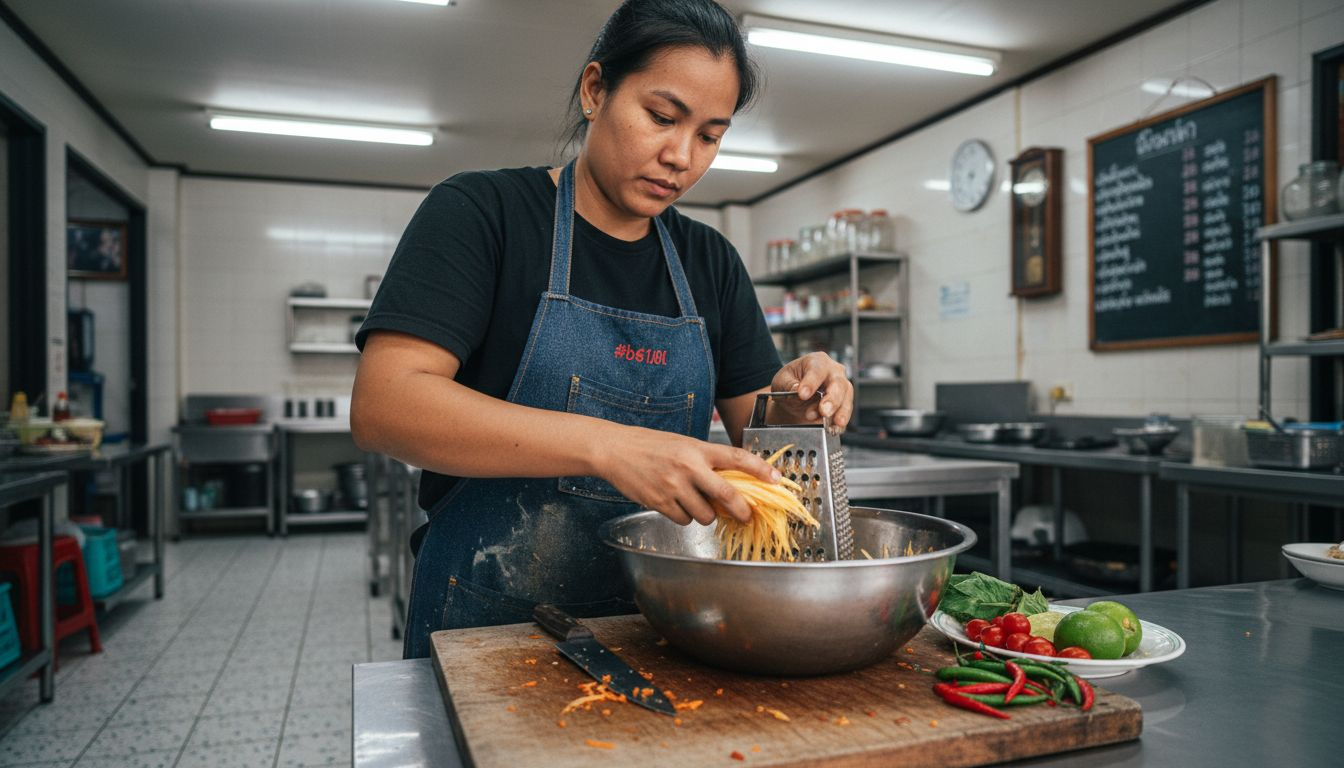
Regional variations play a crucial role in vegetable dish development. Northern Thai mountain communities might emphasize different preparation techniques compared to coastal regions, reflecting local agricultural traditions and available produce. These nuanced approaches ensure that vegetables are not merely ingredients, but integral components of culinary storytelling.
For a clearer understanding, here’s how regional Thai vegetable dishes differ by technique and ingredient focus:
Region | Vegetable Types Featured | Common Prep Methods | Flavor Emphasis |
Northern | Morning glory, bitter melon | Stir-frying, boiling | Hearty, earthy profiles |
Central | Thai basil, long beans | Steaming, stir-frying | Balanced, aromatic |
Coastal | Bamboo shoots, winged beans | Quick steaming, salads | Fresh, bright, tangy |
Pro tip: When preparing Thai vegetable dishes at home, focus on maintaining high heat and quick cooking times to preserve the vegetables’ natural crunch and vibrant flavors.
Nutritional Benefits of Thai Vegetables
Thai vegetables are nutritional powerhouses that provide far more than simple dietary variety. Remarkable health-promoting compounds make these ingredients critical components of a balanced diet, delivering essential nutrients that support overall wellness.
Key nutritional advantages of Thai vegetables include:
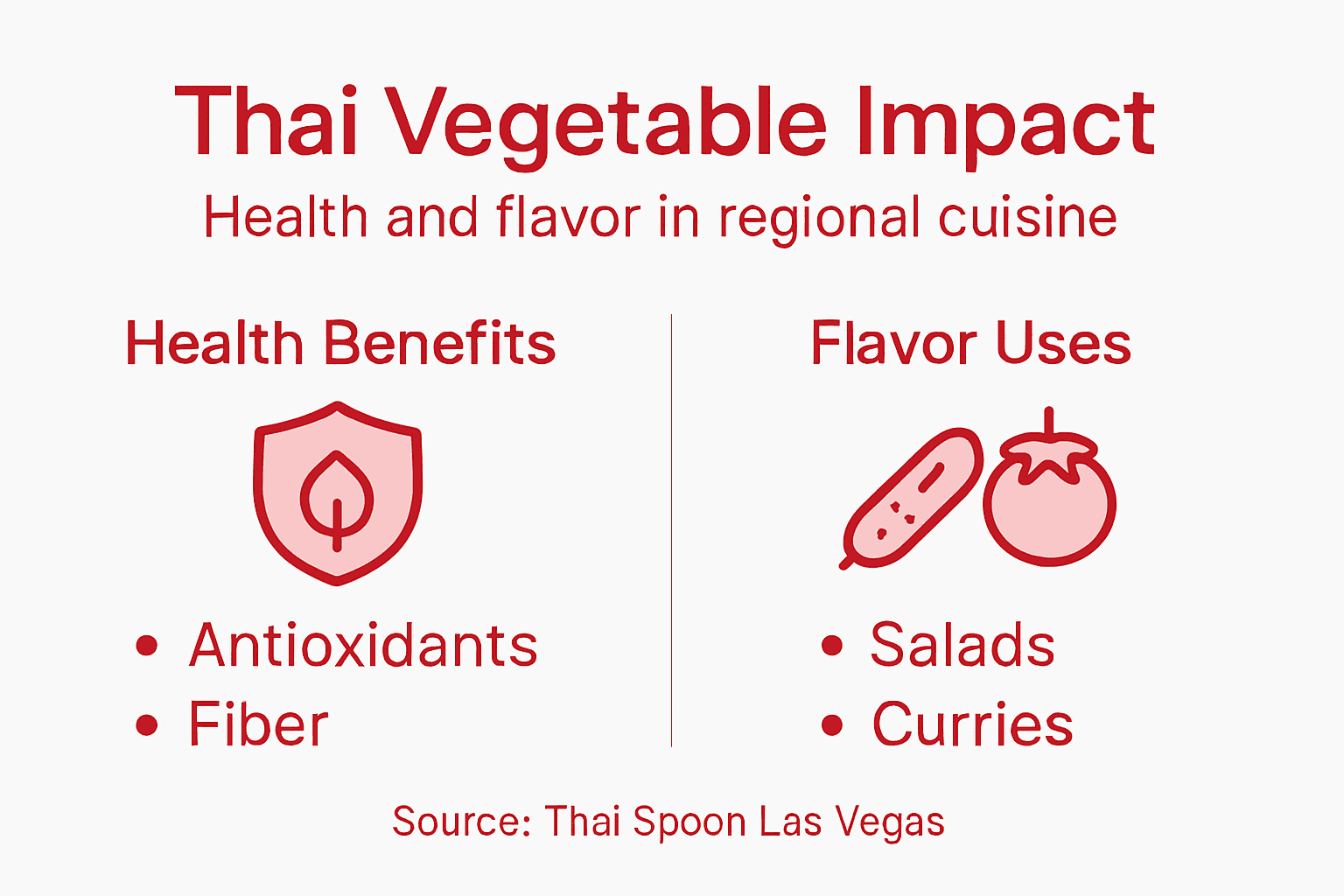
Antioxidant Protection: High levels of carotenoids and vitamins
Low Calorie Content: Supports weight management goals
High Fiber Concentration: Promotes digestive health
Immune System Support: Rich in essential minerals
Specific vegetables demonstrate extraordinary health potential. Medicinal vegetable properties highlight how ingredients like morning glory and bitter melon offer targeted health benefits, ranging from supporting immune function to potentially reducing chronic disease risks.
Northern and coastal Thai regions cultivate unique vegetable varieties that contribute distinctive nutritional profiles. Bitter melon from mountain regions, for instance, contains different concentrations of beneficial compounds compared to coastal varieties, showcasing the incredible diversity of Thai agricultural traditions.
Here’s a summary comparing nutritional benefits of popular Thai vegetables:
Vegetable | Main Nutrient | Health Benefit | Typical Usage |
Morning glory | Vitamin A & C | Supports immunity | Stir-fries, soups |
Bitter melon | Antioxidants | May lower blood sugar | Curries, salads |
Thai eggplant | Fiber, potassium | Aids digestion | Curries, stews |
Galangal | Anti-inflammatory | Reduces inflammation | Curry pastes, soups |
Pro tip: When selecting Thai vegetables, choose the most vibrant and fresh options - their color intensity often indicates higher nutritional density and potential health benefits.
Vegetables Supporting Vegan-Friendly Thai Options
Vegetables play a transformative role in creating authentic vegan Thai dishes, offering remarkable culinary flexibility. Vegetable-based flavor strategies demonstrate how plant ingredients can replicate traditional meat-based flavors while maintaining nutritional integrity.
Key vegetables enabling vegan Thai cuisine include:
Texture Enhancers: Bamboo shoots, eggplant, mushrooms
Protein Alternatives: Tofu, morning glory, bean sprouts
Flavor Carriers: Thai basil, kaffir lime leaves, galangal
Bulk Ingredients: Green papaya, lotus root, daikon radish
Diverse vegetable combinations allow chefs to craft complex vegan dishes that honor traditional Thai culinary principles. Techniques like stir-frying, steaming, and incorporating aromatic herbs transform simple vegetables into intricate, satisfying meals that appeal to both vegans and non-vegans alike.
Regional variations further expand vegan possibilities. Northern Thai mountain communities might emphasize root vegetables and hearty greens, while coastal regions incorporate more tender, quick-cooking vegetables that absorb spices and herbs with remarkable depth.
Pro tip: Experiment with layering vegetables and herbs to create depth of flavor that makes vegan Thai dishes truly memorable.
Common Pitfalls and Smart Ordering Tips
Navigating Thai vegetable dishes requires understanding subtle nuances that can dramatically impact dining experience. Vegetable ordering strategies help diners avoid common misconceptions and enjoy authentic flavors.
Key potential ordering pitfalls include:
Spice Misunderstandings: Assuming all dishes are extremely hot
Texture Surprises: Not anticipating unique vegetable consistencies
Flavor Complexity: Misinterpreting bitter or unfamiliar vegetable tastes
Preparation Variations: Overlooking regional cooking style differences
Smart dining techniques can transform your Thai vegetable experience. Communicating preferences clearly with servers, asking about specific vegetable preparations, and being open to trying unfamiliar ingredients can unlock a world of culinary discovery.
Regional variations significantly influence vegetable selection and preparation. Northern Thai restaurants might offer heartier, more robust vegetable dishes, while coastal establishments feature lighter, more delicate preparations that highlight fresh, quick-cooking techniques.
Pro tip: Always ask your server about the day’s freshest vegetables and recommended preparation methods to ensure the most authentic and delicious dining experience.
Discover the True Power of Thai Vegetables at Thai Spoon Las Vegas
The article highlights how Thai vegetables go beyond simple ingredients to deliver authentic flavors, nutritional benefits, and cultural depth in every dish. If you want to experience the perfect balance of health and taste through expertly prepared Thai vegetables like morning glory, bitter melon, and galangal, look no further than Thai Spoon Las Vegas. Our menu captures the essence of traditional Thai cooking with vegan and gluten-free options that celebrate vegetable diversity and bold flavors.

Ready for a vibrant, healthful dining experience that honors Thai culinary heritage? Visit Thai Spoon Las Vegas to explore our authentic dishes or place an order online for pickup or delivery today. Don’t miss out on our special lunch and happy hour menus that showcase the freshest seasonal vegetables and aromatic herbs crafted just for you.
Frequently Asked Questions
What role do vegetables play in Thai cuisine?
Vegetables in Thai cuisine are essential for balancing flavors, providing textural complexity, and enhancing nutrition. They are integral to dishes, acting as flavor carriers and contributing to the overall culinary experience.
How do cooking methods impact the flavor of Thai vegetables?
Different cooking methods like stir-frying, steaming, and boiling preserve the natural flavors and textures of vegetables, allowing them to shine in dishes while contributing to a complex taste profile characteristic of Thai cuisine.
What are some nutritional benefits of Thai vegetables?
Thai vegetables are rich in antioxidants, low in calories, high in fiber, and provide essential vitamins and minerals that support overall health and wellness, making them a valuable component of a balanced diet.
How can I incorporate Thai vegetables into a vegan diet?
Thai vegetables are versatile and can be used as protein alternatives, flavor carriers, and texture enhancers in vegan dishes. Techniques like stir-frying and layering vegetables with herbs can create complex, satisfying vegan meals.
Recommended
Comments